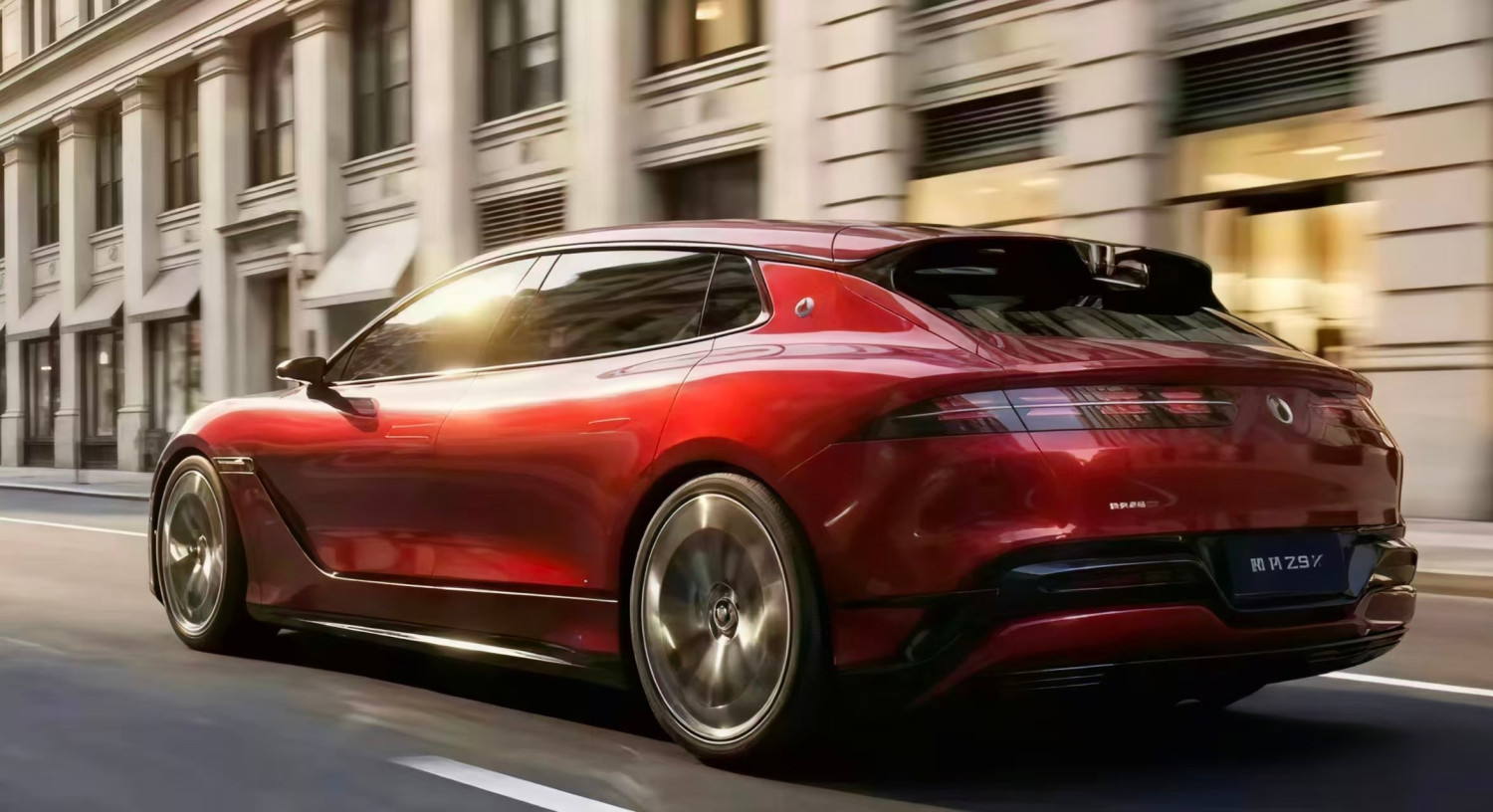
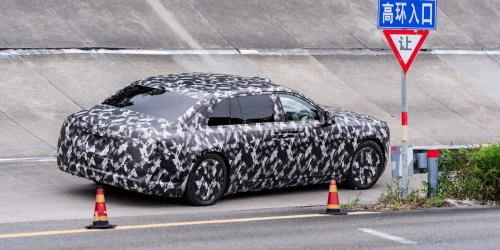
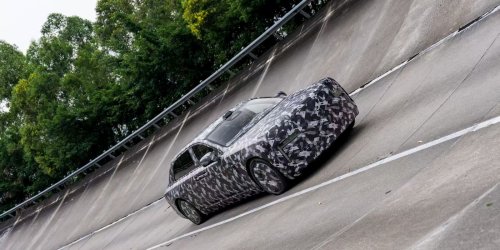
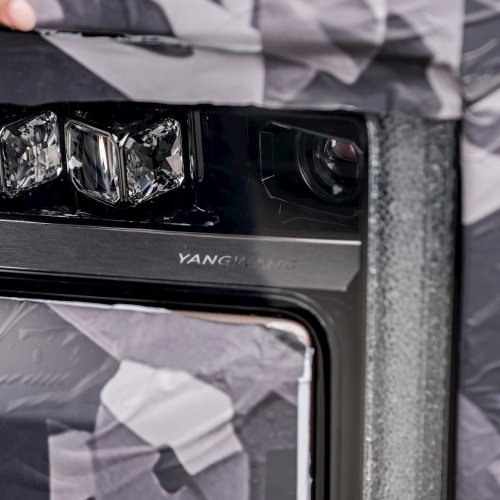
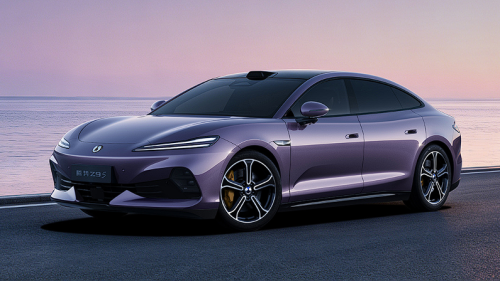
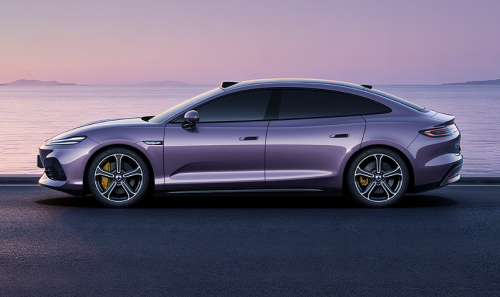
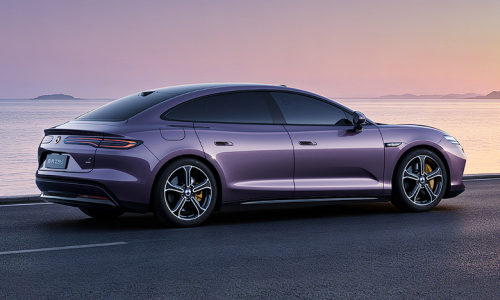
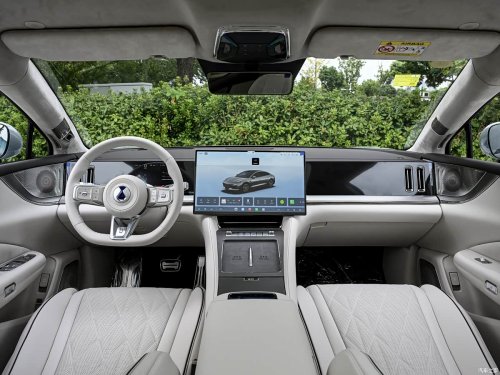
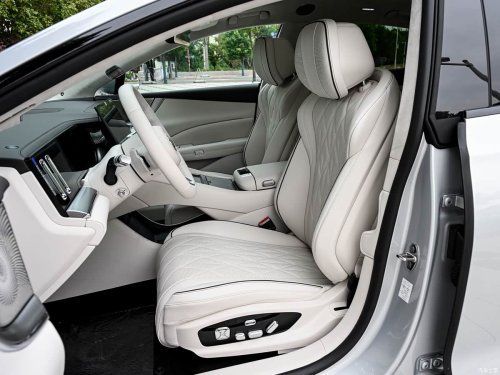
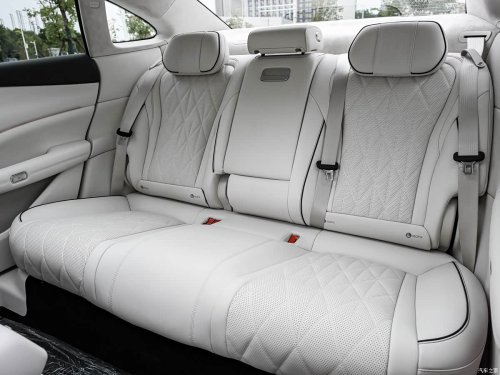
China’s latest electric vehicle range comparison shows a clear stratification in the long-range EV market, with BYD occupying the top tier and most competitors concentrated below the 900 km threshold under the CLTC testing cycle, according to New Energy Experience Expert. According to compiled regulatory and industry data, the Denza Z9 EV ranks first with a 122.5 kWh battery and a certified CLTC range of 1,068 km, followed by the Denza Z9 GT EV at 1,036 km with the same battery capacity. The Yangwang U7 EV ranks third, with a 150-kWh battery and a 1,006-km range. These three models represent the only production electric vehicles in China currently exceeding 1,000 km CLTC range, all under BYD’s premium brand portfolio. About the CLTC cycle: The CLTC (China Light-Duty Vehicle Test Cycle) estimates driving range based on typical Chinese driving behaviour. During testing, vehicles accelerate 28.61% of the time, decelerate 26.44%, cruise at constant speed 22.83%, and stand still 22.11%. The cycle emphasises urban and mixed driving conditions rather than purely laboratory results. China EV Range Comparison (CLTC) RankBrandModelBattery Capacity (kWh)Range (km, CLTC)Energy Consumption (kWh/100 km)MSRP (USD)01DenzaDenza Z9 EV122.5106811.47To be determined02DenzaDenza Z9GT EV122.5103611.82To be determined03YangwangYangwang U7 EV150100614.91To be determined04XiaomiXiaomi SU796.390210.68To be determined05ZeekrZeekr 007100.0187011.5033,20006Mercedes-BenzMercedes-Benz CLA EV8986610.2836,00007LuxeedLuxeed S710085511.7036,20008HongqiHongqi Tiangong 059885011.5330,80009Mercedes-BenzMercedes-Benz EQS12284014.52127,40010TeslaTesla Model 378.48309.4537,50011ZeekrZeekr 007GT10082512.1232,30012IM MotorsIM L610082212.1736,90013XPengXPeng P792.282011.2434,70014HongqiHongqi EH711182013.5436,00015StelatoStelato S910081612.2547,700Table compiled by CarNewsChina Beyond the 1,000 km tier, Xiaomi’s SU7 ranks fourth with a 96.3 kWh battery and a 902 km range, while Zeekr’s 007 and Mercedes-Benz’s CLA EV follow at 870 km and 866 km respectively. Models including Luxeed S7, Hongqi Tiangong 05, Mercedes-Benz EQS, and Tesla Model 3 cluster in the 830–855 km range band, forming the upper layer of China’s mainstream long-range electric sedan segment. Battery capacity emerges as the primary determinant of long-range performance. The three models exceeding 1,000 km are equipped with battery packs exceeding 120 kWh, whereas vehicles in the 800–900 km range typically rely on packs between 89 kWh and 111 kWh. This indicates that the current breakthrough past the 1,000 km threshold is driven primarily by battery scale rather than by step changes in energy efficiency or drivetrain architecture. Energy consumption figures reveal structural differences among leading models. Tesla’s Model 3 records the lowest consumption at 9.45 kWh per 100 km despite a smaller 78.4 kWh battery, while the Denza Z9 series achieves 1,000 km-class range with consumption levels around 11.47–11.82 kWh per 100 km. The Yangwang U7, with the highest battery capacity in the ranking, exhibits higher energy consumption at 14.91 kWh per 100 km, reflecting trade-offs among vehicle size, power output, and efficiency. From a segment perspective, the highest-range models are concentrated in large or premium electric vehicles, whereas mid- to high-segment sedans achieve CLTC ranges below 900 km. This distribution suggests that ultra-long-range capability is currently deployed first in vehicles with greater packaging space and higher cost tolerance. The comparison indicates that China’s long-range EV competition is increasingly defined by battery scale, efficiency trade-offs, and segment positioning, with BYD currently holding the highest certified range among production models. Updated: 11/02/2026 11:11 China time



















 +69 others



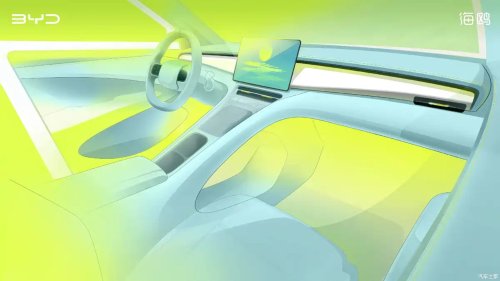
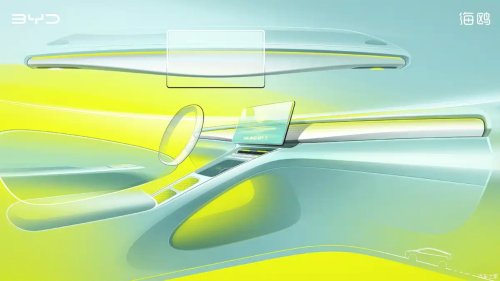
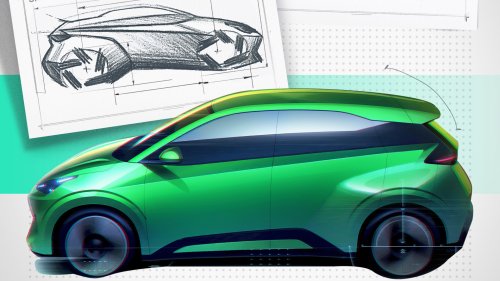
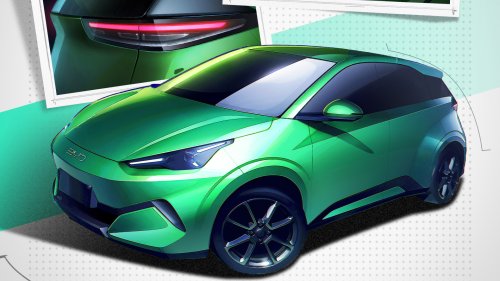

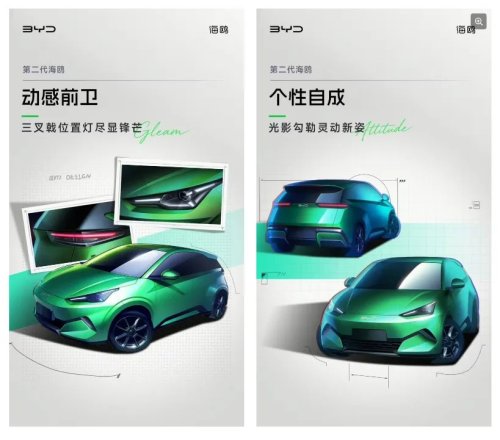
![BYD, BYD Seagull, BYD offers a closer look at the new Seagull EV [Images]](https://cdn.topcarnews.net/thumb/id/aHR0cHM6Ly9pMC53cC5jb20vZWxlY3Ry-ZWsuY28vd3AtY29udGVudC91cGxvYWRz-L3NpdGVzLzMvMjAyNi8wOS9CWUQtbmV3-LVNlYWd1bGwtRVYtdXBkYXRlLmpwZWc_-dz0xNTAwJmFtcDtxdWFsaXR5PTgyJmFt-cDtzdHJpcD1hbGwmYW1wO3NzbD0x/9c0b758dc4a218f611566b2a03c52e8a.jpeg?t=20261005&post_id=64651)
![BYD, BYD Seagull, BYD offers a closer look at the new Seagull EV [Images]](https://cdn.topcarnews.net/thumb/id/aHR0cHM6Ly9lbGVjdHJlay5jby93cC1j-b250ZW50L3VwbG9hZHMvc2l0ZXMvMy8y-MDI2LzA5L0JZRC1uZXctU2VhZ3VsbC1F-Vi0xLmpwZWc_c3RyaXA9aW5mbyZhbXA7-dz03MDA/9f44752c6c4b6208b3a29d7e2ceaf455.jpeg?t=20261005&post_id=64651)
![BYD, BYD Seagull, BYD offers a closer look at the new Seagull EV [Images]](https://cdn.topcarnews.net/thumb/id/aHR0cHM6Ly9lbGVjdHJlay5jby93cC1j-b250ZW50L3VwbG9hZHMvc2l0ZXMvMy8y-MDI2LzA5L0JZRC1uZXctU2VhZ3VsbC1F-Vi0zLmpwZWc_c3RyaXA9aW5mbyZhbXA7-dz03MDA/53e754be2aacba076b7b389ef9413f41.jpeg?t=20261005&post_id=64651)
![BYD, BYD Seagull, BYD offers a closer look at the new Seagull EV [Images]](https://cdn.topcarnews.net/thumb/id/aHR0cHM6Ly9lbGVjdHJlay5jby93cC1j-b250ZW50L3VwbG9hZHMvc2l0ZXMvMy8y-MDI2LzA5L0JZRC1uZXctU2VhZ3VsbC1F-Vi5qcGVnP3N0cmlwPWluZm8mYW1wO3c9-NzAw/3b0cb7f441d090c464769d93120d8543.jpeg?t=20261005&post_id=64651)
![BYD, BYD Seagull, BYD offers a closer look at the new Seagull EV [Images]](https://cdn.topcarnews.net/thumb/id/aHR0cHM6Ly9lbGVjdHJlay5jby93cC1j-b250ZW50L3VwbG9hZHMvc2l0ZXMvMy8y-MDI2LzA5L0JZRC1uZXctU2VhZ3VsbC1F-Vi0yLmpwZWc_c3RyaXA9aW5mbyZhbXA7-dz03MDA/ea2b4ebf38c4e9bf732d179d639b1562.jpeg?t=20261005&post_id=64651)
![BYD, BYD Seagull, BYD offers a closer look at the new Seagull EV [Images]](https://cdn.topcarnews.net/thumb/id/aHR0cHM6Ly9lbGVjdHJlay5jby93cC1j-b250ZW50L3VwbG9hZHMvc2l0ZXMvMy8y-MDI2LzA3L0JZRC1TZWFndWxsLUVWLXVw-ZGF0ZS0zLmpwZWc_c3RyaXA9aW5mbyZh-bXA7dz0xNDAw/02a0f7b5011767092a1ea11a79495fc7.jpeg?t=20261005&post_id=64651)