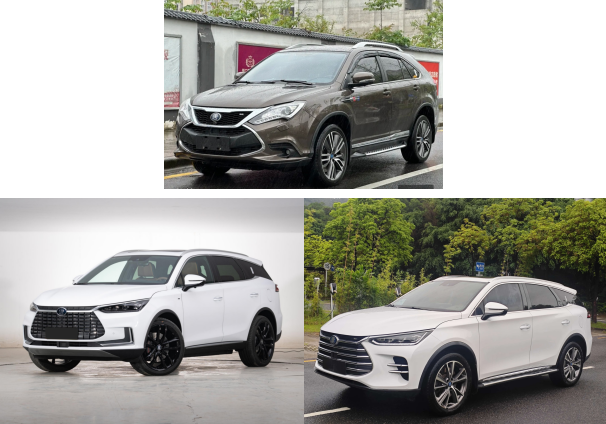
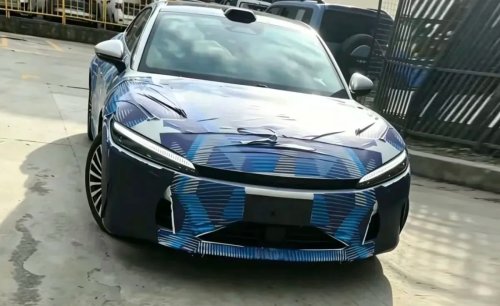
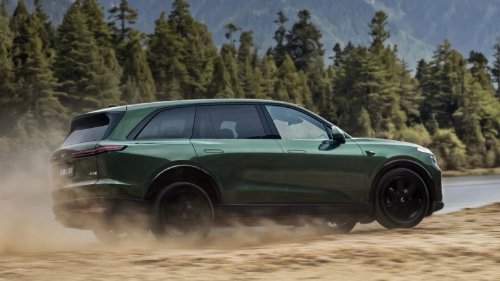
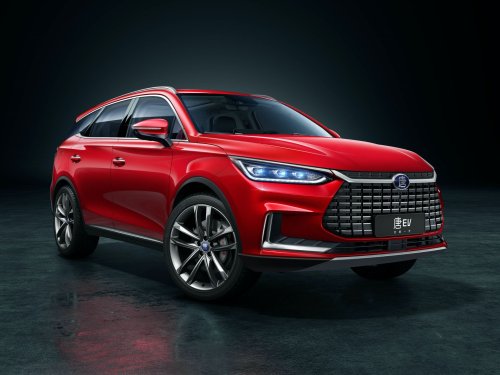
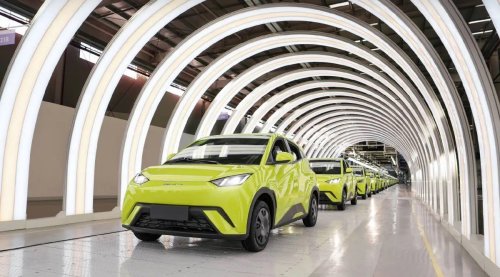
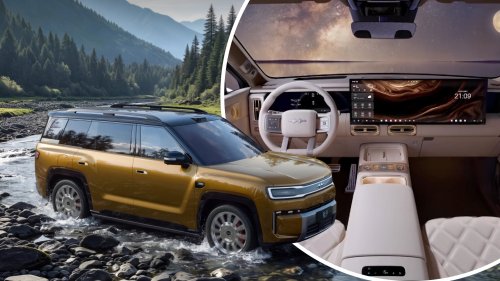
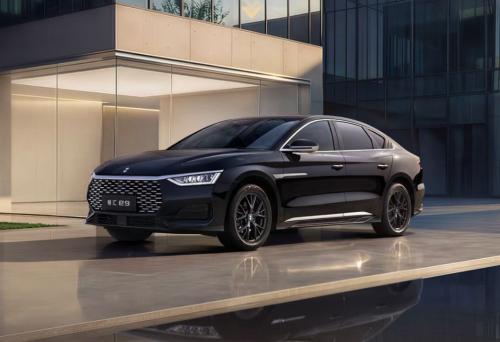
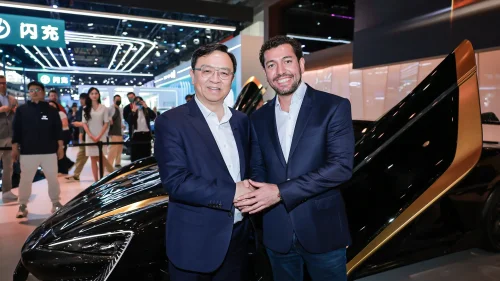
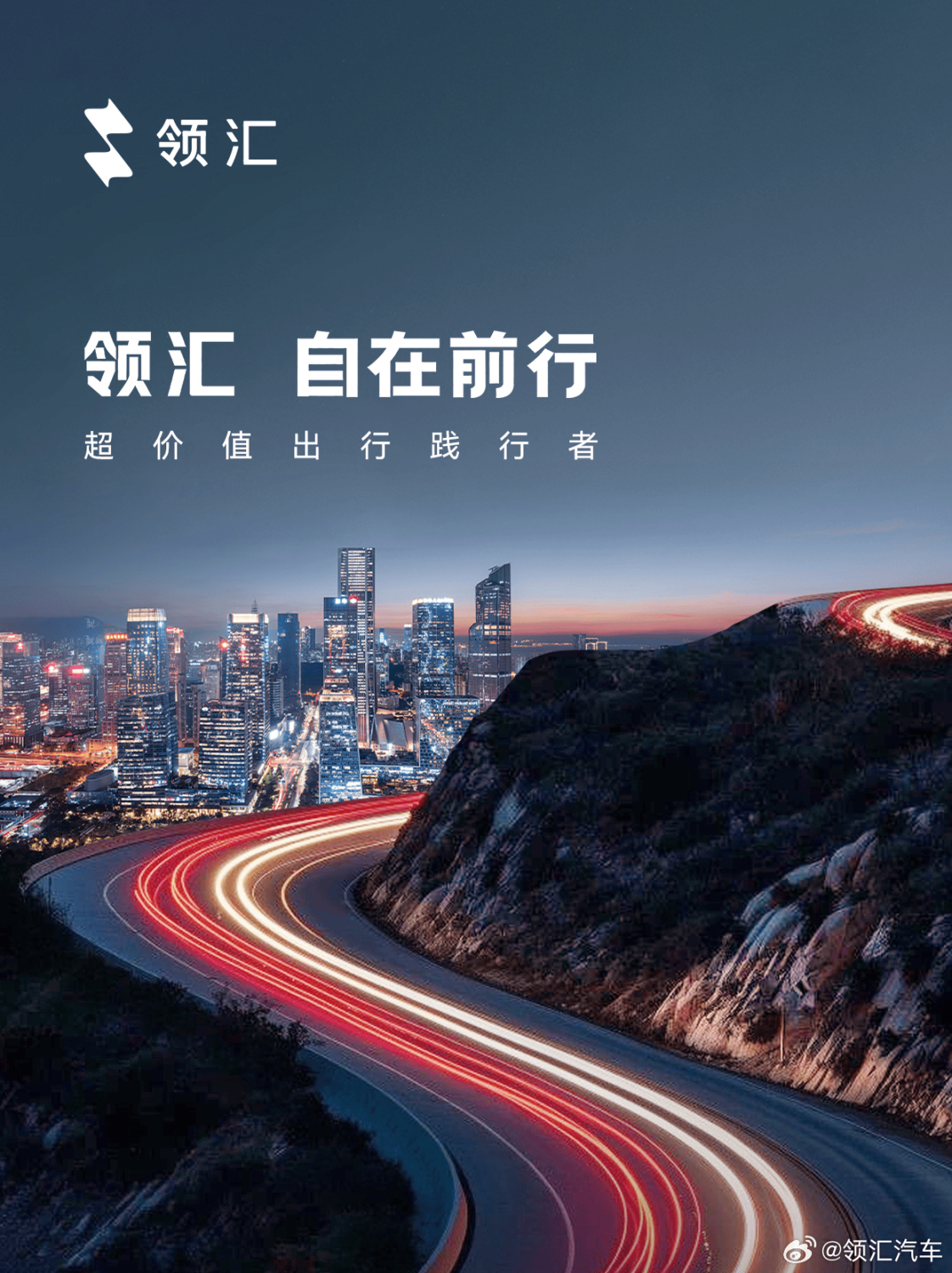
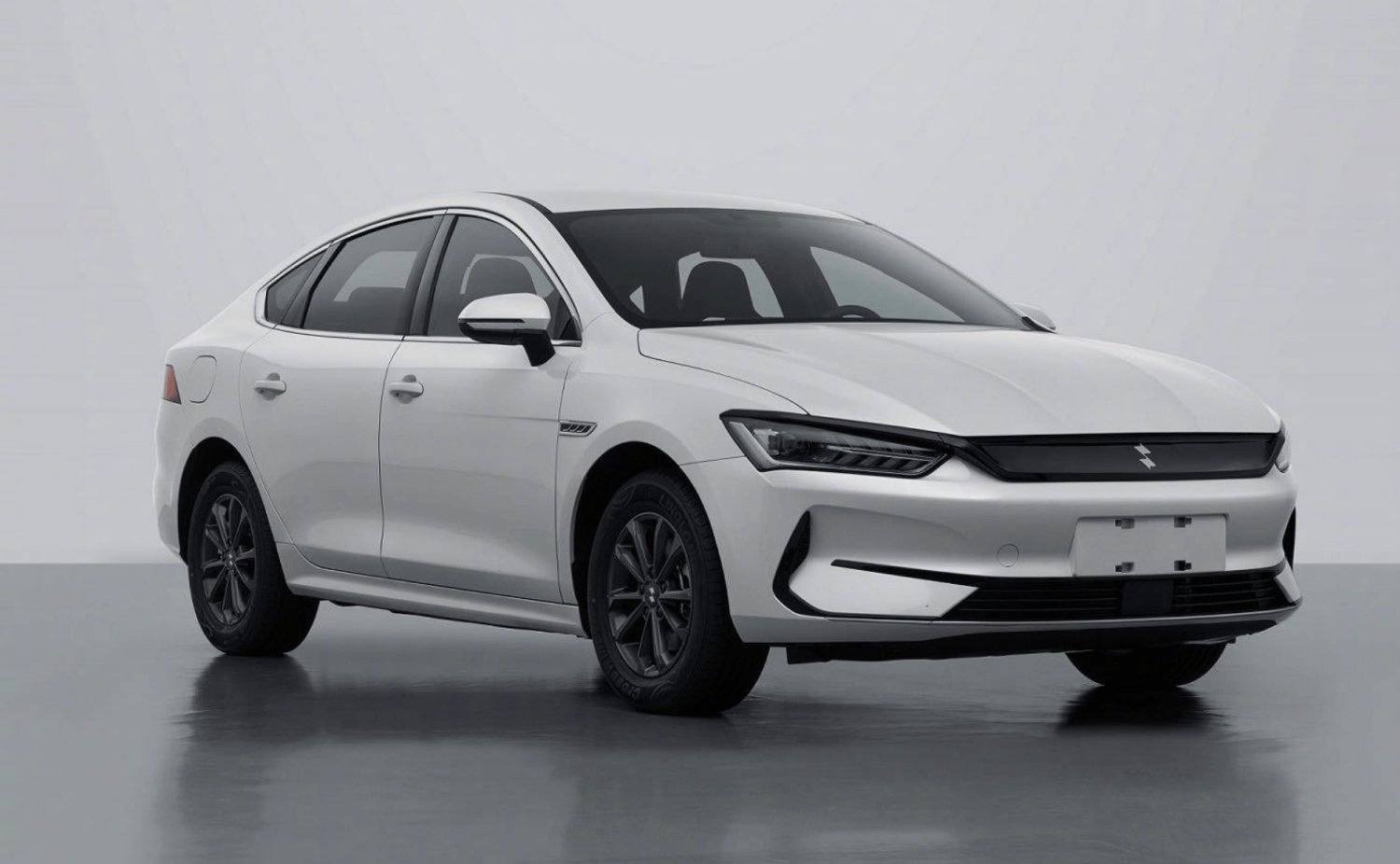
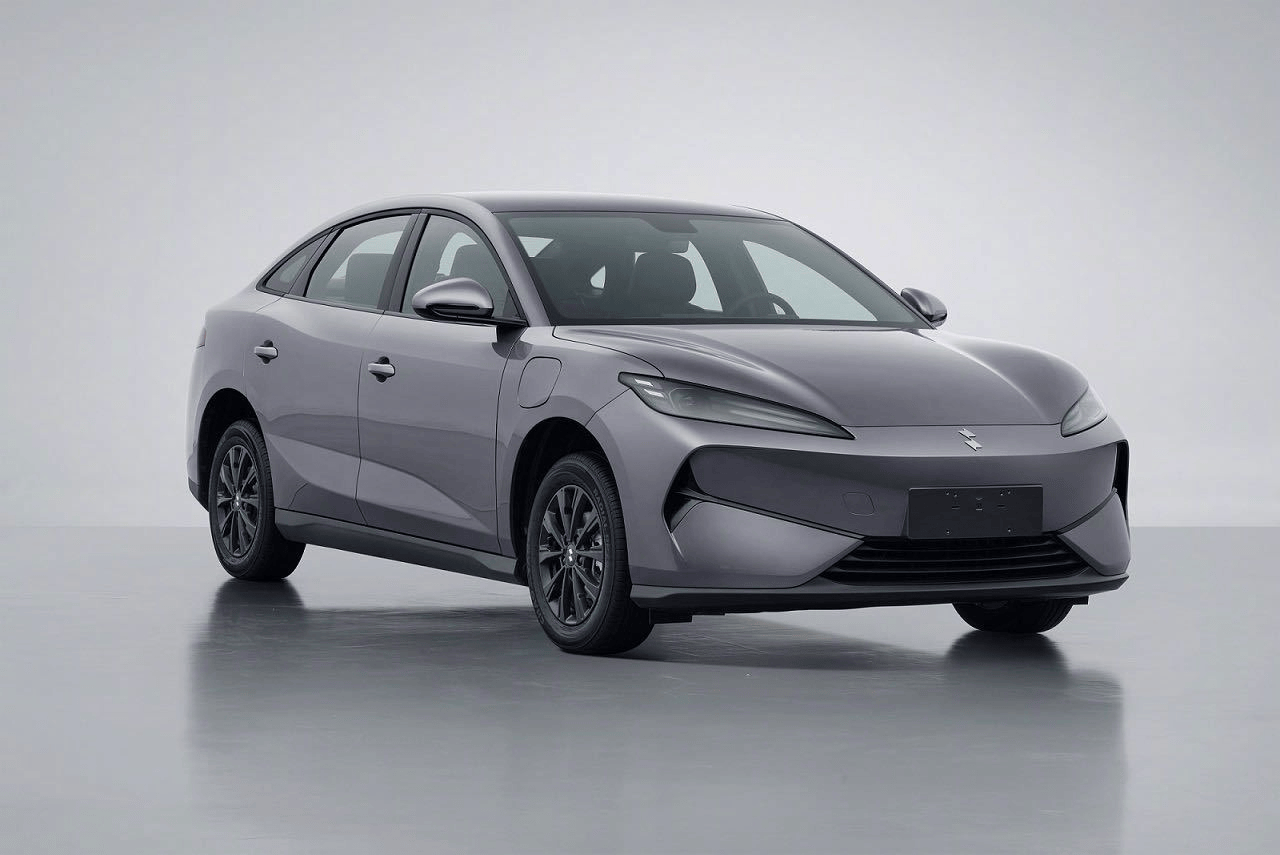
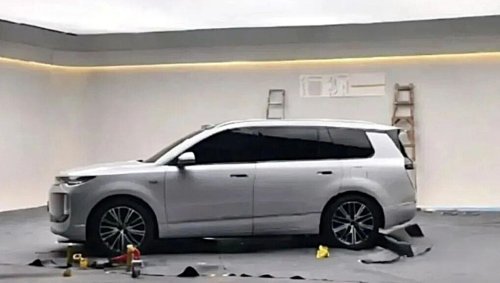
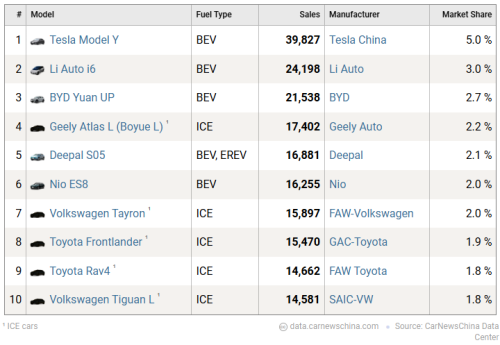
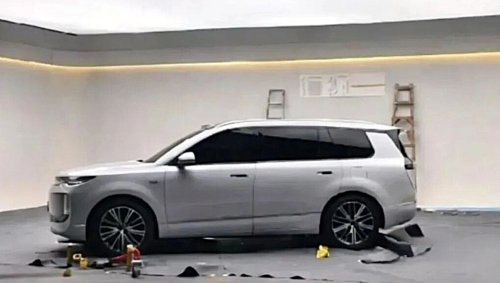
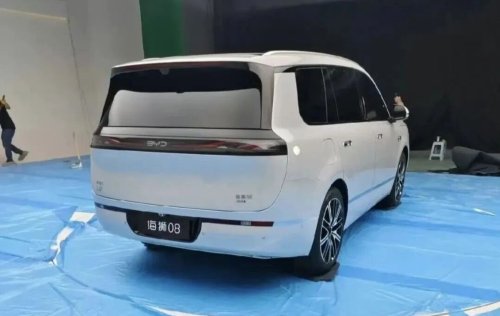
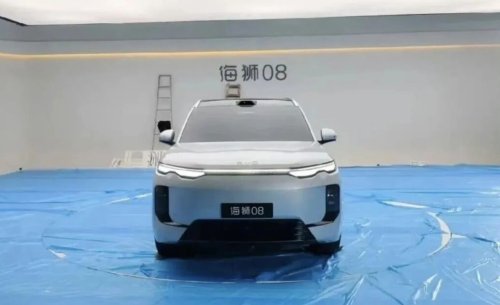
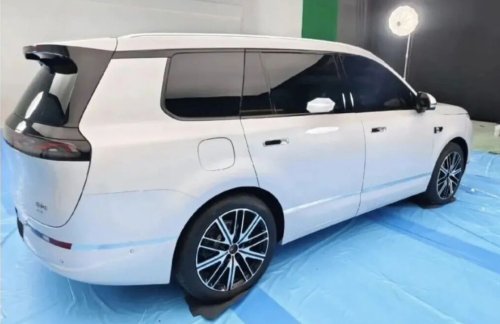
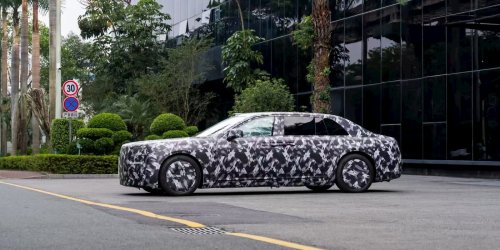
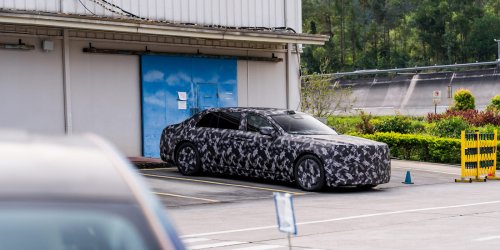
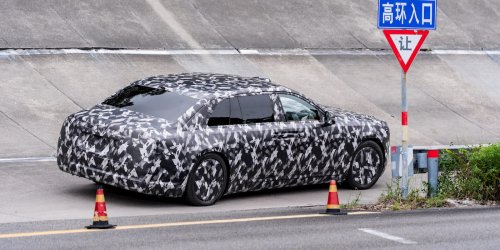
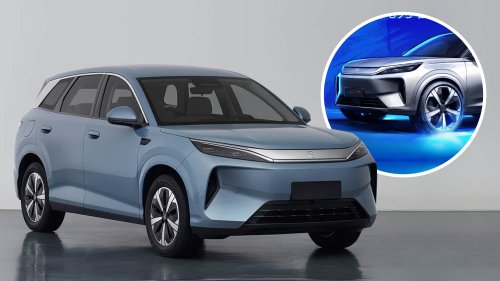
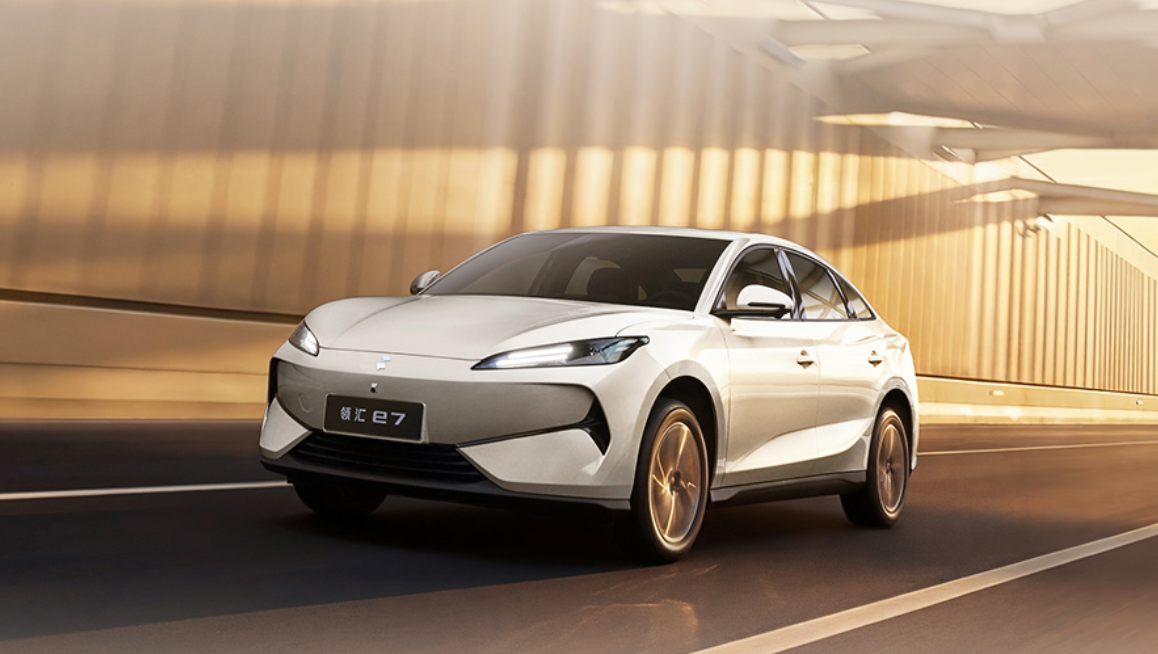
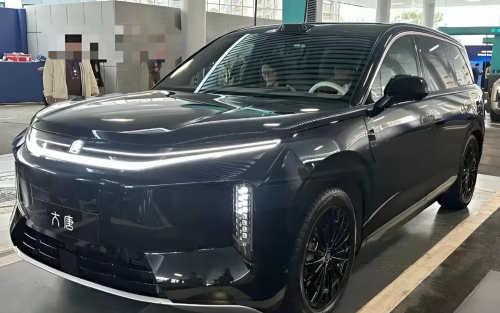
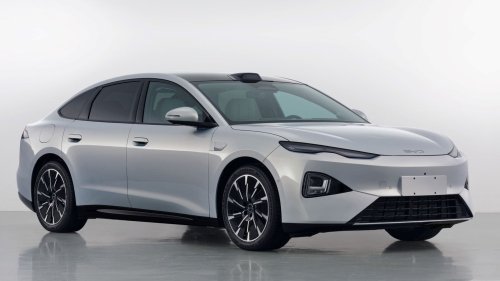
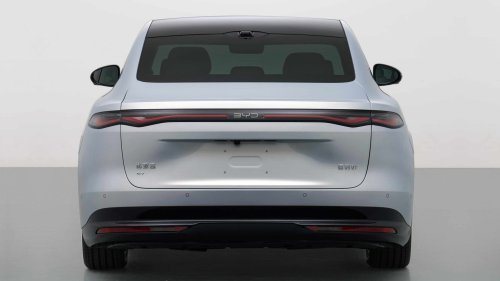
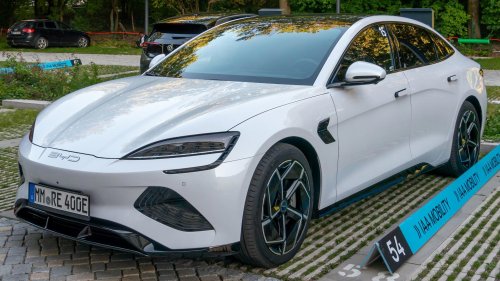
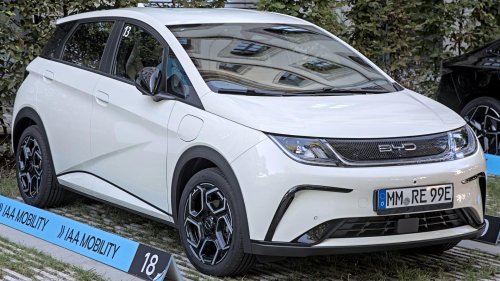
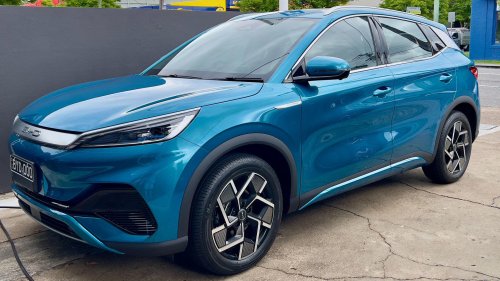
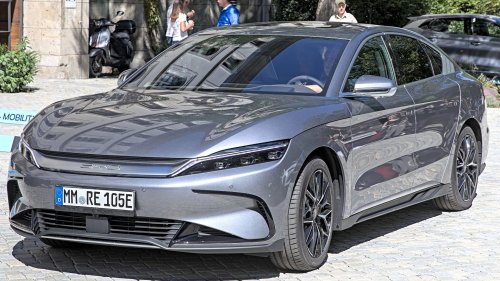
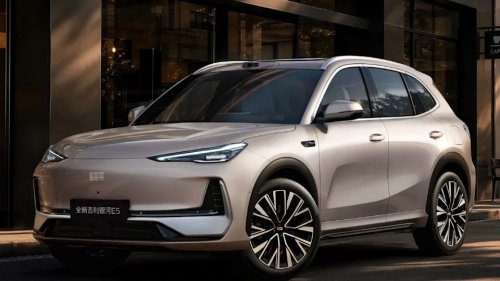
Linghui will share production lines with the Dynasty series at three facilities, targeting 300,000 units annual capacity and Q2 2026 mass production. Today, BYD officially launched its all-new sub-brand — Linghui Auto. This marks BYD’s fifth automotive brand, following the existing BYD, Denza, Fang Cheng Bao, and Yangwang brands. Linghui Auto focuses on the business-to-business (B2B) mobility market. It features a new brand logo and an independent sales channel system. The first four models it has registered for approval are all based on existing BYD vehicles. In early January of this year, Linghui Auto made its first appearance in the Ministry of Industry and Information Technology’s (MIIT) “403rd Batch of Road Motor Vehicle Manufacturer and Product Announcements.” The announcement reveals the first four models registered by Linghui Auto: Linghui e5: Based on the Qin PLUS EV, it is positioned as a compact pure electric sedan. Dimensions: 4805×1837×1530mm, wheelbase 2718mm. Equipped with an electric motor delivering a maximum power of 100kW. Primarily targets the economy ride-hailing market. Linghui e7: Based on the Sea Lion 07 EV, it is positioned as a mid-size pure electric sedan. Dimensions: 4780×1900×1515mm, wheelbase 2820mm. Offers two powertrain versions: 100kW and 130kW. Aims at the mid-to-high-end premium ride-hailing market. Linghui e9: Based on the Han DM-i, it is positioned as a mid-to-large executive sedan. Dimensions: 4995×1940×1495mm, wheelbase 2920mm. Features two electric motor options with 135kW and 150kW power outputs. Targets the official vehicle and premium mobility market. Linghui M9: Based on the BYD Xia, it is the brand’s sole plug-in hybrid MPV model. Dimensions: 5145×1970×1805mm, wheelbase 3045mm. Powered by a DM5.0 plug-in hybrid system combining a 1.5L engine and a 200kW electric motor. Designed to meet high-end business reception needs. Linghui e5 The birth of the Linghui brand represents an inevitable outcome of BYD’s refined brand strategy upgrade. Insiders disclosed that the brand will integrate the existing e-series new energy models from BYD’s former B2B division to build an independent channel system. It will exclusively serve B2B scenarios such as taxi fleets, ride-hailing companies, and government vehicle procurement. Through this strategic move, BYD aims to achieve brand differentiation from its consumer (C2B) market. This allows the Dynasty and Ocean series to focus more on the personalized needs of individual consumers, while simultaneously boosting the efforts of premium brands like Denza, Fang Cheng Bao, and Yangwang to compete in the luxury segment. Linghui e7 According to the plan, the Linghui brand will utilize flexible production lines at manufacturing bases in Changsha, Hefei, and Shenzhen, sharing production capacity with the Dynasty series. Its planned annual production capacity is 300,000 vehicles, with mass production expected to commence in the second quarter of 2026. The product pricing strategy features tiered coverage: the e5 targets the 150,000-180,000 RMB compact segment; the e7 is positioned in the 200,000-250,000 RMB mid-to-high-end range; the e9 aims at the 300,000-350,000 RMB executive segment; and the M9 focuses on the 450,000-600,000 RMB government and corporate procurement sector.



















 +20 others





![BYD, BYD Seagull, BYD offers a closer look at the new Seagull EV [Images]](https://cdn.topcarnews.net/thumb/id/aHR0cHM6Ly9pMC53cC5jb20vZWxlY3Ry-ZWsuY28vd3AtY29udGVudC91cGxvYWRz-L3NpdGVzLzMvMjAyNi8wOS9CWUQtbmV3-LVNlYWd1bGwtRVYtdXBkYXRlLmpwZWc_-dz0xNTAwJmFtcDtxdWFsaXR5PTgyJmFt-cDtzdHJpcD1hbGwmYW1wO3NzbD0x/9c0b758dc4a218f611566b2a03c52e8a.jpeg?t=20260926&post_id=64651)
![BYD, BYD Seagull, BYD offers a closer look at the new Seagull EV [Images]](https://cdn.topcarnews.net/thumb/id/aHR0cHM6Ly9lbGVjdHJlay5jby93cC1j-b250ZW50L3VwbG9hZHMvc2l0ZXMvMy8y-MDI2LzA5L0JZRC1uZXctU2VhZ3VsbC1F-Vi0xLmpwZWc_c3RyaXA9aW5mbyZhbXA7-dz03MDA/9f44752c6c4b6208b3a29d7e2ceaf455.jpeg?t=20260926&post_id=64651)
![BYD, BYD Seagull, BYD offers a closer look at the new Seagull EV [Images]](https://cdn.topcarnews.net/thumb/id/aHR0cHM6Ly9lbGVjdHJlay5jby93cC1j-b250ZW50L3VwbG9hZHMvc2l0ZXMvMy8y-MDI2LzA5L0JZRC1uZXctU2VhZ3VsbC1F-Vi0zLmpwZWc_c3RyaXA9aW5mbyZhbXA7-dz03MDA/53e754be2aacba076b7b389ef9413f41.jpeg?t=20260926&post_id=64651)
![BYD, BYD Seagull, BYD offers a closer look at the new Seagull EV [Images]](https://cdn.topcarnews.net/thumb/id/aHR0cHM6Ly9lbGVjdHJlay5jby93cC1j-b250ZW50L3VwbG9hZHMvc2l0ZXMvMy8y-MDI2LzA5L0JZRC1uZXctU2VhZ3VsbC1F-Vi5qcGVnP3N0cmlwPWluZm8mYW1wO3c9-NzAw/3b0cb7f441d090c464769d93120d8543.jpeg?t=20260926&post_id=64651)
![BYD, BYD Seagull, BYD offers a closer look at the new Seagull EV [Images]](https://cdn.topcarnews.net/thumb/id/aHR0cHM6Ly9lbGVjdHJlay5jby93cC1j-b250ZW50L3VwbG9hZHMvc2l0ZXMvMy8y-MDI2LzA5L0JZRC1uZXctU2VhZ3VsbC1F-Vi0yLmpwZWc_c3RyaXA9aW5mbyZhbXA7-dz03MDA/ea2b4ebf38c4e9bf732d179d639b1562.jpeg?t=20260926&post_id=64651)
![BYD, BYD Seagull, BYD offers a closer look at the new Seagull EV [Images]](https://cdn.topcarnews.net/thumb/id/aHR0cHM6Ly9lbGVjdHJlay5jby93cC1j-b250ZW50L3VwbG9hZHMvc2l0ZXMvMy8y-MDI2LzA3L0JZRC1TZWFndWxsLUVWLXVw-ZGF0ZS0zLmpwZWc_c3RyaXA9aW5mbyZh-bXA7dz0xNDAw/02a0f7b5011767092a1ea11a79495fc7.jpeg?t=20260926&post_id=64651)