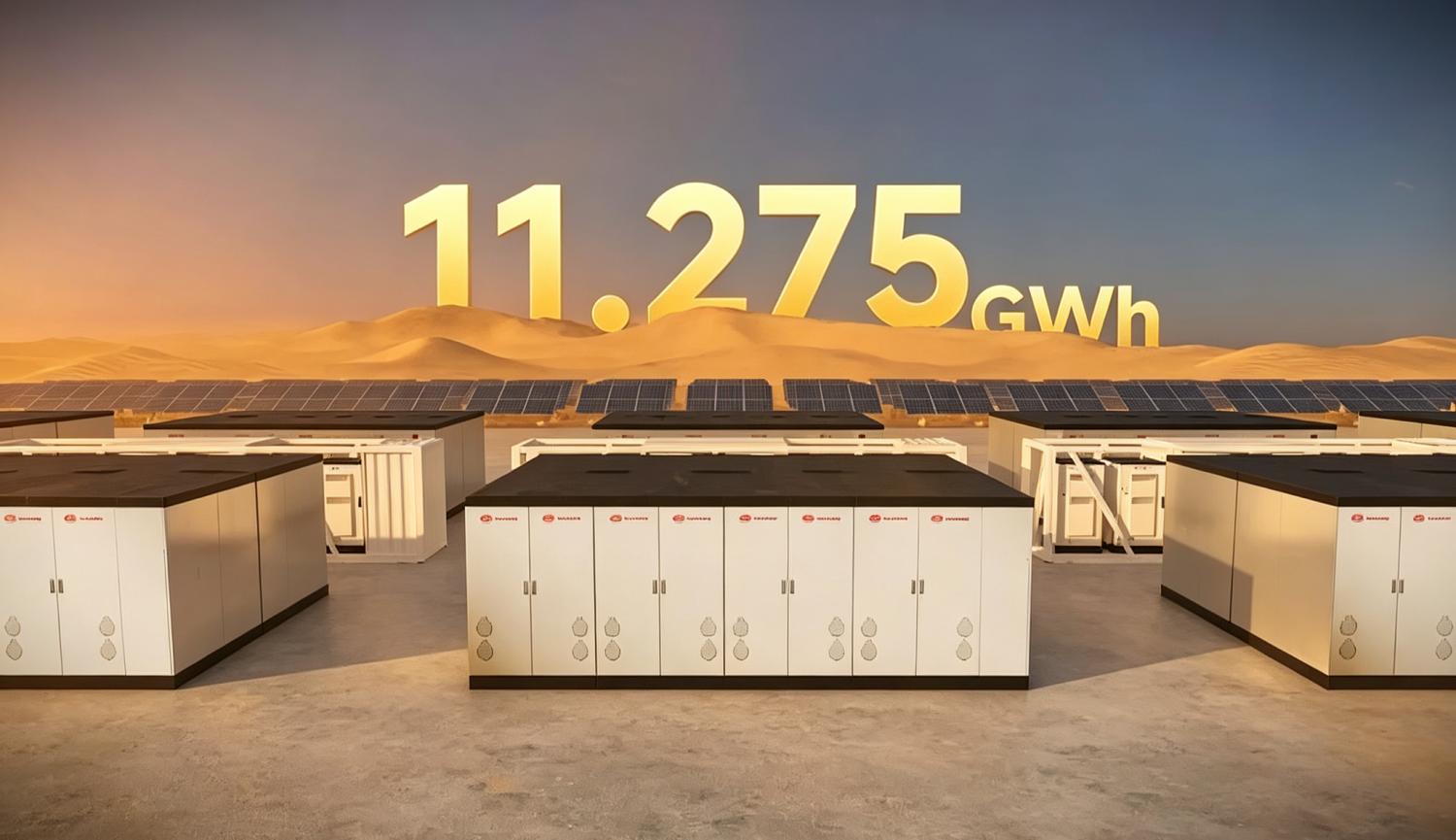
Containerized storage units transfer electric vehicle battery production advantages to Middle Eastern energy utility networks. Credit: BYD Understand China EV’s Market Real-time notifications when critical EV data is released All important data in one place 2,000,000+ data points Become a member BYD’s electric vehicle battery architecture is scaling up from passenger cars directly into the electrical grid. The automotive manufacturer finalised an agreement with the UAE energy firm Masdar to deliver 11.275 GWh of specialised storage hardware, Sina reports. This contract supplies an equivalent battery volume required to manufacture more than 186,000 passenger electric vehicles. The equipment will deploy at the Round The Clock project in Abu Dhabi to support a 5.2 GW solar array. This site combines solar generation with utility-scale battery cells to maintain a constant 24-hour clean baseload. The deployment relies entirely on specialised battery containment setups engineered to handle high electrical throughput. Global scale comparisons To establish context within the global energy storage sector, this 11.275 GWh allocation ranks among the largest single-station procurements ever finalised. It highlights a clear trend where Chinese battery producers are securing utility contracts globally. The Abu Dhabi installation requires 19 GWh of total storage capacity to regulate its 5.2 GW solar array. BYD secured the remaining 11.275 GWh allocation after Sungrow captured a 7.5 GWh contract for the initial phase. Combined, these two Chinese suppliers locked out global competitors from the entire 19 GWh clean energy initiative. This consolidated procurement highlights an increasing reliance on Chinese hardware to stabilise utility grids in the Middle East. Blade battery hardware The storage installation introduces the proprietary BYD Haohan system configuration. This design abandons standard small-scale consumer formats and deploys a dedicated 2710Ah version of the cell technology used in passenger vehicles. Individual cell capacity increases by over 300% compared to legacy setups, altering the internal wiring and physical footprint of the storage facility. By increasing the physical volume of each individual cell, the total count of mechanical connections drops significantly. This structural optimisation enables engineering teams to reduce the complexity of the battery management system design by 70% to 80%. The system packs 10 MWh of storage capacity inside an equivalent 20-foot container shell, minimising the physical footprint of the station floor. Market strategic rivalry This utility execution runs parallel to recent technological roadmaps targeting static infrastructure, including the ongoing development of alternative chemistries where BYD is building a stationary energy storage fortress to reduce manufacturing baselines to 0.3 yuan (0.04 USD) per watt-hour. By leveraging shared raw-material procurement channels with its automotive divisions, the manufacturer reduces production costs across all assembly complexes. This cross-sector alignment ensures that capital-intensive industrial setups benefit directly from the efficiencies of passenger EV battery manufacturing. This large-scale grid deployment directly challenges international energy storage networks established by automotive rivals. The contract targets the same utility segment where CATL unveiled its Tener storage system to secure high-volume macro projects globally. The localised execution proves that automotive battery manufacturers are successfully utilising cell production scale to capture market share across international infrastructure pipelines, altering the competitive dynamics of the utility landscape.



















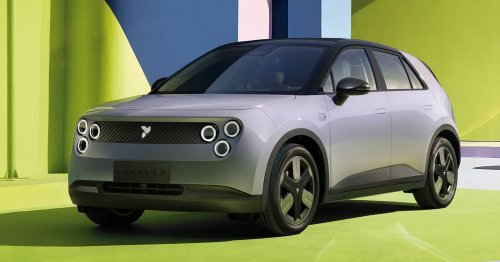

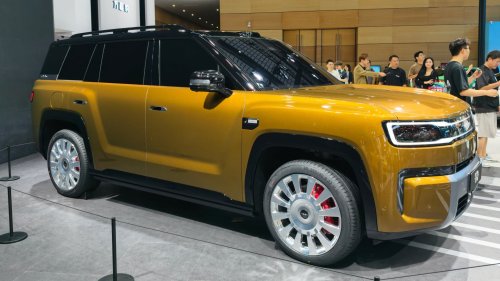
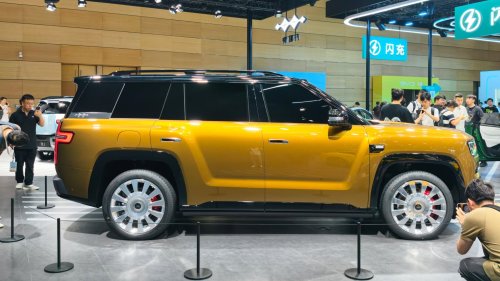
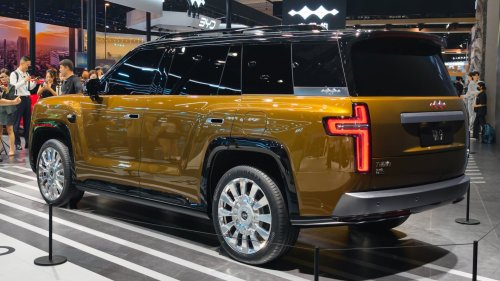

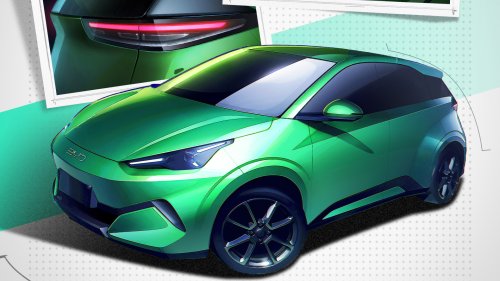
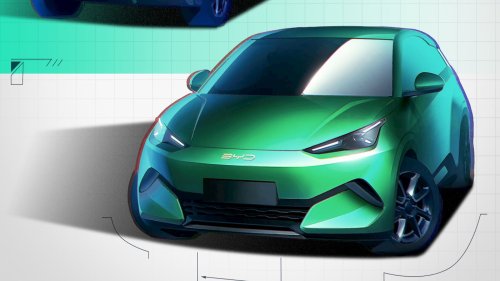
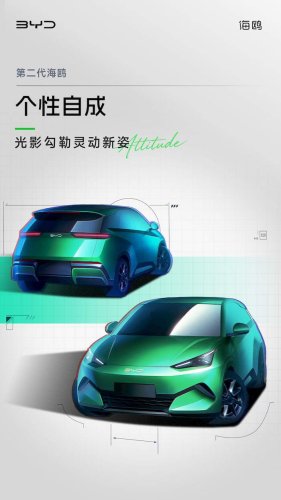
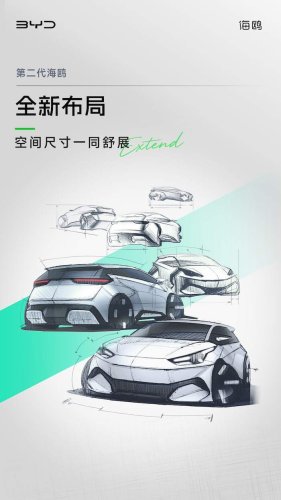
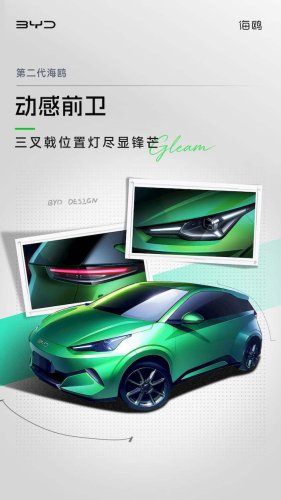
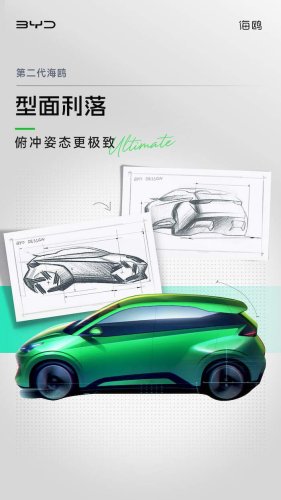
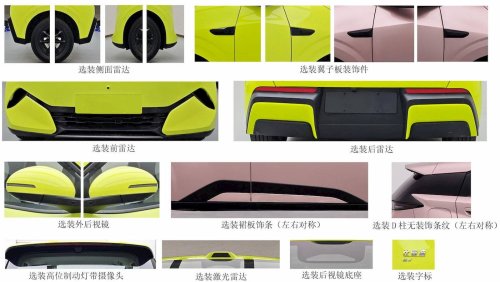







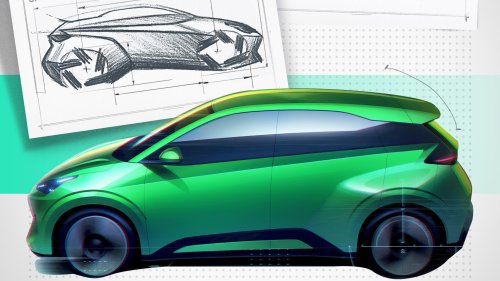
![BYD, BYD Seagull, BYD offers a closer look at the new Seagull EV [Images]](https://cdn.topcarnews.net/thumb/id/aHR0cHM6Ly9pMC53cC5jb20vZWxlY3Ry-ZWsuY28vd3AtY29udGVudC91cGxvYWRz-L3NpdGVzLzMvMjAyNi8wOS9CWUQtbmV3-LVNlYWd1bGwtRVYtdXBkYXRlLmpwZWc_-dz0xNTAwJmFtcDtxdWFsaXR5PTgyJmFt-cDtzdHJpcD1hbGwmYW1wO3NzbD0x/9c0b758dc4a218f611566b2a03c52e8a.jpeg?t=20261004&post_id=64651)
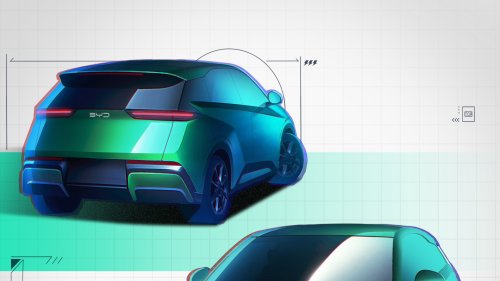
![BYD, BYD Seagull, BYD offers a closer look at the new Seagull EV [Images]](https://cdn.topcarnews.net/thumb/id/aHR0cHM6Ly9lbGVjdHJlay5jby93cC1j-b250ZW50L3VwbG9hZHMvc2l0ZXMvMy8y-MDI2LzA5L0JZRC1uZXctU2VhZ3VsbC1F-Vi0xLmpwZWc_c3RyaXA9aW5mbyZhbXA7-dz03MDA/9f44752c6c4b6208b3a29d7e2ceaf455.jpeg?t=20261004&post_id=64651)
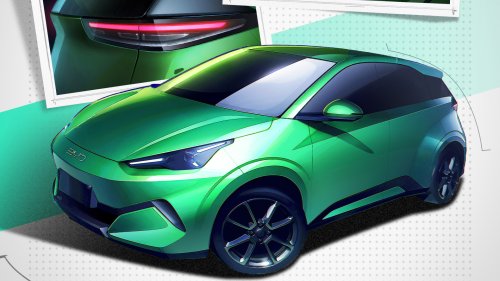
![BYD, BYD Seagull, BYD offers a closer look at the new Seagull EV [Images]](https://cdn.topcarnews.net/thumb/id/aHR0cHM6Ly9lbGVjdHJlay5jby93cC1j-b250ZW50L3VwbG9hZHMvc2l0ZXMvMy8y-MDI2LzA5L0JZRC1uZXctU2VhZ3VsbC1F-Vi0zLmpwZWc_c3RyaXA9aW5mbyZhbXA7-dz03MDA/53e754be2aacba076b7b389ef9413f41.jpeg?t=20261004&post_id=64651)
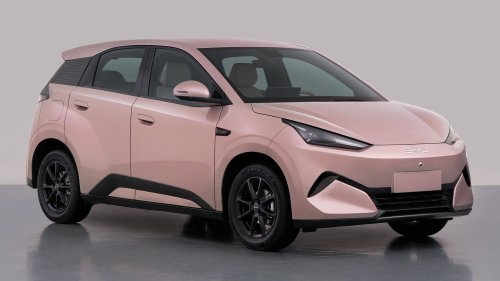
![BYD, BYD Seagull, BYD offers a closer look at the new Seagull EV [Images]](https://cdn.topcarnews.net/thumb/id/aHR0cHM6Ly9lbGVjdHJlay5jby93cC1j-b250ZW50L3VwbG9hZHMvc2l0ZXMvMy8y-MDI2LzA5L0JZRC1uZXctU2VhZ3VsbC1F-Vi5qcGVnP3N0cmlwPWluZm8mYW1wO3c9-NzAw/3b0cb7f441d090c464769d93120d8543.jpeg?t=20261004&post_id=64651)
![BYD, BYD Seagull, BYD offers a closer look at the new Seagull EV [Images]](https://cdn.topcarnews.net/thumb/id/aHR0cHM6Ly9lbGVjdHJlay5jby93cC1j-b250ZW50L3VwbG9hZHMvc2l0ZXMvMy8y-MDI2LzA5L0JZRC1uZXctU2VhZ3VsbC1F-Vi0yLmpwZWc_c3RyaXA9aW5mbyZhbXA7-dz03MDA/ea2b4ebf38c4e9bf732d179d639b1562.jpeg?t=20261004&post_id=64651)
![BYD, BYD Seagull, BYD offers a closer look at the new Seagull EV [Images]](https://cdn.topcarnews.net/thumb/id/aHR0cHM6Ly9lbGVjdHJlay5jby93cC1j-b250ZW50L3VwbG9hZHMvc2l0ZXMvMy8y-MDI2LzA3L0JZRC1TZWFndWxsLUVWLXVw-ZGF0ZS0zLmpwZWc_c3RyaXA9aW5mbyZh-bXA7dz0xNDAw/02a0f7b5011767092a1ea11a79495fc7.jpeg?t=20261004&post_id=64651)