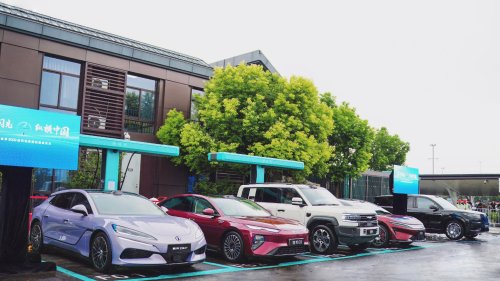
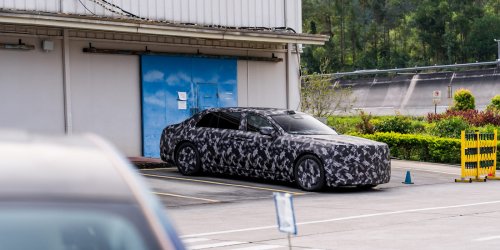
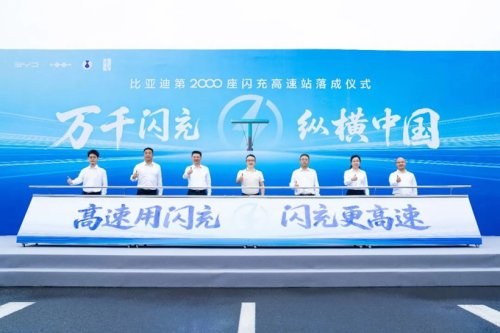
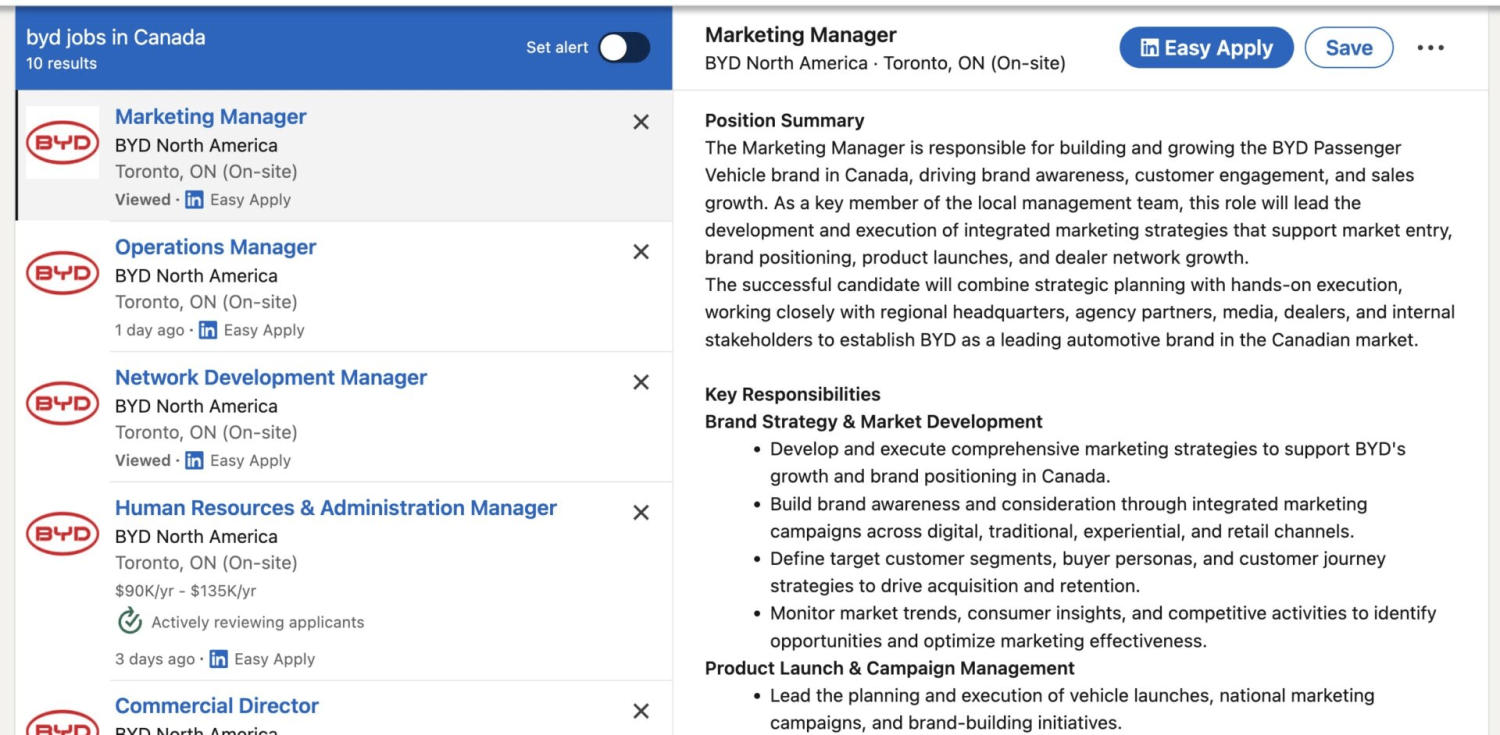
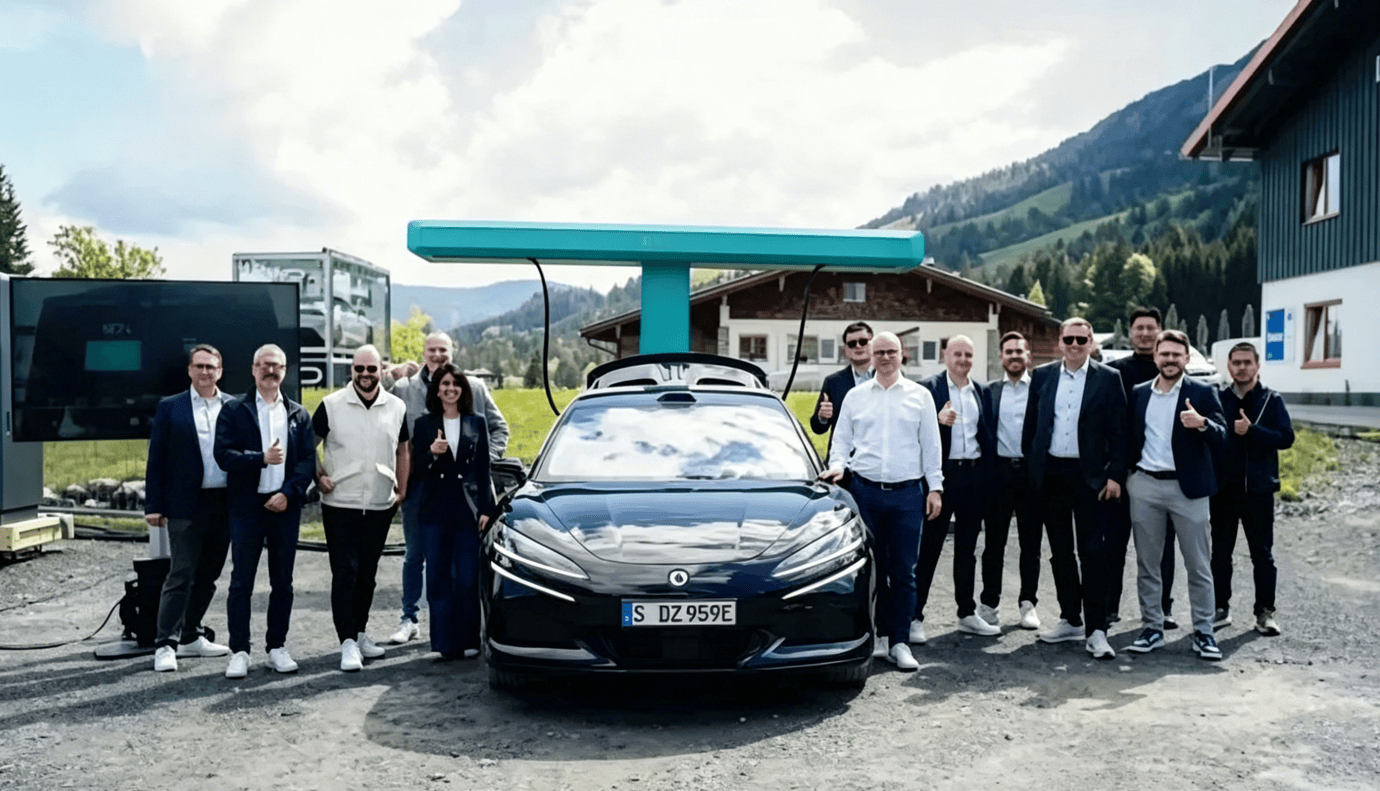
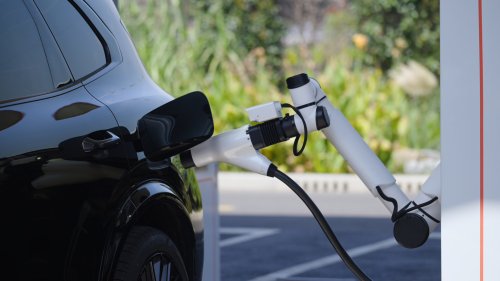
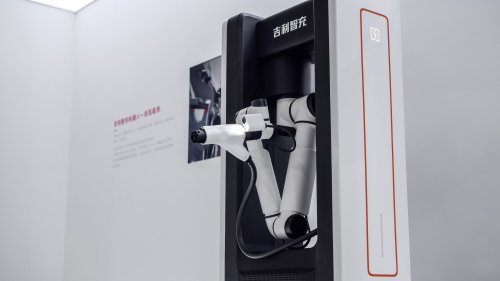
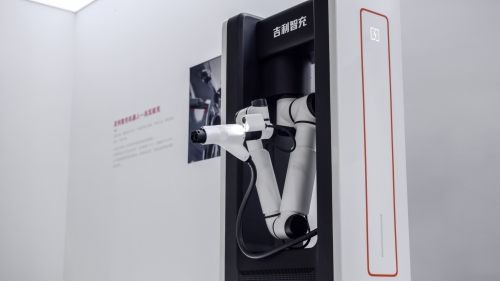
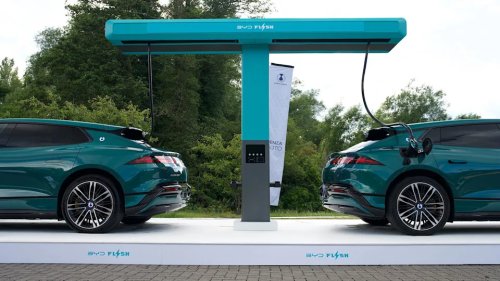
BYD appears to be preparing a push into Canada. Recent recruitment postings suggest the company plans to introduce its megawatt charging network alongside broader local market operations. The signal emerged from multiple positions recently posted in Toronto. Among them is a Flash Charging Business Development Manager role. Responsibilities include expanding BYD’s charging network in Canada, overseeing station construction, developing local partnerships. BYD job postings in Toronto The charging network referenced in the recruitment materials is BYD’s second-generation ultra-fast charging system unveiled in March. A single charger delivers up to 1,500 kW of peak power. For comparison, Tesla’s V3 Supercharger offers roughly 250 kW; V4 reaches about 375 kW. BYD’s latest system delivers six times the output of V3, four times that of V4. According to company data, vehicles equipped with BYD’s second-generation Blade Battery can charge from 10% to 70% in five minutes, reaching 97% in nine minutes. Cold-weather performance is a key selling point. At temperatures as low as -30°C, charging takes only about three minutes longer than under normal conditions. That could address one of the biggest barriers to EV adoption in Canada. Winter temperatures across much of the country typically range between -10°C and -20°C. Northern regions often experience temperatures below -30°C. Charging speed degradation in extreme cold remains a major concern among EV buyers. BYD’s latest battery technology, paired with megawatt charging capability, could help ease those concerns. The company has already begun accelerating its overseas charging rollout. In May, BYD’s first overseas megawatt charging station entered operation in Germany, marking the company’s first such deployment in Europe. Germany’s first BYD flash charging station BYD plans to build 6K ultra-fast charging stations overseas by the end of 2026. Europe accounts for roughly half of that target, with about 3K stations planned across the region. The company’s first charging station in the UK also recently entered operation. Executive Vice President Stella Li personally tested the facility. Should Canada receive the network, it would become BYD’s first megawatt charging market in North America. The charging push also reflects a broader effort to establish a foothold in Canada. Earlier this year, China and Canada reached a new EV trade agreement. Canada reduced import tariffs on Chinese-made electric vehicles from 100% to 6.1%, while introducing an annual import quota of 49K vehicles. The policy shift opened a potential pathway for BYD’s entry. Since then, the company has accelerated local hiring efforts. Beyond charging infrastructure roles, BYD is recruiting staff across sales, marketing, legal affairs, after-sales services, dealership development. The Globe and Mail reported that BYD plans to establish about 20 dealerships in its first year in Canada. Initial locations could include Toronto, Vancouver, Montreal and Calgary. BYD “Jinan” Ro-Ro vessel The Canadian market could become another growth engine for BYD’s overseas business. The company exported 160,177 new-energy vehicles in May, up 80.7% year-on-year. Expansion into Canada would further strengthen BYD’s global footprint while extending its charging ecosystem beyond Europe.




















 +77 others



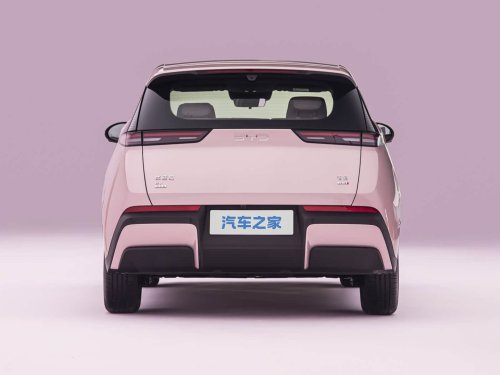
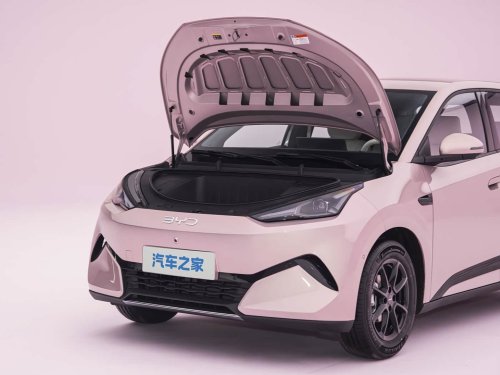

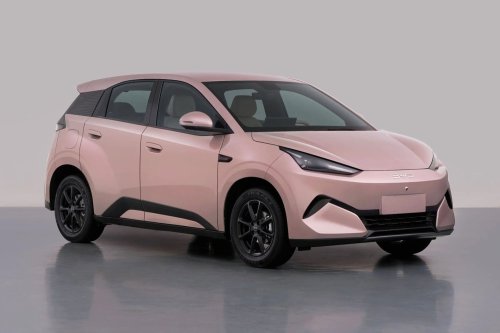
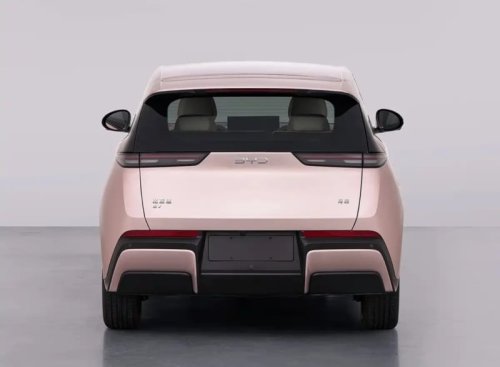




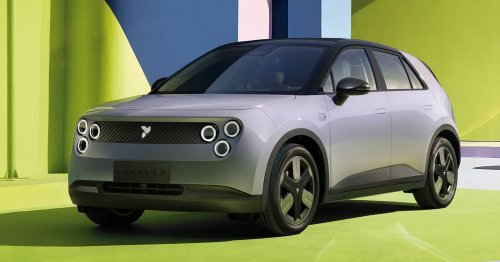

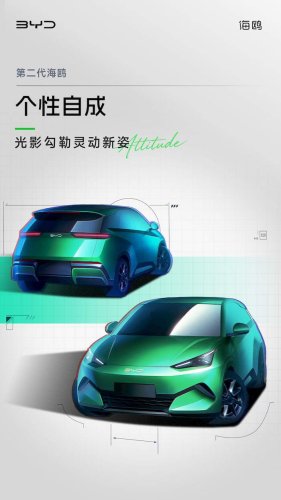
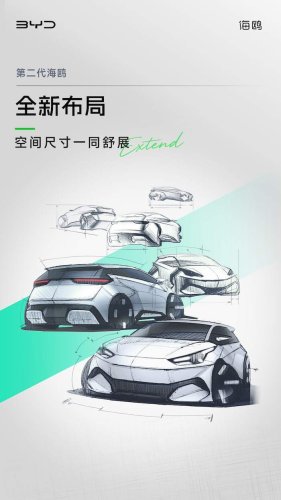
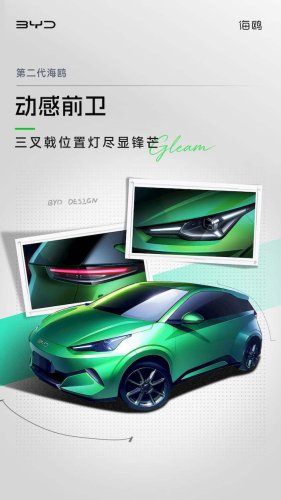
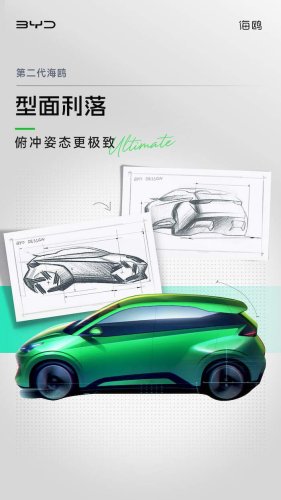







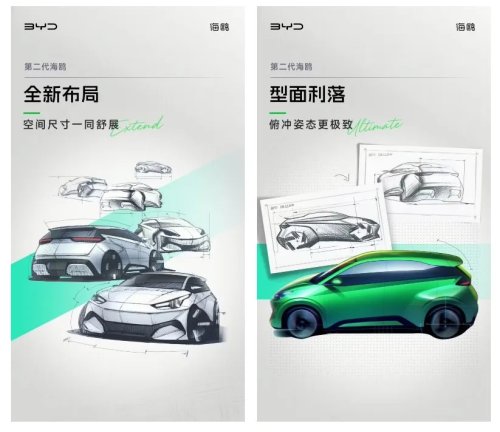
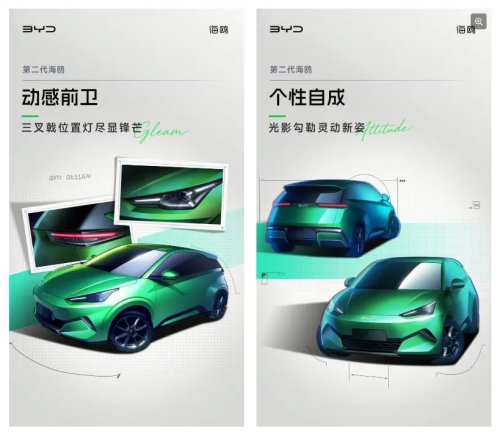
![BYD, BYD Seagull, BYD offers a closer look at the new Seagull EV [Images]](https://cdn.topcarnews.net/thumb/id/aHR0cHM6Ly9pMC53cC5jb20vZWxlY3Ry-ZWsuY28vd3AtY29udGVudC91cGxvYWRz-L3NpdGVzLzMvMjAyNi8wOS9CWUQtbmV3-LVNlYWd1bGwtRVYtdXBkYXRlLmpwZWc_-dz0xNTAwJmFtcDtxdWFsaXR5PTgyJmFt-cDtzdHJpcD1hbGwmYW1wO3NzbD0x/9c0b758dc4a218f611566b2a03c52e8a.jpeg?t=20261004&post_id=64651)
![BYD, BYD Seagull, BYD offers a closer look at the new Seagull EV [Images]](https://cdn.topcarnews.net/thumb/id/aHR0cHM6Ly9lbGVjdHJlay5jby93cC1j-b250ZW50L3VwbG9hZHMvc2l0ZXMvMy8y-MDI2LzA5L0JZRC1uZXctU2VhZ3VsbC1F-Vi0xLmpwZWc_c3RyaXA9aW5mbyZhbXA7-dz03MDA/9f44752c6c4b6208b3a29d7e2ceaf455.jpeg?t=20261004&post_id=64651)
![BYD, BYD Seagull, BYD offers a closer look at the new Seagull EV [Images]](https://cdn.topcarnews.net/thumb/id/aHR0cHM6Ly9lbGVjdHJlay5jby93cC1j-b250ZW50L3VwbG9hZHMvc2l0ZXMvMy8y-MDI2LzA5L0JZRC1uZXctU2VhZ3VsbC1F-Vi0zLmpwZWc_c3RyaXA9aW5mbyZhbXA7-dz03MDA/53e754be2aacba076b7b389ef9413f41.jpeg?t=20261004&post_id=64651)
![BYD, BYD Seagull, BYD offers a closer look at the new Seagull EV [Images]](https://cdn.topcarnews.net/thumb/id/aHR0cHM6Ly9lbGVjdHJlay5jby93cC1j-b250ZW50L3VwbG9hZHMvc2l0ZXMvMy8y-MDI2LzA5L0JZRC1uZXctU2VhZ3VsbC1F-Vi5qcGVnP3N0cmlwPWluZm8mYW1wO3c9-NzAw/3b0cb7f441d090c464769d93120d8543.jpeg?t=20261004&post_id=64651)
![BYD, BYD Seagull, BYD offers a closer look at the new Seagull EV [Images]](https://cdn.topcarnews.net/thumb/id/aHR0cHM6Ly9lbGVjdHJlay5jby93cC1j-b250ZW50L3VwbG9hZHMvc2l0ZXMvMy8y-MDI2LzA5L0JZRC1uZXctU2VhZ3VsbC1F-Vi0yLmpwZWc_c3RyaXA9aW5mbyZhbXA7-dz03MDA/ea2b4ebf38c4e9bf732d179d639b1562.jpeg?t=20261004&post_id=64651)
![BYD, BYD Seagull, BYD offers a closer look at the new Seagull EV [Images]](https://cdn.topcarnews.net/thumb/id/aHR0cHM6Ly9lbGVjdHJlay5jby93cC1j-b250ZW50L3VwbG9hZHMvc2l0ZXMvMy8y-MDI2LzA3L0JZRC1TZWFndWxsLUVWLXVw-ZGF0ZS0zLmpwZWc_c3RyaXA9aW5mbyZh-bXA7dz0xNDAw/02a0f7b5011767092a1ea11a79495fc7.jpeg?t=20261004&post_id=64651)