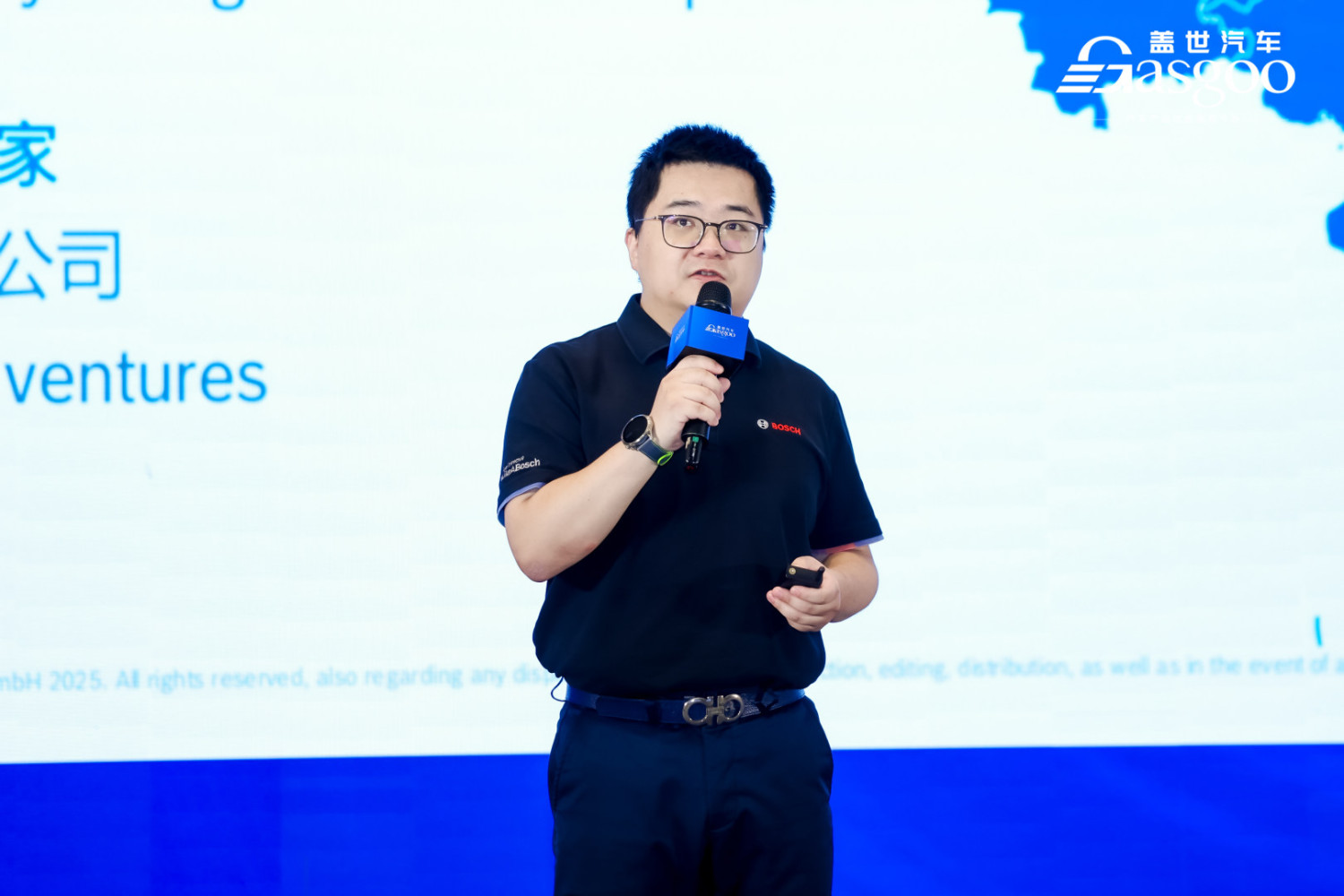
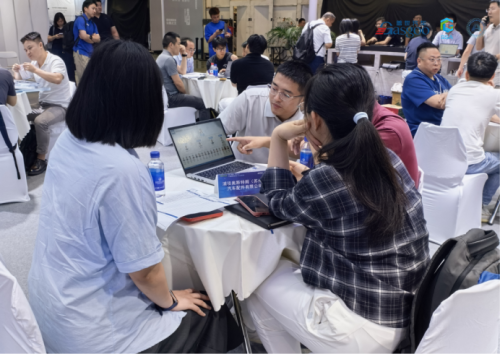
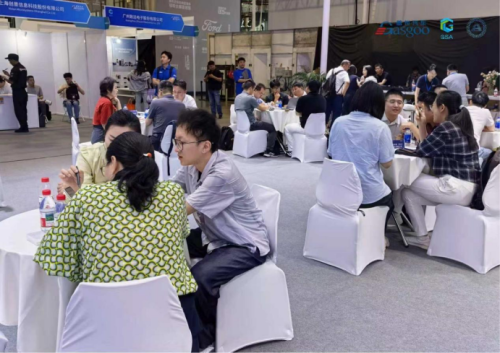
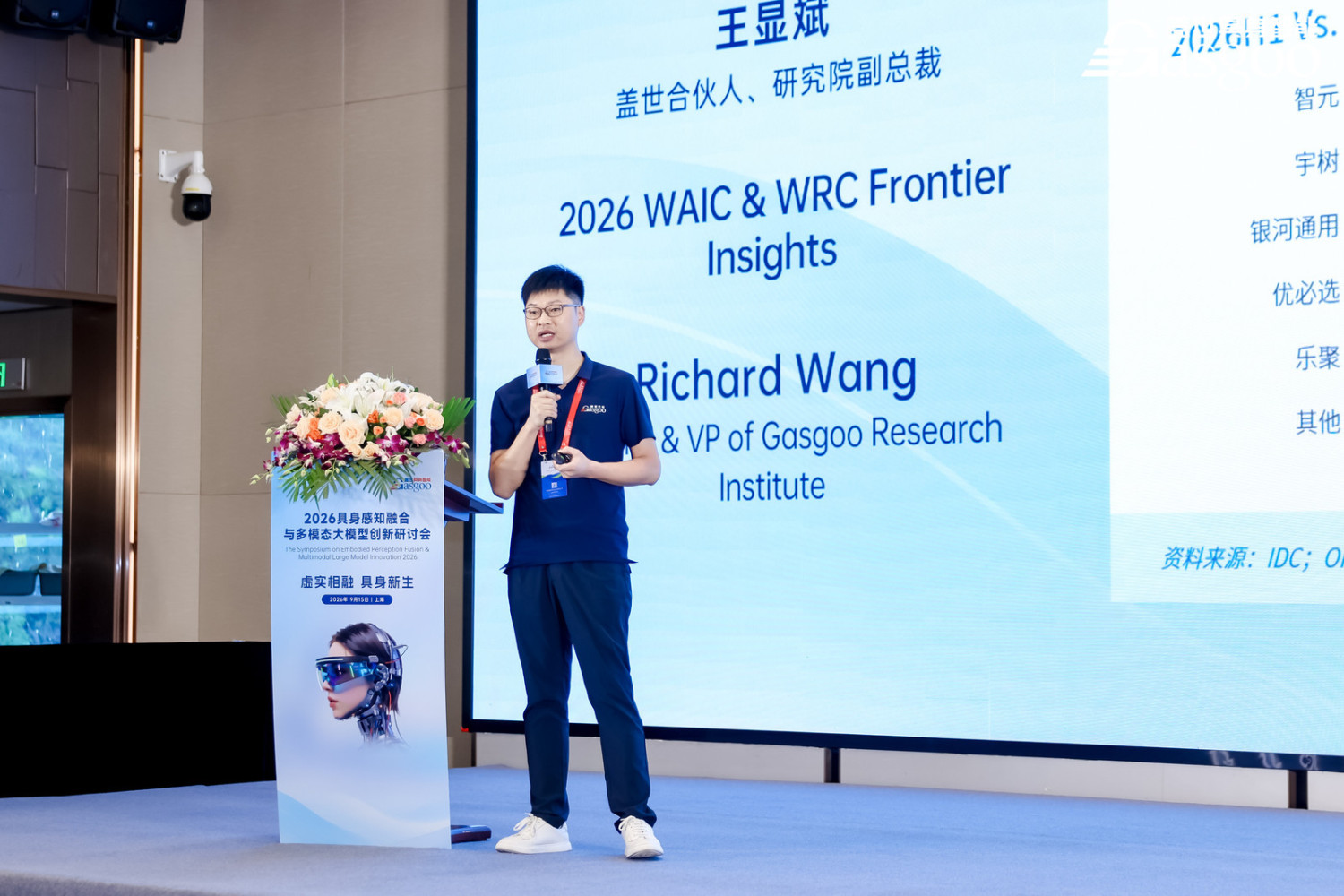
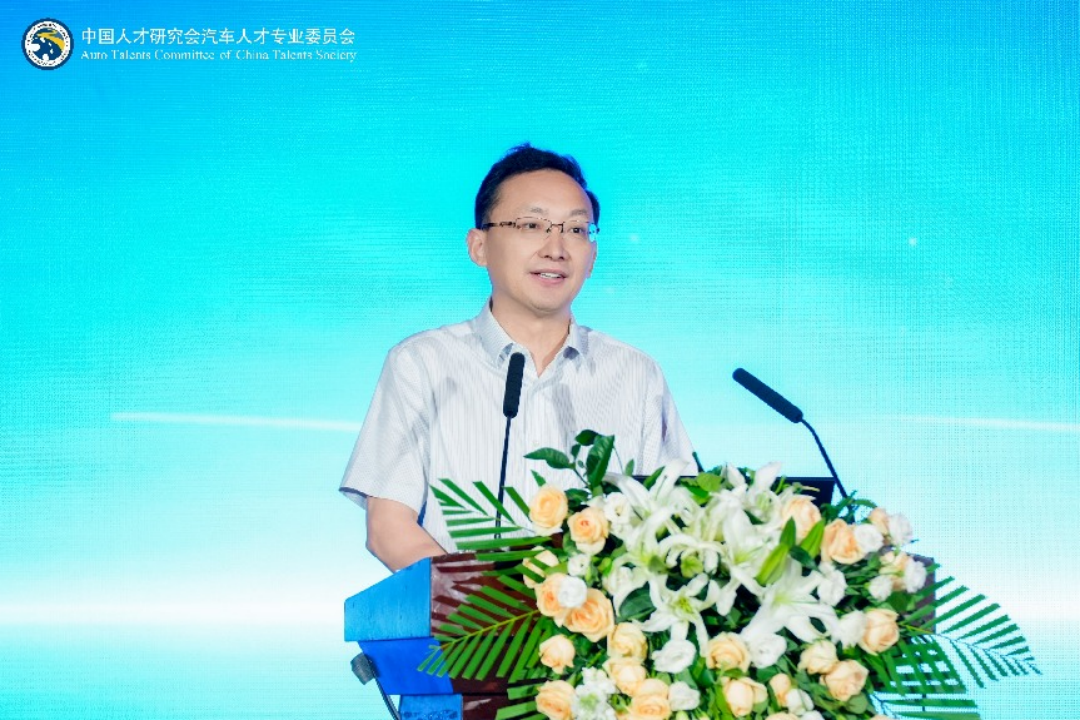
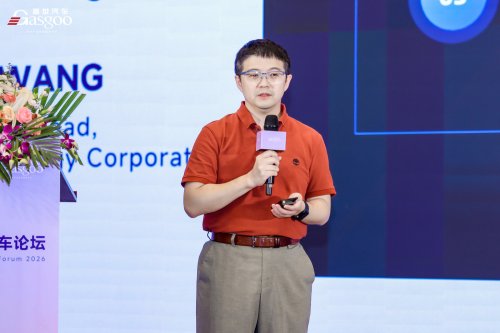
Gasgoo Munich-On September 16, at The 6th Automotive Semiconductor Ecosystem Conference 2026 hosted by Gasgoo, Wang Junyue — Bosch’s senior manager for power semiconductor products and global head of silicon carbide data center business — delivered a keynote. He outlined Bosch’s technical roadmap and capacity layout for silicon carbide (SiC), along with the strategic logic behind extending into AI data centers (AIDC).Wang Junyue | Senior Manager, Power Semiconductor Products, Global Head of SiC Data Center Business, BoschOf the two mainstream technical paths for SiC chips, Bosch has opted for the more difficult yet superior trench route. Wang noted that while the market still favors planar structures for their simplicity and ease of implementation, trench is the better choice "if you want better TCO and a more balanced cost-performance ratio."Per unit of area, trench chips can deliver higher current — or put differently, they require less chip area to output the same current. "Bosch has steadfastly followed the trench route since we started R&D on SiC in 2002," Wang emphasized. This choice stems from Bosch’s status as a global pioneer in trench processes for IGBTs and MOSFETs. "We have enough technical accumulation and experience to optimize the process parameters."For this reason, Bosch firmly handles both the epitaxy and chip manufacturing stages in its own factories, integrating unique trench expertise from the very beginning of the epitaxy process.Wang revealed that since achieving mass production of SiC for automotive main drive inverters in 2021, Bosch has shipped over 70 million chips. "We are currently at about 80 million units with zero failures." In terms of modules, cumulative shipments for each generation have exceeded 14 million units.Notably, Bosch targeted the most demanding application — automotive main drive inverters — right from its first SiC chip, bypassing the conventional gradual path from industrial to automotive, or from auxiliary components to main drives.On the capacity front, Bosch currently operates two fully 8-inch SiC wafer fabs in Germany and the United States, with the U.S. plant set to begin mass production at the end of this year. Wang stated that over the six years from 2024 to 2030, Bosch will expand its global SiC capacity by 20 times. "This can meet the surge in demand from the AIDC market, while also satisfying the needs of global automotive customers."Regarding product evolution, Bosch is currently in its second-generation chip stage. The third generation is slated for mass production in 2027, with more advanced trench technology iterations planned for 2029 and 2031.During the speech, Wang also highlighted Bosch’s global AI data center business, officially launched on July 1. He noted that AIDCs will consume significant SiC capacity, particularly for solid-state transformers (SST), which represent the future direction. "It is almost a complete SiC application solution."