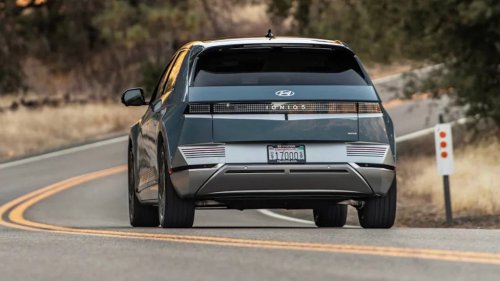
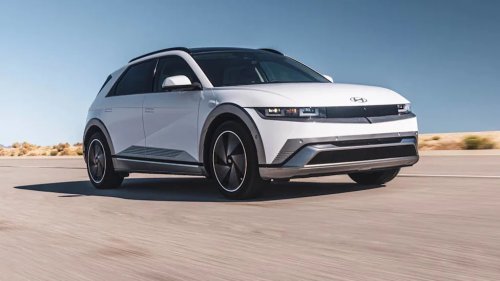
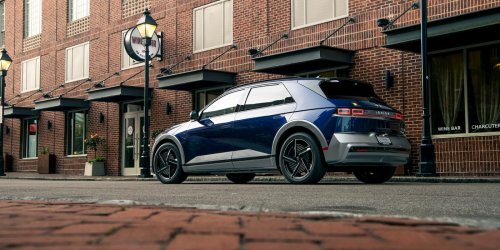
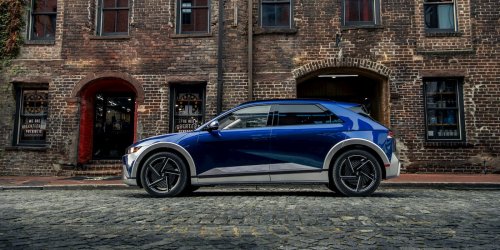
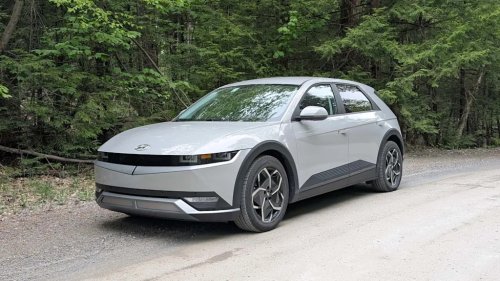
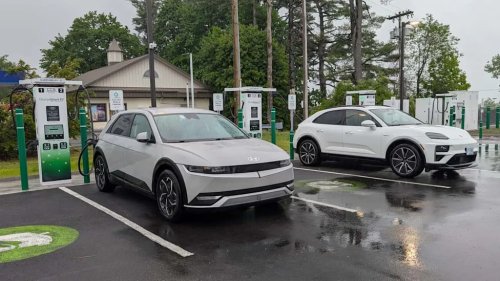
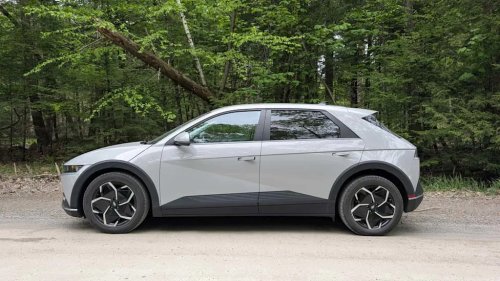
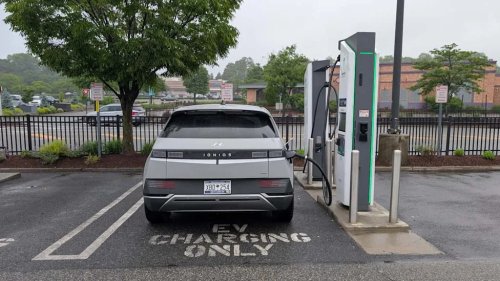
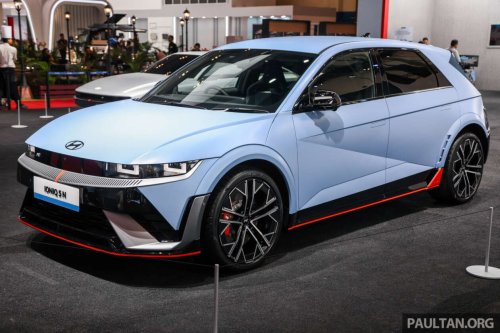
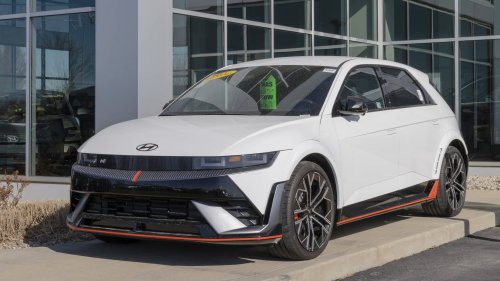
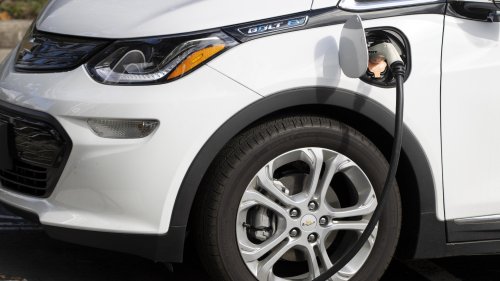
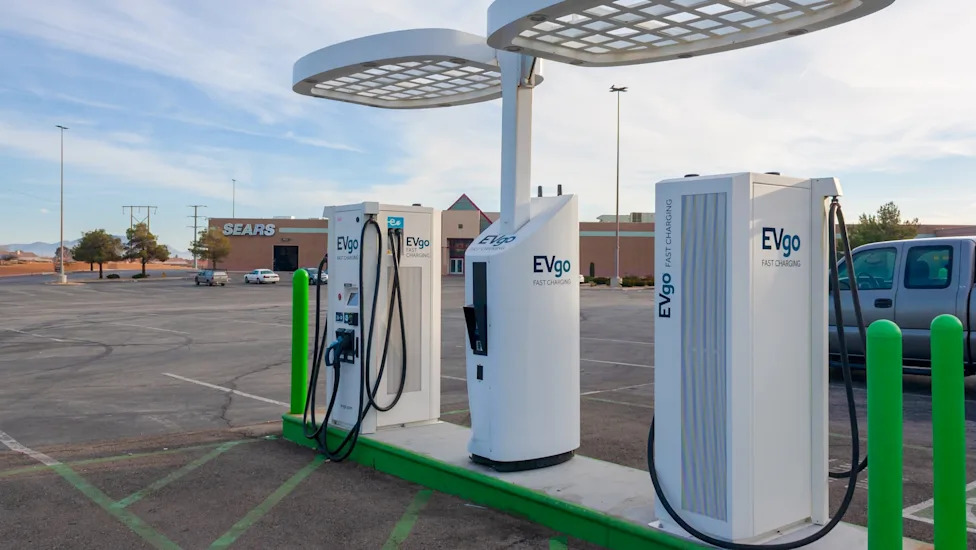
Photo Credit: iStockIf you own an electric vehicle, you may already know that not all public chargers are created equal. One trip to a charging station had an EV driver questioning whether to speak up after they saw another driver plug into a slow charging station. In a post on the r/electricvehicles subreddit, a Chevy Bolt owner described arriving at a four-stall EVgo charging site with two 100-kilowatt chargers and two 350-kilowatt chargers. The Bolt driver, whose car charges relatively slowly, plugged into a 100 kW unit while alone at the station.Then a couple driving a Hyundai Ioniq 5 arrived and chose the other 100 kW stall instead of one of the faster options. The poster asked whether other drivers would assume the couple had picked that charger on purpose or whether it would be better to offer a helpful tip.AdvertisementAdvertisementThe overwhelming sentiment of commenters leaned toward friendly advice."Help them out. They probably have no idea," one wrote.Another user added that many owners simply do not get much guidance when they buy an EV."Not everybody is as educated as they could be," they said.Several people shared similar stories of helping confused drivers figure out charging apps, charging stations, or basic home-charging setups, and one driver noted they got "ZERO instruction" from a dealer.The exchange highlights a real-world issue for new EV owners: Public charging can be confusing, especially when neighboring stalls look similar but deliver very different speeds.AdvertisementAdvertisementThat matters because choosing the right charger can make a major difference in how long a stop takes. In practical terms, that can mean getting back on the road much sooner.Faster, simpler charging is one reason drivers are making the switch to EVs. Beyond the convenience, EV owners can save significantly on maintenance costs and avoid spending money on gas.Drivers who charge at home can often save even more by taking advantage of electricity rates that are far lower than fuel prices.The Reddit thread also points to something positive: a culture of EV drivers who help one another. For people who are new to electric transportation, that kind of support can reduce stress and make the transition feel more manageable.AdvertisementAdvertisementIn cases like this, a quick heads-up can go a long way, especially if the person is unfamiliar with how different chargers work.That advice may be especially useful for first-time owners, renters, and people who buy EVs with little guidance. One commenter said they helped an older driver learn how to charge after the salesperson "didn't really give him much info."For EV owners, the takeaway is to learn your vehicle's maximum charging speed and whether it can benefit from high-powered stalls. Knowing that one detail can save time and reduce charger congestion.And for anyone still learning, the consensus was reassuring: Most drivers would rather share a useful tip than silently watch someone have a slow, frustrating charging session.AdvertisementAdvertisement"I am new to EVs. I would accept any advice a seasoned EV veteran offered," someone noted.While public charging is becoming easier to navigate, the most convenient option is still charging at home with a Level 2 setup.Get TCD's free newsletters for easy tips, smart advice, and a chance to earn $5,000 toward home upgrades. To see more stories like this one, change your Google preferences here.



















 +59 others