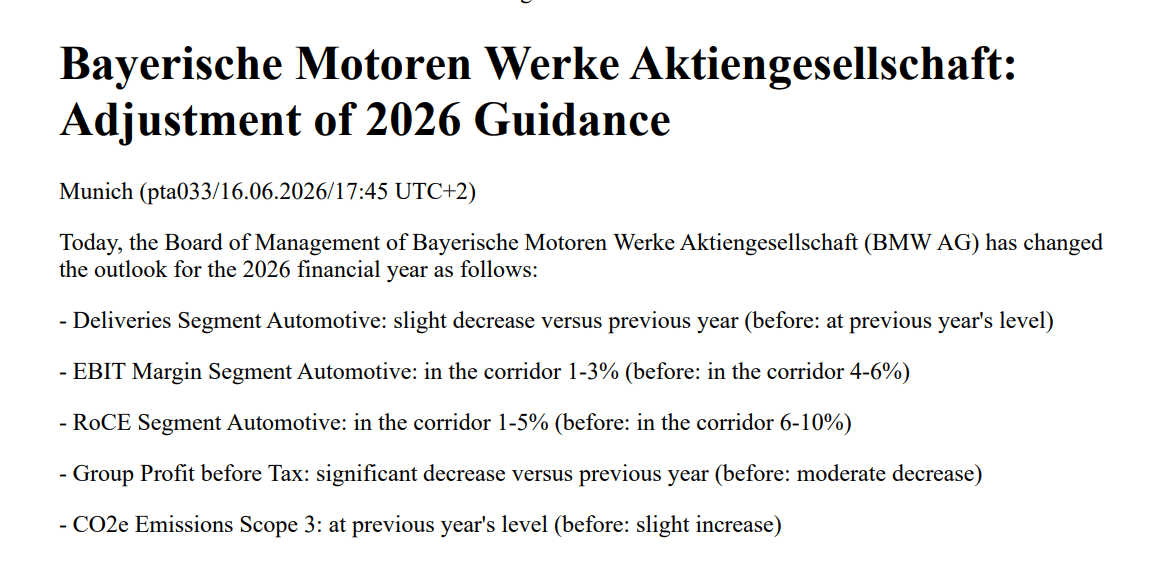
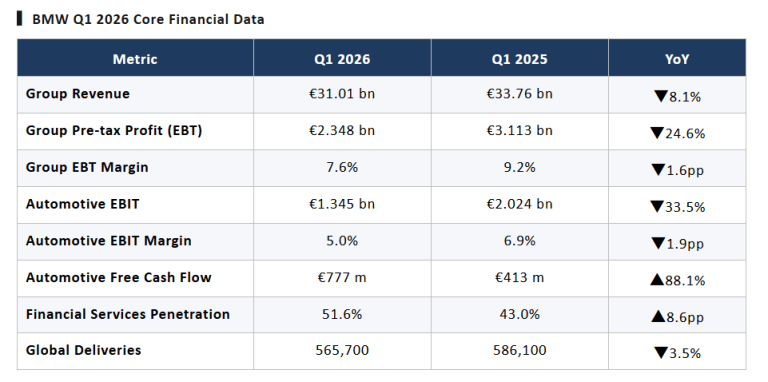
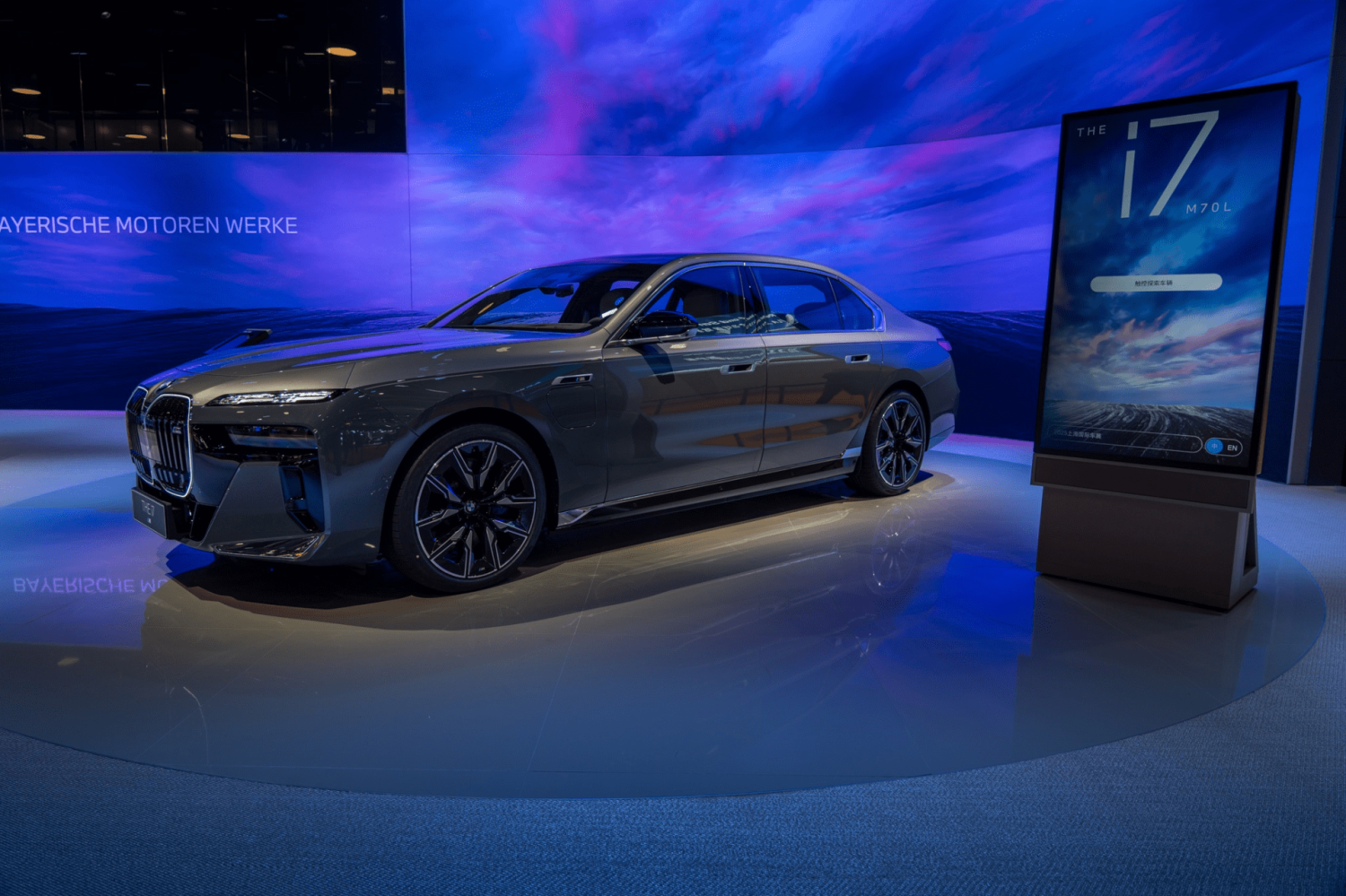
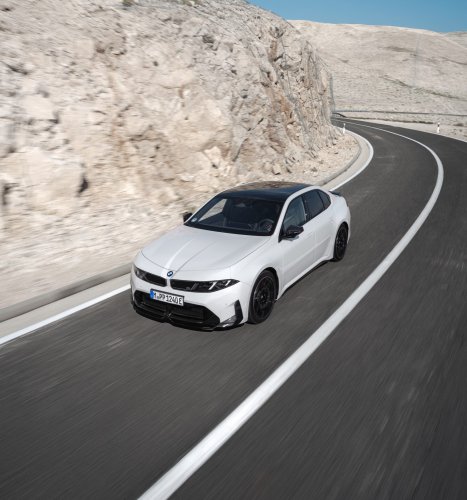
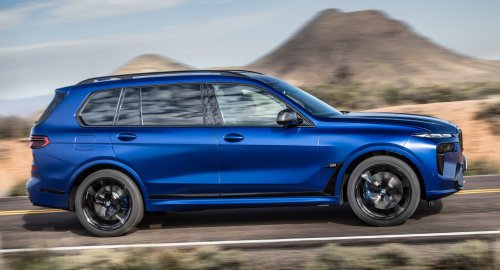
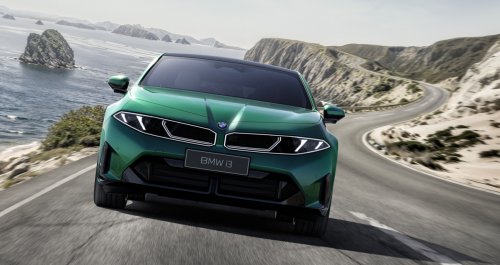
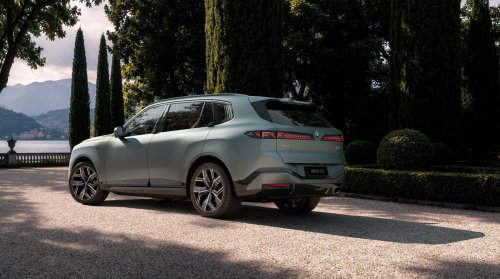
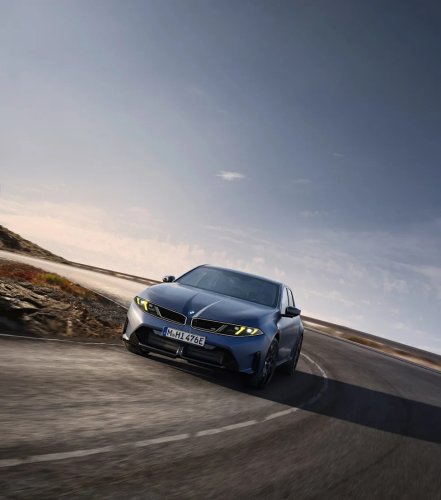
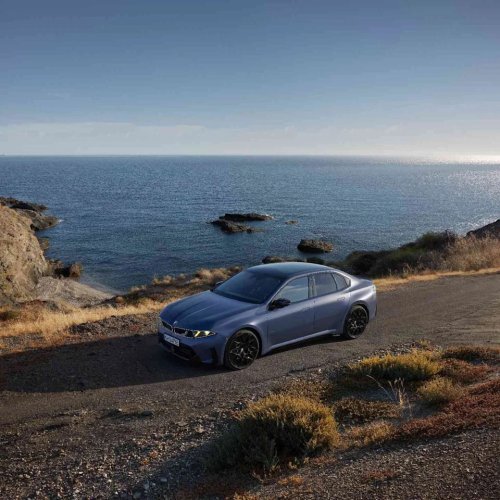
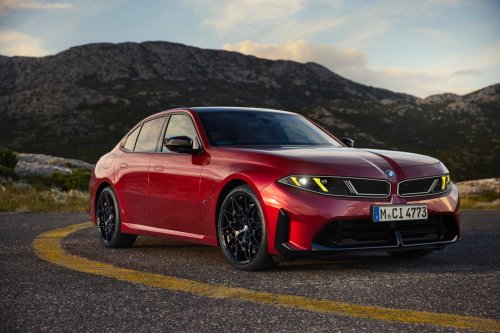
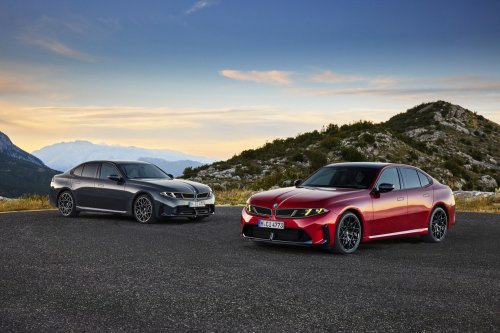
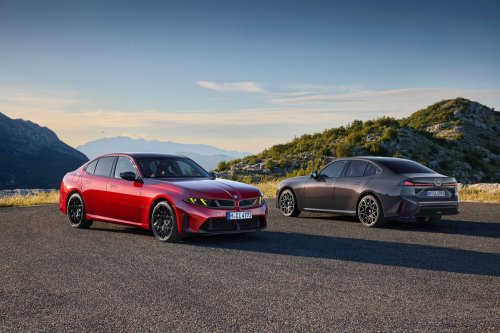
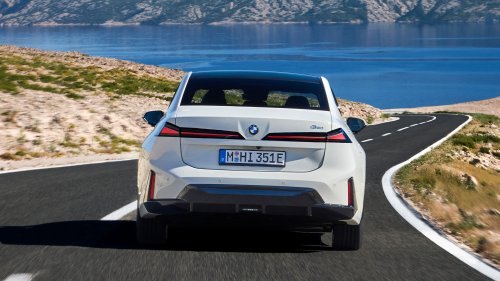
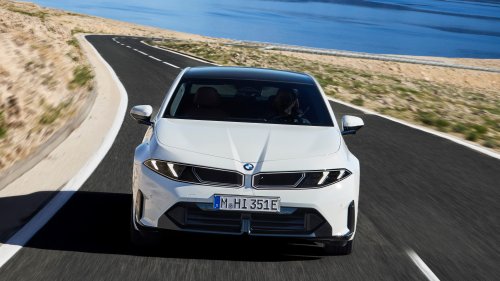
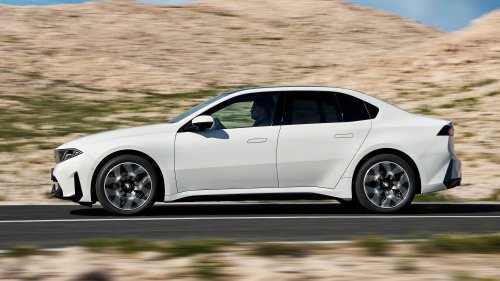
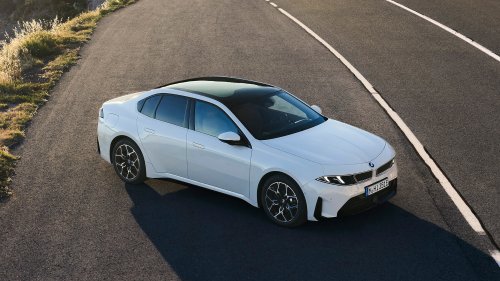
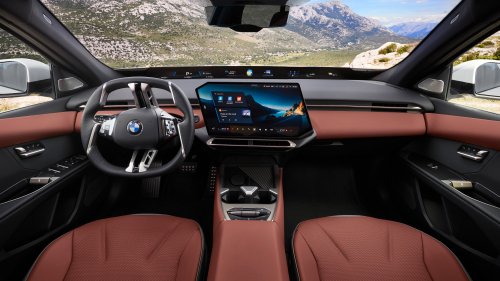
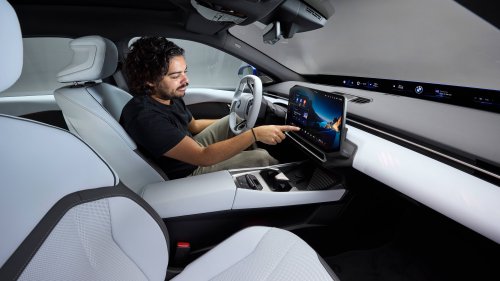
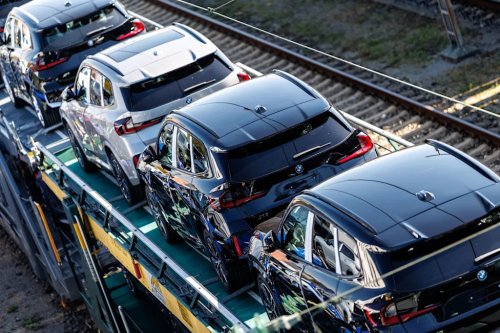
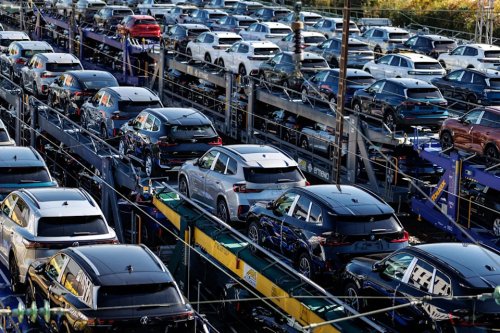
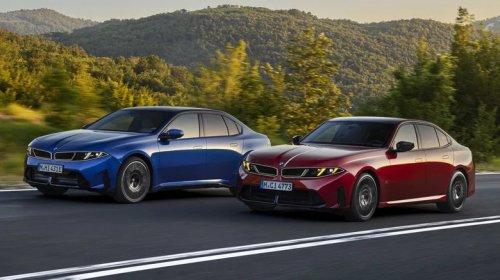
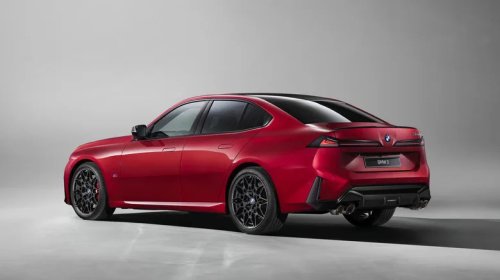
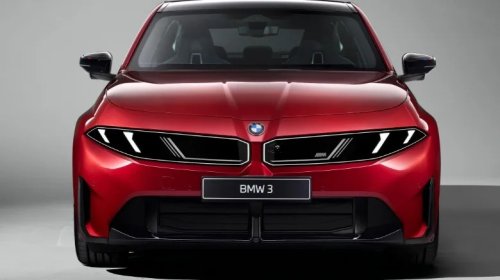
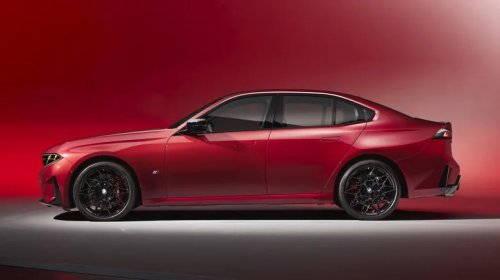
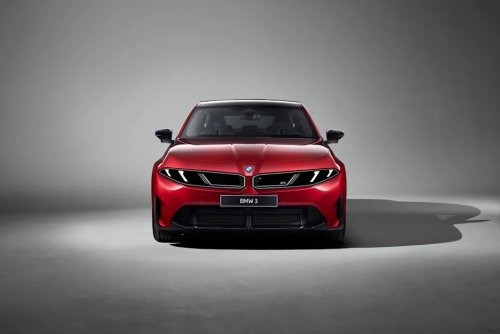
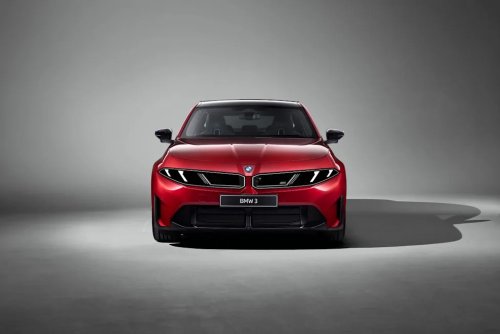
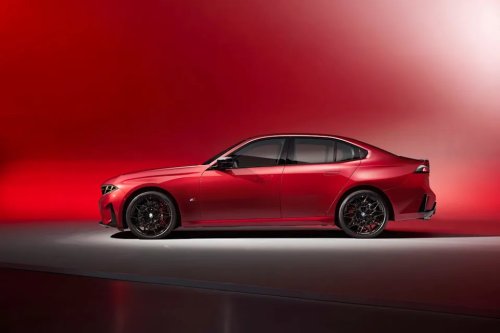
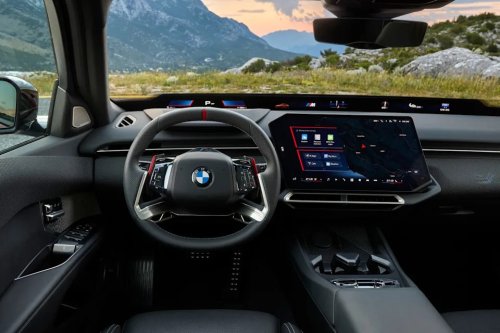
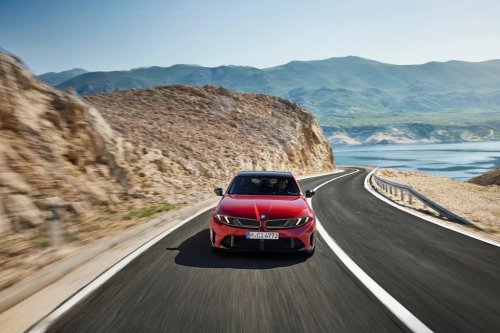
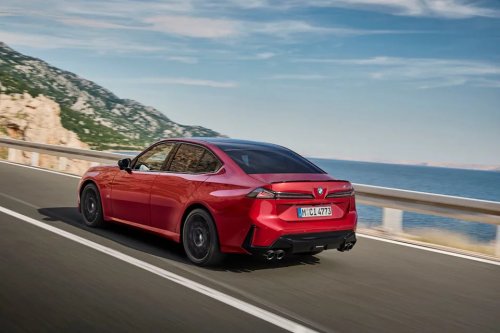
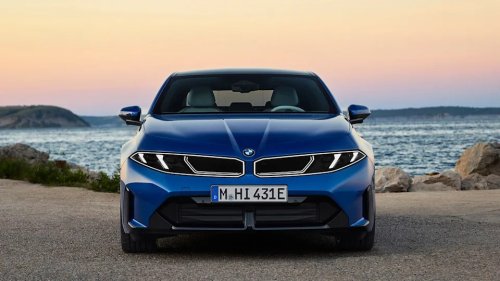
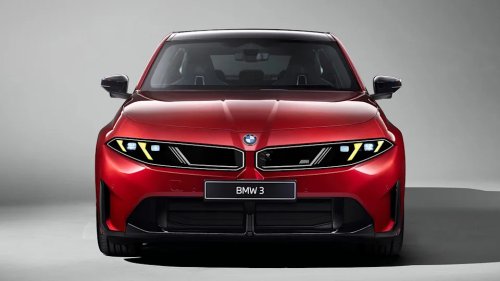
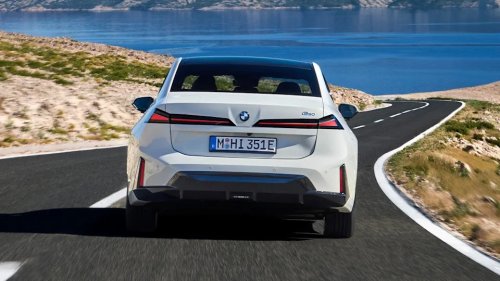
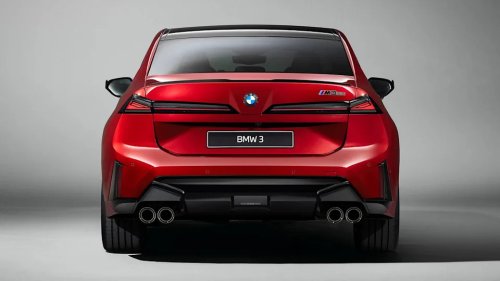
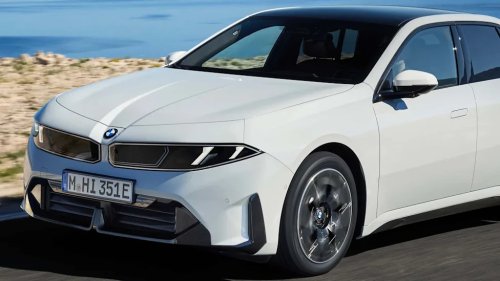
BMW Group on Tuesday lowered its full-year 2026 financial outlook, reducing its automotive EBIT margin guidance from a previously expected 4%–6% range to 1%–3%. The company also forecast a slight decline in core deliveries for 2026, compared with its earlier expectation of flat year-on-year performance. BMW said it now expects a significant drop in pre-tax profit, defined by the company as a decline exceeding 15%. Following the announcement, BMW shares fell 6.6% in Frankfurt trading. BMW lowered its financial outlook for full-year 2026 Management attributed the downgrade to a combination of factors, including rising energy costs driven by geopolitical tensions in the Middle East, weakening global consumer confidence, and higher tariffs across multiple markets. Tariff-related pressures alone are expected to weigh on automotive margins by approximately 1.25 percentage points. Intensifying price competition in Asia, particularly in China, was identified as a key driver of profitability pressure, as aggressive pricing in the premium segment continues to erode per-unit margins. The weaker outlook follows already visible signs of deterioration in the company’s quarterly performance. In Q1 2026, BMW reported revenue of €31.007 billion ($33.7 billion), down 8.1% year-on-year. BMW’s financial data in Q1 Pre-tax profit fell 24.6% to €2.348 billion ($2.55 billion). The automotive EBIT margin stood at 5%, within the mid-range of its previous full-year guidance, but still indicating a downward earnings trajectory. Group-wide deliveries for the quarter totaled 565,800 units, down 3.5% year-on-year. Europe posted modest growth of 3%, while both the US and China weakened, with China emerging as the largest drag on global volumes. China, BMW’s largest single market, saw first-quarter deliveries fall 10% to 144,000 units ($20.6 billion equivalent revenue scale context). Its share of total group sales declined from a peak of 33.5% to 25.5%. The company acknowledged that growth in the US and Europe was insufficient to offset the sales decline in China and Asia Pacific. Competitive pressure in China’s premium EV and NEV segment has intensified, with domestic brands increasingly targeting the RMB 300,000–600,000 ($44,250–$88,500) price band, directly challenging traditional luxury automakers. BMW conducted price reductions across 31 models during the first quarter, with discounts on the flagship i7 reaching over RMB 300,000 ($44,250). BMW i7 However, the measures failed to materially improve sales structure and further compressed gross margins. At the same time, BMW’s electrification transition in China remains relatively slow. Its new energy vehicle penetration rate stands at around 6.2%, significantly below China’s overall market level of over 54%. On the product side, BMW is restructuring its portfolio. Reports indicate the company plans to gradually phase out China-produced pure electric models, including the i3, i5, and iX1, starting in July. The move is intended to end the current generation of “converted ICE-to-EV” platforms and make room for its next-generation “Neue Klasse” architecture. The all-new long-wheelbase electric i3 tailored for China is expected to launch in 2027.