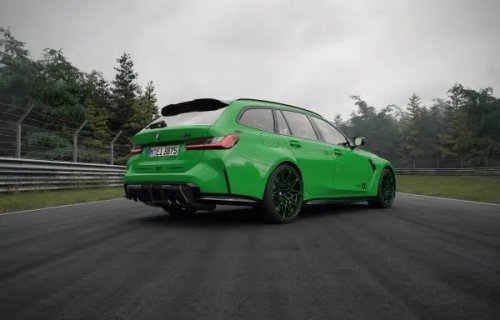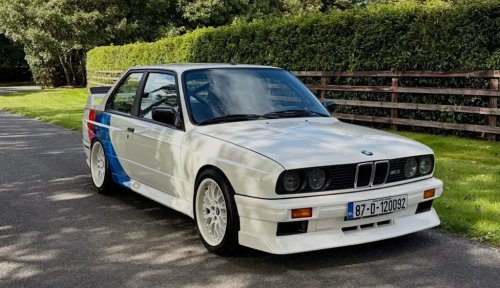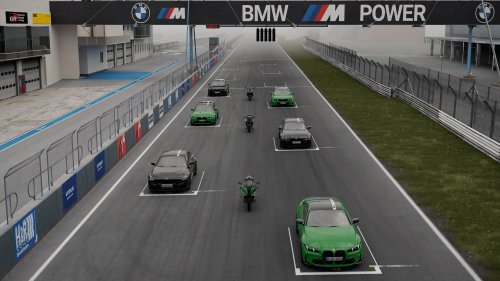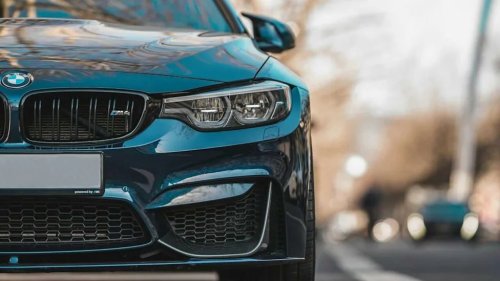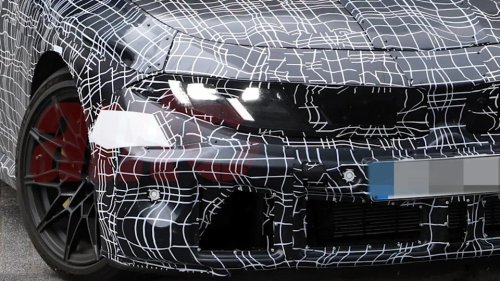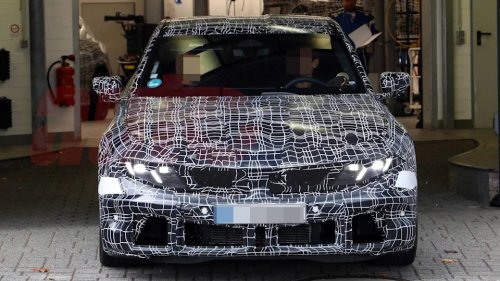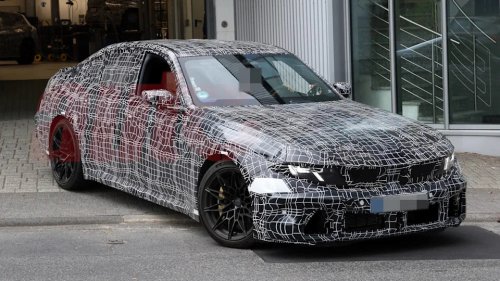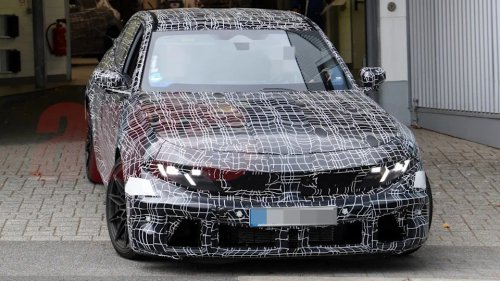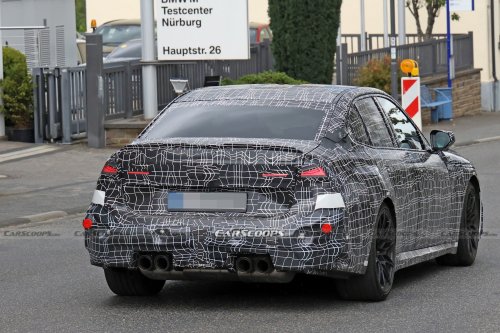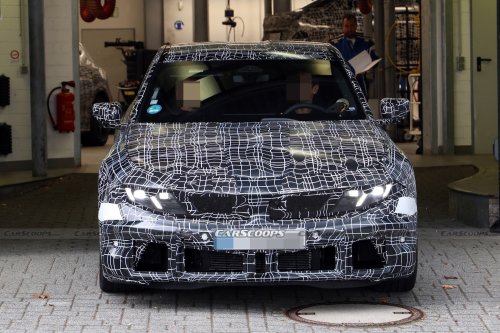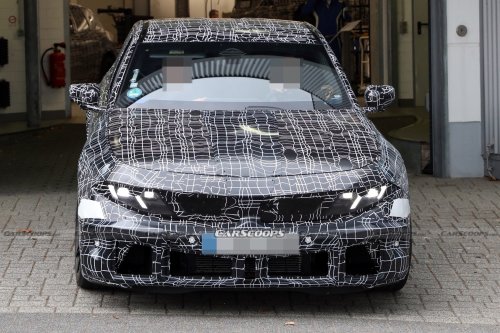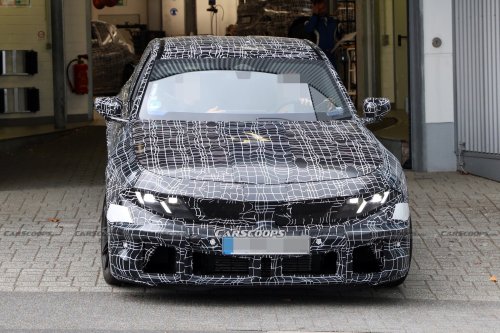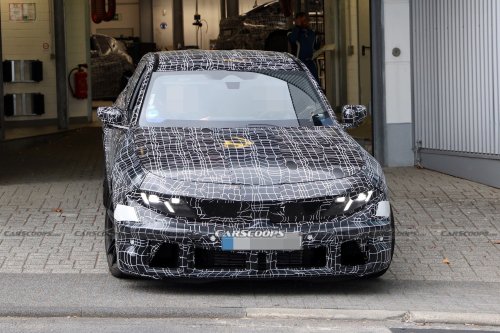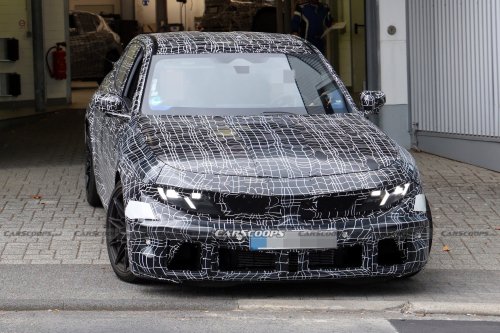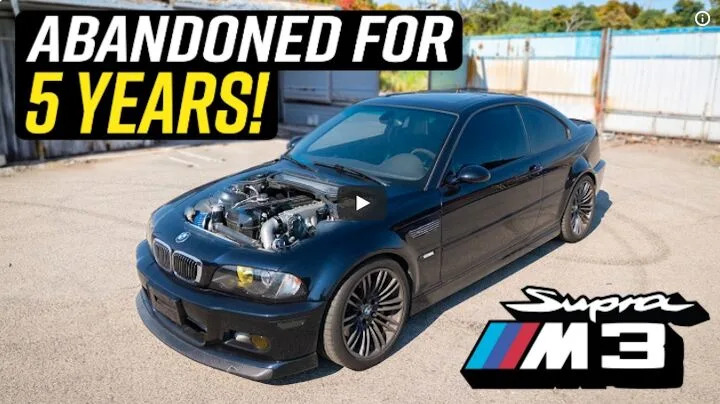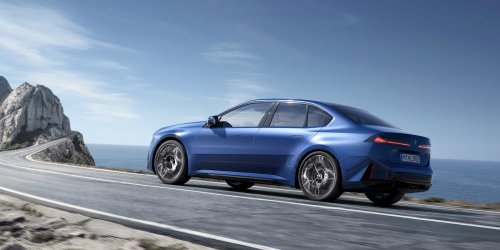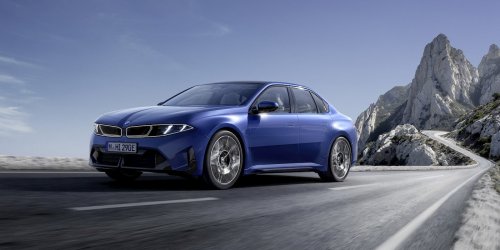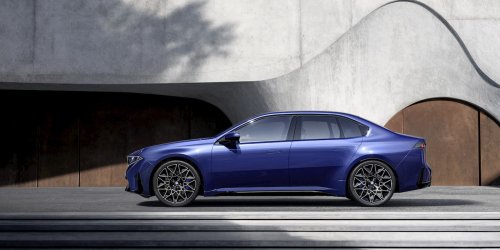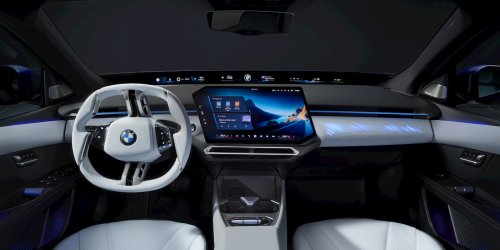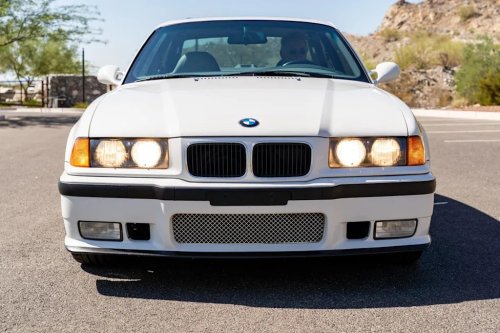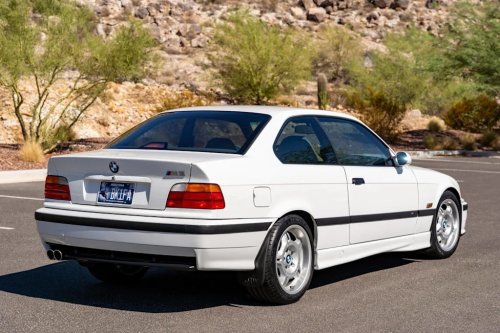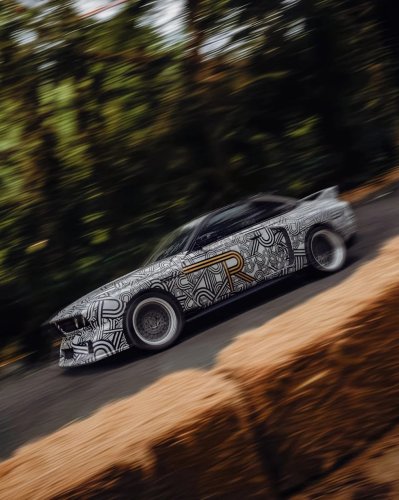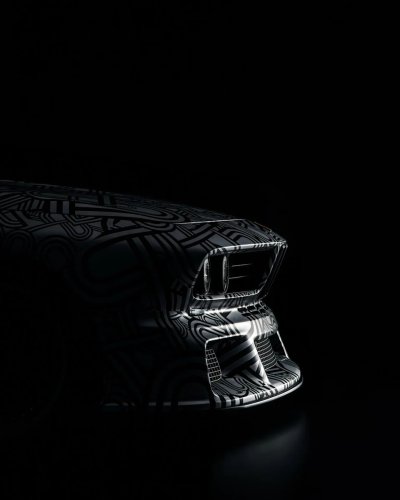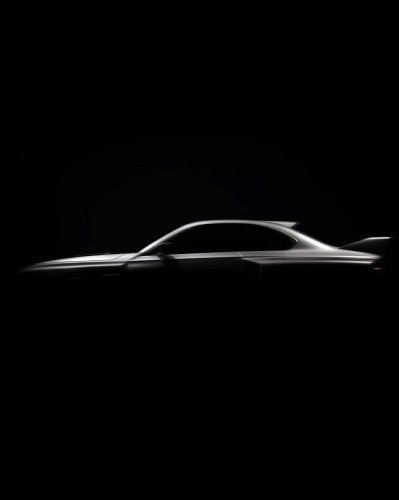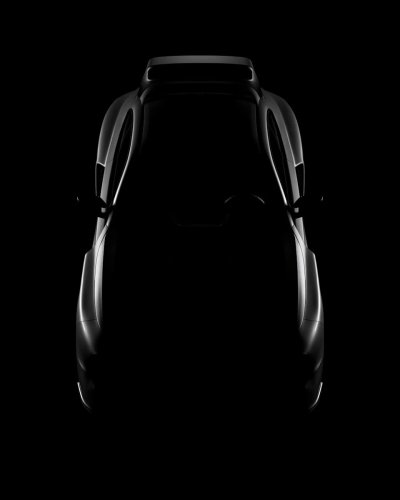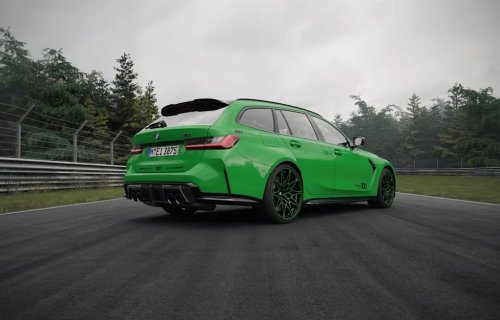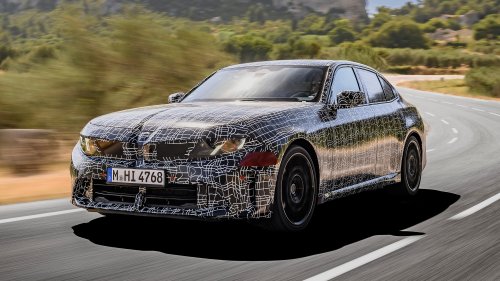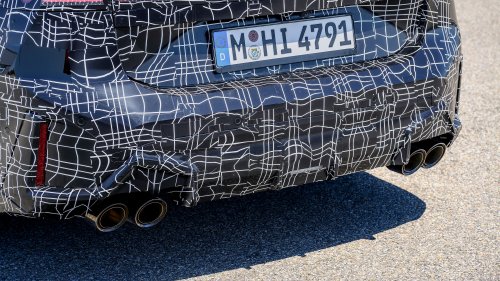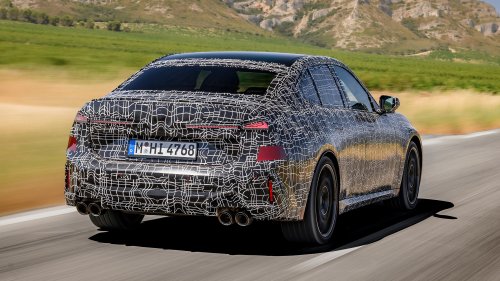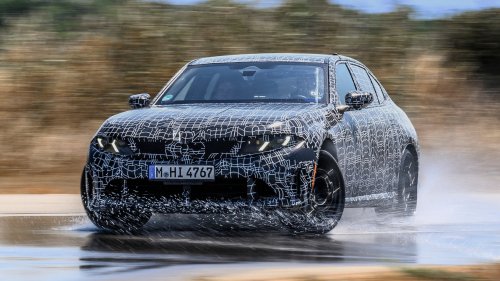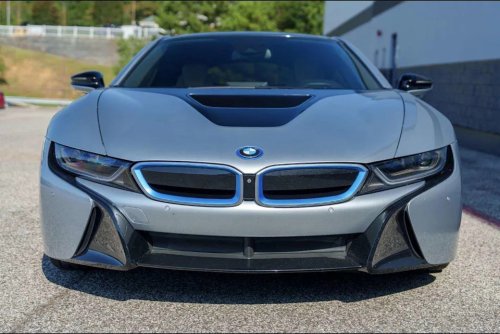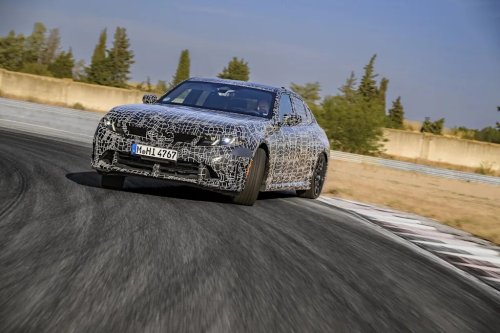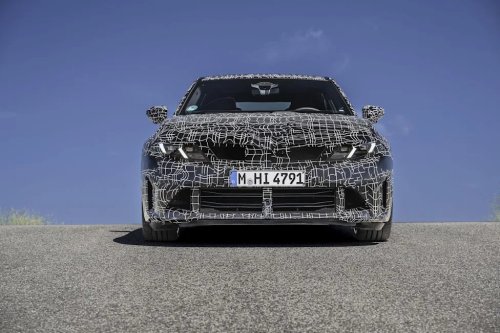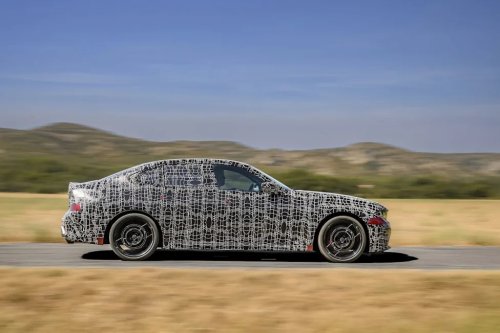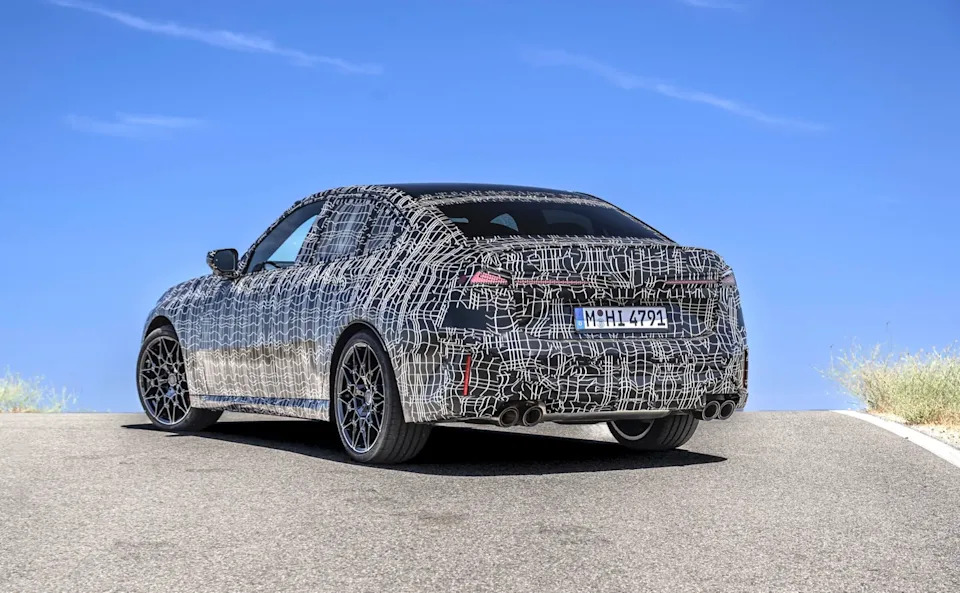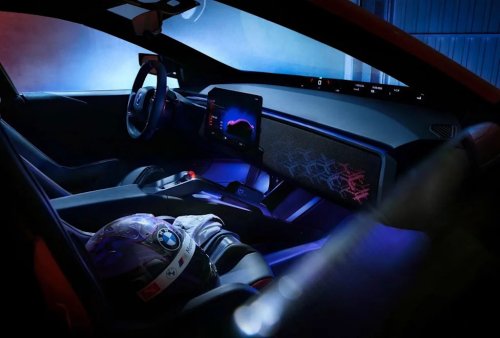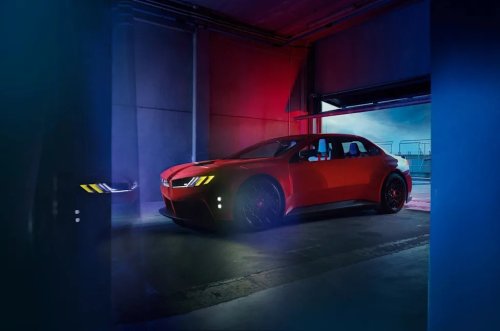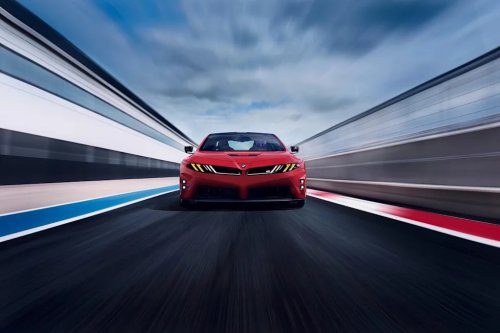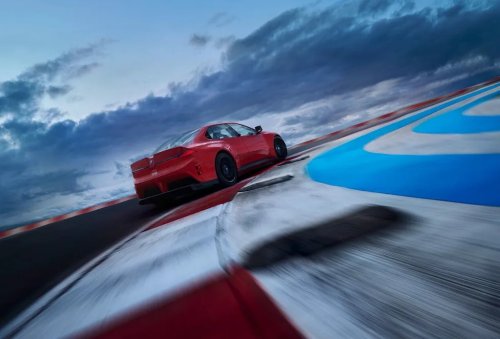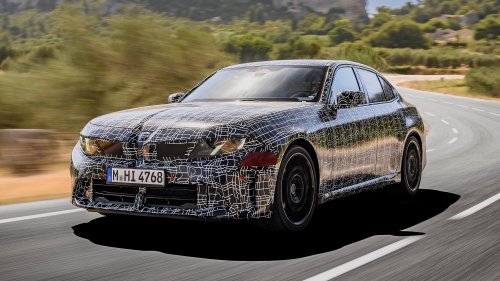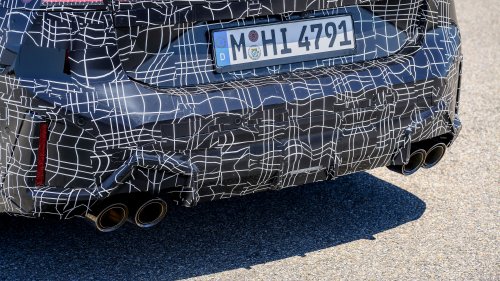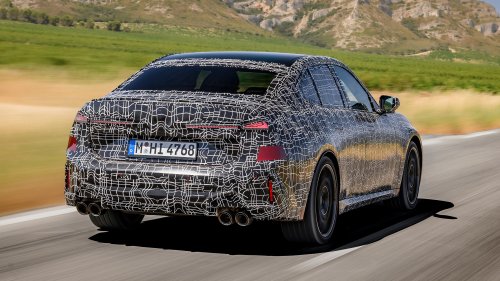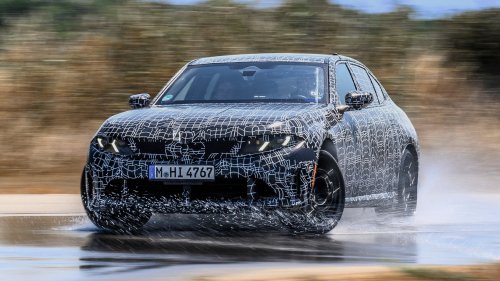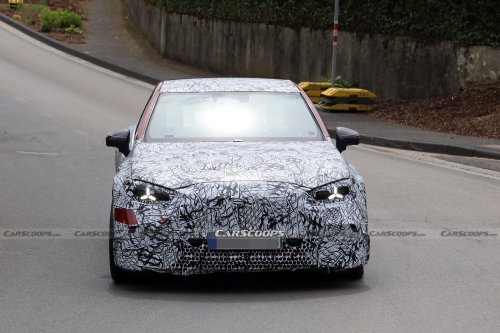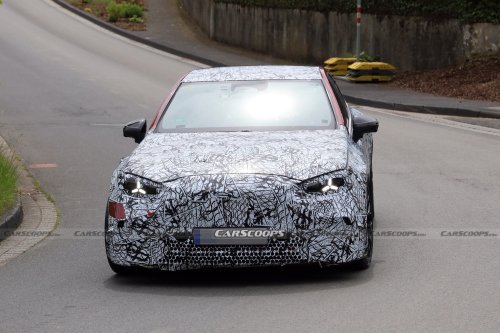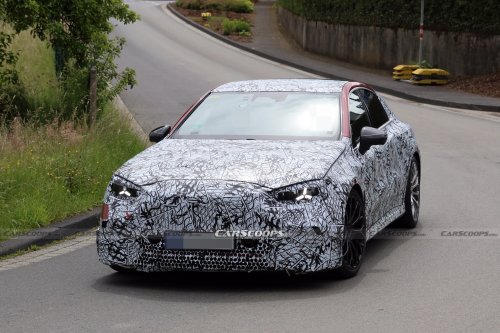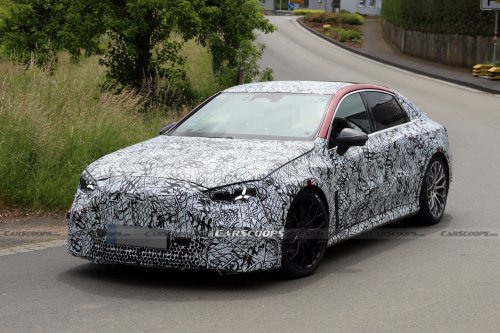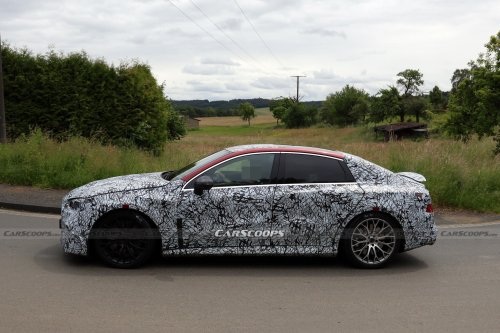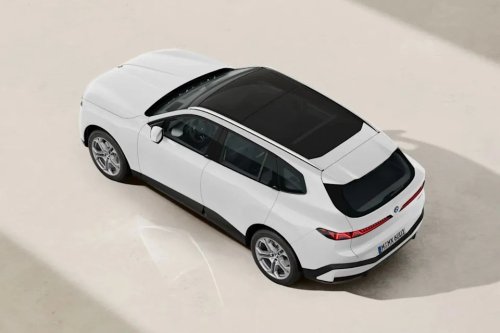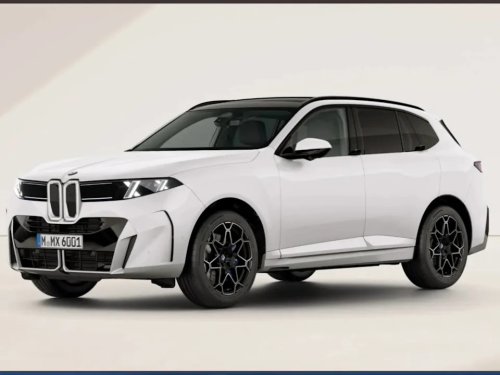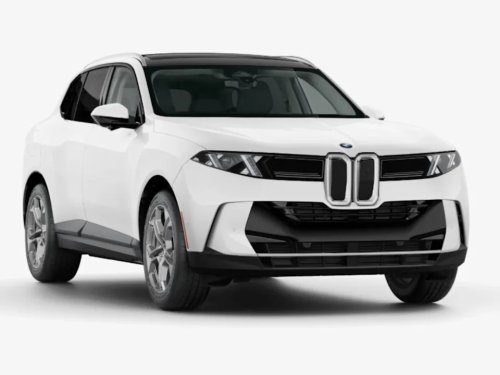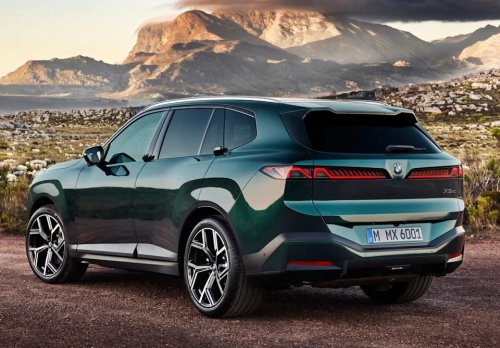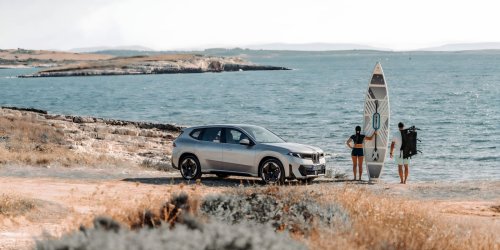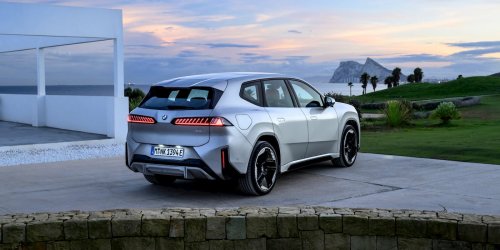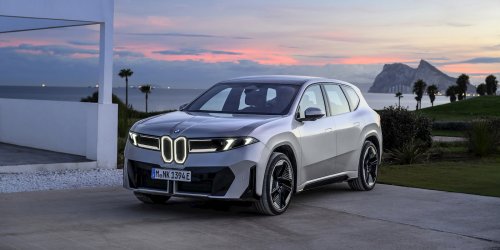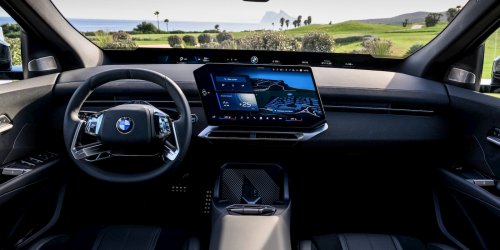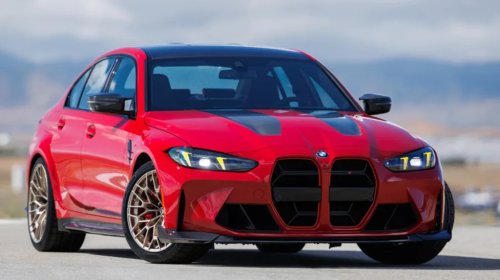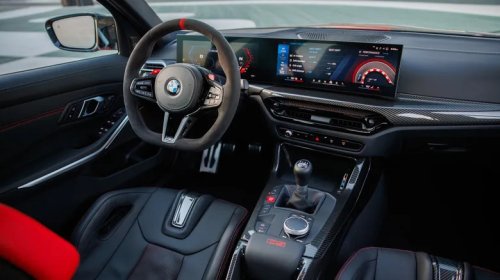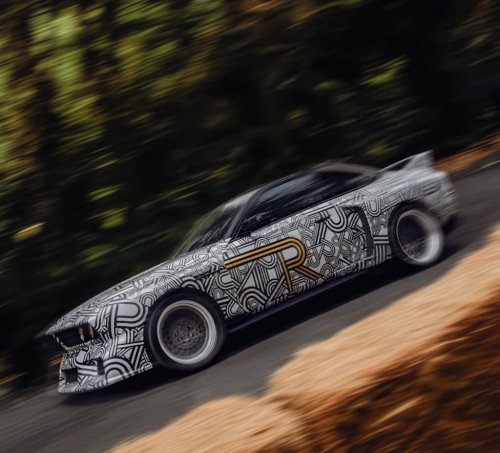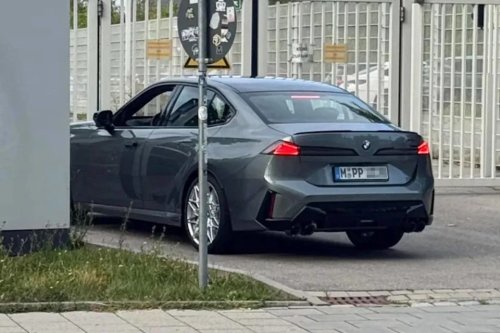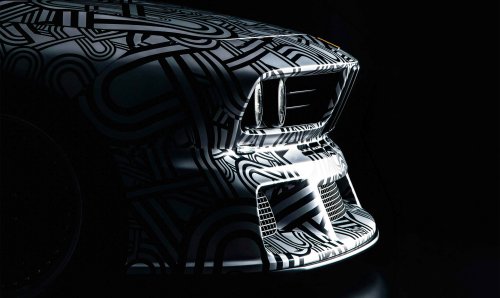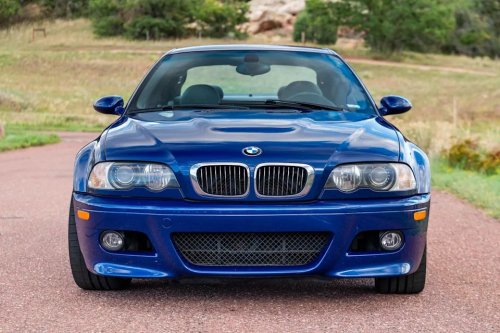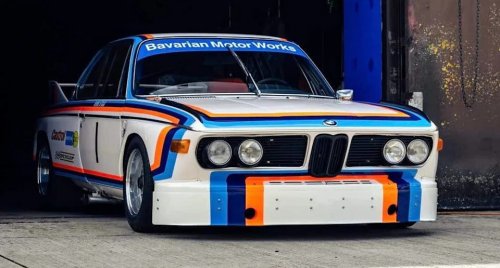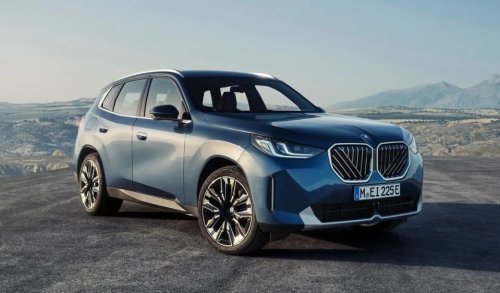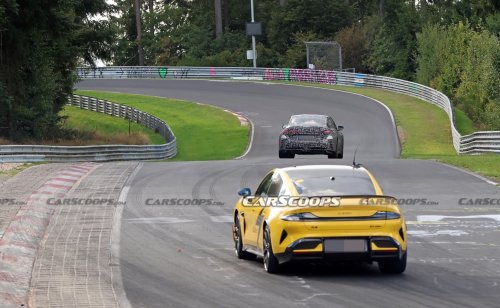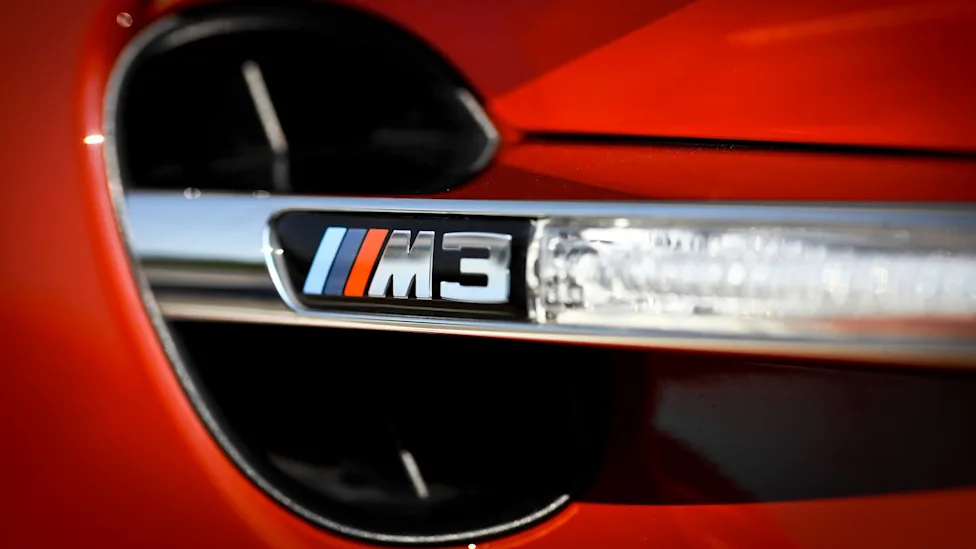



















Photo Credit: iStockBMW's upcoming electric sport sedan will officially wear one of the most recognizable badges in performance-car history: M3.That decision alone is enough to excite some drivers — and deeply frustrate others who believe the name should stay tied to a gas-powered engine.What happened?Instead of branding the car as the iM3, BMW plans to use the familiar M3 name for its new electric performance sedan. In doing so, the automaker is carrying one of its best-known badges into the EV era.AdvertisementAdvertisementPower is expected to be a major part of the story as well. Sam Evans, the creator behind The Electric Viking (@electricviking), said the car could use a quad-motor setup producing as much as 1,341 horsepower, which would make it the most powerful M3 by far. The video also reported that BMW M boss Frank van Meel confirmed the M3 name at the Goodwood Festival of Speed."BMW's electric M3, it's damn impressive," Evans said. The reaction among motorists, however, has been divided. For some longtime fans, the M3 badge is closely tied to the model's traditional inline-six character, so the backlash is about more than simply losing the familiar engine noise.Other complaints have centered on the prospect of simulated gear changes, synthetic sound, and a Neue Klasse-inspired design that marks a clear break from earlier generations.Why does it matter?The M3 is a halo car, and BMW's naming decision suggests the company is folding electrification directly into one of its most important performance identities rather than treating it as something separate.AdvertisementAdvertisementPerformance EVs often help advance battery, motor, and charging technology, and those improvements can later make their way into more affordable vehicles. For consumers, electric vehicles can also mean lower fuel costs, fewer routine maintenance needs, no oil changes, and less brake wear thanks to regenerative braking. For anyone considering buying an electric vehicle, charging costs matter too.Legacy automakers are under pressure to keep their most beloved models relevant while reducing tailpipe pollution and competing in a market that increasingly values efficiency, software, and fast charging alongside raw speed.What can I do?For many drivers, an EV's upfront price can be offset over time by lower charging costs and reduced maintenance.AdvertisementAdvertisementA high-performance EV may be built for thrilling acceleration, but commuters and families can benefit from the same core advantages in more mainstream models: quiet rides, strong torque, and lower operating costs.It also suggests more automakers are confident enough in EV technology to attach it to their most important products, which usually means more options across price points in the years ahead.One commenter wrote, "They have managed to come up with a design that looks great — no mean feat considering how ugly a lot of the other BMWs are." Get TCD's free newsletters for easy tips, smart advice, and a chance to earn $5,000 toward home upgrades. To see more stories like this one, change your Google preferences here.