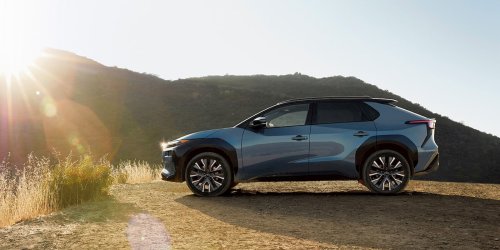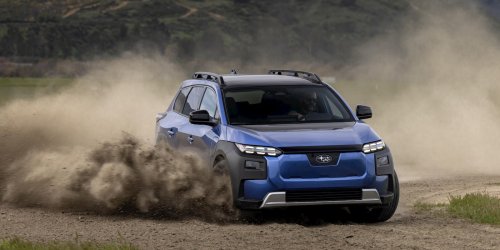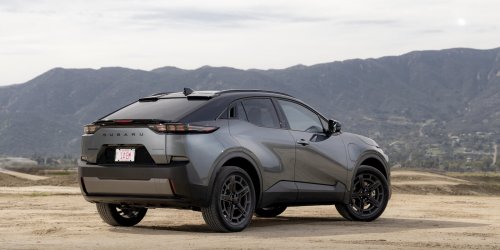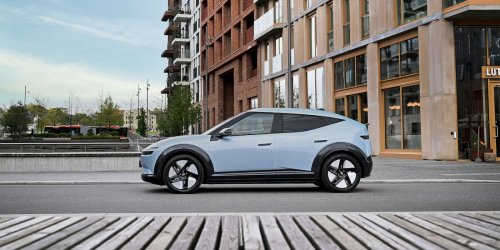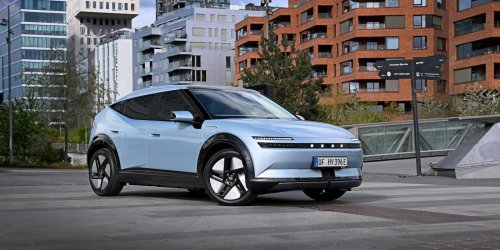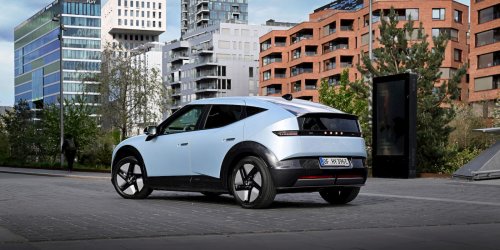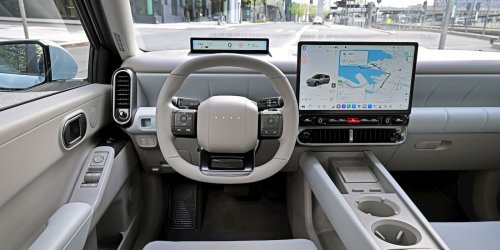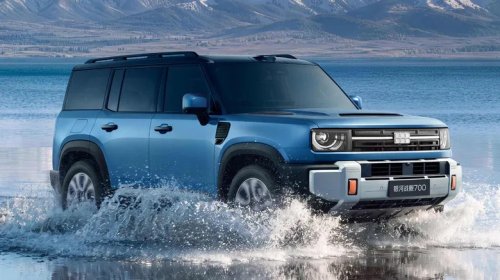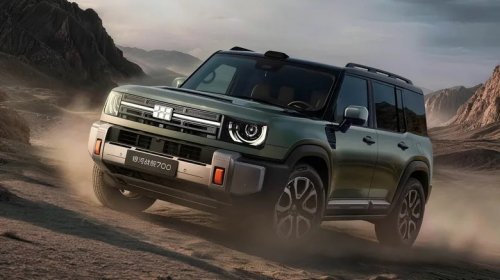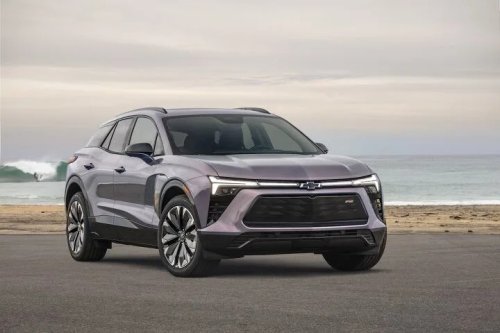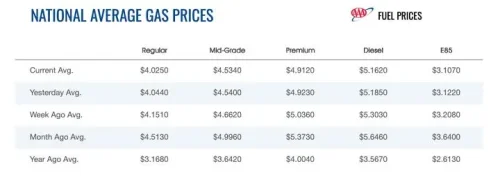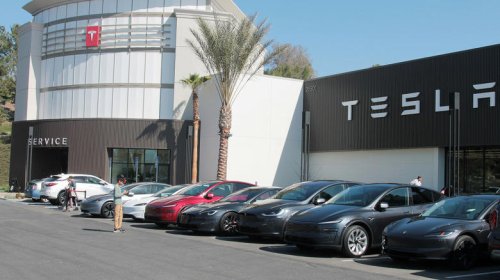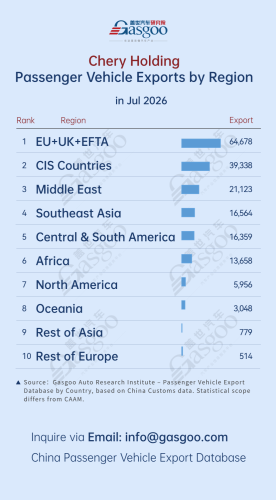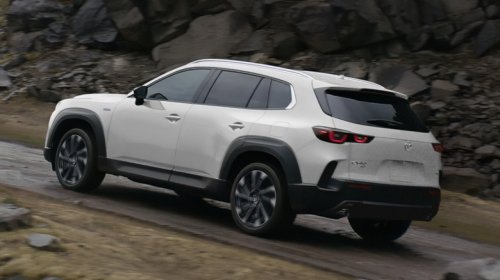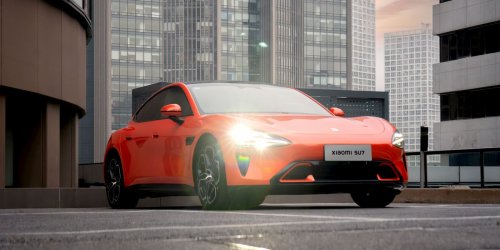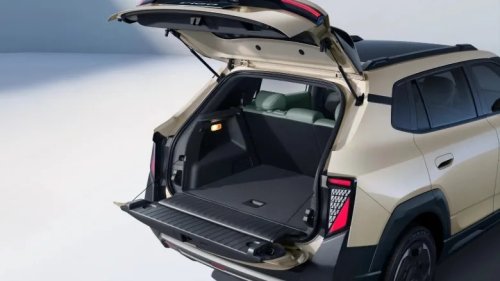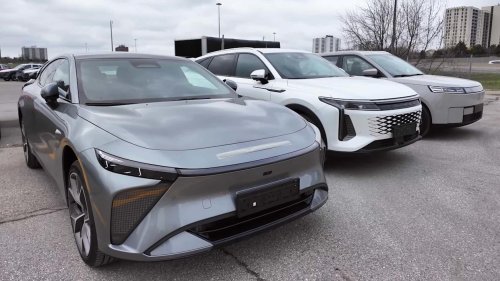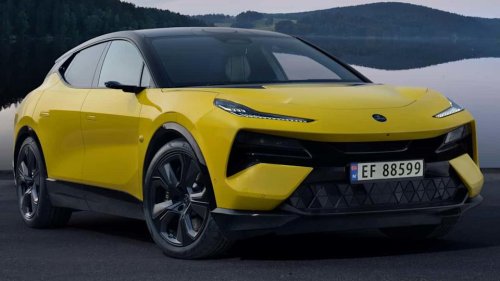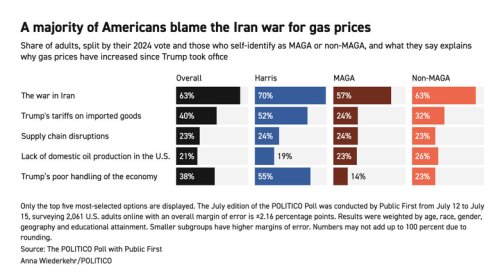






















US President Donald Trump’s war on electric vehicles is fizzling out with a whimper. On a global level, sales of gas-only cars fell below 50% for the first time last week. Interest in zero emission mobility has even ticked up in the Middle East, where China’s Chery Group is among the autmakers spotting a ripe opportunity to pitch EVs to a thirsty new market. In the latest development, last week Chery tapped Abu Dhabi the to launch the newly independent Freelander global brand, featuring a left-hand variant. EVs Rule, Gasmobiles Drool Selling EVs to a nation that depends on oil revenue would have been a tough row to hoe just a few years ago. However, in parts of the region policy makers have been laying long term plans to prepare the economy for diversification. Saudi Arabia, for example, has leveraged its financial interest in the US startup Lucid Motors to launch a new domestic auto manufacturing ecosystem, focusing on EVs. Into this picture steps Chery Group. If all goes according to plan, the ripple effect of the Abu Dhabi launch of the Freelander will ripple throughout the United Arab Emirates, and regionally, and globally, adding left-hand drive to the automaker’s markets. So far the company has confirmed dealer partnerships with Al Tayer Motors for Dubai and the Northern Emirates, in addition to Abu Dhabi. What Is This Freelander Of Which You Speak? If Freelander rings a bell, it might. The Land Rover branch of Jaguar Land Rover initially began sales of the gas-powered Freelander in Europe in 1997, later moving into the US, Canada, and the Middle East. Despite its popularity, the brand failed to gain longstanding traction. By 2015 the party was over. Or not, as the case may be. In 2024 Freelander resurfaced as a 50-50 EV joint venture between Chery and Jaguar Land Rover. JLR was tasked with leading the design end of the venture, with Chery taking on the supply chain and technology mission. JLR came through. “Officially reborn in June 2024 and launched as a standalone global brand in early 2026, it has the vibe of the Defenders and Range Rovers,” CleanTechnica said of the Freelander earlier this year. With the JLR signature in hand, Chery is aiming for widespread uptake, pitching the Freelander as a “British Premium Intelligent All-Terrain Brand.” The September 29 launch event showcased the Freelander 8, which Chery is billing as its “first strategic model.” “Developed with diverse international markets in mind, the brand’s first strategic nameplate combines British design heritage with signature details such as the Castle-Style Body Design and Iconic Triangle Window, alongside a cabin finished in Premium Nappa Leather and Selected Ayous Wood Veneer,” Chery explains. More EVs For The Middle East The global outlook is not a one-size-fits-all scenario. By “strategic model,” Chery means that it intends to produce EVs with exclusive features that reflect regional markets. “For customers in the Middle East, intelligence is also about technology that responds to local lifestyles and environmental conditions,” Chery explains, noting that climate factored into its choices for the Middle East market alongside other elements. Chery has already lined up two dealers in the United Arab Emeriates, with Premier Motors covering Abu Dhabi and Al Tayer Motors covering Dubai and the Northern Emirates. That just one sign of rising EV sales in the Middle East. Tesla, of course, also began dipping its toe into the Saudi market last year, just in time for the Kingdom to launch its own in-house EV brand, Ceer Motors. It Takes A Village If any single can take credit for the current surge in EV sales globally, it’s US President Donald Trump. In addition to setting the match to a global fuel time bomb with an uplanned (to put it kindly) attack on Iran in February, Trump’s concierge-style relationship with Russian President Vladimir Putin has also put a crimp in global refining capacity. Of course, Trump did not elect himself. He surged into office on the sails of his voters, third-party voters, and voters who chose not to vote at all, aided by a flock of donors including Tesla CEO Elon Musk, who has publicly taken credit for bankrolling Trump’s successful 2024 campaign. Regardless of who can take credit for what, the numbers don’t lie. In recent years, auto industry analysts have noted that EVs are not simply adding to the global auto market, they are replacing all-gas vehicles in the global market. That includes the “upgrade path” as well as first-time sales. Now another line has been crossed. The petroleum industry news organization OilPrice ran the numbers on October 4, under the headline “Fuel Price Shock Pushes Global Gas Car Sales Below 50% for First Time.” “Gasoline-only cars fell below 50% of global new vehicle sales for the first time, as the Hormuz crisis and record fuel prices accelerated the shift toward EVs,” OilPrice summarized. So Much Oil, So Little Refining Capacity With Which To Refine It As for over here in the US, gasoline-only cars are still selling like hotcakes. Online searches indicate that interest in EVs has ticked up, but that has yet to be reflected in actual sales. Where is the tipping point? Long before Trump took office, right-wing propagandists (RIP, Rush Limbaugh) worked overtime to sour much of the car-buying public on electric vehicles. The re-election of Trump propelled the national mood into into dumpster-level heights, despite the rising performance and falling cost of EVs. Propaganda aside, the US market is far from dead. Electricity consumption by EVs kept rising this year, though at a slower pace than previously. In addition, a patchy rebound in EV sales emerged in the Q3 numbers. Keep an eye on the electric truck space as well, where the rising cost of diesel fuel has hit particularly hard. Last week, the US and other G7 nations agreed to release some diesel stockpiles, but that doesn’t necessarily mean prices at the pump will go down. After all, trucks and other vehicles are not the only diesel users on the planet. The AI data center boom is also been adding fuel to the diesel fire. These energy-sucking giants typically deploy natural gas or diesel generator for backup power, and the hoarding has begun. Additionally, although the US produces a copious amount of crude oil, the nation’s refining capacity is stretched to the limit. Earlier this month, OilPrice reported that refining capacity in the US has already hit its limit at 98%. There being no way to conjure up new refineries out of thin air, global fuel markets will continue to keep prices up in the US, at least until the current Commander-in-Chief exits the Oval Office — peacefully this time, one hopes. Photo: Chery Group and Jaguar Land Rover aim to sell their new Freelander EVs strategically in the oil-rich Middle East, then fanning out to other markets globally (cropped, courtesy of Chery Group).