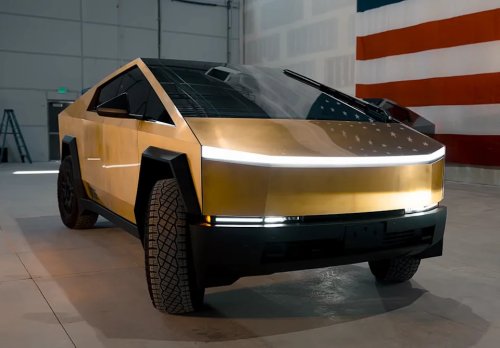
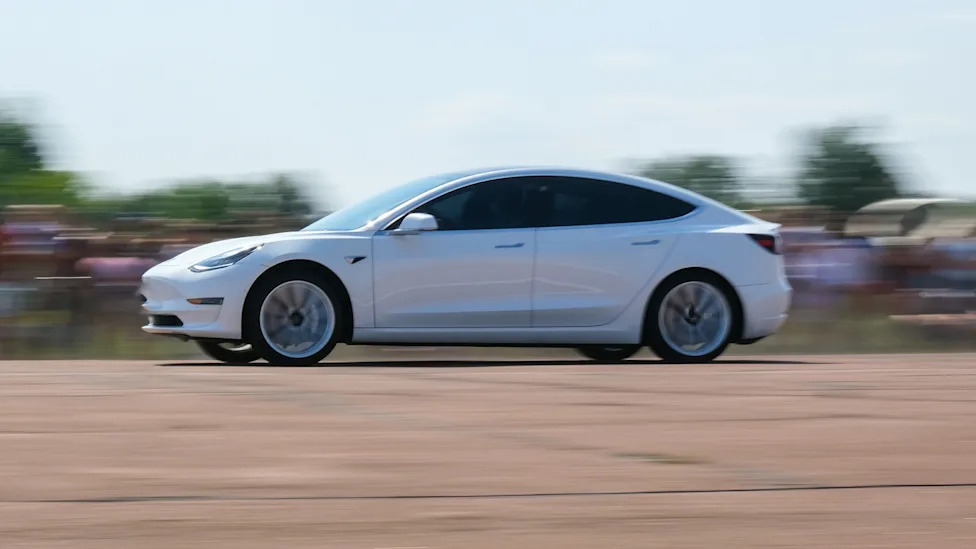
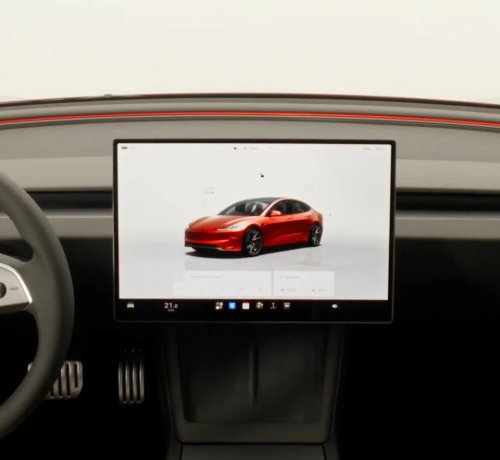
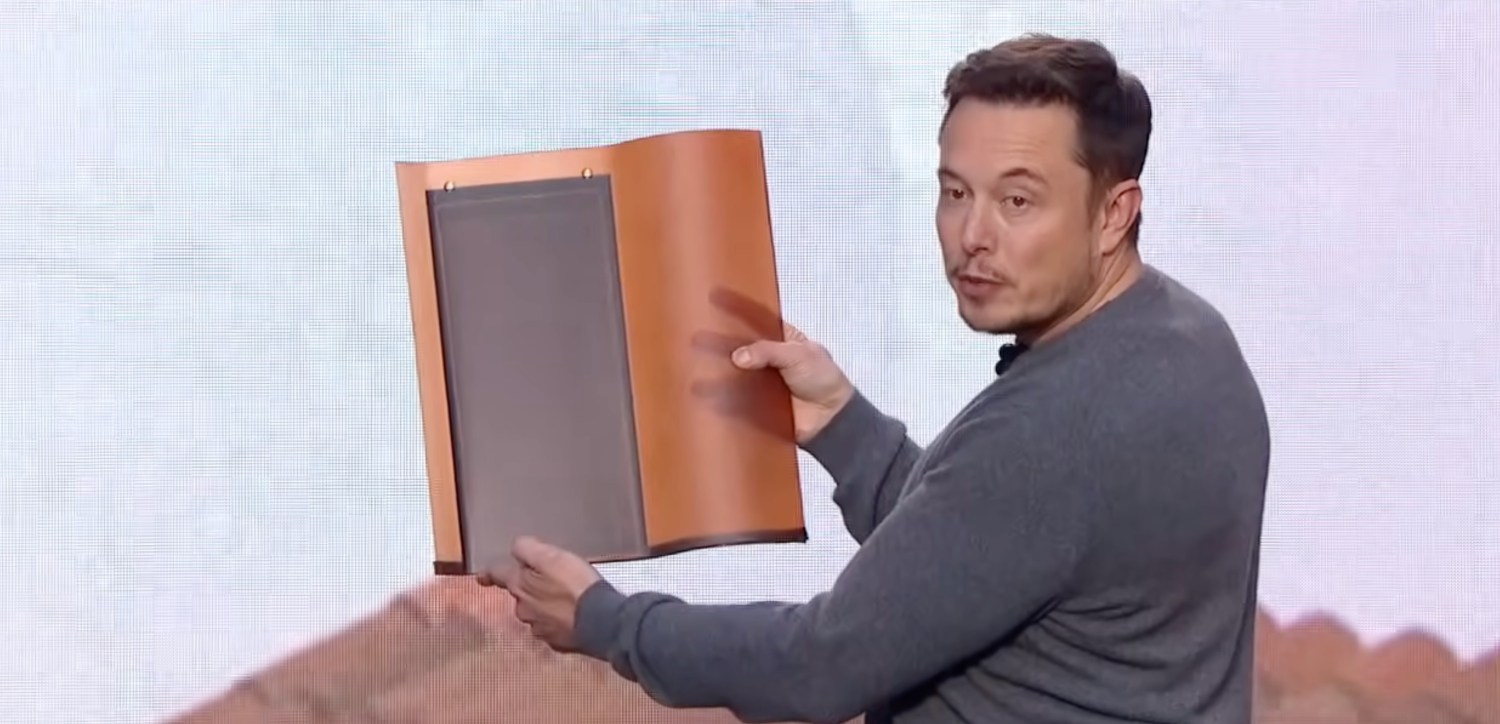
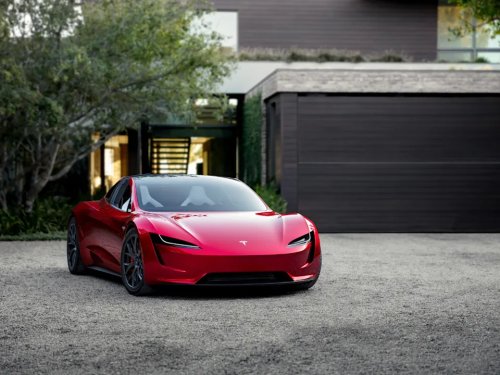
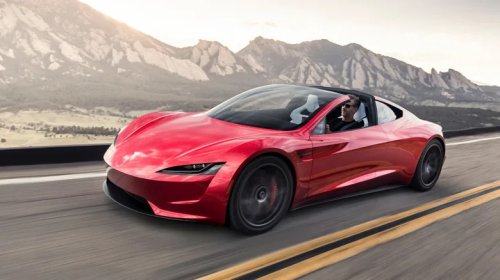
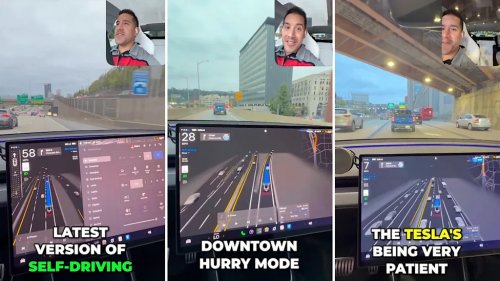
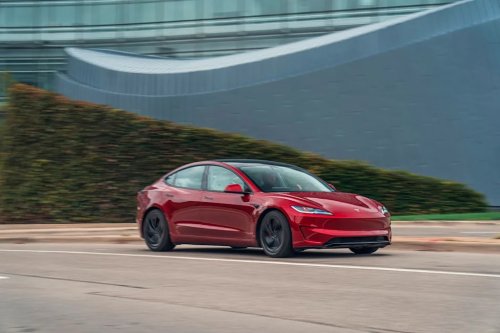
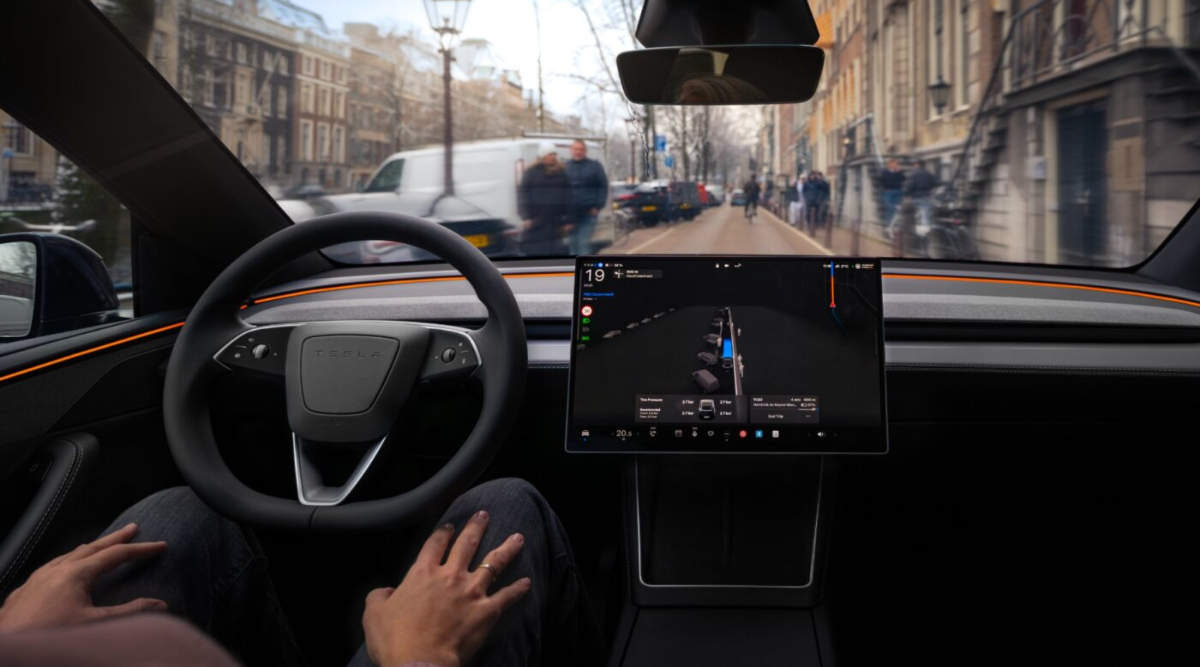
It’s another day, and Tesla CEO Elon Musk is enmeshed in another controversy. So what else is new? This time the scenario is Musk’s apparent desperation to push unsupervised Full Self Driving technology into the US and key markets elsewhere around the world before other automakers beat him to the punch. The marketing push comes with a heap of trouble, though. NBC News has flagged dozens of videos of drivers failing to supervise Tesla FSD, prompting U.S. Congressman Raja Krishnamoorthi (D-Illinois) to demand an investigation. Tesla FSD On Hot Seat Over Drivers Asleep Unsupervised FSD has been a tough row to hoe for Tesla. The US, for example, still requires driver supervision at all times for Tesla FSD. The all-important Chinese market is a tough nut to crack, too. “An article in the South China Morning Post puts it right in the title: ‘Tesla faces uphill battle for FSD entry as China rewrites self-driving car rules,” CleanTechnica observed just last month (see more Tesla FSD background here). That particular article examined national security concerns related to on-board FSD sensors, but the safety issue has also come under scrutiny in part due to Tesla’s singular reliance on cameras for its FSD system. Earlier this year, the National Highway Safety Commission upgraded its ongoing FSD safety investigation to the more serious phase of “engineering analysis.” On September 9, NBC News posted its own investigation of Tesla FSD, featuring videos that show drivers using the system in unsupervised mode, including some who appear to intentionally fall asleep at the wheel. Democratic Congressman Raja Krishnamoorthi, who represents the 8th District of Illinois, promptly called upon the Department of Transportation and National Highway Traffic Safety Administration to investigate. “In an earlier engineering analysis of Autopilot, the agency concluded that Tesla’s system did not sufficiently ensure that drivers remained attentive and used the technology appropriately, identifying a mismatch between Autopilot’s substantial control over the vehicle and its safeguards for keeping drivers engaged,” Rep. Krishnamoorthi noted in a press release dated September 10. “Tesla’s own documentation states that Autopilot and Full Self-Driving require active driver supervision and are not autonomous driving systems,” Krishnamoorthi emphasized. Videos, Schmideos So far this year, NBC News has identified 17 videos showing drivers asleep or otherwise not supervising. In total, NBC flagged 43 videos over several years. Videos, schmideos, one can say. Tesla has no control over what individual drivers post on social media. That may be so, but Musk has been coyly promoting FSD as unsupervised-capable for years, promising individual Tesla buyers that one day they could send their car off to moonlight as a robotaxi. In the latest example of over-promising, on September 9 Musk deployed his social media platform X to promote unsupervised FSD, linking to a video of a 98-year-old Tesla driver who explains that he doesn’t supervise his FSD at intersections any more. Krishnamoorthi also raised concerns over a report by WIRED regarding suggestive messages coming from a Tesla FSD software update labeled 2025.32.3. “WIRED reported that those messages included ‘Drowsiness detected. Stay focused with FSD’ and ‘Lane drift detected. Let FSD assist so you can stay focused,’” Krishnamoorthi noted. That seems helpful on its face, but he points out the oxymoronic contradiction: If FSD requires supervision, why is it encouraging drowsy drivers to rely on FSD to “stay focused.” “Advising an alert driver who experiences a momentary lane drift to use a driver-assistance feature is one thing. Encouraging a driver whom the vehicle has detected as drowsy to ‘stay focused with FSD’ presents a fundamentally different safety question,” Krishnamoorthi emphasized in a letter to Transportation Secretary Sean Duffy dated September 9. “FSD requires continuous human supervision, yet the message appears to encourage use of the system precisely when the vehicle has detected that the driver may be less capable of providing that supervision,” Krishnamoorthi added for good measure. The Cybercab Canary In The Coal Mine Of course, the whole kerfluffle will be rendered moot whenever federal regulators determine that unsupervised Tesla FSD is ready for prime time. That raises a new question, though. Musk’s personality-driven marketing strategy has created ripe territory for jackasses (is there any other word?) to push the boundaries of Tesla’s technology. The unsupervised FSD videos are just one example. The Cybertruck offers a plethora of others, such as one driver who drowned his Cybertruck after putting “Wade Mode” to the test, or the driver who shot a hole in his Cybertruck to prove — or not, as the case may be — Musk’s “bulletproof” claim. The independent Tesla accessories firm Basenor is among those taking note that boundary-pushing is already a concern for Tesla’s Robotaxi business. “Tesla’s Robotaxi network is enforcing a strict zero-tolerance stance toward users who deliberately step in front of Cybercabs to test the vehicle’s emergency braking or reaction time,” Basenor reported on September 10, citing a post on Musk’s social media platform X (formerly Twitter). As Basenor points out, the jackassery is risky on its face, both for the perpetrator and other drivers. It also has the potential to skew data, interfering with further FSD refinements. For the time being, though, the penalty is a light one, reportedly a seven-day suspension from the service. The larger question is how Tesla knows that one of its users is the jackass, rather than, say, some random passer-by acting on a dare. One answer may lie in facial recognition technology, aided and abetted by the Tesla FSD variant deployed on the Cybercab. “The fact that bans are being issued at all also tells us something important: Tesla has the visibility to detect this behavior. Whether through in-cabin cameras, external sensors, or fleet telemetry, the Robotaxi network appears capable of flagging deliberate pedestrian interference and tying it back to a specific user account,” Basenor observers. Whoa if true, though not surprising. Here’s a note to all you Robotaxi account holders out there. Don’t step in front of a Cybercab to test its reactions. Also, don’t be surprised if Tesla can also link your Robotaxi usage to your voter profile. As part of Musk’s activities in the 2026 election cycle, his America PAC is supporting “votesafe.org,” a partisan data collection platform posing as an innocuous-seeming voter information and registration resource. For the record, anyone seeking accurate information about their registration status and the upcoming elections can visit vote.gov, a one-stop voter information and registration website administered by the federal Elections Assistance Commission, which provides direct links to local elections offices. Photo: Tesla CEO Elon Musk is desperate to win the unsupervised FSD (Full Self Driving) race, but questions continue to rise over his promotion of the technology (courtesy of Tesla via CleanTechnica archive).

 +66 others