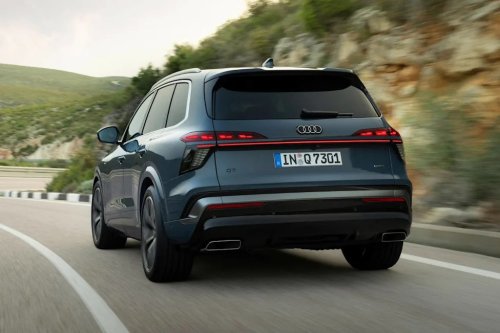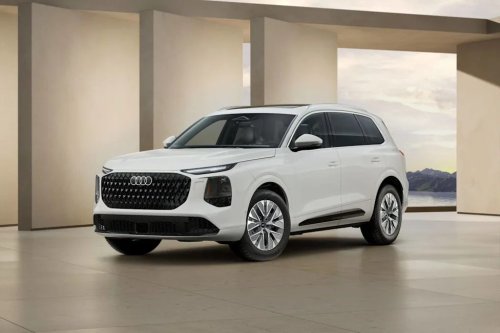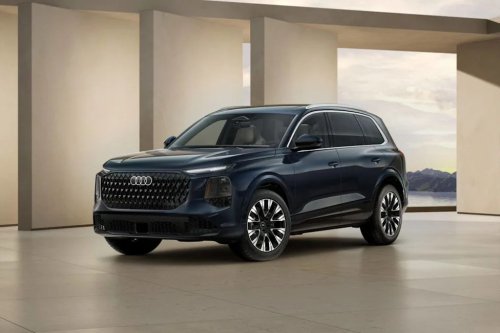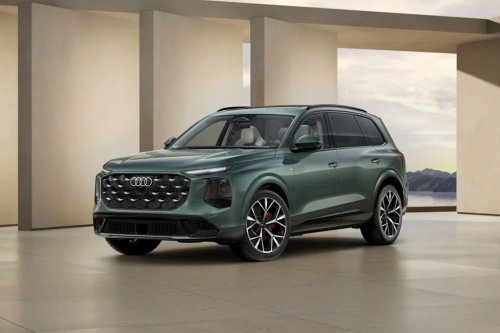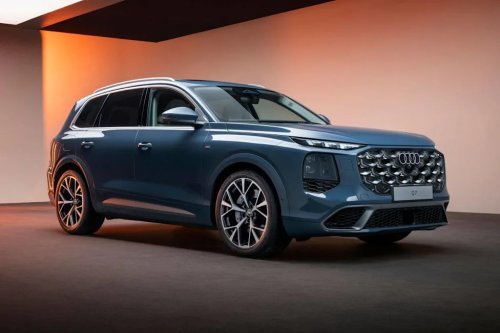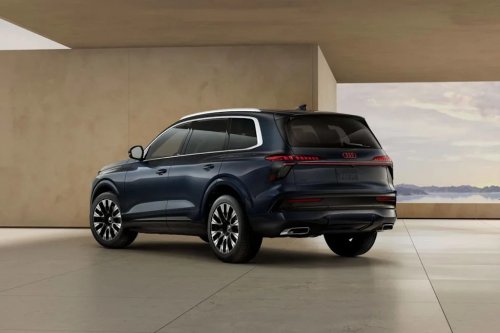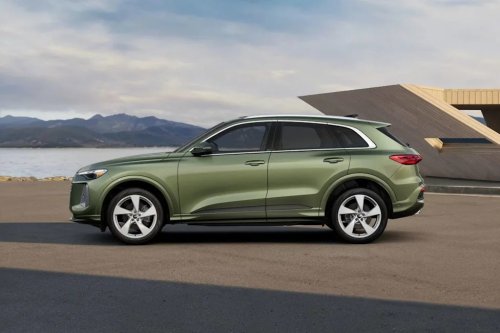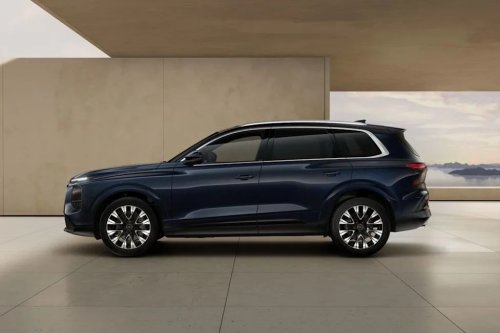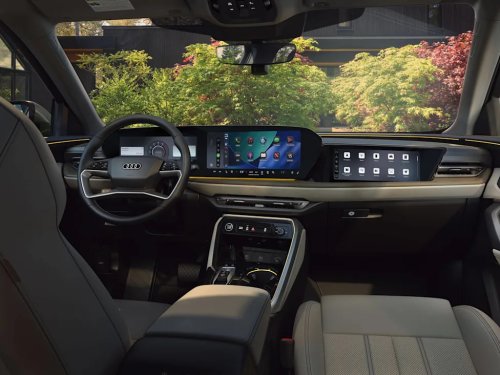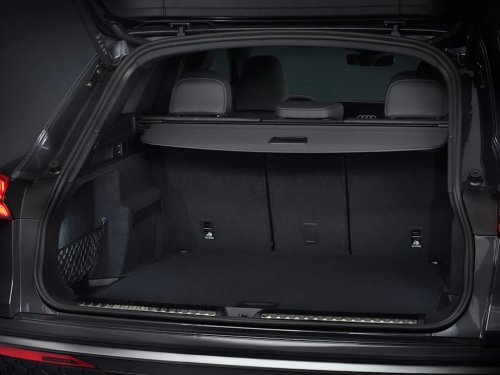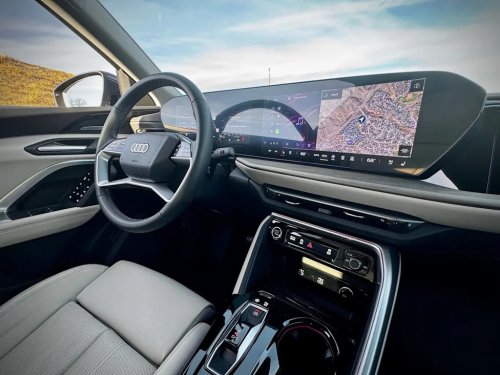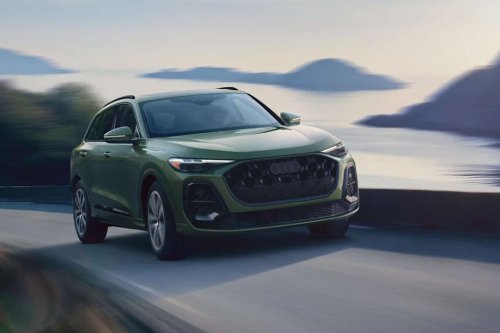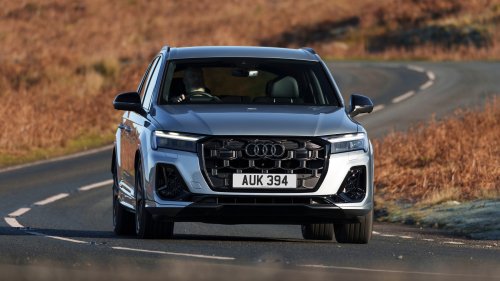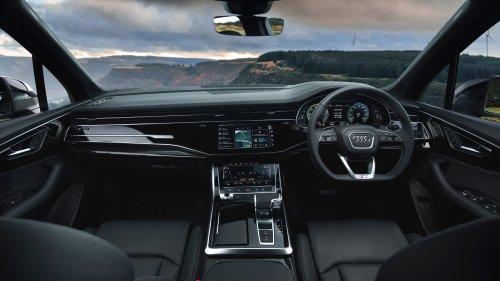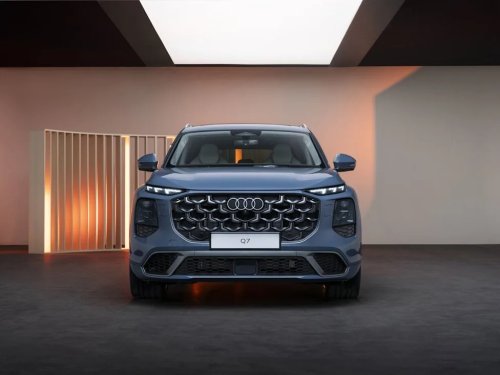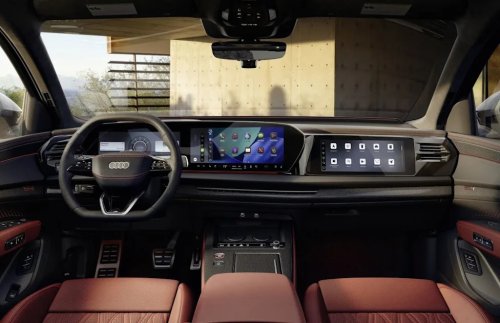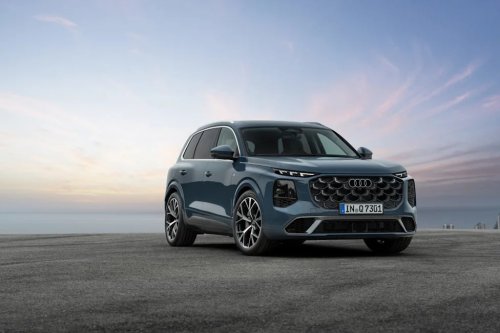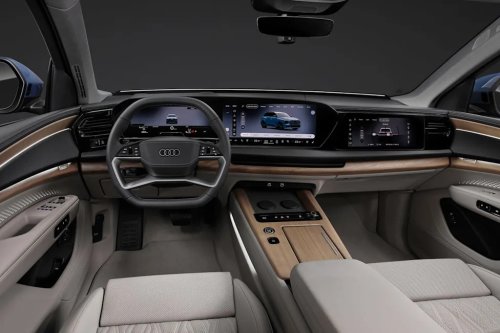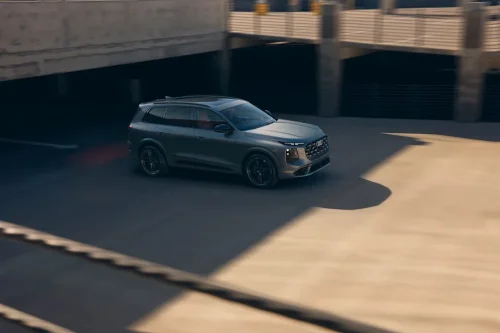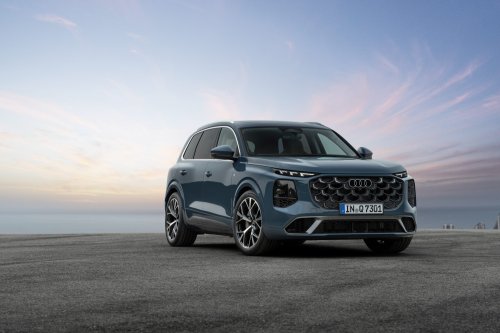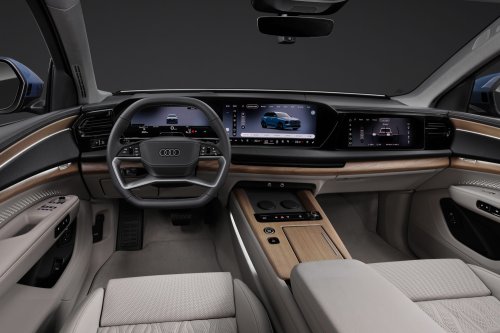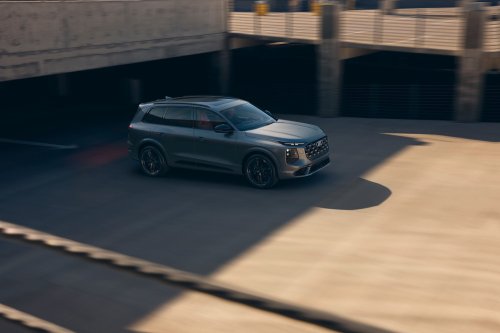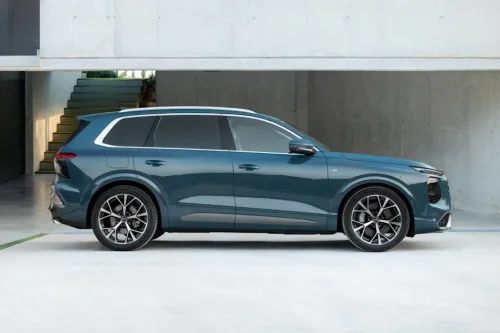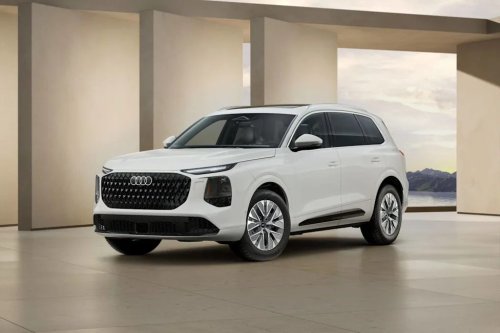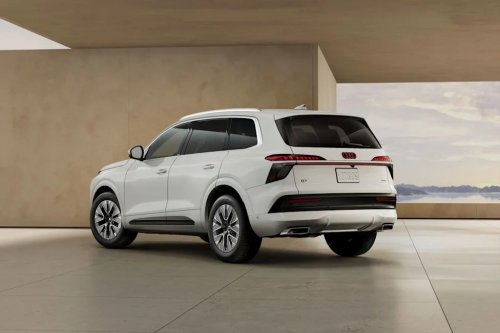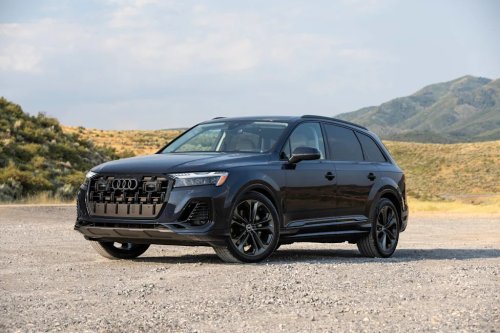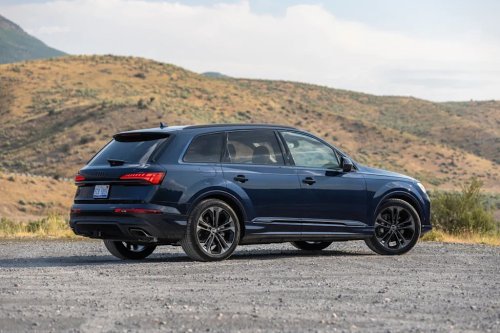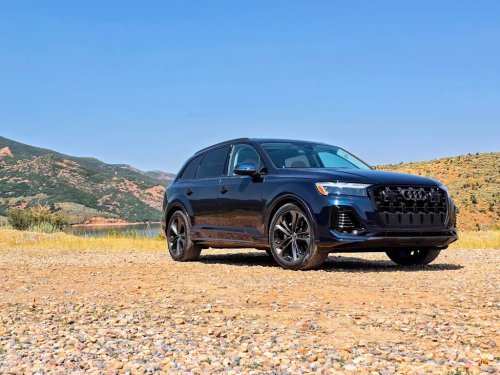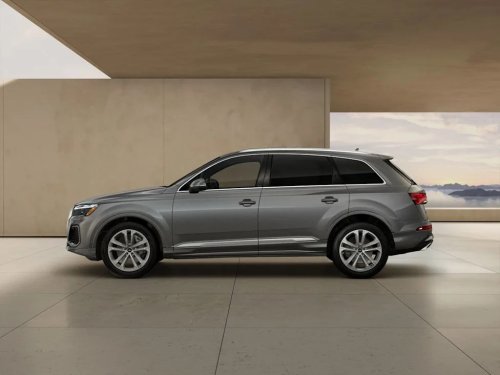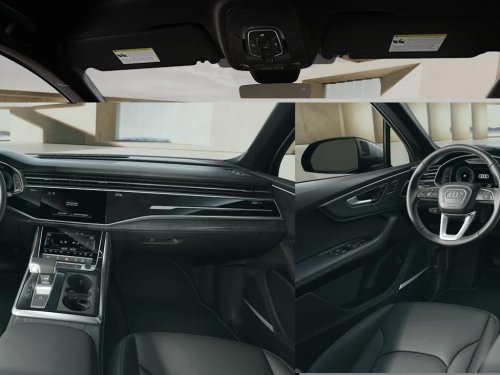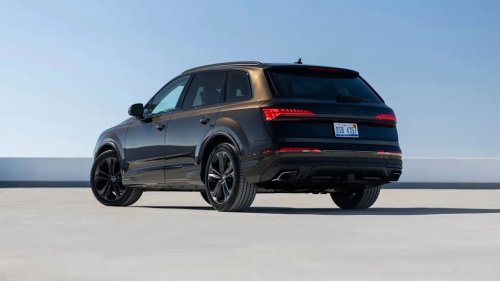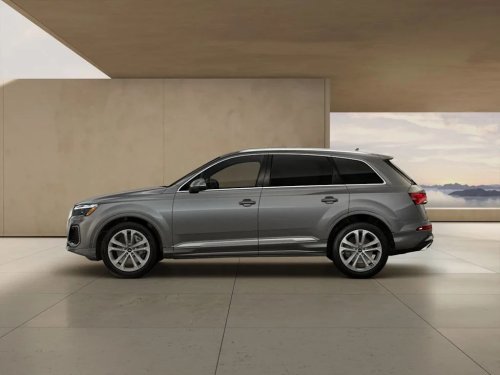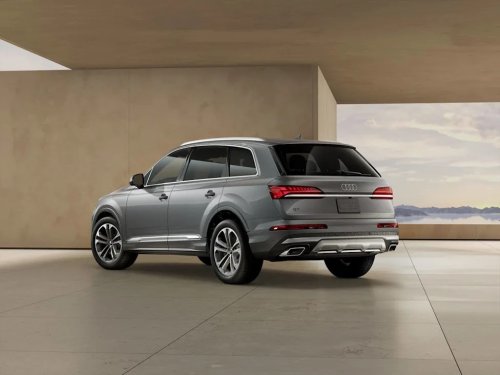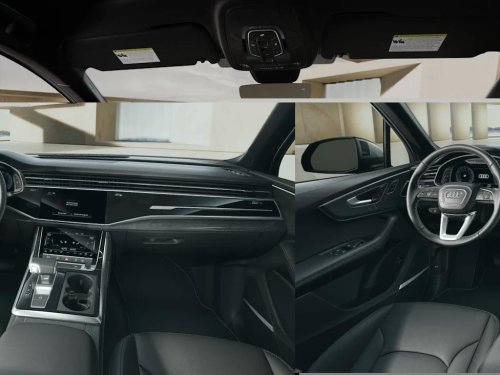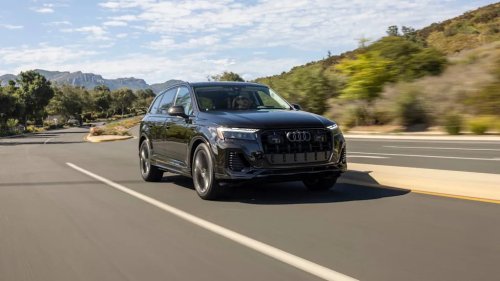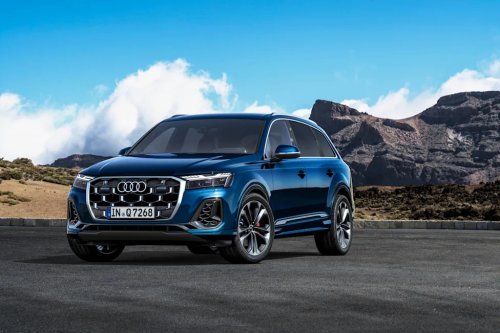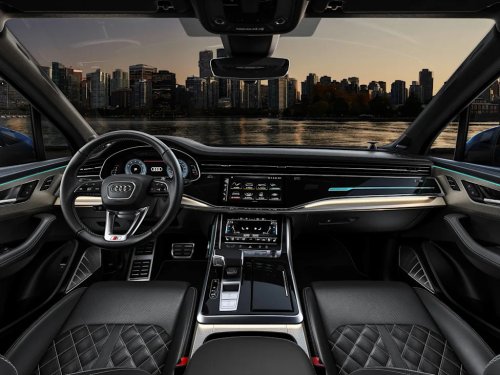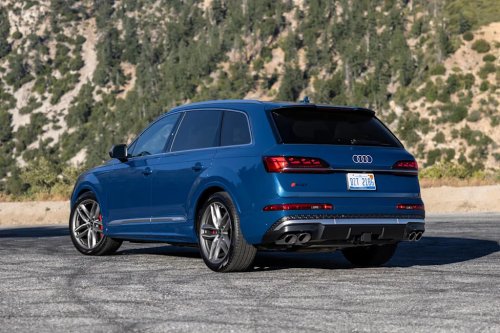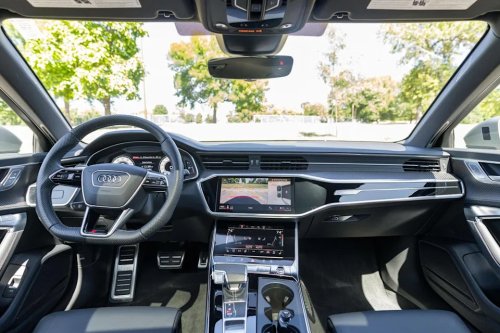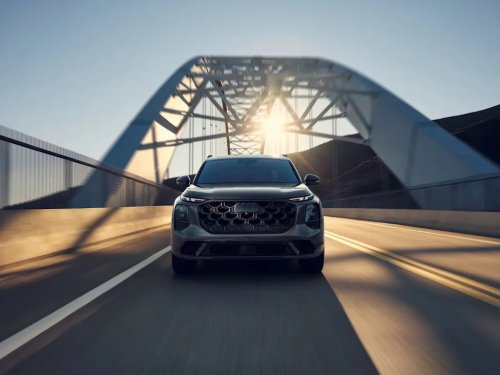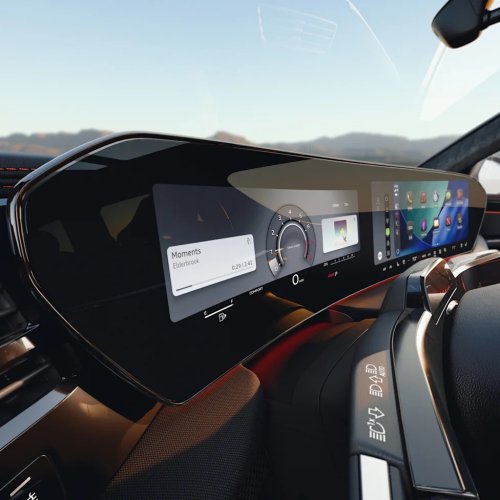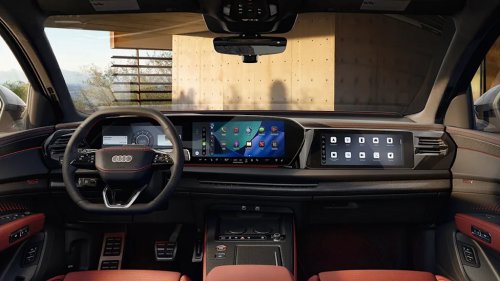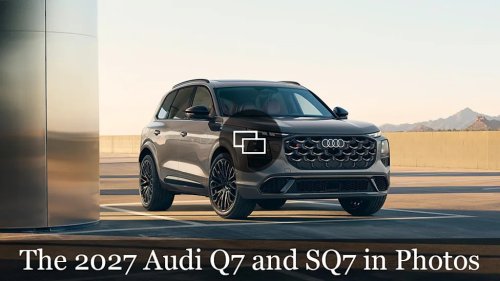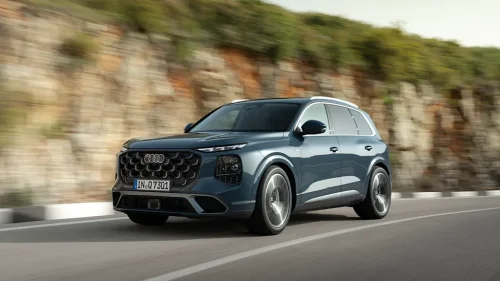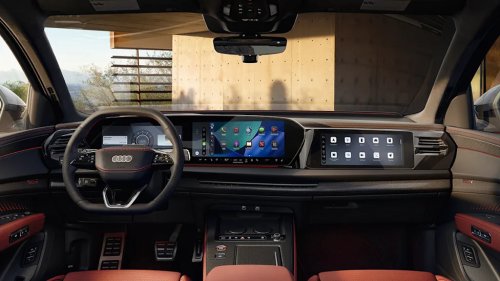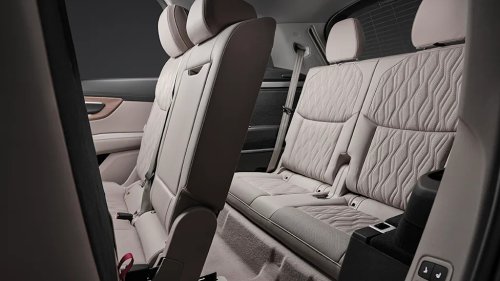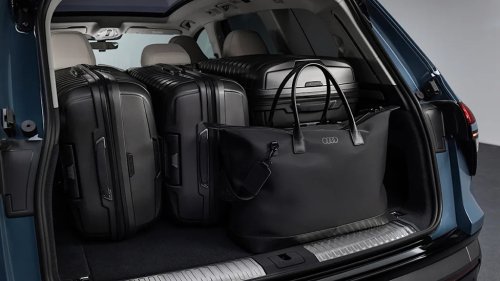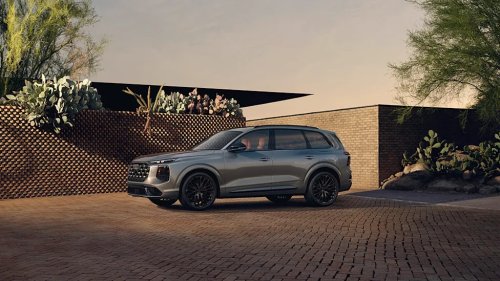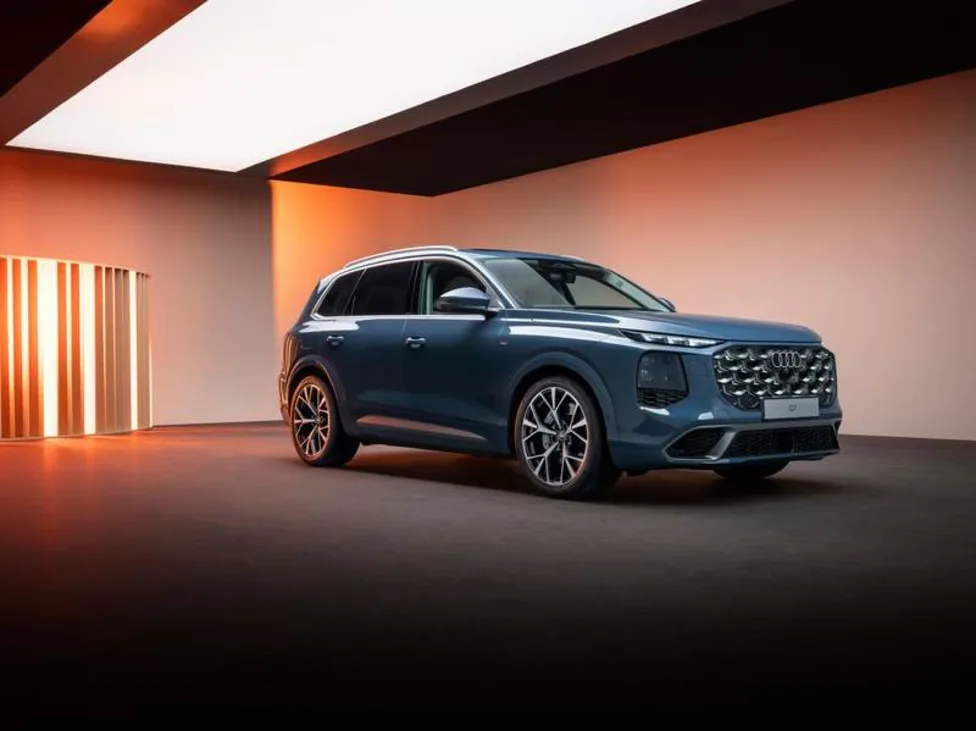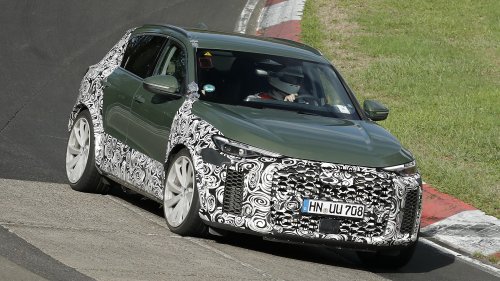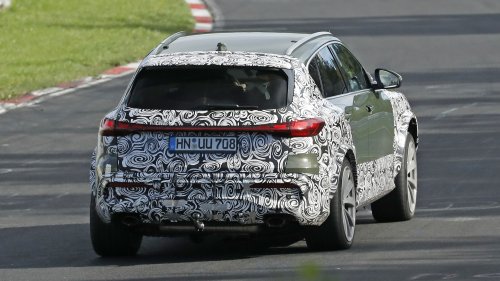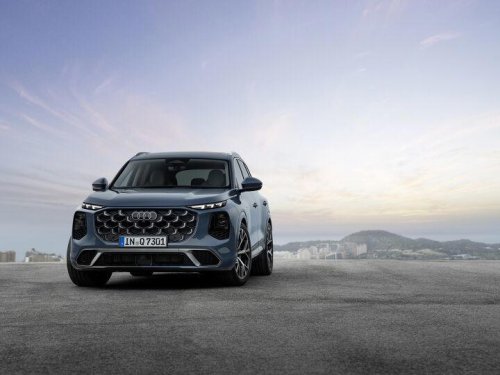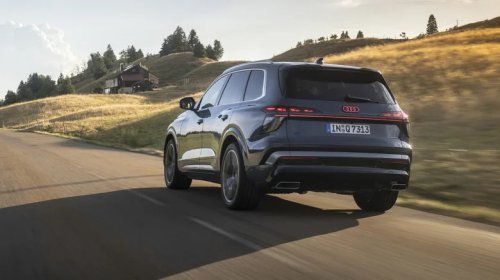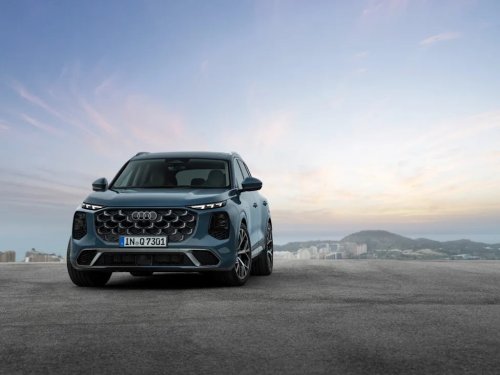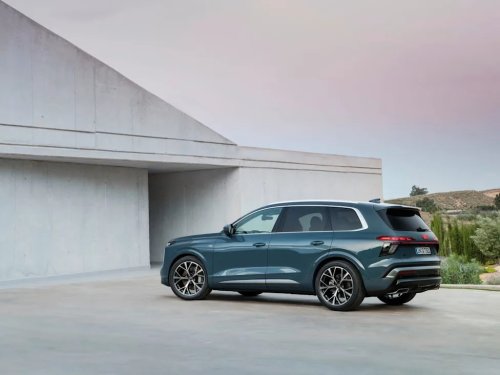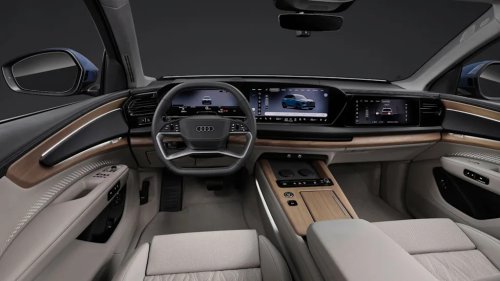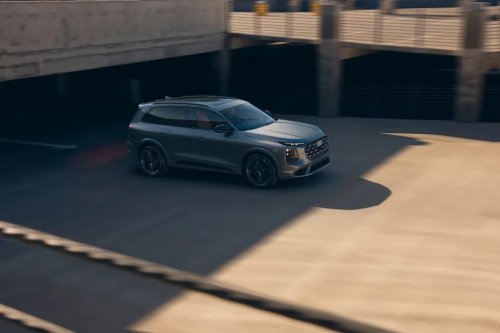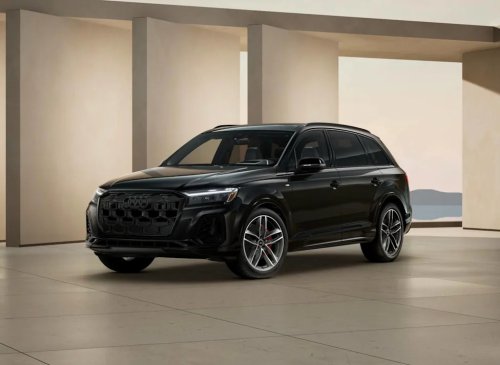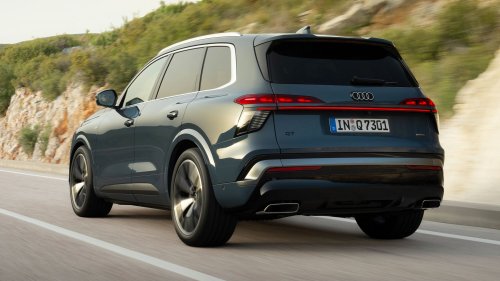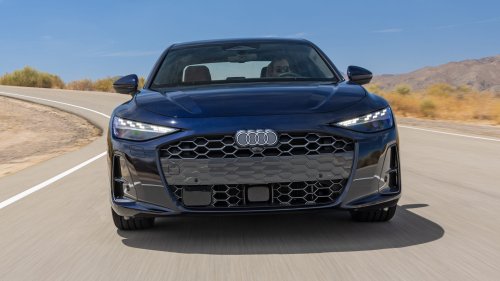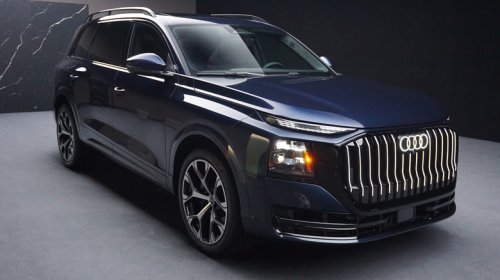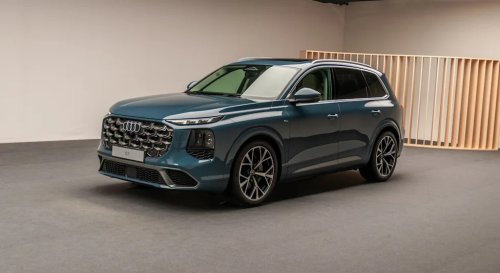
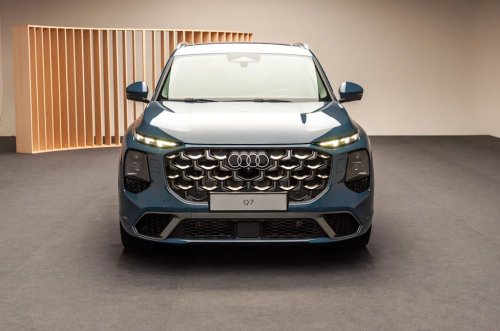
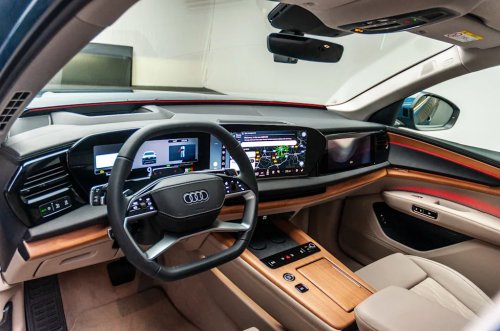
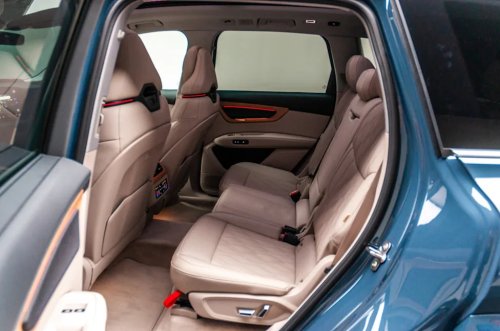
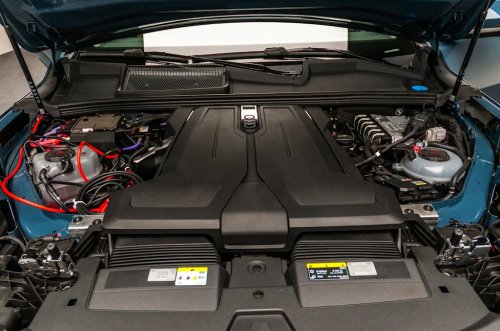


















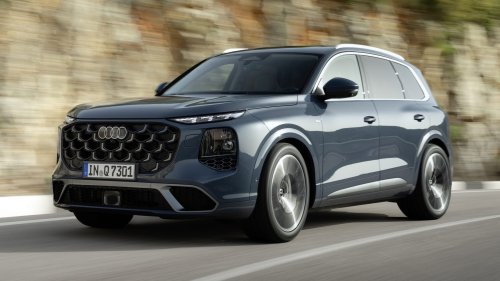



2027 Audi Q7Key TakeawaysBold new design with tech upgrades. The 2027 Audi Q7 features a fresh design inspired by the Q3 and upcoming Q9, with advanced Matrix LED headlights and digital OLED taillights. Luxurious interior enhancements. The Q7 boasts a Q9-inspired interior with matte plastics, real wood, and a wall of screens under curved glass. Powerful performance boost. A standard twin-turbocharged 2.9-liter V6 offers 429 hp while the SQ7's V8 delivers 591 hp, enhancing speed and towing capacity. Increased space and versatility. The Q7 offers more cargo space and power-operated seating for up to seven, with improved access to the third row. Bottom line: Audi's 2027 Q7 combines innovative design, enhanced luxury, and powerful performance, possibly setting a new benchmark in its class. ✦AI assisted, editor reviewedAdvertisementAdvertisementThe third-generation Audi Q7 just debuted, and it takes the smaller Q3 as its launching pad to lay the blueprint for the German automaker's immediate future.On Tuesday, the 2027 Audi Q7 debuted with a new design language, new technology, more space, more power, and while pricing isn't announced it's hard to imagine it costs less than today's model.Joel FederTake a hard look at the new Q7. It feels familiar yet fresh. That's because its design cribs from the smaller Q3's playbook, but takes things a step further. The greenhouse is more upright than today's Q7, especially the rear end with a flatter roof and upright D-pillars. The front splits the horizontal LED daytime running lights from the headlights, the latter will be available with the automaker's new Matrix LED technology. The lighting elements bookend a huge egg crate grille. The rear end ditches the trademark clamshell hatch from the first two generations, which visually makes the Q7 seem slightly narrower than before due to cutlines. It's an optical illusion. The rear features digital OLED taillights with three-dimensional effects and lighting signatures that can be selected. They are somewhat boomerang shaped with the the turn signals forming the lower portion. It's unclear what this all will cost to replace if you crack something, but the answer is "not cheap, Bob." Audi was especially proud of the fact that the receiver for towing and the seven-pin light connector for trailers is now hidden under a removable panel for a clean look.Joel FederInside the dashboard will look familiar to anyone that's been in a recent Audi or seen the upcoming Q9's interior. Spoiler: This is the Q9's interior shrunken by about a third. Like its larger sibling, there's almost no shiny piano black plastic (hallelujah!), there's real wood (surely optional depending on the spec), and most the plastics are matte instead of shiny. An LED light strip spans the base of the windshield and can communicate to the driver if a turn signal is engaged by flashing the corresponding side green, or flash red during an emergency braking situation. Yes, you can sync it to the beat of the music.AdvertisementAdvertisementA wall of screens pairs a digital gauge cluster and touchscreen together and cants them towards the driver under a single piece of curved glass. A screen sits in front of the passenger to keep them occupied in today's era. Audi delivered a real volume knob on the center console, but most of the vehicle functions beyond that are in the touchscreen including the electronically-controlled air vent controls. The over-engineered but fantastic-to-use one-piece stalk setup is here as well.Cooled wireless smartphone chargers put out 25-watts of power each while USB-C ports throughout the three rows put out between 45 and 100 watts depending on the outlet.The panoramic sunroof has an electrochromatic-like function utilizing Polymer Dispersed Liquid Crystal (PDLC) tech that can be optioned and control the entire piece of glass or just certain sections. That glass roof can further be optioned with 78 LEDs for ambiance.Joel FederAudi's made a second-row set of captain's chairs available turning the Q7 into either a six or seven seater depending on the configuration. All three rows of seats are now power operated as standard. The second-row slides and tilts to access the third row, enabling a child's car seat to remain latched and in place while accessing the third row. The second- and third-row of seats have slightly more space than today's Q7, but even so, the third-row won't be adult-rated for road trips. Everyone will want to hold out for the Q9 with more space. But the Q7's cargo room has also grown with 15.1 cubic feet of space behind the third, up to 43.9 cubic feet of cargo space behind the second row, and 78.1 cubic feet of space behind the first row of seats.AdvertisementAdvertisementPerhaps the most important news for people like my daughter is the cup holders are no longer designed for ants. They hold a Stanley. My 12-year old will rejoice.Joel FederThe base Q7, at least initially at launch, will come with a lot more power than today's 2.0-liter turbo-four model or even the 2.9-liter turbocharged V6 engine we all know, which clock in at 261 horsepower and 273 lb-ft of torque and 335 hp and 369 lb-ft of torque respectively. A standard twin-turbocharged 2.9-liter V6 will be rated at 429 hp and 442 lb-ft of torque with an eight-speed automatic transmission sending power to all four wheels. Audi said this will enable a 0-60 mph time of 4.8 seconds and provide a tow rating of up to 7,700 pounds. The SQ7 returns with a revised twin-turbocharged 4.0-liter V8 rated at 591 hp and 590 lb-ft of torque that drops the 0-60 mph sprint to 3.7 seconds. The more powerful SQ7 retains the 7,700-pound tow rating. While a steel suspension system is standard, an air suspension system is available, as are adaptive dampers.The 2027 Audi Q7 will arrive in the U.S. later this year.Have a tip about future product? Drop us a line at tips@thedrive.com