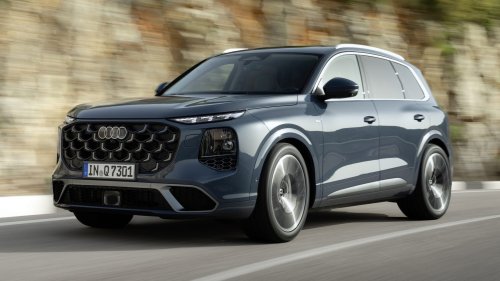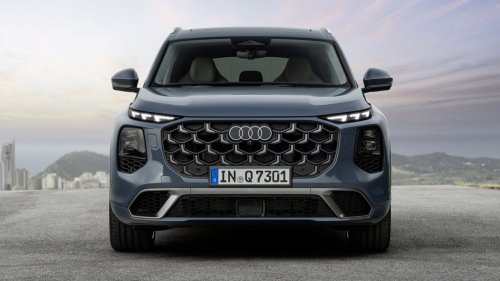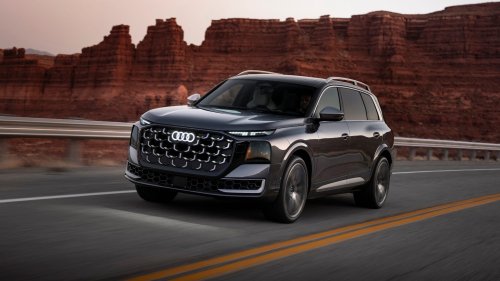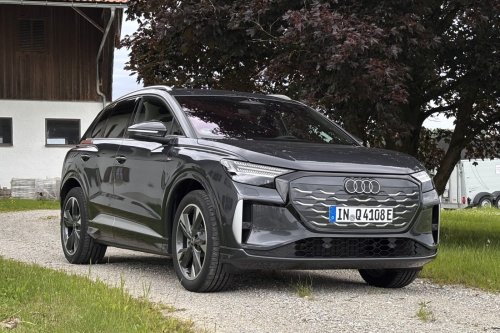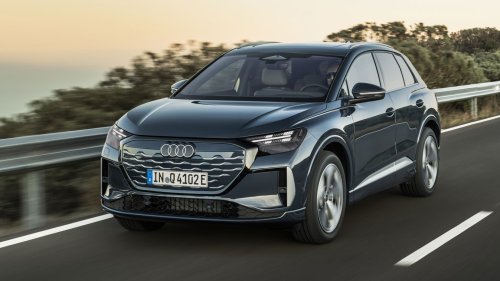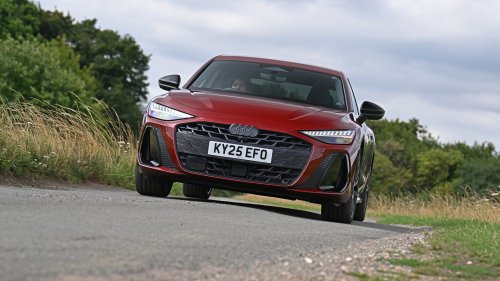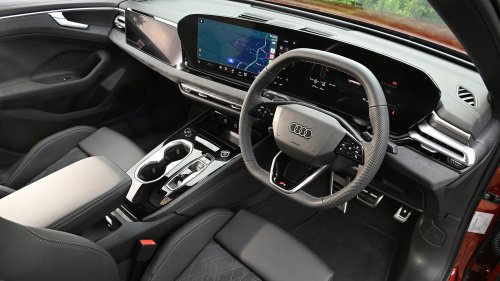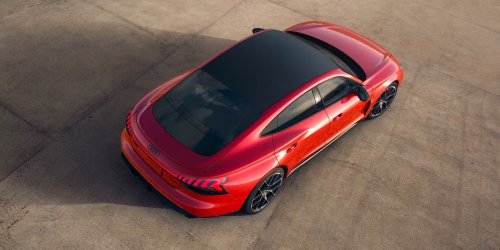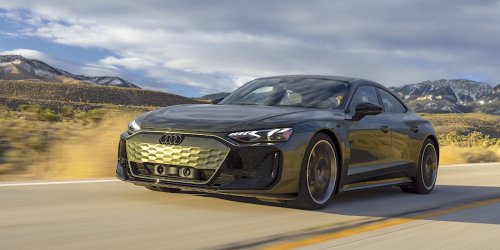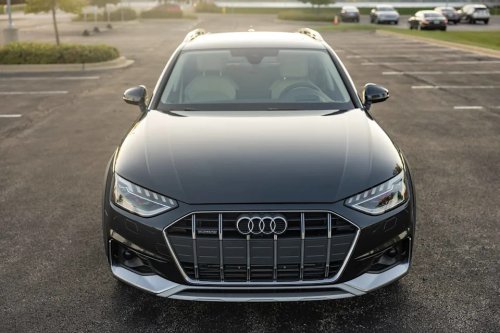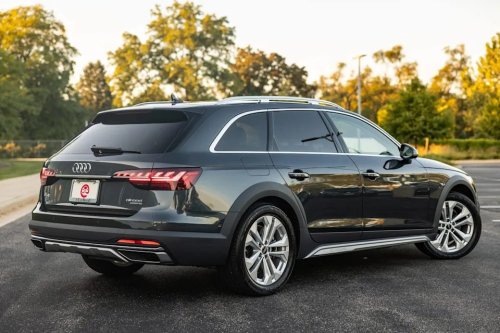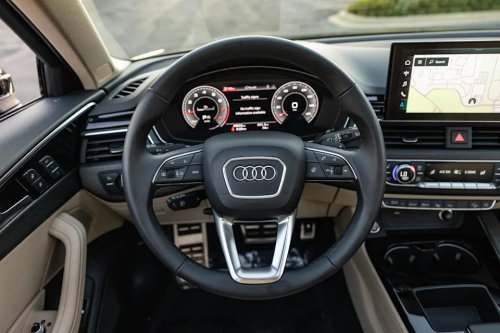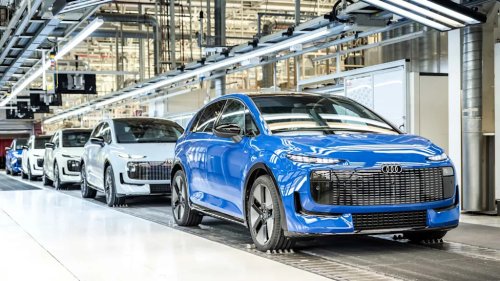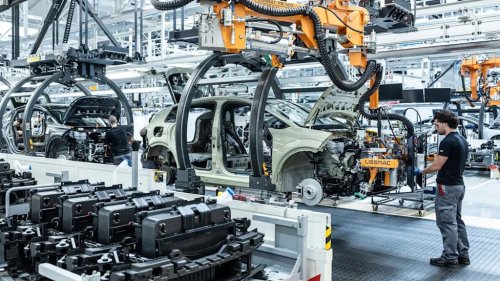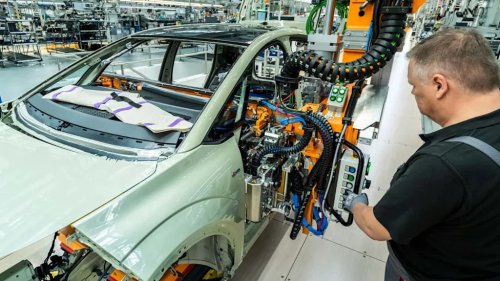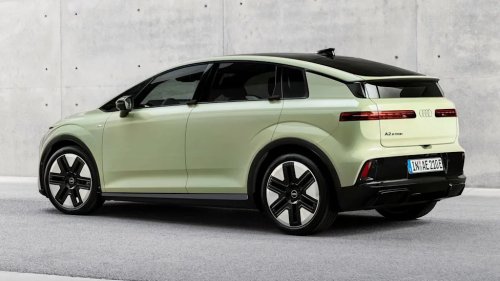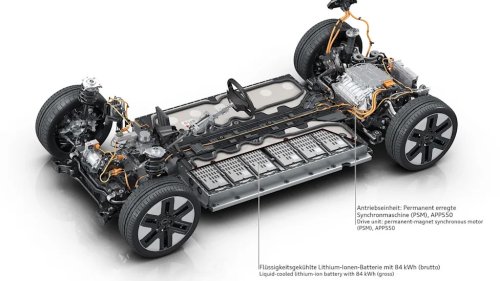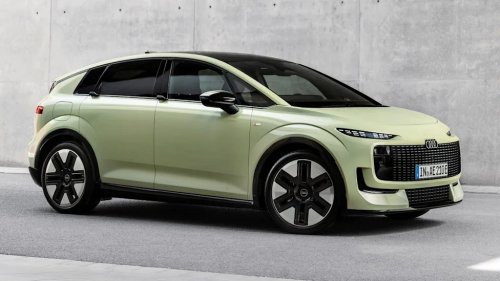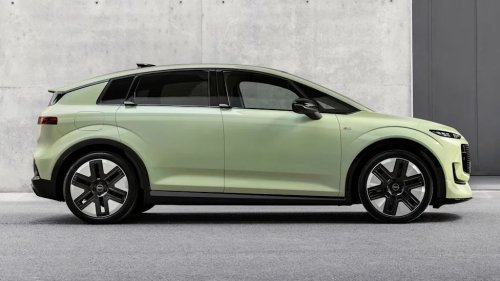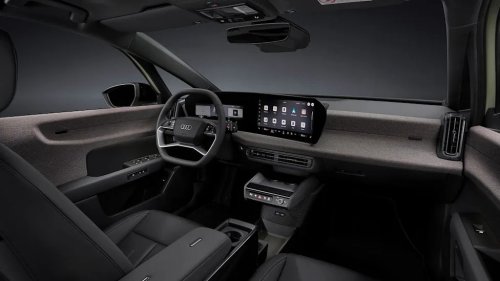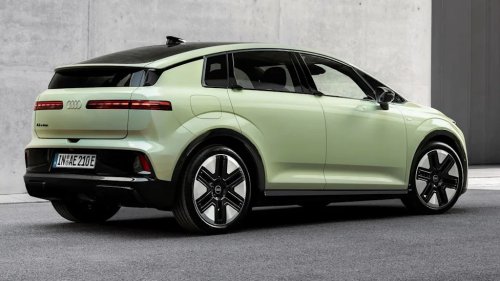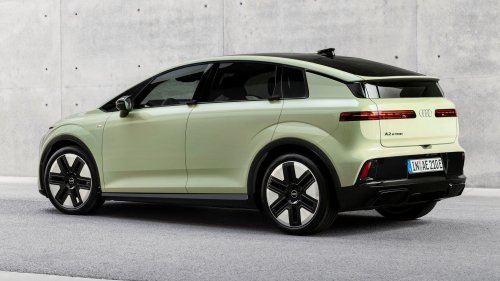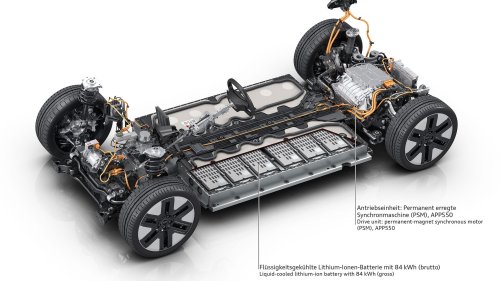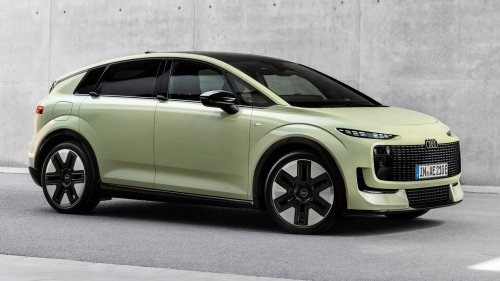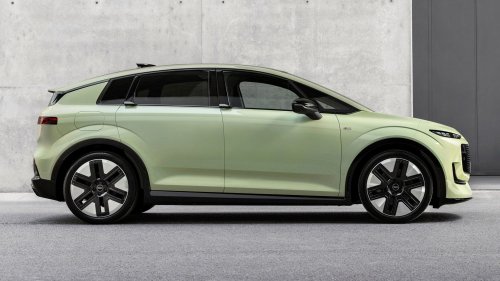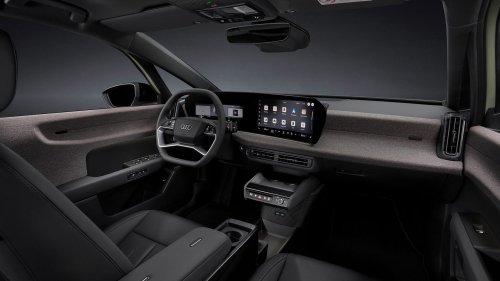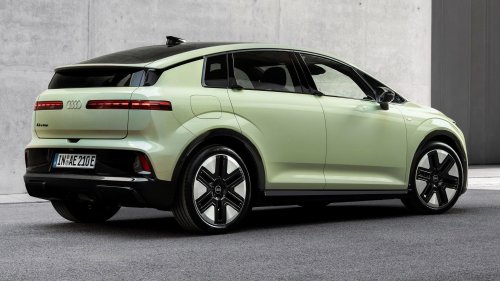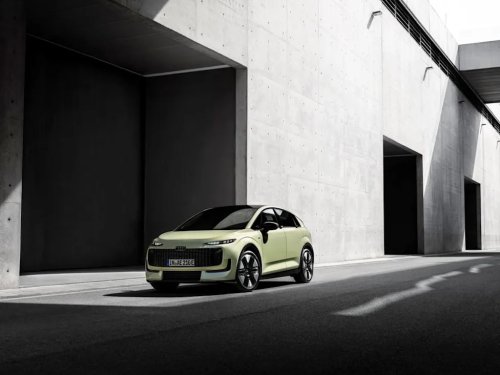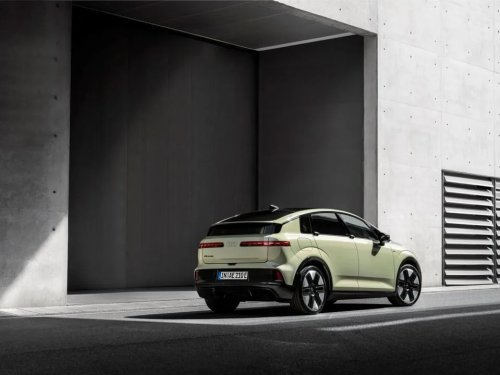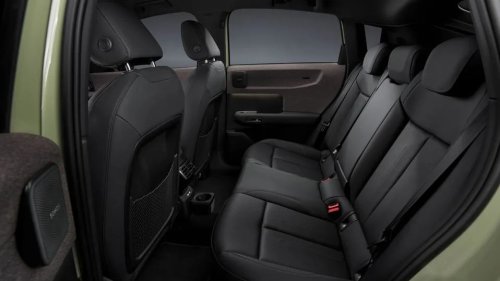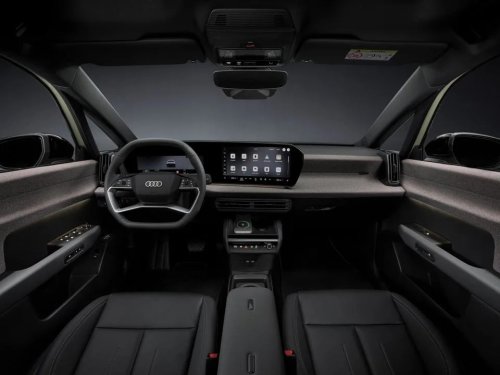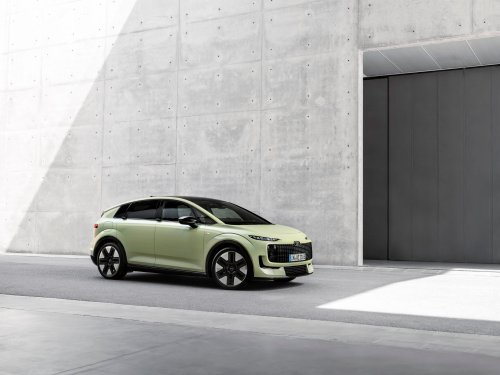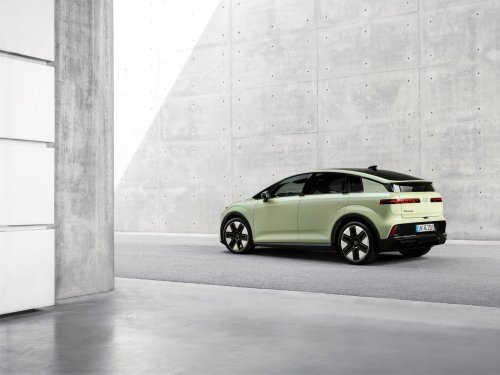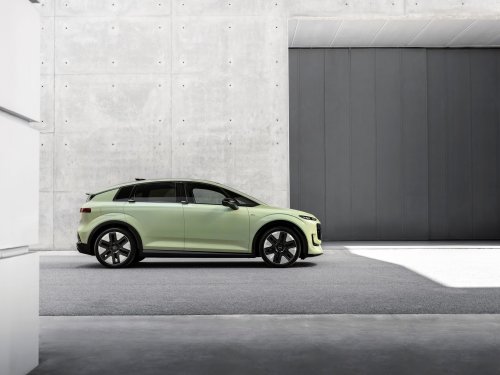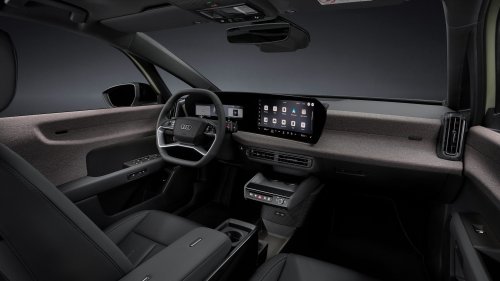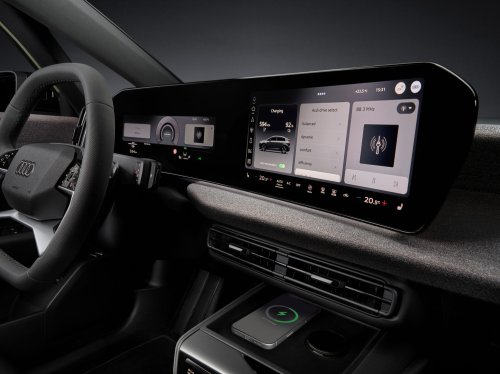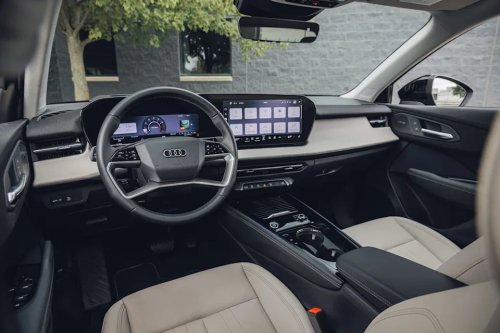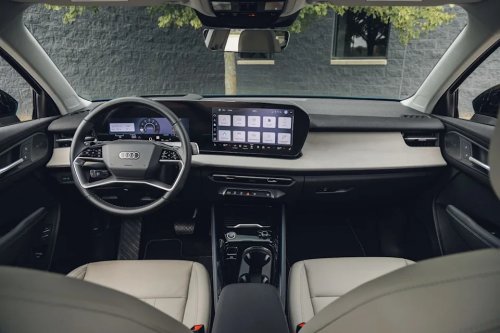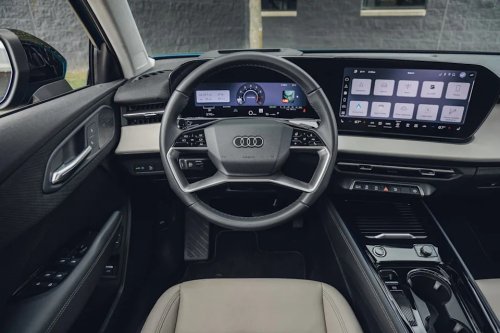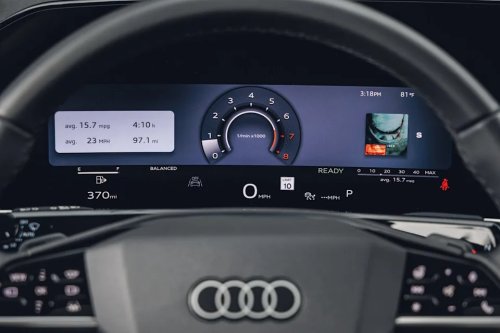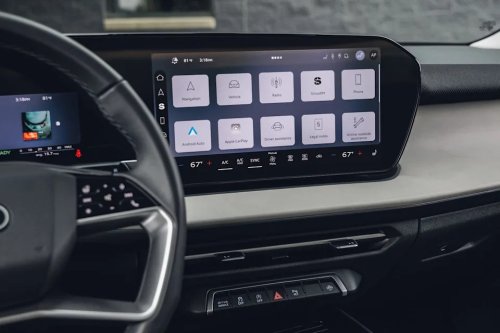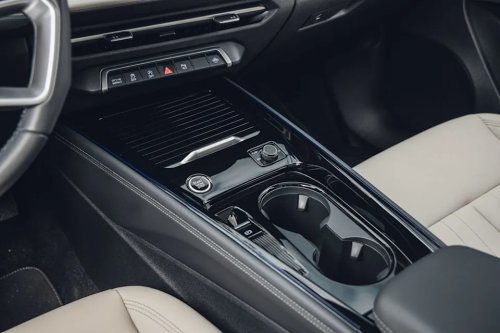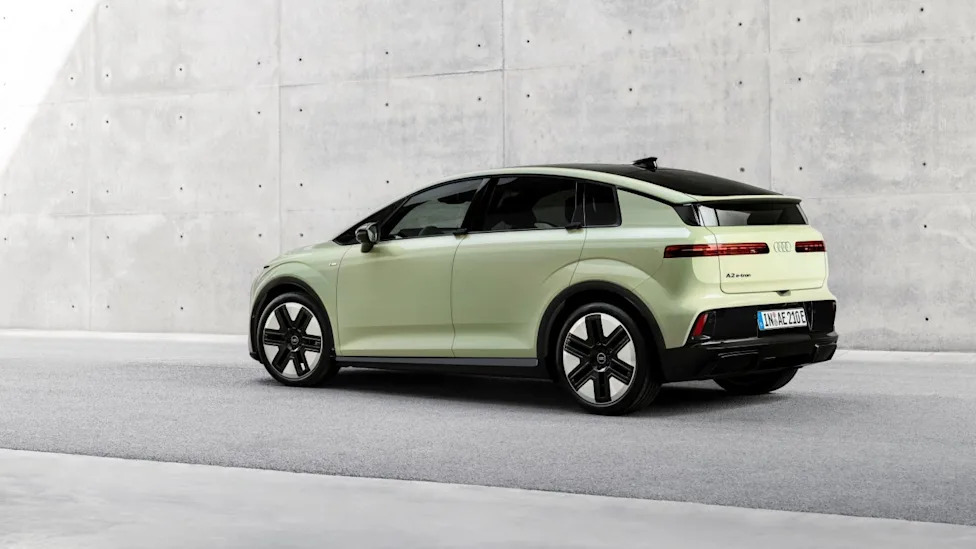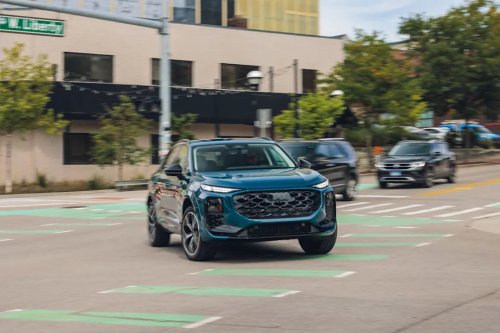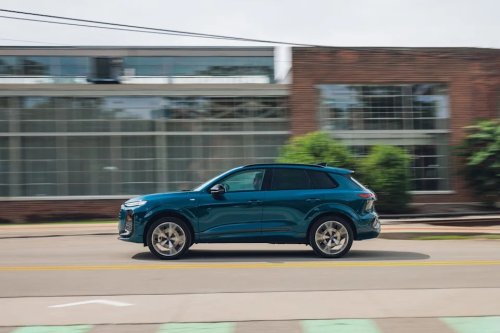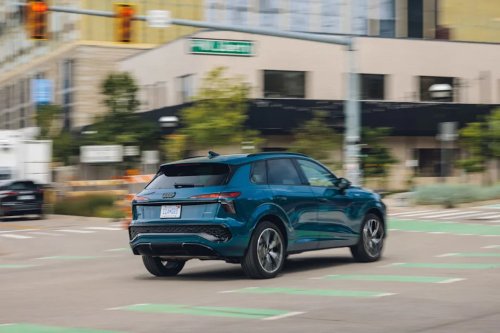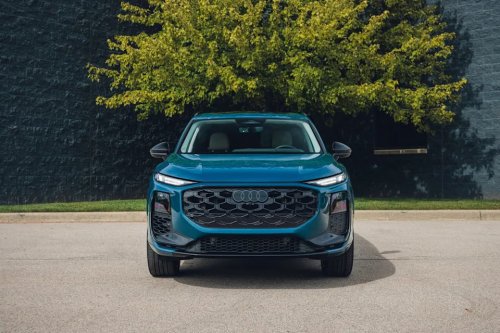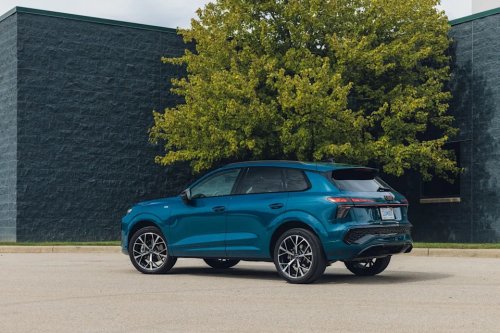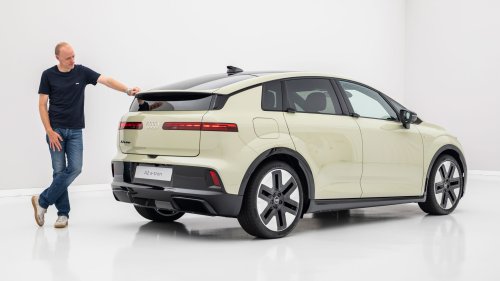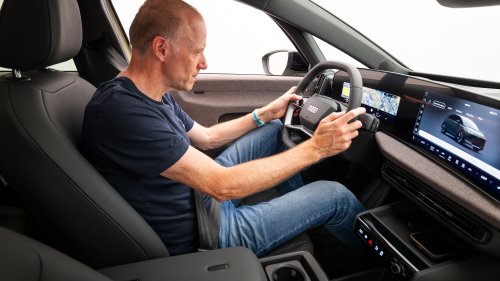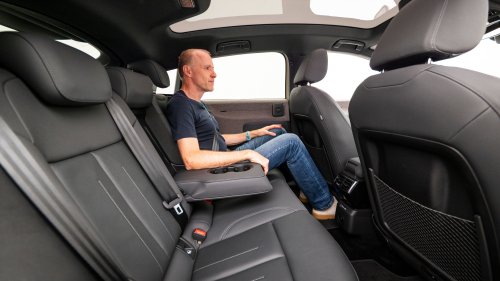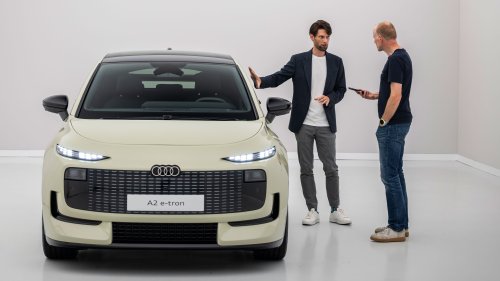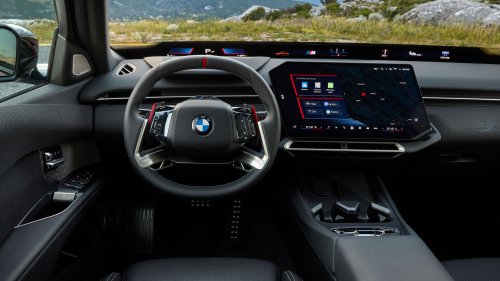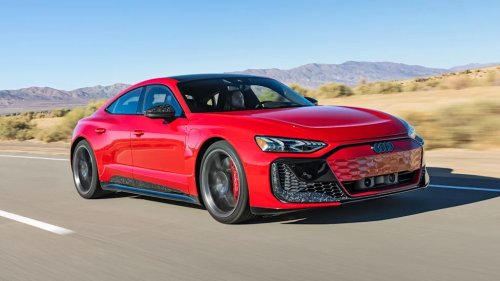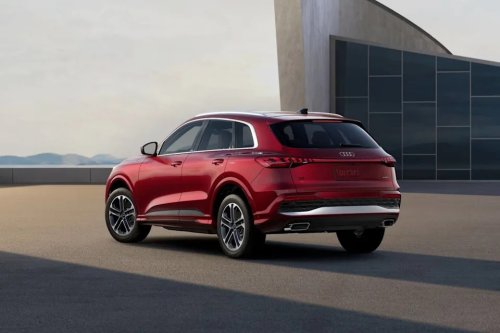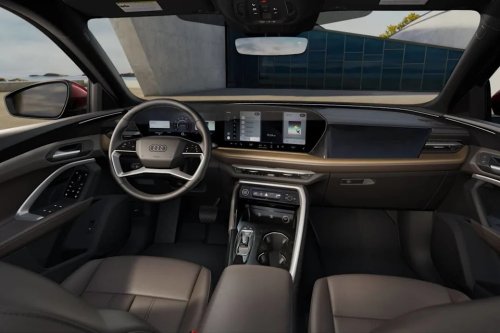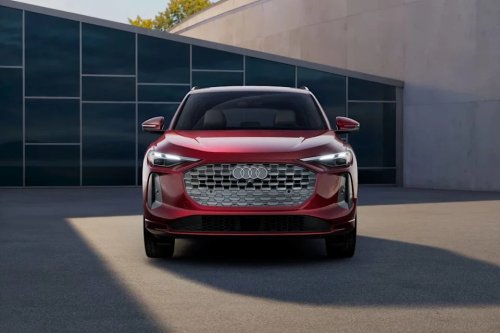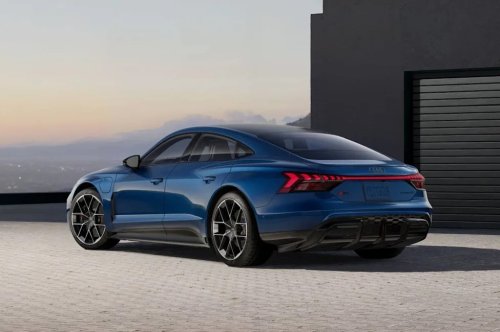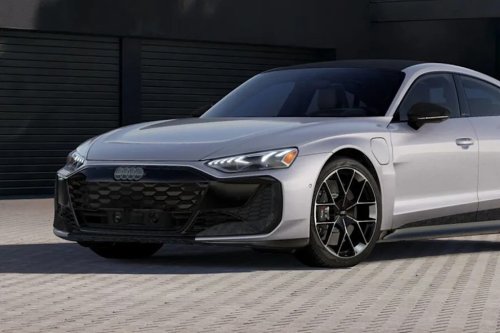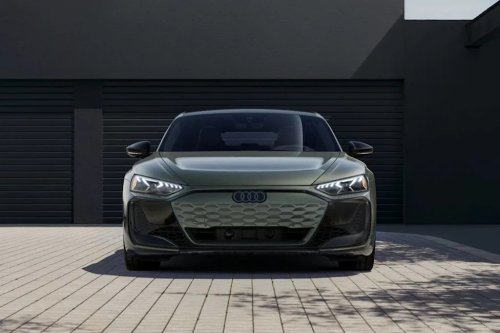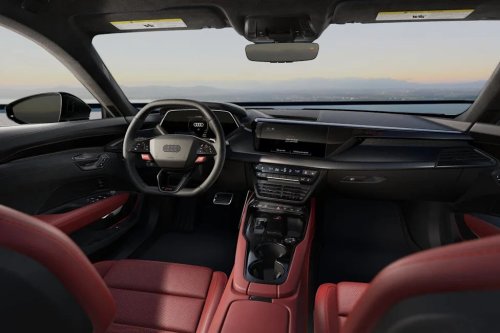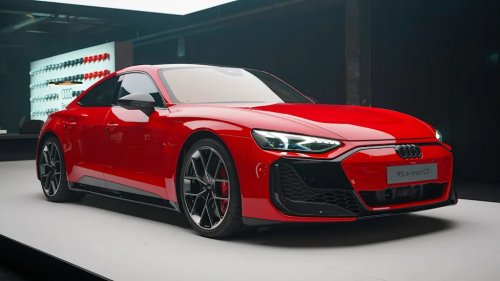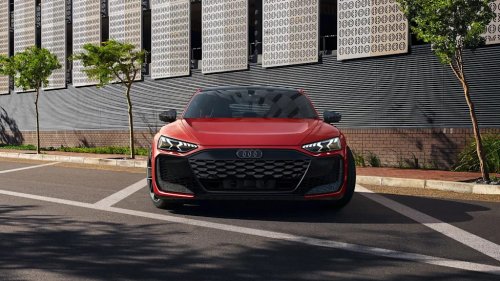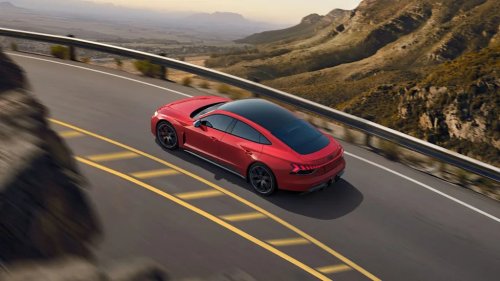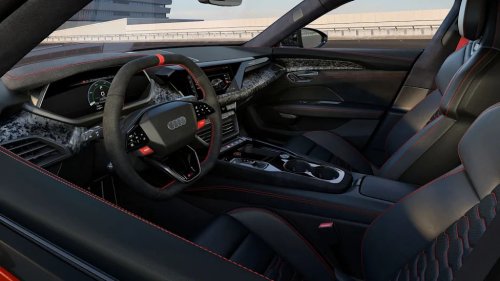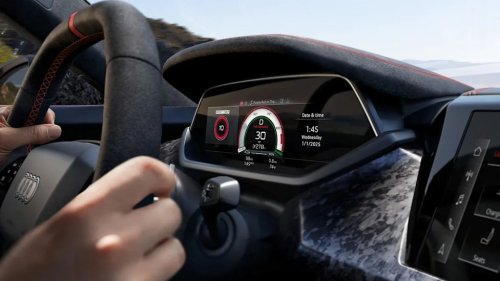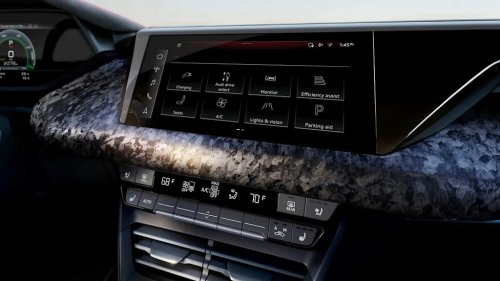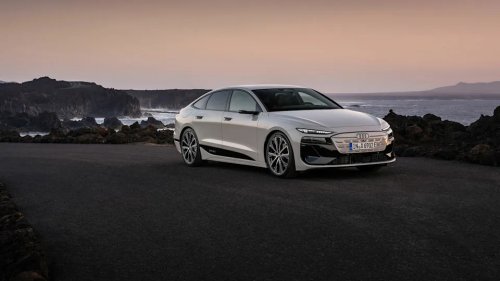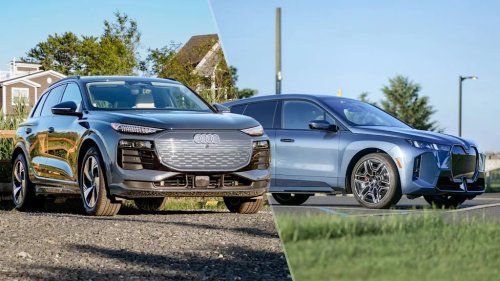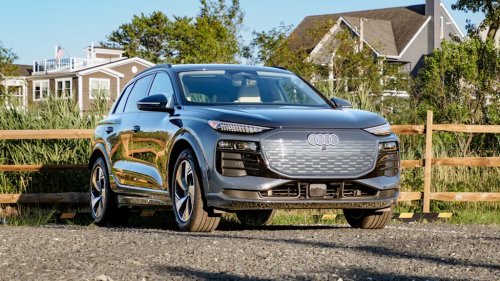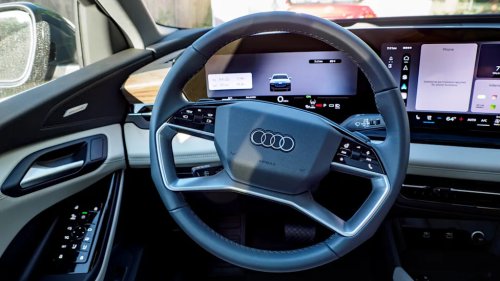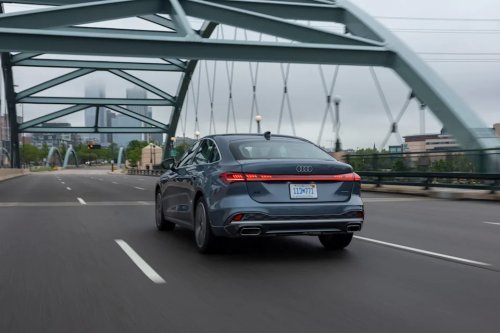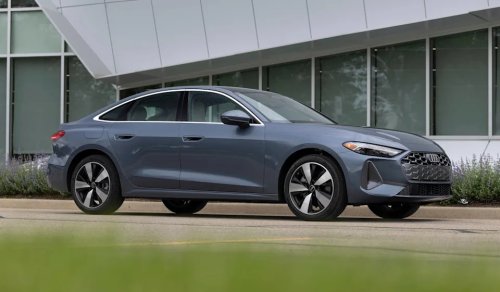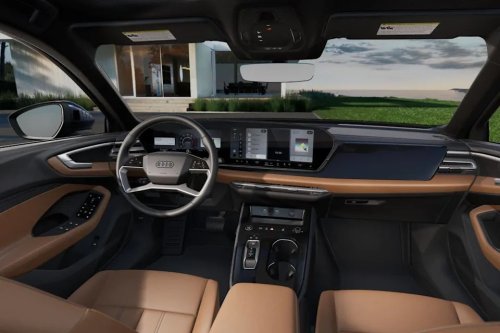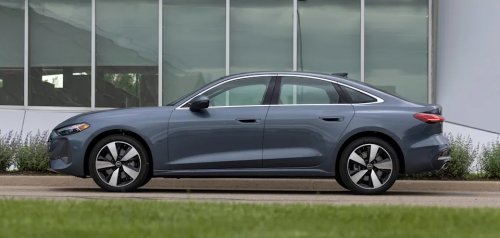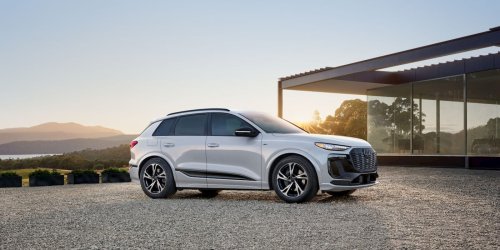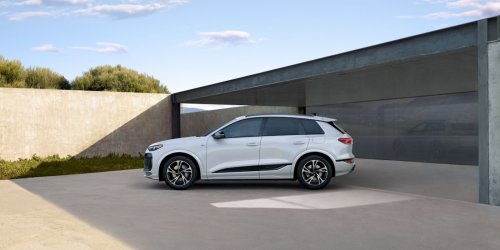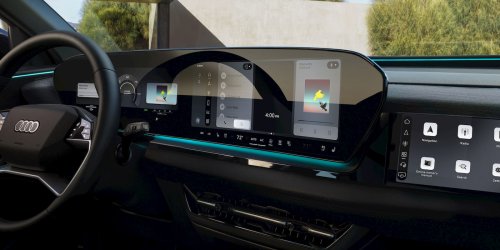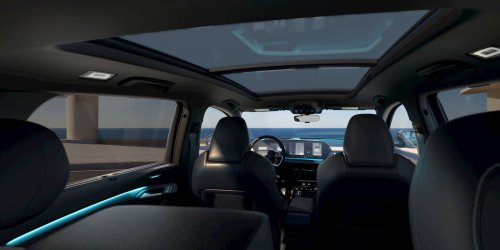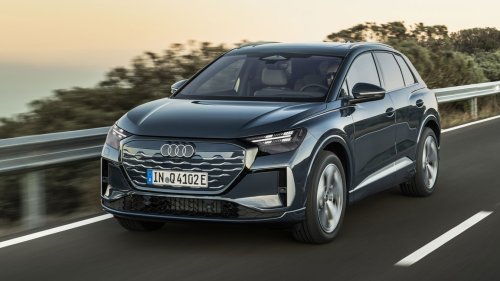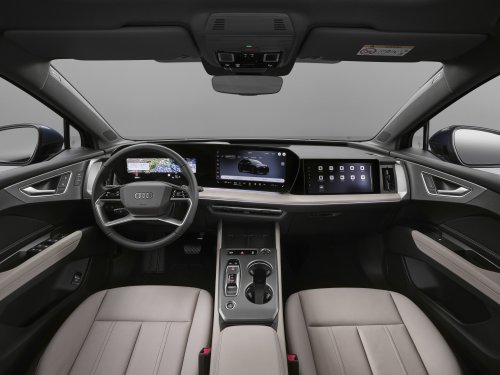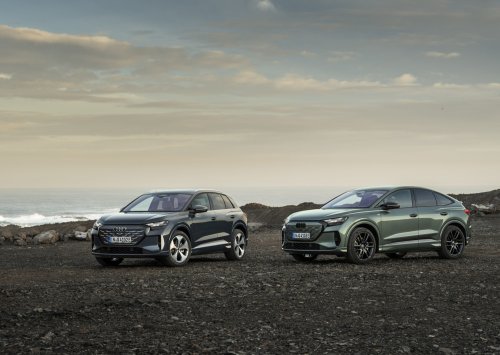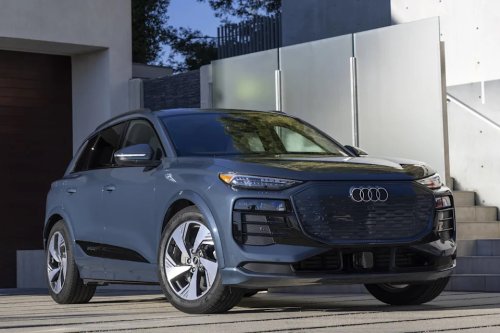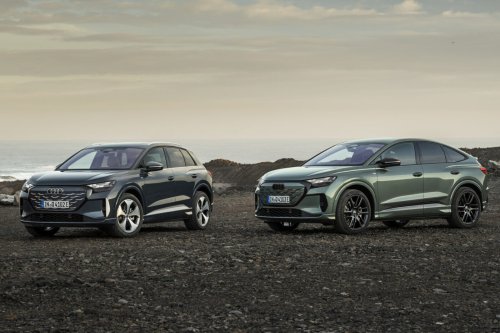
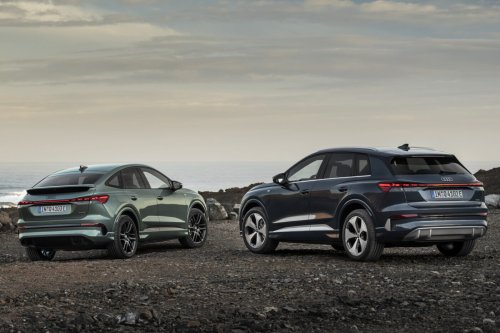
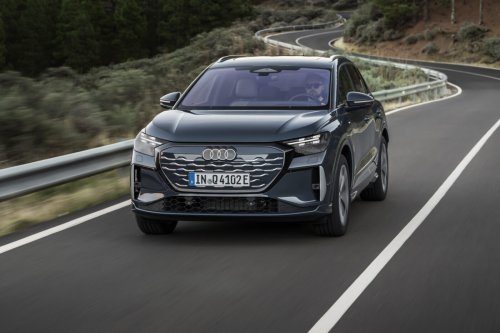
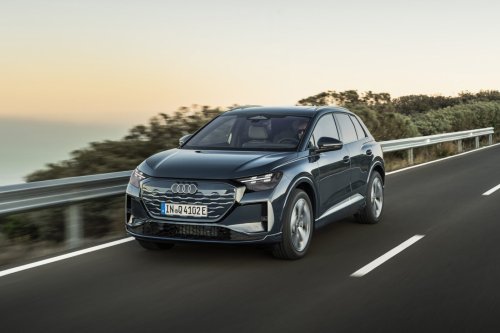
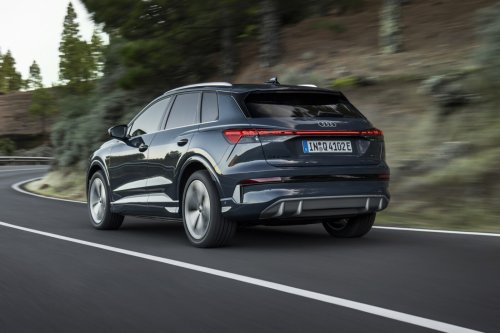
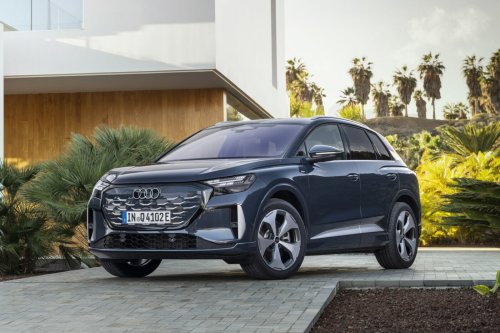
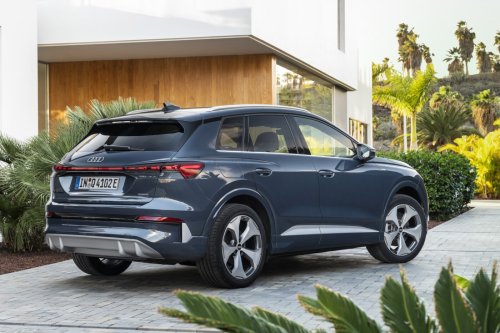
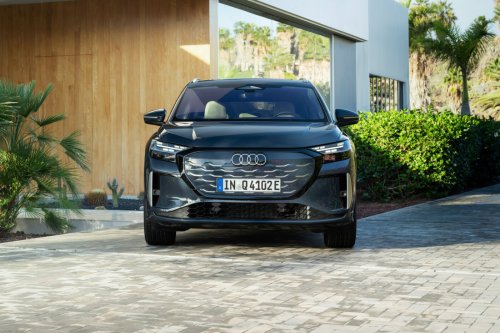
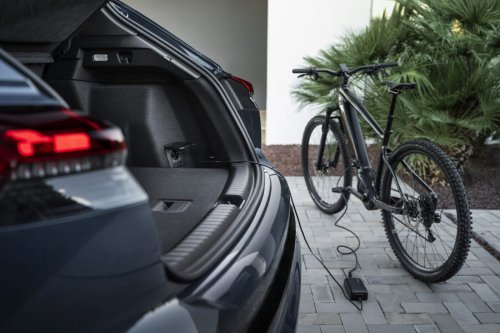
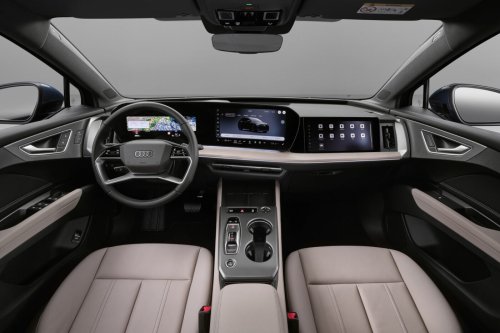



















Image: AudiThe Audi Q4 E-tron is transitioning from the MEB electric platform to the upgraded MEB+. The electric car from the Volkswagen Group and its coupé derivative, the Sportback, is another model series built in Zwickau. Models such as the Cupra Born, the Škoda models Elroq and Enyaq, and the VW ID.3 Neo have already received this update. The ID.4 and ID.7 are still pending; as part of more extensive revisions, they are expected to be renamed the ID. Tiguan and ID. Passat.At Audi, the Q4 E-tron retains its name, but the technical updates are no less significant. For example, the new base version of the Q4 now features the APP350 electric motor, replacing the old APP310 with a key difference: While the Born, Elroq 60, Enyaq 60, and ID.3 Neo combine the new APP350 with a new LFP battery offering a net capacity of 58 kWh, Audi has taken a different approach. The Q4 E-tron continues to use the pre-facelift battery pack with NMC cells that provide a gross capacity of 63 kWh and a net capacity of 59 kWh. While the LFP models deliver only 140 kW of drive power, the Audi offers 150 kW. The disparity is even more pronounced in charging power: with the LFP battery in the other models, the maximum is 105 kW, whereas Audi specifies 160 kW for DC charging in its base Q4. The WLTP range is 440 kilometres for the SUV and 451 kilometres for the more aerodynamic Sportback body – around 30 kilometres more than with the old APP310 and the 63-kWh battery.On paper, there are no major changes to the Q4 variants with the “performance” designation. These models continue to combine the well-known APP550 motor, delivering 545 Nm of torque, with a battery offering a gross capacity of 82 kWh (77 kWh net). The 210 kW power output is a familiar figure within the VW Group. This remains the variant with the highest range, reaching up to 578 kilometres (SUV) and 592 kilometres (SUV coupé).Q4 E-tronQ4 E-tron performanceQ4 E-tron quattroQ4 E-tron quattro performanceDrivetrainRWDRWDAWDAWDPower150 kW210 kW220 kW250 kWTorque350 Nm545 Nm134+350 Nm134+545 NmAcceleration8.1 s6.6 s6.2 s5.4 sTop speed160 km/h180 km/h180 km/h180 km/hWLTP range440 (451) km578 (592) km558 (573) km541 (554) kmBattery capacity59 kWh77 kWh77 kWh77 kWhDC charging power160 kW165 kW165 kW185 kWThe third drivetrain variant has also been updated so that the Q4 E-tron quattro has been given a weaker all-wheel-drive model with 220 kW system power, and the APP310 at the rear axle has been replaced by the APP350. As a result, the rear axle now delivers up to 350 Nm of torque, while the front axle retains the familiar 134 Nm. The range for this variant is 558 and 573 kilometres, respectively. For the all-wheel-drive models, Audi claims a range increase of between 16 and 32 kilometres, depending on the variant, thanks to the more efficient APP350.At the top of the range is the familiar all-wheel-drive system with 250 kW system power, combining the APP550 at the rear axle with an asynchronous motor at the front. The Q4 E-tron quattro performance is also the quickest to accelerate from 0 to 100 km/h, achieving this in 5.4 seconds, although it also has the lowest range among the variants with the larger battery, at 541 and 554 kilometres, respectively. One change that may appeal to some customers is the increased towing capacity, as the all-wheel-drive models can now tow trailers weighing up to 1.8 tonnes. The previous limit was 1.2 tonnes. For comparison, Škoda has promised a towing capacity of 1.8 tonnes for the rear-wheel-drive variants of the Elroq and Enyaq with the 85 kWh battery, and over two tonnes for some of the all-wheel-drive models. Image: Audi Image: Audi Image: Audi Image: Audi Image: Audi Image: Audi Image: Audi Image: Audi Image: AudiAs part of the “product enhancement” – Audi’s internal term for facelifts – the design has also been subtly updated, though not as prominently as VW did with the ID.3 Neo. For example, the suggestive grille is now painted in the vehicle’s body colour, and customers can choose between four different light signatures for the daytime running lights in the Matrix LED headlights via the MMI operating system.The interior has also been redesigned. Unlike the VW ID. models, which feature a small, freestanding cockpit display on the steering column, Audi had already distinguished the Q4 E-tron with a more conventional cockpit. Previously, the cockpit display and touchscreen were separate, but now there is a large panoramic display that visually combines the 11.9-inch digital instrument cluster and the 12.8-inch touchscreen into a single unit. An optional 12-inch passenger display is also available for the first time in this vehicle segment – the largest passenger display offered by Audi, with a customisable standby design. This feature is not yet available in any other MEB model in the facelift series.The Q4 E-tron also introduces bidirectional charging with Vehicle-to-Load (V2L) functionality – a first for any Audi model. External devices can be powered using the drive battery via a household socket in the boot or an optional adapter for the charging port, delivering 2.3 kW (household socket) or 3.6 kW (CEE camping plug). “Additionally, the Q4 E-tron is suitable for Vehicle-to-Home (V2H) in the markets of Germany, Austria, and Switzerland,” Audi explains. “In this scenario, the high-voltage battery serves as an additional power storage unit for a house, for example, in combination with a photovoltaic system.”The new models will be available for order in Europe throughout May, with the market launch planned for this summer, according to Audi. Production continues at Volkswagen Sachsen in Zwickau. The Q4 SUV E-tron with the aforementioned 63-kWh battery starts at €47,500 in Germany. As the Sportback variants incur a uniform €1,950 premium, the Q4 Sportback E-tron is available from €49,450. With the 82 kWh battery, the Q4 SUV E-tron starts at €53,500, while the Sportback with the larger battery is available from €55,450.audi-mediacenter.com