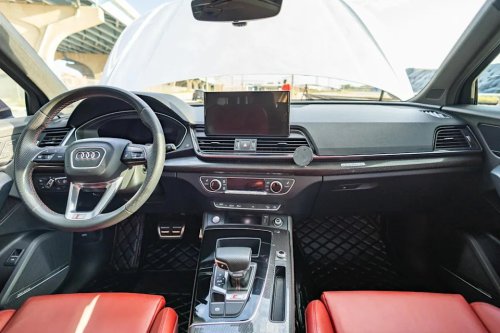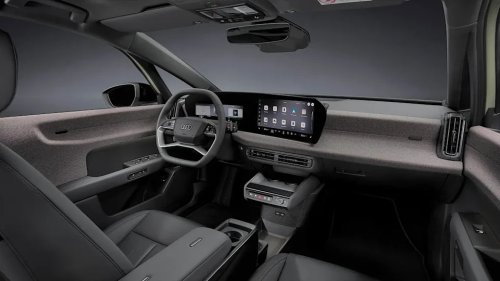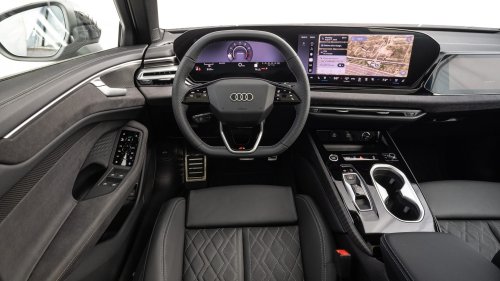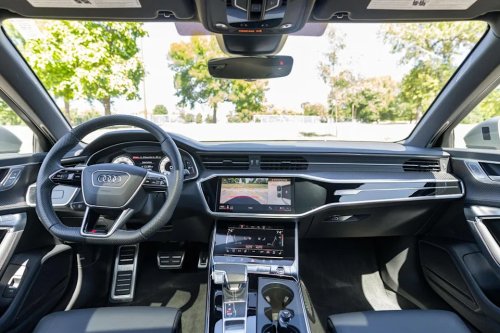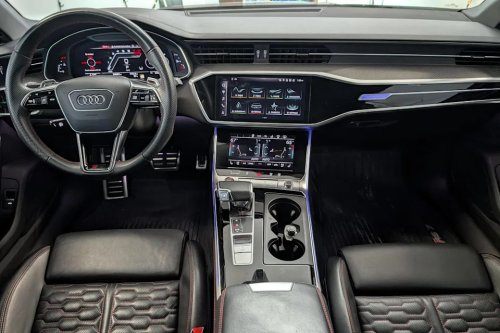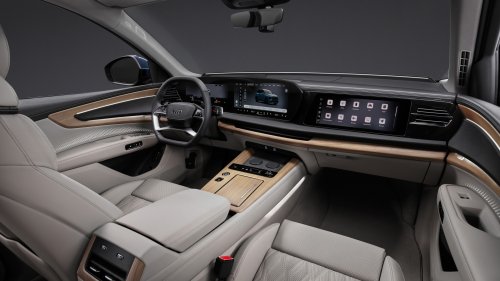
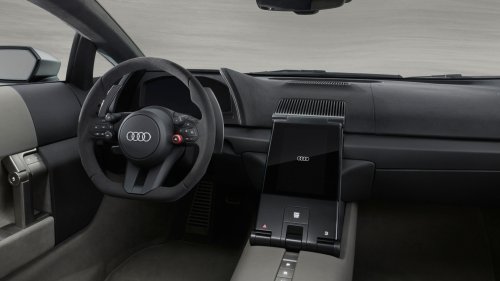
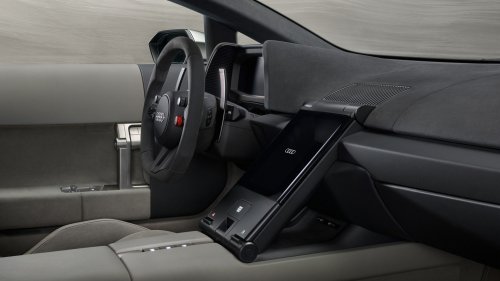
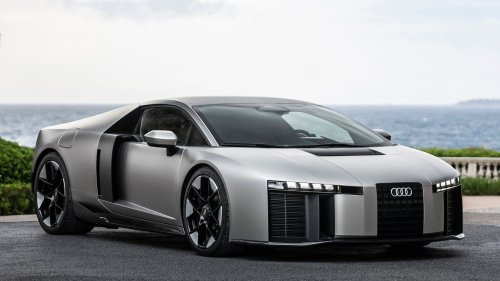
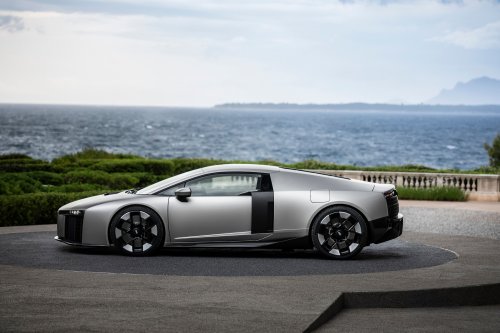
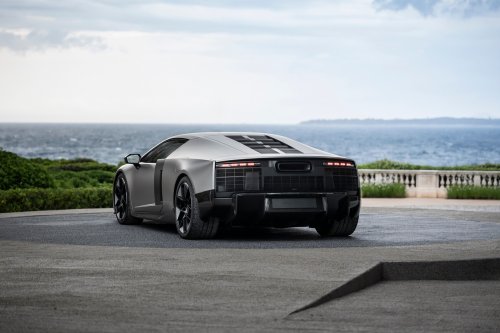
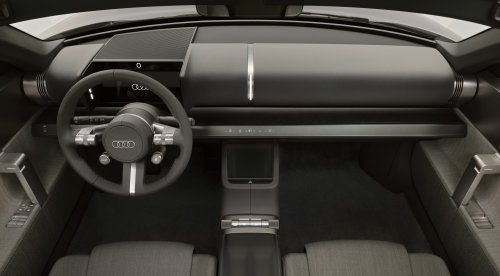
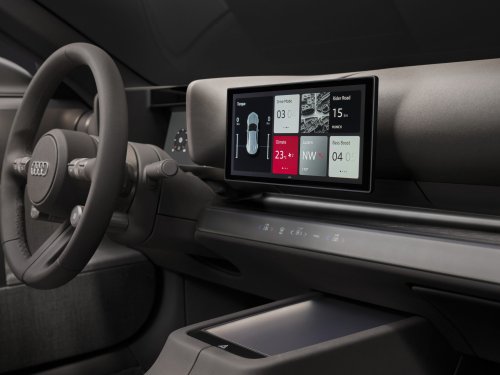
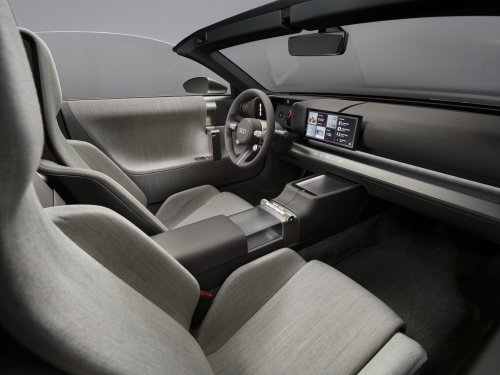
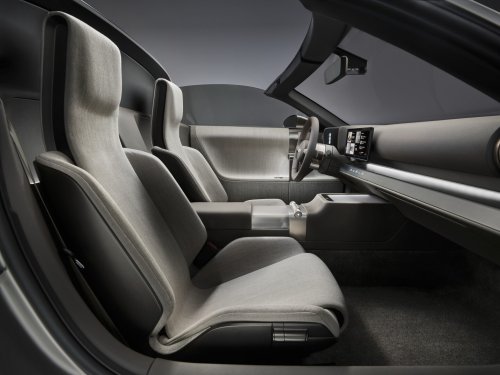
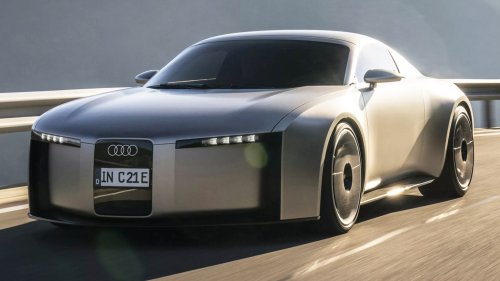
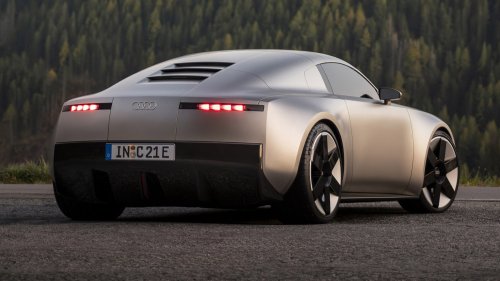
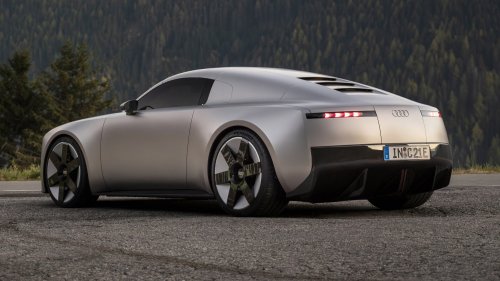



















Audi to abandon screen-heavy cabins for simpler, tactile interiors in two years, report says. Physical buttons, honest materials and restrained displays will define future Audi cockpits. Technical chief says every switch and rotary dial should have a “classical Audi click and feel.” After several years of turning dashboards into rolling tablets, Audi appears ready to hit reverse. The German automaker says its next generation of interiors will lean less on giant displays and bring back the tactile controls and premium materials that helped make older Audis feel so special. The shift won’t happen overnight. Models arriving over the next couple of years, including the new Q7 and Q9, will continue with the current dashboard philosophy. They do, however, hint at the direction Audi is heading by offering genuine slate trim, reinforcing a renewed focus on authentic materials. Related: Audi Is Done Building One Car For The Whole World Rouven Mohr, Audi’s technical chief, told Australia’s GoAuto that the company wants future cabins to integrate technology more discreetly, rather than making screens the main attraction, as on the Q7 (seen below). “Audi (in the) past was always leading infotainment development. We always tried to combine the latest technology from the digital world, but doing it in a very subtle, well-integrated way,” Mohr said. “In the future, (Audi will) integrate the Radical Next interior design…we want to be very subtle on the display size and haptic elements.” Customers Missed Having Buttons It’s a notable change of direction because Audi was one of the manufacturers that embraced increasingly screen-dominated cabins, choosing to junk its well-honed MMI rotary selector in the process. Now it’s effectively acknowledging that many buyers, particularly in Europe, North America, and Australia, still appreciate controls they can find without taking their eyes off the road. And with its key rivals having just reinvented their own dashboard setups, it’s maybe no surprise that Audi is looking at making changes. BMW’s new Panoramic iDrive mixes a pillar-to-pillar display stretching across the base of the windshield with a central touchscreen. But Mercedes has gone the other way, turning the entire dashboards on some of its cars into gigantic digital displays. Concepts Drop Clues It’s only been three years since Audi introduced its current digital dashboard style on the A5, but the automaker may have already shown where it’s headed next. The recent Nuvolari concept (above) featured a very restrained cabin with a conventional cowled instrument cluster and a portrait tablet-style display positioned low on the center console. And the TT-like Concept C roadster (below), which debuted last year and previews a 2027 production car, was similarly subtle, though this time with a tablet mounted in landscape form on the dash center. Both look modern without trying too hard and feature rotary dials on their steering wheels. “We believe it’s part of our DNA to also have some physical elements—buttons and turning wheels, Mohr said. “And every one of these should have the classical Audi click and touch and feel.” Audi