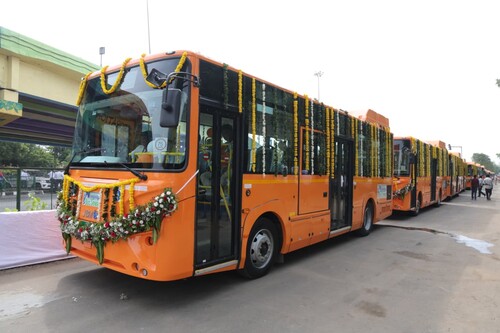
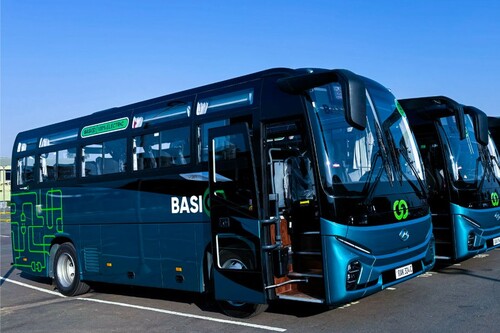
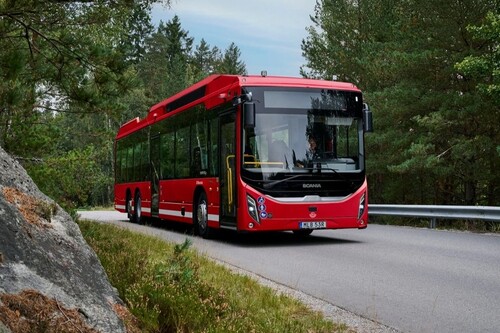
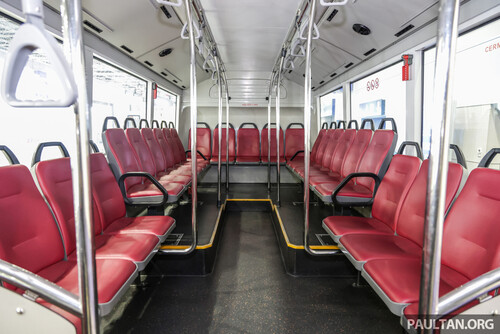
This spring, Azienda Trasporti Milanesi (ATM) published a tender, valued at over €100 million euros, for the delivery and subsequent maintenance of 110 electric buses. Now, the contract has been awarded: manufacturer Karsan has secured the order to produce the buses and provide a ten-year maintenance service. According to the tender, the order includes 80 12-metre-long urban buses, which, as low-floor vehicles, feature three doors. Additionally, there are 30 units, also 12 metres long, designed as low-floor intercity buses but equipped with only two doors. The former will go directly to ATM, while the latter 30 will be delivered to its subsidiary, NET.
Sustainable Bus reports that the order is being processed through the Italian Karsan dealer Kmobility, and the total contract value is expected to reach approximately €76 million euros. This figure includes not only the delivery of the vehicles and maintenance but also future battery replacements. Furthermore, while the 80 electric vehicles for ATM are set to be deployed directly in Milan, the 30 units for NET are likely to be stationed in Monza. According to Sustainable Bus, the first batch of the delivery will comprise 34 vehicles: 22 for Milan and 12 for Monza.
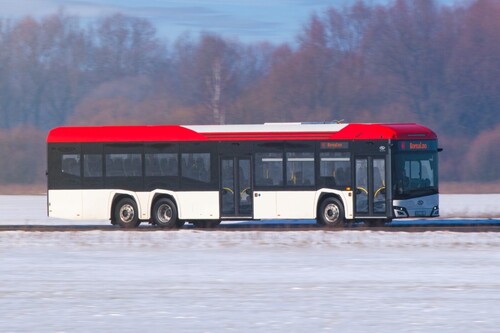
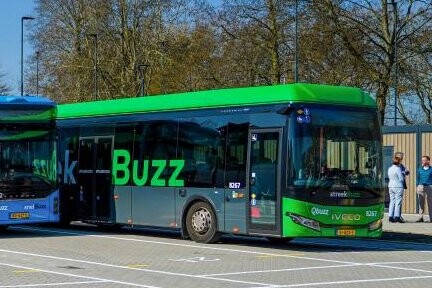
In late 2022, ATM tendered the procurement of 340 electric buses; which Iveco Bus and Solaris secured in 2023. Since then, around 600 electric buses are said to have been purchased. ATM now remains committed to its goal of converting its entire bus fleet to electric drive by 2030 through the adoption 1,200 electric buses. To operate such a large electric fleet, depots in San Donato, Sarca, Giambellino and Palmanova are being successively converted to electric operations. Additionally, the programme includes the construction of new depots specifically designed to accommodate electric buses.
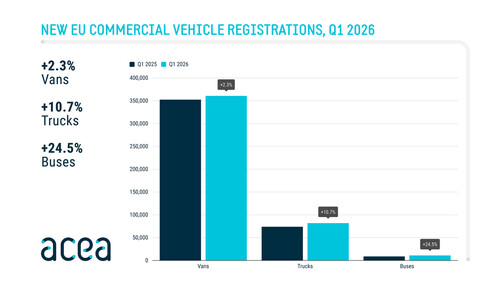
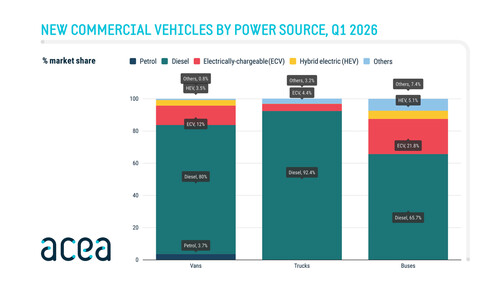
Italy is emerging as the leading market for electric buses in Europe. Across all drive types, the Italian bus market is already the largest in the EU. Only the non-EU country of the United Kingdom records higher registration numbers. However, for externally chargeable buses, the Italians have already overtaken the British this year. This is evident from the recently released ACEA statistics.