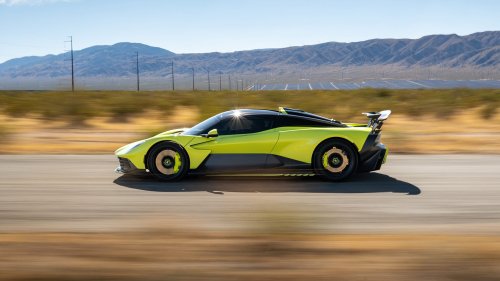
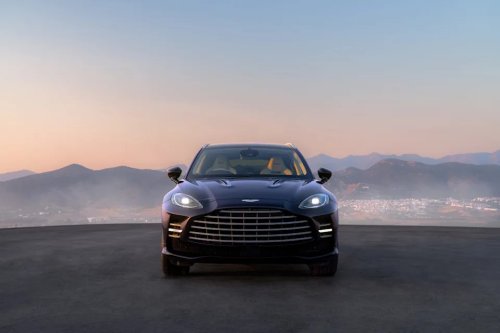
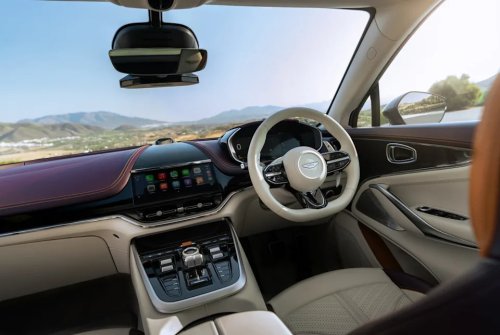
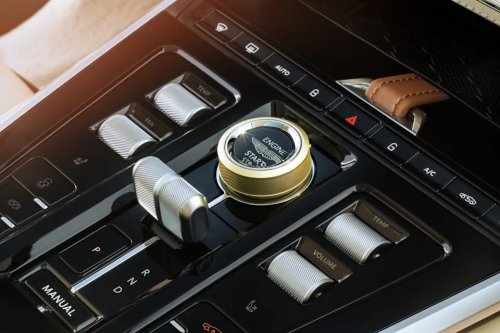
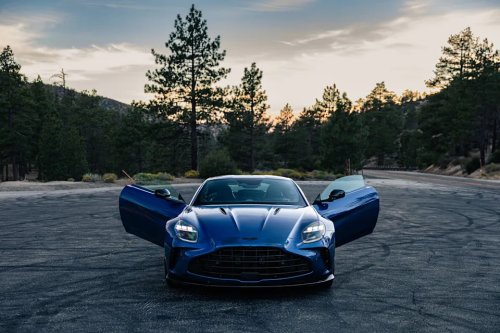
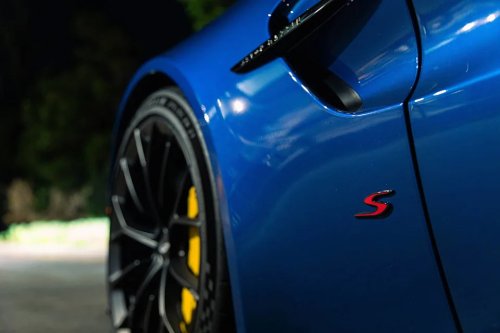
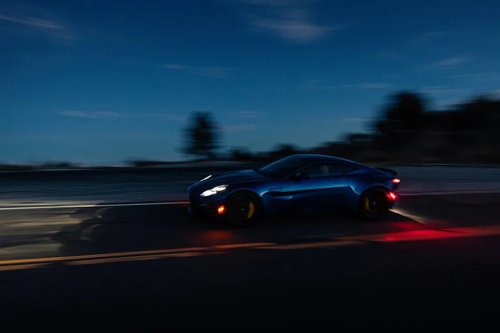
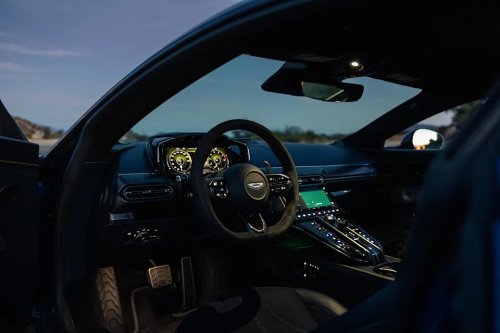
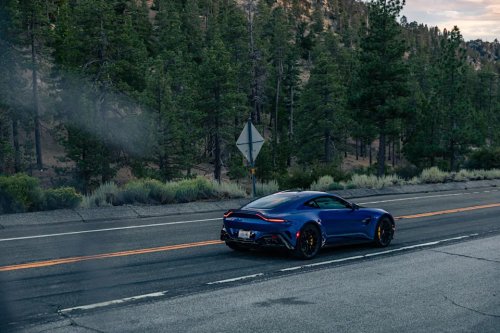
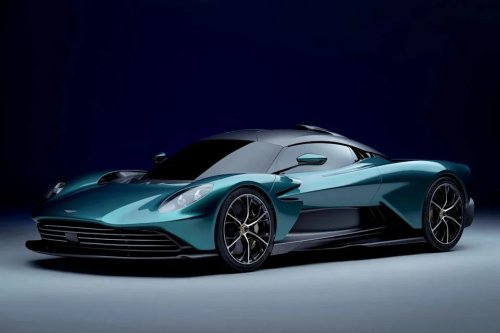
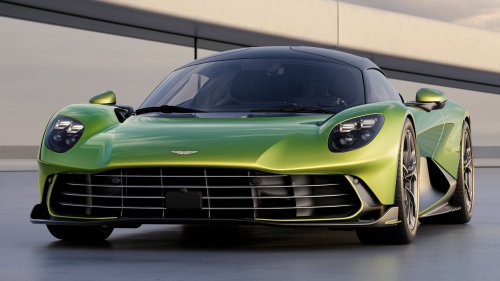
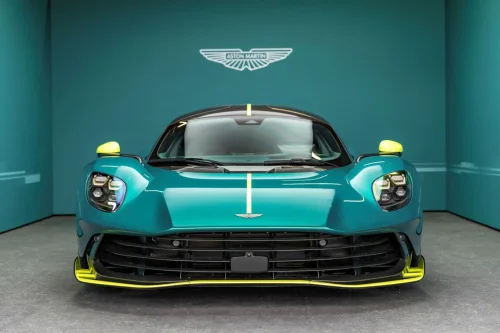
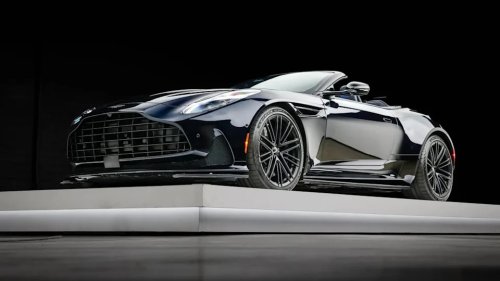
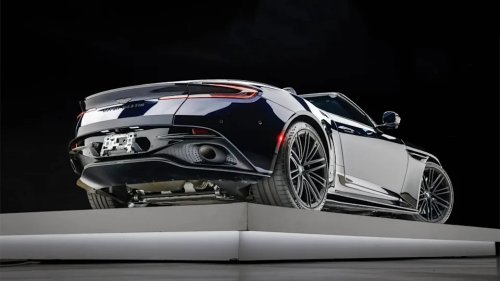
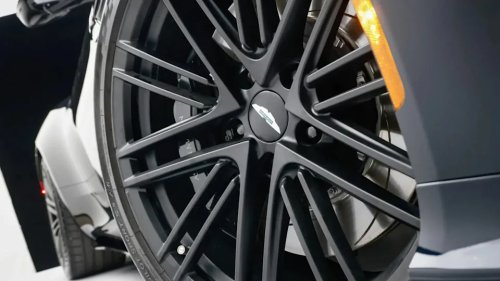
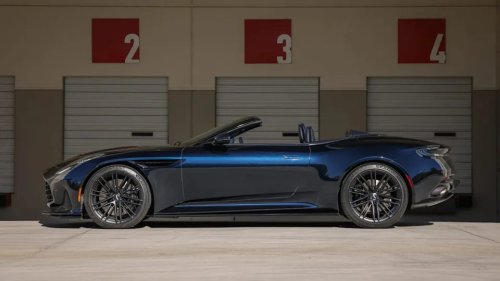
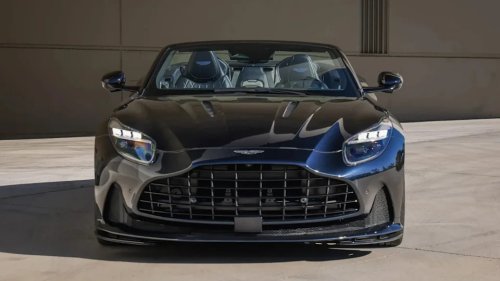
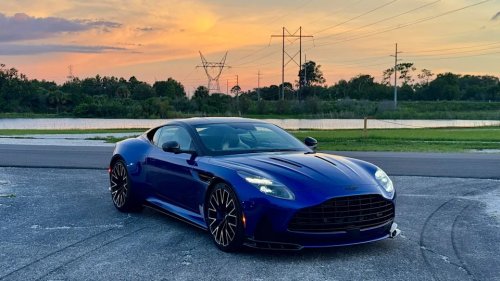
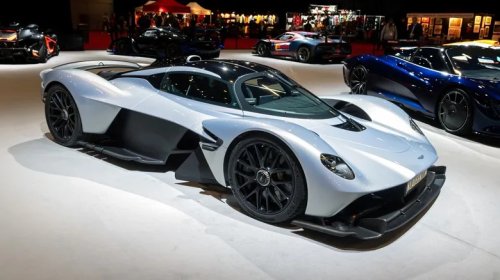
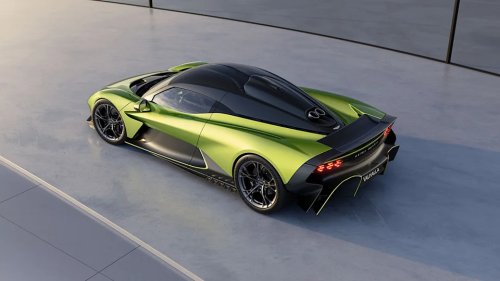
An Exposed-Carbon Aston Martin Valhalla Just Touched Down in IndonesiaBackfire NewsEve NowellWed, September 16, 2026 at 5:11 PM UTCAdd us on GoogleAn Exposed-Carbon Aston Martin Valhalla Just Touched Down in IndonesiaMost owners of a million-dollar-class supercar choose a paint color. The owner of what is described as Indonesia's first Aston Martin Valhalla, spotted in Central Java, chose instead to leave much of the car in visible carbon fiber, with green in the finish and bright accents on top. Whether that works visually is up to you. The more interesting part is that almost all of it is a factory option, and it comes with ownership consequences.What the Valhalla actually isAston Martin calls the Valhalla its first series-production mid-engined supercar and its first plug-in hybrid. The powertrain combines an 828PS twin-turbo 4.0-litre V8 with three electric motors that add 251PS, for a total of 1079PS and 1100Nm. Aston quotes 0–100km/h in 2.5 seconds and an electronically limited 350km/h top speed. Production is capped at 999 cars, and the company scheduled deliveries to start in the second half of 2025.Related ArticlesCody Walker Is Done Filling In for Brian O'Conner, and California's New AI Law Just Backed Him UpOne Thing We'd Actually Buy: A Mid-Torque Impact Wrench, Not the 1,400 lb-ft MonsterAdvertisementAdvertisementThe V8 isn't the familiar unit from a DB12 with more boost. According to Aston's technical release, it uses a flat-plane crankshaft and dry-sump lubrication so oil supply holds up under hard cornering on track. The two front motors handle torque vectoring. The car has no reverse gear: the front motors reverse it in every drive mode. In pure EV mode, only the front axle drives the car, with a range of 14km and a limited top speed. That's enough to leave a gated community quietly and not much more.The carbon body is a factory optionOwners of exposed-carbon cars often get credit for commissioning something custom. On the Valhalla, much of that look is on the standard options list. Aston says the carbon fibre body can be ordered painted or as exposed carbon, with upper or lower packs that add visible carbon. Every exterior carbon panel can have a gloss or satin lacquer, and that lacquer can be tinted red, blue or green. Six factory livery themes are also available, drawing on Aston's motorsport history.For anything beyond that, Aston sends buyers to Q by Aston Martin. The company says Q's work can range from a single detail to fully engineered one-off components. Aston also said it expected a large share of Valhalla orders to go through Q.The wheels on the Indonesian car also point to an option-list choice. Aston offers an ultra-light magnesium wheel that cuts 12kg of unsprung mass. It comes in textured titanium or satin black, and it's paired with Michelin Pilot Sport Cup 2 tyres instead of the standard Pilot Sport S 5s.Why exposed carbon costs more to ownThis is where the choice has a practical downside. A painted panel with a scratch can usually be repaired, blended and forgotten. Exposed carbon is harder. The weave is the finish, so a gouge that reaches the fibres usually means replacing the part, not refinishing it. A tinted lacquer makes repairs harder again, because the new panel has to match both the color and the weave direction of the panels next to it. Satin lacquer adds one more problem: it can't be machine-polished like gloss, since polishing leaves shiny patches.AdvertisementAdvertisementFor insurers, that means a minor parking-lot scrape on this car can turn into an order for a factory panel. Expect agreed-value collector coverage, and expect underwriters to ask about storage and how much the car is driven.The magnesium wheels and Cup 2 tyres are another consideration in Indonesia. Cup 2s are designed for dry tracks, and Indonesia gets heavy tropical rain. Magnesium also needs more careful corrosion care than aluminium, so kerb rash should be repaired quickly, not left alone.The heat is a more manageable issue. Aston built a large cooling system into the car. It uses three high-temperature radiators across the nose for the V8, a separate radiator for the hybrid system, a refrigerant-fed chiller for the battery, and a dielectric coolant that runs through the pack's 560 cells. Central Java's humidity is a real-world test of that hardware, but it's the kind of use the system was designed for.The tax questionIndonesia uses its luxury-goods sales tax (PPnBM) to favor electrified cars, but the Valhalla probably gets little help from it. The 2021 amendment to the regulation, PP 74/2021, sets PHEV treatment for vehicles with cylinder capacity up to 3,000cc. The Valhalla's engine is a 4.0-litre V8, so despite its plug and battery, it appears to fall outside the bracket intended for smaller-engined PHEVs. Before assuming a hybrid discount on any big-engined plug-in, buyers should have a local tax adviser check the exact classification.Takeaway for buyersIf you want a Valhalla to look this dramatic, you don't need a coachbuilder. Aston's configurator and Q department will do it and document it. The trade-off is that exposed, tinted and satin carbon is expensive to repair and harder to keep looking right. Owners of any recent Aston should also run their VIN through the brand's safety campaign checker regularly, particularly on a new model early in its production.Images Via: __s144__ and valhalla.registry on InstagramAdvertisementAdvertisementYour Turn: Would exposed carbon like this sway you toward one hypercar over another? Let us know in the comments.




















 +13 others