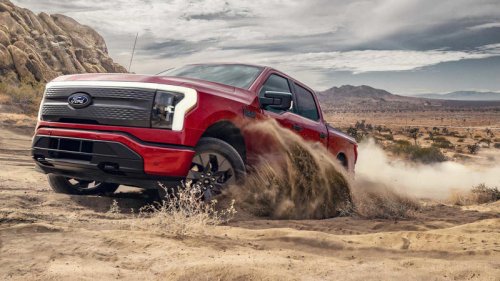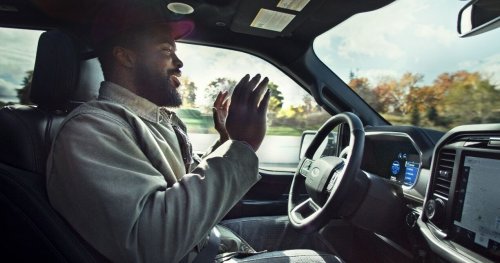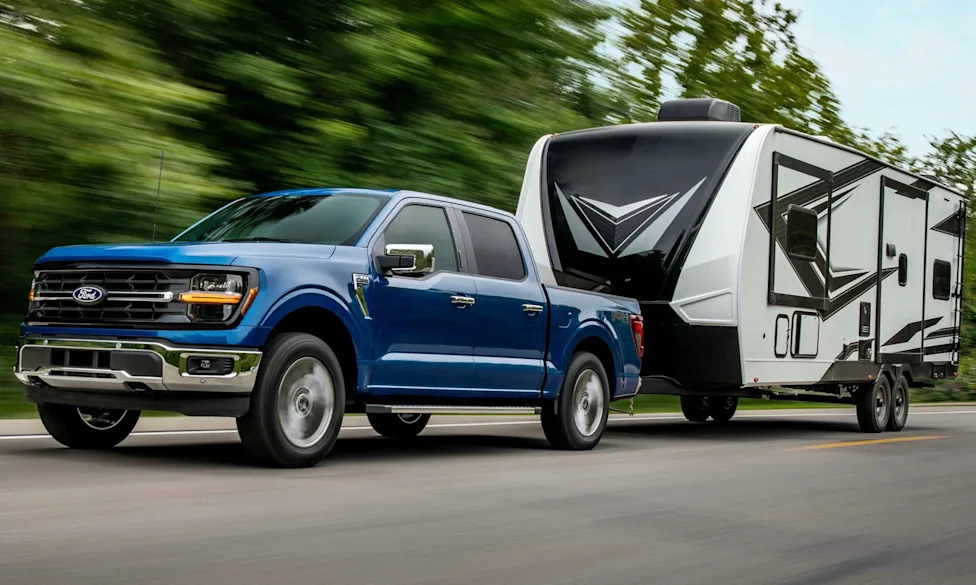
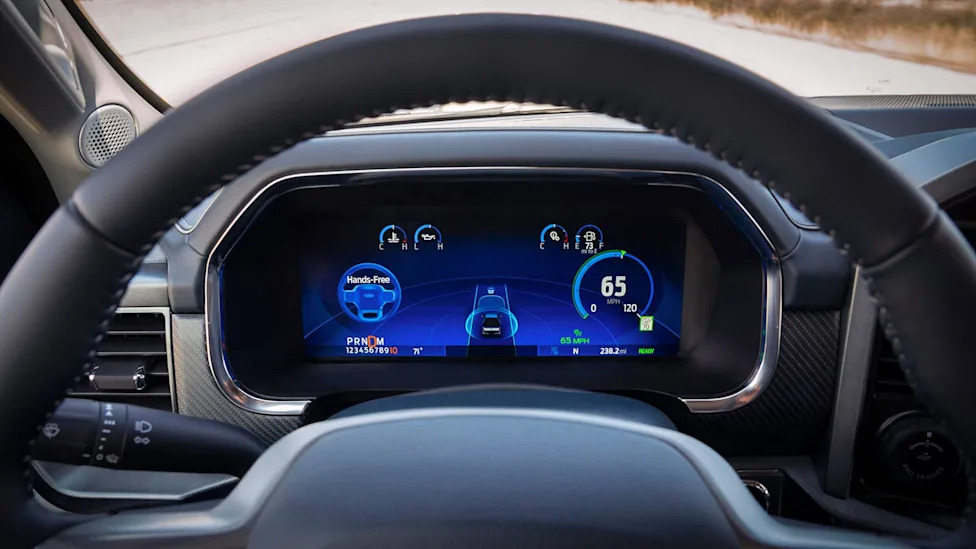
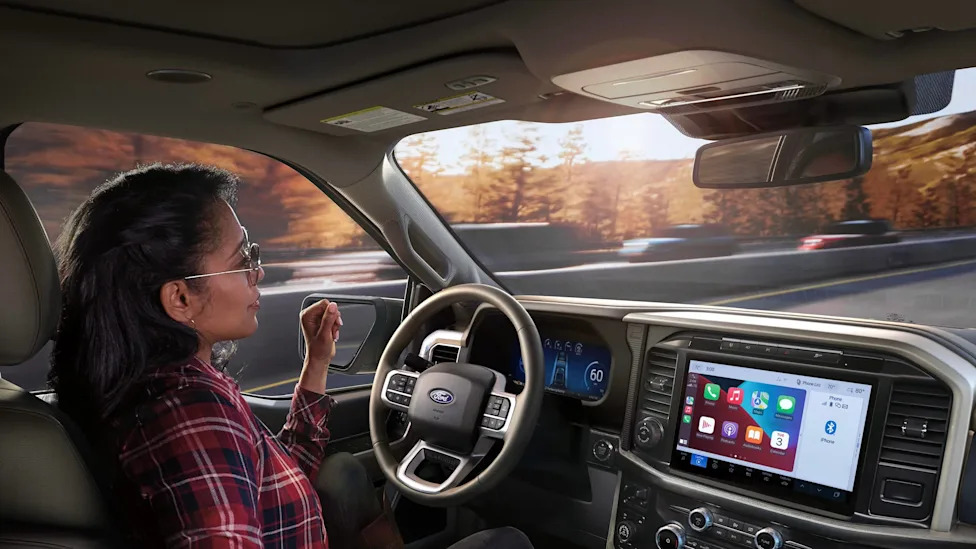



















Autoblog and Yahoo may earn commission from links in this article.AI has completely taken over the cultural zeitgeist, especially in the automotive world, where it is often used more as a marketing gimmick than a practical tool. However, Ford is leveraging this immense processing power for a highly productive purpose. They are enhancing their vehicle architecture with new AI capabilities to make everyday driving substantially easier and far more intuitive for truck owners.At the heart of this push is BlueCruise, Ford's advanced hands-free highway driving system. For the uninitiated, the system allows drivers to take their hands off the wheel on pre-mapped, divided highways while an infrared camera ensures their eyes remain on the road. The tech has become so incredibly popular that owners recently logged record miles with the system engaged, proving that consumer comfort with vehicle autonomy is rapidly growing.FordMillions Of Miles And Hundreds Of Thousands Of TrucksFor nearly half a century, the F-Series has been America's best-selling truck, and Ford wants to maintain that momentum by fiercely prioritizing the BlueCruise experience. The automaker is currently rolling out BlueCruise 1.4, its largest software update yet deployed on a single model year. While the 2025 F-150 shipped from the factory with this version, Ford is now expanding the update to hundreds of thousands of eligible 2024 F-150 customers, upgrading them directly from version 1.2 to 1.4.AdvertisementAdvertisementDeploying this software is not just a simple smartphone-style background patch. BlueCruise currently spans nine different Ford and Lincoln vehicle lines—ranging from gas-powered engines to hybrids and fully electric models. Because each vehicle line and model year requires a bespoke software package, delivering version 1.4 demands highly complex updates across multiple system modules and in-vehicle screens to guarantee seamless operation.The effort to scale this technology is clearly paying off. In 2025 alone, F-150 drivers absolutely dominated the platform, racking up 118 million hands-free highway miles and spending 1.6 million hours hands-free—a massive 101% year-over-year increase. Thanks to a Continuous Learning Loop, Ford actively uses the large-scale data shared from these millions of miles to constantly refine the software, turning real-world driving into smarter, more capable future updates.FordProgress Comes With a PriceAs a journalist who logs countless hours behind the wheel, I can genuinely appreciate the immense physical relief a system like BlueCruise 1.4 provides on a grueling cross-country haul. However, this relentless push toward autonomous highway cruising demands a serious conversation about human complacency. There is mounting statistical evidence that heavy reliance on these automated safety nets is actively reshaping driver habits, potentially making us less attentive and less practiced in critical emergency maneuvers.We also cannot ignore the darker side of this rapid technological expansion. While the F-150 logs record highway miles safely, the broader BlueCruise ecosystem is currently navigating fatal crash investigations that are heavily questioning the absolute limits of partial autonomy. Ford's 1.4 update is undeniably an impressive leap forward in vehicle capability and driver comfort, but it serves as a stark reminder that until our cars can genuinely drive themselves, the human driver's undivided attention remains the most vital safety feature on board.FordThis story was originally published by Autoblog on Jul 16, 2026, where it first appeared in the News section. Add Autoblog as a Preferred Source by clicking here.