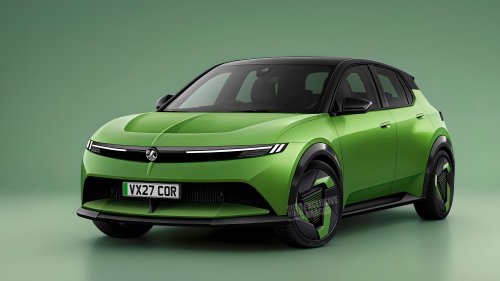
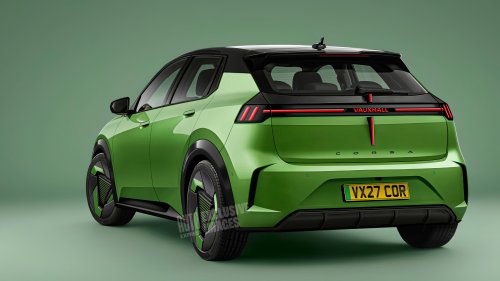
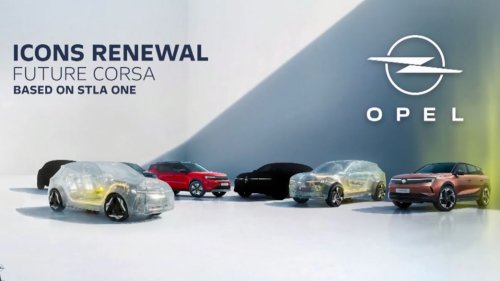
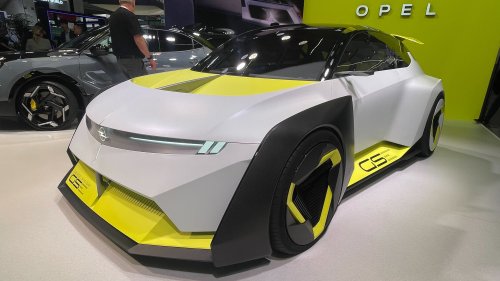
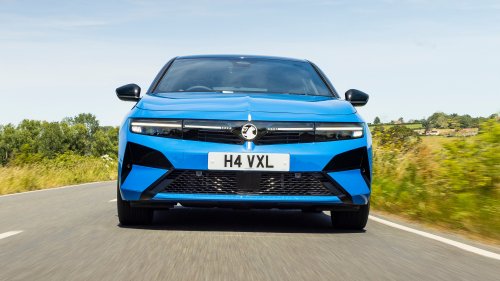
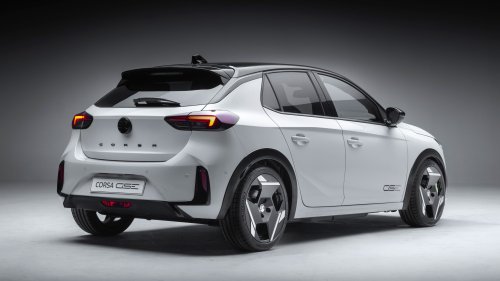
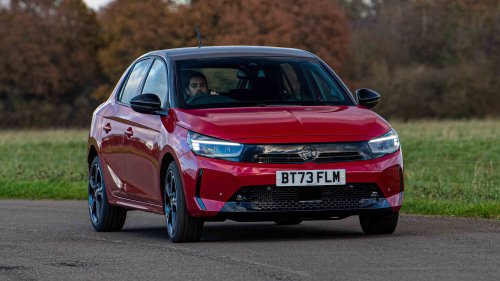
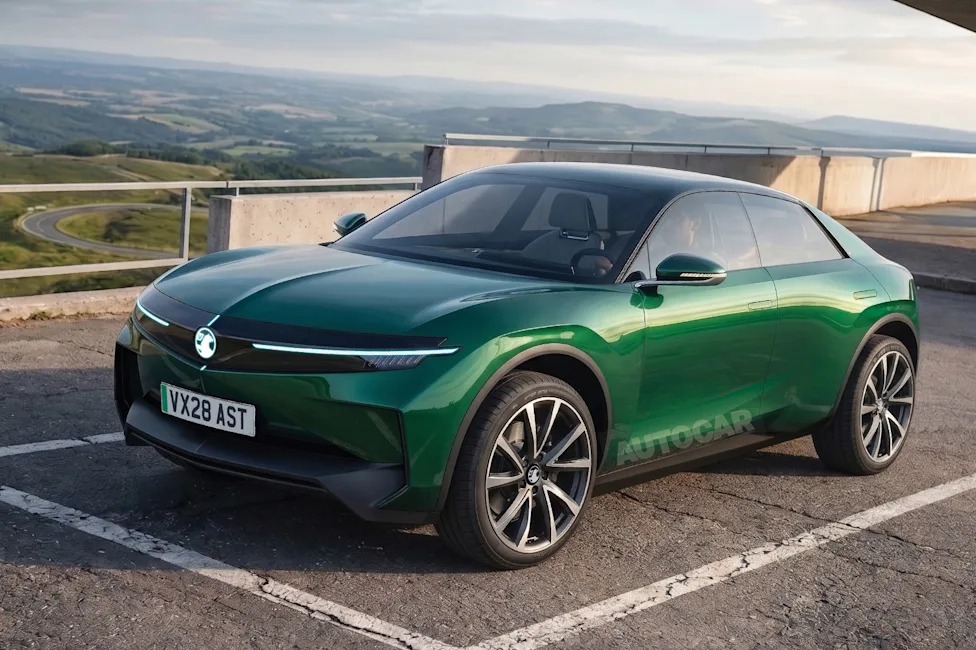
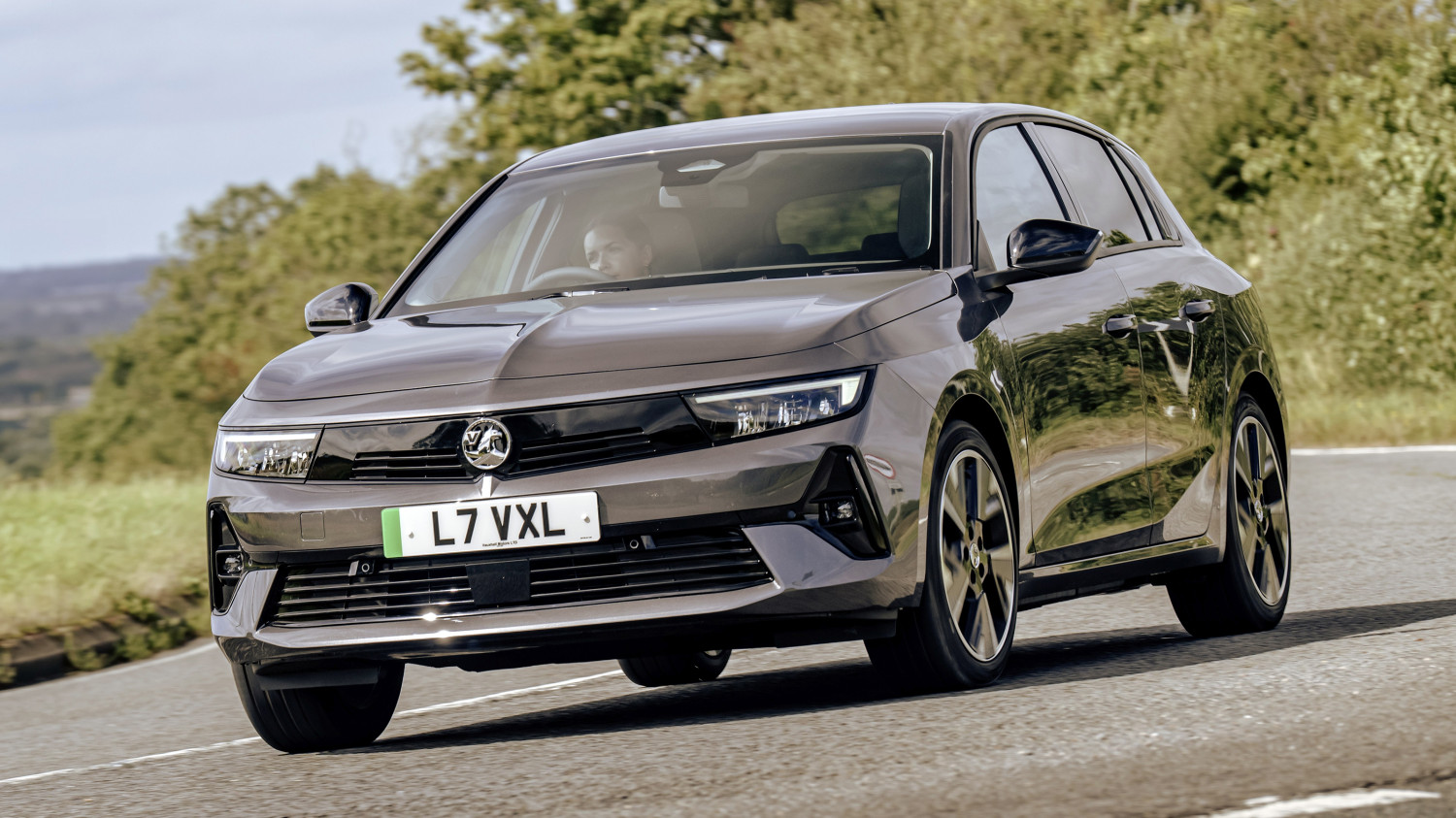
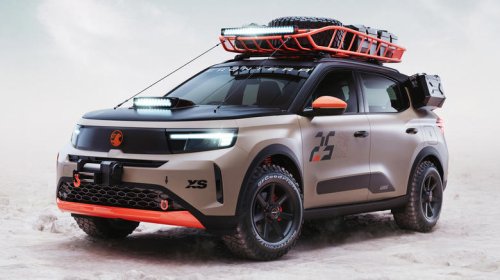
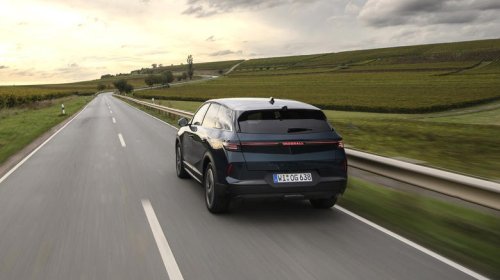
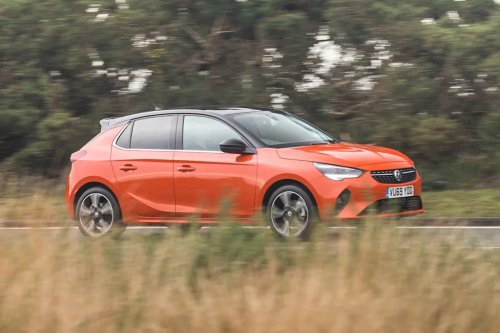
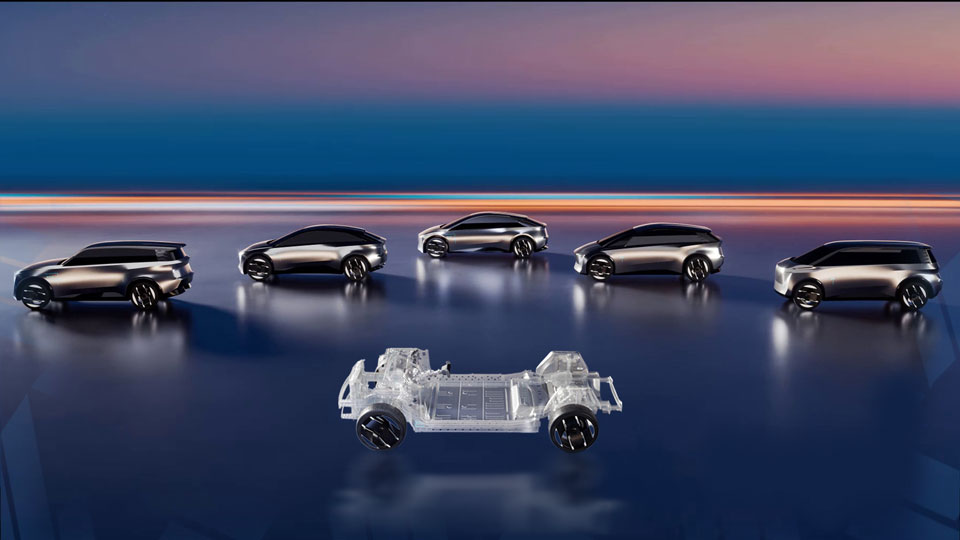
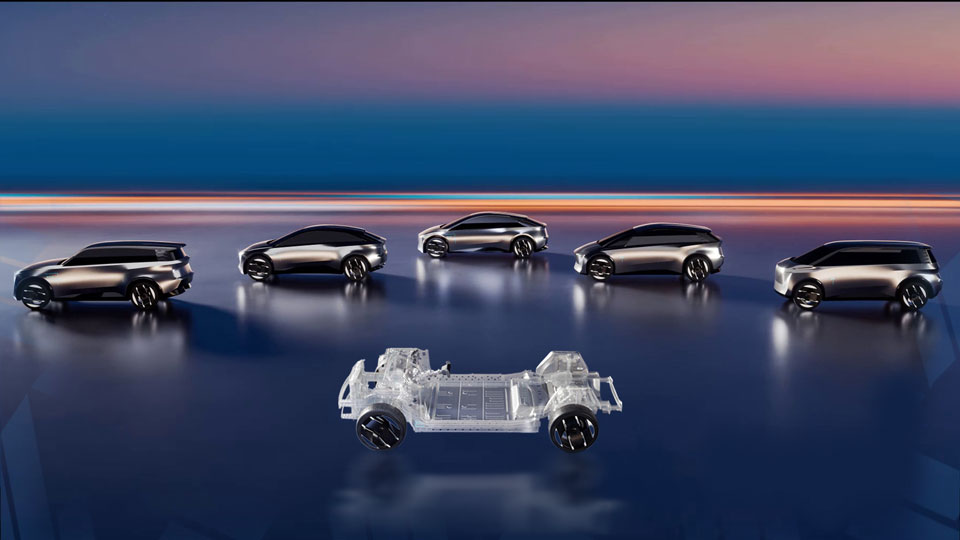
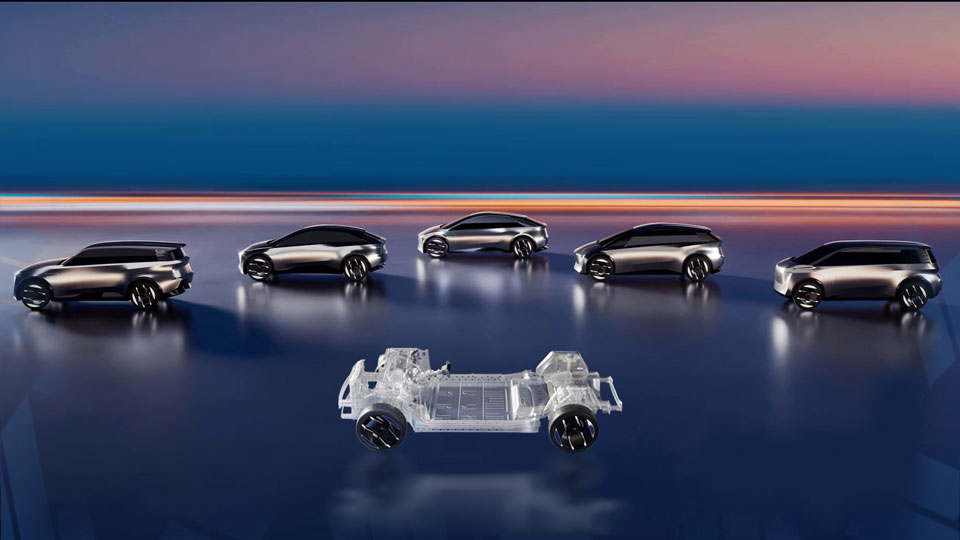
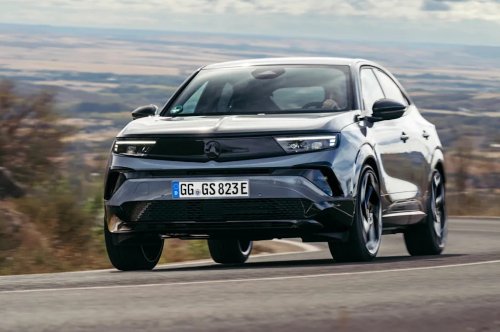
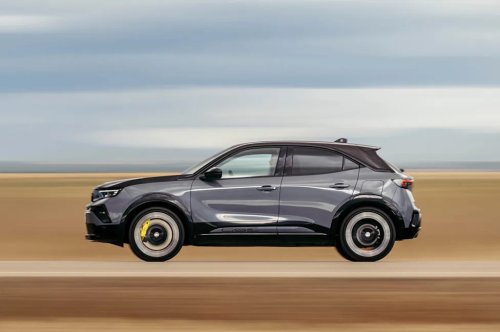
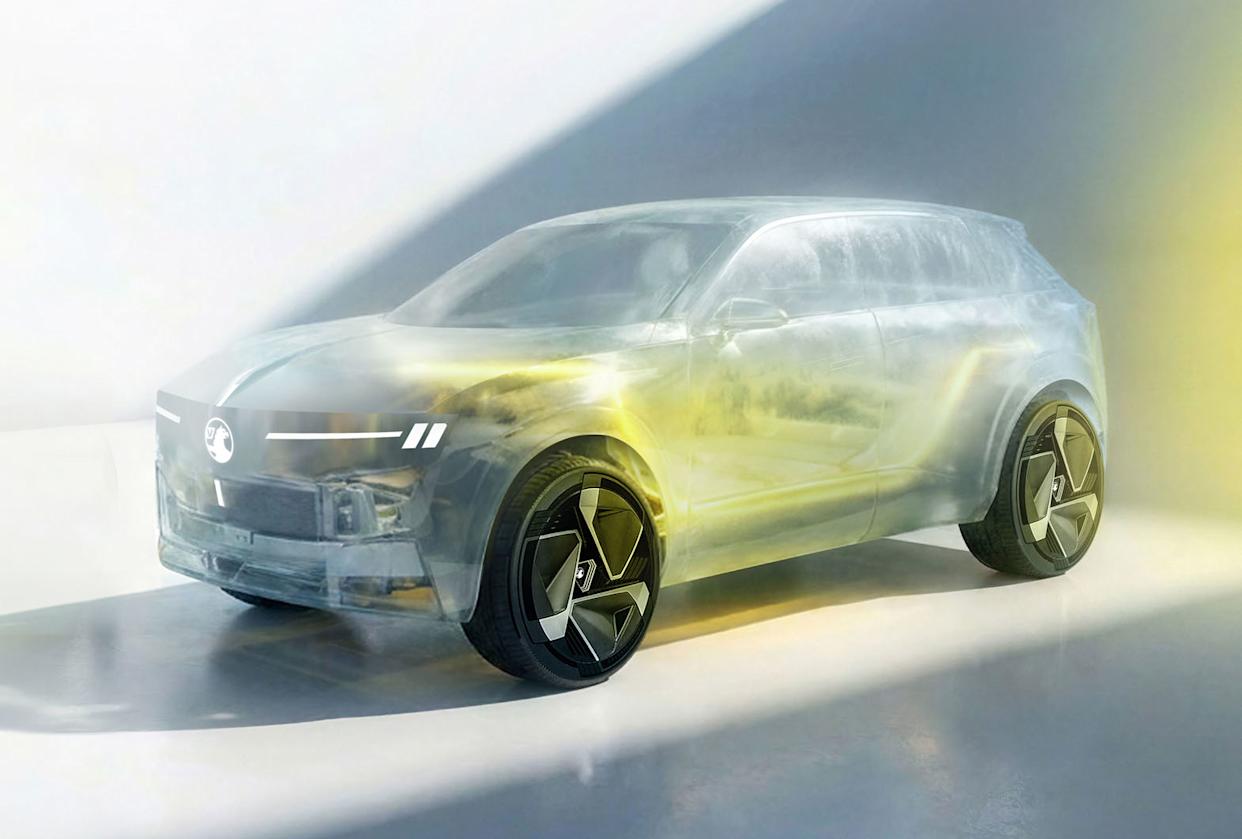
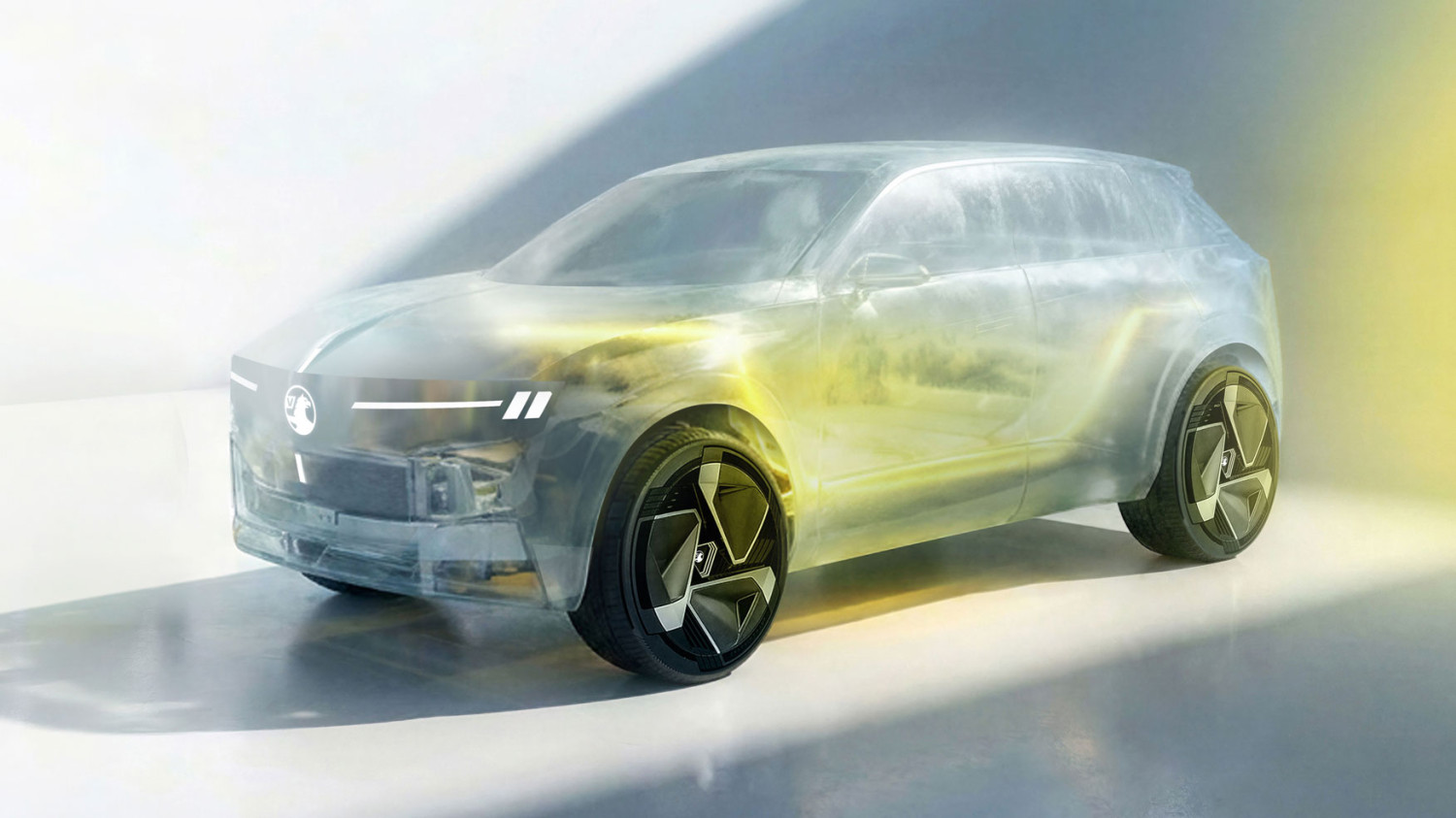
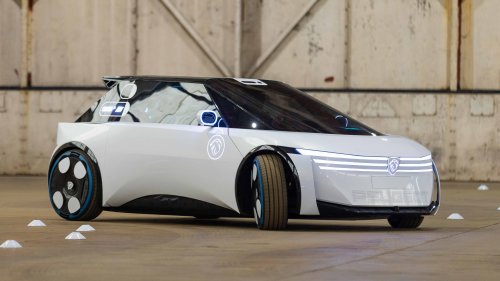
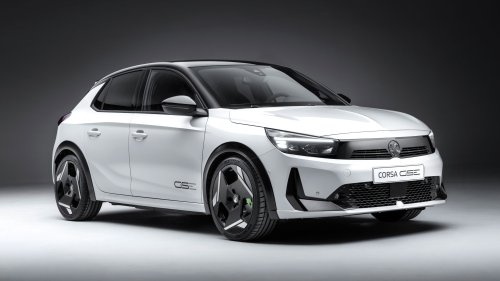
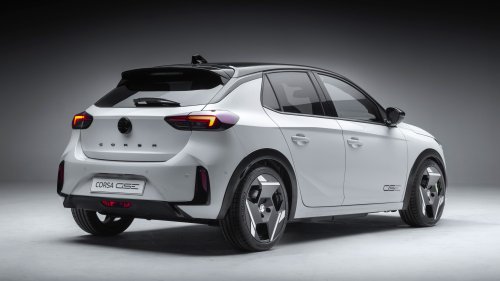
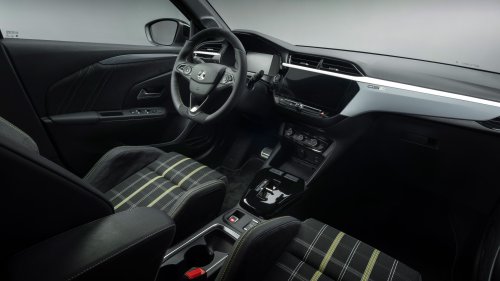
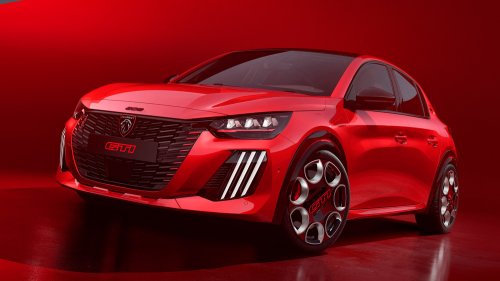
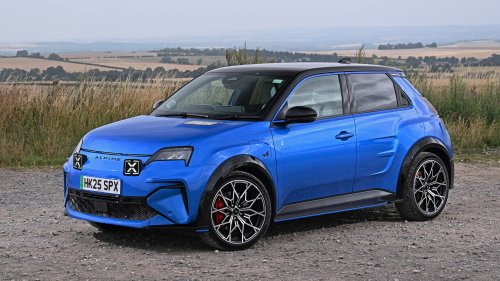
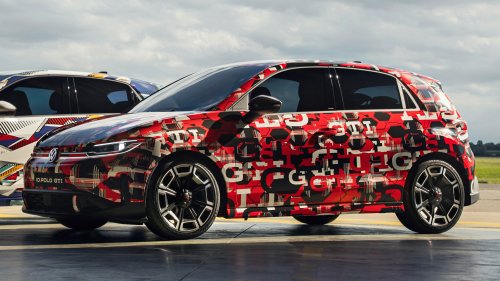
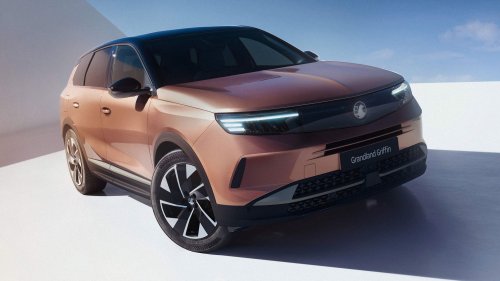
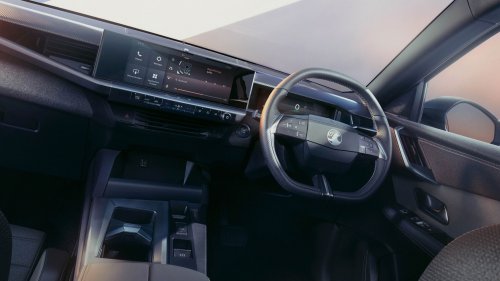
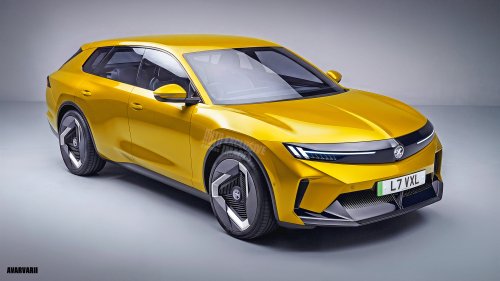
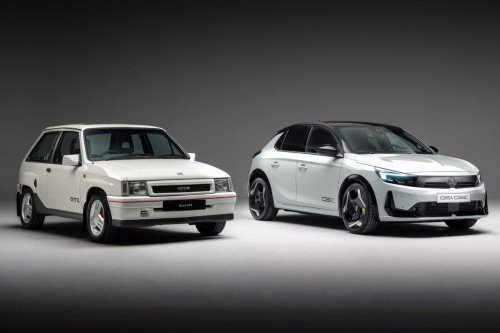
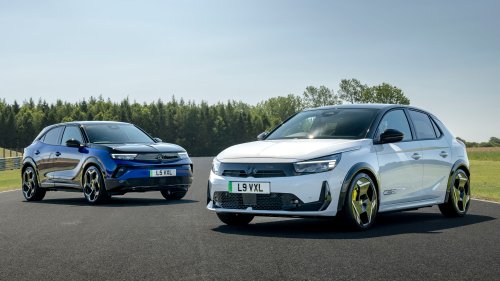
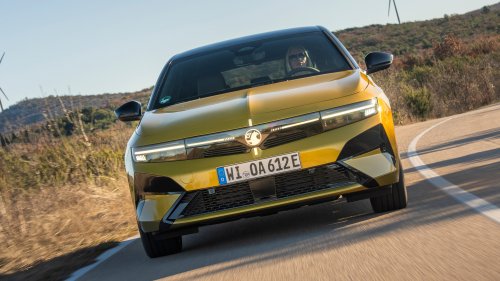
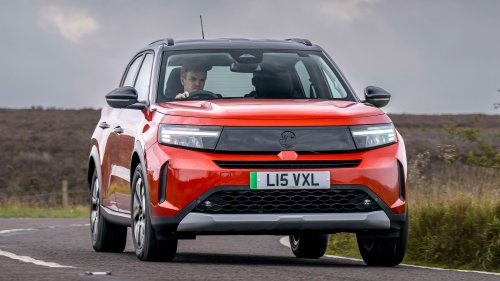
The Vauxhall Corsa is the UK’s best-selling small car so it’s not a huge surprise to hear it’ll live on with another generation. What is a surprise is that Vauxhall’s massively popular supermini is going all electric and parent firm Stellantis has just revealed some crucial new details. At Stellantis’ Investor Day, the giant global car maker announced a new platform called ‘STLA One’, which is set to underpin over 30 new models and help secure two million sales by 2035. One of those new models getting STLA One architecture is the Vauxhall Corsa, scheduled to launch in 2028. Unlike the current generation Corsa, which was a quick-fire development project completed while Vauxhall was integrated into the Stellantis group, the new Corsa has been given time to evolve into a more sophisticated supermini. It’ll do this by packing-in the latest and greatest tech from STLA One. Just like the current car does today, the new Corsa will share its underpinnings with the Peugeot 208. Stellantis had originally called the platform underpinning both cars ‘STLA Small’, though now it’s STLA One - which is a highly modular architecture that can cater for supermini B-segment cars like the Corsa, up to much larger D-segment family cars. STLA One will provide Stellantis with its first ‘software-defined vehicle’, which means that all of the car’s electronic elements talk in one common language through the one control unit, or ‘STLA Brain’ as Stellantis calls it. This both reduces complexity (and production costs) and allows the car to support more complex electronics and new-age hardware. As previewed by the Corsa GSE concept and its yoke-style steering wheel, one of these new elements will be steer-by-wire - which should provide better packaging in a small car with no steering rack needed. Vauxhall’s technical partner Peugeot is working on a similar set-up with its Hypersquare system, which we’ve already experienced on the Polygon concept. Another feature of STLA One is STLA ‘SmartCockpit’. It’s an ‘AI-native platform’ according to Stellantis and it’s essentially the background system that runs things like voice controls and the car’s infotainment. All cars on STLA One will use ‘SmartCockpit’ but will have different interfaces to suit their respective brands. While STLA One is able to support hybrid powertrains, the new Corsa will be available only in pure-electric form and we expect a range of new motors and batteries to be available. The battery size isn’t expected to grow too much from the current model’s 54kWh, but there will be gains in efficiency and therefore range. STLA One will be able to integrate the battery into the chassis or ‘cell-to-body’ as Stellantis calls it. The technology is used by other brands already, including Stellantis sibling, Leapmotor with its B10 and C10 EVs. Stellantis says that with ‘cell-to-body’, production costs are reduced as are weight and complexity. The Corsa’s battery is expected to power a single, front-mounted e-motor, with various power outputs across different models. By contrast, the Corsa GSE Vision Gran Turismo concept is driven by a dual-motor layout powered by an 82kWh battery pack, although this combination isn’t likely to reach production. What will reach showrooms is a slightly more sensible high-performance GSE production model that will share many elements with the next-generation Peugeot 208 GTi. The new car will be the first Vauxhall to only be sold as an electric car, despite the brand recently rowing back on its pledge to go EV-only by 2028 after growth in electric car sales fell below the predicted path. Demand may not have been as expected but Opel’s chief executive, Florian Huettl previously confirmed the new Corsa would cost from around 25,000 euros, a price point where he claims electric cars achieve price parity with petrol models. It will also undercut the current generation Corsa Electric when it arrives in the UK, putting it right up against the Renault 5, plus new offerings including the Cupra Raval, the next Peugeot e-208 and the Volkswagen ID.2. Huettl also said the current-generation Corsa could find its life extended to run alongside the new electric model if the transition to EV hasn’t gathered pace by the new car’s arrival. “We could run the ICE Corsa alongside the new battery only model,” he told Auto Express. “As we go along we will make the necessary choices by model and powertrain and try and be close to consumer demand.” But Huettl was keen to make the point that Vauxhall and Opel are still wedded to a move to full electric, even if the timescales have shifted back from the original all-electric goal of 2028. “We see virtually nobody going back once they drive a BEV, people don’t go back so we’re convinced it is the right direction. The current Vauxhall Corsa is available in petrol and pure-electric forms with the battery-powered version being offered right now with discounts as high as £11,000 through the Auto Express Buy A Car service - partly thanks to the Government’s Electric Car Grant. Thanks to the new Corsa GSE Vision Gran Turismo concept car that was displayed at last year's Munich motor show, we can also reveal what the new Corsa might look like. Ignoring some of the concept’s more extreme design elements, our exclusive image reveals how the production car will shape up. Mark Adams, Vauxhall’s director of design, assured us the Corsa GSE Vision Gran Turismo concept and the road-going 2028 Corsa are inextricably linked, sharing their core design language, bodywork and lighting designs. He told us: “This vehicle clearly combined not just the GSE vision, but we took Bold and Pure, which is our design philosophy, to the extreme.” Look past the huge wheel arches and exaggerated bumpers and you’ll note a range of familiar design elements that have been refined and placed onto a more confident and resolved body. Mark Adams continued: “I think the future reference you can already see with the signature elements, with the Vizor, with the sheer surfacing, but it’s not boxy. It’s still got some voluptuousness to it. We can really see it when we’re standing back.” But beyond the body, there are two key design elements that will be directly transferred into the new road-going Corsa. The first is that well-known Vauxhall Vizor grille, which traditionally has integrated the headlights into a single black panel across the nose surrounded in either chrome or black trim. For the future generation, the Corsa will shed the outer rim of the Vizor to feature a slimmer, cleaner look. This has change has already been referenced in Vauxhall’s other new models like the Grandland, but Mark Adams went on to tell Auto Express: “You’ll notice the Compass lighting signature, which we’ve already started to evolve it into something that truly lines up with the horizontal part of the Compass with these blocks. We’re really building more on the Compass lighting signature for the future.” Vauxhall has done this by putting lighting elements at the centre of the vizor, rather than around its edges. This is enabled by the use of new compact LED lighting up front that’s more subtle and integrated than the current generation Corsa’s. Like many current Vauxhalls, the roof will be available in a contrasting colour. However, this time, rather than using black or silver trim to split the colours, it’ll happen more organically on the C-pillar without any plastic trim. The production car will also feature four-doors, rather than the concept’s two. The production car should also see a simplified version of the concept’s glazed rear end, with a more traditional tailgate and lighting. We do expect the full-width rear lighting, including another Compass motif, to survive alongside a more geometric and aggressive rear bumper. Vauxhall is also rightly proud of the triangular rear wing, which it’s hoping to bring into production on the future Corsa GSE. By 2028 the supermini class will feature a range of fresh rivals that will make the new Corsa’s life quite difficult. The big one comes from Volkswagen, which has a new Polo-sized electric ID. Polo. Cupra’s closely-related Raval will precede it to market, and Skoda will have its own variant with the Epiq. Looking at France, the aforementioned Peugeot E-208 will share many of its key elements with the Corsa, and then there’s the Renault 5, which is already massively popular. Hyundai and Kia will also have their supermini-sized EVs on track by then. Regardless of how good the new Corsa will be, the market will be much tougher than when the original Corsa-e arrived in 2019. However, what we know so far suggests that the model has never been better geared up to lead its class – a first for a Vauxhall supermini in a very long time. Come and join our WhatsApp channel for the latest car news and reviews...