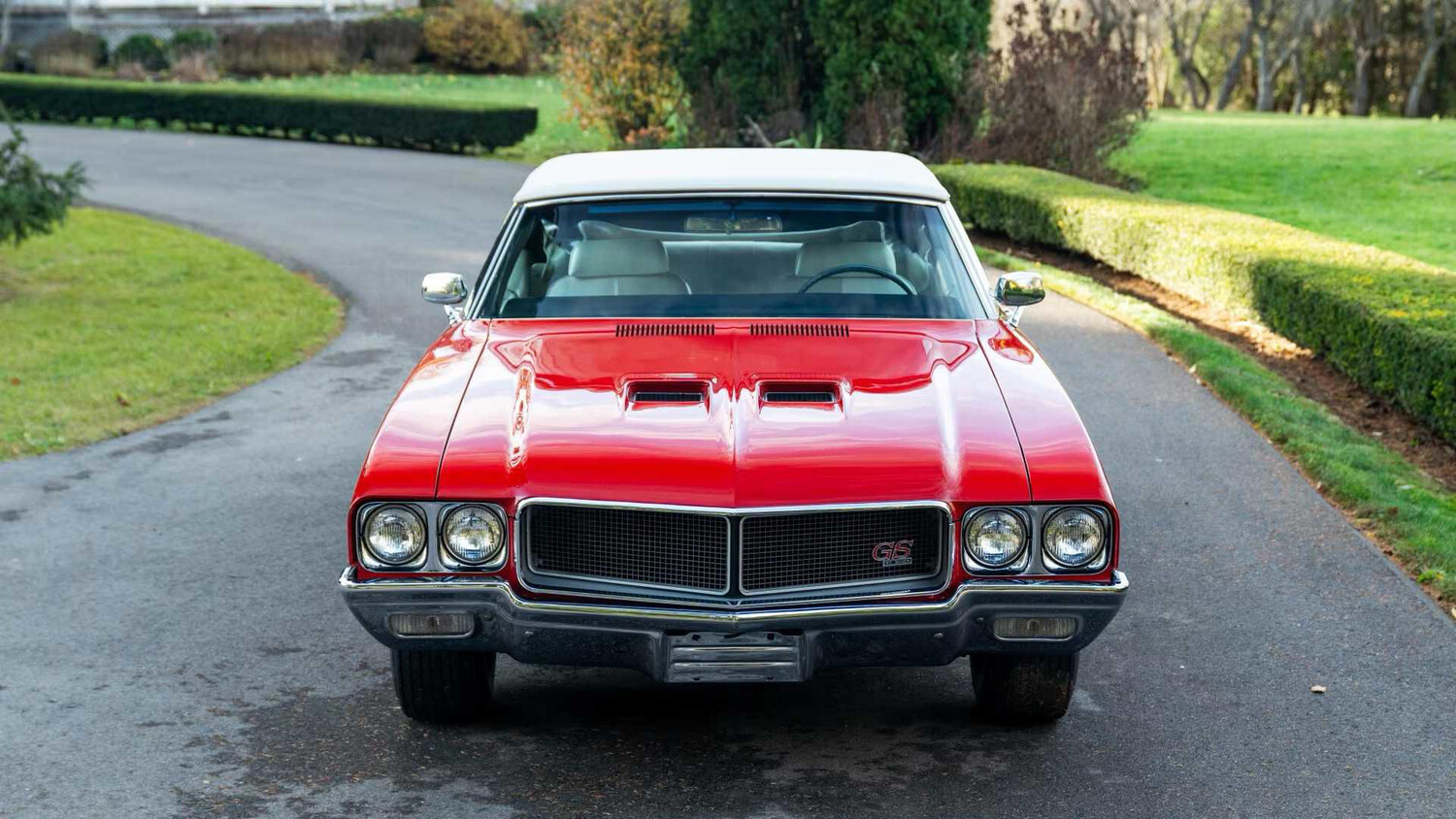
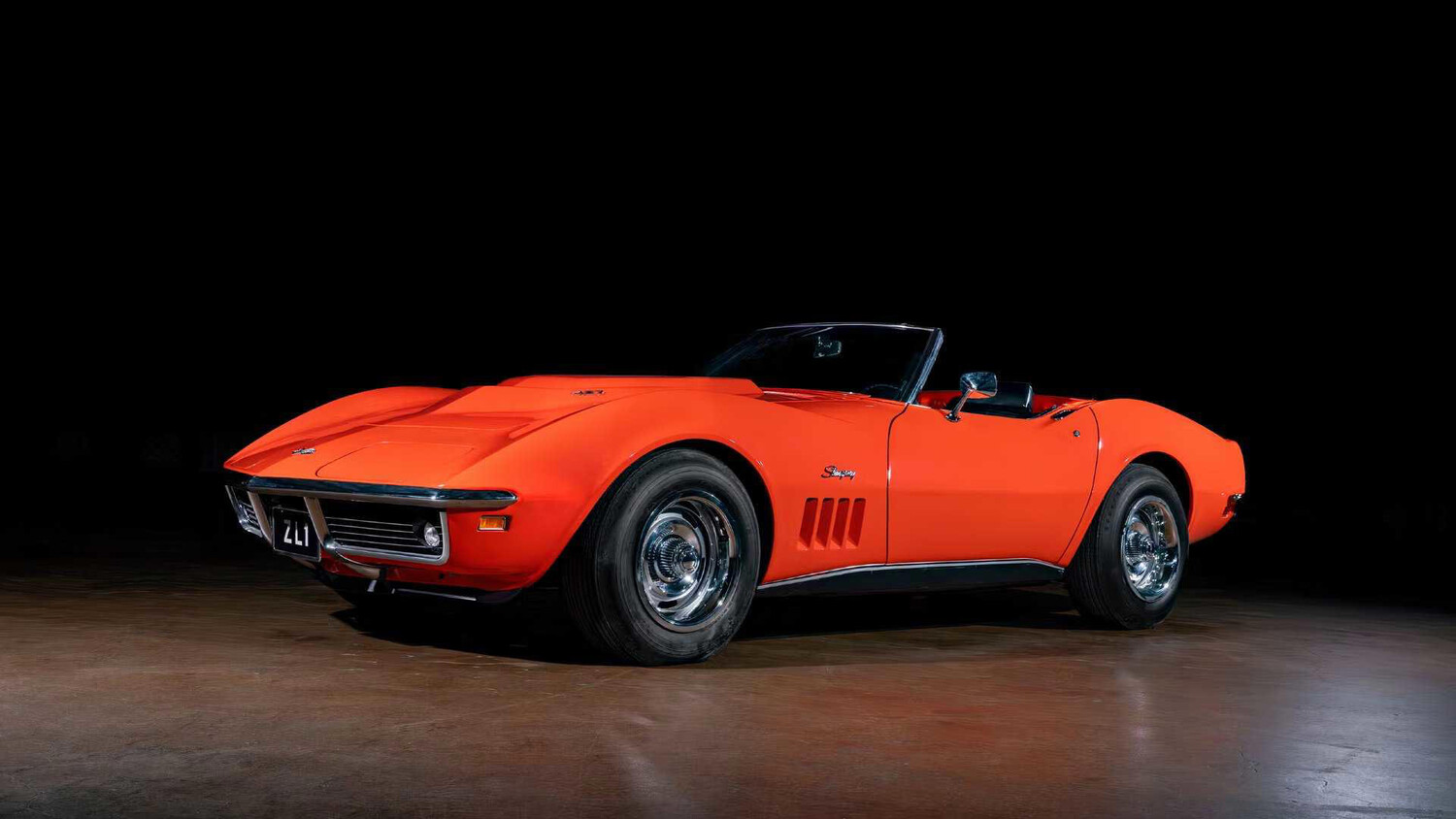
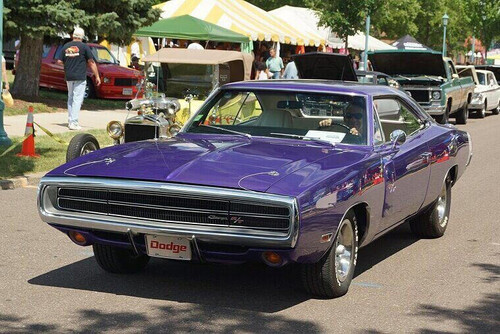
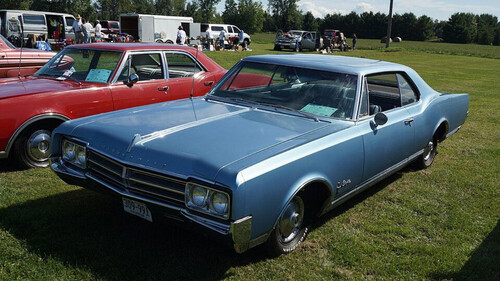
When muscle car collectors talk about rarity, the conversation usually circles back to the usual suspects, which include Dodge Charger Daytonas, Shelby GT500 Mustangs, and COPO Camaros. These cars pull big numbers at auction today, and for good reason. Their low production volumes, racing pedigrees, and brand legacy make them top-shelf collectibles.But what about the rest? Several muscle cars from the late 1960s and early 1970s had even lower production numbers, often because of bad timing, high price tags, or simply being overshadowed by better-known competitors. These weren’t poorly built or underpowered American muscle cars, they just didn’t fit the narrative at the time.We highlight eight of the rarest muscle cars ever sold to the public, none of which are Camaros, Mustangs, or Chargers. Every car here packed real performance, sold in limited numbers, and now holds a place among the most elusive models from the golden era of American muscle. 1971 Ford Torino Cobra 429 Super Cobra Jet Units Produced: 353 Units Via; Mecum AuctionsFord built just 353 Torino Cobras in 1971 with the 429 Super Cobra Jet V8, a factory-engineered street-legal drag package designed for NHRA Stock Eliminator racing. The 7.0-liter engine delivered 375 hp and 450 lb-ft of torque, paired with a 4-speed Toploader manual. The SCJ variant came with the Drag Pack: 3.91 or 4.11 gears, a remote oil cooler, solid lifters, forged internals, and a Holley 780 cfm carb. Curb weight came in around 3,900 lbs, giving it enough grunt to compete with factory HEMIs and LS6 Chevelles.While the Torino Cobra never gained the same recognition as the Mustang Mach 1, it was more brutal in intent. Most were ordered by buyers who knew exactly what they were getting. Today, surviving SCJ cars are highly documented and rarely offered for sale, with values steadily climbing among knowledgeable Ford collectors. 1970 Buick GS Stage 1 Convertible Units Produced: 232 Units Via: Mecum Auctions Buick built just 232 GS Stage 1 convertibles in 1970, and only 64 left the factory with the Muncie 4-speed manual, according to Mecum Auctions. Under the hood sat a 7.5-liter 455 V8 rated at 360 hp and a massive 510 lb-ft of torque, which is more than the HEMI and LS6 Chevelle. Most buyers opted for the 3-speed TH400 automatic, but the manual cars offered a rare blend of brute force and driver control.At around 4,100 lbs, it wasn’t light, but that torque made up for it. Buick underrated the engine to meet corporate image goals, yet this was one of the quickest muscle cars of its time in real-world testing. Long overlooked because of Buick’s luxury-first reputation, Stage 1 convertibles have become serious collector pieces, especially the few equipped with three pedals. Hagerty values them at $117,000 on average in good condition, but near-perfect examples can fetch close to $200,000. 1966 Oldsmobile 442 W30 Units Produced: 54 Units Via: Mecum AuctionsOldsmobile introduced the W30 option on the 442 in 1966 as a response to NHRA drag racing rules and factory performance wars. Only 54 cars received the package that year, all equipped with a 4-speed manual and a 6.6-liter 400 V8 using a Tri-Carb setup rated at 360 hp and 440 lb-ft of torque. According to Hemmings and GM documentation, the W30 added forced air induction through ducting from the high-beam headlight openings to the under-hood air cleaner, along with special camshaft tuning, revised valve springs, and a stripped interior to save weight.Curb weight came in around 3,600 lbs, and the W30 was factory-built to qualify for NHRA Stock class competition. It also marked the start of a serious performance lineage for Oldsmobile. With just 54 units made, the 1966 W30 remains one of the most elusive and historically important 442s ever built. 1971 Plymouth GTX 426 HEMI Units Produced: 30 Units Via: Mecum AuctionsIn 1971, Plymouth built just 30 GTX models with the 7.0-liter 426 HEMI V8, split between 19 with the Torqueflite automatic and 11 with the 4-speed manual, according to Mecum Auctions and Muscle Car Club. Rated at 425 hp and 490 lb-ft, the HEMI GTX delivered brutal performance, even as rising insurance costs and emission rules began to choke the muscle car market.The 1971 model featured a one-year-only fuselage body design before the GTX merged with the Road Runner lineup. By then, buyers were shifting toward cheaper muscle or abandoning it entirely. That makes the ’71 HEMI GTX an outlier: top-tier power with bottom-tier production numbers. Most buyers skipped the HEMI due to its price and complexity, but today, that rarity makes it one of the most collectible Mopars from the early 1970s. 1971 Pontiac GTO Judge Convertible Units Produced: 17 Units Via: Mecum Auctions In total, Pontiac built 11,004 units of the GTO Judge between 1969-1971. But they built just 17 GTO Judge convertibles in 1971, making it the rarest GTO Judge ever. Of those, only three combined the 7.5-liter 455 HO V8 with a 4-speed manual. The engine was rated at 335 hp and 480 lb-ft of torque, and it featured round-port heads, aluminum intake, and high-flow exhaust manifolds. Most cars used the Muncie 4-speed, although a few automatics were produced.By 1971, the Judge package was near retirement. Rising insurance costs, emission regulations, and shifting buyer tastes crushed sales. According to Muscle Cars Illustrated, Pontiac canceled The Judge mid-year, making these final convertibles an extremely short production.While earlier Judge models get the spotlight, the 1971 convertible commands far more value today because of its rarity. With documented builds so limited, even seasoned Pontiac collectors consider this a once-in-a-decade find when one shows up for sale. 1970 Plymouth HEMI ’Cuda Convertible Units Produced: 14 Units Mecum Auctions Only 14 HEMI ’Cuda convertibles left the factory in 1970, making it one of the lowest-production and most valuable Mopars ever built. Nine came with the 3-speed Torqueflite automatic, while just five received the 4-speed manual. All were powered by the 7.0-liter 426 HEMI V8, officially rated at 425 hp and 490 lb-ft of torque.Plymouth based the ’Cuda on the new E-body platform, which gave the car a wider stance and room to accommodate the HEMI’s size. These convertibles retained full factory trim but were serious performance machines. According to Mecum Auctions, the HEMI ’Cuda Convertible has since become a unicorn-level collectible, often exceeding seven figures at auction.It is a rare muscle car that marked the end of an era for open-air, big-block street performance. 1970–71 Dodge Coronet R/T 426 HEMI Convertible Units Produced: 2 Units MecumThe Dodge Coronet R/T convertible with the 426 HEMI engine is almost mythical in its rarity. Between 1970 and 1971, Dodge built just two units equipped with the 7.0-liter HEMI V8 and 3-speed TorqueFlite automatic transmission.Rated at 425 hp and 490 lb-ft of torque, the HEMI made this B-body drop-top an absolute sleeper. But by this time, Dodge had shifted all performance marketing toward the Charger, leaving the Coronet R/T to quietly disappear from the spotlight.This model never got the same attention as the Charger or Super Bee, which helps explain why so few exist. This combination of specs makes it arguably the rarest Dodge muscle car ever made, and almost never seen outside of high-end collections. 1969 Chevrolet Corvette ZL1 Units Produced: 2 Units RM Sotheby'sThe 1969 Corvette ZL1 was a factory drag racer disguised as a street car. Chevrolet only produced two Corvette ZL1 fitted with the all-aluminum 7.0-liter 427 cu in ZL1 V8. That makes it the holy grail of Corvettes, now worth $3.14 million. The engine officially made 430 hp and 450 lb-ft, but real-world output exceeded 550 hp. While generally the Corvette is a sports car, many muscle car enthusiasts consider big-blocked powered versions, like the ZL1, as a muscle car.Backed by the M22 4-speed and tuned for straight-line violence, the ZL1 could hit 60 mph in about 4 seconds. That was supercar-fast for 1969. What made it nearly impossible to order was the $4,718 engine option, which was more than the price of the base car. That cost and limited availability kept production to just two customer units, which makes it the rarest Corvette ever made.