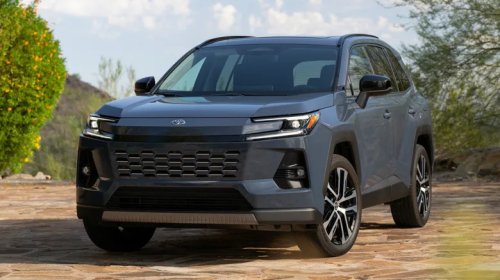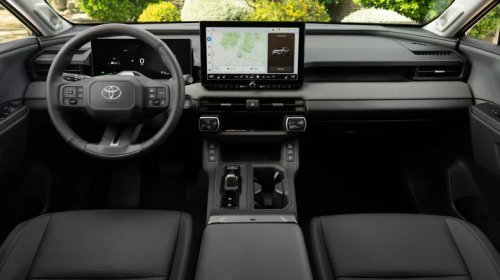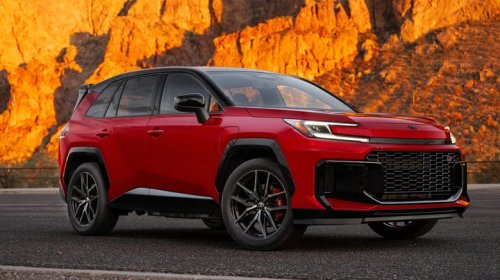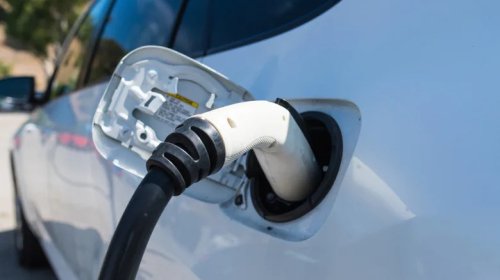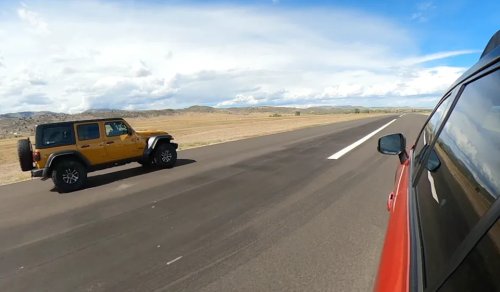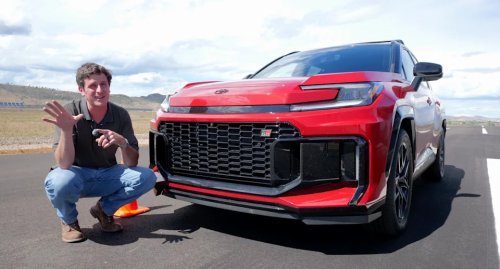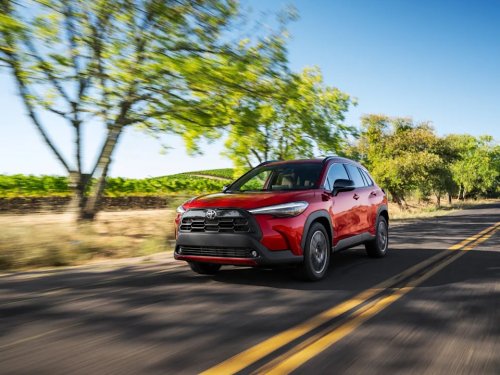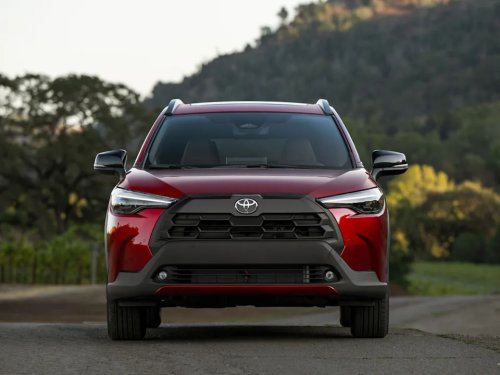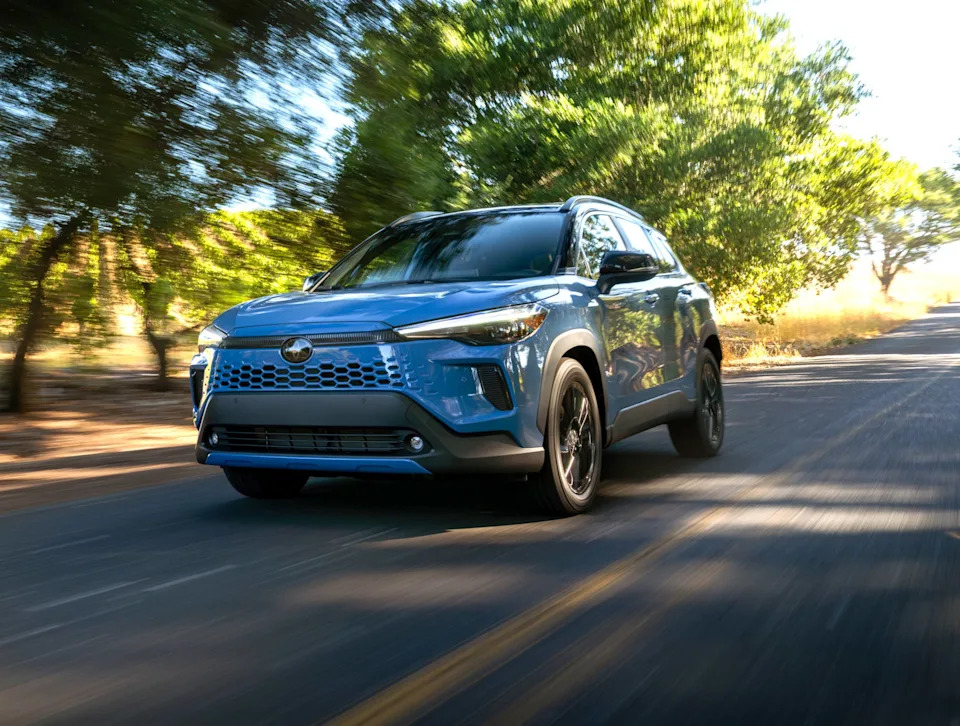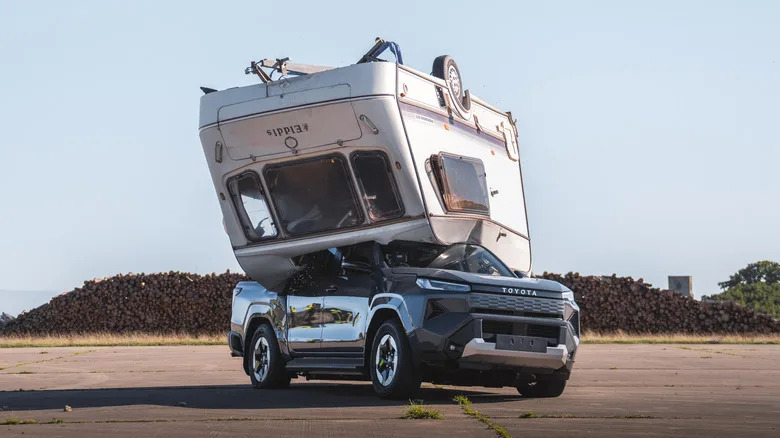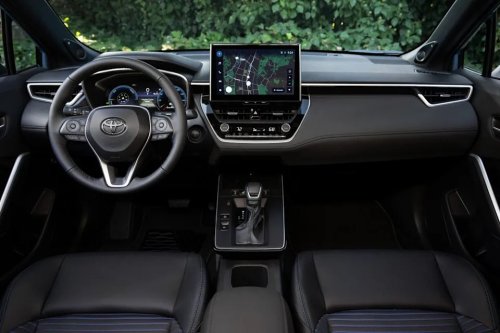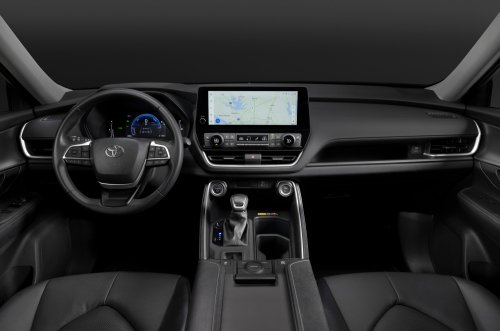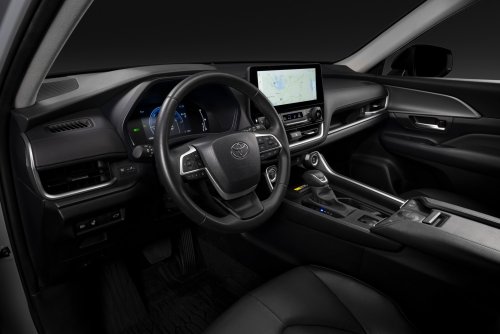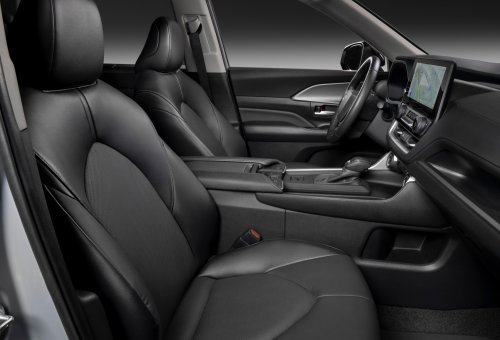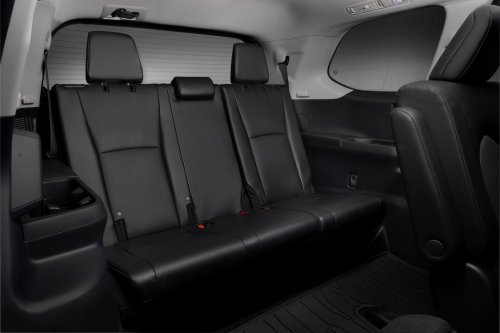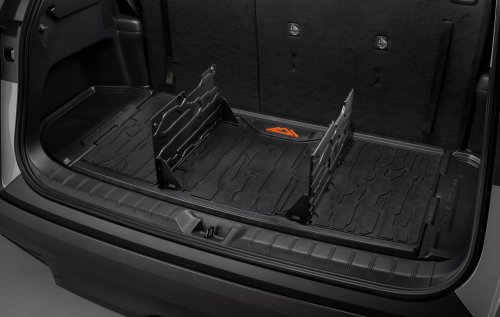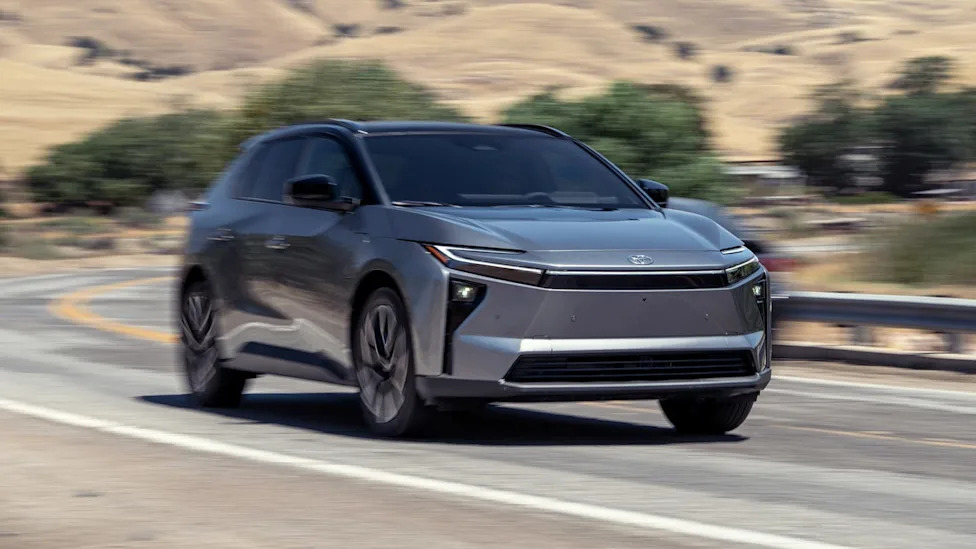



















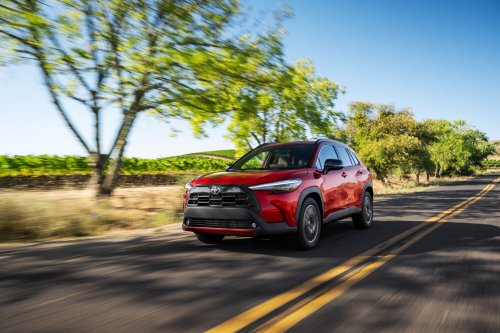
2027 Toyota bZMotorTrend - MotorTrendComfortable, polished rideStrong AWD accelerationGenerous standard equipmentMediocre fast-charging speedAwkward gauge placementReal-world range shortfallThe Toyota bZ has evolved from an awkwardly named early EV effort into a far more convincing electric compact SUV. Following a major refresh for 2026, the 2027 model returns unchanged with competitive range, stronger performance, and a generous standard feature set aimed squarely at mainstream EV shoppers.Electric compact SUV rivals include the Ford Mustang Mach-E, Hyundai Ioniq 5, and Kia EV6.What's NewThe Toyota bZ carries over unchanged for 2027. Its most recent major update arrived for 2026, when Toyota substantially refreshed the electric SUV and shortened its name from bZ4X to bZ.What We ThinkThe Toyota bZ has improved from a forgettable EV into a genuinely competitive electric compact SUV. Its 2026 overhaul brought more power, better range, easier charging access, improved tech, and cleaner styling, while preserving a comfortable ride and roomy cabin.On the road, the bZ feels surprisingly polished, with strong AWD acceleration, quick steering, and composed handling. Ride quality is a standout, though wind and tire noise keep it from feeling truly premium.Inside, passenger and cargo space are generous, and the infotainment system is much better than before. We still dislike the awkwardly positioned gauge cluster and some of the steering-wheel controls.Range and charging are more competitive, too, but highway efficiency and DC fast-charging performance still trail class leaders. Overall, the bZ is now a solid EV choice, especially for buyers who value comfort, space, and familiar Toyota manners.Top-Ranked Competitors:Hyundai Ioniq 5Ford Mustang Mach-EKia EV6MotorTrend TestedToyota offers the bZ with several output levels. The XLE FWD makes 168 hp, which Toyota estimates is enough for a 0–60-mph time of 8.0 seconds. The XLE FWD Plus and Limited FWD increase output to 221 hp, cutting the manufacturer-estimated sprint to 7.0 seconds.AWD models are considerably quicker. With 338 hp from two motors, the bZ XLE AWD accelerated from 0 to 60 mph in just 4.4 seconds in MotorTrend testing. The similarly powerful Limited AWD should do the same.That puts the quickest bZs right alongside the Kia EV6. Larger-battery EV6 models make 225 hp with RWD or 320 hp with AWD and reach 60 mph in about 6.5 and 4.5 seconds, respectively. The small-battery, 167-hp EV6 Light RWD takes about 7.5 seconds.EV Range and ChargingThe bZ offers EPA-estimated range spanning from 236 to 314 miles, depending on configuration. The XLE FWD uses a 57.7-kWh battery and is rated at 236 miles, while the larger 74.7-kWh battery enables 314 miles in the XLE FWD Plus, 299 miles in the Limited FWD, 288 miles in the XLE AWD, and 278 miles in the Limited AWD.Real-world results can be less impressive. In our Road-Trip Range test, the 288-mile-rated XLE AWD managed just 213 miles. For comparison, the Kia EV6 is rated at about 240 miles with its smaller battery, while larger-battery versions reach approximately 319 miles with RWD or 295 miles with AWD; the GT-Line AWD is rated at 270 miles.Every bZ includes a NACS port, giving it access to compatible Tesla Superchargers, along with adapters for J1772 and CCS charging. Its 150-kW maximum DC fast-charging rate is modest by current EV standards, and Toyota estimates a 10–80 percent charge takes about 30 minutes under ideal conditions.For home charging, the bZ has an 11-kW onboard charger. Toyota estimates a 10–100 percent Level 2 charge takes about seven hours using this source, and a dual-voltage charging cable is standard.Safety Ratings and FeaturesLast year's bZ earned several Good ratings from IIHS, though it received Acceptable scores in a couple of frontal crash tests. Headlights on vehicles built before June 2026 were rated Poor. Results should be similar for the 2027 model.Standard FeaturesToyota's driver assistance technology impressed us in testing, and every 2027 bZ continues to include the Toyota Safety Sense 3.0 suite. Standard features include front and rear automatic emergency braking, blind-spot monitoring, side cross-traffic alert, lane departure warning, lane keep assist, and adaptive cruise control.Available FeaturesLimited FWD and AWD models add Traffic Jam Assist, a 360-degree camera system, autonomous parking assist, lane change assist, and front cross-traffic alert.Cargo Space and Interior RoomThe bZ seats five and offers passenger space that compares well with the best in the class, including competitive front- and rear-seat legroom.Toyota does not publish maximum cargo volume with the rear seats folded. Cargo space also varies slightly by equipment, as the rear speakers included with the available JBL premium audio system reduce capacity.TechnologyInfotainmentInstead of a traditional hooded gauge cluster, the bZ uses a 7.0-inch driver display positioned high on the dashboard. A 14.0-inch touchscreen with wireless Apple CarPlay and Android Auto is also standard, along with dual wireless phone chargers and four USB ports.Sound SystemLower grades come equipped with six speakers. Toyota also offers a nine-speaker JBL premium audio setup.Available UpgradesThe bZ can be equipped with several upscale comfort and convenience features. Available upgrades include puddle lights, a panoramic roof, ventilated front seats, heated rear seats, a front radiant foot and leg heater, and a digital rearview mirror.ValueStandard FeaturesAt roughly $36,500, the 2027 bZ XLE FWD packs a strong amount of standard equipment for an electric compact SUV. It includes heated front seats and a heated steering wheel, a hands-free power liftgate, rear privacy glass, power-folding side mirrors, rain-sensing wipers, and 64-color ambient interior lighting.That comes on top of standard EV and tech features such as an NACS charging port, a 14.0-inch touchscreen, dual wireless phone chargers, and Toyota Safety Sense 3.0. The base bZ's generous feature set helps make its relatively affordable starting price one of the stronger aspects of the package.Recommended TrimWe recommend the XLE FWD Plus. Its larger battery boosts range to 314 miles while retaining the XLE's strong standard feature set, making it the best balance of value and everyday usability.