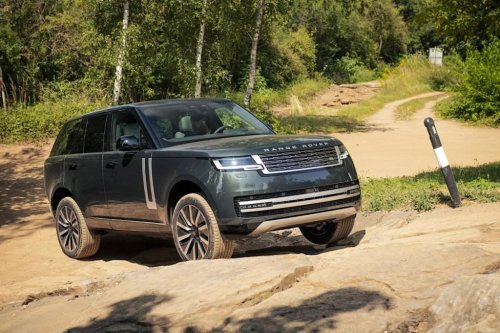
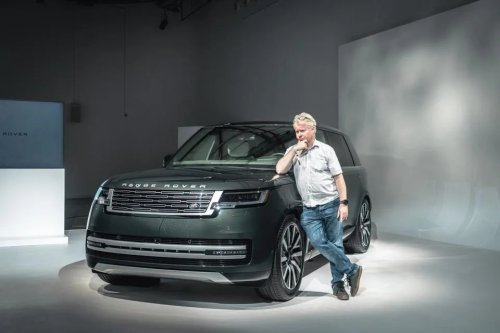
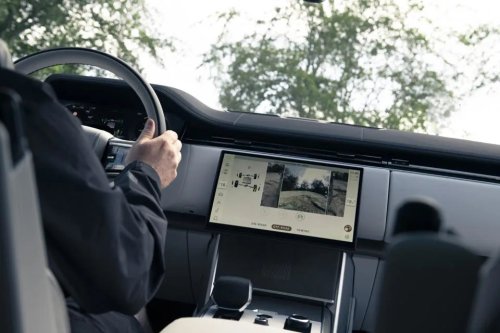
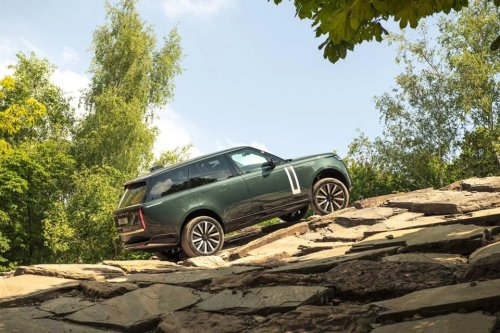
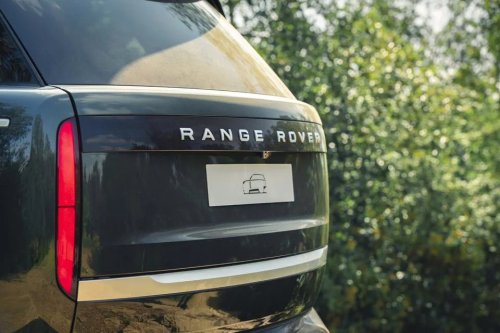
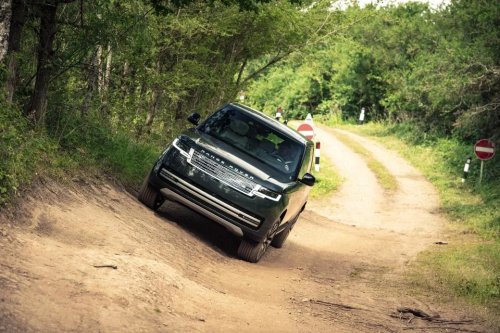
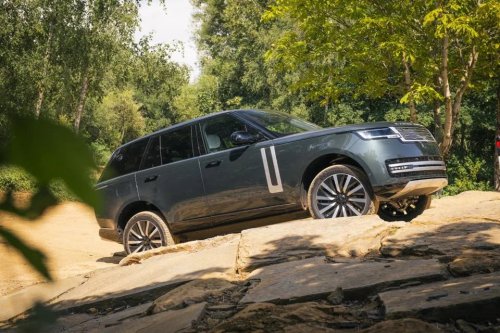
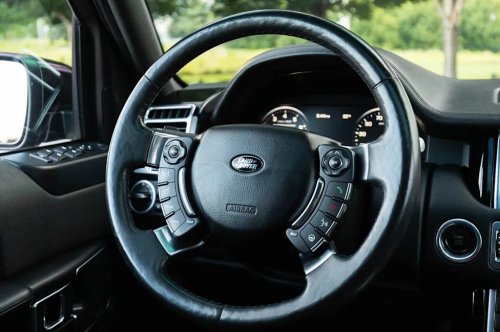
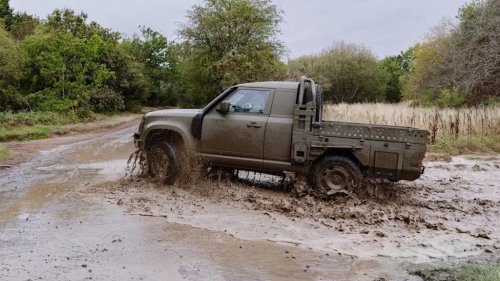
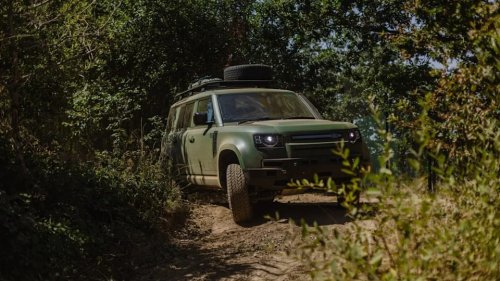
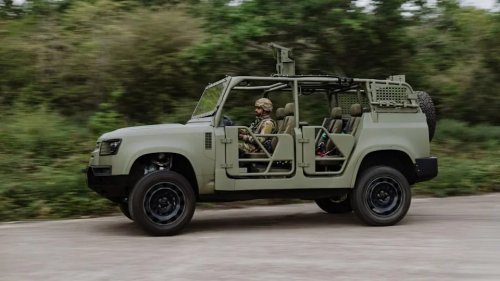
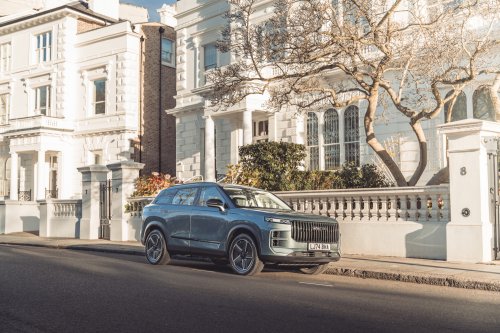
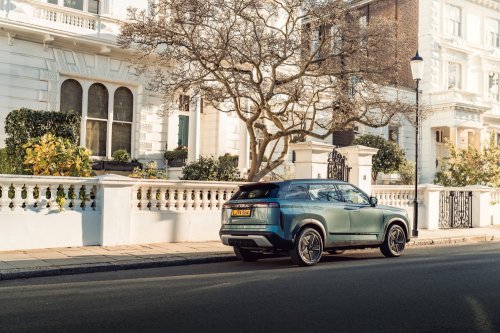
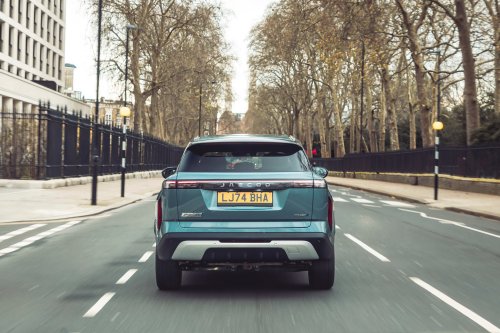
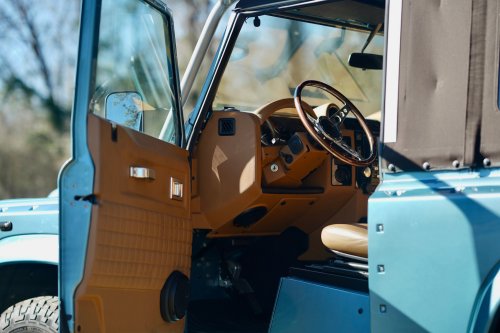
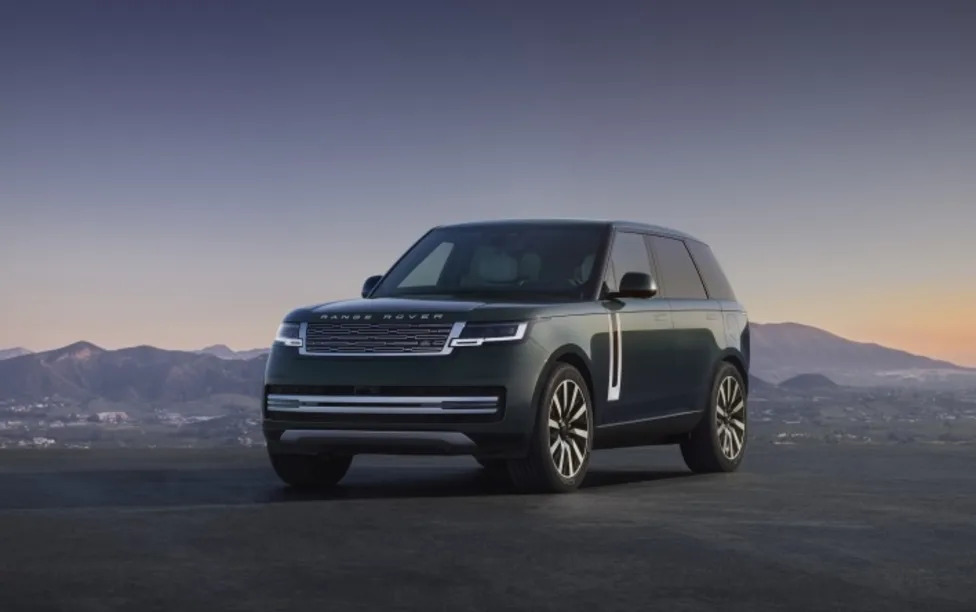
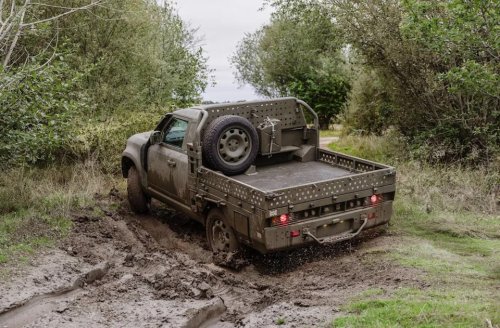
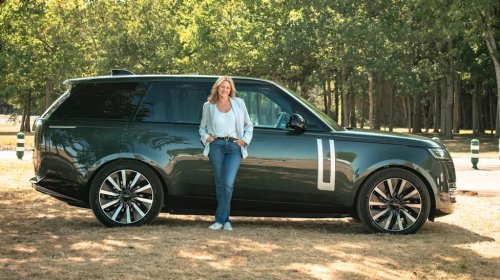
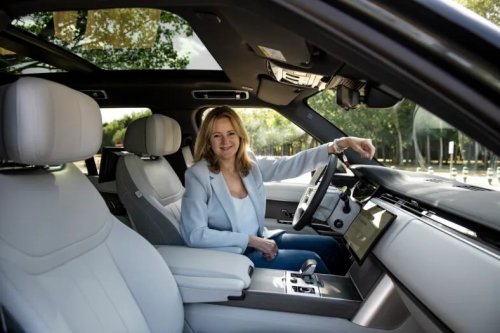
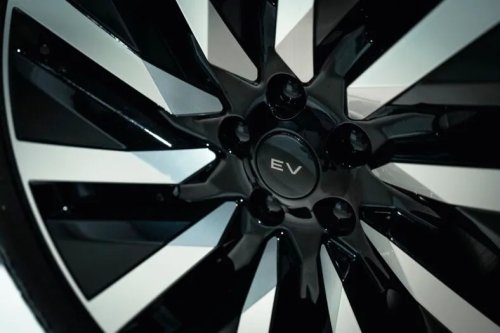
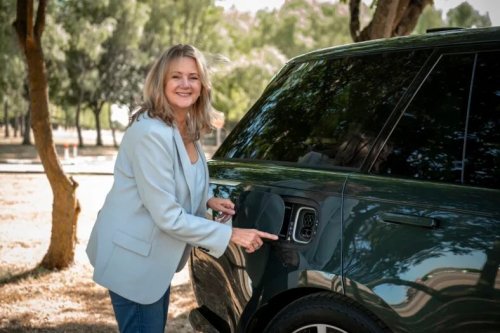
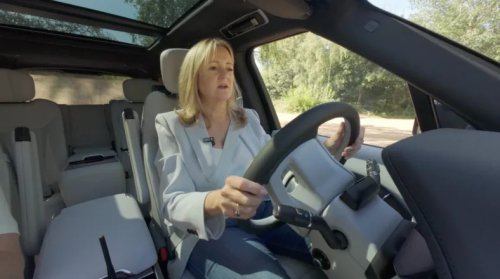
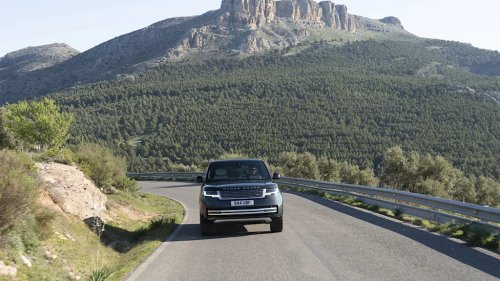
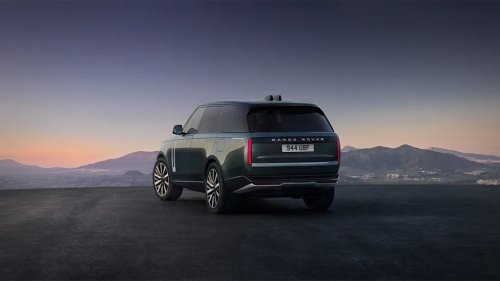
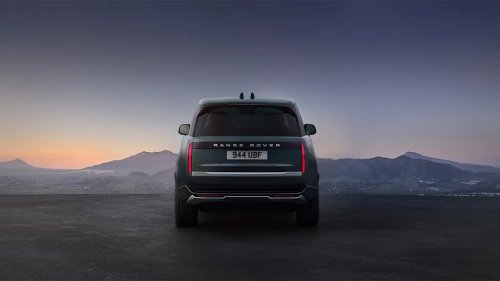
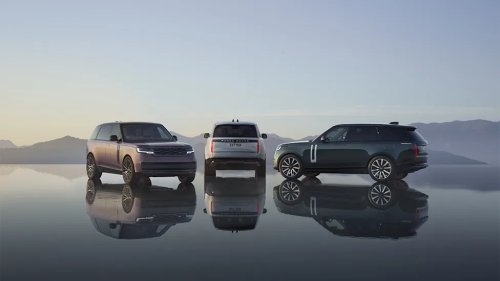
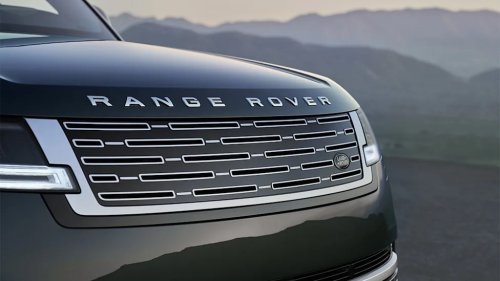
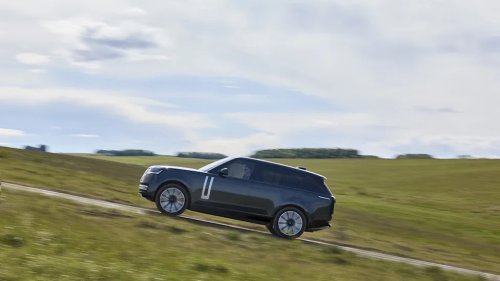
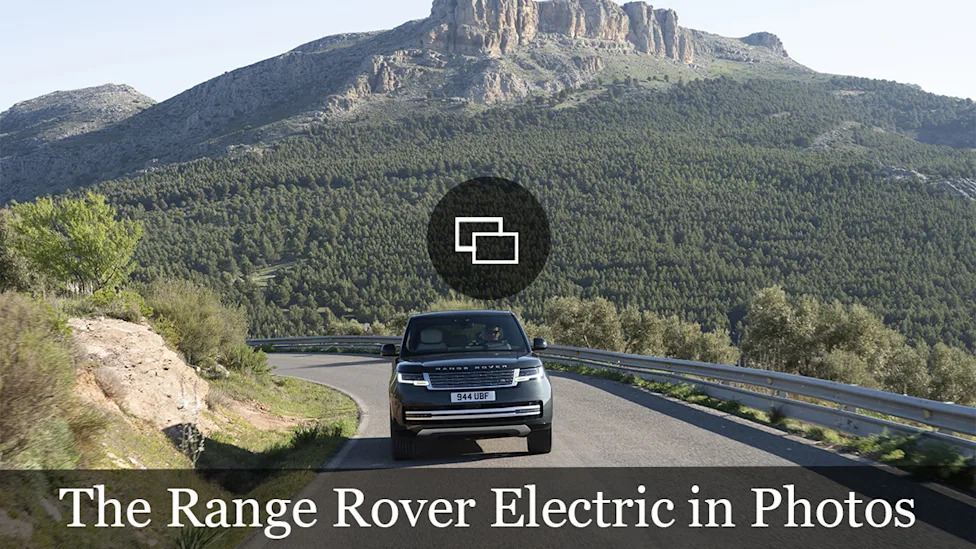
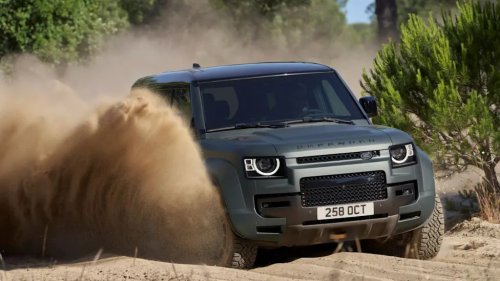
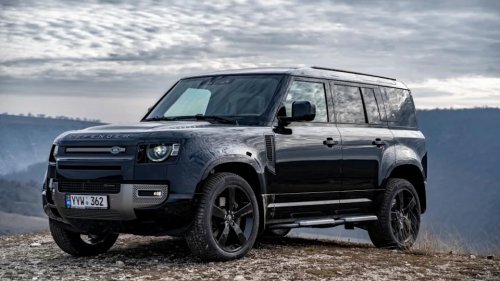
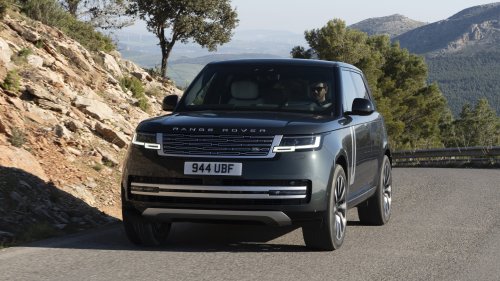
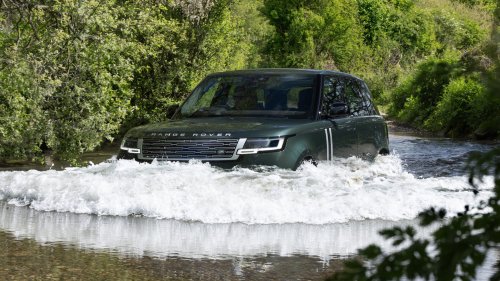
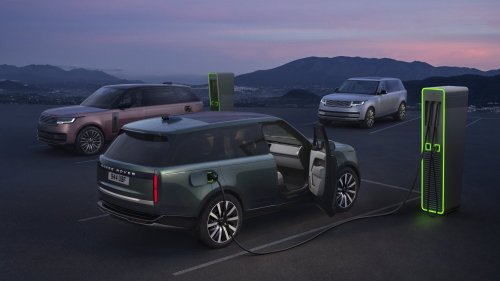
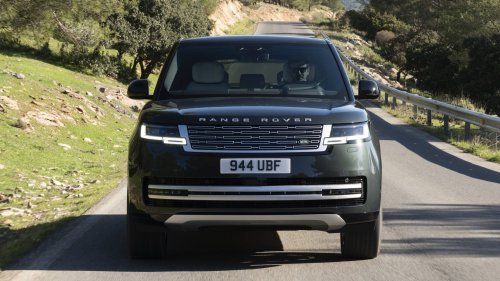
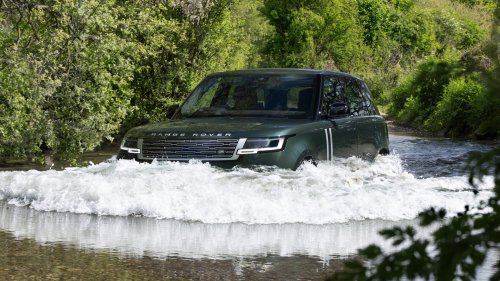
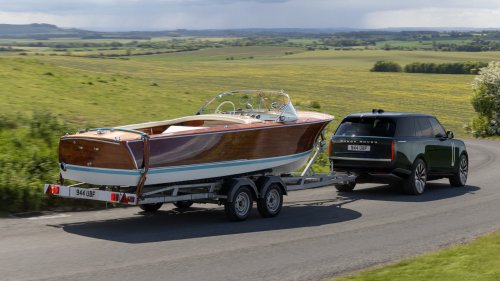
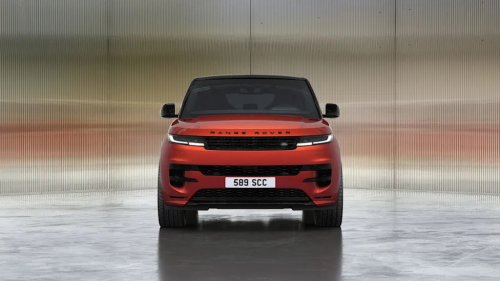
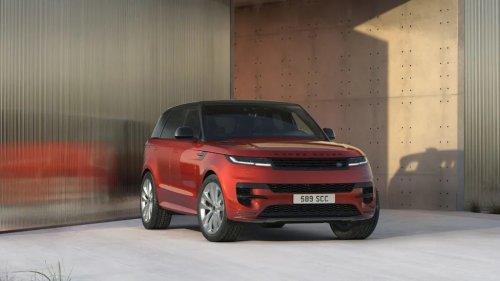
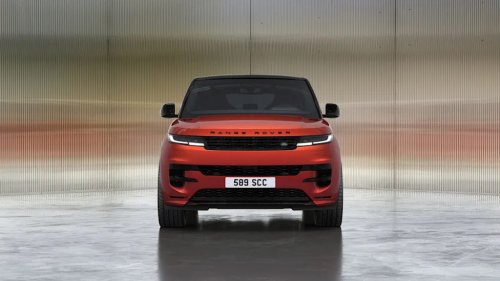
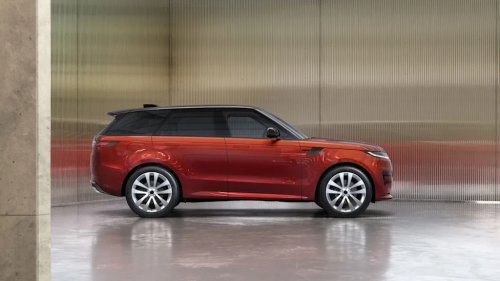
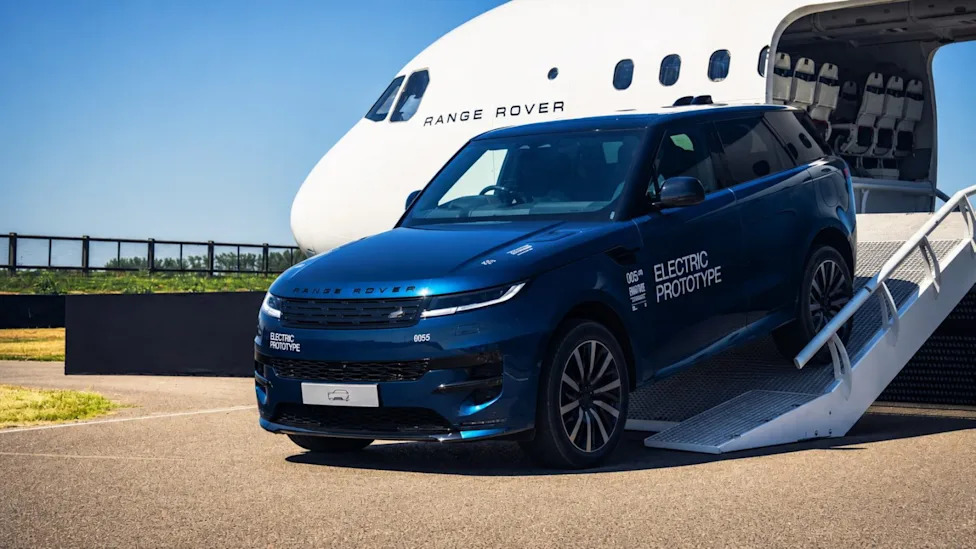
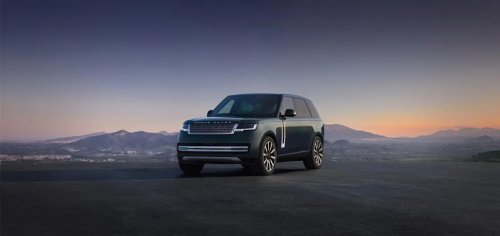
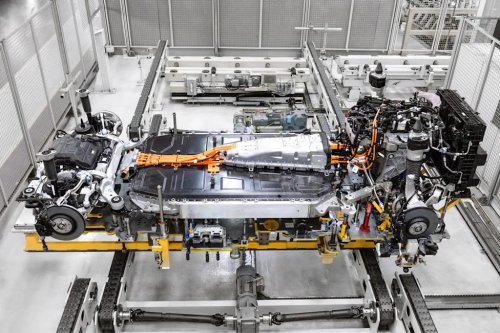
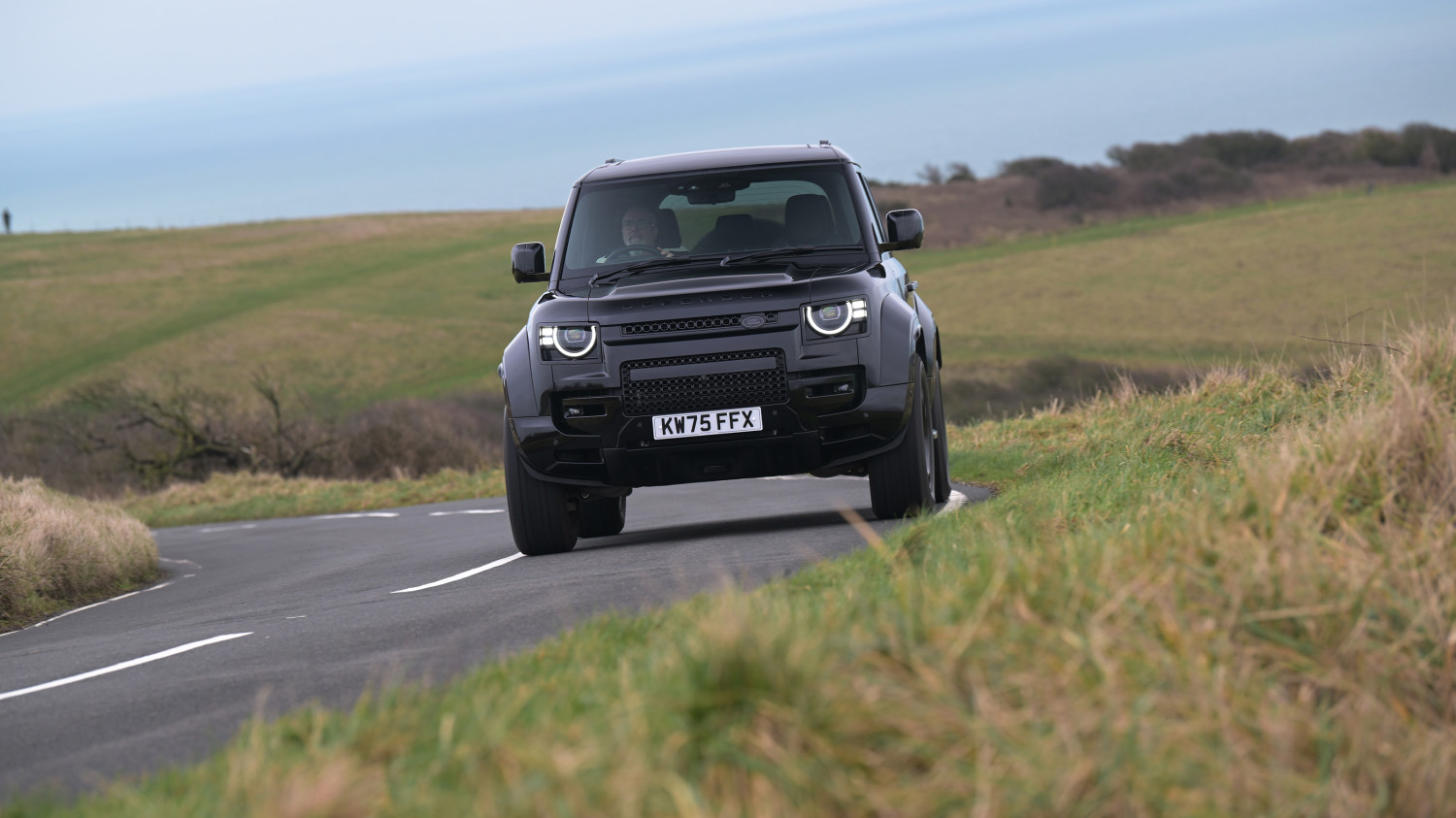
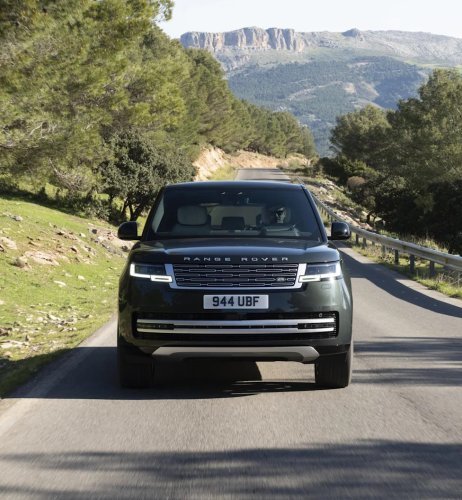
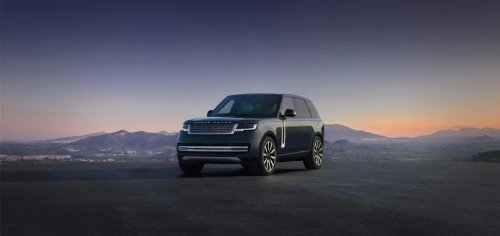
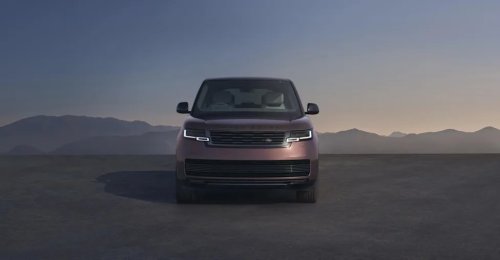
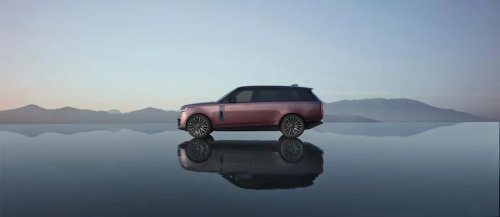
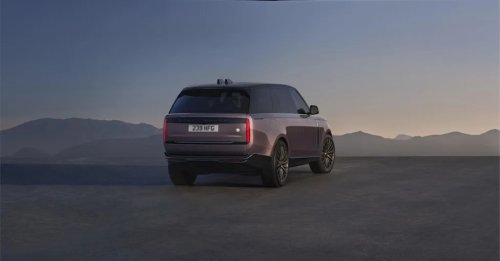
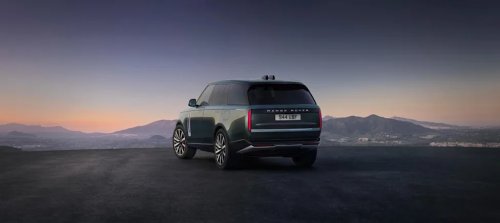
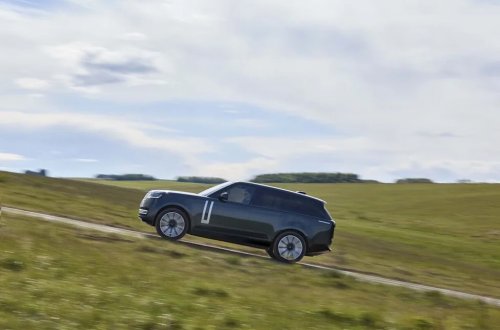
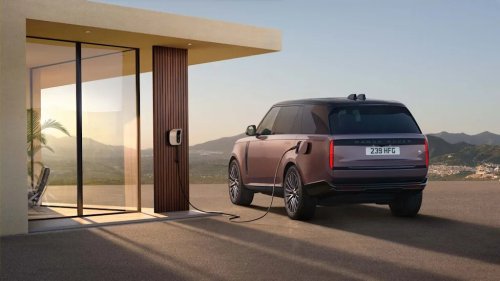
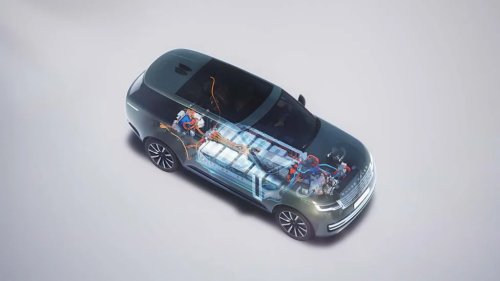
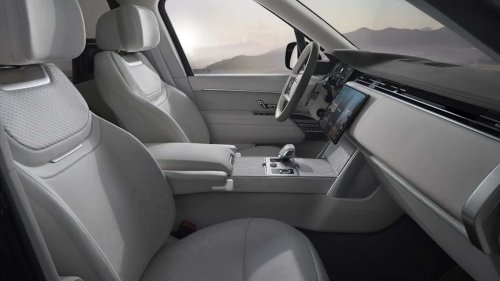
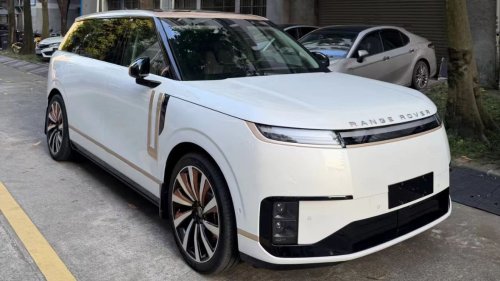
The Range Rover Electric is just as accomplished off road as other versions.JLRThe Range Rover Electric has arrived at a difficult moment for premium EVs. Some automakers are slowing their electric plans, buyers remain sensitive to price, and public charging is still inconsistent in many markets. Range Rover's answer is not to make a conspicuously futuristic electric model, but to electrify the flagship its customers already know. I got to try it out at the UK launch at JLR's headquarters in Gaydon.Range Rover's approach sounds conservative until you drive it away from the pavement. I spent most of my time with the new Range Rover Electric off road on JLR's Gaydon test track, where its combination of immediate torque, precise low-speed control and familiar chassis capability made the case more convincingly than any specification sheet. The important result is not that this battery-powered SUV can survive an off-road course. It is that, from behind the wheel, it feels just as capable as any other Range Rover. Maybe even more so.UK order books open with the EV550 Autobiography short-wheelbase model at £154,070 ($209,000) on the road – £46,540 ($63,000) more than the entry-level D300 diesel SE version. A First Edition starts at £157,610 ($213,000), while the SV range begins at £176,230 ($239,000) and stretches beyond £225,000 ($305,000) in long-wheelbase SV Black and Ultra forms. Range Rover has not yet supplied an official US price or EPA range in the UK launch material, but the vehicle will be sold globally, including in the United States. Buyers can choose short- or long-wheelbase bodies and Autobiography, First Edition, SV, SV Black and SV Ultra specifications, depending on market.Range Rover Electric: Range Rover First, EV SecondMartin Limpert, managing director of Range Rover, describes the product strategy in a deliberately inverted way. "We are not launching an electric Range Rover," he says. "We are launching the Range Rover with an electric powertrain." This contrasts with the EV-first strategy of the recently announced Range Rover GT.AdvertisementAdvertisementThe distinction explains why there is no radical EV-only silhouette or cabin. The body remains recognizably Range Rover, with changes concentrated on an aerodynamically optimized grille, wheel designs and underbody. Passenger space, materials and the commanding driving position are not sacrificed to advertise the propulsion system. Limpert says customers had given the company a simple instruction: "Make it look like a Range Rover, make it feel like a Range Rover, make it drive like a Range Rover, and then just make it better where electric makes it better."There's very little indication that the Range Rover Electric is an EV from the outside.Electric propulsion is unusually well matched to a vehicle the appeal of which rests on quietness and effortlessness. It removes combustion vibration and gear changes while delivering torque immediately. Limpert, who calls himself a petrolhead (gearhead to American readers), says the electric model won him over through the calmness of its cabin and the ease with which it can climb rocks using only the accelerator – something I also experienced at Gaydon. His conclusion is that it remains a "true, honest, genuine Range Rover," with no loss of space, luxury or breadth of capability.Big Battery, V8-Level Performance With Range Rover ElectricUnder the floor is a usable 118.5-kWh lithium-ion battery containing 344 prismatic cells in a double-stacked arrangement. Range Rover says the pack's energy density and packaging preserve the proportions and capability of the existing MLA architecture. An 800-volt electrical system supports high-power charging and a split-charging design intended to make the large battery adaptable to different charger voltages, such as the more common 400V devices.A permanent-magnet motor at each axle is rated at 260 kW. Combined system output reaches 550 metric horsepower, or about 542 hp, with 850 Nm (627 lb-ft) of torque. Range Rover quotes 0-60 mph in 4.3 seconds and 50-75 mph in 2.7 seconds. Those are sports-car numbers, but the calibration is intended to deliver progressive force rather than a theatrical EV launch. During my test-driving, delivery was smooth but forceful rather than abrupt.The Range Rover Electric's off-road functions are even easier to use than previous models.Chief program engineer Simon Fairbrother said the team switched from induction motors to permanent-magnet units relatively late in development. The timing was challenging, but the engineering decision was straightforward: "The data told us what we needed to know." The resulting motors use silicon-carbide semiconductors and are claimed to produce 20% more torque than other motors of the same size, helping balance efficiency, packaging and low-speed control.AdvertisementAdvertisementThe headline European range is up to 372 miles under WLTP testing. Range Rover also cites up to 333 miles on its standardized real-world route. Neither figure should be treated as an EPA estimate, and actual range will depend heavily on speed, weather, terrain, payload and the use of cabin systems. Nevertheless, exceeding 300 real-world miles would make the Electric practical for the way many luxury SUV owners use their vehicles.First Drive: The Road Is Optional For Range Rover ElectricMy launch drive was weighted heavily toward off-road terrain with very little time on tarmac, so this is not yet a complete verdict on motorway efficiency, high-speed wind noise or long-distance charging. It did, however, test the quality that matters most to the badge. Range Rover has spent decades making large, luxurious vehicles feel untroubled when the surface deteriorates, and the Electric version preserves that character.The strongest impression was how little the driver needed to change. The familiar view out, predictable body movements and fine control at low speed made it easy to place, while the electric motors delivered force smoothly rather than arriving in pulses through a transmission. Instant torque can make a powerful EV abrupt, but here it was an instrument of precision. Progress felt measured and calm, even when the vehicle was working hard underneath. Particularly impressive was the Range Rover Electric's ability to climb a boulder-strewn hill. Anybody could do it if they take it slow and easy.Climbing a rocky hill with the Range Rover Electric is easy for a non-expert off-road driver.Range Rover's new Integrated Traction Management can adjust motor speed in as little as 50 milliseconds, which the company says is up to 100 times faster than an equivalent combustion-engine control system. Intelligent Driveline Dynamics can vary rear-axle torque from 100% to zero to contain slip. From the driver's seat, the effect is an absence of drama: the car finds grip and continues rather than making the electronics' intervention the event.AdvertisementAdvertisementSingle Pedal mode has also been developed for terrain rather than merely urban convenience. It can even provide a sort of hill descent control, although a dedicated function of course remains for this, and it's as effective as ever. Range Rover says the vehicle can pull away on a 33-degree slope and complete a rolling climb of up to 45 degrees using accelerator control. It retains 450 mm (17.7 inches) of wheel articulation and can wade through 900 mm (35.4 inches) of water, matching the kind of hard figures customers expect from the combustion models.Fairbrother is particularly proud of "the way in which the car can find grip when seemingly there is no grip." My drive supported his confidence. The Electric did not feel like a road-focused luxury EV being carefully shepherded through a demonstration. It behaved like a Range Rover where the power source happened to be a battery. Based on this off-road introduction, electrification has neither diminished its ability nor made that ability harder to access. If anything, the precision of electric drive makes the capability easier to exploit even if you're not well versed in off-road driving.Engineering Out The Range Rover Electric CompromisesAchieving such effortless off-road abilities required more than installing a battery and two motors. The Range Rover Electric has completed more than 1.5 million kilometers (approximately 932,000 miles) of physical testing, alongside more than 250,000 hours of virtual work. Development covered temperatures from minus 40 degrees Celsius in Arjeplog, Sweden, to desert heat in Dubai, as well as JLR's Eastnor Castle off-road facility in Britain.This shows how seriously engineers treated the instruction not to reduce capability. Dual isolation for the electric drive units improves refinement, but their dimensions and movement changed driveshaft geometry. The easy solution would have been to restrict suspension travel. Instead, Fairbrother said the team redesigned the damper yoke to preserve the full 450 mm of wheel articulation. "We've always said it's got to be comparable in every way with the combustion engines," he explains.The Range Rover Electric has the same luxury finish as other models.The Range Rover Electric's weight was attacked in similarly granular fashion. The Electric is only about 75 kg (165 lb) heavier than the V8 model, despite carrying a vast battery. Aerodynamic 21- and 22-inch wheels are among the lightest in the range, while engineers revisited acoustic components originally designed to suppress combustion frequencies, which are unnecessary in an EV. Fairbrother likens the process to replacing a thousand steel bolts with titanium ones: an individual saving can appear insignificant, but the total becomes meaningful.AdvertisementAdvertisementThermAssist, one of the technologies included in more than 300 patent applications associated with the vehicle, manages heat for the cabin, battery and charging system. Range Rover claims it can reduce heating energy use by 40% and add up to 25 miles of range in relevant conditions. Each vehicle also has a Battery Digital Twin monitoring more than 900 diagnostic data points, supporting predictive maintenance and software updates. The electric propulsion system carries an eight-year or 100,000-mile warranty (typical for an EV), although exact terms may vary by market.A Flexible Global Bet On Range Rover ElectricThe Range Rover Electric is built at Solihull in England on the same production line as Range Rover and Range Rover Sport models with combustion, mild-hybrid and plug-in-hybrid powertrains. Its batteries and electric drive units come from JLR's Electric Propulsion Manufacturing Centre in Wolverhampton, where internal-combustion engines are also produced. This mixed approach is as much a business strategy as an engineering one.Limpert acknowledges that EV adoption has developed differently from expectations four or five years ago. Flexible production allows JLR to respond by region without forcing unwanted inventory into markets. He expects stronger uptake in the UK and Northern and Western Europe, where charging infrastructure and regulation are supportive, but potentially slower adoption in the Middle East and parts of the US. California and the West Coast are exceptions, he says, with customers already anticipating an electric Range Rover.My test driving of the Range Rover Electric was primarily on the JLR Gaydon off-road track.The company is aiming for a "demand-driven pull over push business model," according to Limpert. That is a useful hedge for a vehicle arriving while luxury buyers are divided over propulsion. Customers who tow long distances can retain a diesel where it is offered; others can choose a plug-in hybrid or V8. The factory can alter the mix, within supply-chain constraints, rather than betting the Range Rover franchise on a sudden all-electric conversion.AdvertisementAdvertisementHome charging may also reach buyers who have rejected combustion luxury SUVs for reasons that rarely appear in EV surveys. Fairbrother says JLR's research found some high-net-worth customers dislike visiting fuel stations because a conspicuous vehicle can make them feel vulnerable. Charging at home removes that interaction. Range Rover also cites loyalty of around 70% in both the UK and US, giving it an unusually receptive existing audience.Is The Range Rover Electric Still A Car 'For Every Occasion'?A Range Rover has never been defined only by what it can do off road. Its broader promise is to cross difficult terrain and then settle into the role of a quiet, comfortable long-distance car. With up to 372 miles WLTP and 333 miles on Range Rover's standardized real-world route, the Electric appears to retain that breadth.On a sufficiently powerful 350-kW DC charger, Range Rover says 10-80% takes about 22 minutes, while 10 minutes can add 137 miles of WLTP range. The company has not stated how long maximum power is sustained, so independent charging-curve testing remains important. But ThermAssist is designed to protect range and charging performance in extreme temperatures, while the app can schedule home charging and display predicted range. Start full, cover a long motorway leg, recharge over coffee and then head off road: on paper, this could still be a Range Rover for every occasion, just like other members of the range.The Range Rover Electric fulfils the brand's promise of a car you can take anywhere.Fairbrother jokes that the Range Rover Electric is "reassuringly expensive," but says it has been priced in line with other current MLA-based models. At more than £154,000 in Britain, this is clearly not an EV intended to democratize electric travel, coming in well above already pricey combustion equivalents from the brand. Its job is narrower and perhaps harder: to show that the qualities for which Range Rover charges so much can survive a fundamental change in propulsion.AdvertisementAdvertisementAfter driving it mostly off road, I can confirm that Range Rover Electric preserves the essence of the marque. Questions remain about real motorway range, the charging curve and how US EPA testing will translate the European claims. But on the terrain that defines the brand, the Range Rover Electric does not ask for any qualification. It is quieter and more precise, yet still feels able to go wherever a Range Rover should. That may be the most persuasive argument for making the flagship electric there is.This article was originally published on Forbes.com