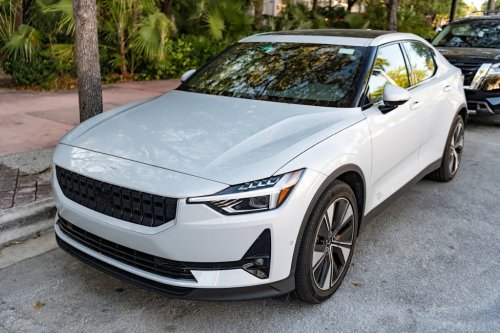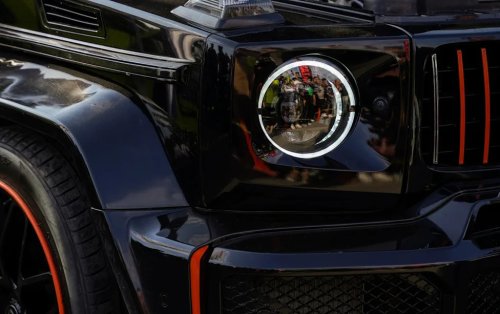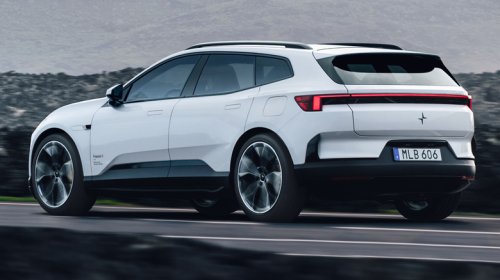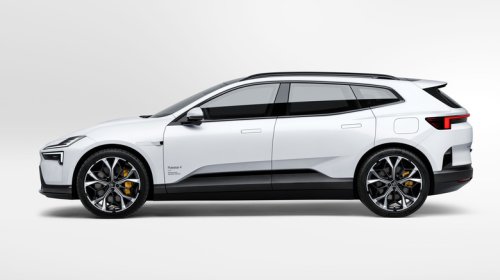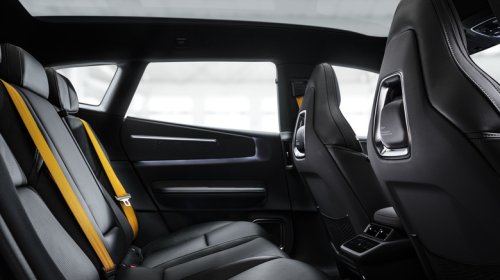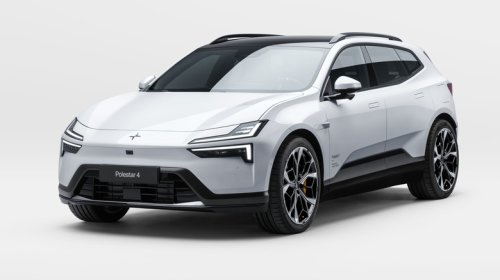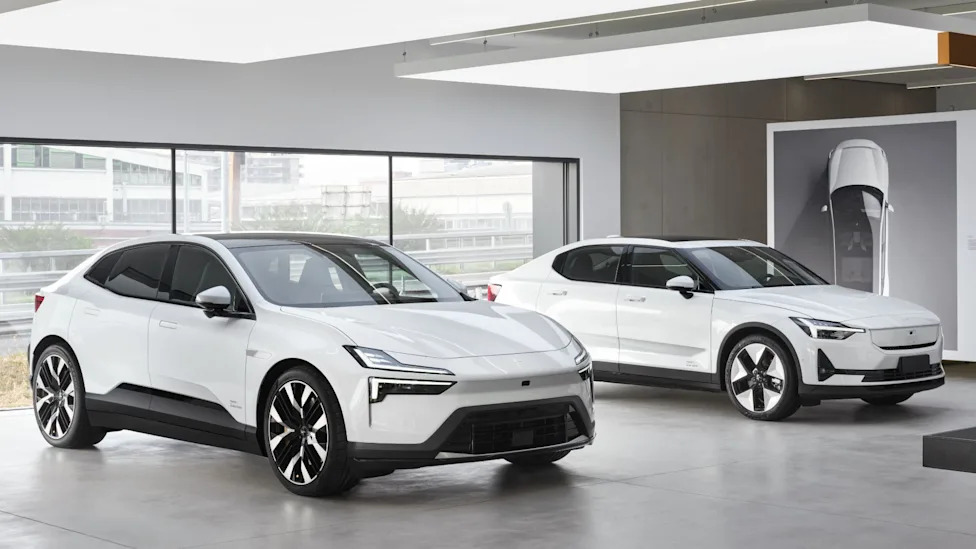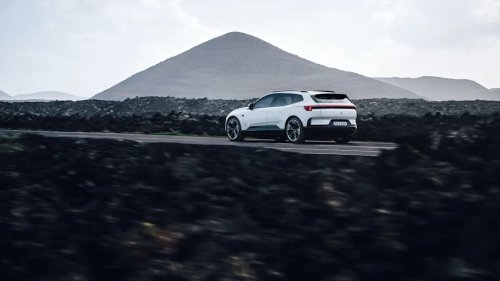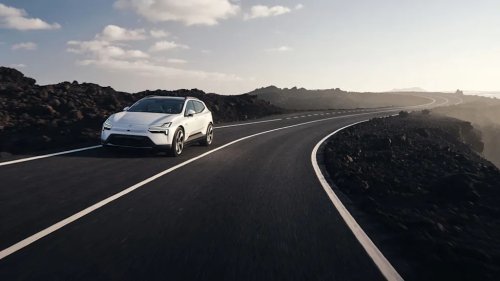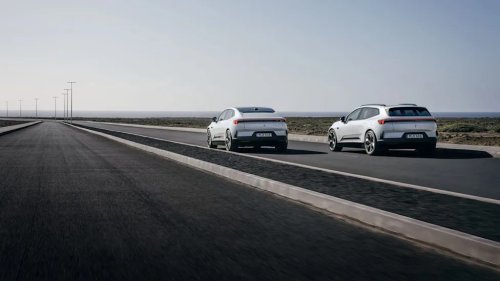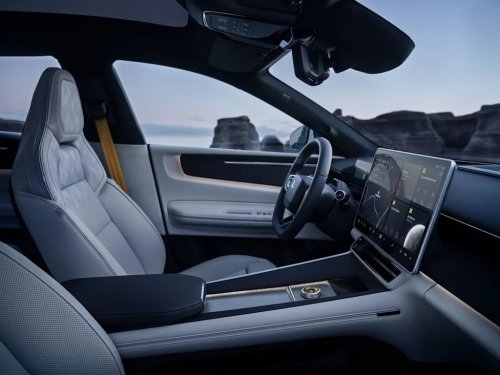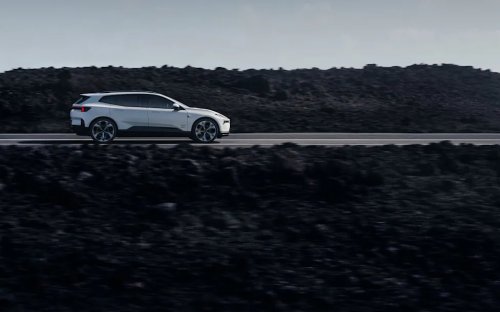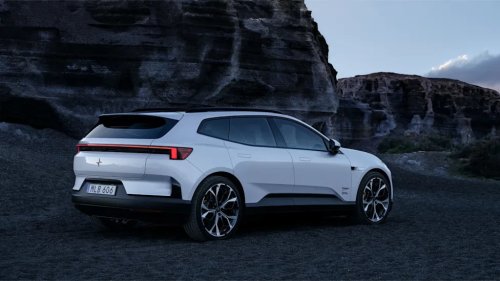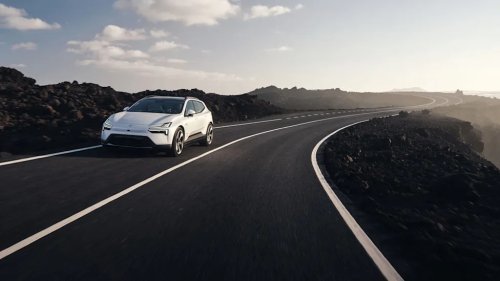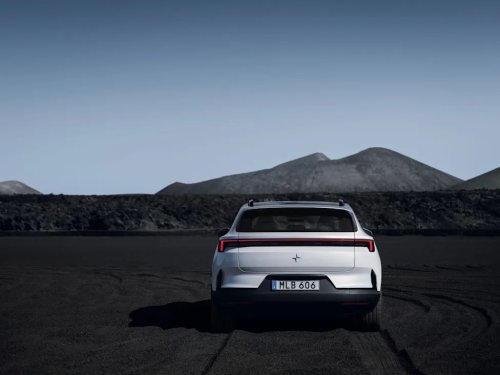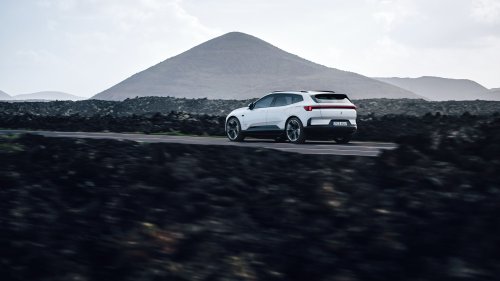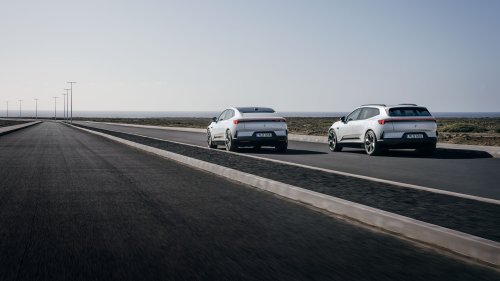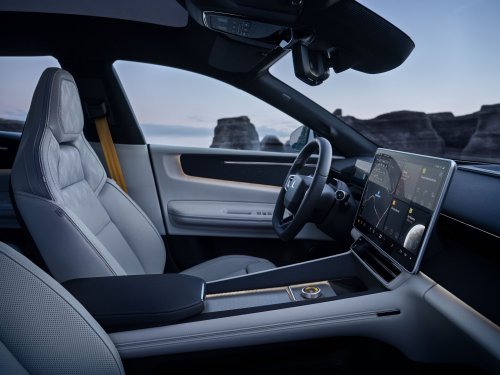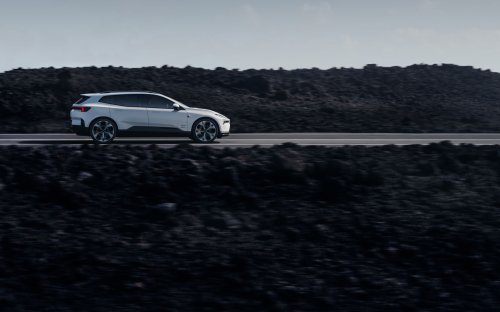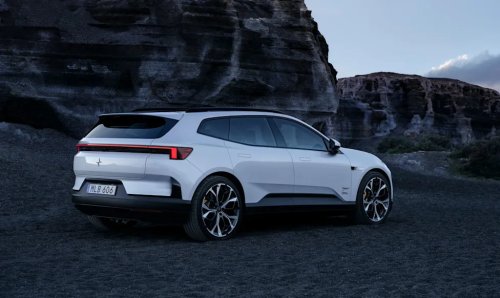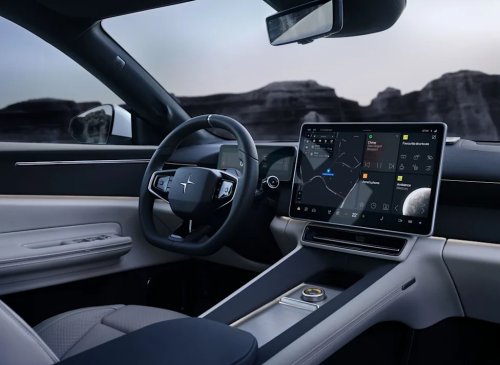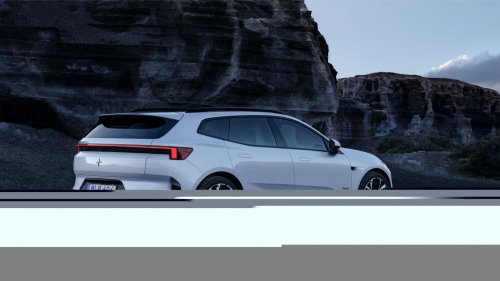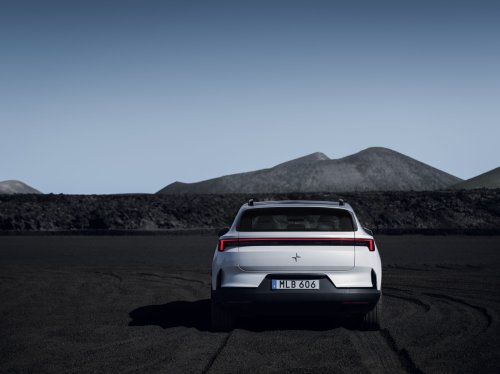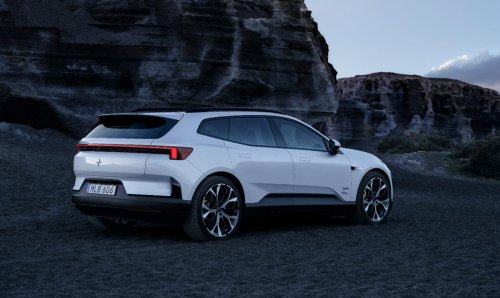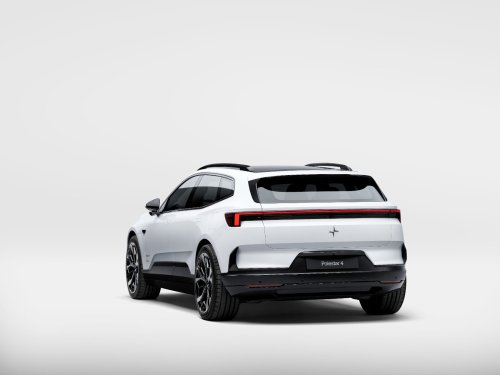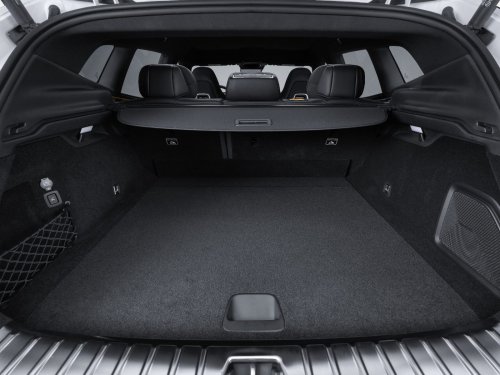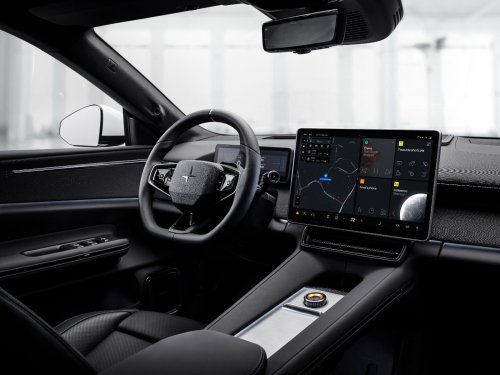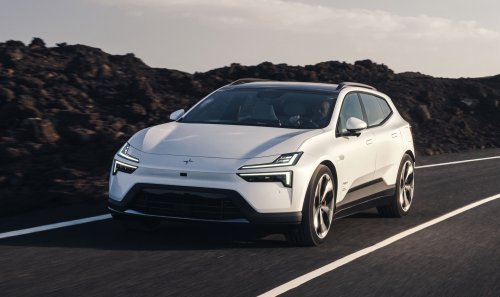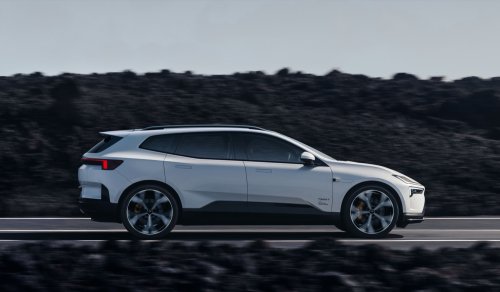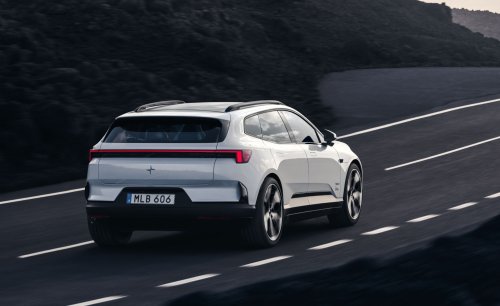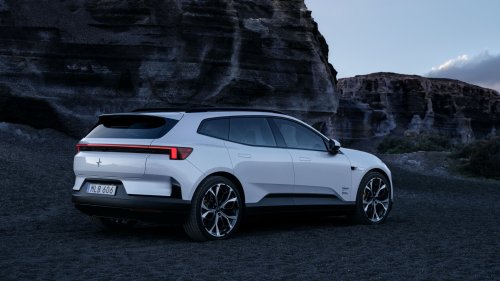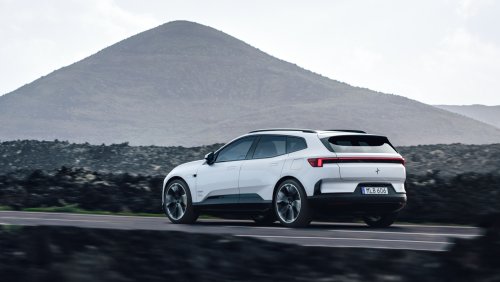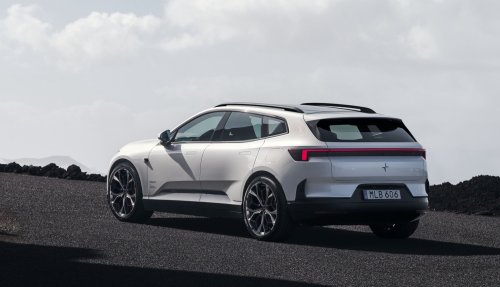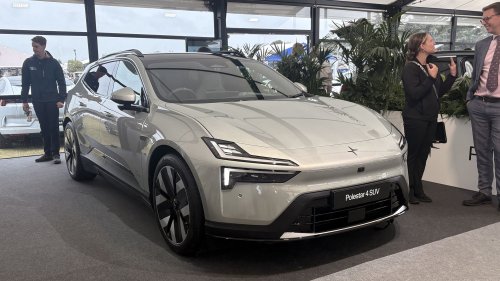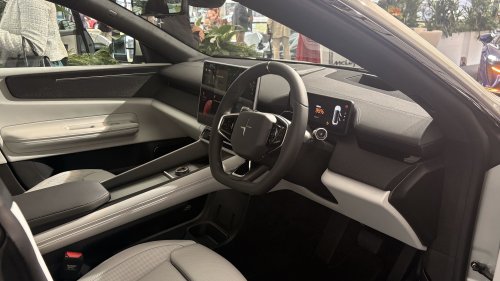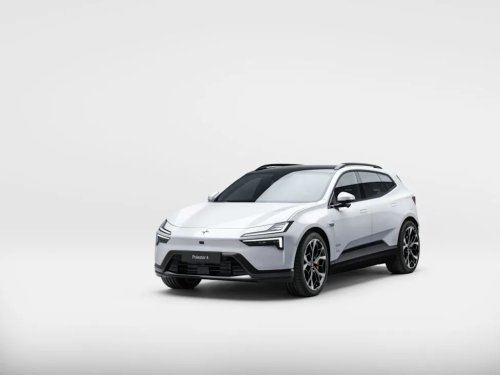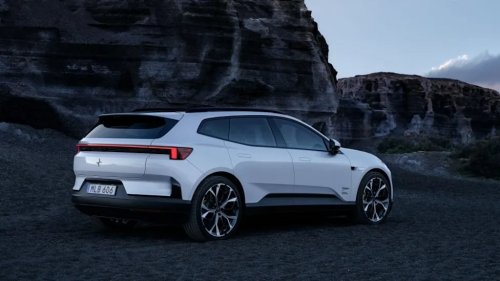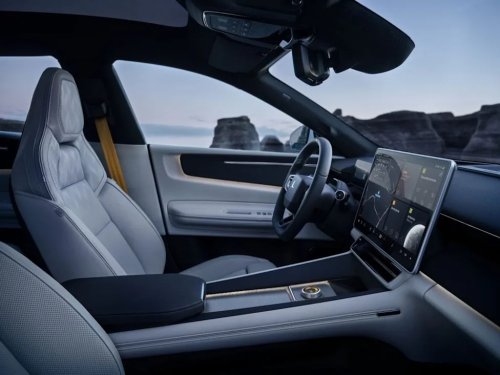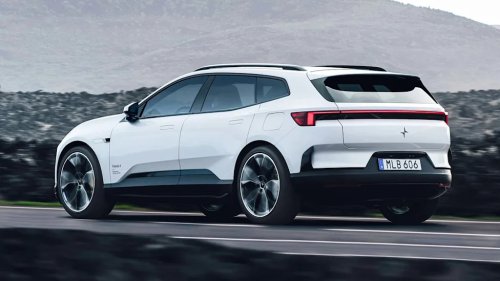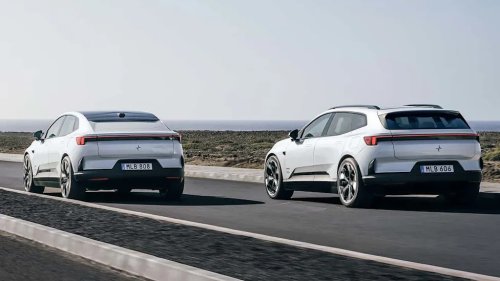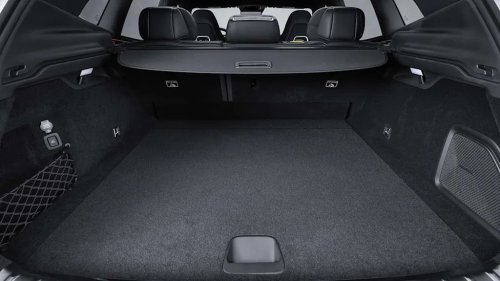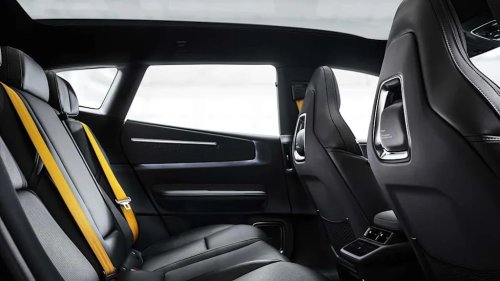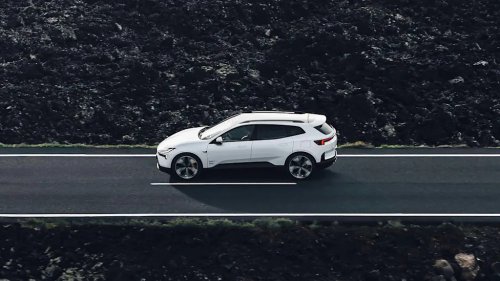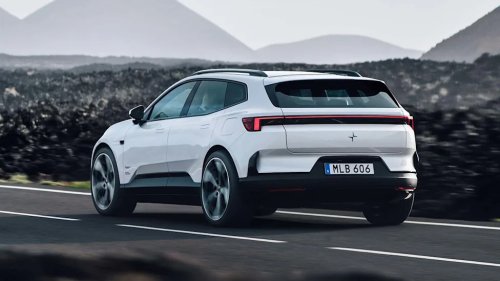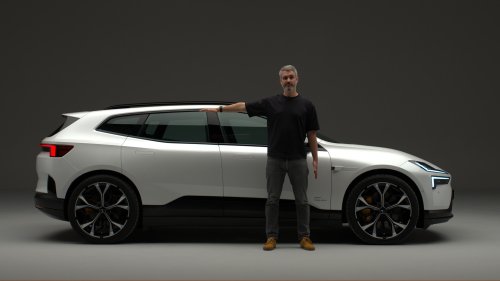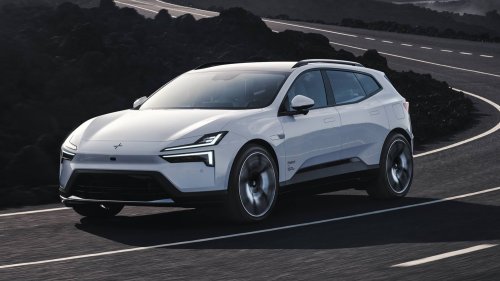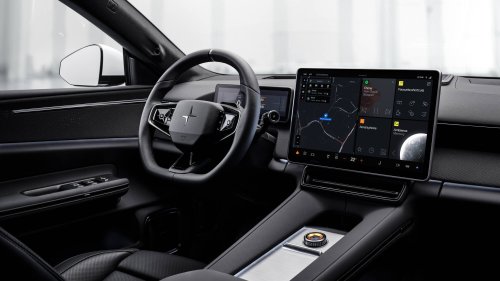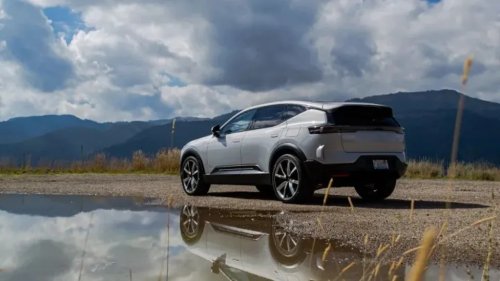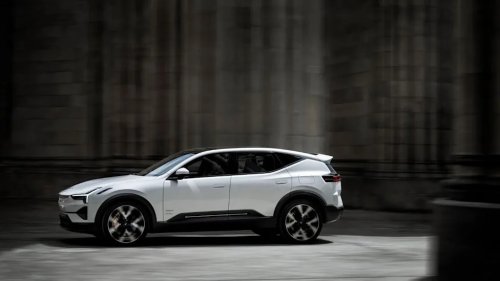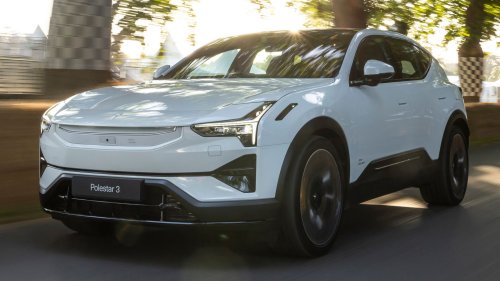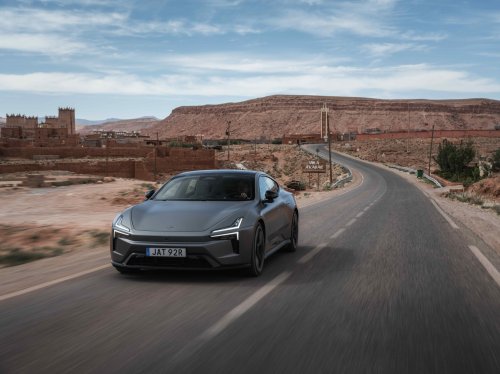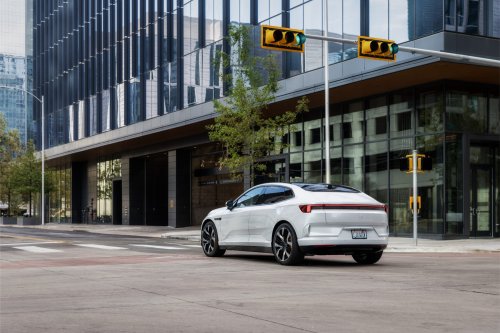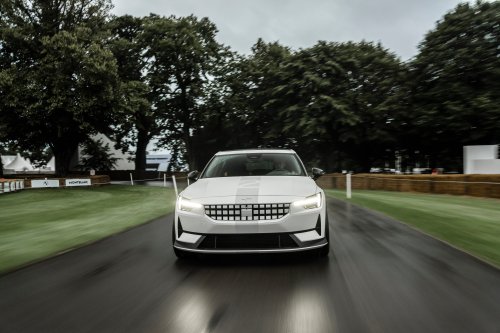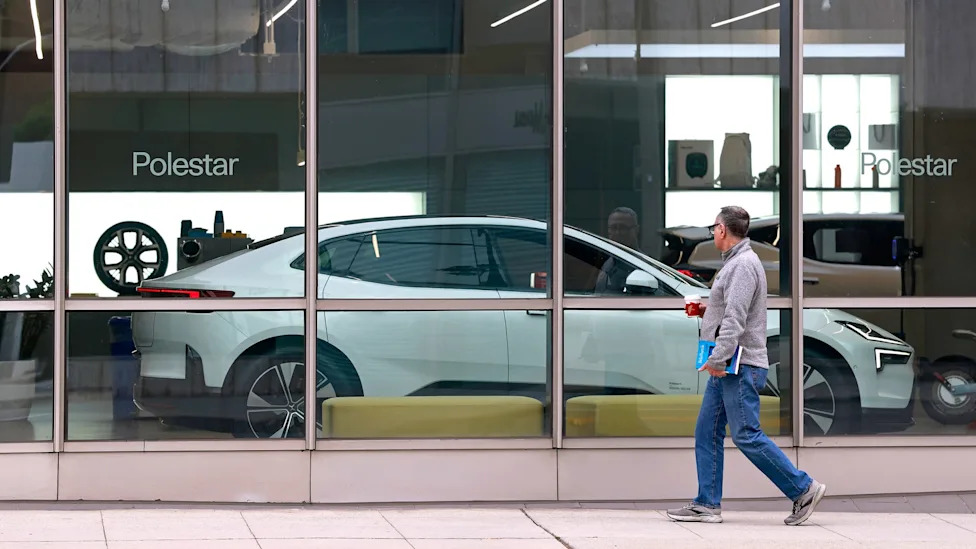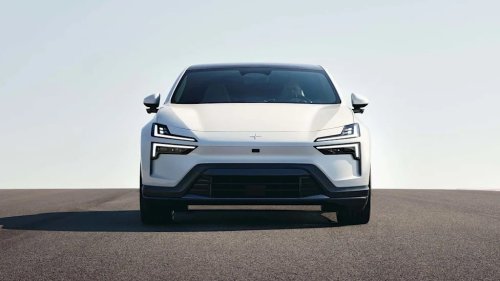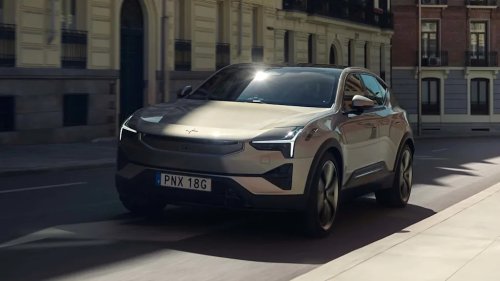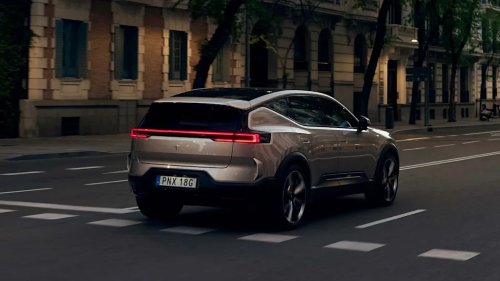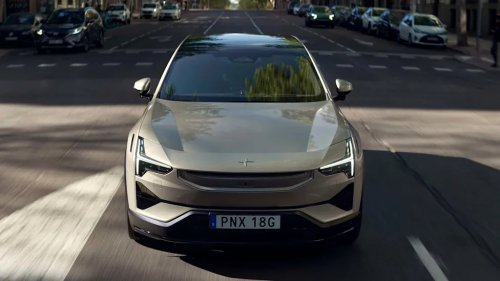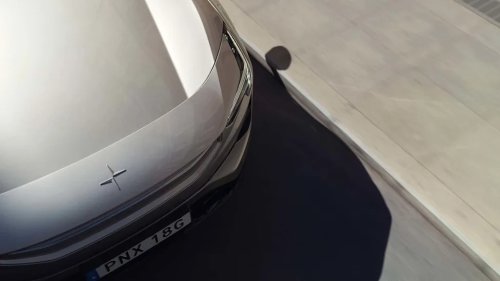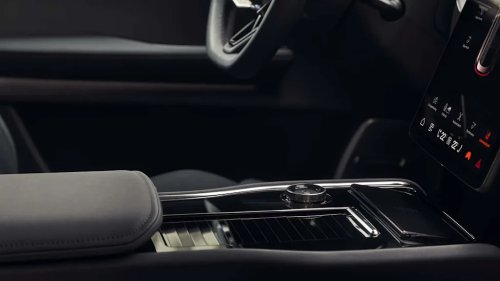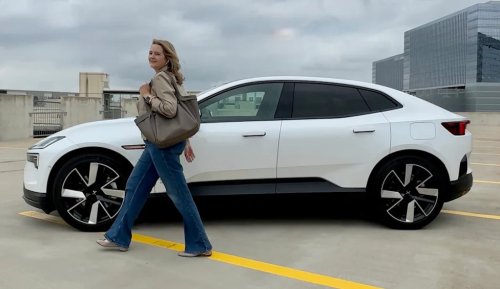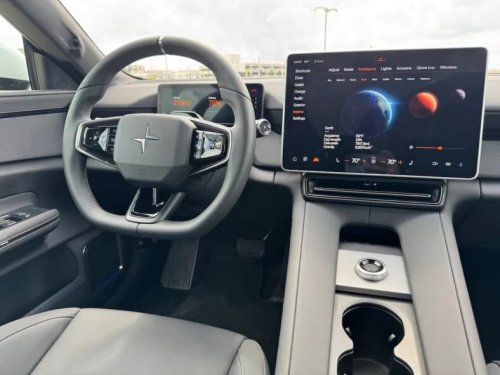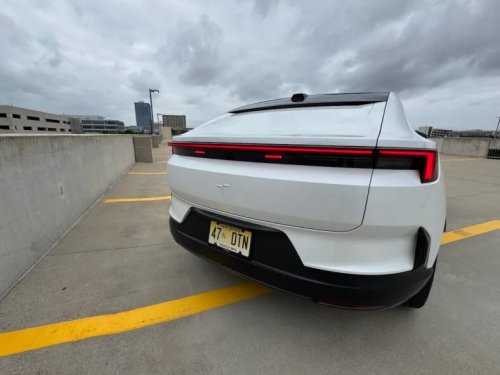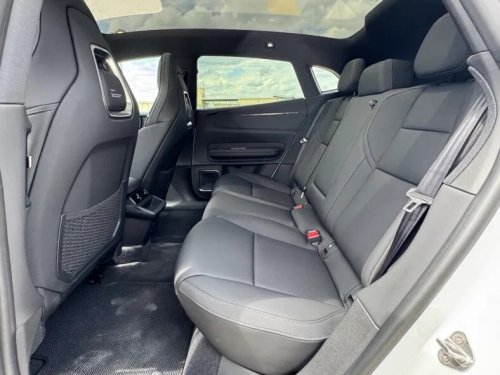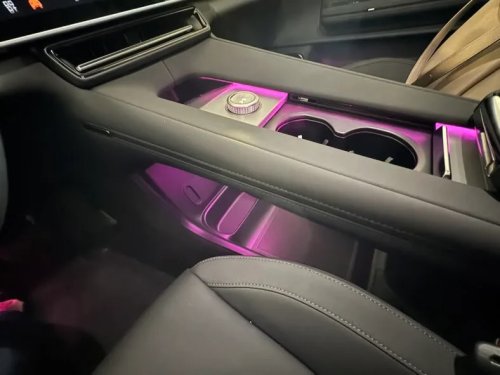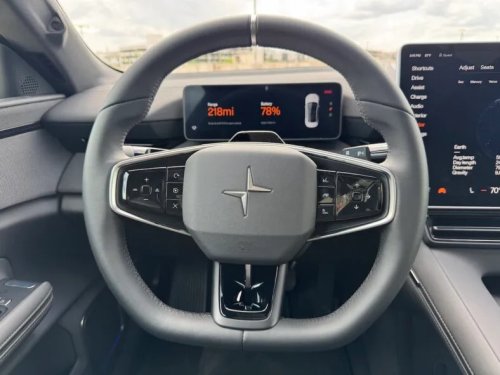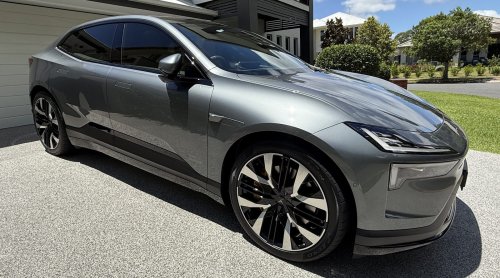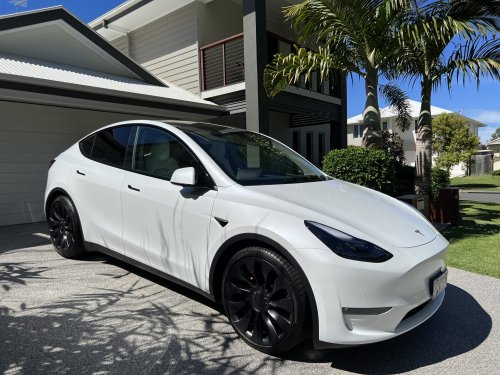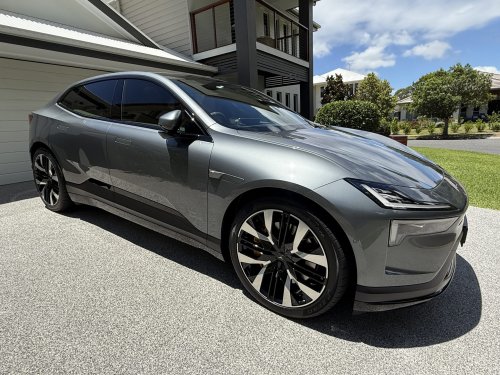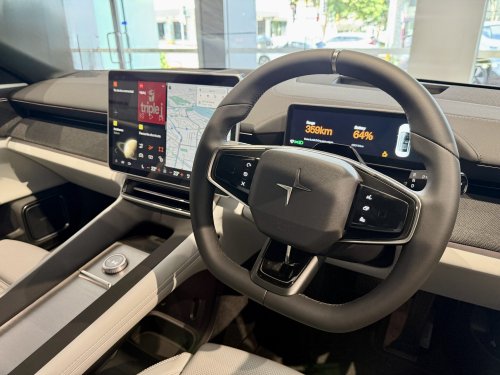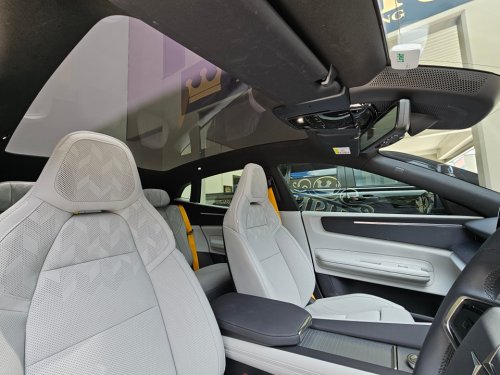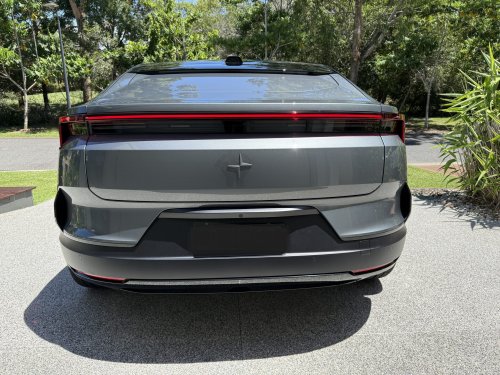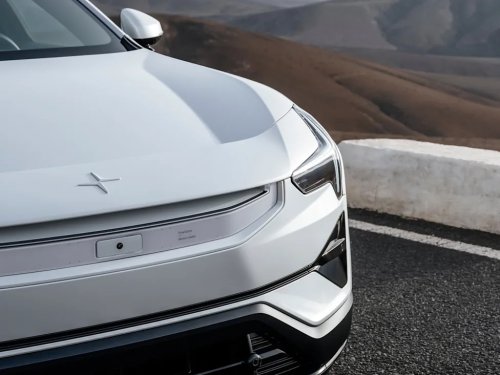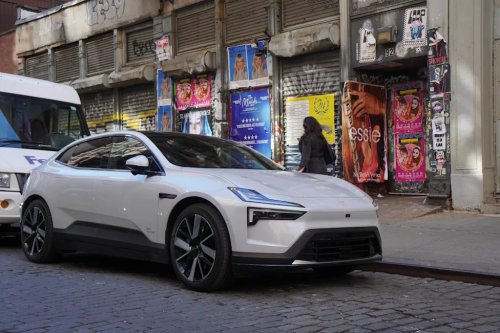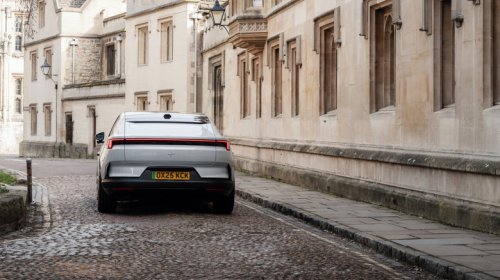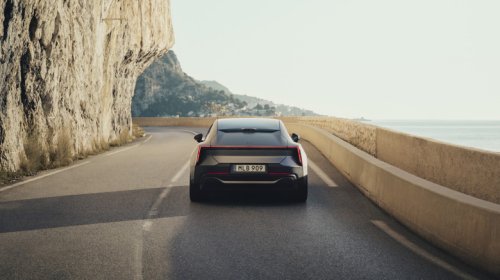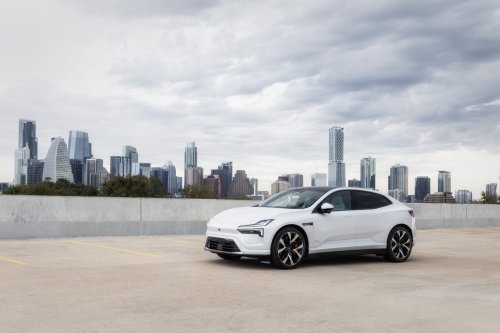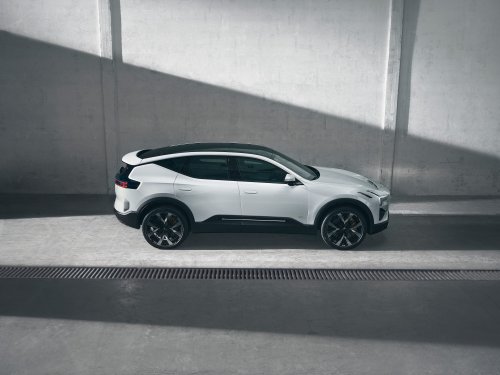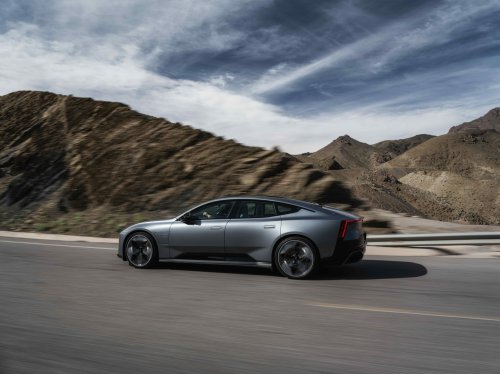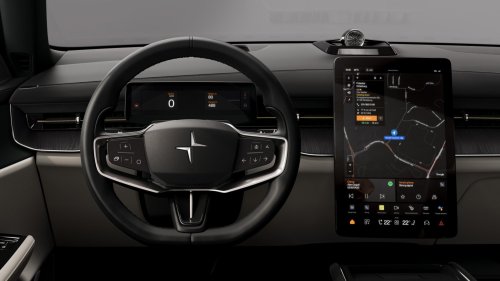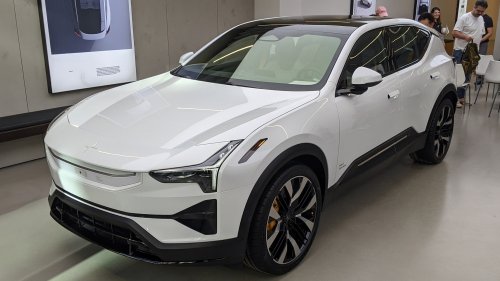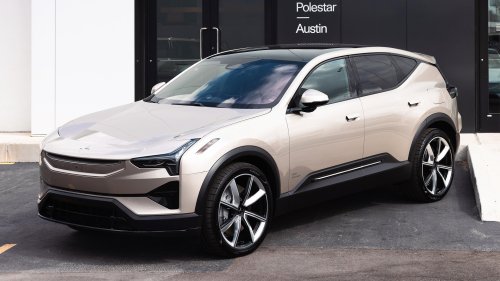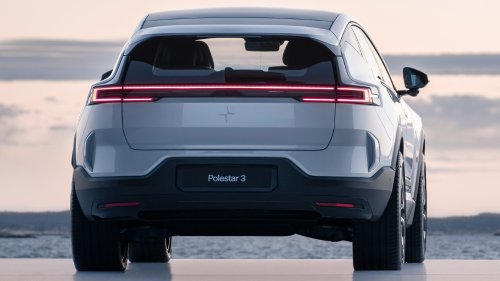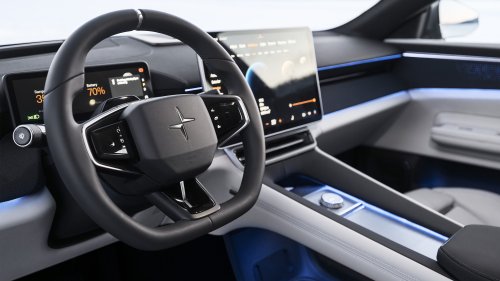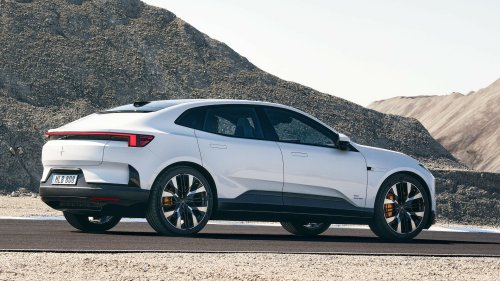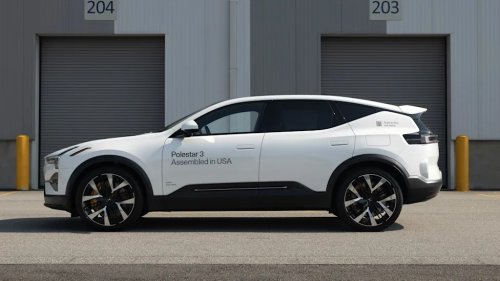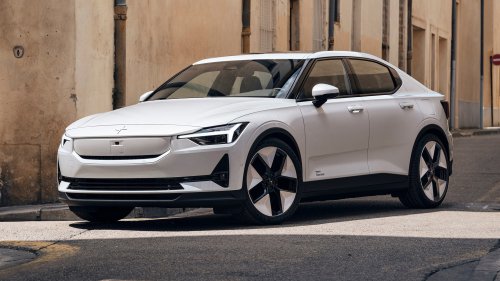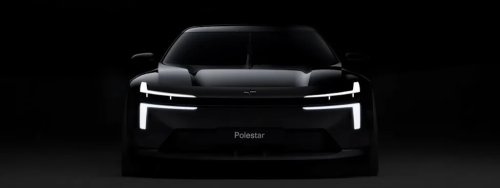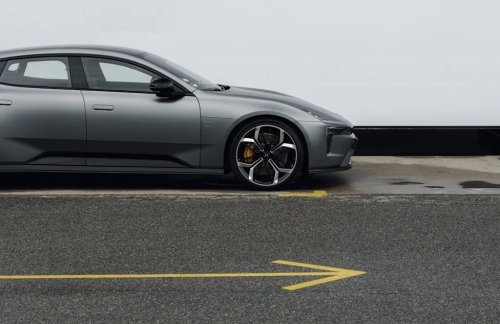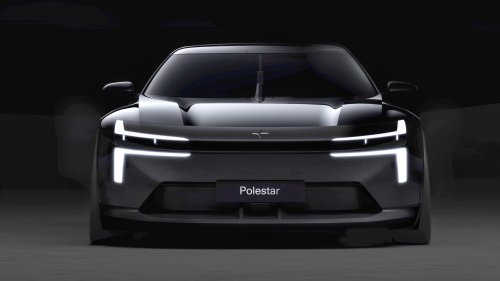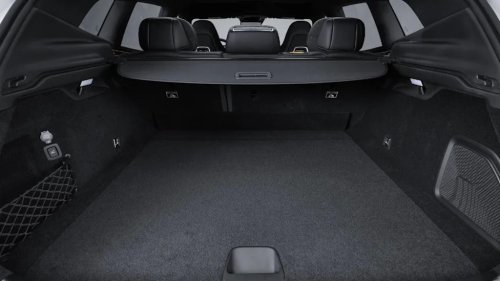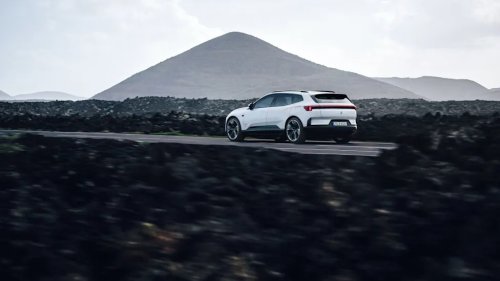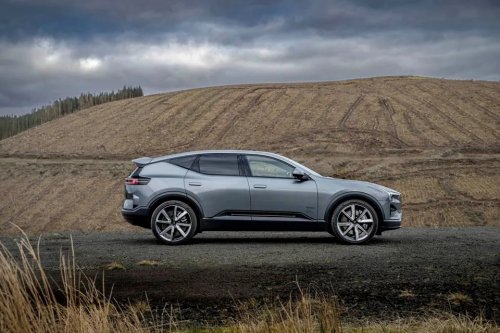
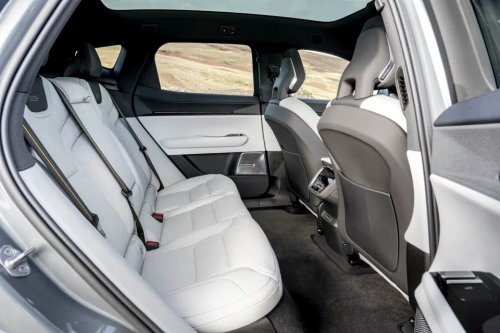
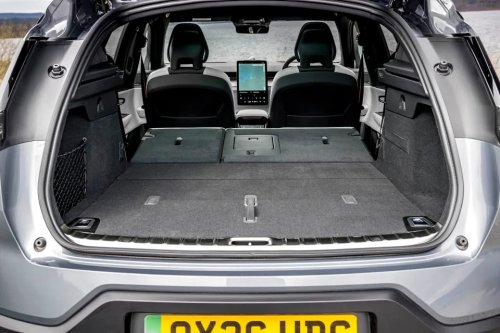
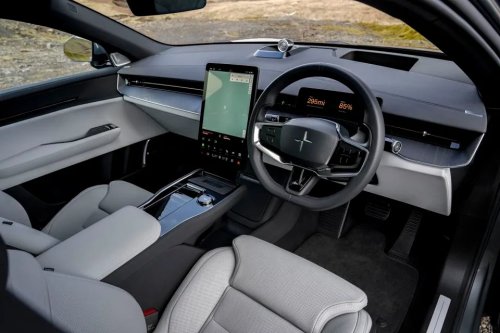
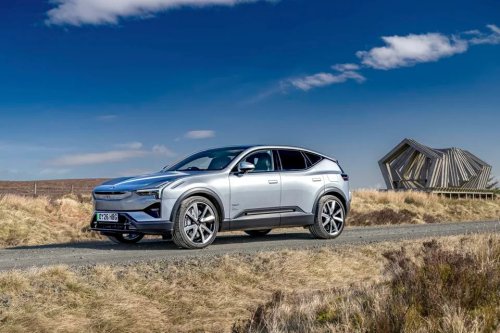
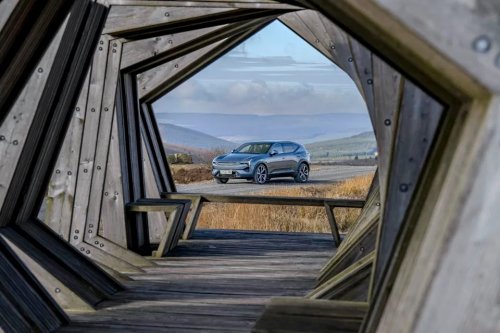
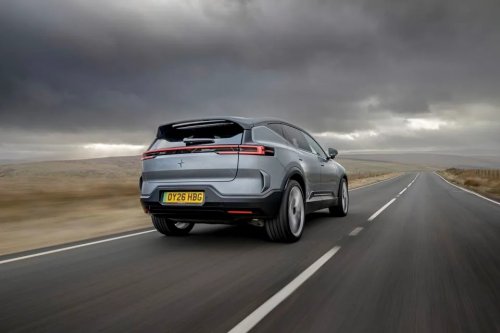



















The 2026 Polestar 3 doesn't look different from the outside.PolestarThe Polestar 3 hit global markets in 2024, and now it's already had a refresh. Externally, not much has changed. But underneath, there has been major upheaval. I took the top-of-the-range 2026 Polestar 3 Performance for a week-long test and concluded that this is one of the most accomplished electric SUVs on the market.Polestar 3 Goes 800VThe most fundamental change is that instead of the original car's 400V architecture, the new version uses an 800V one. That may seem like a technical detail, but it has several positive implications. First, with an 800V system charging times can be considerably quicker. Then there is generally higher efficiency, and potentially the ability to deliver greater motor power.The new 2026 Polestar 3 benefits in all three areas. The Performance version I borrowed now has 680hp driving all four wheels, where the 2024 model "only" had 517hp. This means it can accelerate to 60mph in a staggeringly quick 3.8 seconds, 0.9 seconds faster than before. That's insane for a car that weighs 2.5 metric tons. There are similar improvements with the non-Performance versions of the 2026 Polestar 3.The biggest change with the 2026 Polestar 3 is its 800V architecture.Surprisingly, the battery has gotten a bit smaller. The Performance now has 106kWh (102kWh net), as does the Dual Motor, down from 111kWh (107kWh net). The Single Motor Rear Wheel Drive now offers 92kWh, when before it had the same capacity as the other members of the range. Despite these reduced battery sizes, the range has gone up, from 348 to 373 miles for the Performance, thanks to noticeably improved efficiency. Another benefit of the smaller battery is that the Polestar 3 Performance now weighs 2,525kg instead of 2,584kg.Polestar 3: Still A Practical Family SUVBefore we get to one of the other most significant improvements, a few words on what was already good – the Polestar 3's physical characteristics. This is a large SUV, measuring 4.9m (193 inches) in length – more than a Tesla Model Y. But it's also fairly low at 1.6m (63.5 inches) and the design is sleek. This is no slopey-backed coupe, but it still manages to look extremely sporty. The black car with privacy glass I had for testing was fierce and menacing, with a strong sense of presence and character. The yellow seatbelts and brake calipers and gold tire valve covers add to the sense of specialness.Rear passenger space is impressive, despite the low roofline for an SUV.But this is still an incredibly practical car. The cockpit is spacious, and there is a huge amount of room for rear passengers too, with tons of legroom. The headroom is great too, accentuated by the huge panoramic sunroof, which has a £1,600 ($2,200) electrochromatic option that sadly wasn't included with my test car. My rear passengers mentioned the seats being a little hard for a long journey, but we spent two six-hour journeys in the vehicle so the Polestar 3 was facing steep odds in the comfort category.There's a practical amount of rear luggage space too.Despite the sporty aim, the Polestar 3 also has plenty of rear cargo space. With the rear seats up, you get a reasonable 484 liters, which extends to 1,411 liters with them down. The rear seats only have a 60-40 split, but the 60% portion at least has a built-in ski hatch. There's a 32-liter frunk as well. The rear cargo space floor is a little high, but 90 liters of the rear capacity are under the floor – more than adequate for charging cables. The parcel shelf design uses a retractable blind and is easy to operate. There's a hefty 2,200kg braked (750kg unbraked) towing capacity, too, with an electrically retractable tow bar that is a £1,200 extra.Faster Polestar 3 ComputingThis brings us to the other major under-the-hood upgrade with the Polestar 3 – a much more powerful central computer. The 2024 car's NVIDIA DRIVE Xavier delivered 30 trillion operations per second (TOPS). Now the 2026 model's NVIDIA DRIVE AGX Orin offers 254 TOPS, an over eight times increase. This theoretically will enable much more sophisticated ADAS functions and even some self-driving ability, although vehicles that major on this such as the XPENG L03 have even more – 2,250 TOPS in the case of the L03 Ultra.AdvertisementAdvertisementButton lovers won't be entirely enamored with the Polestar 3, however. It does have conventional stalks for wipers, lights and drive controls. There's a knob for media control too. But everything else goes via the infotainment screen. This means that climate control adjustments beyond temperature and fan speed are best performed by a passenger, as they are fiddly to access when driving. Worst of all, window demisting is not immediately available. Luckily, Google Assistant is effective for operating these via voice.The cockpit is spacious but most functions require a trip to the central infotainment screen.Another slight flaw is that the wireless charging pad is off by default, requiring it to be turned on every time the car is started. The pad is also shallow, so that your phone will slide off under hard acceleration. There's a clear head-up display, but I found the speed limit notifications could sometimes be wrong, a problem not exclusive to many cars that use road sign recognition. On the plus side, the optional 1.3Mpixel HD LED headlights are adaptive and truly excellent. They certainly facilitated navigating dark single-track lanes in Devon, and are a recommended £1,600 ($2,200) extra.Polestar 3 Driving And RangeThe whole point of the Polestar brand as a counterpoint to its sibling Volvo is driving experience. The latter is supposed to be the safe family option. I've driven the other members of the Polestar 3 range, and while they handle well, the Performance variant is on a different level. It has Polestar's trick active air suspension, which combines dual-chamber air springs with ZF active dampers. These can supposedly adjust 500 times per second. The system drops the car down slightly at speed to reduce drag, and keeps things level if the loading is uneven. Best of all, though, is how it handles bumpy roads. We're not quite talking Range Rover air suspension here, but the ride quality is still one of the best I've experienced. Yet it's also stiff enough for flat cornering.The Polestar 3 is an engaging drive on twisting roads.In Performance mode with everything stiffened up, the Polestar 3 is an absolute hooligan. The acceleration is almost as brutal as a Tesla Performance car, and the steering surprisingly nimble and assured. But this is also an exceptional highway cruiser, with tons of torque for high-speed overtaking while feeling completely planted. When you get stuck in traffic jams or average speed zones, the Adaptive Cruise Control with lane centering does a great job of keeping you a safe distance from the car in front, while steering round corners automatically. In my six-hour trip to Devon, it was a godsend. In other words, this car is a brilliant long-range mile muncher, and it has the range to back that up too.The Polestar 3 Performance has the range and rapid charging for long journeys.On paper, the Polestar 3 Performance has a WLTP range of 373 miles. During my testing on a wide selection of roads, but the majority motorways and A-roads with a 60mph limit, I managed an average of 2.7 miles per kWh, which would imply a real-world range of 275 miles. While this isn't super-efficient, it's much better than many performance electric SUVs I've tested. The superb Lotus Eletre only managed 2.1 miles per kWh when I tried that a few years ago. I wasn't making much of an effort to save energy, either, because you don't buy a Polestar 3 Performance to drive slowly.AdvertisementAdvertisementThis is matched by how good the Polestar is at replenishing its battery. While the original car was no charging slouch, hitting a maximum of 250kW, the new version maxes out at 350kW. I tested my loaner on a new IONITY 400kW charger and saw 319kW at 37% capacity, and even at 60% capacity the rate was still 168kW. Despite the huge battery, this car only takes 22 minutes to go from 10-80%. Combined with the decent range, this rapid charging makes the Polestar 3 Performance a very capable long-distance car, albeit maybe not to BMW iX3 or Volvo EX60 levels. When I drove from London to South Devon (and back), the car could have done all 243 miles easily on a single 100% charge, but stopping was no hardship with such rapid charging.Polestar 3: Fast, Practical, But ExpensiveOverall, there's little to fault with the Polestar 3 Performance. It's ridiculously quick and engaging to drive in the most powerful Performance mode, and it's still quick enough even in Range mode. The ride quality is superb, and there's tons of space for passengers and cargo. It's big but not a complete liability on narrow country roads and in urban environments. The one caveat is the price. At the time of writing, there was a £10,000 ($13,600) discount until the end of September, yet you'll still need to part with at least £82,040 ($112,000).The only real downside with the Polestar 3 Performance is the price.That pushes it way above the leader in this class, the Tesla Model Y, and will naturally keep sales volume low. The BMW iX3 and Volvo EX60 give you more range but less performance for less money. But the Polestar 3 Performance is still an enticingly complete package, combining driving pleasure with family practicality and long-distance capability. All this is bad news for American car buyers, because in June Polestar pulled out of the USA due to the country's legislation targeting cars manufactured in China. So this superb premium SUV won't be available to Americans, which is a shame for such a great all-conquering electric car.This article was originally published on Forbes.com