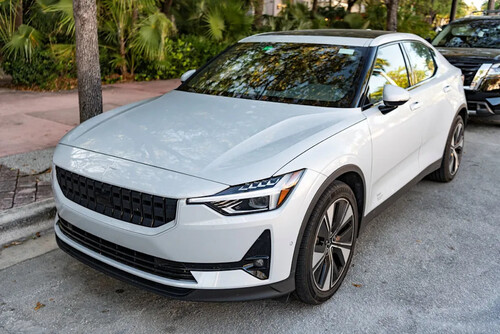
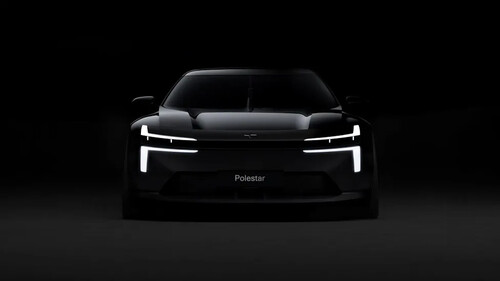
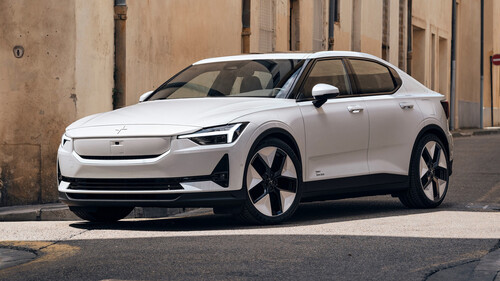
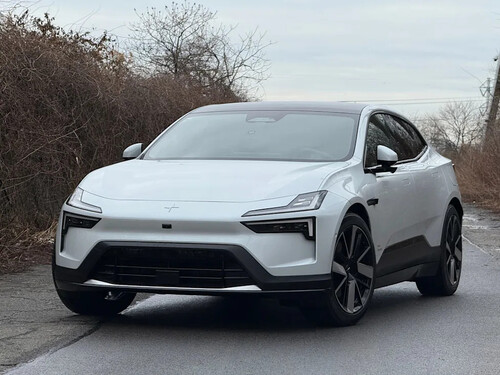
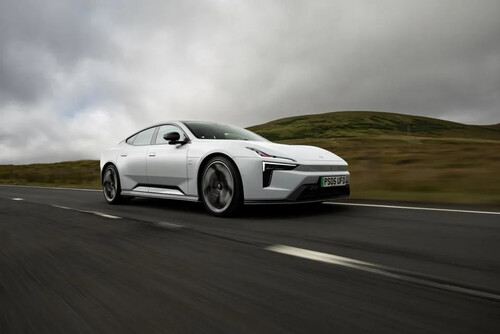
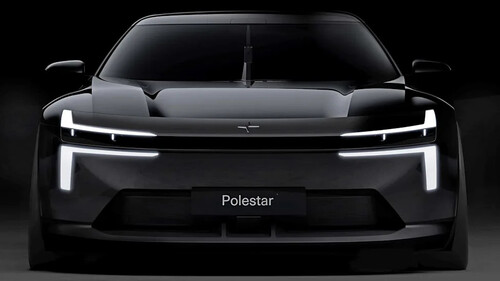
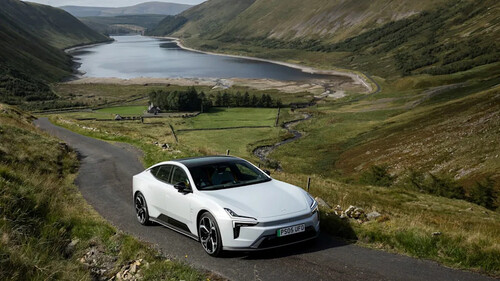
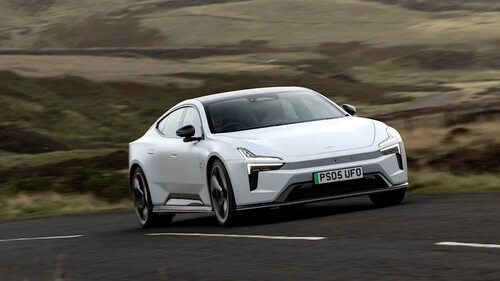
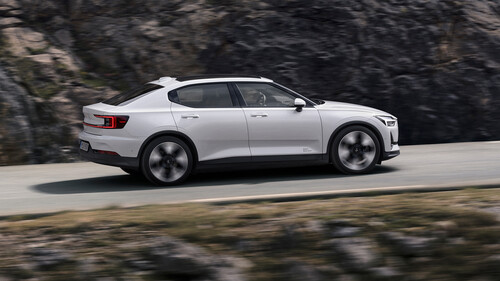
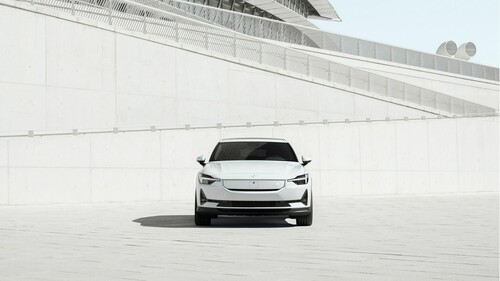
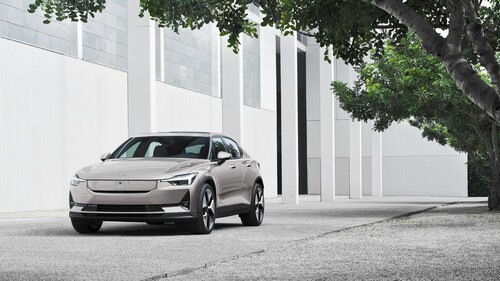
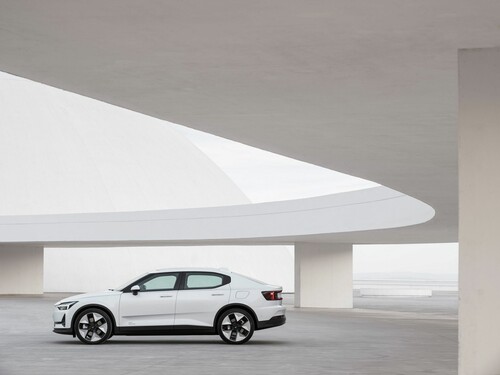
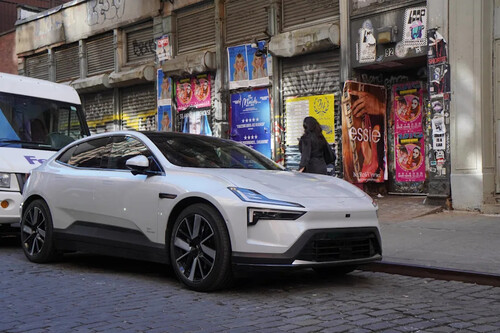
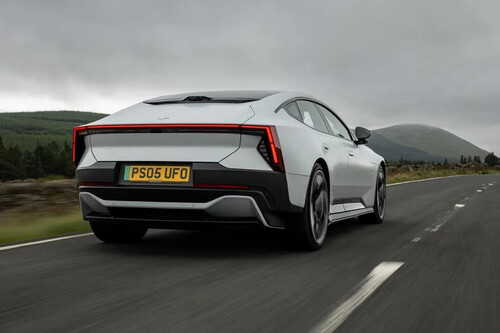
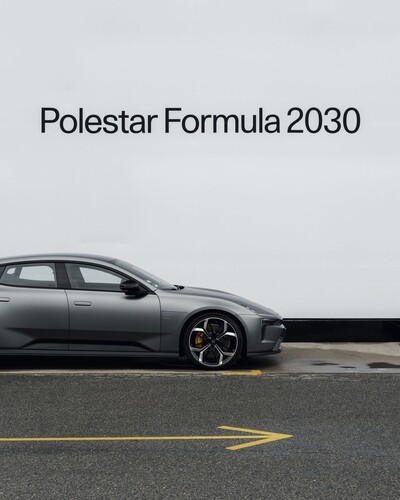
It Took Polestar Three Recalls and 21 Months to Fix a Backup Camera. The Camera Was Never BrokenThree recalls. Twenty-one months. One rearview camera that kept failing anyway. If that sounds like a story about a car that couldn't reliably show you what's behind it, you're reading the headline, not the story. The real subject here is what happens when a federally required safety system gets built as software instead of hardware, and how long it can take a regulator to confirm that a fix actually fixed anything.On September 1, 2026, the National Highway Traffic Safety Administration closed Recall Query RQ25004, an audit opened fourteen months earlier to check whether Polestar had actually solved a rearview camera defect it had already recalled the Polestar 2 for once. It hadn't. NHTSA's Office of Defects Investigation had logged 275 owner complaints describing a camera that either failed to appear when the car was shifted into reverse or dropped out mid-maneuver, in vehicles that had already been through a repair. Only after a third recall and a software update released in April 2026 did new complaints fall to three, a rate low enough for the agency to close its file.Count the attempts. In July 2024, Polestar recalled model-year 2021-2024 cars for a memory allocation error in the infotainment head unit and patched it with an over-the-air update. In April 2025, it recalled model-year 2021-2025 cars again, this time for a synchronization fault between the parking assist camera and that same head unit, and pushed a second patch. When complaints kept arriving, NHTSA opened its query in July 2025, and two months later Polestar filed a third recall, acknowledging in its own paperwork that the second remedy had failed and more engineering analysis was needed before it could try again.AdvertisementAdvertisementHere's the detail worth sitting with. A rearview camera is not an infotainment nicety. It is federally mandated safety equipment under FMVSS 111, required industry-wide since May 2018 because of the Cameron Gulbransen Kids Transportation Safety Act, a law named for a toddler killed when his own father backed over him in a driveway. When Polestar's camera dropped out, that was not a glitchy convenience feature acting up. It was the same category of mandated protection as a brake light, just delivered through code instead of a wire.Most owners assume a recall equals a fix, full stop. NHTSA has a specific, rarely discussed tool for the moments that assumption fails: the recall query. It is not a new defect investigation. It is an audit of whether a manufacturer's own remedy actually worked, complete with information requests, a technical briefing, and, in this case, close to a year of monitoring before the agency was satisfied. The fact that this process exists, and that Polestar needed it, says something the industry rarely states outright: a software patch and a completed repair are not automatically the same thing.There is a smaller number buried in the closing report worth doing the arithmetic on. NHTSA reported a post-fix complaint rate of 0.01%, based on three complaints, which backs into a recall population somewhere near 30,000 vehicles. That's a useful reminder of just how small Polestar's American footprint has become, and it's why a defect that would be statistical noise at Ford or Toyota can trigger hundreds of complaints and a year-long federal review for a niche brand.None of this happened in isolation. Polestar spent the back half of 2026 fighting, then abandoning, a fight over whether it could keep selling new cars in America at all, after the Commerce Department's Connected Vehicle Rule targeted its ownership rather than its factory. By July, Polestar had stopped appealing that ban and was running steep discounts on what inventory remained. The camera saga even shares a supplier with that fight: Polestar leaned on Volvo, its former parent and current platform partner under Geely, to validate the software fix, the same connected-vehicle architecture that regulators elsewhere were treating as a hardware and software security concern, even as NHTSA was treating it as an ordinary product-safety matter.AdvertisementAdvertisementWiden the lens and this becomes a story about what recalls look like now that cars run on software as much as steel. A traditional recall replaces a part, and the fix is physical and verifiable. A software recall pushes a patch, and the only way to know whether it worked is to wait and count complaints, which is exactly what took Polestar three attempts and NHTSA the better part of a year to sort through. Hyundai went through its own version of this reckoning with a software-controlled seat function in the Palisade, and it will not be the last automaker to learn that shipping a patch is not the same as shipping a fix.The camera on the Polestar 2 was never actually broken. It's a lens and a sensor, and by every account it performed exactly as designed through three separate recalls. What kept failing was the software responsible for deciding whether to trust that camera, display its feed, and refresh it fast enough to matter in the two seconds a driver has before backing over something they cannot see. NHTSA didn't spend fourteen months auditing a camera. It spent fourteen months auditing a decision. Next time a backup camera on any car goes dark, that's the distinction worth remembering: the glass rarely fails. The code deciding whether to trust it does.Join our Newsletter, follow our Instagram page, and connect with us on Facebook.