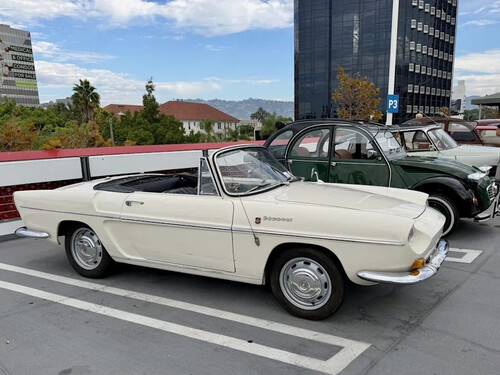
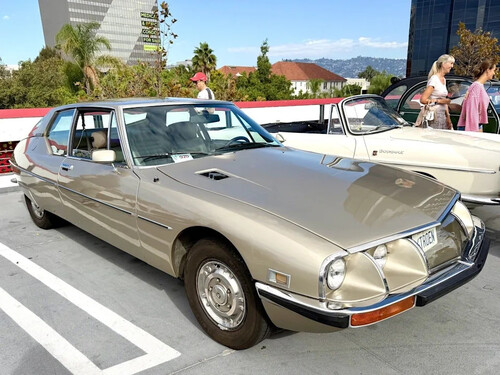
1966 Peugeot 404 vs 1966 Citroën DS one was simpler the other more complexThe 1966 Peugeot 404 and 1966 Citroën DS shared the same French streets yet embodied completely different philosophies. One relied on sturdy, almost conservative engineering; the other on radical technology that promised a new kind of motoring. Together they show how mid-sixties France balanced simplicity and complexity in metal and hydraulics. Viewed side by side, the pair reveal more than a styling contrast. The Peugeot 404 chased durability, ease of use and quiet refinement, while the Citroën DS pursued innovation at nearly any cost in complexity. That split still shapes how enthusiasts, mechanics and everyday drivers remember them. Two French icons, two very different missions Citroën’s DS, launched in the mid fifties and still evolving in 1966, went in the opposite direction. Where the Peugeot looked like a refined evolution of earlier sedans, the DS resembled a concept car set loose on public roads. Its long, low body, tapering tail and partially covered rear wheels made even other European cars of the time seem old. When the DS was introduced, period observers called it the most advanced car in the world, a reputation that still shapes how collectors talk about the Citroën DS. On paper, both cars targeted similar buyers: families and professionals who wanted space, comfort and a touch of style. In practice, they catered to very different temperaments. The Peugeot suited drivers who valued predictability and low running costs. The Citroën appealed to those willing to accept complexity in exchange for a driving experience that felt like science fiction. Engines and drivetrains: honest power versus engineering theatre Under the Peugeot 404’s bonnet, the engineering brief was straightforward. Period comparisons describe 404 engine options as mostly 1.6, 1.9-liter inline four gasoline units , with diesel variants also popular, especially in markets that valued fuel economy. The focus was not on headline performance figures but on smoothness, reliability and the ability to run for hundreds of thousands of kilometres with basic maintenance. Owners who lived with these cars for decades reinforce that picture. One long term driver on a review site filed General Comments that describe the 404 as an absolutely brilliant car, robust enough that a single family could keep it in service from the late seventies onward. That sort of testimony reflects an engine and drivetrain designed to be forgiving of imperfect servicing and less than ideal roads. Technical discussions among specialists echo the same theme. Enthusiasts on a dedicated forum note that Early XC5 engines with the 32 mm Solex carburettor are not significantly different from the earlier XC three main bearing engines in terms of power and character. The evolution was incremental and conservative, aimed at modest gains rather than radical change. Citroën’s DS did not share that restraint. The car’s powerplants were not especially exotic in layout, yet they were integrated into a broader hydraulic ecosystem that defined the driving experience. In later DS21 form, owners like Liam Kenny describe a 1970 Citroën DS21 as part of a package where the engine, gearbox and suspension are all tied together by high pressure fluid systems. Even in 1966, DS models already used hydraulics to assist the clutch and gear selection on certain versions, turning a simple powertrain into something that felt almost semi automatic. For a driver comparing both cars in 1966, the Peugeot’s engine would have felt familiar, with a conventional clutch pedal and mechanical gear linkage. The Citroën would have seemed almost alien, with its powered controls and the sense that the car itself was doing some of the work. Power output alone did not define the contrast; it was the way each brand wrapped that power in either simplicity or complexity. Suspension and ride: steel springs versus hydropneumatic magic The most famous difference between these two French contemporaries sits under their bodies. The Peugeot 404 relied on a conventional suspension layout with steel springs and straightforward dampers. Owners and commentators often describe it as comfortable yet predictable, a car that could soak up rough roads without surprising the driver. One detailed account of a 1966 Pininfarina 404 coupe emphasises how the chassis combines solidity with a relaxed ride, an impression that helps explain why a dedicated owner documented a long personal journey toward a 1966 Pininfarina 404. Citroën built its reputation on a very different approach. The DS used a hydropneumatic suspension that replaced conventional springs with a combination of hydraulic fluid and compressed nitrogen. A period description of The Citro explains how this system automatically maintained ride height and delivered an uncanny level of comfort. The car would rise from its resting position when the engine started, then glide over bumps that unsettled normal sedans. Later commentators still point to this set up as the brand’s signature. Enthusiasts discussing hydropneumatic technology say that if anyone is asked what Citroen is most famous for, the answer often involves its unique suspension or the related GIC flare in its engineering character. Another video analysis of the system notes that a single Belgian engineer developed a suspension so advanced that it allowed a French family car to handle with unexpected poise, reinforcing how radical this choice was in a mainstream product. In 1966, that meant the DS could level itself under load, maintain composure at speed and offer adjustable ride height, while the Peugeot 404 relied on carefully tuned but fundamentally simple hardware. The Peugeot’s suspension could be serviced by any competent mechanic with hand tools. The Citroën’s system required specialised knowledge, correct hydraulic fluid and meticulous attention to seals and spheres. Comfort came at the price of complexity. Design and bodywork: Pininfarina elegance against aerodynamic theatre Visually, the Peugeot 404 projected a restrained confidence. Multiple enthusiasts stress that Designed by Pininfarina, the saloon and coupe shared crisp lines, a prominent grille and subtle use of chrome. The same sources underline that The Peugeot 404, introduced in 1960, became one of France most recognisable shapes, in part because the design avoided fads. It looked modern in the early sixties and still respectable a decade later. Body construction followed the same ethos. The 404 used steel panels and conventional assembly methods that balanced cost and durability. Some later commentary even nicknames the car a kind of French Mercedes, a nod to the perception that it offered a solid, slightly upmarket feel without excessive complication. An enthusiast piece on a 1969 example highlights how the 404 got a revised Peugeot engine yet retained its classic body lines, which had already proven their longevity. The Citroën DS, by contrast, treated the body as a laboratory. Commentators on a detailed video tour point out that the DS used a fiberglass and polyester mix for its roof and a lightweight aluminium bonnet, choices made, as one presenter puts it, to reduce weight and refine performance. The same source notes that this was again part of a broader push to integrate advanced materials into a family car, something few rivals attempted. Those decisions had practical effects. The low weight over the top of the car helped lower the centre of gravity and improve handling, while the aerodynamic shape reduced wind noise and fuel consumption. At the same time, repairs to composite panels could be more demanding than patching conventional steel. Owners had to learn new techniques or rely on specialists, another way in which the DS traded simplicity for sophistication. Interiors and user experience: straightforward controls versus hydraulic drama Inside a 1966 Peugeot 404, drivers found a familiar environment. The dashboard featured clear analog gauges, simple heater controls and a conventional steering wheel. Switchgear and column stalks were robust and logically arranged. Owners who grew up with these cars often recall how easy they were to learn. One long term driver who learned to operate a 404 as a young person wrote that although other cars came and went, the Peugeot remained a benchmark for clarity and comfort. The seats in the 404 were typically well padded, with enough support for long trips without the complexity of multiple adjustments. Ventilation and heating systems were simple but effective for the period. Nothing about the interface required special explanation, which made the car approachable for new drivers and mechanics alike. Stepping into a Citroën DS in the same year felt like entering a different era. The single spoke steering wheel, unusual dashboard layout and distinctive switchgear signalled that this was not a conventional sedan. Hydraulic assistance affected not only the suspension but also the steering and, on certain models, the braking system. Drivers accustomed to a Peugeot’s firm pedal had to adapt to the DS’s light, almost binary brake control, which some described as more like an on off button than a traditional pedal. Commentators who have spent time with later DS21 models, such as Liam Kenny, describe the cabin as a blend of futuristic design and practical comfort. The seats were often described as sofa like, encouraging relaxed cruising, while the large glass area and thin pillars provided excellent visibility. Yet the learning curve for the controls, particularly the hydraulic gear selector and braking, remained steep for anyone used to more conventional cars. The Peugeot 404’s interior could be mastered in minutes. The Citroën DS invited fascination and sometimes anxiety, especially among those who worried about what might happen if the hydraulic system misbehaved. For some owners, that sense of theatre was part of the appeal. For others, it was a reason to stick with the simpler car. Maintenance, reliability and the cost of complexity Reliability stories from period owners sharply illustrate the different philosophies. The Peugeot 404 built its reputation on durability. One owner review recounts how a family car purchased in 1979 served as a training ground for a new driver and remained on the road for decades, with only routine attention. That sort of experience aligns with the perception that the 404 used quality materials and conservative engineering that tolerated age and mileage. Earlier Peugeot models had already laid the groundwork. Enthusiasts discussing the Peugeot 403, which shared some engineering DNA with the 404, praise the quality at its core. In a discussion comparing the Peugeot 403 and Citroën DS, one contributor identified as Chris Henderson the points to features like a Torque tube and phosphor bronze worm drive axle as examples of robust design. That mindset carried into the 404, where Peugeot prioritised proven solutions over experimental ones. The Citroën DS, while admired for its innovation, generated a more complicated maintenance story. Hydropneumatic systems required specialised tools and knowledge, along with regular attention to fluid quality and pressure. When they worked correctly, they delivered unmatched comfort. When they failed, the car could sink to the ground or lose key functions. Fans of the DS often argue that many reliability complaints stem from neglect or incorrect servicing rather than inherent flaws, yet the fact remains that ownership demanded more commitment. Some commentators go as far as to call the DS the most groundbreaking car ever produced, a stunning French performance in engineering terms. Others, however, caution that such complexity can deter casual buyers in the classic market. A valuation analysis of the DS and ID range notes that When the DS arrived, it was hailed as unmatched in its time, yet values today do not always reflect that reputation, partly because of concerns about upkeep. By contrast, the 404’s simpler mechanical layout keeps it accessible for hobbyists. Parts support from dedicated clubs and suppliers remains strong, with organisations such as discovered through enthusiast networks helping owners find components and technical guidance. That ecosystem reinforces the car’s image as a practical classic that can be maintained in an ordinary garage. Driving character: the French Mercedes versus the spaceship On the road, the Peugeot 404 earned nicknames that hinted at its character. One detailed retrospective refers to a 1969 example as a kind of Peugeot that felt like a French Mercedes, thanks to its solid build, refined ride and unflustered handling. Steering was typically light but accurate, with predictable body roll and a sense of security at speed. The car did not chase sporting credentials so much as effortless progress. Enthusiasts who compare the 404 with contemporary rivals often highlight its balance. A social media discussion that pits the Peugeot 404 against the Fiat 124 describes the 404 as a comfortable, durable choice with engines in the Engine and Performance range that favoured smoothness over outright speed. Diesel versions added long range capability, especially valued in rural markets. The Citroën DS, by comparison, felt like nothing else. Drivers who encounter well preserved examples often describe being overwhelmed by the combination of soft yet controlled ride, high speed stability and unusual control responses. One commentator, speaking in Nov about a DS experience, admits to being completely and utterly overwhelmed when trying to summarise the car’s qualities. The hydropneumatic suspension, power assisted steering and advanced aerodynamics combined to create a sensation of floating rather than merely driving. Another video analysis of the DS’s legacy, also recorded in Nov, reinforces how the car’s unique character still surprises modern drivers. Commentators there suggest that if people are asked what Citroen is most famous for, they often mention its hydropneumatic ride or the GIC flare of its design. That reaction underscores how the DS prioritized sensation and innovation over mechanical simplicity. In practical terms, a 1966 buyer choosing between the two faced a clear tradeoff. The Peugeot 404 offered a calm, predictable drive that demanded little adaptation. The Citroën DS promised a transformative experience, at the cost of a steeper learning curve and greater mechanical complexity. Both fulfilled their briefs, but they spoke to different ideas of what a car should be. Legacy: how simplicity and complexity aged over six decades Today, the 1966 Peugeot 404 and 1966 Citroën DS sit together at classic car events as complementary opposites. The Peugeot’s appeal lies in its usability. Survivors still serve as daily drivers in some regions, and restoration projects benefit from a strong parts network and a body of shared knowledge among owners. Stories like the pursuit of a specific Pininfarina 404 coupe show how enthusiasts value the car’s blend of reliability and understated style. More from Fast Lane Only Unboxing the WWII Jeep in a Crate 15 rare Chevys collectors are quietly buying 10 underrated V8s still worth hunting down Police notice this before you even roll window down