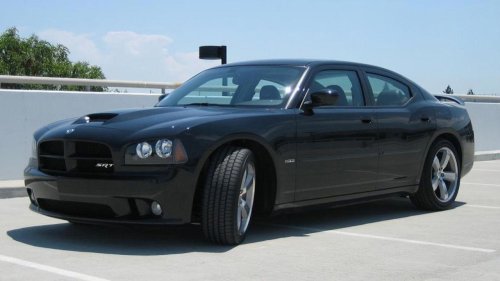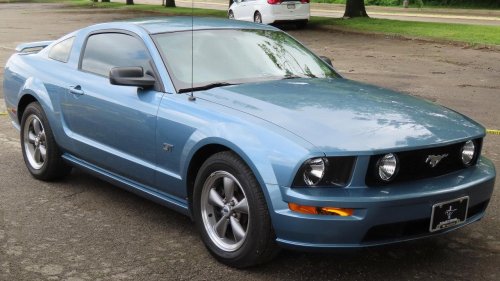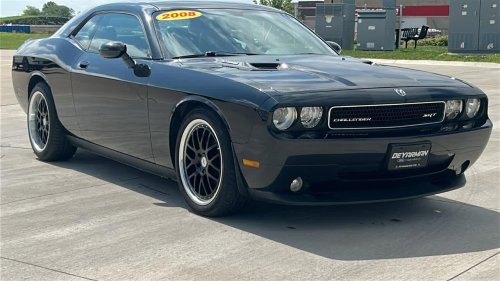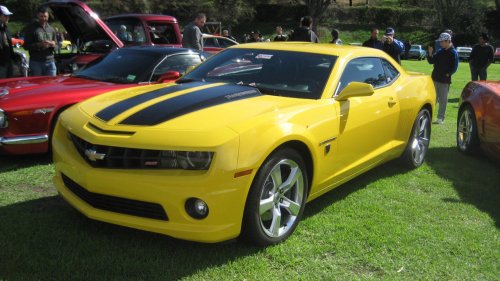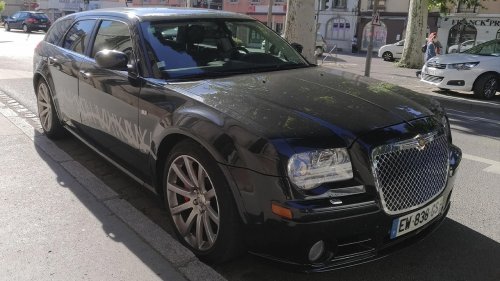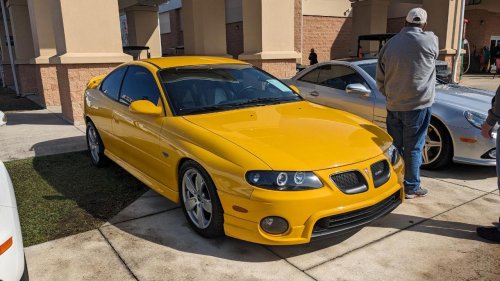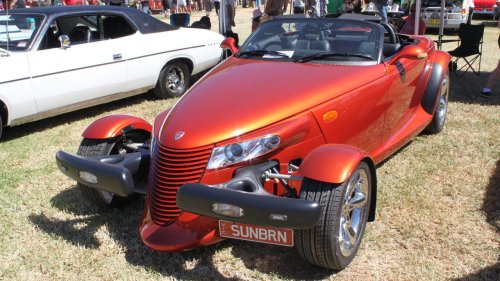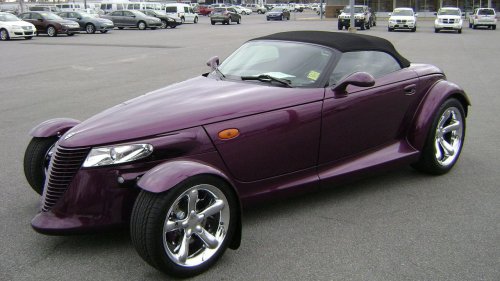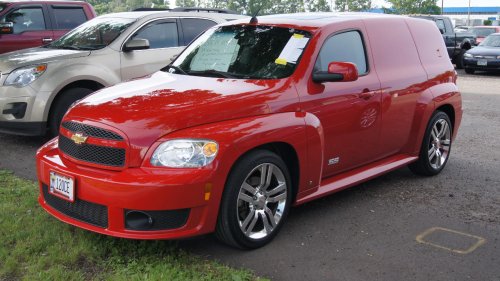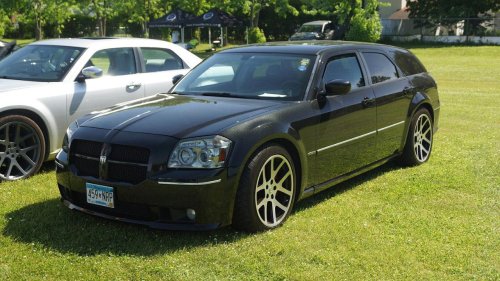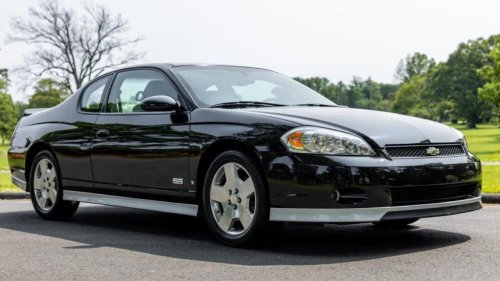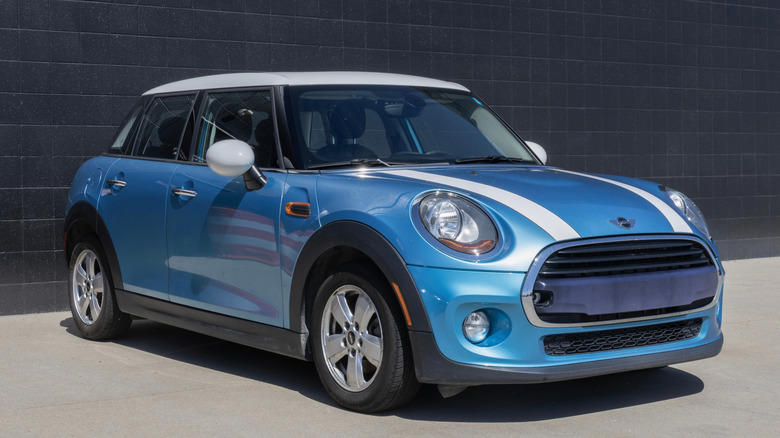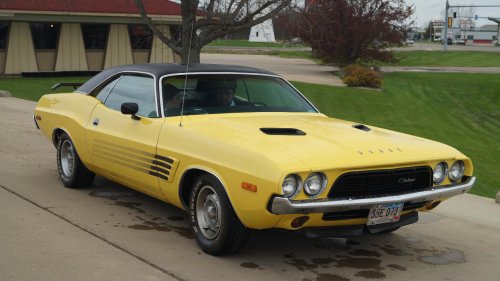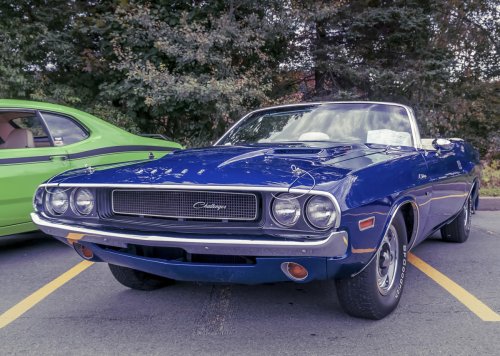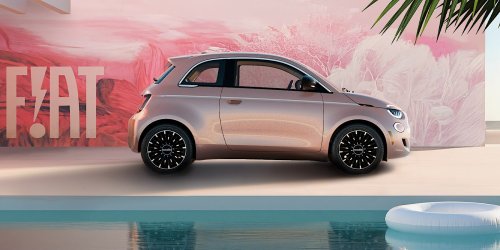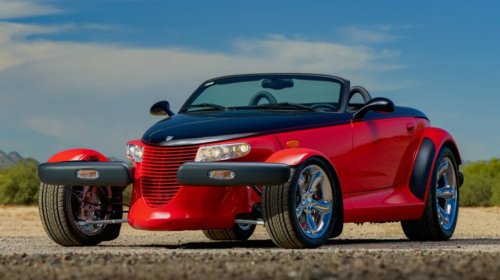
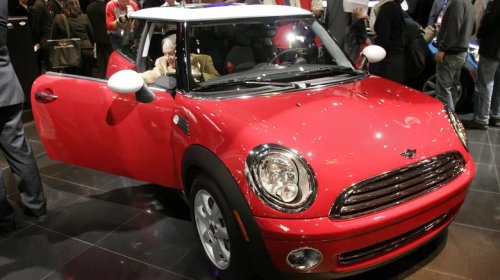
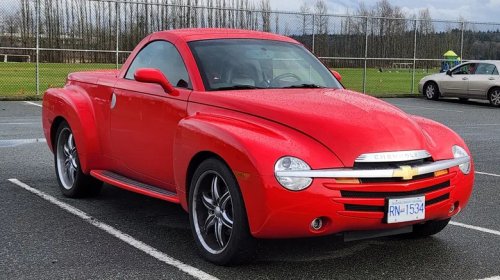


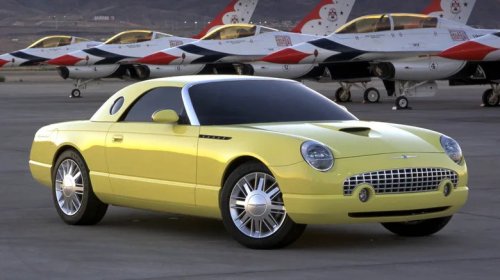
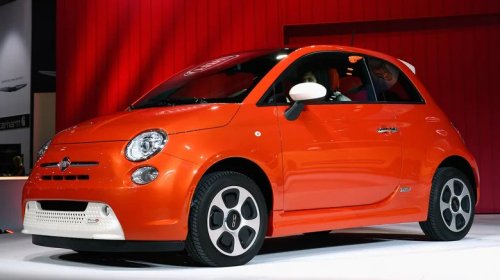
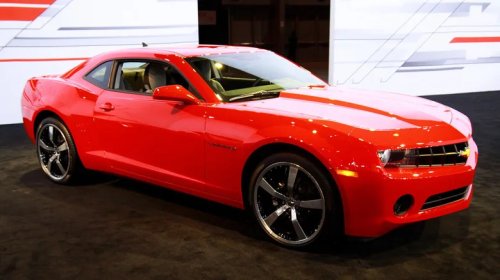
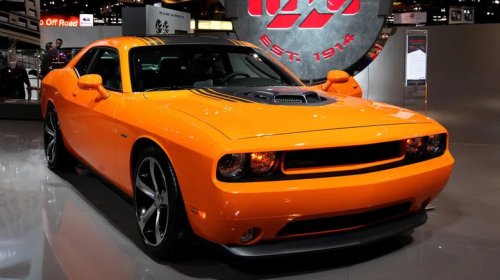





















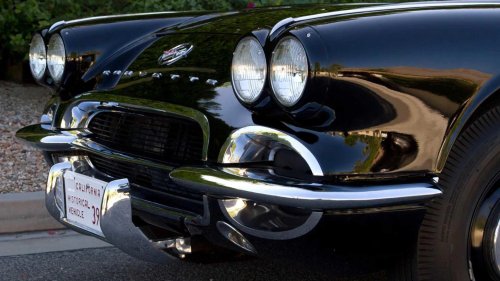

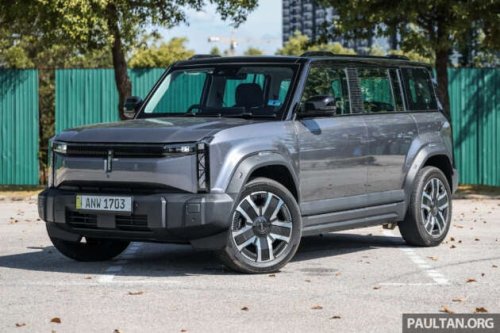
JoshBryan/ShutterstockOften, in the world of cars and the wider world, we forget how the past really used to be and remember it the way we want it to be. Music was better back then, and the telephone was bolted to your house. The kid's manners were better, and the cars had character. These are the sorts of conclusions about the past that are all too easy to arrive at, and while they are almost always wistful misrepresentations, the power of the past remains. Nostalgia is a curious impulse, and a strong tool for marketing.Automakers are aware of this, and over the years we have seen brands from all corners of the globe attempt to leverage this. The objective of the retro car is to take our clouded and benevolent views of the past and make them into reality. A good one brings to life all the things that were good while leaving out the pitfalls, confirming to the consumer that they were right all along. This usually means evocative design and styling combined with the conveniences of the modern world. You get the feel of the old days without their difficulties.However, to the dismay of automakers, sometimes those difficulties seem to chase their creations, as if to remind us that nothing was ever perfect. These are 13 retro cars that turned out to be problematic.AdvertisementAdvertisementRead more: 5 Of The Most Dangerous Classic Supercars You Can Drive2007 Mini CooperBill Pugliano/Getty ImagesJames Bond and his Aston Martins of old remind us of the elegance of the 60s, but Austin Powers and his Mini Cooper remind us of the carefree wackiness of the 70s. Like many cars of the time, the Mini Cooper's story starts out of necessity. After the second World War, fuel costs went into the stratosphere and everyone wanted cars that could get you around and consume almost nothing. Alec Issigonis of the Morris Company designed a solution in the form of the first Mini. Released in 1959, it was a pocket-sized car whose wheels were pushed to the corners, and whose engine was turned sideways to minimize size and maximize space.Much later, in 2001, the now BMW-owned Mini brand relaunched the Mini Cooper. Although marginally bigger than the original, it was still a delightfully tiny car. Not so delightful were its issues, with the 2007 model year being particularly problematic. The main issue stemmed around the timing chain — the car's muscular system. It connects the camshaft to the crankshaft, ensuring the complex dance of movements an internal combustion engine runs on happens in perfect synchronization. The chain is held by the tensioner, which was faulty in the 2007 Mini. This would cause loose running and the occasional chain break, turning it into a whip that could cause massive internal damage. The Mini's style was certainly retro, and unfortunately, its reliability was too.Chevrolet SSRYi Bao/ShutterstockOften, a retro car marks the return of a nameplate that already existed. A model that already has a history, character, and reputation, is the perfect candidate for a revival. Enthusiasts see the name and already have a picture painted in their mind of what they can expect. It can be difficult to introduce something completely new while trying to be retro, and there is perhaps no better example for this than the Chevrolet SSR.AdvertisementAdvertisementThe SSR, which stands for "Super Sport Roadster," was an amalgamation of everything charming about antique American cars. For some reason, Chevrolet decided to throw the independence of a pickup, the freedom of a convertible, and the performance of a hot rod together all at once. The result was a car-truck thing that was simply trying to be too many things at once.Besides its strange identity crisis on the outside, it also had a host of problems on the inside. The bushings on the control arms and anti-roll bars were frail and wore quickly. More concerning were the overheating issues, caused by a cooling fan that is prone to failure. Even without overheating, when the engine gets up to operating temperatures, the expansion and then exposure of wires in the fuse block can shut off the engine completely. Between the head-scratching styling and problematic engine, it's no wonder Chevy barely sold any SSR.Ford BroncoJonathan Weiss/ShutterstockThe Ford Bronco is famous for all the wrong reasons, but, as they say, any publicity is good publicity. Besides its role in one very famous police chase, the Bronco is also famous for its rugged abilities and iconic boxy design. Originally released in 1966, the two-door SUV enjoyed a 30-year lifespan encompassing five generations. In 2020, the nameplate was revived and modernized, adding eye-catching paint jobs and a four-door bodystyle while preserving the vintage blocky proportions.With this new iteration of the Bronco, the configuration options were much greater than before. Different trim levels, body styles, and engines are available, and while most of them do just fine, one engine option has become a thorn in the Bronco's side. The engine in question is the 2.7-liter ecoboost. This twin turbo V6 put out a healthy 330 horsepower, but it housed a huge problem. The intake valves on models from the 2021-2022 model years were weak and could break, falling into the combustion chamber and causing massive damage and complete engine failure. The issue was eventually fixed, but not before Ford had to recall 15,835 units of the retro-bodied Bronco.Mercedes-Benz G580 with EQ technologyGabriel Nica/ShutterstockWhile many of the retro designs we see on the roads call back to the sports cars of the past, a great many also pay homage to the original SUVs that gave the blueprint for today's most popular bodystyles. There is perhaps no better example of this than the G-Wagen. When it was introduced in 1979, the G-Wagen was pretty much the German Jeep. Military in soul, but made for the consumer. Its absurdly anti-aerodynamic boxiness has been well-preserved since its genesis, and it remains one of the most recognizable silhouettes in the world.AdvertisementAdvertisementRecently, Mercedes has brought the G-Wagen into the electric realm, with the G580 with EQ technology. As you'd expect, despite its massive departure from its traditional powerplant style, the electric G-Wagen could stand next to any of its ancestors and look almost identical. Under the skin, though, it harbors the enormous weight that EVs can't seem to escape, coming in at 6,908 pounds. That weight combined with the high torque proved to be too much for the wheel bolts on some models, causing them to labor and loosen. The risk of wheels detaching while driving was not a good one, which led to recalls for the newest member of the G-Class family.Ford ThunderbirdGetty Images/Getty ImagesThe original Ford Thunderbird was one of the brand's greatest hits and a symbol of American carmaking. It was a beautiful two-seater luxury cruiser associated with images of drive in movie theaters, milkshakes under a neon diner sign, and slow jaunts down a town's main street. This is what the resurrected Thunderbird meant to invoke, and on the outside, it did as best it could under the limits of modern safety regulations. The new Thunderbird is a long car, stretching out on front and rear from the passenger compartment, with its slabby length further accented when the roof is down. Its ovular grille and round headlights and taillights are easy on the eyes, and contribute to its smooth and confident demeanor.It brought the style of the past, but unfortunately, it brought some of its problems too. The Thunderbird's Jaguar-sourced V8 relied on a coil-on-plug ignition system, which consistently misfired and led to Technical Service Bulletins — a measure one step under a recall that tells dealers how to fix manufacturing issues that don't endanger the driver. As if that wasn't enough of a headache, a set of recalls were also issued, as the Thunderbird thin and brittle fuel tank caused fuel leakages inside the car.Fiat 500eKevork Djansezian/Getty ImagesThe original Fiat 500 looks like something out of a Richard Scarry book, but that was not done just for fun of it. In the 1950s, Italy's economy was booming, which led to a richer working class and an increased need for cheap cars. The answer was the Fiat 500. Powered by a hilariously small 479cc engine, the 500 was smaller than a smart car and capable of fitting four people. Its cutesy design may have been born of necessity, but its charm is undeniable. For this reason, the Fiat 500 has remained largely unchanged in its looks throughout the years.AdvertisementAdvertisementIn 2013, the brand launched the 500e, the first electric-powered 500. For a car whose mission is to be economical, and whose habitat is the city, electrification seems like the perfect choice. However, Italian brands are not usually renowned for their electronics systems, and unfortunately for Fiat, the 500e did nothing to disprove that stereotype. In some of the 2014 models, the power inverter, which transfers electric energy from the battery to the motor, leaked coolant. The coolant could spread to the circuits and completely disrupt some fuses, potentially leading to loss of power, even while driving.5th Generation CamaroRaymond Boyd/Getty ImagesWhile Ford kept making Mustangs since the original, its biggest competitor, the Camaro, had disappeared in 2002. Just four years later though, Chevrolet showed off the 5th generation Camaro concept at the Detroit auto show. The muscle car would later become a star in Michael Bay's "Transformers," playing the disguise for Bumblebee. The 5th generation is modern, but unmistakably a callback to the Camaro's origins. Its round eye-like headlights, angled rectangular grille, hood bulge, and flexed rear haunches are all clear hereditary muscle car traits.The Camaro was an absolute hit styling-wise. It brought the best of its ancestors while reeling in new fans from its Hollywood appearance, but it was not without issues. In models equipped with the LS3, Chevy's 426 horsepower V8, there were fragile connecting rods, oil circulation issues, and the dreaded timing chain tensioner failures.The most sweeping problem affected cars produced from 2010 all the way to 2015. According to General Motors, some Camaro owners may have been sold a replacement for their car's turnkey. When inserted in the ignition, that was right above the driver's knee, the key was at risk of being turned by mistake. This would shut off the vehicle and turn off systems like power steering, braking, and even the airbag. This even led to a recall, staining the Camaro's comeback.Dodge ChallengerRaymond Boyd/Getty ImagesToday, it's hard to imagine the modern Dodge Challenger as anything but a pure success story. The Challenger lineage introduced the world to the legendary Hellcat engine, revived the muscle car, and solidified Dodge as one of the American greats of the modern day. That era has just recently come to an end, and the Challenger's reign was so total, it's easy to forget its early setbacks.AdvertisementAdvertisementIn some of the first model years, there were a couple of truly dangerous issues, both of which required recalls. The alternator is a car's electrical management system: It handles power from the battery, adjusts and flips currents, and ensures that anything with a circuit works. It's responsible for a lot, and in some 2014 Challengers, its diode could fail, which caused immediate electrical failure at best, and electrical fires at worst.If that wasn't bad enough, many Challengers came from the factory with Takata airbags. The inflators for these airbags were fragile, and could explode on inflation. The NHTSA reported that the Takata scandal affected millions of vehicles beyond the Dodge portfolio, and that 28 people were killed by the faulty inflators. The NHTSA issued a "do not drive" warning with these recalls, making it one of the most dangerous examples of a retro car gone wrong.Plymouth ProwlerRegular Car ReviewsThe Plymouth brand is a thing of the past, but in its final days, it made one of the most ambitious retro projects the motoring world had ever seen. The Plymouth Prowler took retro styling to a new level with its modern take on the classic American hot rod. Its windshield was slanted nearly horizontal, the roof was nonexistent, the nose was coned and pointy like the bow of an icebreaker, and the front fascia was a Picasso-like conglomeration of modern safety bumpers and an open-wheel design. Like it or not, the Prowler played the retro card to its fullest extent.It certainly gained points for uniqueness, but it lost them for reliability. The Prowler was plagued with numerous issues. There were leaks in the brake fluid system, which led to a loss of brake line pressure that decreased the overall effectiveness of the brakes, which led to recalls. The control arm joints, which connect the wheels to the rest of the car, could lose lubrication. This could lead them to break or separate from the steering knuckle, which led to more recalls. The car was made mostly of aluminum for weight reduction, but Chrysler's build quality wasn't always adequate, occasionally leading to frame fracturing and to more recalls.Alfa Romeo 8CHeritage Images/Getty ImagesIt almost hurts to criticize the Alfa Romeo 8C, because it is so honestly an Alfa. We must first get out of the way the fact that it is supremely beautiful. The 8C's grand tourer proportions, its triangular grille and bulbous snout are perfect examples of Italian drama, as is the exhaust note of its 4.7 liter, 444 horsepower V8. When the 8C came out in 2009, it was Alfa Romeo's first forey back into the US market after it left in 1995 due to its bad reliability reputation. Unfortunately for the brand, that reputation was again earned with the 8C. Anecdotal stories tell of fuel leaks, ABS issues, and engine knock.AdvertisementAdvertisementA more consistent issue with the 8C involved its suspension. From the factory, some 8C models had improperly tightened front and rear ball joint nuts and suspension arms. In Models with poorly fitted ball joints, these components could be heard rattle loosely. Things could go from annoying to dangerous in a blink, as they could also break the suspension arms. This could mean complete loss of control while driving, which naturally led to recalls.2004 BeetleStoqliq/ShutterstockThe Volkswagen Beetle is one of the world's most recognizable and storied cars. Its story started 92 years ago, when Ferdinand Porsche designed a more consumer-friendly sibling to his sports cars. Like many cars of the time, the Beetle was meant to be small and economical, to be a binding asset of the people of a country trying to grow, and this ethos has been preserved throughout the Beetle series. The car's design remained untouched until the New Beetle era, when Volkswagen finally updated the looks to a more modern (but still retro) vibe.During this New Beetle era, the already classic car endured some growing pains as it adjusted to its new body. The 2004 model year was a particularly bad example. The automatic gearbox for the 2004 was an especially weak point, with many owners reporting a range of issues from hesitant and jerky gear changes to full-on failure. The build quality was questionable too, with trim pieces being poorly fastened, quick to wear, and quick to crack. For some of the diesel-powered Beetles, the fuel pump was poorly fastened as well, and the system could detach, leaking fuel inside the car. All this led to a series of recalls, and while the Beetle nameplate as a whole is still revered, the 2004 edition was somewhat of a stain on the lineage's reputation.Jaguar XK8Heritage Images/Getty ImagesJaguar has been criticized for the bold styling of the new Type 00 so much recently that you almost forget that they made one of the most beautiful cars of all time. The Jaguar E-Type has achieved a status that is reserved for the finest examples of automotive design. There are few cars whose titles carry such weight, and naturally, there was a time when Jaguar attempted to reignite the flame of the E-Type. The attempt came in the form of the Jaguar XK8. Produced from 1996 to 2005, the car bears markers of its time, but it is unquestionably an E-Type in form. Its long hood puts what looks like miles between the front wheels and the windshield, and its rounded grille is a clear callback to the car it is inspired by.AdvertisementAdvertisementUnfortunately, the internal workings fell short of the design. The XK8 was home to Jaguar's first V8 engine, a fact that was made apparent by its shortcomings. The cylinders were coated with a composite of nickel-silicon-carbide, called Nikasil, that was supposed to protect the engine block. However, the material did not react well to the high sulfur levels in some fuel and wore quicker than expected, causing issues with compression and eventually engine failures. There was also the issue of the timing chain tensioners could fail, which meant serious damage and costly repairs. The XK8 may have had the face of an E-Type, but it never found the spirit.Want the latest in tech and auto trends? Subscribe to our free newsletter for the latest headlines, expert guides, and how-to tips, one email at a time. You can also add us as a preferred search source on Google.Read the original article on SlashGear.