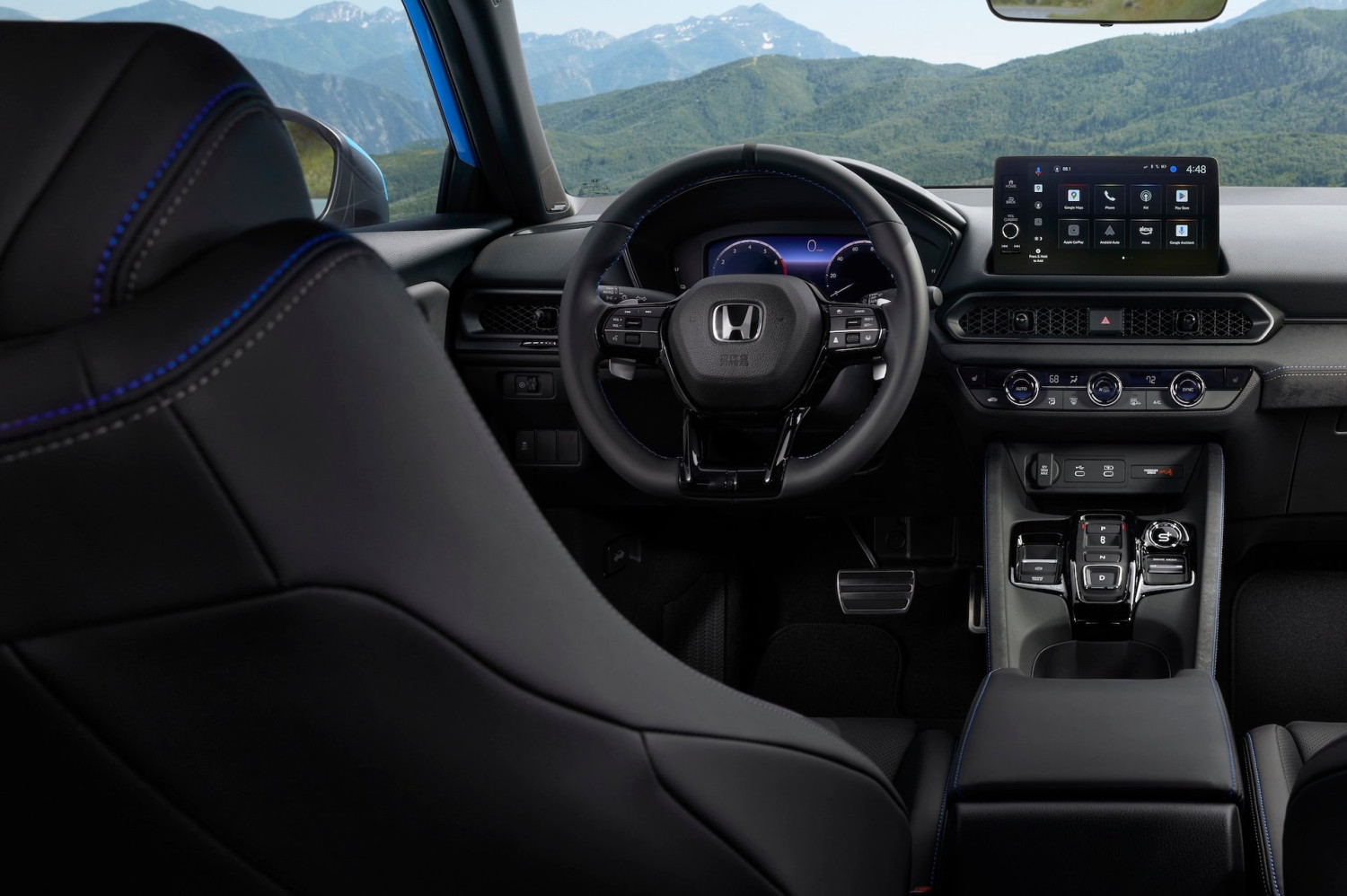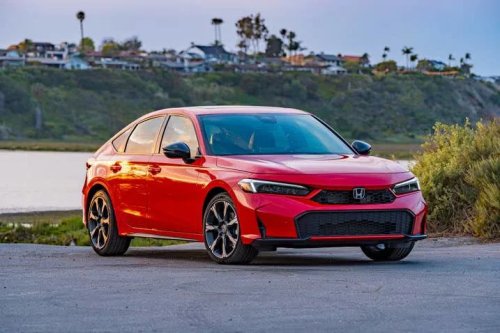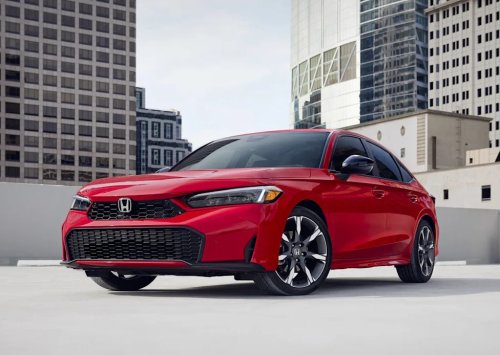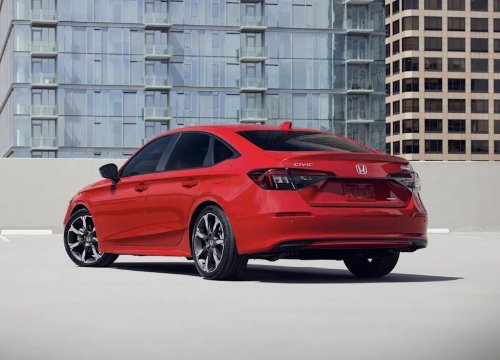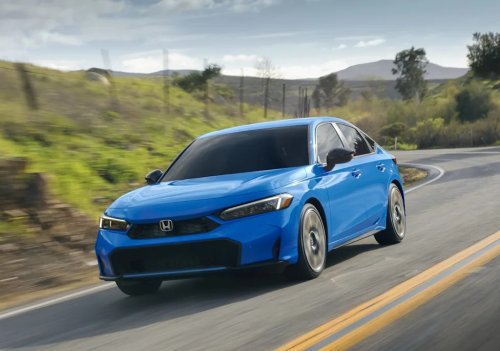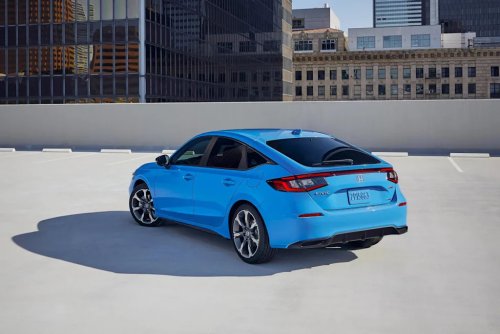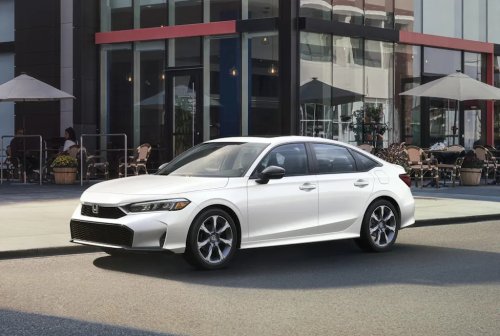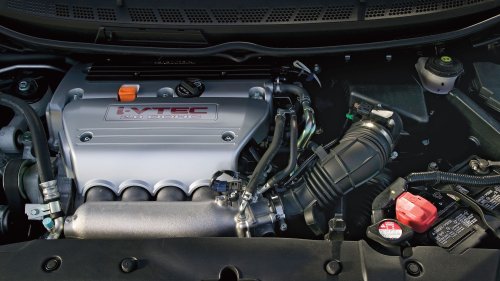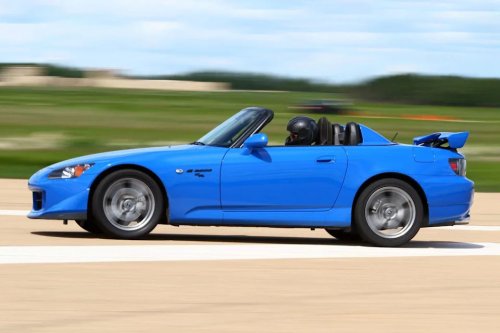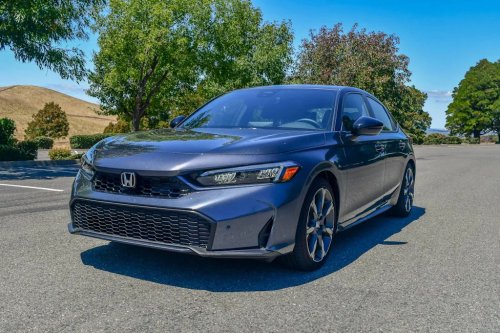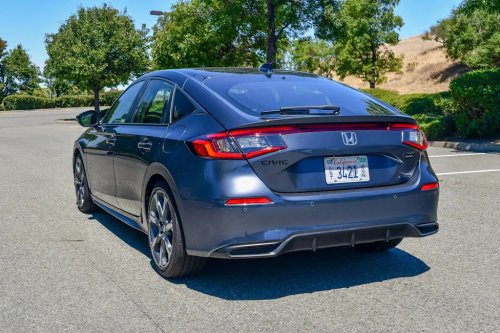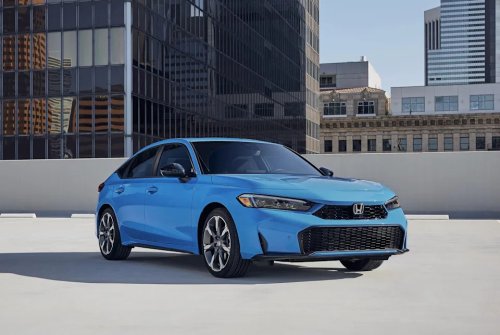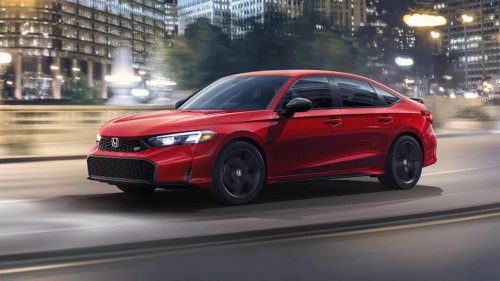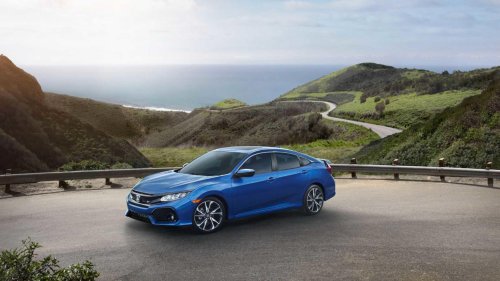
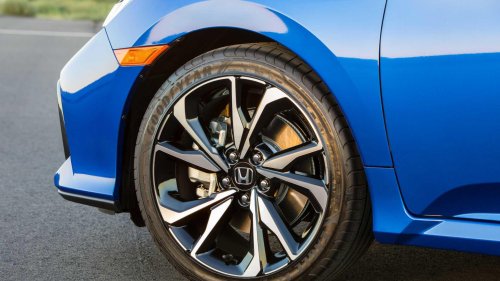
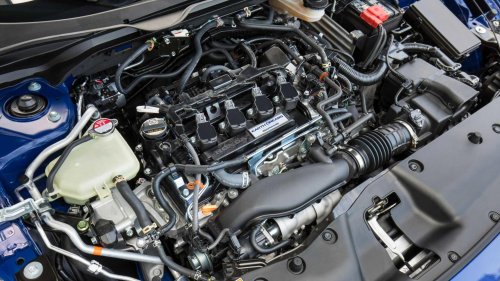
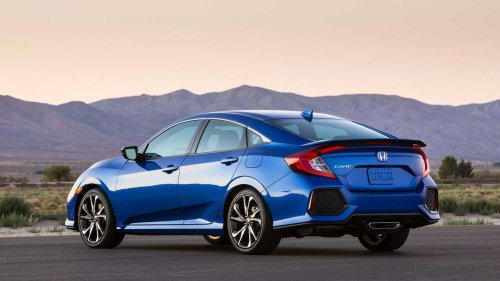
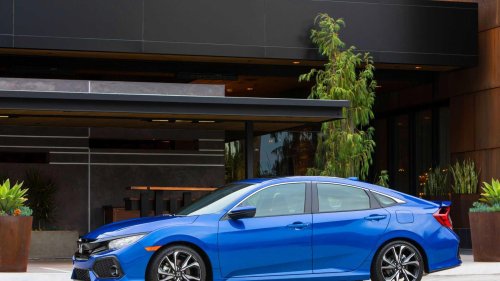
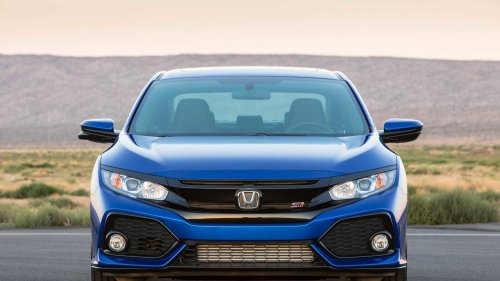
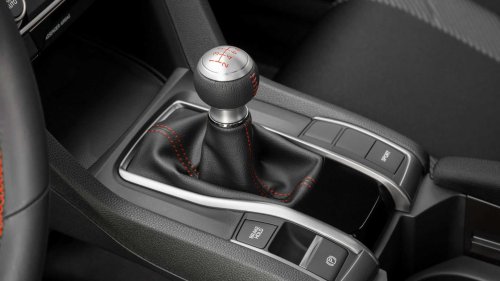
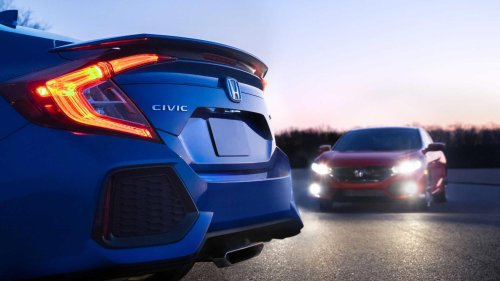



















Car fans of a certain age will reminisce wistfully about the golden era of VTEC-powered Hondas and their screaming naturally aspirated engines. But sometimes, the very thing that defines a brand may be holding it back. Porsche had to move to water-cooled engines to stay competitive, Ferrari ditched manuals to achieve ever loftier performance goals, and Honda ditched its V-TEC powerplant in favor of turbocharging for its 10th-generation Civic Si.In hindsight, it was the right move, and these sporty little Hondas have developed an avid following of their own over the years. We look into what the earliest models cost today, and whether they are a worthy successor to the VTEC legends they replaced.All vehicle data is from reputable sources. Pricing excludes destination charges and tax unless otherwise specified. The First Turbocharged Honda Civic Si HondaA 2026 Honda Civic Si Sedan has an MSPR of $31,495. Add in the $1,195 destination charge, $455 for a nice exterior color, and $1,600 for a set of snazzy wheels, and that total swells to $34,745. For a little over half that figure, you can buy a 2017 Honda Civic Si. That's a lot of car for the money, but you are buying a nine-year-old vehicle. Fortunately, the Civic Si has proven to be relatively solid and reliable. Aside from some issues with the AC system and a factory clutch that doesn't take kindly to engine performance mods, the 10th-gen Civic Si generally doesn't throw up many pricey maintenance surprises.Honda Judging from JD Power ratings and owner reviews, the quality and reliability of these cars improved over the production run, but regular servicing should keep any 10th-gen Civic Si performing reliably for years. The sales figures above show a snapshot of the values of 2017 model year cars sold over the past year. The Civic Si was available as both a sedan and a coupe in the first few years of production, so we split the cars to see whether there was any noticeable price difference. Turns out that the coupe's values are only higher than the sedan's on very low-mileage examples. Turbo Versus VTEC HondaAnyone who has driven an old-school naturally aspirated performance Honda will appreciate the Jekyll and Hyde personality of these VTEC motors. Mild and quiet one moment, as soon as the rev counter started approaching 6,000 rpm, the valve timing would be switched to a more aggressive setting, allowing the engine to breathe better at higher revs and provide a final lunge of power to the lofty red line.Honda It was fun and made these cars more engaging and exciting than more mundane naturally aspirated motors, as well as many laggy turbocharged cars from the 1990s and early 2000s. But variable valve timing was not unique to Honda, and many rivals also used it in their vehicles, sometimes with more advanced designs that delivered more nuanced control and better real-world performance.Honda But the biggest challenge to Honda's screaming VTEC models was turbocharging. While Honda had arguably the most reliable VTEC system out there, most rivals were delivering similar power and way more torque from forced induction. Honda had experimented with Turbos in their road cars for decades, but the big shift came in 2015 when it turbocharged the Civic Type R in Europe and Japan.For the US market, the 2017 Civic Si was the first turbocharged model to arrive. And within a few years, all the sporty Honda models had adopted forced induction. The 10th-generation Civic Si used a small 1.5-liter four-cylinder turbo motor and did not feature VTEC at all.Fans were incensed, or at least somewhat disappointed, but one drive of the new car was enough to convince them that the time had come to move on.Honda The Civic Si didn't scream to the redline like the 2.4-liter VTEC motor did in the 9th-gen Si, but aside from a slight delay to build boost pressure at low revs, it pulled much harder in the mid-range and delivered the same 205-hp max power figure with 18 lb-ft more torque.With the same peak power and a similar curb weight, there's not much difference in outright acceleration figures, but the 2017 Civic Si certainly feels more responsive and eager to get going. That's partly because its peak torque is delivered much earlier and is maintained throughout the mid-range. Based on contemporary road tests, the 0-60 mph times were very close, but the way in which each car achieved its figures was very different.While the older VTEC's more manic power delivery was fun when driven hard, it lacked punch at lower revs, even though the setup was already profiled for a bit more torque to account for US tastes. So, while some of the earliest VTEC motors could rev as high as 9,000 rpm, this ninth-gen Civic Si had a much more "normal" 7,000 rpm redline with a fuel cutout at around 7,200 rpm. The need for more poke at pedestrian speeds meant that even the legendary S2000 ended up with a torquier, lower-revving engine for the US market.Honda Engine character aside, the most important thing was that the new turbocharged Civic Si was still a riot to drive quickly, and its front-wheel drive chassis was as playful and well-tuned as ever. It still had a sporty 6,500-rpm redline and could be coaxed to deliver much more power and torque with a simple ECU tune. Although pushing things too far would soon have the clutch crying for mercy.On that note, avoid overly modified turbocharged Civics if you want to keep your running costs reasonable. Trying to get more power out of a naturally aspirated engine, on the other hand, is expensive and rarely worth it.Honda has since reintroduced VTEC valvetrains to many of its turbocharged engines, albeit these are much more complex systems that are optimized to deliver a smoother transition between profiles. Is a 2017 Honda Civic Si a Good Used Buy? HondaThe current 11th-generation Honda Civic Si remains a popular enthusiast car, proving that Honda's turbocharged formula is a winner. The older 10th-gen models are just as much fun, and can be had at a fraction of the price. The manual shifter is a joy to use, that small turbocharged motor has a rorty character all its own, and while it isn't especially fast, the Civic Si's enjoyment comes from its well-balanced overall performance.So, yes, a 10th-generation Honda Civic Si is a great used buy. It is the perfect one-car solution for an enthusiast on a budget, and there are plenty to choose from, so take your time and find one with a solid service history and preferably no aftermarket modifications.