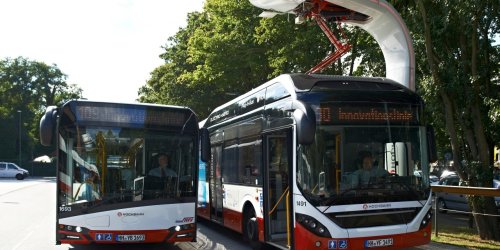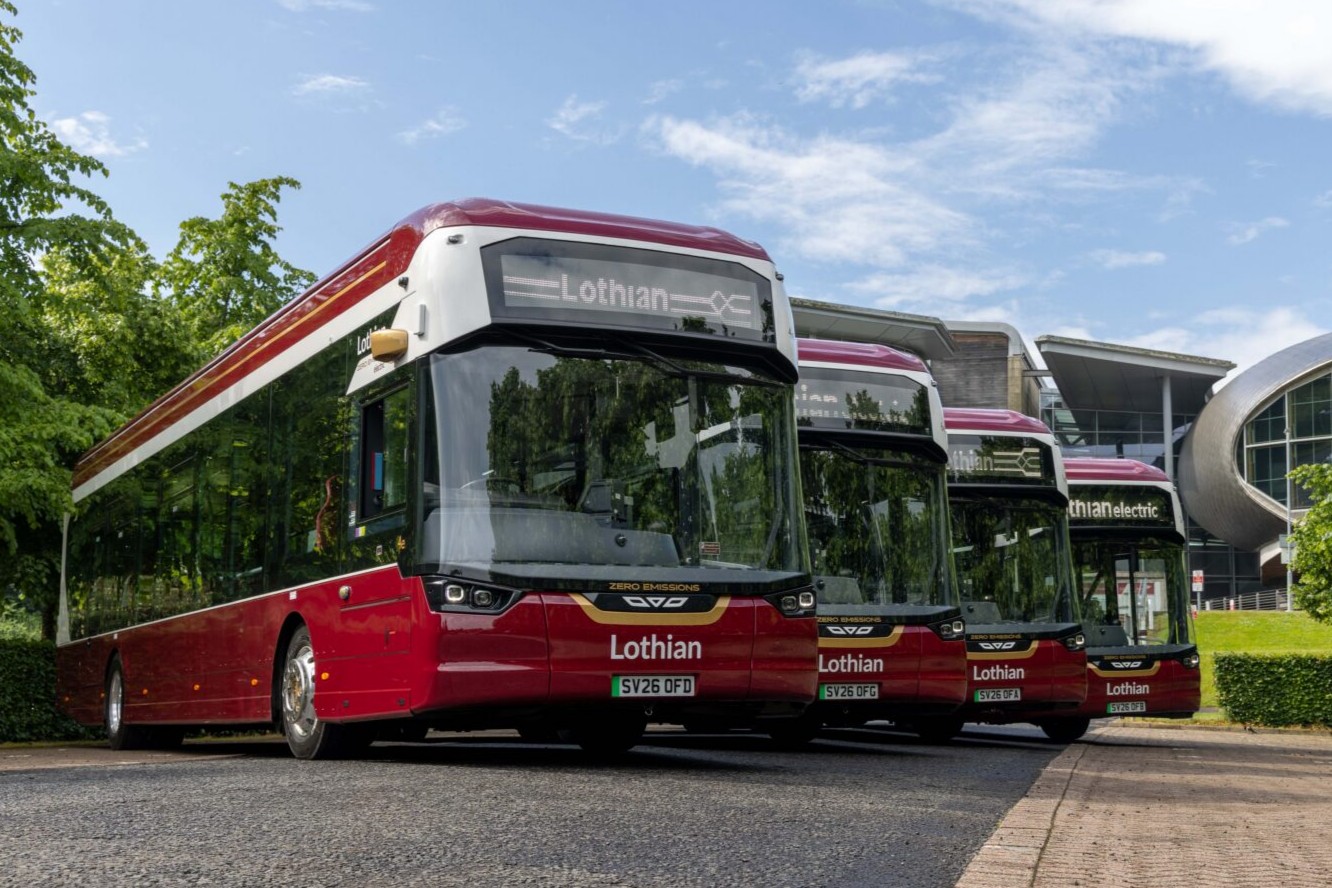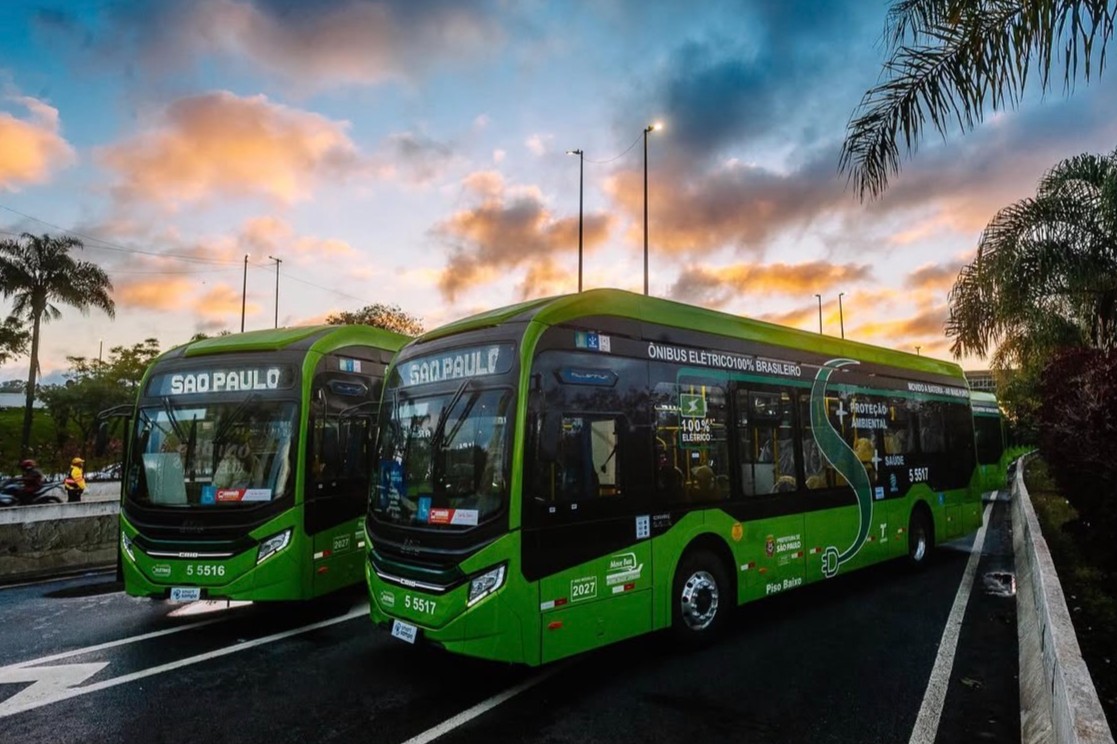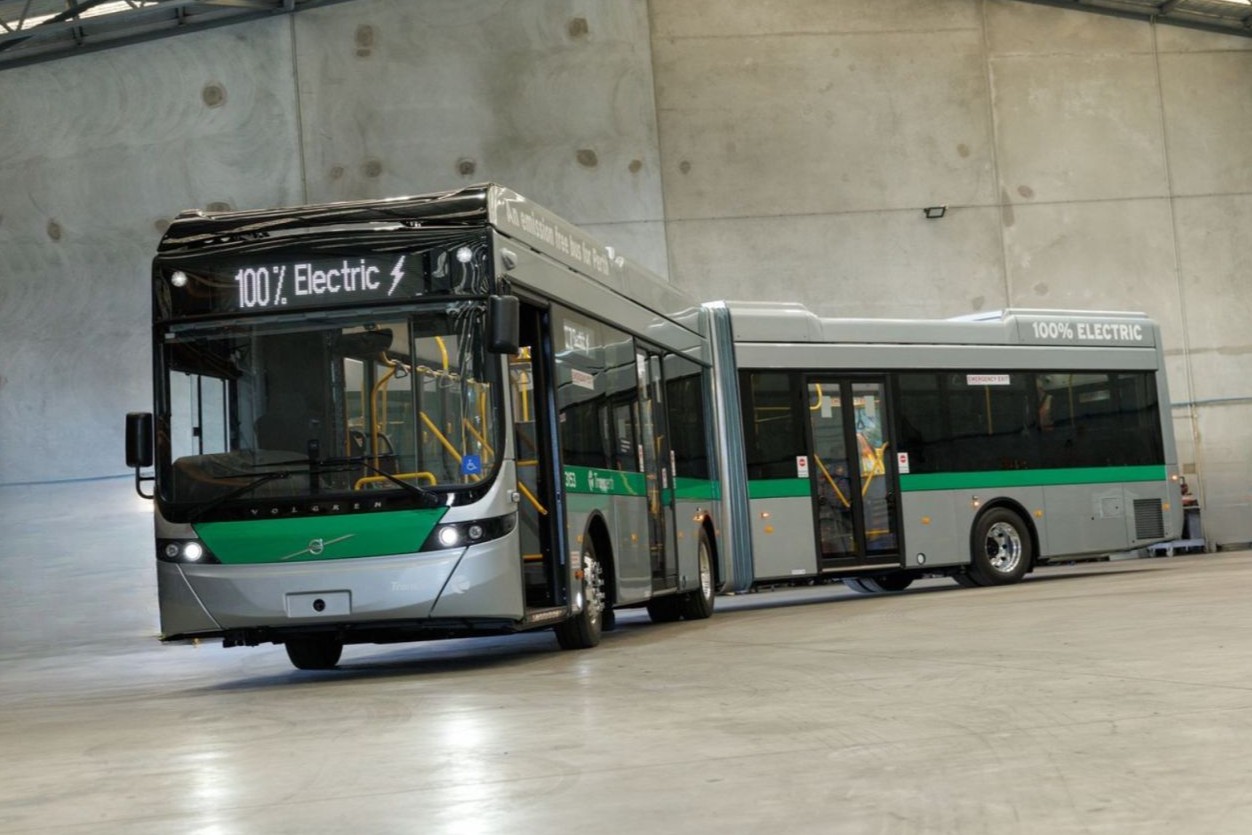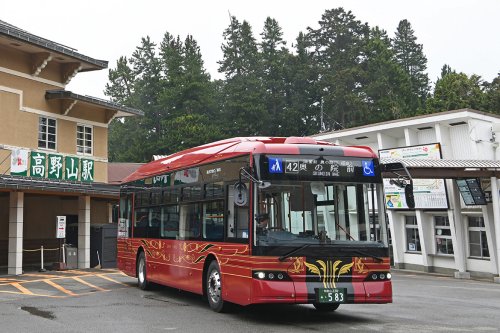


















Sometimes these electric vehicle developments don’t seem real, but they are. The speed at which transportation is electrifying is almost stunning sometimes. In the Flanders region of Belgium, the transport agency De Lijn commissioned its 1,000th electric bus. Yes, that’s electric bus number 1,000 — with many more to go. “The 1,000th electric bus is a clear signal that Flanders is moving forward towards sustainable and future-oriented public transport. The Flemish Government provided a turbo investment of 400 million euros for the purchase of electric buses,” said Flemish Minister of Mobility Annick De Ridder. Flanders has a population of about 6.8 million people and the local transit agency could have 3,800 electric buses by 2035. If it achieves this total number of electric buses, there may be no diesel buses remaining in the region. No diesel buses in less than ten years? “For the traveler, this complex transition translates into quiet, comfortable, and completely emission-free buses, with a positive impact on air quality, noise, and livability. For society, it represents an important step towards climate goals, and for De Lijn itself, a future-proof organization,” said Ann Schoubs, Director General of De Lijn. Today, there may be more awareness of carbon emissions from diesel engines, and yet there are many more pollutants. “The main pollutants from road transport are particulate matter (PM) and NOx. Ambient particulate matter is ranked as the 6th risk factor for total deaths globally, through cancer, lower- and chronic respiratory diseases and cardiovascular diseases. This makes it the most harmful element of diesel exhaust emissions to human health. “It is estimated that 10.000 premature deaths of adults over 30 in 2013 in the EU28 and Switzerland, can be attributed to NOx emissions from diesel cars and light commercial vehicles. Of these, 50% could have been avoided had the on-road NOx emissions been at the level of the laboratory tests.” To be clear, diesel exhaust harms human health and contributes to climate change. Electric motors are much more energy efficient because diesel engines waste most of their energy.