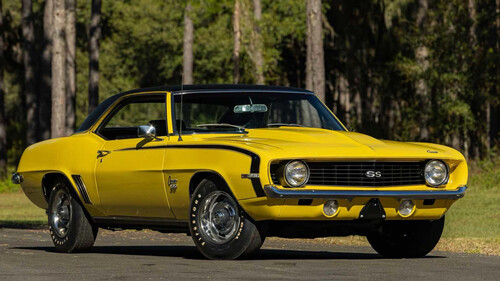
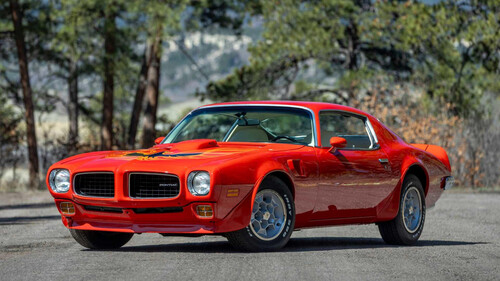
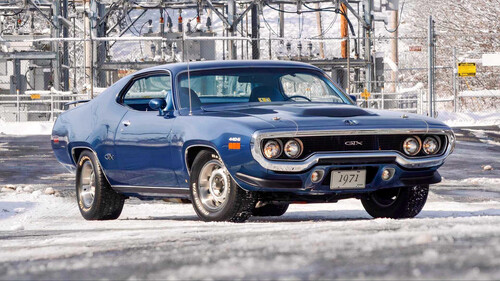
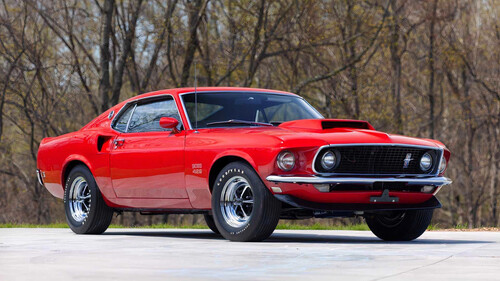
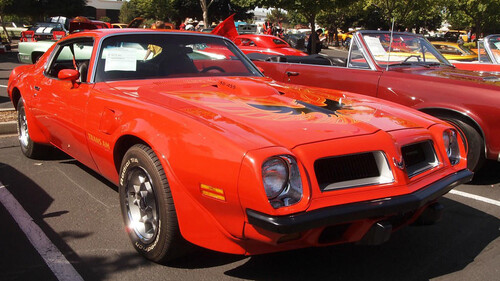
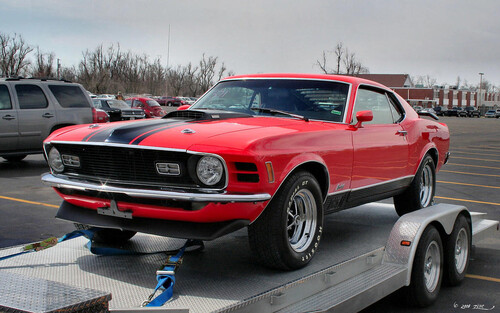
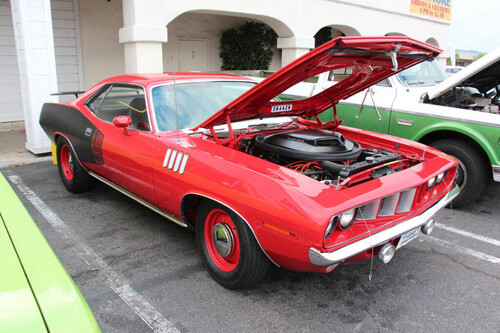
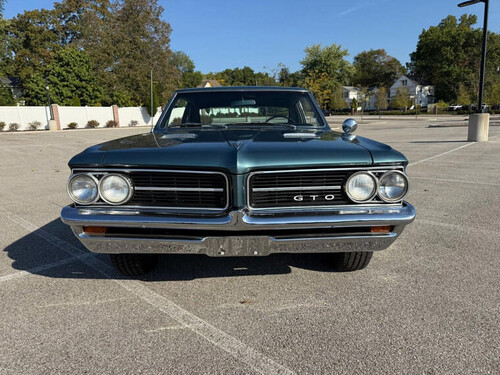
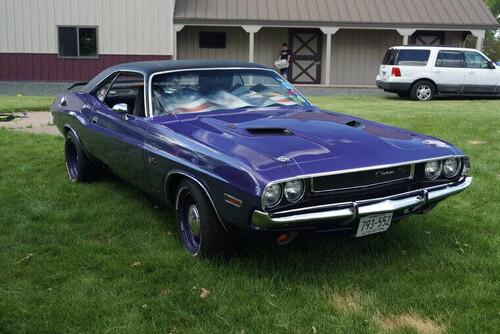
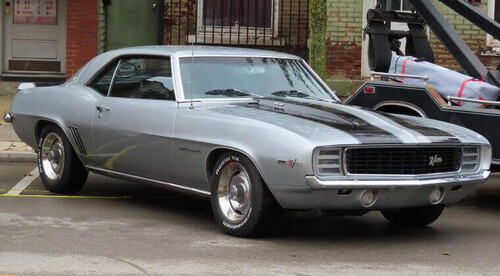
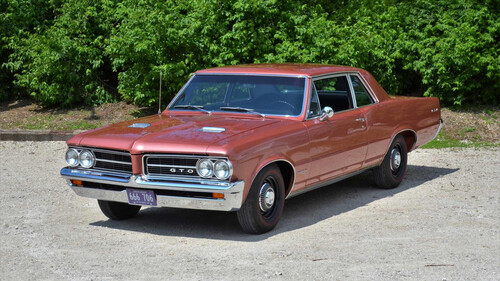
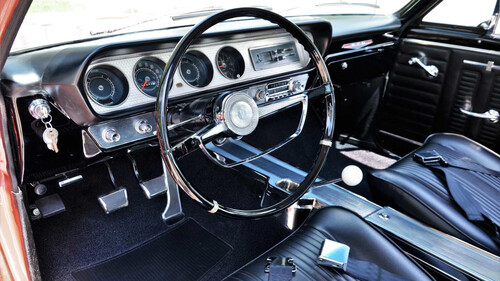
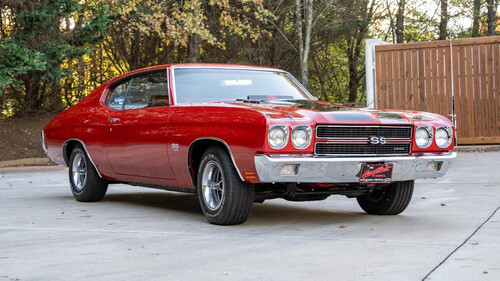
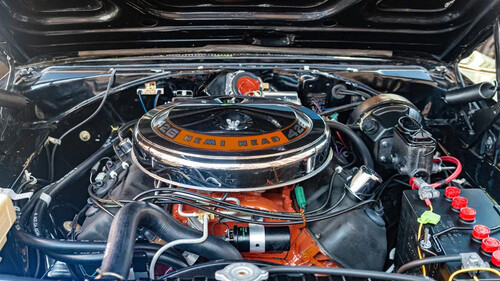
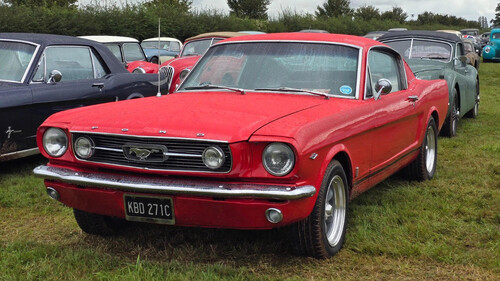
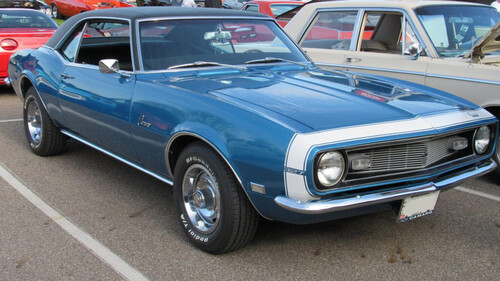
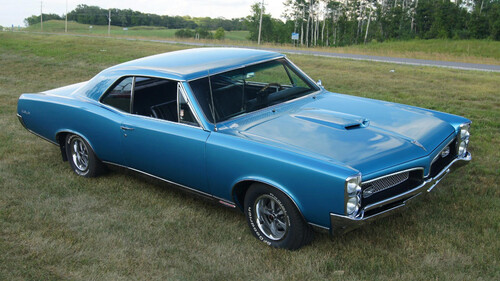
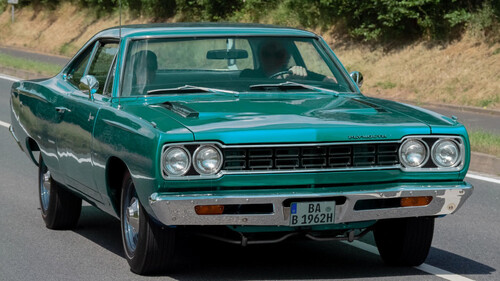
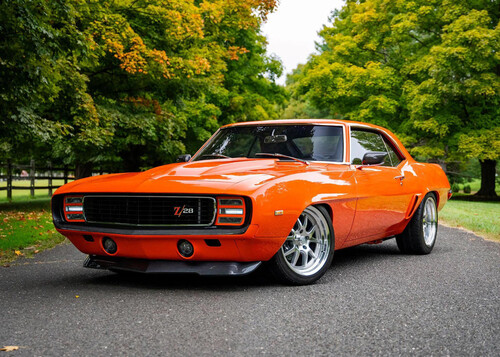
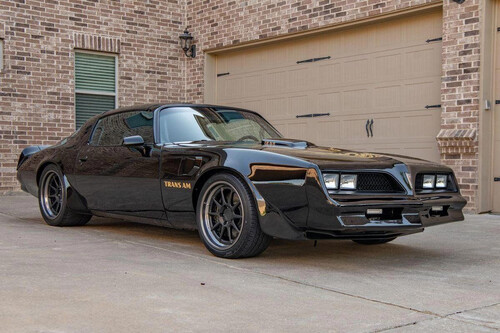
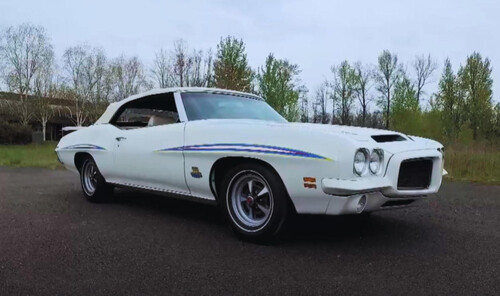
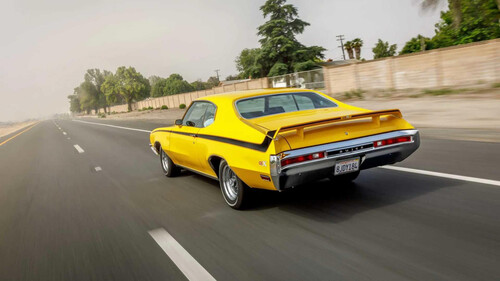
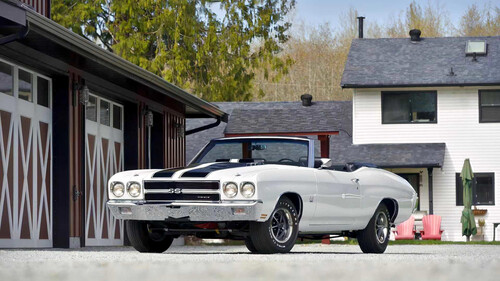
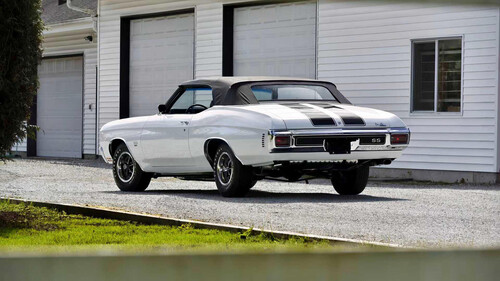
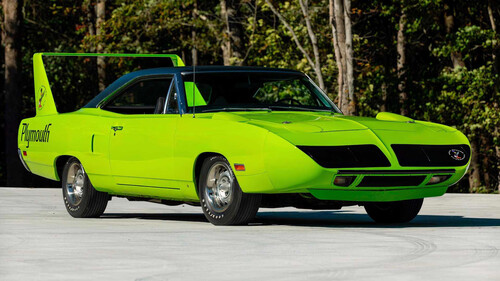
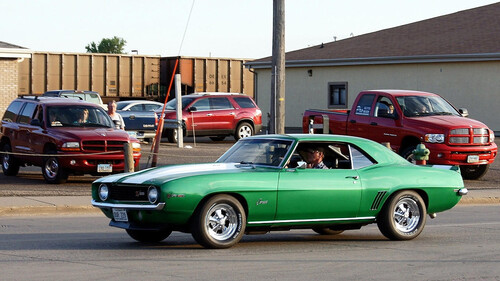
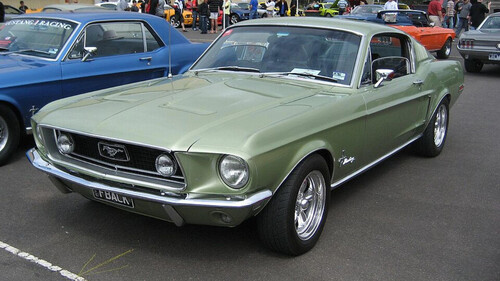
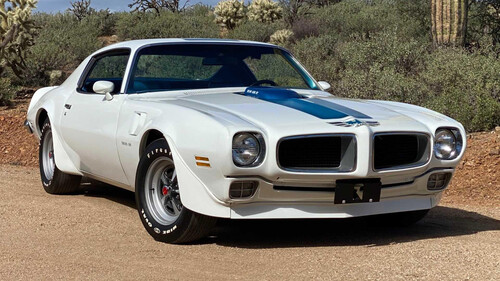
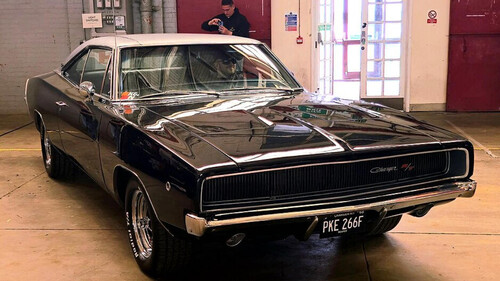
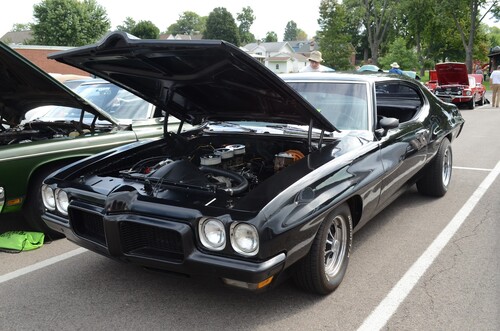
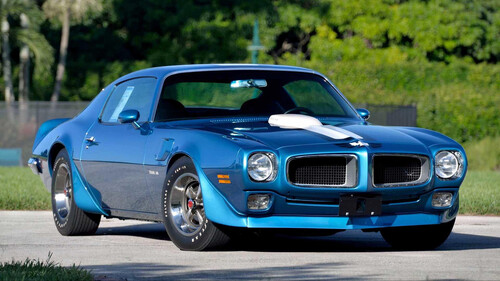
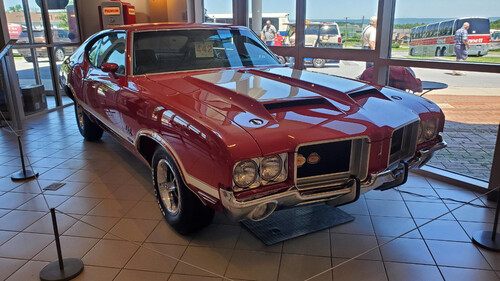
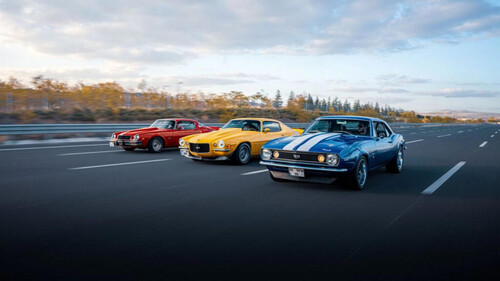
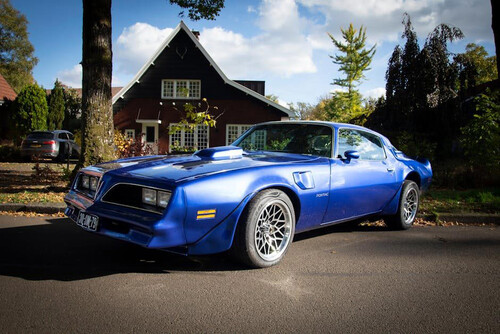
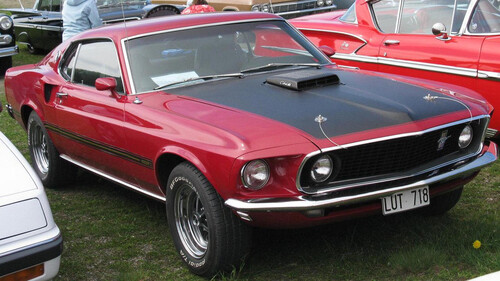
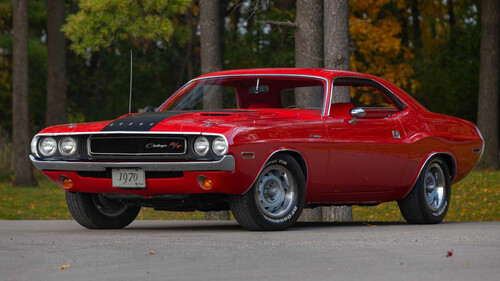
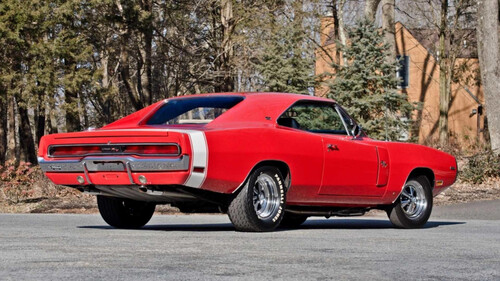
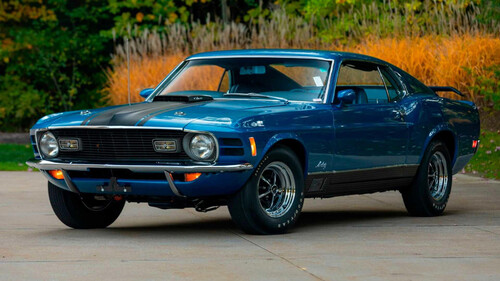
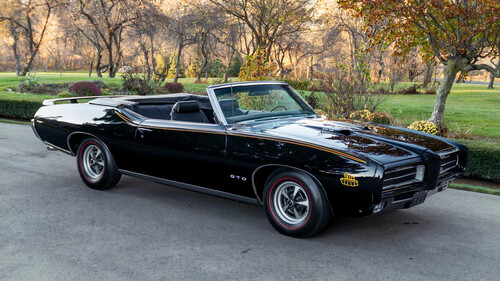
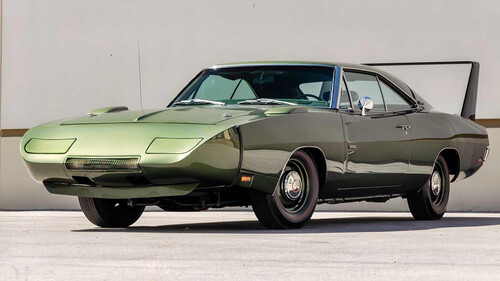
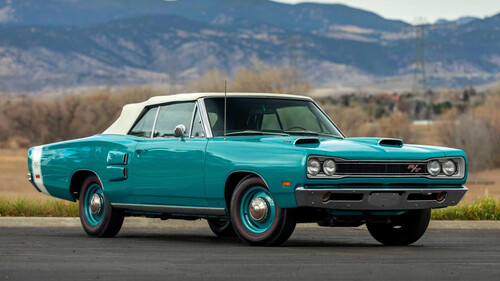
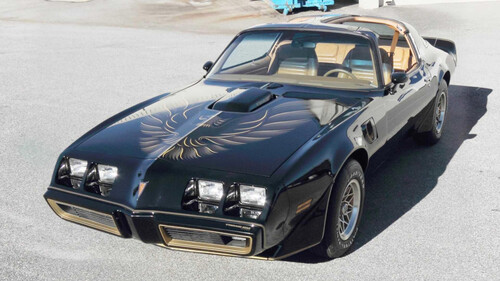
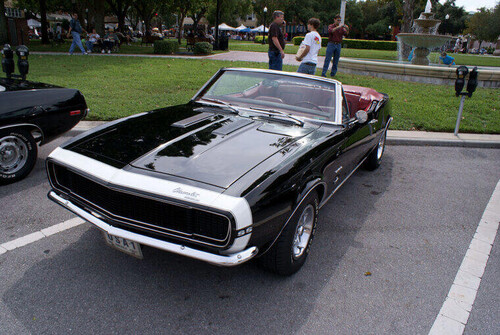
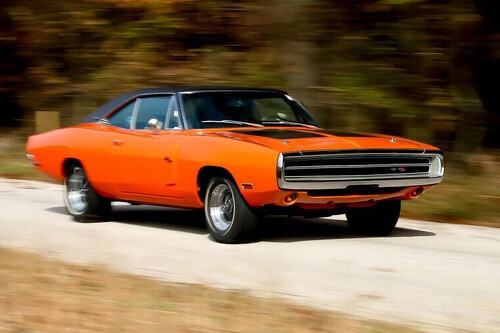
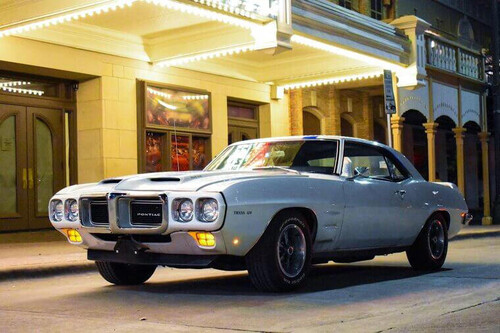
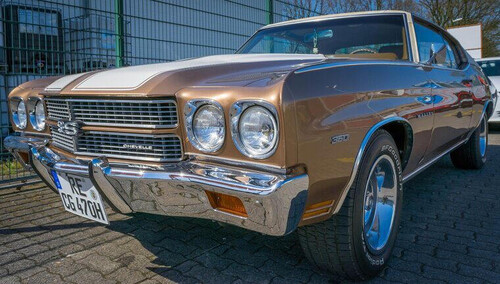
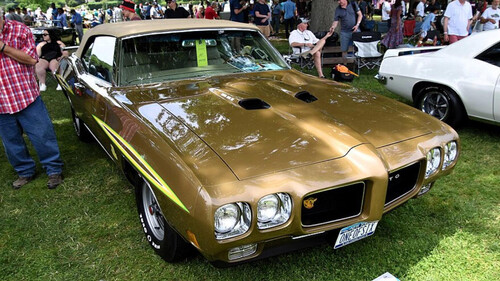
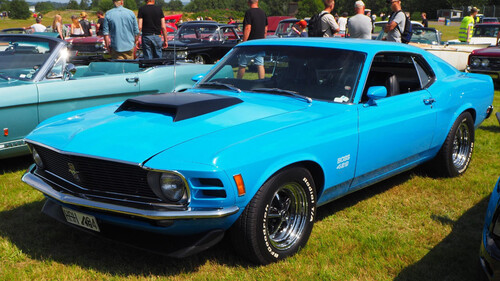
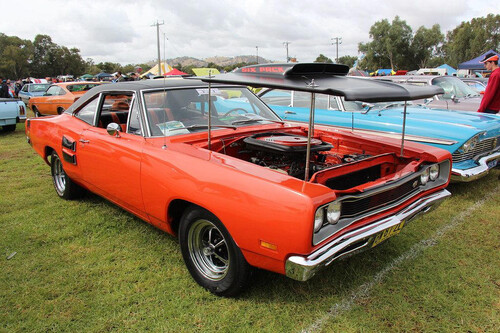
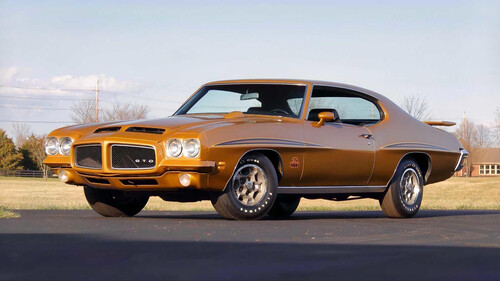
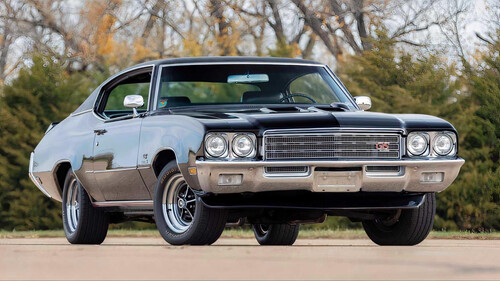
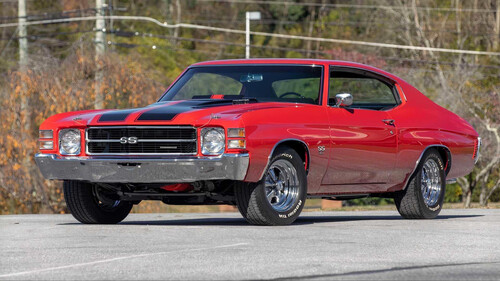
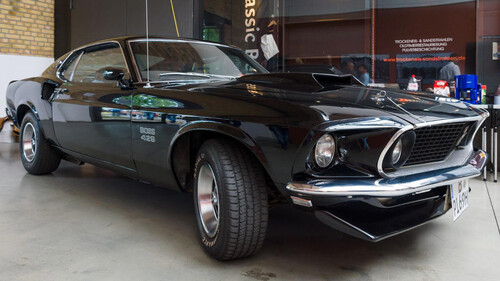
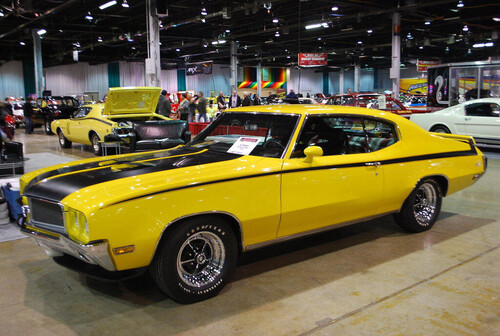
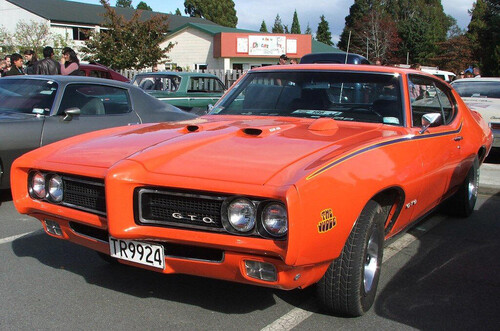
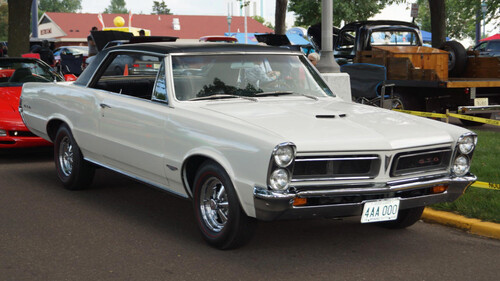
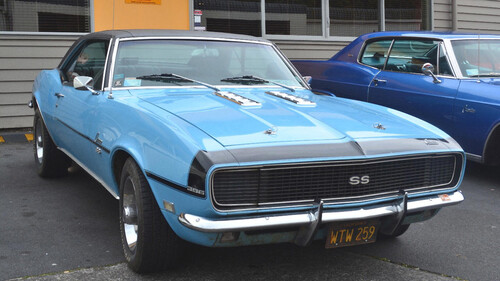
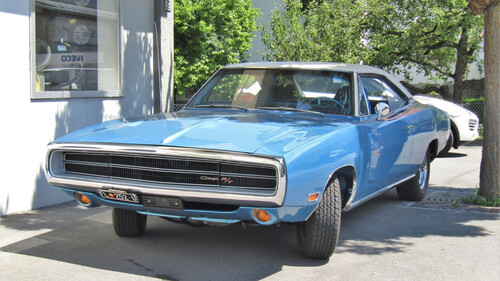
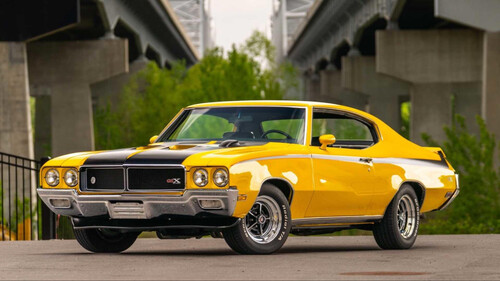
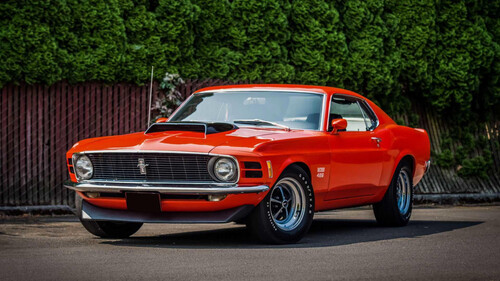
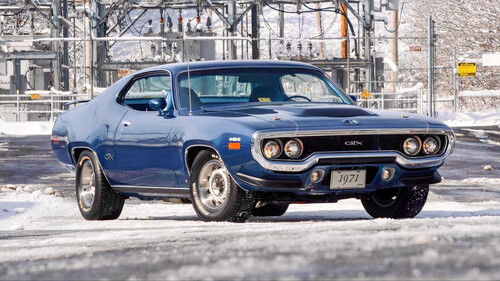
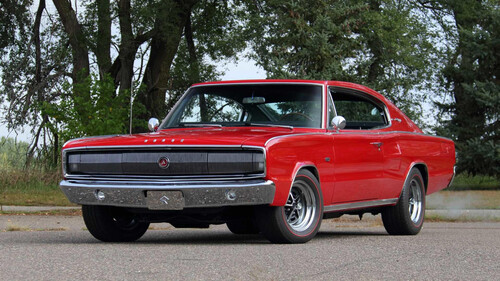
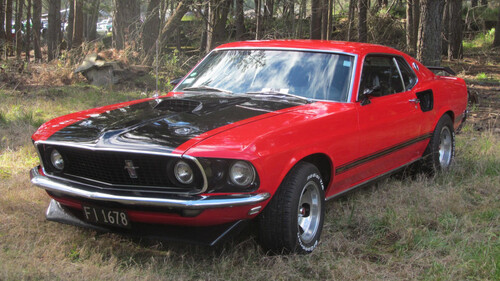
Most people consider the Golden Age of American Muscle to be between 1964 and 1972, but that glorious time is actually much shorter. The Classic Era kicked off in 1964 with the Pontiac GTO, but that, and all others, were existing models with higher-performance engines. In 1967, the introduction of the Chevrolet Camaro and Pontiac Firebird marked the beginning of the age when automakers produced muscle car-specific models that didn't have four-door or station wagon configurations.The end of the Golden Age is definitively 1971, as that was the last year of immense power before all the iconic V-8s were detuned into obscurity to meet government emissions standards. Five years is such a blink in time, and yet the most unforgettable American performance cars were produced in that period. These are the cars you can't stop thinking about, looking at, and wishing for that defined the greatest era in automotive history.To give you the most up-to-date and accurate information possible, the data used to compile this article was sourced from various manufacturers and other authoritative sources. Cars are ranked by a super-secret algorithm accounting for awesomeness, impact, and memorability. 1969 Chevrolet Camaro SS 396 GM's Pony Car Stallion 3/4 front view of 1969 Chevrolet Camaro SS 396The biggest sensations of 1964 were the introduction of the Pontiac GTO muscle car and the Ford Mustang pony car. Many automakers tried to copy one or the other, but Chevrolet figured they could make one car that fit both categories, and that was the 1967 Camaro. While the Mustang was a fun, playful little ride, the Camaro came with a lot more attitude in both style and performance. By 1969, the Camaro's sheet metal and grille were fine-tuned into the ultimate version of the first-gen that was simply wicked-looking. Power and Performance Chevy was under GM's Draconian big engine ban at the time, so the 396-cubic-inch V-8 was the tops, but the Camaro made good use of it. At 375 horsepower, the '69 Camaro SS ran a quarter-mile in 14 seconds flat, which means a little tinkering under the hood could easily turn it into a 13-second car. Another underrated but important feature in '69 was the Magnum 500 and Super Sport wheel options, because nothing gives a car an aggressive stance like a badass set of rims. The refined body style and above-average performance made the 1969 Camaro SS a head-turner 56 years ago, and today it will literally stop traffic. 1971 Plymouth Road Runner Second-Gen Mopar Road Racer 3/4 front view of 1971 Plymouth Road RunnerThe first-generation Plymouth Road Runner was based on the boxy Chrysler B-Body, and while definitely cool-looking, had nothing on the sleek aerodynamic lines of the second generation. The 1971 Road Runner is unique among all muscle cars from any manufacturer, in that it looks like nothing else. Its cousin car, the 1971 third-gen Dodge Charger, had an extreme Coke bottle design that was either love it or hate it, but the Road Runner has killer universal appeal from all angles. All the details from the hood blackout, striping, rear spoiler, and exclusive grille help make this one of the most memorable cars of the Golden Age. Power And Performance When equipped with the 426 Street Hemi V-8, the '70 Road Runner was also a street terror. It's pretty hard to forget that time you got smoked by a ride this stunning, and that's another reason why it's on the list. The only knock on this otherwise flawless ride is that it was a one-hit wonder. The '72 Road Runner was still just as awesome in appearance, but the Hemi and 440 6BBL were discontinued, with the remaining engines, as well as the newly introduced 400, producing a fraction of the horsepower that made this car great. It's not the Road Runner's fault, but if it could have had a couple more years of dominance, it would be ranked higher. 1971 Pontiac Firebird Trans Am Hatching A Screaming Chicken 3/4 side view of 1971 Pontiac Firebird Trans AmThe second-gen Pontiac Firebird was delayed until mid-model year in 1970, but it was worth the wait. The longer hood, swooping back, and lower stance were such an eye-catcher that Pontiac used the design all the way into the 1980s, and it never once looked dated. The 1977 Firebird Trans Am from Smokey and the Bandit was every bit as relevant as the 1971 version. The '71 Trans Am, however, came with a 455-cubic-inch H.O. V-8 option, which is why it is the Firebird that soars the highest. Sure, its "Screaming Chicken" hood decal was much smaller, but it's not the size that matters, it's what you do with it. Power And Performance 1971 was the first year that the 455 was available, and at 335 horsepower, it was criminally underrated. The '71 Trans Am could run a quarter-mile in 13.9 seconds. The engine was probably closer to 400 horsepower, and even that might be a conservative estimate. The one thing that is beyond speculation is how utterly awesome a 1971 Trans Am is, even to this day. The timeless second-gen Firebird design and thunderous 455 V-8 rumble are things that never get old. 1970 Dodge Super Bee Floats Like A Butterfly, Stings Like A Bee MixCollage-18-Jul-2025-05-14-PM-1266The Dodge Super Bee, based on the Coronet, was introduced in 1968 as a stripped-down, no-frills speed machine that anyone could afford. While the stark landscape of the style-less '68 Super Bee was not without its charm, it was one of those so-ugly-it's-pretty kind of things. The 1970 Super Bee, on the other hand, was so pretty it was gorgeous. With muscular contours, broad stance, and evil-looking front fascia, it was more like a femme fatale, that was beautiful but dangerous. Rounding out the attractive features were a pair of functioning hood scoops that aerated whatever killer V-8 option lurked within. Power And Performance The "smallest" engine that could be ordered in a Super Bee was the 330-horsepower 383-cubic-inch V-8, and all the killer Mopar engines were on the table. The 426 Street Hemi was the ultimate option, but for reasons that don't make sense, the 440 Six Pack seems more appropriate for the Super Bee. Introduced as kind of the working man's Hemi in 1969, the 440 Six Pack offered 426-like performance at half the price. With nearly as much horsepower and the same torque, the 440 Six Pack made the 1970 Super Bee a 13.7-second car that is forever ingrained in the memories of the people who got torched by it. 1970 Buick GSX GM Big-Block Superstar 3/4 front view of 1970 Buick GSXWhen GM mercifully lifted its sill ban on engines over 400 cubic inches in intermediate cars in 1970, all of its divisions went big-block crazy with their muscle cars, but Buick took a smarter approach. The Buick 455 used thin-wall construction and was substantially lighter than all the other monster engines, so it had a decided power-to-weight ratio advantage over the competition. Under the hood of the 1970 Buick GSX, it was nothing short of explosive, propelling the special-edition ride to a sub-13.4-second quarter-mile pass. Power And Performance Of course, the GSX was also one of the most stunning GM muscle cars with a bruising design and eye-popping graphics. This is a perfect example of the power of paint color making the ride. The GSX was only offered in Apollo White and Saturn Yellow, and while the white is still fairly cool, it's a bit ho-hum, whereas the yellow and black-striped version is ocular dynamite. It's one of those cars where the usual response to seeing it for the first time is "Hot Damn!", and the expletive-laced compliments grow with each subsequent sighting. 1969 Pontiac GTO Judge Ram Air IV Judge, Jury, And Executioner 3/4 side view of 1969 Pontiac GTO JudgeThe 1964 Pontiac GTO kicked off the muscle car craze, but in reality, it was simply a Tempest with a bigger engine. It wasn't entirely uncool, but it lacked the killer styling that made the Golden Age of American Muscle so memorable. In 1968, the GTO got a body to call its own that was a little longer, a bit lower, and a hell of a lot meaner. 1969, however, was the watershed year because it was the convergence of the newly introduced Judge performance trim and the 400-cubic-inch Ram Air IV V-8, which was conservatively rated at 370 horsepower. Power And Performance The 1969 GTO Judge Ram Air IV could run a quarter-mile in 13.7 seconds, and, again, ETs like that come from cars with 400+ horsepower. In 1970, Pontiac added the 455-cubic-inch V-8 option to the Judge package, but it was some weak sauce compared to the 400 Ram Air IV. The '70 GTO 455 was rated at 350 horsepower for the base model, with a 360 pony High Output version, neither of which could match the fury of the '69 Judge Ram Air IV. For an already memorable nameplate, the 1969 GTO Judge stands out as the best of the bunch. 1969 Ford Mustang Mach 1 428 CJ The Real Boss Mustang Front view of 1969 Ford Mustang Mach 1 428 CJThe producers of John Wick may have forgotten about the 1969 Ford Mustang Mach 1, trying to pass it off as a Boss 429, but real enthusiasts remember it as the greatest pony car of all time. Starting in 1967, the Mustang began a workout regimen to bulk up, and by 1969, it was longer, wider, and completely buff. The fastback styling of the '69 gave the iconic car its boldest and baddest body, which, when combined with the available 428-cubic-inch Cobra Jet V-8, also endowed it with unreal strength. The '69 Mach 1 428 CJ marked the exact moment the playful pony car became a legitimate muscle car street marauder. Power And Performance The '69 Mach 1 was the first 13-second Mustang, and that was the standard for the Golden Age. A tenth of a second seems insignificant, but it was everything back in the day because if your car ran in the 14s, it was a grocery getter, and if it cracked the 13s, it was a proper street machine. The 428 was actually available in 1968, but the 1969 body had more heft, so it is the superior version. The '69-'70 SportsRoof Mustang was such an amazing design that Ford has been stealing its styling cues since the fifth-gen in 2005 and continues to use it as inspiration for the future of the legendary pony car turned muscle car. 1971 Plymouth Hemi ‘Cuda Mopar Apex Predator 3/4 front view of 1971 Plymouth Hemi ‘CudaMost people probably don't know that the 1964 Plymouth Barracuda beat the Mustang to market by a couple of weeks, becoming the first pony car for sale to the public. The reason why this is an arcane piece of automotive history is that the first-gen Barracuda was a goofy-looking set of wheels that failed to capture any interest. While the second-gen Barracuda was much improved, it was still pretty much slept on, but the third-gen made such a splash that it has become part of our cultural heritage. Introduced in 1970 as a pony/muscle car crossover, the Barracuda got a high-performance spin-off known simply as 'Cuda. Power And Performance The 'Cuda had a standard 383-cubic-inch V-8, but you've probably never heard anyone bragging about their 383 'Cuda. A Hemi 'Cuda, on the other hand, is the single most-coveted Mopar muscle car ever made. The '71 Hemi 'Cuda is a little rarer and a lot cooler than the '70. The '71 got a distinct six-way split grille that kind of resembles teeth as well as the fender "gills", giving it the appearance of a true predator. Also, there's something magic about the '71 because it's two tenths of a second quicker in the quarter-mile than the '70 with the same 426 Street Hemi. The 1971 Hemi 'Cuda is an unforgettable Golden Age masterpiece and Plymouth's magnum opus. 1970 Chevrolet Chevelle SS 454 LS6 The Chevy Mopar Killer 3/4 side view of 1970 Chevrolet Chevelle SS 454 LS5The Chevelle SS performance package was Chevrolet's immediate reaction to the success of the Pontiac GTO and was one of the coolest early muscle cars. It, however, could never compete with the Max Wedge and Hemi-powered Mopars because of GM's big engine ban. Then, in 1970, GM came to its senses and unleashed its divisions to finally take on Dodge and Plymouth. Most of the divisions went with 455 big-blocks that underperformed against the 426 Street Hemi, but Chevy unleashed the 450-horsepower 454-cubic-inch LS6 V-8 that was a genuine Mopar killer. Power And Performance The 1970 Chevelle SS 454 LS6 could run a quarter-mile in under 13.5 seconds, which was good enough to beat almost anything with a 426 Hemi, and that was liberation for Chevy fans who were sick and tired of getting dusted by the Mopar Nation. 1970 was also the greatest year for the Chevelle design, which made the '70 SS the ultimate GM muscle car. The Chevelle got a complete redesign in 1968, with yearly updates that led to the ultra-aggressive 1970 model. Rather than a Chevy Luv Machine, this was the Chevy Hate Machine that finally exacted some revenge against the Hemi-equipped Mopar muscle cars. 1968 Dodge Charger R/T Golden Age Gold Standard Red 1968 Dodge Charger R/TFrom a design perspective, the second-generation Dodge Charger is considered one of the most beautiful cars ever made, up there with classic Ferraris and Jaguars. The fact that it's an American muscle car, sharing the spotlight with European works of art, is a testament to the amazing nature of this car. From a performance standpoint, a 1968 Charger Hemi R/T ruled the streets for most of the classic muscle car era, and, combined with its unmatched style, made for the defining ride of the entire Golden Age of American Muscle. This was the car to own back then, and is still number one today. Power And Performance The '68 Charger R/T, albeit a 440, was the first superstar movie car, cast as the villain in the Steve McQueen classic Bullitt. The second-gen Charger has never left the Hollywood A-list, starring in dozens of films and TV shows because it has the right look as well as attitude. When people think of a classic muscle car, more often than not, it's a second-gen Charger on their mind. There are some slight cosmetic differences over the 1968-1970 best-gen Charger's run, but the '68 started it all, so it nabs the top spot as the most memorable classic muscle car ever built. You can argue for other rides, but it's impossible to argue against the 1968 Charger R/T Hemi, and that's why it's number one.