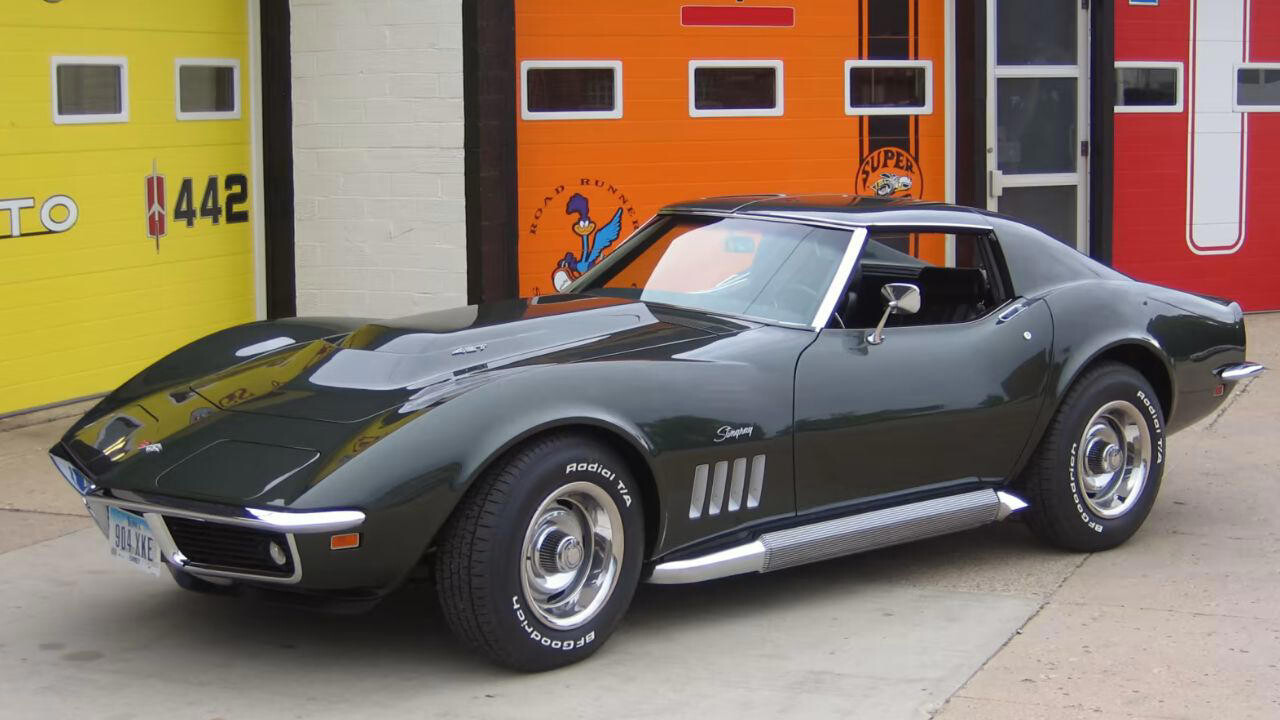
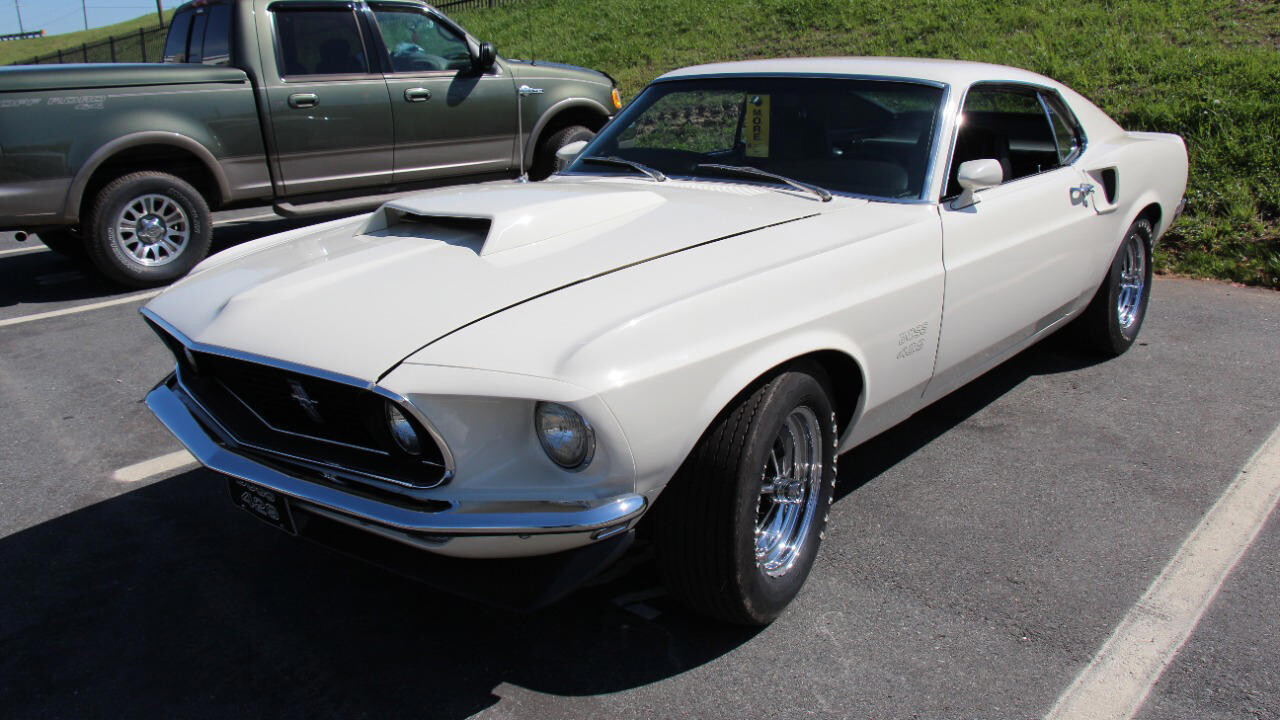
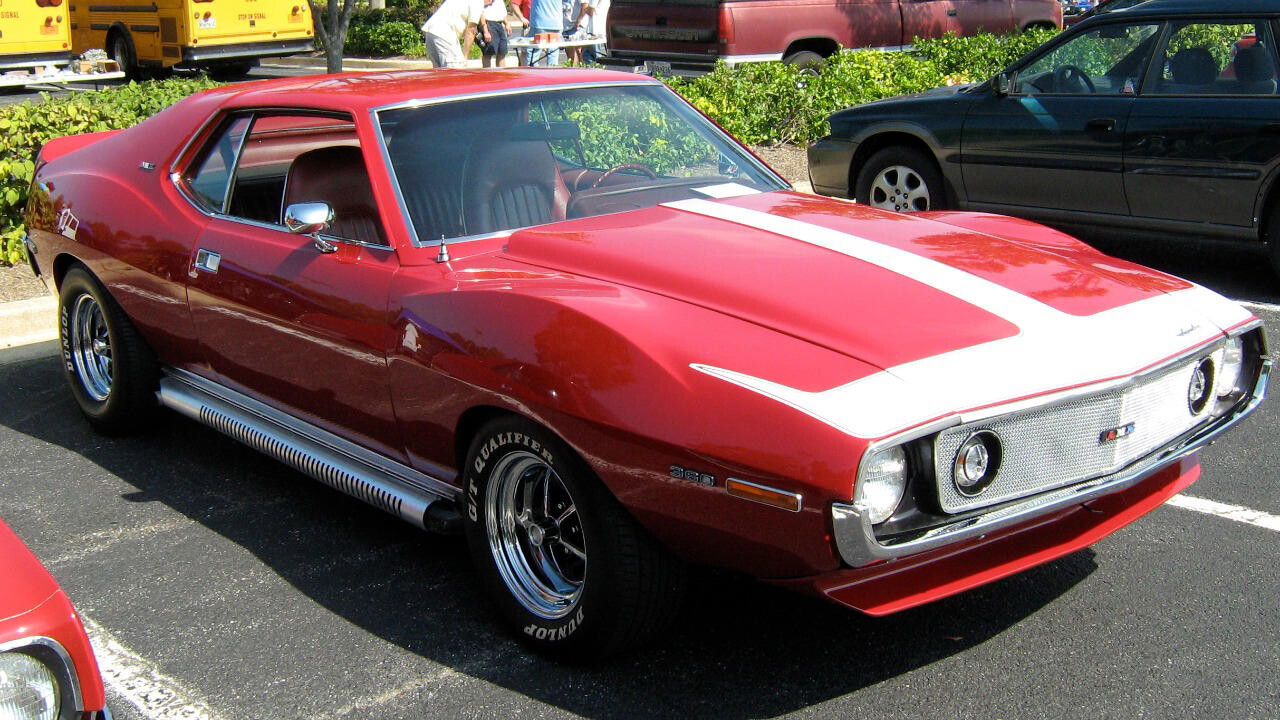
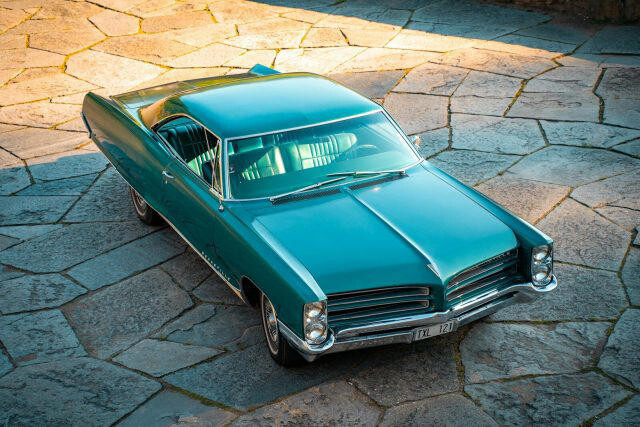
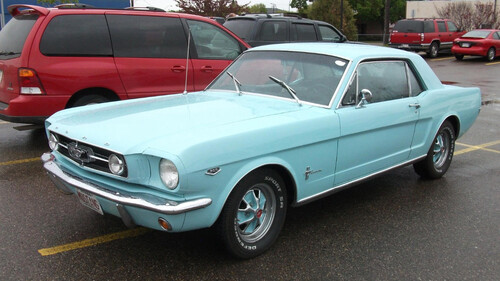
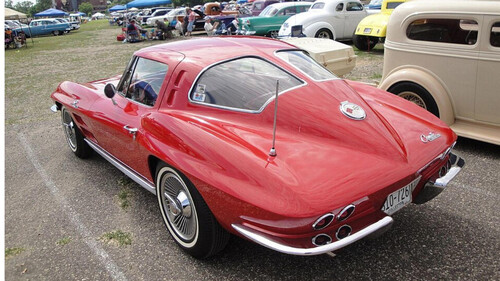
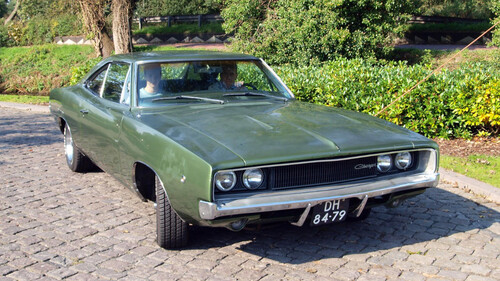
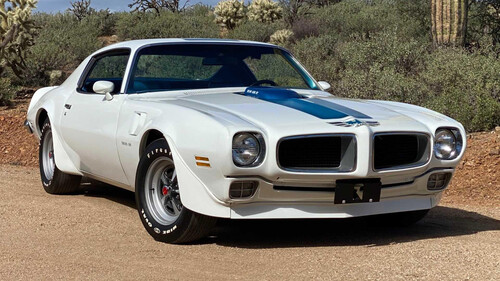
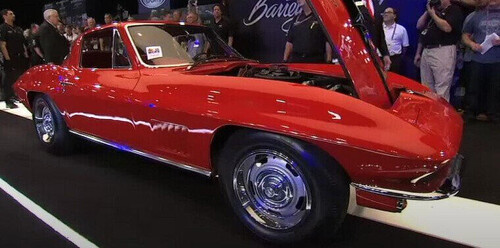
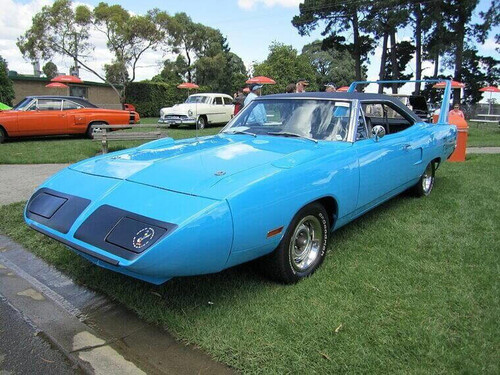
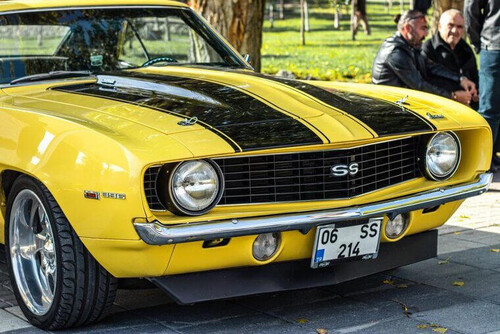
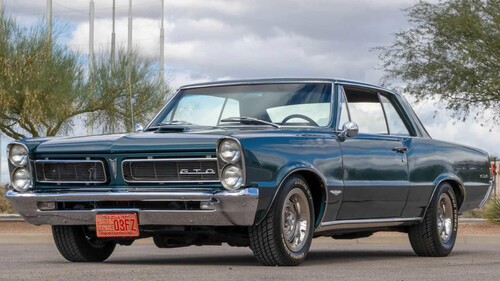
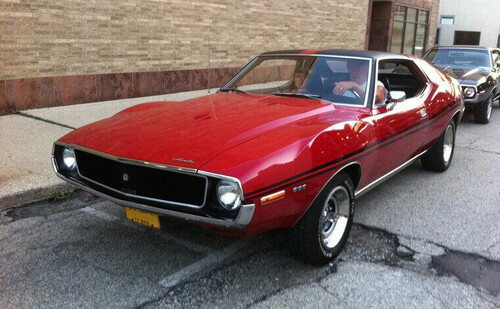
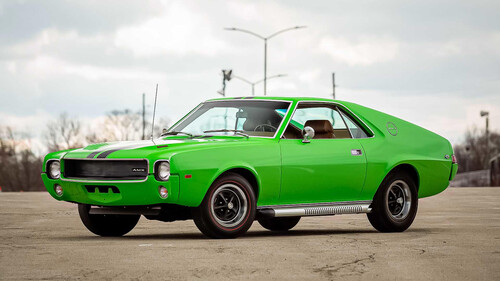
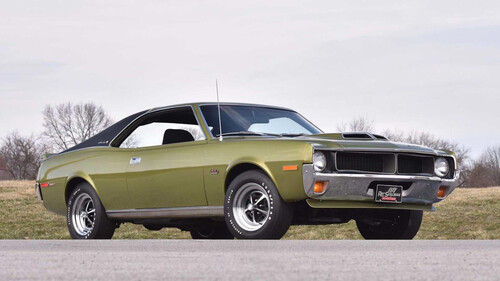
On modern roads, the loud, unapologetic presence of classic American muscle has largely given way to quieter, more efficient machines. A handful of the most exotic factory builds have essentially vanished from public view, surfacing only in auction catalogs or specialist forums. The following ten muscle cars were produced in such tiny numbers, or under such unusual circumstances, that even seasoned collectors rarely encounter them anymore.1970 Dodge Coronet R/T Convertible HEMIThe 1970 Dodge Coronet R/T Convertible HEMI sits near the top of any rarity ranking, with sources noting that only 2 examples were Built with the legendary HEMI V8. One detailed breakdown of this Convertible HEMI explains how the combination of a full-size body, open roof and race-bred engine made it a niche proposition even when new. That limited appeal translated into microscopic production, which now drives intense competition whenever one surfaces. For collectors, the Coronet R/T Convertible HEMI represents the moment when Detroit briefly prioritized raw power over practicality. The car’s rarity also reflects how quickly insurance costs and emissions rules were closing in on the muscle era. Today, its near-mythic status influences valuations of other high-spec Mopars, since it shows how extreme configurations can all but disappear from the used market.1970 Oldsmobile 442 W-30 ConvertibleThe 1970 Oldsmobile 442 W-30 Convertible is another muscle car that almost never appears outside of concours fields. Reporting on this Oldsmobile stresses that only 96 were Built, with a featured white Oldsmobile Cutlass 442 W-30 photographed at a Mecum Aucti event. The W-30 package added a serious performance edge through a hotter cam, better breathing and weight-saving tweaks that transformed the 442 into a genuine street weapon. Because only 96 Convertibles combined the 442 and W-30 hardware, surviving examples now serve as reference points for the entire Oldsmobile performance story. Their scarcity also illustrates how quickly GM divisions pivoted away from high-compression big blocks as regulations tightened. For investors, the car’s documented production figure and auction visibility make it a benchmark for valuing other low-volume A-body muscle machines.1970 Buick GSX Stage 1The 1970 Buick GSX Stage 1 proves that luxury and brute force could share the same body shell. An analysis of rare muscle valuations lists the Buick GSX Stage 1 with an Estimated Value of $198,000, supported by Bring a Trailer sales data. The GM engine department gave the Stage 1 package a torque-heavy big block that embarrassed many lighter rivals in period tests. Because Buick positioned the GSX as a premium product, production stayed modest compared with Chevelle SS or GTO volumes. Survivors with original drivetrains and documentation now command attention whenever they appear at auction. For investors, the six-figure Estimated Value demonstrates how rarity, performance and brand cachet can combine to lift a once-overlooked model into blue-chip territory.Ford King CobraThe Ford King Cobra represent one of the strangest dead ends of the muscle era. A detailed video on the King Cobra explains that only three prototype cars were constructed before Ford cancelled the project. The King Cobra reflected an ambition to dominate NASCAR with extreme aerodynamics and specialized bodywork, but changing corporate priorities halted development before full production. Because only three prototypes exist, sightings are essentially limited to museum collections or carefully controlled events. Their story shows how racing regulations and internal politics can erase an entire performance program overnight. For historians and collectors, the King Cobra serves as a reminder that some of the rarest muscle machines never reached showrooms at all, yet still shape how enthusiasts think about Ford’s racing heritage.1969 Chevrolet Corvette ZL1The 1969 Chevrolet Corvette ZL1 blurs the line between muscle car and pure sports car, yet its powertrain clearly fits the big-block tradition. Coverage of The Chevrolet Corvette in ZL1 form emphasizes how the all-aluminum racing engine transformed the car into one of the most extreme American performance vehicles of its day. The Chevrolet Corvette rarely appears in discussions of traditional muscle, yet the ZL1’s brutal acceleration and drag-strip potential justify its inclusion. Production of ZL1-equipped cars was vanishingly small, which means most enthusiasts will never encounter a genuine example. Their scarcity, combined with racing pedigree, has pushed prices into the stratosphere and influenced how collectors view other big-block Corvettes. For the broader market, the ZL1 illustrates how a single engine option can turn a familiar nameplate into an almost mythical rarity.1969 Ford Mustang Boss 429The 1969 Ford Mustang Boss 429 exists because Ford needed a suitable engine for NASCAR competition. A technical overview of the Ford Mustang Boss program specifies that the 1969 model year saw 859 Units built, each with a 429 cubic inch V8 rated at 375 horsepower in factory Specs. The cars were essentially hand-finished to shoehorn the massive engine into the Mustang’s engine bay. With only 859 Units, genuine Boss 429s are thinly spread across private collections and a few museums. Their NASCAR connection and under-rated power output have made them aspirational purchases for serious Ford enthusiasts. The model’s story also highlights how racing rules once forced manufacturers to create exotic homologation specials that now rank among the rarest muscle cars on the planet.1967 Chevrolet Corvette L88The 1967 Chevrolet Corvette L88 is widely regarded as The Ultimate Racing We variant of the C2 generation. A feature on Most Exclusive American highlights the L88’s track-focused specification, including a high-compression big block that produced far more power than its conservative rating suggested. The package deleted comfort options and discouraged casual buyers, which kept production extremely low compared with standard Corvettes. Because the L88 was engineered for competition rather than boulevard cruising, many cars saw hard use on circuits, further thinning the pool of surviving examples. Collectors now prize intact documentation and original drivetrains, since those details separate genuine L88s from visually similar replicas. For the broader Corvette market, the L88’s exclusivity helps explain why even lesser performance variants have appreciated sharply.1970 AMC Javelin AMXThe 1970 AMC Javelin AMX shows how smaller manufacturers tried to compete in the muscle wars with limited resources. A survey of Vintage Muscle Cars notes that the 1970 AMC Javelin AMX reached only 2,054 Units, a modest figure compared with Big Three rivals. AMC positioned the Javelin AMX as a stylish alternative with serious performance credentials, but the brand’s limited dealer network constrained sales. Today, the Javelin AMX’s low production and distinctive styling give it strong appeal among enthusiasts who want something different from the usual Chevelle or Charger. The 2,054 Units figure also illustrates how brand scale affects long-term visibility, since fewer cars on the road means fewer survivors decades later. For collectors, AMC’s underdog status can translate into better value relative to more famous nameplates.