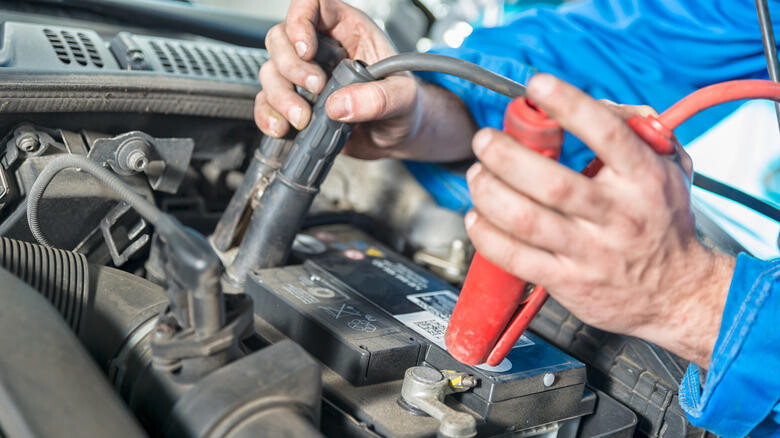
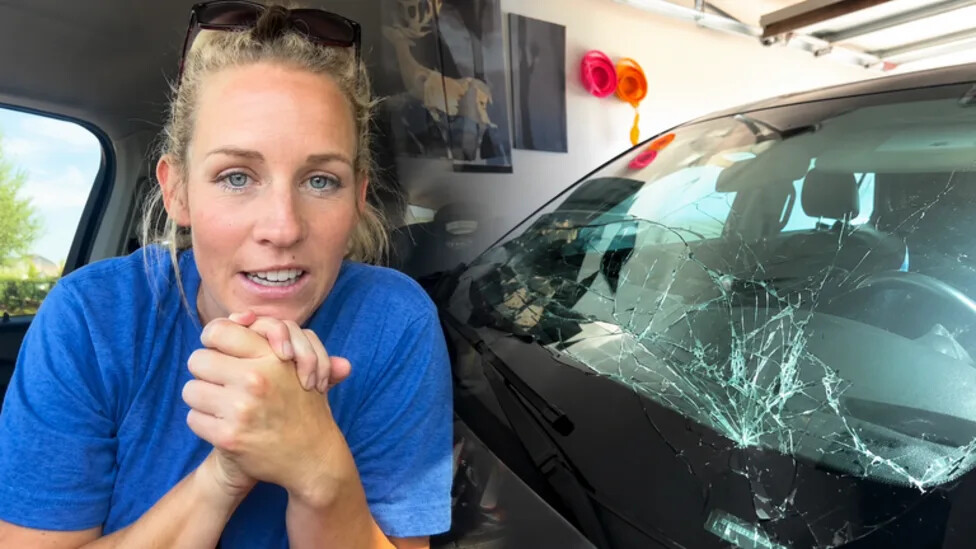
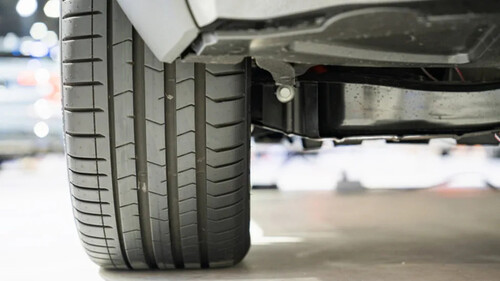
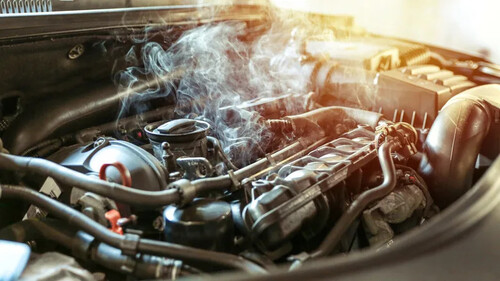
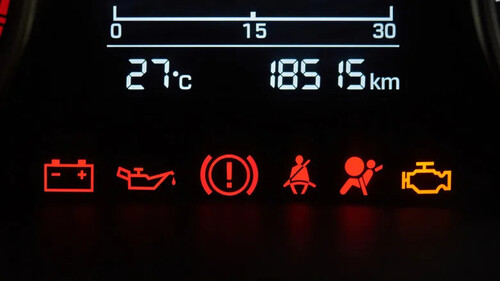
Not washing your car regularly enoughAs well as looking after your car's innards, it's also best to take proper care of its exterior too. Washing your car on a regular basis helps prevent the buildup of dirt and salt, the latter of which can contribute to premature rusting if it's left on the car for too long. Neglecting the car's rubber seals can also cause problems: dirty or damaged rubber seals can crack or become moldy, which can leave them unable to fully seal doors and windows.Over time, these damaged seals can let in moisture from outside the car, which can lead to interior fogging or, in extreme cases, water damage to the car's upholstery or electrics. Aside from the potential for costly damage or rust, leaving a car unwashed can also be a safety issue. Most modern cars use a litany of sensors or cameras to provide intelligent safety assists, and if these sensors and cameras are blocked by dirt, they might not function properly.Being unaware of how to spot a low batteryWhile, in most cases, a warning light on the dashboard should alert you to the fact that your car has a low battery, it's not a foolproof way of ensuring your battery is in good health. There are a number of other warning signs that can indicate a car battery is nearing the end of its life, and they're worth watching out for. The most obvious sign is that the car is difficult to start, or takes longer than usual to fire up. This can often be the earliest sign that appears, even preceding the dashboard warning light.Be careful, though: If the car does start but takes much longer than usual, it may only have enough juice for a couple more starts until it dies altogether. You may also notice that, while driving, the car's electrics start malfunctioning. As soon as you notice either of those things happening, it's advisable to take the car for a battery replacement as soon as possible. It can be inconvenient, but ignore it and there's a chance you'll be stranded at the side of the road.Putting off small repairsIt's not just rust that can cause damage if left unattended — almost any small piece of damage has the potential to cause a headache later down the line if it's ignored. A study in the UK found that more than a third of younger drivers put off small repairs in a bid to reduce their car's running costs, with reducing maintenance being the most popular way to save money. Doing so is a gamble, especially for older cars, with damage potentially adding extra stress to components that were already nearing the end of their lifespan.In particular, the report highlighted replacing brake discs and fixing oil leaks as two of the most popular repairs to put off until a later date. The former is potentially very dangerous — ineffective brakes can endanger not only the occupants of the offending car but also anyone on the road around them — while the latter can result in critically low oil levels. Over time, this can lead to reduced engine reliability, with premature wear on the engine's internals shortening their lifespan.Forgetting to check your tiresThere are several things to keep in mind when checking your tires. The first is the easiest to spot: Check for any bulges appearing in the tire, which could indicate that the tire has been damaged. There are a variety of ways this can happen, from hitting a pothole to clipping a curb, but if you spot one, it's strongly advisable not to drive the car until it's fixed. In most cases, this is as simple as fitting your car's spare tire, but if you don't have one, then you'll need to call a professional to get the tire replaced.While it's less immediately dangerous, it's also important to regularly check the pressure of your tires to ensure they're in line with manufacturer guidelines. It's best to check the tires before driving the car, as driving for any distance can cause the tires to warm, expanding the air inside and giving an inaccurate pressure reading. If you have a spare wheel, be sure to check that too, as it can be easy to forget about. If they're not at the right pressure, tires can wear faster and more unevenly, and they can also potentially be less effective at gripping the road.Not using a hybrid car's batteryMany modern cars come with hybrid systems, and while they're no more complicated to look after than gas-only vehicles, there are a few powertrain-specific checks that drivers should carry out to ensure they're kept in top condition. Primarily, the best way to ensure a hybrid system is working is to regularly turn it on so it can charge. Exact requirements will vary by manufacturer, but Toyota recommends putting its cars into "Ready" mode for around an hour once a week if the car isn't otherwise being used.This gives the hybrid battery a chance to charge if needed, with the gas engine automatically turning itself on to recharge the battery if needed. The charging process will also vary depending upon whether the car is a mild hybrid or a PHEV, and if it's the former, the car should only be turned on in a properly ventilated space to prevent the buildup of fumes while the engine is running. Ideally, this should be outdoors, but if you store your car in the garage for long periods of time, be sure to open a door before starting the hybrid recharging procedure.