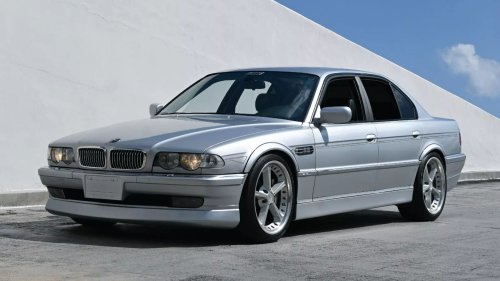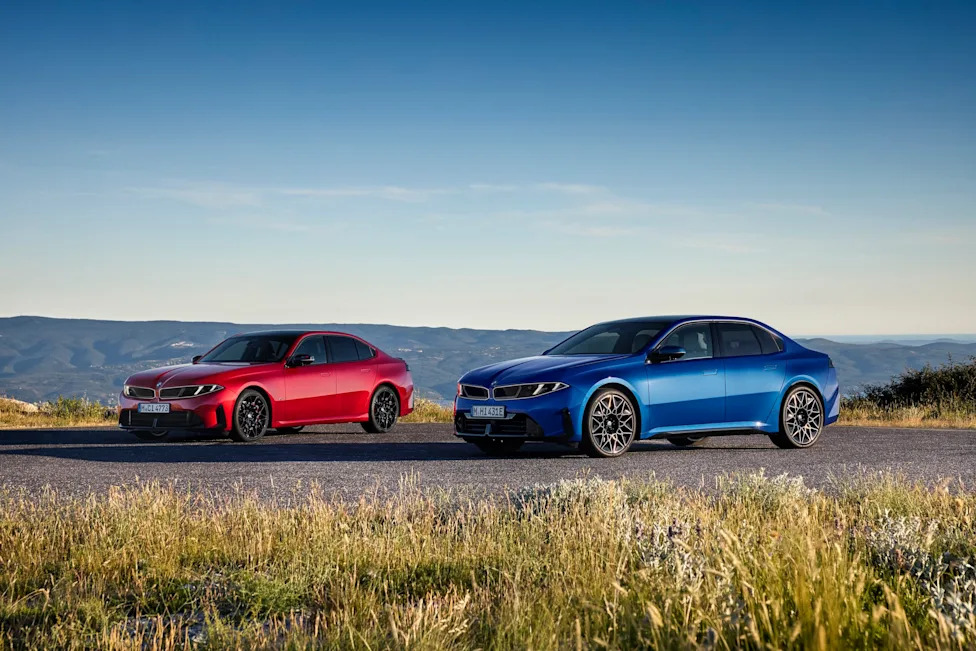



















Used BMWs promise German engineering and a badge that still turns heads, yet their reputation in the secondhand market unsettles even seasoned buyers. Stories of sudden four‑figure repair bills, fragile electronics, and steep depreciation have created a perception that the wrong choice can drain a bank account faster than almost any rival. That tension between allure and anxiety now defines the modern used BMW decision. Why the prices look tempting in the first place The first surprise for many shoppers is how affordable a used BMW appears beside an equivalent new model or even rival luxury brands of similar age. Depreciation hits prestige badges hard, and buyers quickly discover that within three to five years a showroom star can become a classified listing that appears unusually cheap. Guides to resale values point out that luxury vehicles in general shed a larger share of their original sticker than mass‑market cars, and BMW sits squarely inside that pattern, which is why a late‑model 3 Series or X3 can undercut expectations so sharply. That discount, however, is not purely a bargain; it is also a risk premium. Retailers that specialise in pre‑owned stock explain that some potential buyers perceive used BMWs as fragile or high risk, which pushes sellers to price aggressively just to move inventory and compensate shoppers for the fear of future costs. One dealership analysis notes that concerns over reliability and maintenance history weigh heavily on demand, even when a vehicle has been inspected and reconditioned, and that a careful review of service records is essential to separating a fair deal from a costly mistake. Ownership costs that keep buyers awake What truly unnerves experienced buyers is not the purchase price but the running costs that follow. The analysis states that luxury models from this brand can lose value faster than some competitors, increasing the financial impact on owners who are already paying for premium fuel and specialist servicing. That same analysis notes that luxury models from this marque can lose value faster than some competitors, which amplifies the sting when an owner is already paying for premium fuel and specialist servicing while watching the car’s market price slide. Independent reviewers of used luxury cars in Portland, Oregon, describe BMW interiors as impressively durable, with quality materials that keep even high‑mileage cabins feeling expensive, yet they also flag high ownership costs as a core drawback. Their assessment explains that drivers will need premium gasoline, that the brand sits among the most expensive cars to maintain, and that long‑term running costs can easily overshadow the initial discount, especially once the factory warranty expires and complex systems begin to age. One summary of BMW pros and cons goes so far as to label maintenance a major con, stating that BMW models are among the most expensive to keep on the road, which helps explain why even confident enthusiasts hesitate before committing to a used example. Mechanical weak points and horror stories Beyond general cost anxiety, specific mechanical weak points have taken on near‑mythic status in online discussions. Owners of the BMW X5 frequently identify air suspension as a recurring source of trouble and warn that similar systems on Mercedes rivals can be equally fragile. In one widely shared comment, a driver states that air suspension systems tend to develop problems regardless of brand, that replacement components are expensive, and that the combination of heavy SUVs and aging air systems leads to repeated repair costs. This view is echoed in posts highlighting how air suspension failures can undermine ownership satisfaction. Those experiences feed a broader narrative that BMWs can be punishing when things go wrong. Longtime forum users on technology and car boards recount how parts and labour on older models quickly add up, summarising the situation with comments that, when these cars break, the repair bill is very expensive and that the brand is always more costly to fix than many mainstream alternatives. Other owners on discussion platforms describe a pattern in which buyers are attracted to older BMWs because of low purchase prices, but later discover that aging, complex vehicles require maintenance budgets that many are not prepared to sustain. That mismatch between purchase price and realistic upkeep keeps the horror stories circulating and deepens the fear that a used BMW can turn into a financial sinkhole overnight. How even careful shoppers still get burned For buyers who try to manage the risk by choosing a Certified Pre‑Owned car, the picture is better but not entirely reassuring. Dealer guidance stresses that purchasing a Certified Pre-Owned BMW can provide luxury and performance at a more accessible price point, as factory inspections and extended coverage reduce the likelihood of major unexpected repairs. At the same time, the same advice warns that BMW ownership comes with premium costs, and urges shoppers to build a budget that does not strain their finances once insurance, fuel, and maintenance are factored in, a reminder reinforced in a checklist of mistakes to avoid when buying a CPO car that highlights how BMW ownership is never a budget proposition. More from Fast Lane Only Unboxing the WWII Jeep in a Crate 15 rare Chevys collectors are quietly buying 10 underrated V8s still worth hunting down Police notice this before you even roll window down