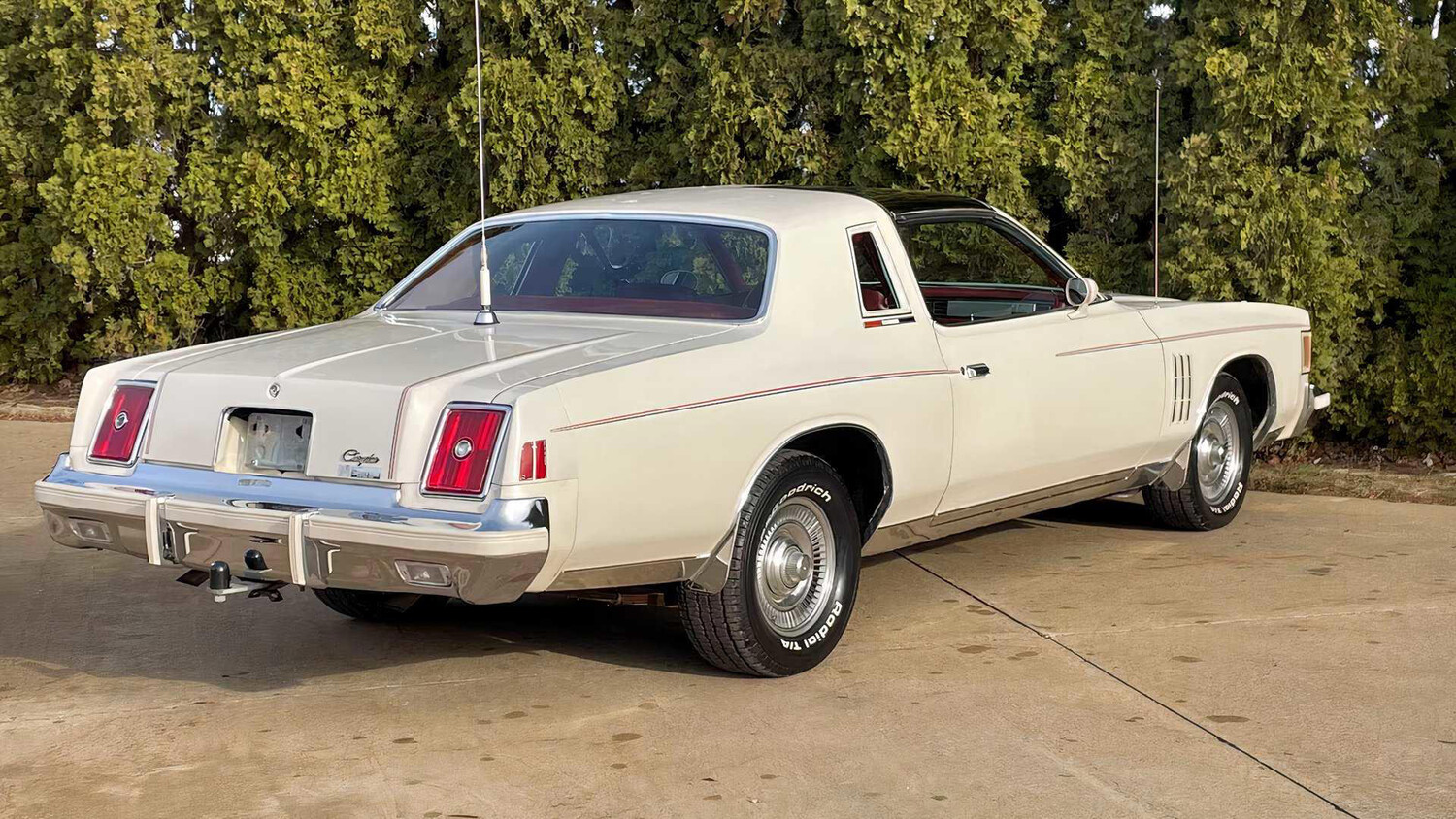
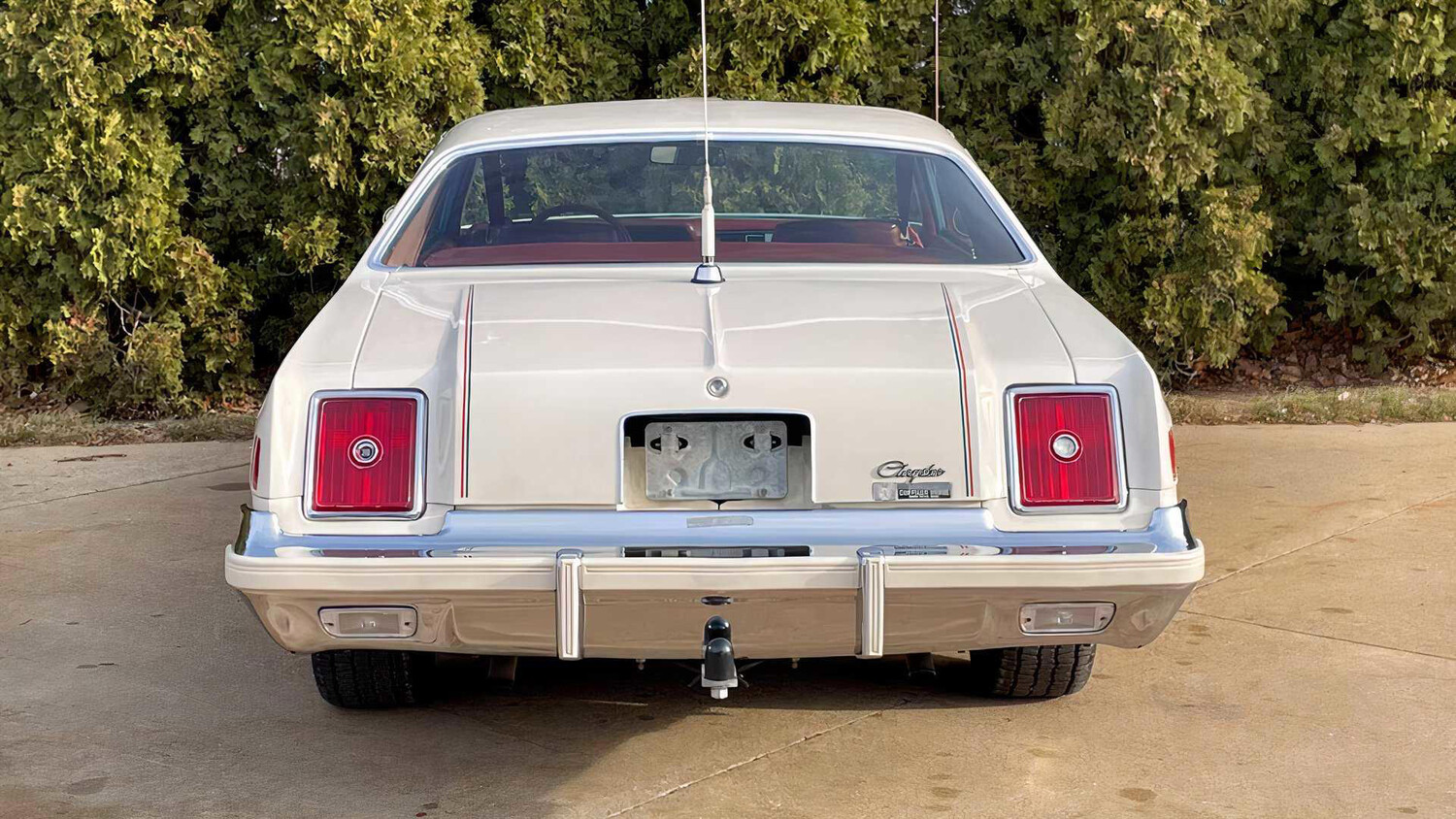
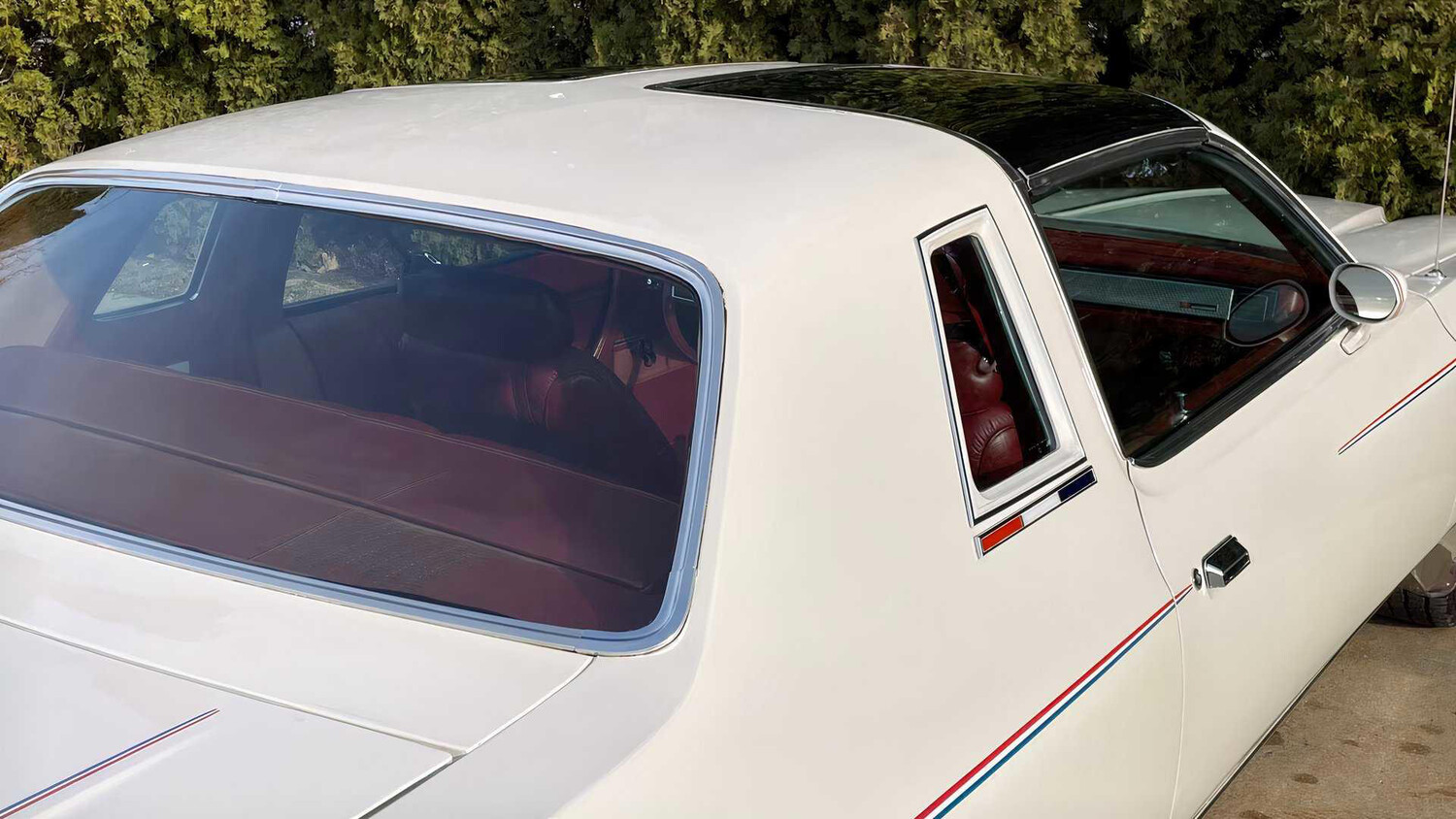
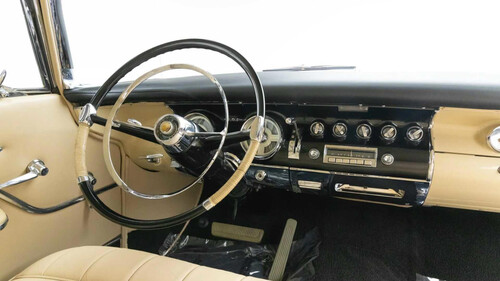
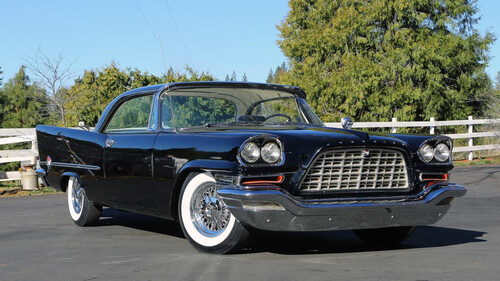
We've all seen it happen at some point or another: a great car name retires with a trophy case, a farewell tour, and a clean place in history. However, some get dragged out of storage, dusted off, stuck onto the nearest available coupe, and sent into a showroom climate so bleak it makes a DMV waiting room feel like Monterey Car Week.The Chrysler Cordoba 300 suffered the latter fate, unfortunately. It had heritage, hardware, and just enough charm to suggest that somebody inside Chrysler still remembered what a proper big American performance car was supposed to feel like. The problem was that 1979 was the wrong moment to ask buyers to care. Chrysler Had A Legend It No Longer Knew How To Use MecumRemember the time when Chrysler’s 300 name meant something genuinely intimidating? The original letter-series cars were big, fast, expensive Chryslers with serious engines, road presence, and the kind of long-legged confidence that made them feel like private jets with whitewall tires.That’s the legacy Chrysler was reaching for near the end of the '70s. The trouble was that the company reaching for it was no longer the same Chrysler that had built the great 300s of the 1950s and '60s. By 1979, the old horsepower race had been kneecapped by emissions rules, fuel worries, insurance costs, and the general feeling that fun had been sent to the accounting department for approval.The old letter-series cars had been symbols of engineering confidence. By the late '70s, Chrysler was fighting for survival, big-blocks were fading out, and the 360ci V8 was suddenly the biggest thing Mopar loyalists could realistically cling to in a new showroom. Chrysler wasn’t reviving the 300 because it had a fresh platform ready to dominate the road. It was doing it because the name still had emotional equity, and emotional equity is handy when your company is short on actual money. The Cordoba Became Chrysler’s Last Easy Answer MecumThe Cordoba was the obvious place to start because it was already doing the job Chrysler needed done. It was a personal-luxury coupe, which meant long doors, plush trim, a formal roofline, and enough showroom charm to make buyers feel like they were getting something classier than plain transportation. It was also tied forever to soft Corinthian leather and Ricardo Montalbán’s velvet delivery, because some advertising sticks to a car like vinyl roof glue.An odd base for a performance revival, right? In reality, it made a certain cheap, desperate kind of sense. Chrysler didn’t need to fund an all-new performance car. All it needed to do was sharpen a car it already had, dress it correctly, and hope the 300 badge could add some electricity to a lineup that badly needed a pulse.The Cordoba wasn’t some compact lightweight waiting to become a canyon weapon, but the original 300 formula was never about smallness. It was about a well-trimmed Chrysler with muscle under the hood and enough road authority to feel special at 80 mph. In that sense, the Cordoba platform was at least spiritually adjacent, even if the era had taken a sledgehammer to the power figures. The 1979 Chrysler Cordoba 300 Was The Quiet Comeback MecumThe car Chrysler built was the 1979 Chrysler Cordoba 300, and calling it a lazy badge stuck on a soft coupe isn't exactly a stretch. The package carried the A74 code and gave the Cordoba a much sharper identity. Every U.S. model came in Spinnaker White with red, white, and blue striping, 300 identification, special trim, and enough visual discipline to make it stand apart from the regular personal-luxury crowd.Under the hood sat the E58 360ci V8, rated at 195 horsepower and 280 lb-ft of torque. Today, that figure looks like the output of a crossover trying not to wake the baby. Back then, though, it mattered more. The 400 and 440 were gone from the picture, emissions hardware had strangled output across Detroit, and a 195-hp 360 was about as close as Chrysler buyers could get to a factory performance heartbeat without pretending it was still 1968.The rest of the spec had intent, though. The 360 was backed by Chrysler’s three-speed TorqueFlite automatic and a 3.23 rear axle. Inside, Chrysler added red leather bucket seats, a console shifter, a factory tachometer, engine-turned dash trim, and 300-specific details. It still had luxury-coupe bones, but it no longer looked like it was heading exclusively to a steakhouse valet stand.The best part is that Chrysler seemed to understand restraint for once. The 300 didn’t wear Cordoba badges, and it skipped some of the usual personal-luxury cliches. The result looked cleaner, more focused, and far less confused than it had any right to be. For a company in survival mode, that almost counts as a miracle. A small miracle, sure, but still. Its Best Trick Was Hiding Police-Spec Hardware Under Luxury Sheetmetal The engine figure still stings, and it should. A 195-hp badge revival carrying one of Chrysler's most famous performance names was always going to look strange next to the golden-era 300s. This car lived in the gap between what Chrysler once was and what it could still afford to be.Where it becomes genuinely compelling is underneath. The Cordoba 300 used a special handling package that gave it heavier-duty suspension hardware, including upgraded torsion bars, leaf springs, shocks, and front and rear sway bars. So Chrysler didn’t turn it into a drag-strip animal, but it did make it tougher and more deliberate than the standard Cordoba. Package With A Spine MecumThe firmer suspension, front disc brakes, 15-inch aluminum wheels, and raised white-letter GR60x15 tires created a car that looked like a personal-luxury coupe but had a little squad-car attitude hiding under the sport coat.Given that, it's easy to see why Mopar people still give it a pass. They know exactly what 195 hp means, and they also know what Chrysler was up against. The car wasn’t fast in the old letter-series sense, but it was honest enough to be interesting. It had the right engine for its time, the right stance, and the right pieces underneath. The badge may have carried too much history for the horsepower, but the package itself had a spine. Downsizing Killed It Before Anyone Could Notice MecumOn the whole, the timing was the killer. Chrysler revived the 300 name on the big Cordoba for 1979, then the company’s 1980 downsizing reset wiped out the possibility of a proper second act. The big-body formula that gave the car its presence was already on borrowed time, and Chrysler had bigger problems than nurturing a low-volume performance-luxury special for Mopar faithful.That’s where the company blew it. The 1979 300 should’ve been treated like a bridge between old Chrysler confidence and whatever came next. Instead, it arrived almost like a closing note. Total production came to 4,292 cars, including U.S. and Canadian output, which gave it rarity but also meant it never had enough time to define itself beyond the people already paying attention. What Could've Been MecumThe collector market now treats these cars with the exact kind of selective interest you’d expect. They’re rare, but they’re still Chryslers, so the market hasn’t gone completely feral. Recent auctions show good examples trading for an average of around $10,000, which isn't so wild that your bank account needs to enter witness protection.It wasn’t the fastest Chrysler 300, the most glamorous one, or the one that restored the badge to full glory. Sadly, it was the one that showed up at the worst possible time with the best parts Chrysler could justify. In a better timeline, Chrysler might’ve developed the idea, sharpened the next version, and given the 300 name a proper path through the 1980s. Hardly a great sendoff, but Chrysler did the best it could under the circumstances.Sources: HotRod, Automobile Catalog, Hagerty, ForBBodiesOnly Forum, Classic.com.