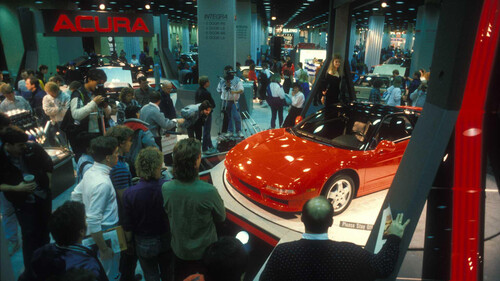
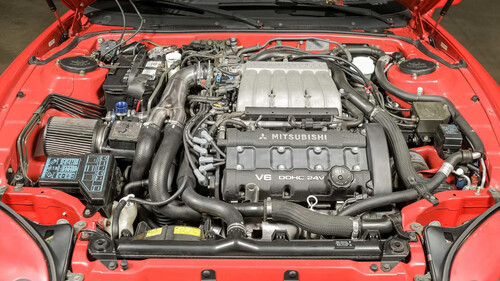
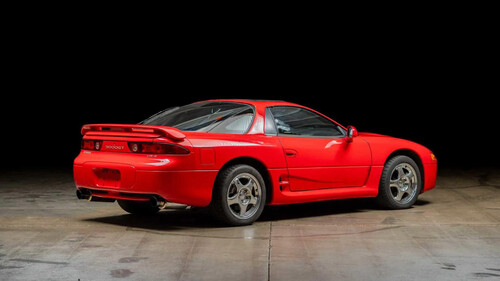
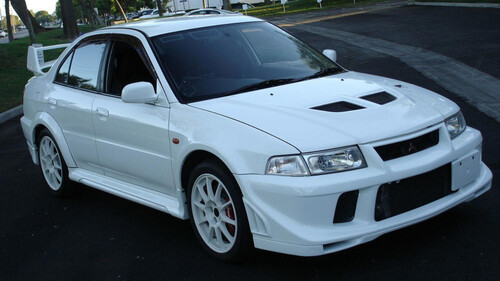
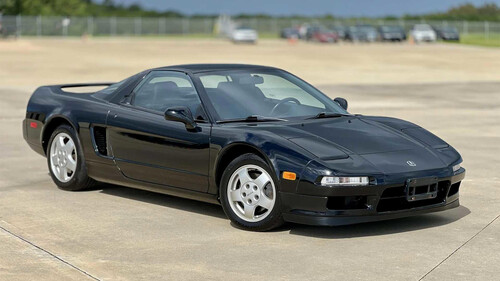
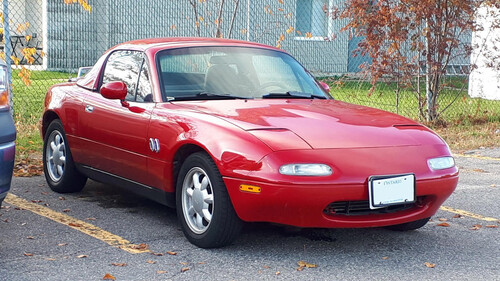
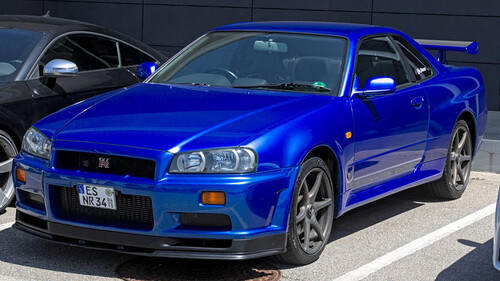
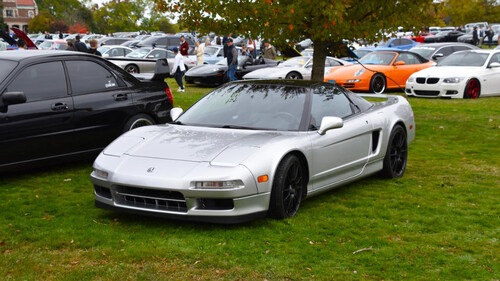
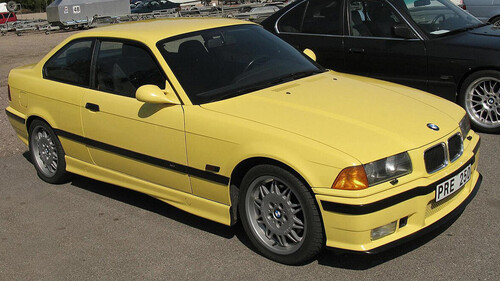
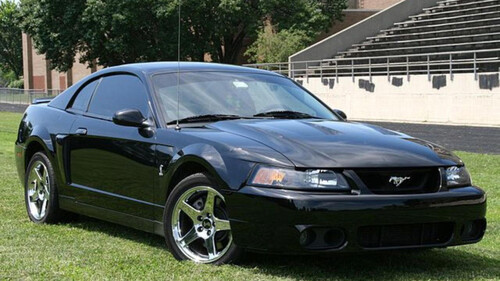
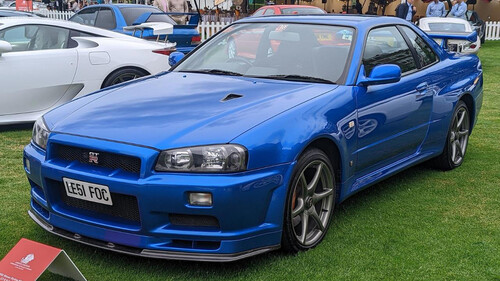
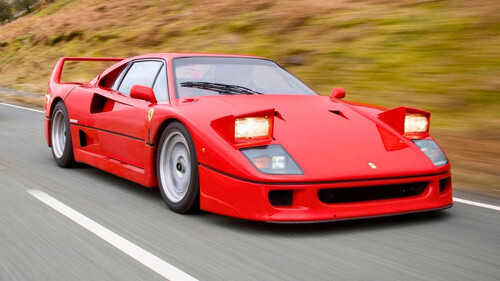
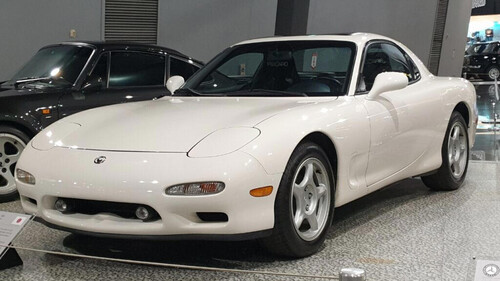
Why The '90s Are The Golden Era For Car CollectorsAutoblogJoseph PudlewskiMon, September 21, 2026 at 11:45 PM UTCAdd us on GoogleAutoblog and Yahoo may earn commission from links in this article.There are few decades that occupy the same space in automotive history as the 1990s. The decade marks the end of an era, when manufacturers were practically frothing at the mouth to throw cash at the development of specialized performance cars and modern electronics hadn't taken the industry by storm. Objectively, it's hard to make the argument that the cars of the '90s are better than their successors. Regardless, there's no denying that automakers put an emphasis on high performance, distinctive designs, and mechanical involvement, all of which factor in to make the decade one of the best for collectors.Heritage Images / Getty ImagesJDM models arrive statesideThe Japanese domestic market (JDM) vehicles of the '90s were some of the most ambitious examples of engineering the world has ever seen. A result of Japan's economic boom in the 1980s, intense competition pushed automakers like Honda, Toyota, Nissan, and Mazda to their absolute limits. By the end of the decade, we had seen some of the most recognizable Japanese performance cars take to the road, but the ones we could get here in the United States were few and far between.SOPA Images / Getty ImagesJDM models like the Mazda RX-7 FD, Nissan Skyline GT-R R34, and Honda NSX all put rubber to pavement in the '90s. While they packed quite a punch, their true advantages were hidden beneath their lightweight construction, sophisticated all-wheel drive systems, and advanced chassis engineering.AdvertisementAdvertisementJapanese automakers took vehicle development forward in new ways. Toyota dropped a twin-turbocharged 3.0-liter inline six-cylinder engine under the hood, while the RX-7 got a twin-turbo rotary engine of its own. Interestingly, most major Japanese automakers agreed to limit their vehicle power rating to roughly 276PS, or 272 horsepower. Notably, however, the agreement only required automakers to cap power at 276PS in factory ratings, and many enthusiasts suspect the actual output was often much higher.Cars and BidsOver here in the United States, there's a 25-year import rule, meaning end-of-decade JDM models couldn't be brought to our shores until recently. As of 2025, vehicles previously limited to the Japanese market can be legally imported to the United States, effectively creating new avenues for collectors to explore. The scarcity of these JDM vehicles is just the cherry on top for some enthusiasts.Thinking about selling your car? Get an instant cash offer online now. Click here to get started.Racing homologation specials hit the streetsWhile open imports of JDM vehicles are reason enough for some collectors to highlight the '90s, the presence of racing homologation specials is another. In order to compete in some races, manufacturers needed to build street-legal versions of their racing models to satisfy regulations. As a result, the 1990s played host to some of the more outrageous examples of high-performance cars.PATRICK HERTZOG / Getty ImagesThe 1999 Mitsubishi Lancer Evolution VI, for example, was born from Group A rally regulations. It boasted a sophisticated all-wheel drive system, massive rear spoiler, and could tap 60 mph in roughly 4.5 seconds. Just 2,500 units rolled off the production line, making it a hot commodity in the modern day. In 2021, for example, Mitsubishi put its Lancer Evo VI Tommi Makinen Edition up for auction. It sold for upwards of $139,000.AdvertisementAdvertisementThe Lancia Delta HF Integrale Evo II, another performance-driven rally car, was also a result of regulations that called for a production car. Production began in 1993 and ended in 1994, with approximately 2,500 examples built. Today, while it may not look the part, it's a hot commodity among collectors.LanciaHomologation specials marked a rare point in the automotive industry where motorsports tech and performance made its way into street-legal vehicles. They were often produced in small numbers, usually just enough to meet racing regulations, making them highly sought after in certain enthusiast communities.Analog-style driving dynamics connect cars to driversThe 1990s marked the final era before technology truly took over the automotive industry. While modern performance cars are incredibly capable, they rely on electronic systems to manage engine power, gear shifts, and more. A 1990s sports car generally left the driving to the driver.HondaThe Honda NSX paired a 3.0-liter naturally-aspirated V6 engine with a five-speed manual transmission that featured a hydraulic clutch and aluminum casing. Output sat at 270 horsepower with 60 mph time of roughly 5.2 seconds. Rather than overwhelm the driver with pure power, sports cars of the bygone era emphasized steering, braking, and throttle control.AdvertisementAdvertisementThe 1995 Mazda MX-5 Miata is perhaps the perfect example of analog-style driving dynamics at work. The sports car isn't particularly powerful, with its 1.8-liter four-cylinder engine generating just 128 horsepower. While other sports cars posted sub-six-second 60 mph times, the Miata took around 8.4 seconds to work its way there. Despite its low power output, the Miata's lightweight chassis, manual transmission, and direct controls offer a responsive, engaging driving experience.Cars & BidsShopping for a new car? Click here to get a great deal on your next vehicle. Powered by Carvana, no haggle pricing, 100% online.Final thoughtsThe 1990s essentially bridged the gap between old and modern vehicles, serving as the sweet spot where reliability, history, and character converged. In a way, the cars of the 1990s serve as a transition point, beginning with simple mechanical sports cars and ending with advanced electronic systems. Manufacturers effectively demonstrated that technology could enhance a driver's experience behind the wheel without taking the soul out of the vehicle.SubaruFor many, the 1990s are a source of nostalgia. Sports cars with character became iconic, and naturally aspirated engines had nearly reached a high point in their development. Manufacturers were still willing to dump money into developing cars for enthusiasts en masse rather than simply for the masses. On top of it all, motorsports still held sway on production cars, leading to some of the wildest street-legal cars to ever grace roadways. While there's no denying that some view the '90s automotive market through rose-colored glasses, it's exactly that yearning that makes the decade the golden era for car collectors and enthusiasts alike.Disclaimer: Autoblog aims to feature only the best products and services. If you buy something via one of our links, we may earn a commission.AdvertisementAdvertisementThis story was originally published by Autoblog on Sep 21, 2026, where it first appeared. Add Autoblog as a Preferred Source by clicking here.