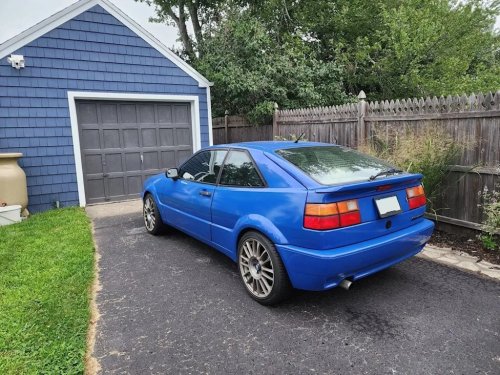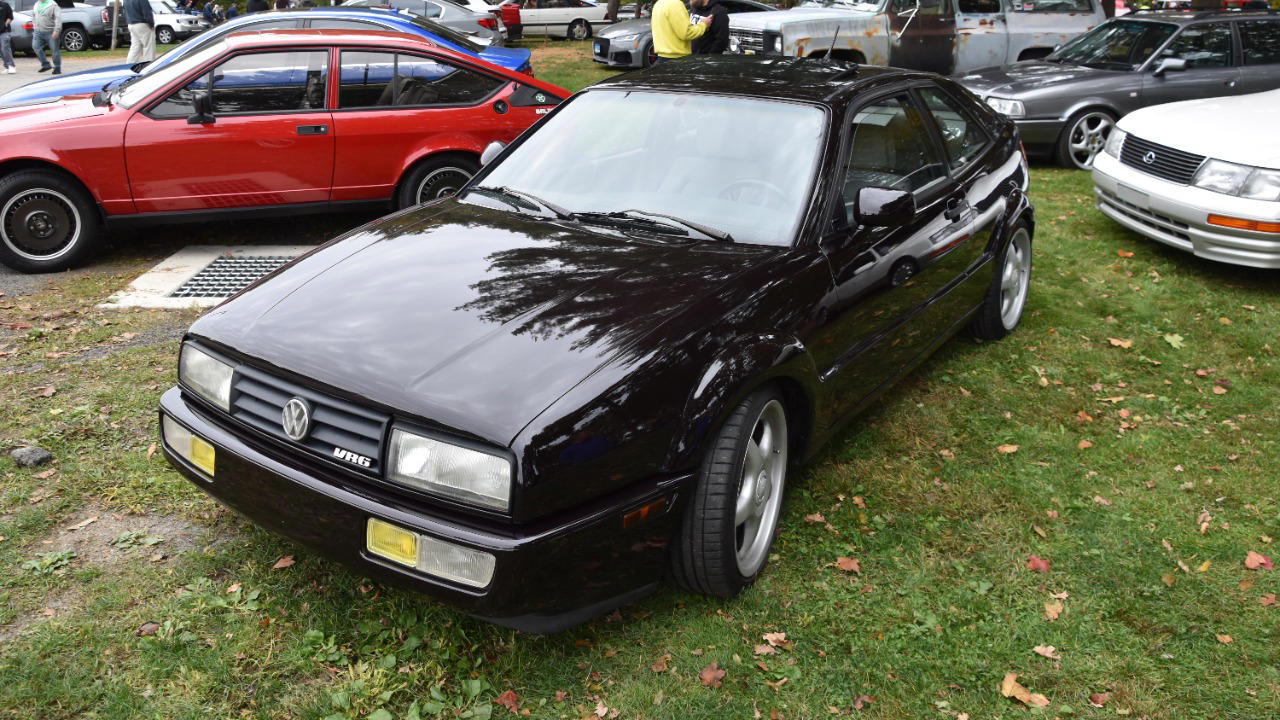




















The 1992 Volkswagen Corrado VR6 arrived with the ingredients of a future classic: a compact coupe body, sophisticated chassis, and a narrow-angle six that sounded like nothing else in its class. Yet it slipped through the cracks, overshadowed in period and only slowly appreciated decades later. I want to unpack why this car stayed misunderstood for so long, and why, when you look closely, that reputation says more about the market around it than about the Corrado itself. To understand the Corrado VR6’s odd place in history, I need to look at how it was engineered, what it was competing against, and how buyers actually behaved in the early 1990s. The story that emerges is not of a flawed car, but of a coupe that landed in the wrong segment, at the wrong price, and with the wrong expectations hanging over it. The clever coupe that never fit its badge When I think about the Corrado VR6 as an object, it feels like a car that should have been an instant hit. The proportions are tidy, the stance is purposeful, and the engineering is full of thoughtful touches that enthusiasts still point out today, from the active rear spoiler to the way the VR6 engine is tucked tight into the nose. In one detailed 4K walkaround, Jan talks through the backstory of a 1992 example and you can see how much care went into the cabin layout, the driving position, and the way the controls fall to hand, all of which underline how seriously Volkswagen treated this coupe as a driver’s car rather than a styling exercise, something that comes through clearly in that 1992 VOLKSWAGEN CORRADO VR6 4K FULL REVIEW. Yet that seriousness created a tension with the badge on the nose. Buyers who walked into a Volkswagen showroom in the early 1990s were used to practical Golfs and Jettas, not a premium-priced coupe with near-luxury aspirations. The Corrado’s interior quality and engineering depth pushed it toward territory usually occupied by more upmarket brands, but the logo still said “Volkswagen,” and that mismatch made it hard for shoppers to justify the price when they could get similar performance from cheaper, more straightforward rivals wearing the same or more aspirational badges. Outgunned by its own era’s competition Image Credit: Charles from Port Chester, New York – CC BY 2.0/Wiki Commons In performance terms, the Corrado VR6 was quick, but it was not a knockout blow in a decade crowded with charismatic coupes. Enthusiast coverage has pointed out that there is an arguably good reason why the car is overlooked, and that reason sits squarely with the competition it was forced to face, from Japanese sports coupes to domestic two-doors like the Chevy Beretta GTZ that undercut it on price while offering comparable straight-line pace, a dynamic that is laid out bluntly in a piece arguing that There is an arguably good reason the Corrado struggled in the showroom. On top of that, the Corrado’s own spec sheet was not as generous in every market as enthusiasts might assume. North American versions received a slightly smaller 2,781cc VR6 with a reduced power output of 176 bhp (131 kW), a compromise that dulled the car’s edge just enough to matter when buyers cross-shopped it against more powerful or lighter rivals, a detail that is spelled out in a critical retrospective on how North American cars differed from their European counterparts. Pricing, positioning, and the “why didn’t it sell?” question When enthusiasts today ask why the Corrado VR6 did not do better, the answer usually comes back to value. In one long-running Comments Section under a video review, a user named epilonious, in a post marked as Edited, boils it down with a blunt “Why didn’t this car do well? Because there was literally a better option for almost every buyer profile,” capturing the sense that the Corrado sat in a pricing no man’s land where hot hatches, Japanese coupes, and even entry-level German luxury cars all nibbled away at its potential audience. I see that same theme in how owners and fans talk about the car’s market life. The Corrado was not cheap to build, and it was not cheap to buy, which meant it had to justify itself against more focused sports cars and more practical performance hatchbacks at the same time. That double bind left it exposed when the early 1990s economy tightened and buyers became more cautious, turning what might have been a niche but sustainable product into a slow seller that dealers struggled to move without discounts or creative financing. Enthusiast love versus public indifference What makes the Corrado VR6’s story so striking to me is the gap between how it was received by the press and how it was received by the public. Contemporary journalists raved about the handling balance, the steering feel, and the way the chassis came alive with the addition of the VR6 engine, with one specialist seller noting that, Whilst reviewers praised the Corrado’s engineering, the public response was less enthusiastic and sales remained modest even after the VR6 arrived, a contrast that is spelled out in a profile of the Whilst Corrado VR6 Storm special edition. Among enthusiasts, though, the car’s character has aged well. In a discussion thread where someone shares a sound clip of a Corrado, one commenter notes how the VR6 “sounds like a winner,” and the conversation quickly turns to how unusual it was to hear that kind of refined six-cylinder growl in a compact front-drive coupe at the time, a reaction that still bubbles up whenever the Jul clip resurfaces. That split between critical acclaim and lukewarm mass-market interest is exactly the kind of thing that keeps a car misunderstood for years, admired in small circles while ignored by the broader public. A short production run and an awkward legacy The Corrado VR6 also had the misfortune of being built in a factory with competing priorities. Owners on dedicated forums have long pointed out that The Corrado was finished because the Karmann Factory needed the production run time for the new Golf-based models, and one archived thread notes that the decision to end production was already in motion even as the car was being ceased, a detail captured in a post labeled Posted May that underlines how external pressures, not just sales figures, shaped the car’s fate. That relatively brief run left the Corrado in an odd place historically. It never had time to evolve through multiple generations or to build the kind of name recognition that cars like the Golf GTI enjoy, and it arrived just as the market was shifting away from small coupes toward more practical performance cars. In that sense, its story reminds me of how Its Daimler Double-Six coupe image never quite matched the rakish two-door V12 body it wore, which meant the car was, therefore, only built in tiny numbers, a mismatch of perception and product that is described in a road test of the Daimler Double Six coupe and feels eerily similar to the Corrado’s own trajectory. More from Fast Lane Only: 10 underrated V8s still worth hunting down Police notice this before you even roll window down