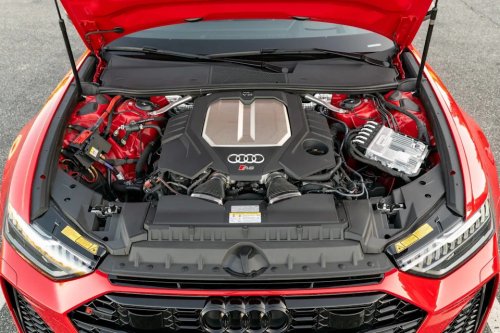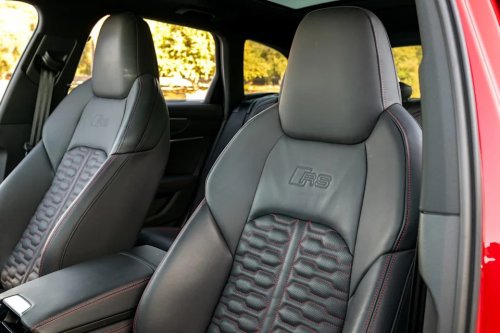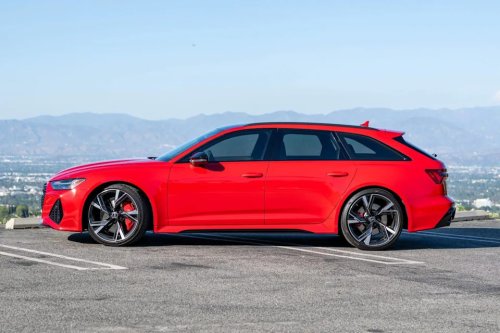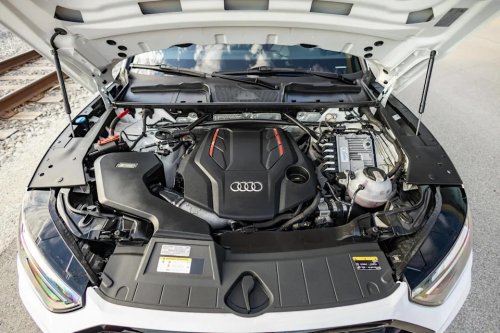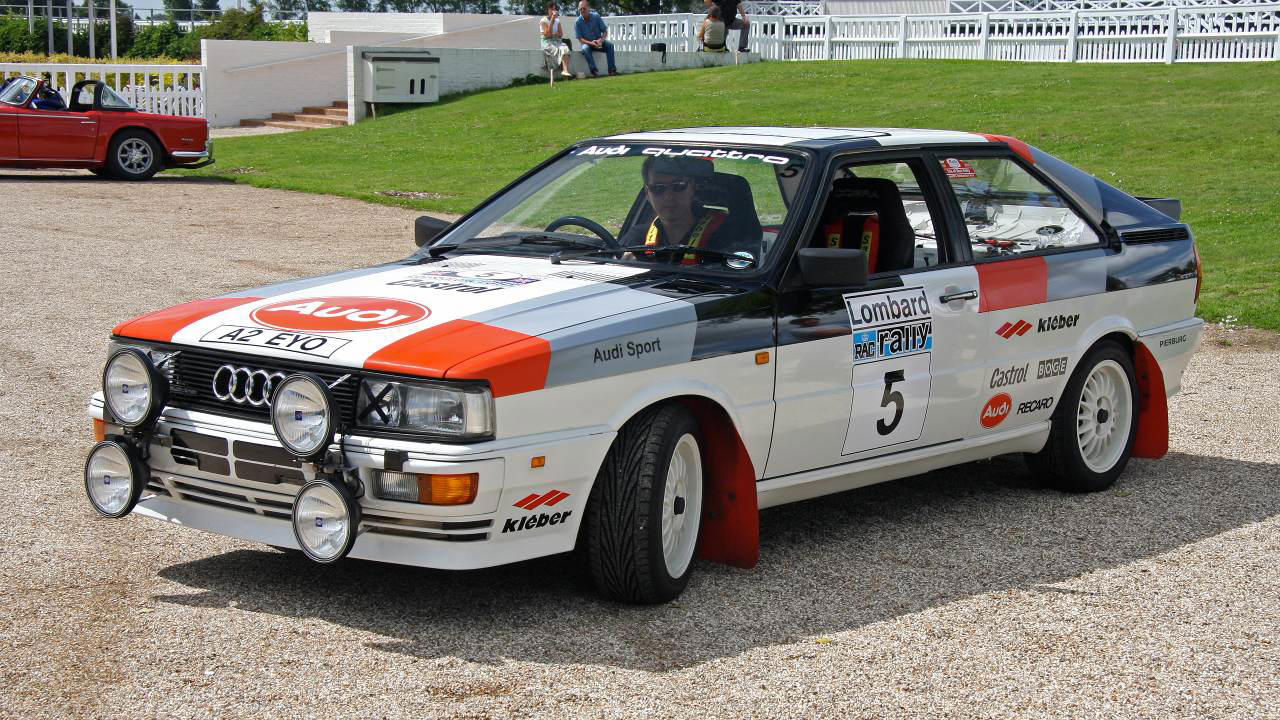



















The original Audi Quattro did more than add two extra driven wheels to a family coupe. By proving that sophisticated all-wheel drive could deliver crushing speed on loose surfaces and calm security on the road, it reset expectations for how performance cars should put power down. The 1985 evolution of the Quattro, arriving in the heart of Group B, crystallized that revolution and set a template that still shapes traction technology today. From Finnish snow to a radical drivetrain idea The Quattro story starts far from glamorous rally stages, in the brutal winters of northern Europe where traction is a matter of survival rather than style. After Audi engineer Jörg Bensinger watched how unstoppable the military VW Iltis was in slippery Finnish conditions, he began to imagine that this off road technology could work in a road car too. That observation, rooted in the Iltis ploughing through ice and snow while conventional cars floundered, gave Audi a concrete proof of concept that permanent four wheel drive could be compact, light and efficient enough for everyday use. What made Bensinger’s insight so disruptive was the decision to integrate permanent all wheel drive into a relatively low slung passenger car rather than a truck or SUV. Instead of treating extra driven wheels as a crude tool for mud and ruts, Audi’s engineers refined the layout into a system that could handle high speed asphalt, gravel and snow with equal composure. The resulting Quattro drivetrain used a center differential to split torque between the axles, turning the Iltis inspired idea into a sophisticated performance tool that would soon be tested in the harshest form of Competition, international rallying. Rallying before the Quattro and the shock of AWD Rallying before the 1980s was a contest of balance between rear wheel drive finesse and front wheel drive security, with drivers constantly trading outright speed for the ability to keep the car pointing roughly straight on unpredictable surfaces. Before the Audi Quattro, all wheel drive was seen as unnecessary for racing cars, associated instead with off road trucks and slow, utilitarian machines that had little to do with high performance. The accepted wisdom was that adding driven wheels meant adding weight and complexity, which would blunt the sharpness needed to win stages. When Audi rolled out the Quattro in top level rallying, that orthodoxy collapsed almost overnight. The car’s permanent AWD system allowed drivers to accelerate earlier out of corners and carry speed over loose gravel, snow and wet tarmac with far less penalty for surface variability. Reports on how the Audi Quattro changed rally forever describe how rivals suddenly found themselves spinning away traction while the Quattro simply hooked up and went, its four driven wheels turning slippery stages into a showcase for controlled aggression. In a sport where tenths of a second per kilometer decide championships, the ability to deploy power so cleanly was nothing short of a revolution. Image Credit: Brian Snelson from Hockley, Essex, England, via Wikimedia Commons, CC BY 2.0 Why 1985 was the turning point By 1985, the Quattro concept had matured from a bold experiment into a fully weaponized rally platform, and that season marked the moment when its traction advantage became impossible to ignore. The 1985 Audi Quattro, in both road going and rally trim, embodied a more focused evolution of the original idea, with refinements to weight distribution, turbocharging and suspension that allowed the AWD hardware to shine. In Group B form, the car’s explosive acceleration on loose surfaces made it look as if the laws of physics had been quietly rewritten, while the showroom versions translated that grip into a new kind of all weather performance car. Contemporary accounts of how the Audi Quattro changed the racing world emphasize that it did not just win events, it changed the way people thought about motorsports and car design for good. Once spectators and rival engineers saw a Quattro fire out of a hairpin on snow, its four wheels clawing for purchase while others fought for traction, the old rear wheel drive template looked instantly dated. The 1985 model year sits at the center of that shift, the point where the Quattro’s combination of turbocharged power and AWD traction became the benchmark that every serious rally program had to match or abandon the title fight. Road car tech: sensors, computers and everyday grip The Quattro’s impact did not stop at the edge of the rally stage, because Audi was equally determined to make its all wheel drive system work in daily traffic and on mountain passes. The advanced in its day all wheel drive system was one of the first to use sensors and computer data to make sure power was sent to the wheels with the most grip, a philosophy that anticipated the electronic traction and stability controls that are now taken for granted. Instead of relying purely on mechanical differentials, the Quattro layout evolved into a networked system that could react to slip and driver inputs in real time, turning a rally bred idea into a safety and performance feature for commuters. That approach laid the groundwork for later high performance models that carried the Quattro name into new segments. First of the RS, for RennSport, literally Racing Sport, the RS2 was unusual for two reasons, including the fact that it was a wagon that could out accelerate many sports cars while still using a development of the Quattro drivetrain. By the time that car arrived, Audi had been driving quattro technology forward for 35 years, with more than eight million models produced with permanent all wheel drive worldwide, a scale that underlined how thoroughly the concept had moved from niche experiment to mainstream expectation. A legacy that reshaped performance and safety The deeper legacy of the 1985 Audi Quattro lies in how it blurred the line between race car and road car, making advanced traction a selling point rather than a compromise. Accounts of the original Quattro highlight how its five cylinder sound and rally pedigree created an emotional hook, but the real breakthrough was the way its AWD system let ordinary drivers access performance in poor weather that used to be reserved for dry track days. Hill climb and rally coverage of the car’s later life still point to the same core strength, the ability of its sensor guided drivetrain to keep feeding power to the surface even when conditions are stacked against it. Today, when performance SUVs, hot hatches and super sedans routinely rely on complex AWD systems, it is easy to forget how radical it was for Audi to bolt permanent all wheel drive into a sporty coupe and claim it would be faster and safer. The Quattro proved that claim in the harshest possible arena, then backed it up on public roads, and in doing so it changed traction forever by making four driven wheels the default answer to the question of how to deploy serious power. Every modern car that quietly shuffles torque between axles on a wet highway owes a debt to the moment Bensinger watched an Iltis in the Finnish snow and decided that kind of unstoppable progress belonged in a fast car too. More from Fast Lane Only: Unboxing the WWII Jeep in a Crate 15 rare Chevys collectors are quietly buying