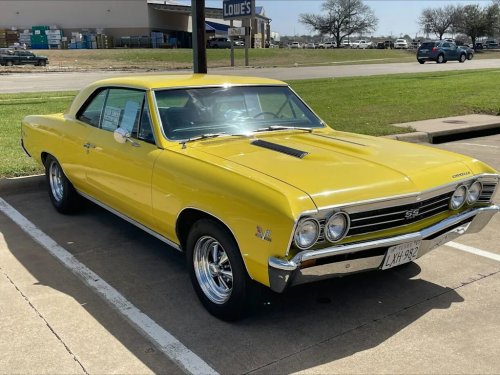
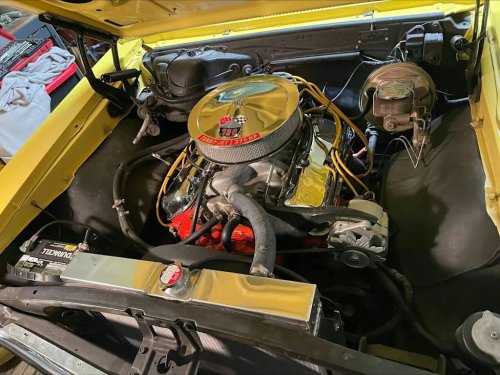
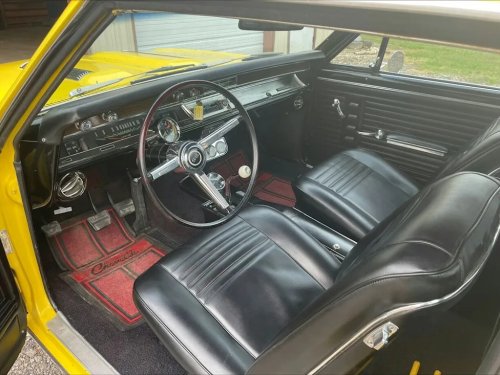
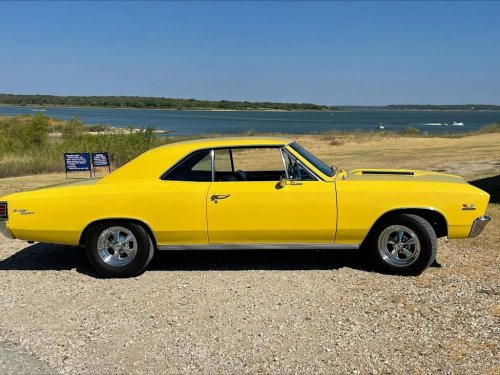
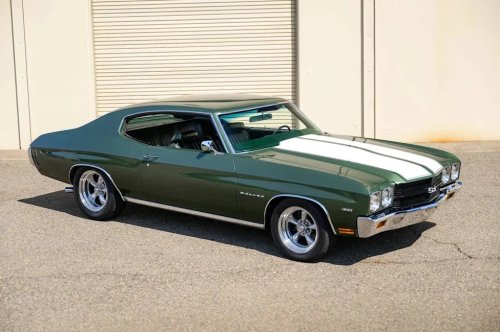
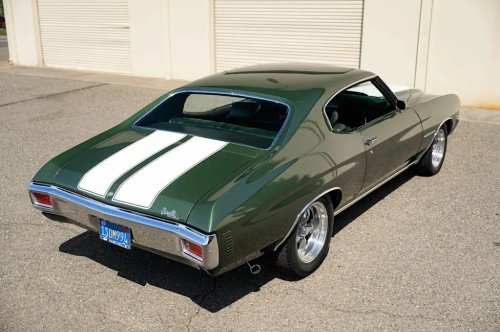
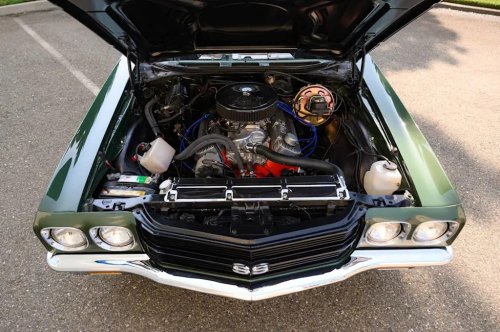
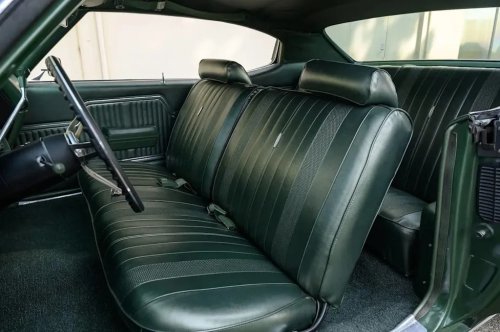
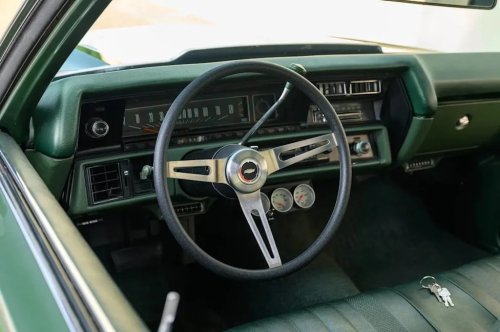
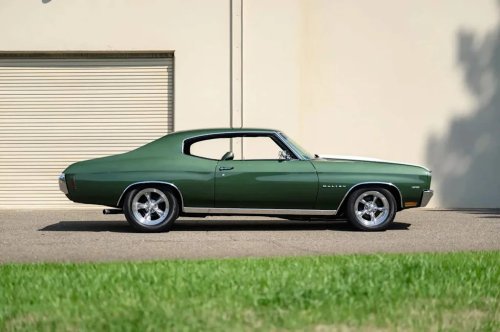
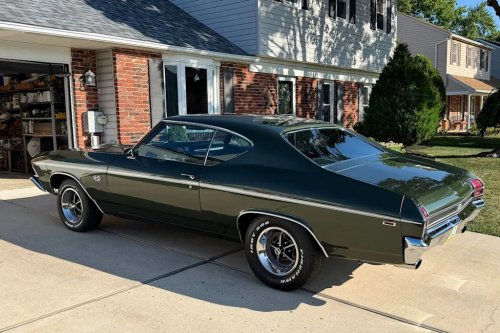
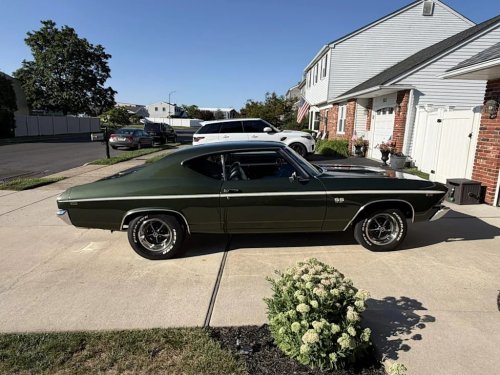
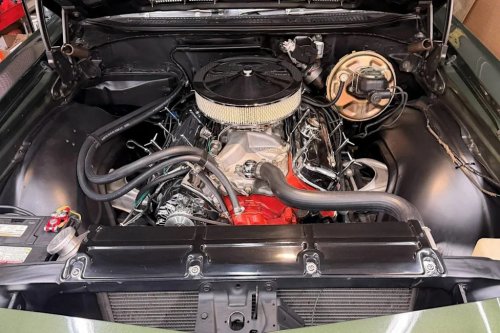
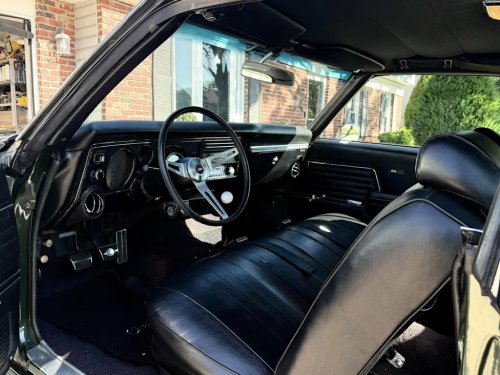
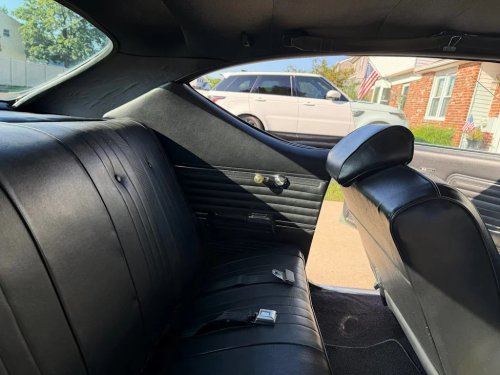
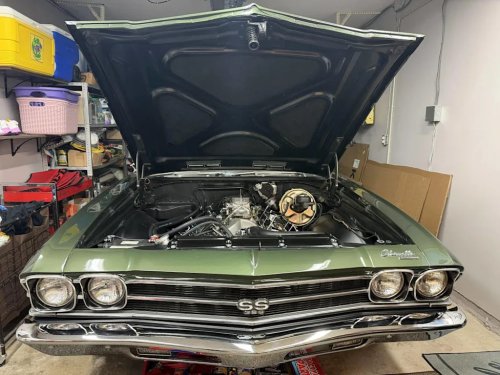
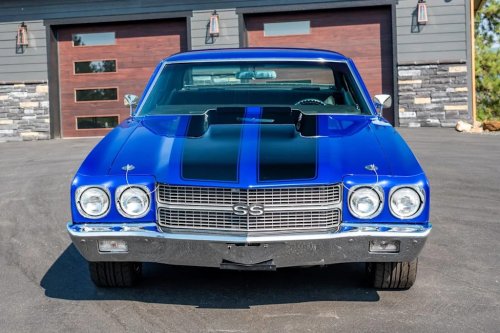
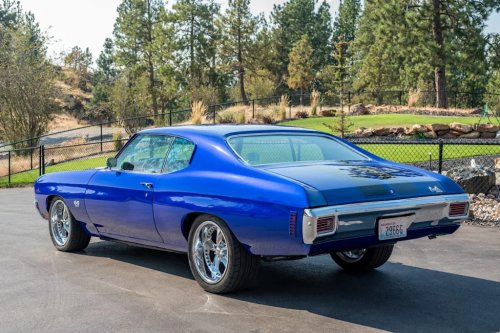
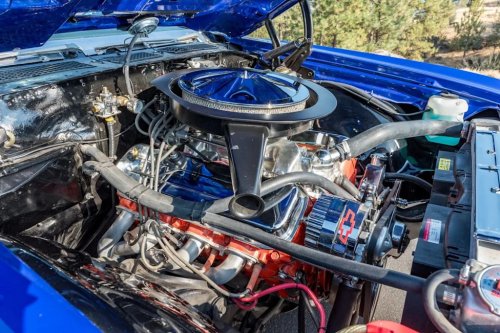
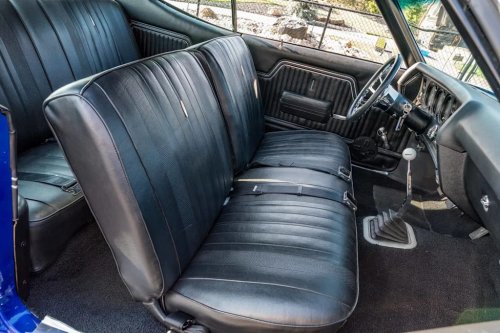
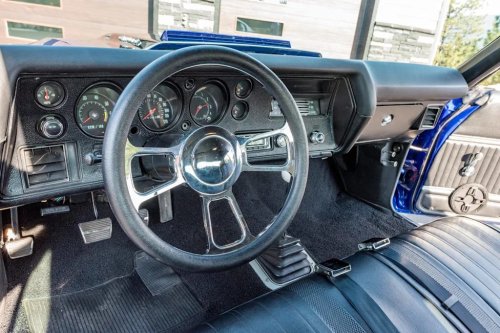
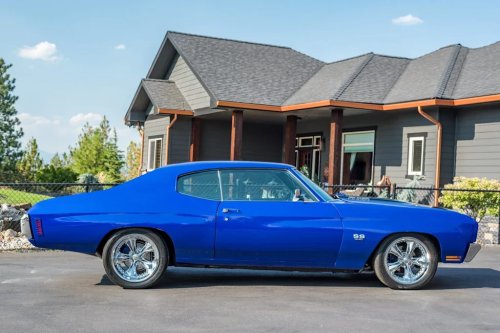
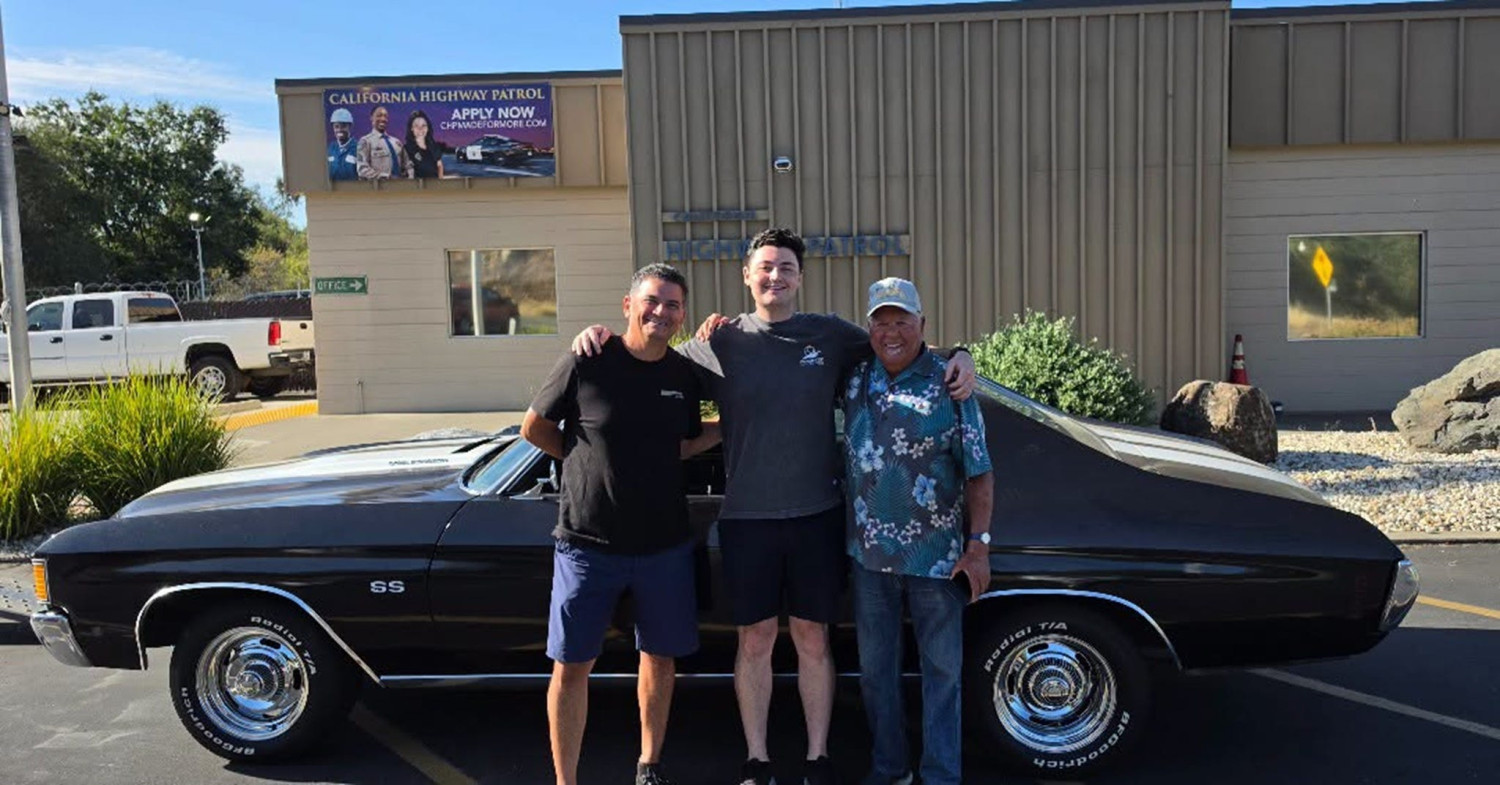
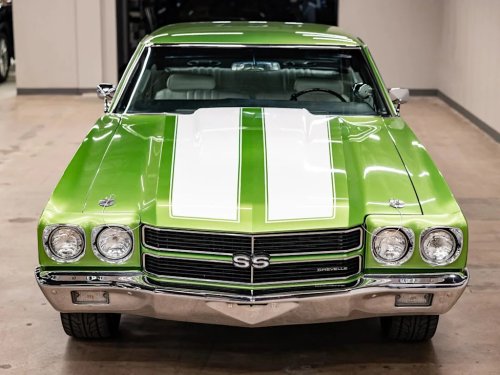
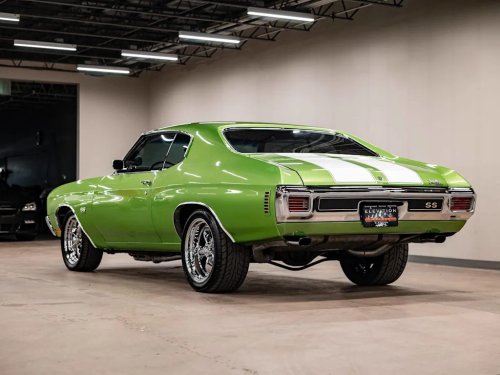
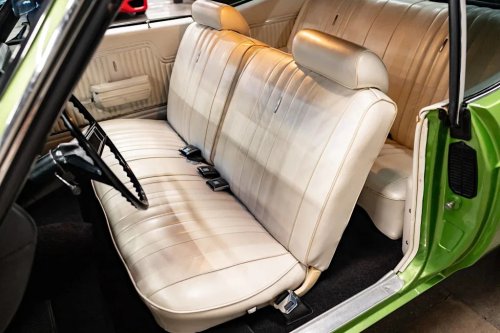
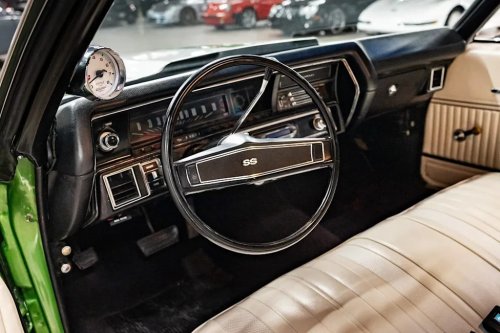
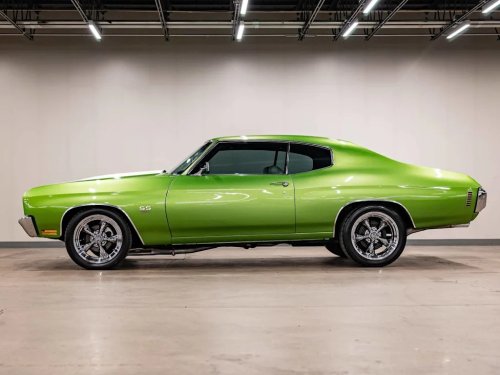
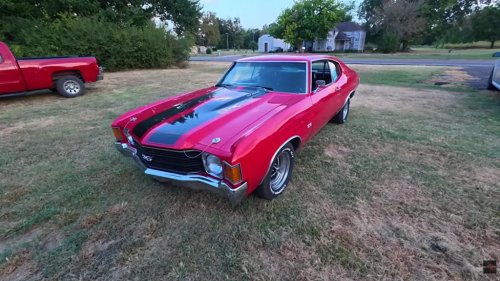
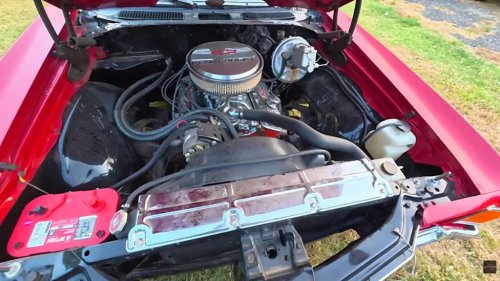
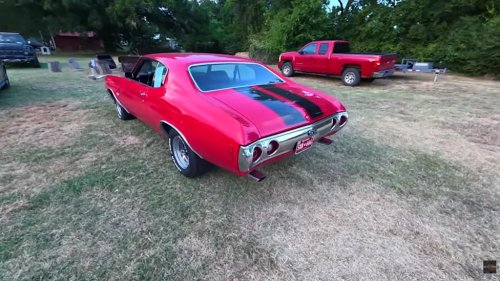
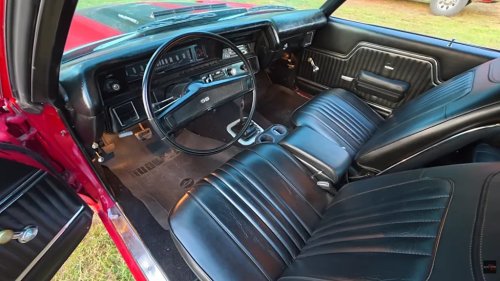
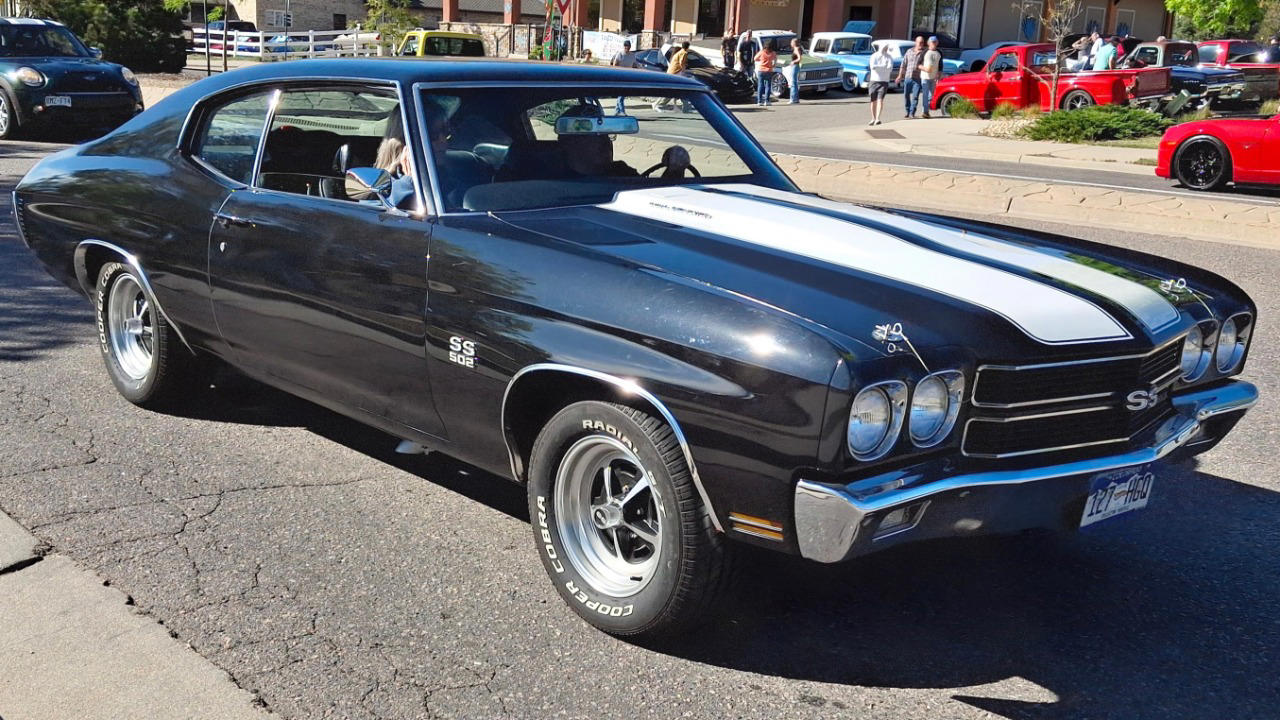
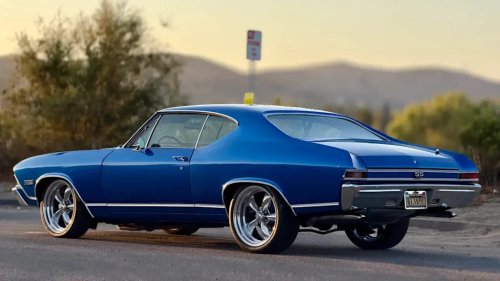
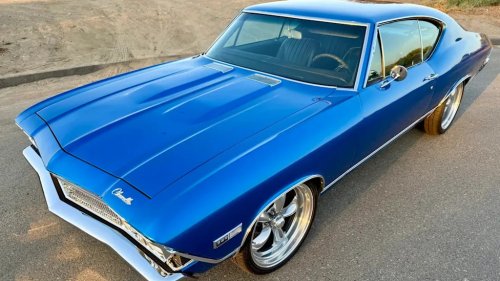
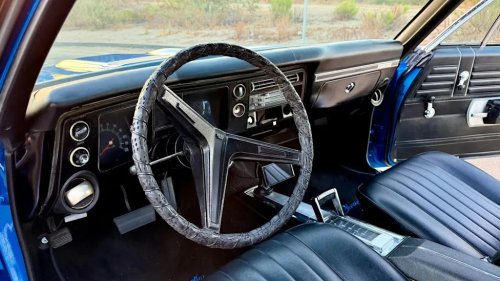
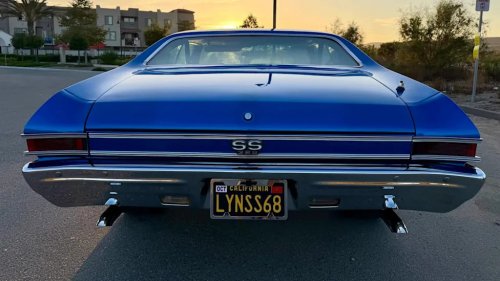
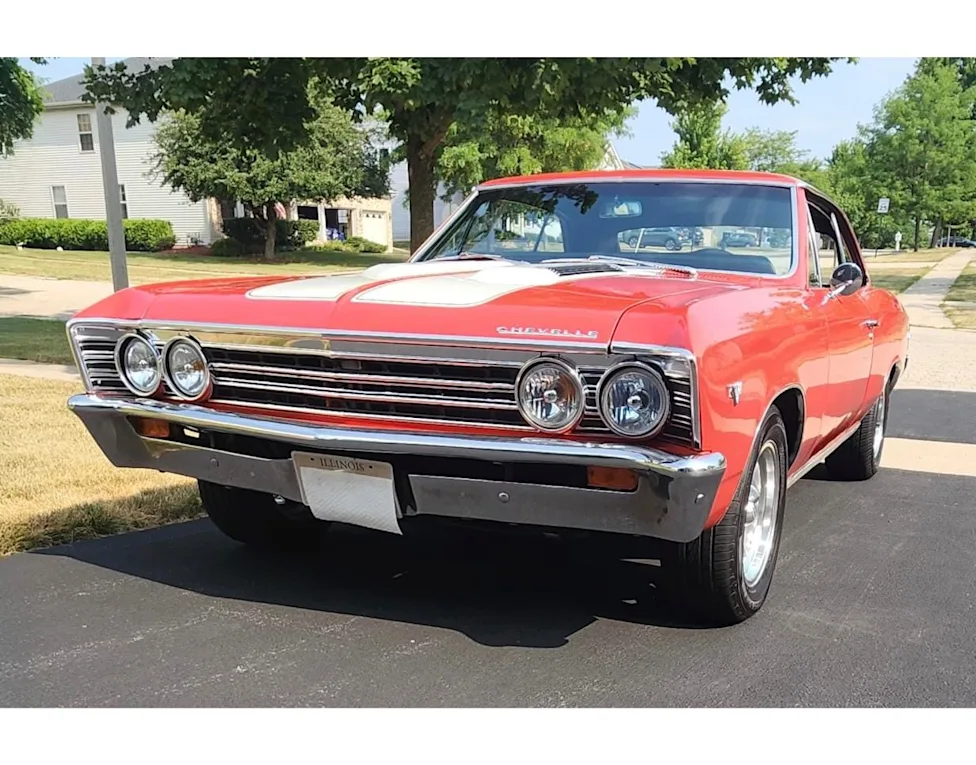
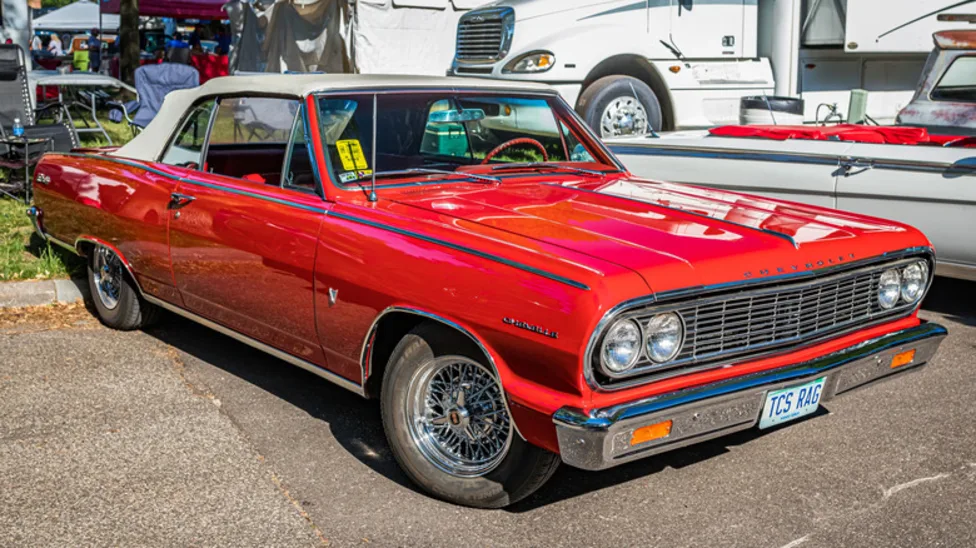
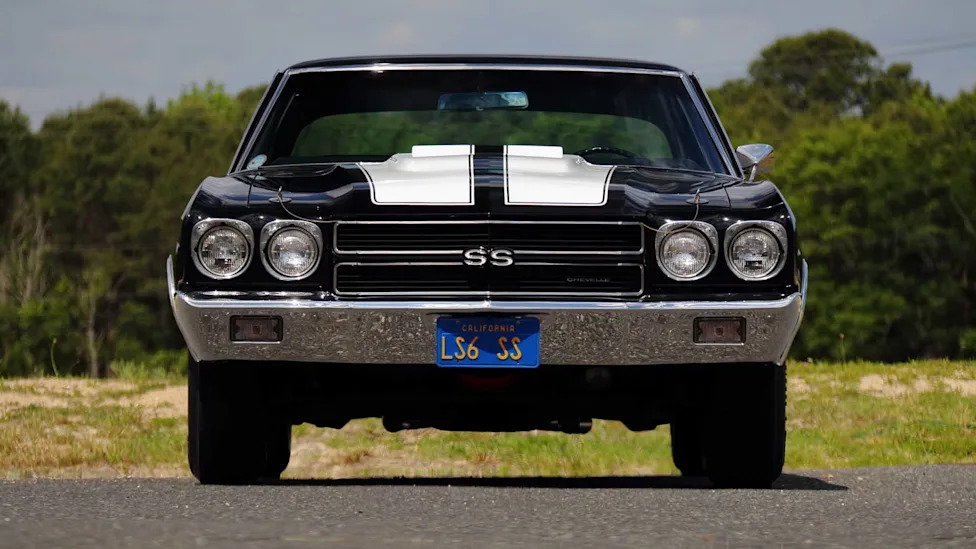
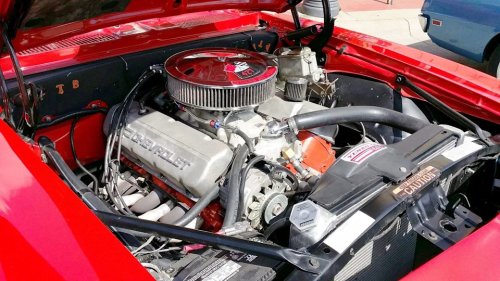
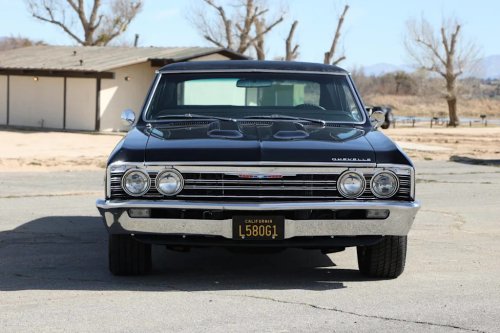
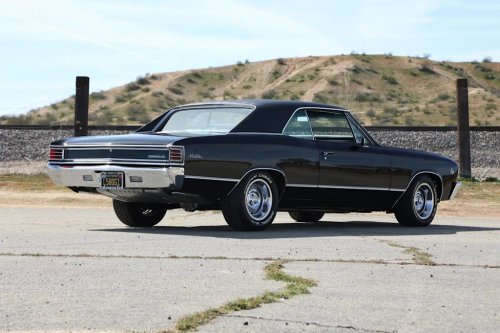
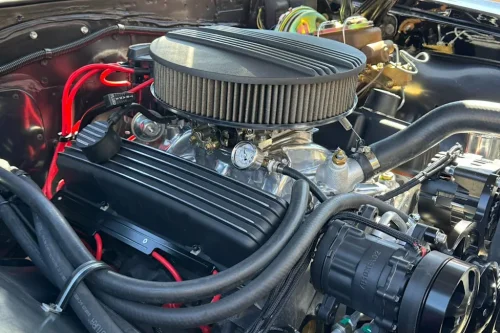
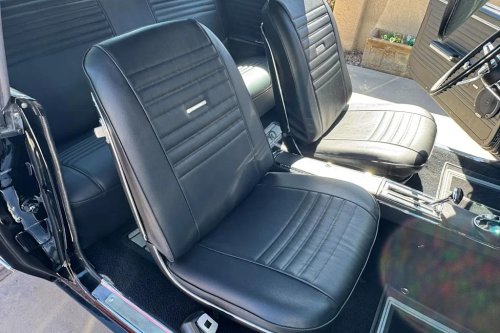
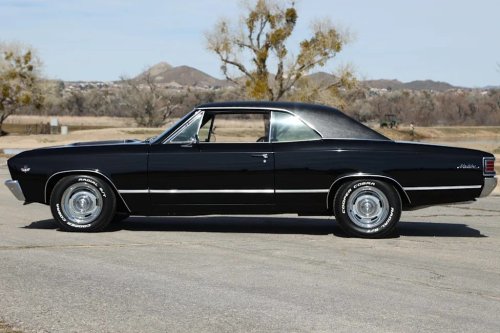
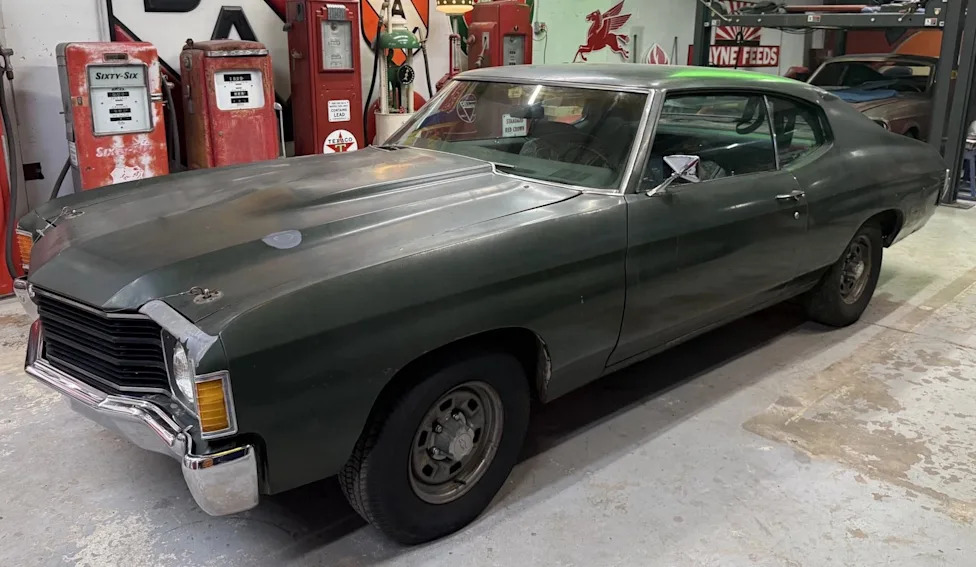
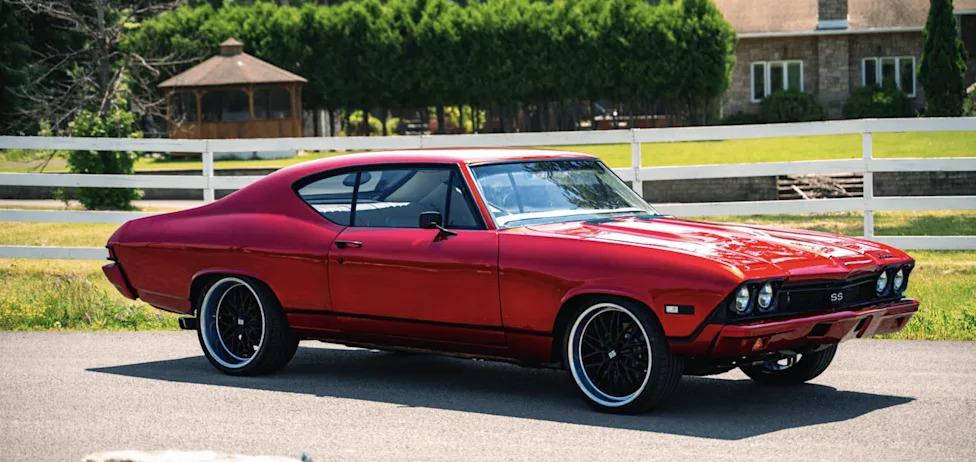
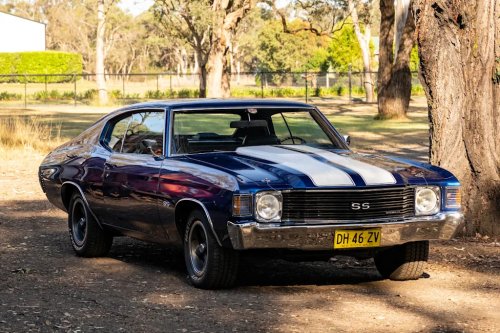
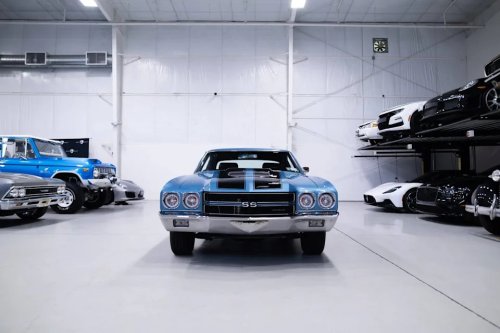
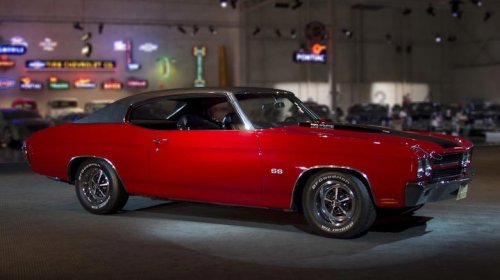
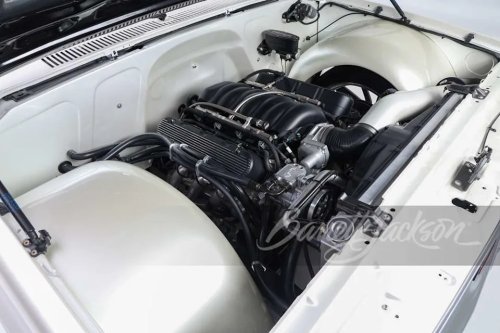
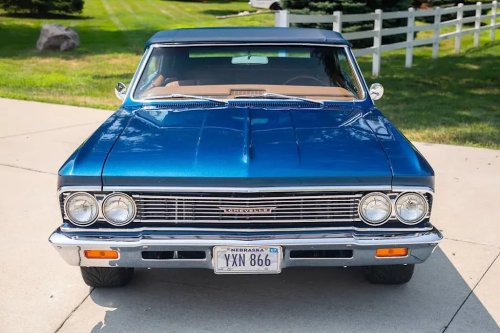
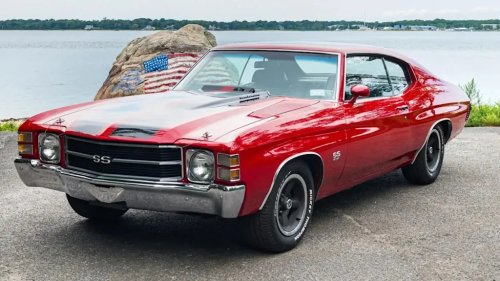
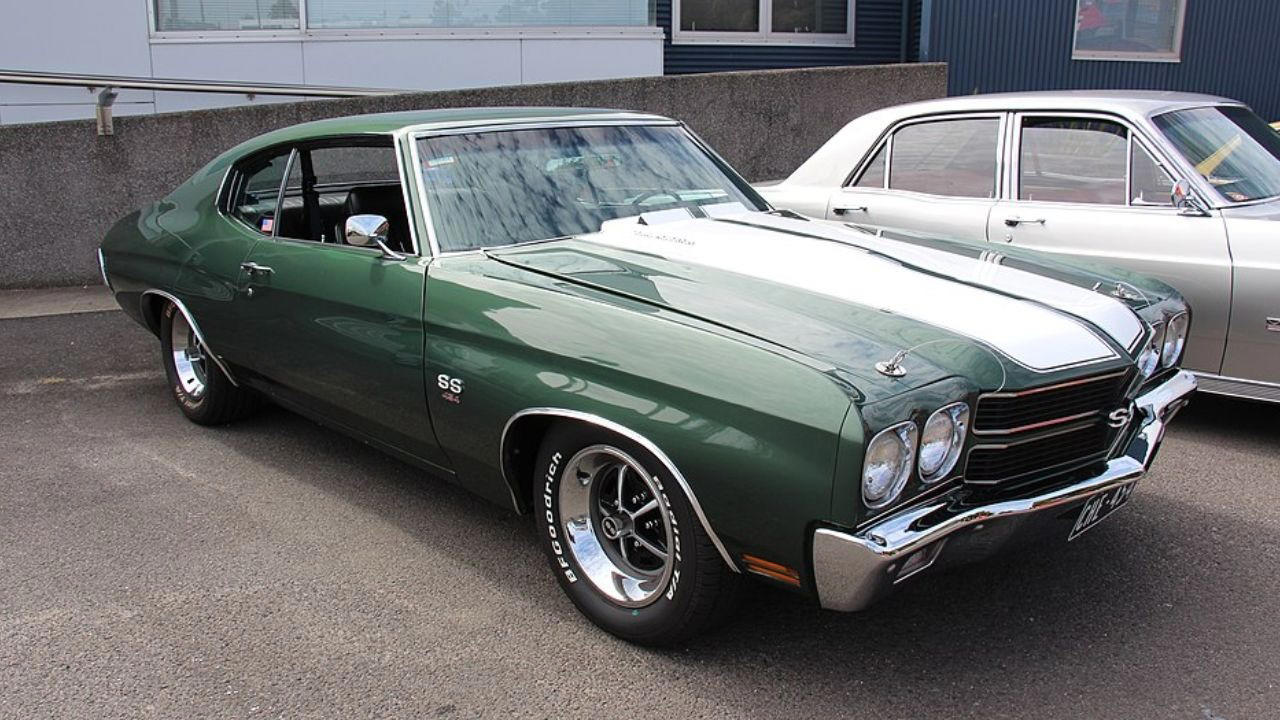
Why the 1970 Chevrolet Chevelle SS became more powerful than expectedThe 1970 Chevrolet Chevelle SS is often celebrated as one of the most iconic muscle cars of its era, but its rise to power was more than just a product of marketing and design. Various factors contributed to the Chevelle SS’s unexpected performance, highlighting engineering innovations, market conditions, and cultural influences that combined to create a legendary vehicle. Historical Context of the Muscle Car Era The late 1960s and early 1970s marked the zenith of the muscle car movement in America. During this time, manufacturers were focused on producing high-performance vehicles that catered to a growing demographic of speed enthusiasts. The introduction of the Chevrolet Chevelle SS was a direct response to the fierce competition within the market. Brands like Ford with its Mustang and Dodge with its Charger were setting the benchmarks for power and style, prompting Chevrolet to innovate in ways that would capture the attention of potential buyers. As consumer demand surged for performance vehicles, the expectations surrounding horsepower and speed became paramount. The Chevelle SS was designed to meet and exceed these expectations, embodying the spirit of the muscle car era. The excitement surrounding this segment was not merely about horsepower; it was also about the lifestyle and identity that these powerful machines represented. The Chevelle SS, therefore, was not just a car; it was a statement of freedom, rebellion, and personal expression. The Engine Options: A Power Surge The 1970 Chevrolet Chevelle SS offered an array of engine options that would solidify its reputation as a performance powerhouse. The highlight was undoubtedly the 454 cubic inch V8 engine, which boasted an impressive 450 horsepower. This was a significant leap from previous models, showcasing Chevrolet’s commitment to developing larger, more powerful engines capable of outpacing competitors. In comparison, the earlier 396 cubic inch V8 provided a respectable 375 horsepower, but the 454 was a game-changer, taking performance to unprecedented levels. Technological advancements in engine design played a crucial role in enhancing the Chevelle SS’s performance. The introduction of features such as a stronger block and improved intake design allowed for greater airflow, resulting in increased power output. Moreover, the use of higher compression ratios and advanced ignition systems contributed to a driving experience that was exhilarating and responsive. In many ways, the Chevelle SS set a new standard for muscle car performance, making it a favorite among enthusiasts and collectors alike. Engineering Innovations Beyond the engine, the engineering innovations that characterized the 1970 Chevrolet Chevelle SS were instrumental in enhancing its overall performance. The introduction of new materials and techniques in automotive engineering led to improvements in weight distribution and chassis design. By utilizing lighter materials and optimizing the vehicle’s center of gravity, Chevrolet was able to create a car that not only accelerated quickly but also handled curves and turns with remarkable agility. Furthermore, the suspension upgrades in the Chevelle SS played a significant role in its driving experience. With a redesigned front suspension that included heavier-duty components, the Chevelle SS offered improved stability and handling. These enhancements allowed drivers to tackle winding roads with confidence, setting it apart from many of its contemporaries. The combination of powerful engine options and advanced engineering made the Chevelle SS a formidable contender on both the street and the racetrack. Marketing Strategies that Boosted Popularity Chevrolet’s marketing campaigns played a pivotal role in the Chevelle SS’s rise to fame. The company strategically targeted muscle car enthusiasts through advertisements that emphasized the power, speed, and stylish design of the vehicle. Promotional events, showcasing the Chevelle SS in action, helped build a sense of excitement around the car. For instance, the display of the Chevelle SS at major auto shows created buzz and drew potential buyers, who were eager to experience the thrill of driving a muscle car. Influential endorsements and media coverage further heightened public interest in the Chevelle SS. Automotive magazines lauded its performance, often featuring it in comparison tests against rival models. The positive reviews played a crucial role in shaping consumer perceptions, and word-of-mouth recommendations from satisfied owners solidified its reputation. The combination of effective marketing and genuine performance led to a loyal following, which only increased the allure of the Chevelle SS. Consumer Demographics and Preferences The target demographic for the 1970 Chevrolet Chevelle SS was primarily young, male, and enthusiastic about performance. This group sought vehicles that matched their desire for speed and power, and the Chevelle SS delivered on that front. Customization options, including various colors and performance packages, allowed buyers to personalize their vehicles, making them feel even more connected to their car. This appeal to individuality resonated strongly within the cultural context of the time, where rebellion against the status quo was celebrated. The role of youth culture in driving demand for powerful cars cannot be overstated. The Chevelle SS became a symbol of freedom and self-expression, embodying the rebellious spirit of the era. This cultural connection helped propel the car to iconic status, as it was featured in movies and music that celebrated the muscle car lifestyle. As a result, the Chevelle SS was not just a vehicle; it was a reflection of a generation’s desire for excitement and adventure. Cultural Impact and Legacy The Chevelle SS’s impact on popular culture has been profound, with its presence in movies and music solidifying its place in automotive history. Films like “American Graffiti” showcased the Chevelle SS, capturing the essence of the muscle car era and drawing new generations to its allure. The car has also been referenced in numerous songs that celebrate the freedom and adrenaline associated with driving powerful machines. This cultural footprint has ensured that the Chevelle SS remains a beloved icon among automotive enthusiasts. Today, the Chevelle SS is revered not only by collectors but also by a new generation of car enthusiasts who appreciate its legacy. The vehicle is often featured in car shows and meets, where owners proudly display their meticulously restored models. The Chevelle SS has become a symbol of nostalgia, representing an era where muscle cars ruled the roads. Its influence continues to shape the muscle car community, and it serves as a benchmark for modern performance vehicles, reflecting the enduring appeal of raw power and style. Lessons from the Past: The Evolution of Muscle Cars The rise of the 1970 Chevrolet Chevelle SS offers valuable insights into automotive trends and consumer behavior. It illustrates how a combination of engineering excellence, effective marketing, and cultural relevance can create a legendary vehicle. The lessons learned from the Chevelle SS’s success have influenced the design and performance of muscle cars in the decades that followed. Modern vehicles often draw inspiration from the Chevelle SS’s blend of power and style, showcasing how its legacy continues to resonate. As the automotive landscape has evolved, the Chevelle SS stands as a reminder of the golden age of muscle cars. The shift in design priorities and performance metrics over the years can often be traced back to the innovations and consumer preferences established during the Chevelle’s heyday. The legacy of the Chevelle SS, therefore, is not just about nostalgia; it is about understanding how the past can inform the future of automotive design and performance. More from Fast Lane OnlyUnboxing the WWII Jeep in a Crate15 rare Chevys collectors are quietly buying10 underrated V8s still worth hunting downPolice notice this before you even roll window down



















 +63 others