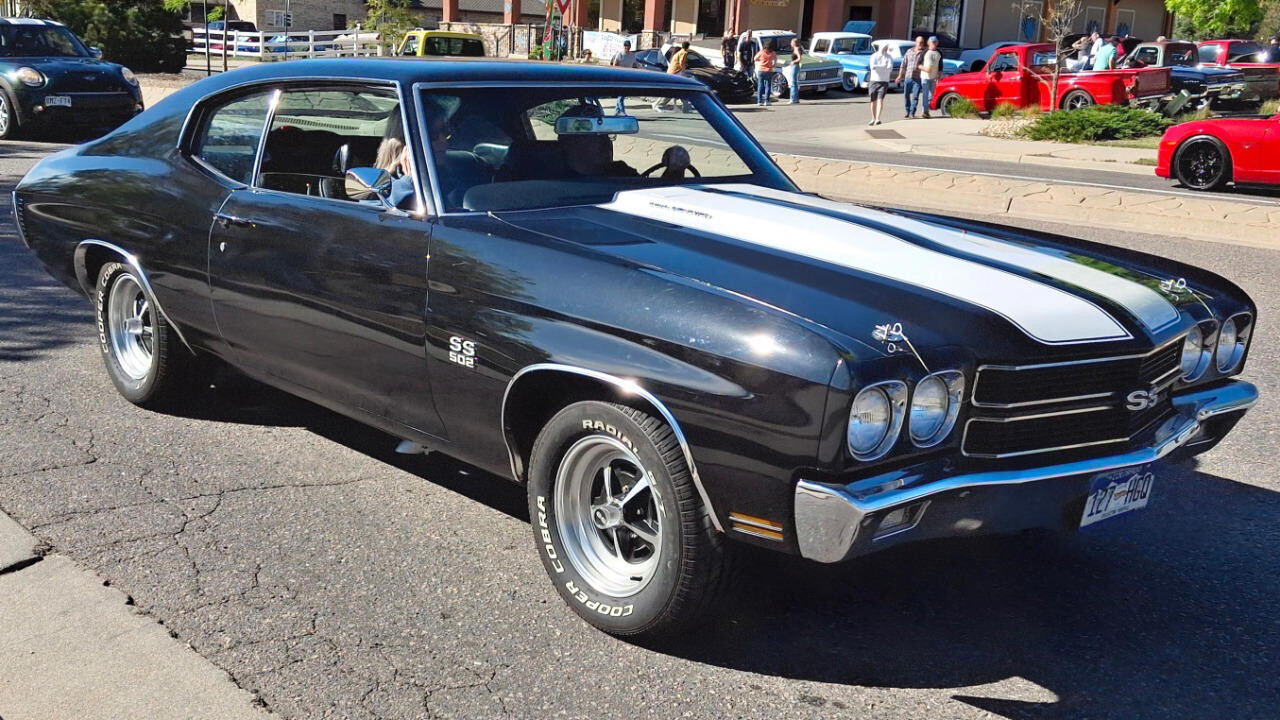
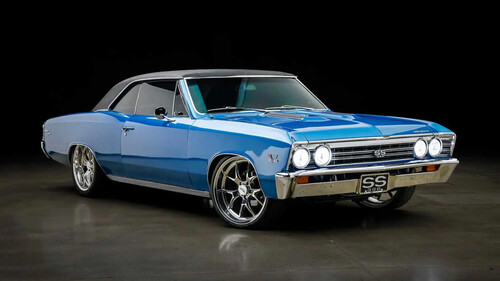
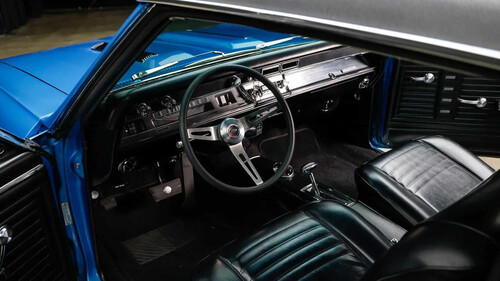
The strange story behind the 1970 Chevrolet Chevelle SSThe 1970 Chevrolet Chevelle SS is often celebrated as one of the most iconic muscle cars of its era, known for its powerful performance and striking design. However, the story behind its creation and subsequent survival is filled with unexpected twists that reveal much about the automotive industry’s evolution during the late 1960s and early 1970s. The Birth of the Chevelle SS The development of the 1970 Chevrolet Chevelle SS can be traced back to the growing popularity of muscle cars in the late 1960s. As American consumers clamored for powerful vehicles, manufacturers were compelled to innovate. Chevrolet, recognizing the potential, took strides to enhance the Chevelle line. The ’70 model was designed not only to compete with its contemporaries but also to outshine them. The unique styling, characterized by a bold front end and aggressive lines, set the stage for a powerful reputation. One of the key features that distinguished the 1970 Chevelle SS was its availability of high-performance engines, particularly the SS 396. This engine option was a significant leap in horsepower compared to earlier models. The competitive landscape also influenced design choices; automakers were racing to capture the attention of performance enthusiasts while adhering to the aesthetic trends of the time. The Chevelle SS became a symbol of this muscle car era, embodying the raw power and rebellious spirit that characterized the decade. Performance and Specifications The 1970 Chevelle SS offered an impressive array of engine options, catering to a variety of performance preferences. The standard engine was the 396 cubic inch V8, which produced a robust 325 horsepower, while the top-tier option, the L78 396, cranked out an astounding 375 horsepower. This level of performance made the Chevelle SS a favorite among muscle car enthusiasts, allowing it to compete fiercely against other popular models like the Ford Mustang and Dodge Charger. In terms of performance metrics, the Chevelle SS was a powerhouse. Compared to its competitors, it boasted superior horsepower and torque figures, making it a formidable presence on the road. The combination of a lightweight body and potent engine options allowed for exhilarating acceleration and impressive handling. Car enthusiasts often compare the Chevelle SS to the Pontiac GTO and the Oldsmobile 442, noting that while each had its own strengths, the Chevelle SS often edged ahead in terms of overall performance and driving experience. A Controversial History The history of the Chevelle SS during the 1970s is a tale of adaptation and resilience in an ever-changing automotive landscape. As the decade progressed, the oil crisis and tightening emissions regulations posed significant challenges to muscle car production. The Chevelle SS, like many of its peers, faced dwindling demand as consumers shifted their preferences towards more fuel-efficient vehicles. This transition marked a turning point in the industry, forcing manufacturers to rethink their strategies and offerings. Despite these challenges, the Chevelle SS maintained a cultural significance that transcended its performance capabilities. Unique stories from owners and enthusiasts showcase its impact on American car culture. For instance, many Chevelle SS owners recall the thrill of racing on local drag strips or cruising down Main Street during the summer months. The camaraderie among enthusiasts has kept the spirit of the Chevelle SS alive, with clubs and online forums dedicated to sharing stories and tips for restoration. Survival Against the Odds Among the most fascinating tales surrounding the 1970 Chevelle SS is the story of a pilot car that narrowly escaped destruction at General Motors. This particular vehicle was one of the first built and was slated for testing, but due to a series of fortunate events, it avoided the crusher. Today, this Chevelle SS serves as a historical artifact, representing not just the vehicle itself, but the era in which it was born. Stories like this highlight the serendipity that can accompany automotive history, where a single decision can lead to the preservation of an icon. The modern collector’s market for the Chevelle SS has evolved significantly over the years. Restoration projects have become a labor of love for many enthusiasts, with some owners spending years and significant resources bringing these vehicles back to their former glory. The Chevelle SS has garnered a dedicated following, making it a sought-after model at auctions and classic car shows. Websites like Alexander Classic Cars chronicle the stories of restoration projects, showcasing how passion for the Chevelle SS continues to thrive. Legacy and Cultural Impact The Chevelle SS has left an indelible mark on popular culture, appearing in films, music, and even video games. Its striking design and powerful presence have made it a favorite among filmmakers looking to capture the essence of American muscle. For instance, the Chevelle SS has been featured in numerous action films, where its speed and power contribute to high-octane chase scenes, solidifying its status as an American icon. Today, the Chevelle SS remains a beloved model among car enthusiasts and collectors alike. Its legacy continues to influence modern automotive design, and discussions about a potential revival of the Chevelle name are ongoing. The Chevelle’s timeless appeal can be seen in car clubs and gatherings, where enthusiasts proudly display their restored or modified versions. As we look to the future, the Chevelle SS serves not only as a reminder of the past but also as a beacon for what could be in the realm of American muscle cars. More from Fast Lane Only Unboxing the WWII Jeep in a Crate 15 rare Chevys collectors are quietly buying 10 underrated V8s still worth hunting down Police notice this before you even roll window down *Research for this article included AI assistance, with all final content reviewed by human editors.