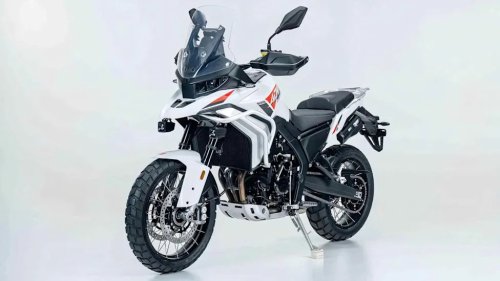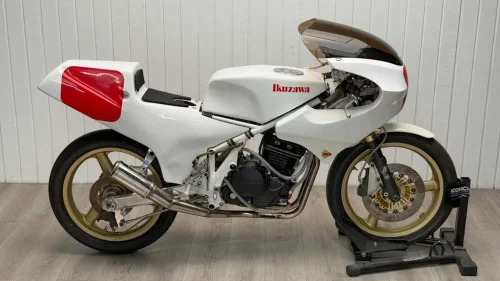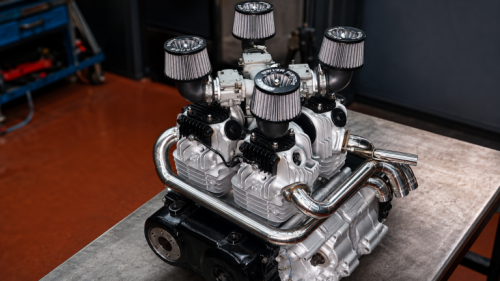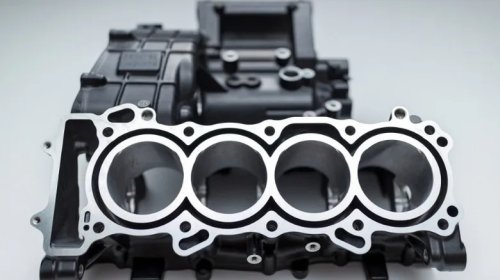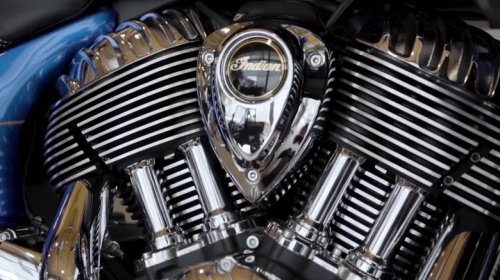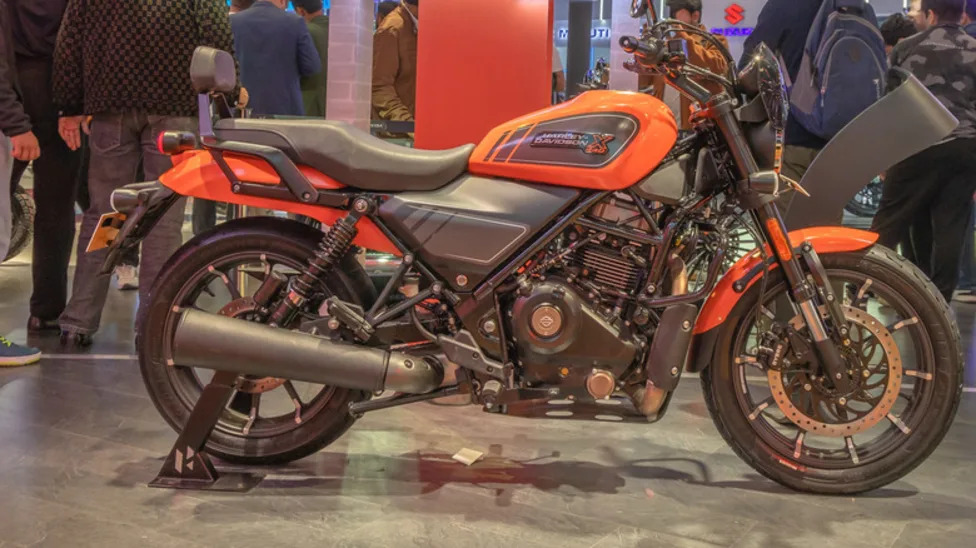
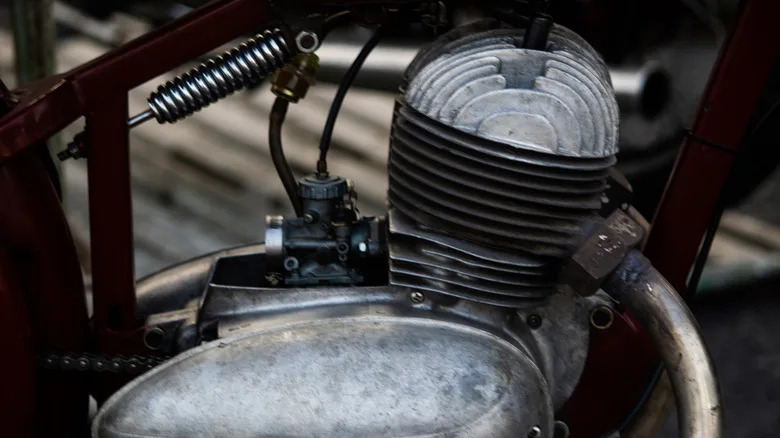



















C C Lathish/ShutterstockIf you've ever encountered a motorcycle powered by a single-cylinder engine, chances are you already have an inkling as to why they're called "thumpers." The answer is simple: Thumpers are so named because of their distinctive sound profile, as well as the feel they impart to riders.In a traditional four-stroke engine, every cylinder completes its intake, compression, power, and exhaust strokes over two full crankshaft revolutions, which means a full 720 degrees of rotation. Narrow that down to a single cylinder and that means there's only one combustion event every 720 degrees. This creates a long pause between power pulses, resulting in a low frequency thump after every cycle, especially when the engine is running at low or mid-level RPMs. The single-cylinder's engine produces a distinctive, periodic thump, followed by an interval of relative quiet, creating a unique sound and vibrational output.Even when equipped with bespoke engine mounts and counterbalancers, a single-cylinder engine produces a big, isolated power pulse that rocks the frame, foot pegs, and handlebars. That physical thud has become a badge of honor for some riders and manufacturers who have leaned into the term thumper, leading to its relative ubiquity in motorcycle culture and edging it towards becoming one the main motorcycle types every rider should know.AdvertisementAdvertisementRead more: The Best And Worst Motorcycles Made By Major BrandsThe Thumper is all about torque, vibration, and characterDwiangga/ShutterstockIt's the simplicity of design of a single cylinder engine that's the main culprit behind its distinctive thump. With a single large piston and connecting rod moving up and down, single cylinders exhibit significant reciprocating mass and inherent primary imbalance. This means more vibration, and can also lead to specific rough spots in the rev range when that intense resonance peaks. Many manufacturers attempt to smooth that resonance out by adding counterweights, or rubber mounting and balance shafts, but its virtually impossible to completely eliminate that signature thump.That design is also part of the reason single cylinder bikes are friendly to beginners, who describe the process of revving one up as "pulling from the bottom," meaning peak torque arrives early. This is because a 450–650 cc single can produce usable power from very low RPM, and the long gap between power strokes and heavy flywheel mean engine speed changes more gradually, resulting in a forgiving feel in stop-and-go city traffic. A lot of riders prefer the visceral feel where every combustion event vibrates through their bodies as they accelerate, while the easygoing torque curve makes them a welcoming choice for novices. For more beginner tips, check our guide to everything you need to know before buying your first motorcycle.Want the latest in tech and auto trends? Subscribe to our free newsletter for the latest headlines, expert guides, and how-to tips, one email at a time. You can also add us as a preferred search source on Google.Read the original article on SlashGear.