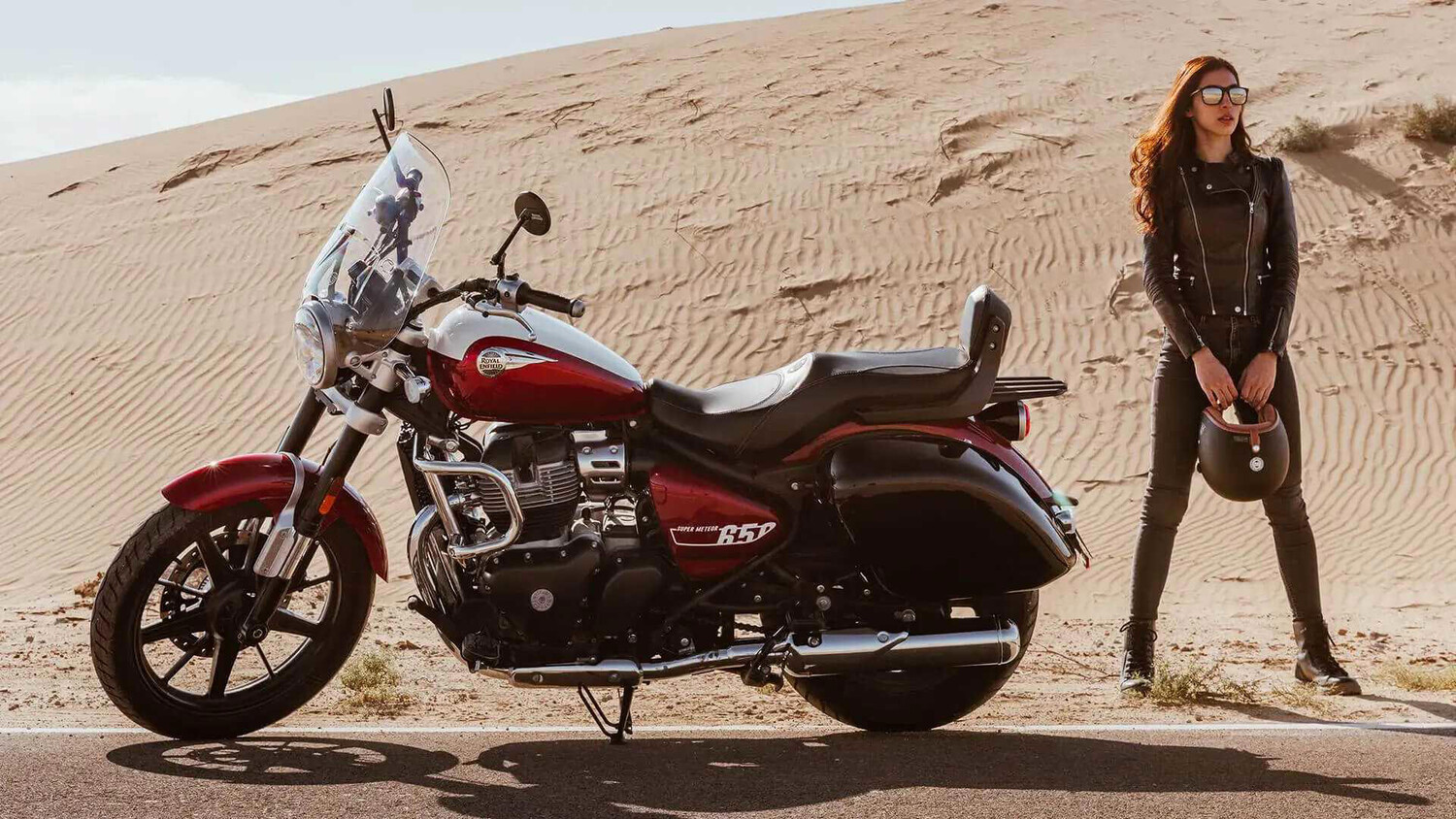
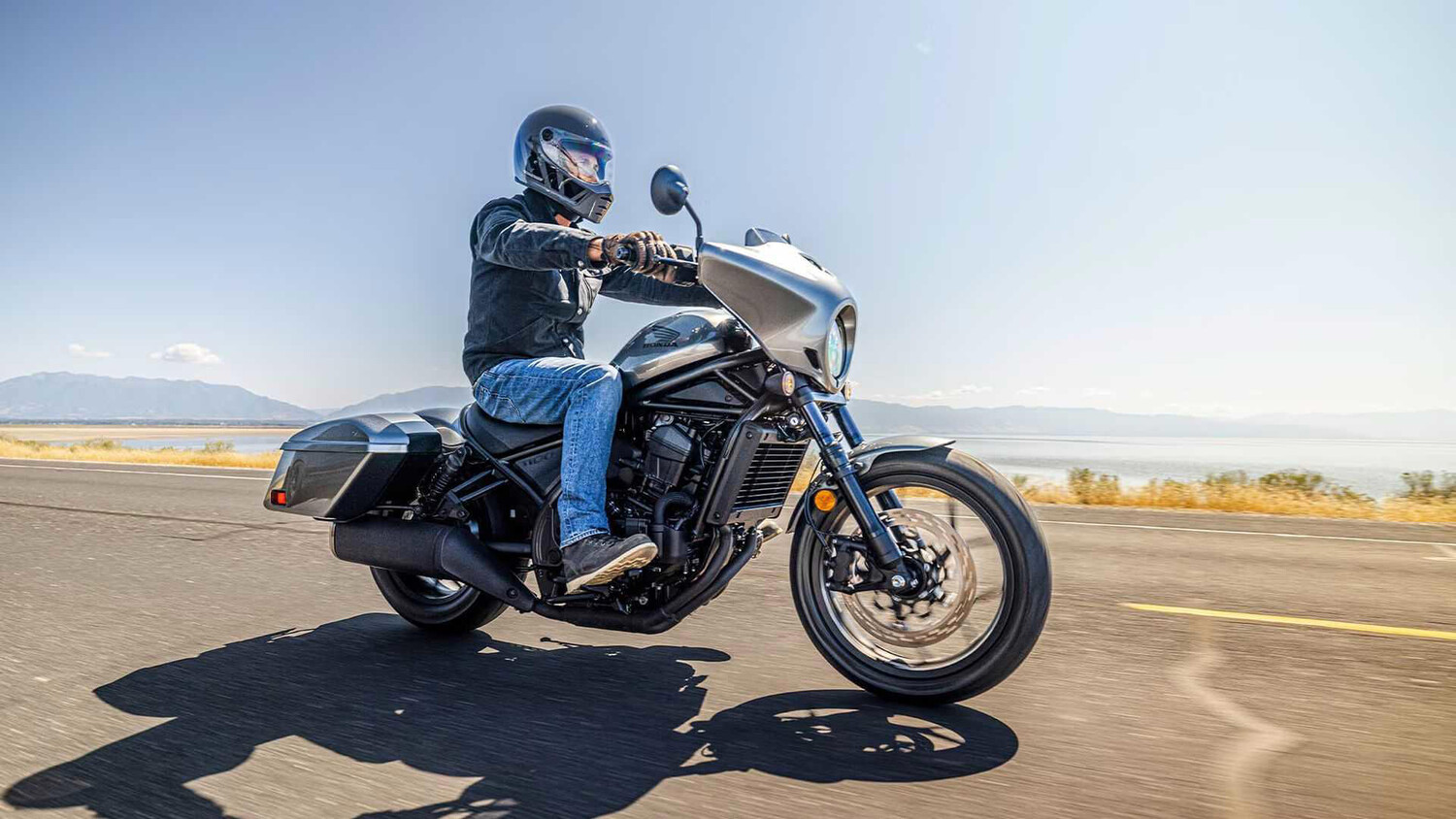
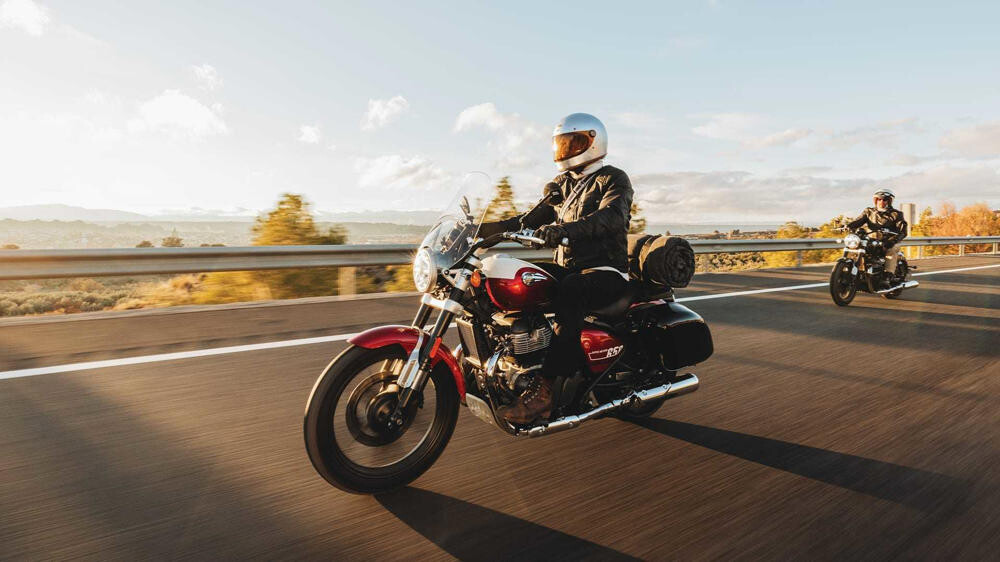
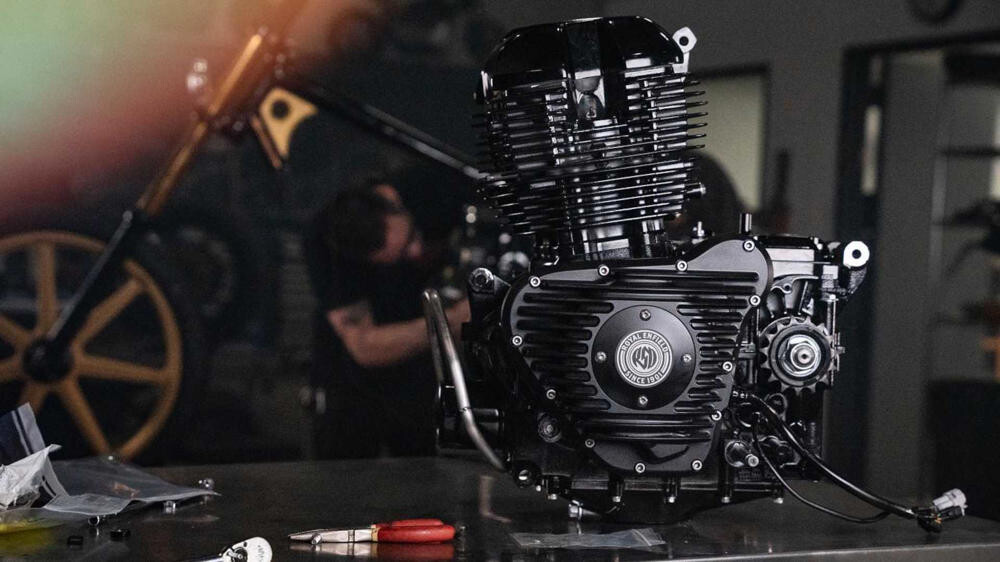
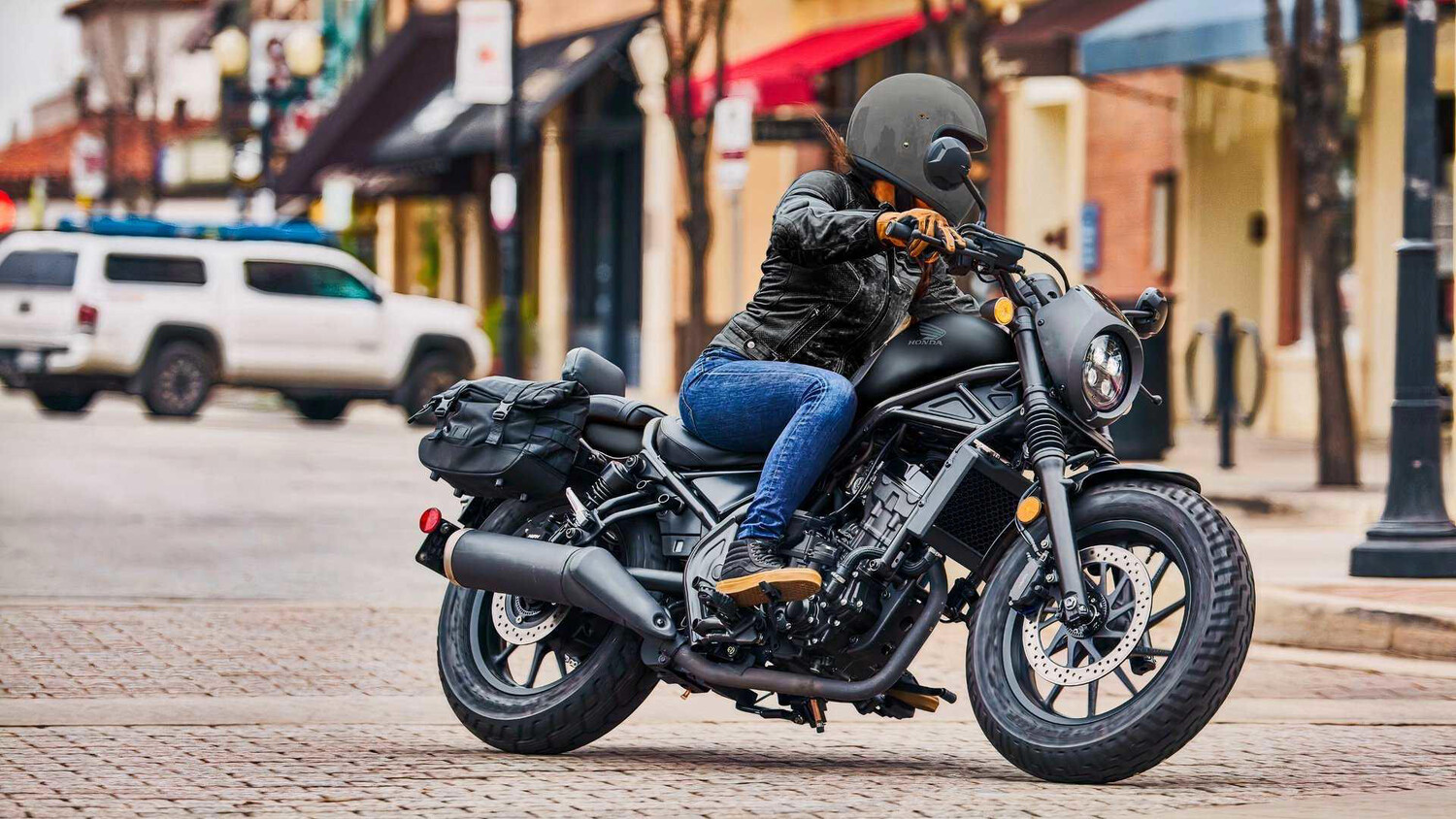
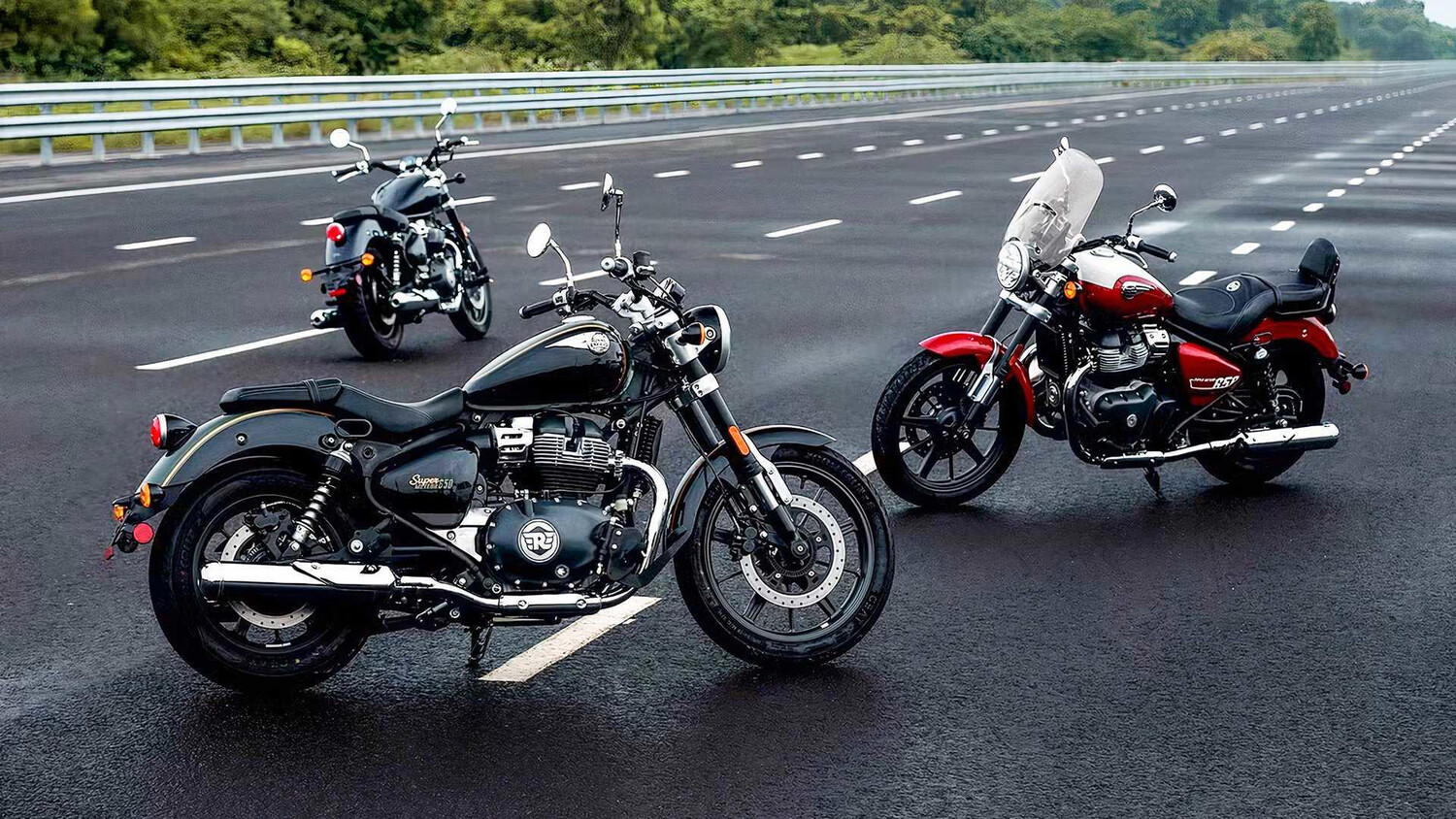
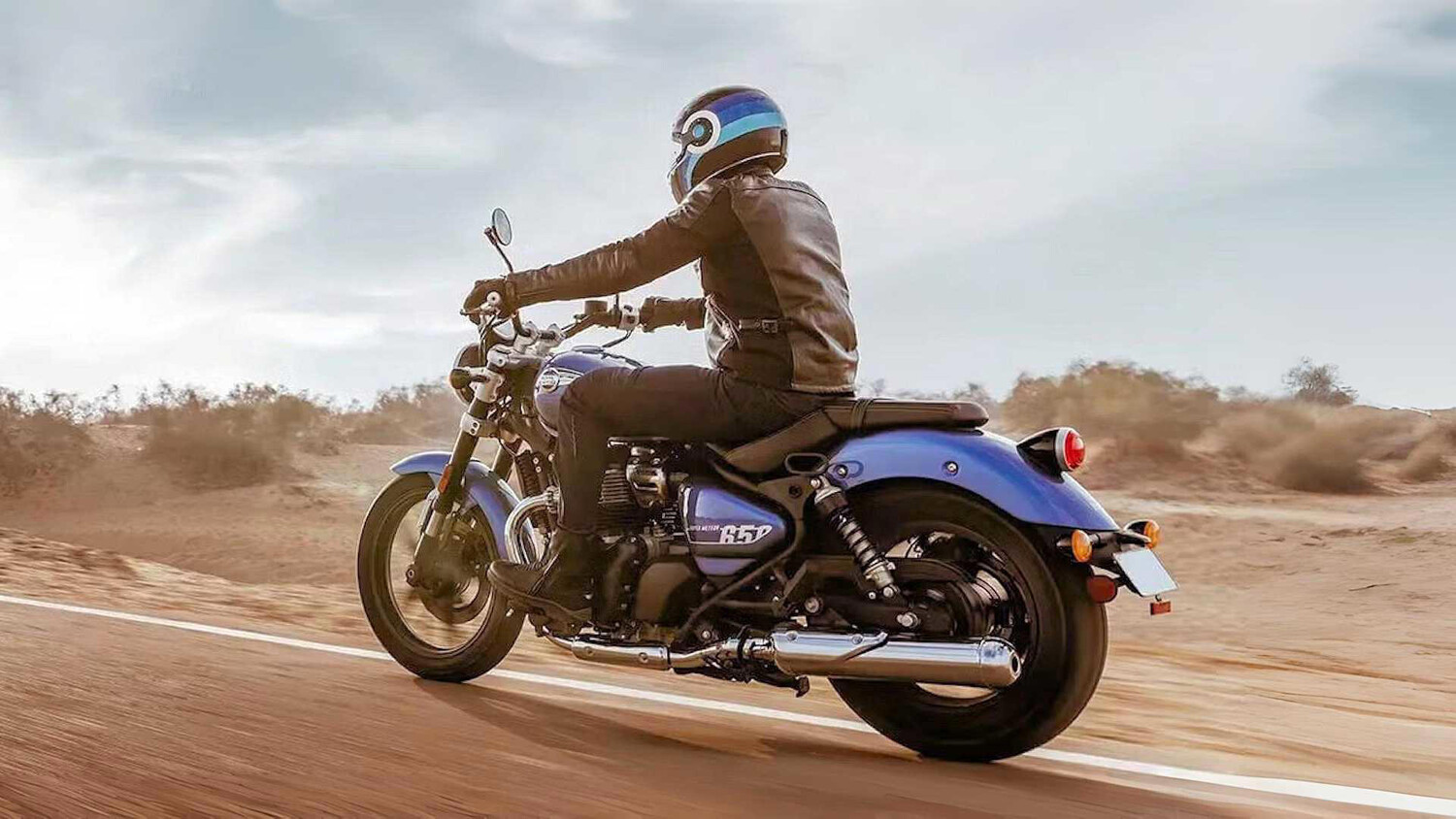
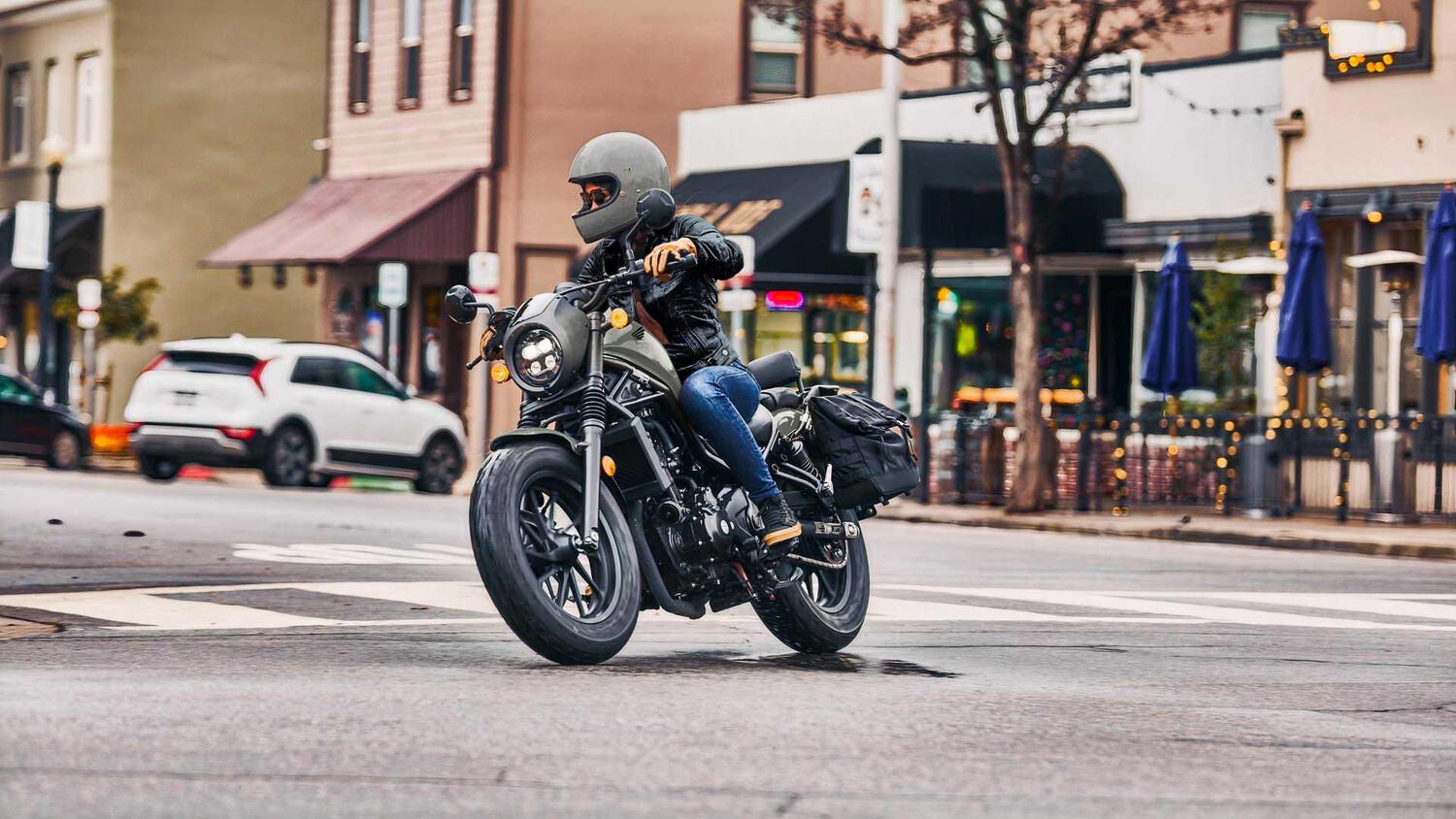
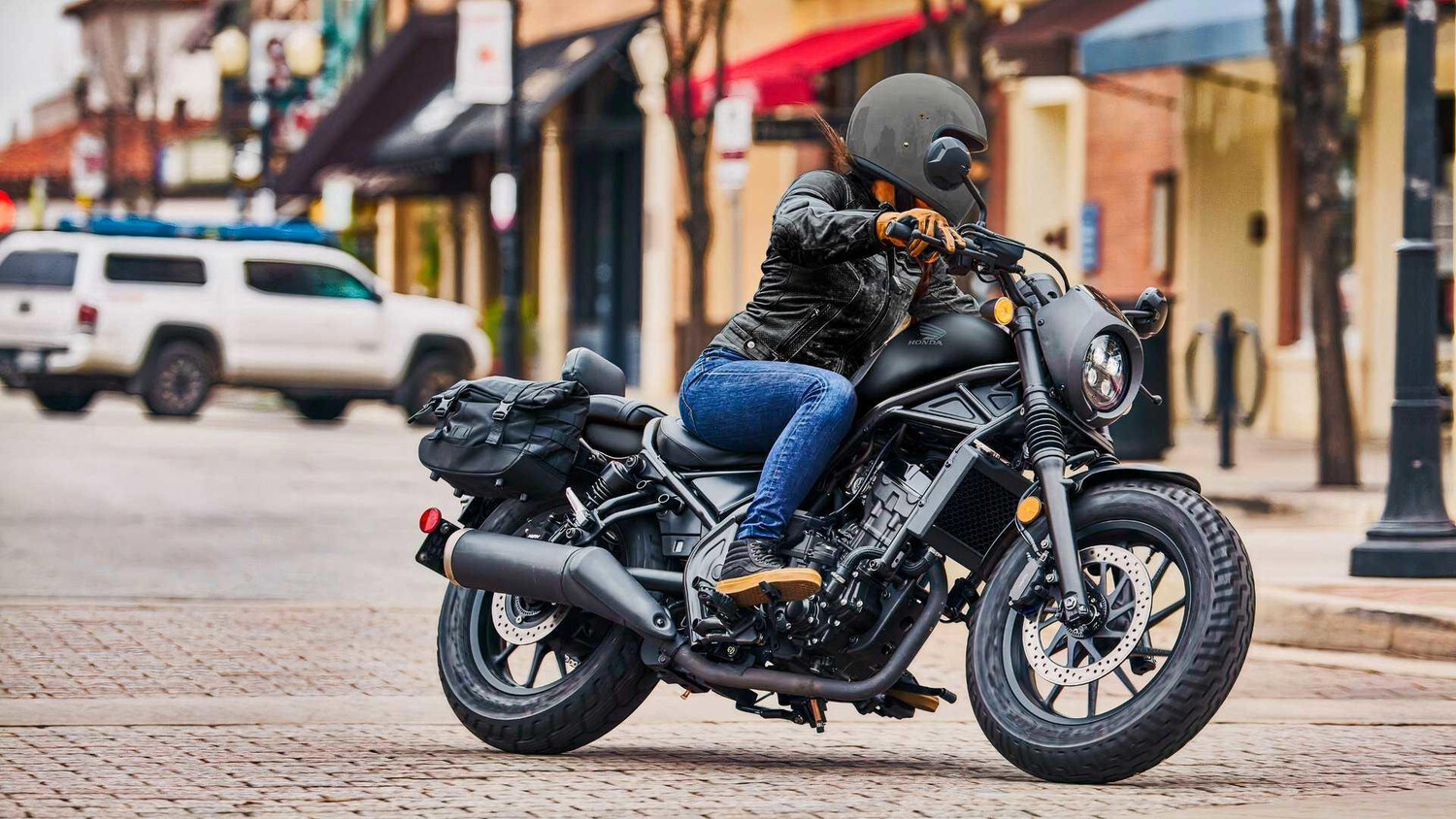
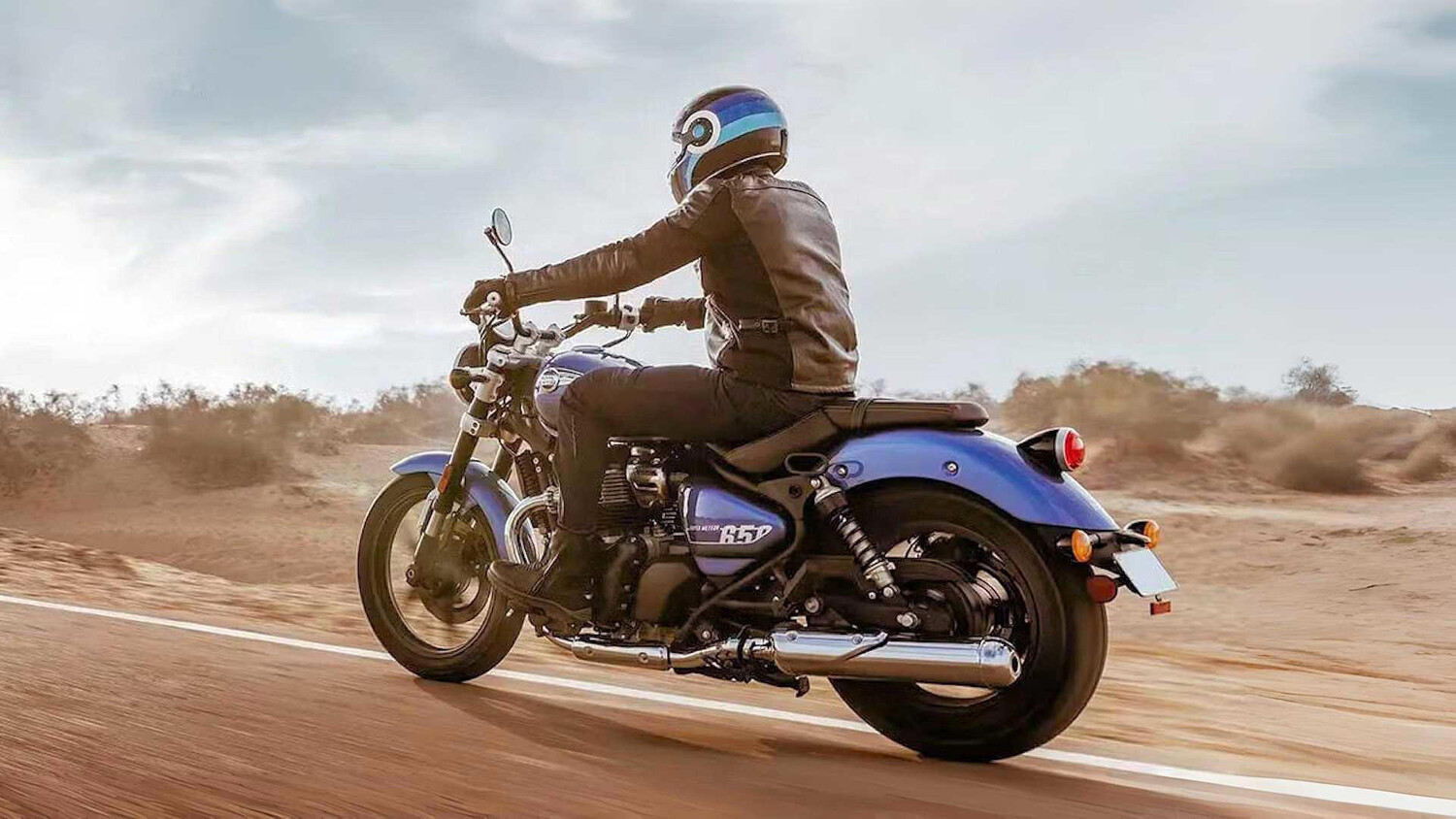
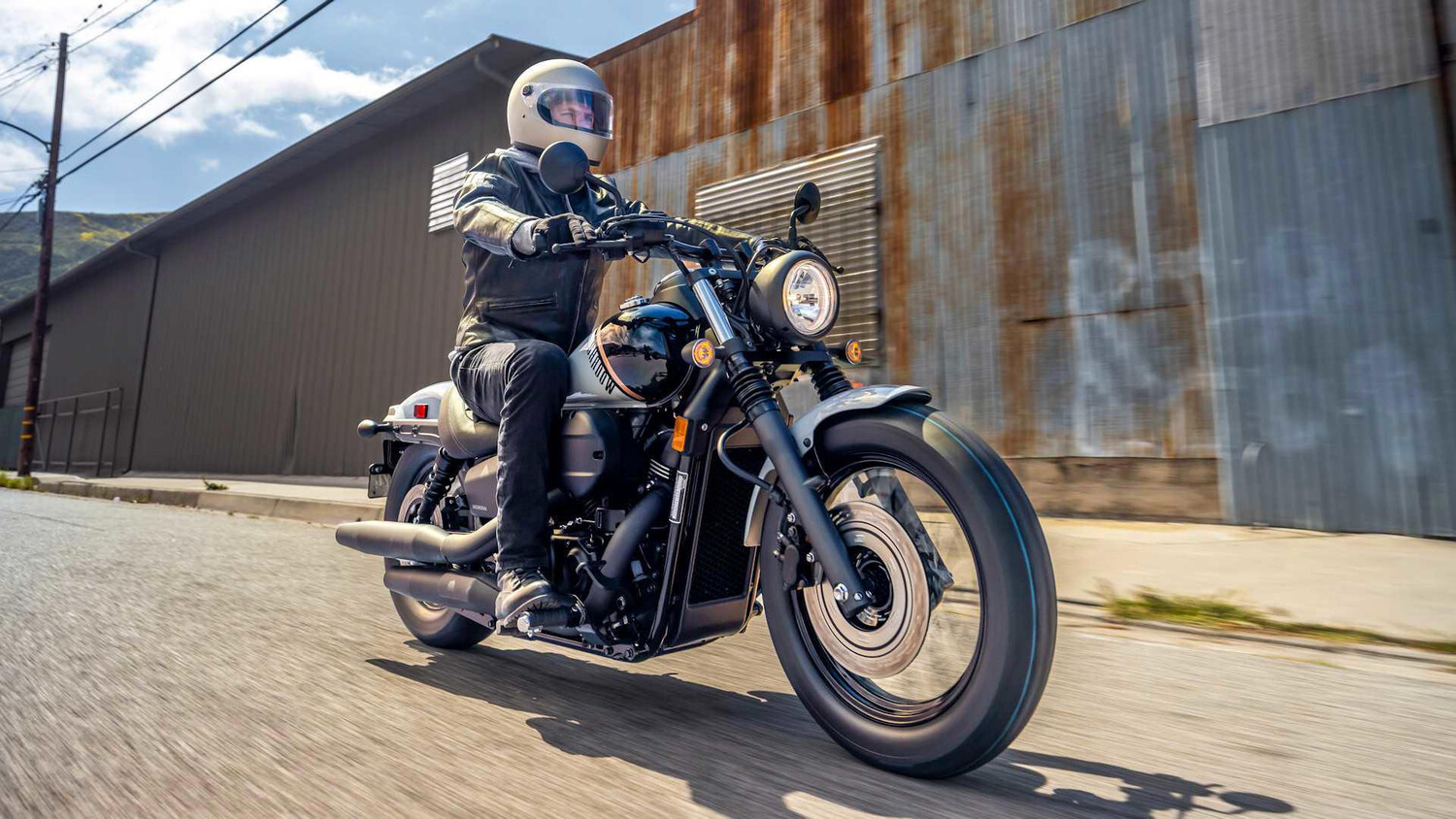
Middleweight cruisers are an easy recommendation for anyone wanting to try their hand at the laid-back riding lifestyle. Their low seat, relaxed steering, plenty of metal, and punchy torque are just the right mix of things to get one started. However, a huge drawback is familiarity. Once the styling stops feeling new, there has to be something underneath all that bodywork worth returning to. Harleys and Indian have known this for ages and, to date, they heavily emphasize the engine character, the distinct feel of a rumbling V-twin, staying intact. The middleweight segment, in any form of motorcycle today, much prefers a parallel-twin. And Royal Enfield knows just how to make a boring parallel-twin have enough feel to brim you full of nostalgia. A Good Engine Can Do A Lot Of The Heavy Lifting For A Cruiser Parallel-twins have become the middleweight class’ default engine choice for good reason. They are compact, comparatively inexpensive to manufacture, and easy to package in everything from roadsters to adventure bikes. The downside is that this cost efficiency can make them feel interchangeable. Put them into a cruiser, and that becomes harder to hide, because the engine is supposed to be part of the experience. Crank timing changes this a fair bit. You see, in a 270-degree parallel-twin, the two combustion cycles are separated by 270 and 450 degrees of crank rotation. This uneven spacing gives the exhaust note more of a rhythmic cadence associated with a 90-degree V-twin. In comparison to a 180-degree crank (think Kawasaki parallel-twins), it helps stop the engine from feeling clinically smooth. For cruisers, this is what matters more as the rider spends most of their time below the top of the tachometer, feeding the engine on from low revs and cruising at mid-RPMs. If the useful part of the powerband only arrives when the bike is being ridden hard, the engine and the motorcycle are working at cross purposes, making for a disconnect. This neat little engineering trick makes even modest outputs feel generous. Strong response at low rpm, a broad midrange, and enough smoothness for highway speeds can make an engine feel more substantial than its specifications. That is where Royal Enfield's biggest cruiser starts to separate itself from the otherwise mundane middleweight recipe. The Super Meteor 650 Lets The Parallel-Twin Set The Tone The 2027 Royal Enfield Super Meteor 650 starts at $7,999. Its 648cc air- and oil-cooled parallel-twin produces 46.4 horsepower at 7,250 rpm and 38.6 pound-feet at 5,650 rpm. Against a 531.3-pound wet weight, these numbers look far from generous. Yet the Super Meteor rarely feels shortchanged because Royal Enfield has concentrated the torque output much lower down. The company says that 80 percent of its peak torque is already present at 2,500 rpm, so the going gets exciting early on and the thumpy exhaust note keeps things interesting. The 270-Degree Crank Gives The Engine Its Identity The crankshaft is what keeps all of that usability from becoming bland. Uneven firing intervals give the parallel-twin a deeper, more deliberate beat, while a balancer shaft removes almost all vibrations to keep sustained highway riding civilized. You still sense the engine working beneath you, but it does not punish you for spending an afternoon with it. The parallel-twin has enough pulse to feel old-school, but the refinement is thoroughly modern. The Smoothness Of The Engine Is Its Forte A heavy motorcycle exposes a weak bottom end quickly, and the Super Meteor has plenty of mass for the 648cc to move. Yet the engine gets the bike away cleanly without demanding a dramatic clutch launch or a rush toward the top of the tacho. Around town, the weight recedes easily once the wheels are turning, and on a back road, the broad torque spread lets you leave it in a taller gear and work the throttle instead. Compared with Royal Enfield's earlier 650s, the Super Meteor is set up to give the parallel-twin enough leverage for its extra weight while leaving the sixth relaxed at highway speed. It’s not buzzy even beyond 80 mph, so cruising at a higher pace doesn’t upset its easygoing nature. The Engine Ages Better Than Some Of The Motorcycle Around It The 648cc twin first reached American riders with the INT650 and Continental GT in 2019, so there is little experimental about what sits inside the Super Meteor. The single-overhead-camshaft, four-valve engine uses electronic fuel injection, a cable throttle, and a chain final drive. Simplicity does not automatically translate to reliability, but this is a familiar architecture that Royal Enfield has now built several motorcycles around. The chassis is a bit more old-school. Rear suspension travel is only about four inches, and the twin shocks feel firm on poor surfaces. The 5.3 inches of ground clearance also limits how enthusiastically the bike can be hustled. So the overall package isn’t going to be much fun around corners, but it’s the engine that stops the cycle parts from defining the motorcycle. A Rebel 500 Is Easier To Live With But Easier To Forget Honda's 2026 Rebel 500 costs $6,799 and weighs 414 pounds, making it substantially easier to manage than the Super Meteor. Its 471cc parallel-twin is smooth, proven, and perfectly suited to the job. If low weight and uncomplicated transportation are the priorities, the Honda makes a very strong case. The RE weighs roughly 117 more pounds and costs $1,200 more. What separates the Super Meteor, though, is not superior practicality but an engine that feels like part of the reason to ride it. The 648cc twin has more low-rpm grunt offered in a deeper, more refined way, along with enough highway potential to keep the motorcycle from feeling like a stepping stone. That is the difference between a competent middleweight cruiser and one that can become a long-term favorite. Source: Royal Enfield

 Liked by Amélie Nelson, Owen Tremblay

























 Liked by Amélie Nelson, Owen Tremblay