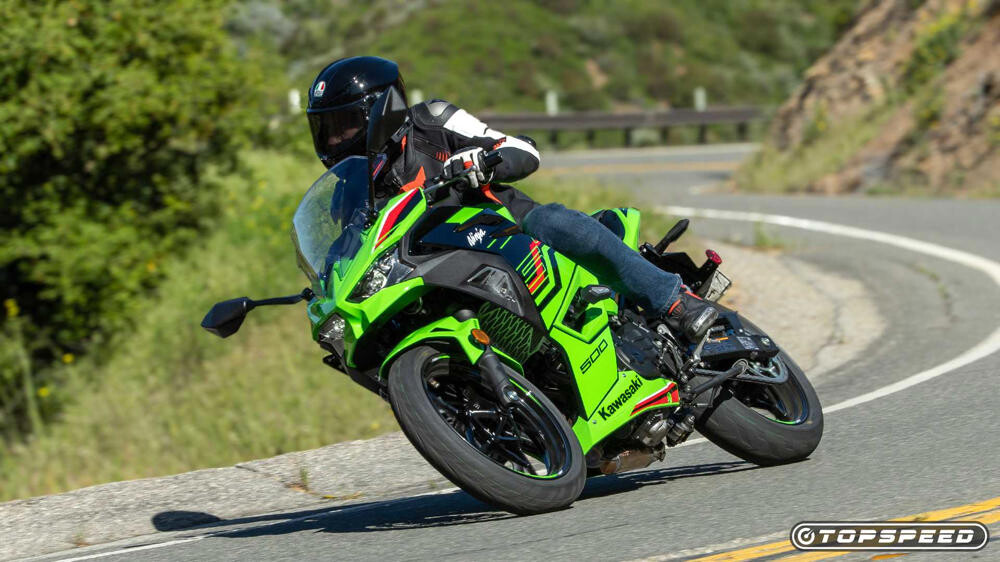
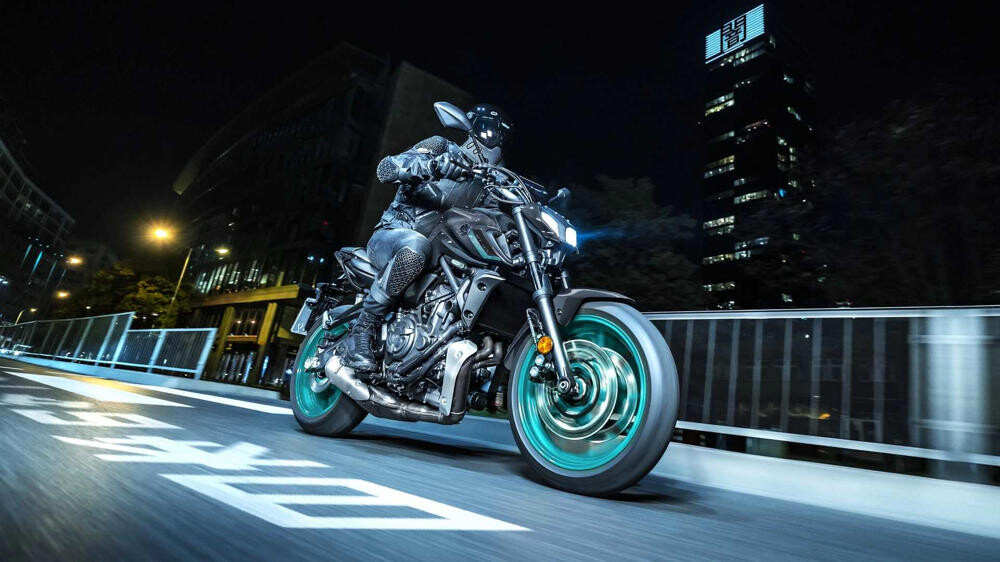
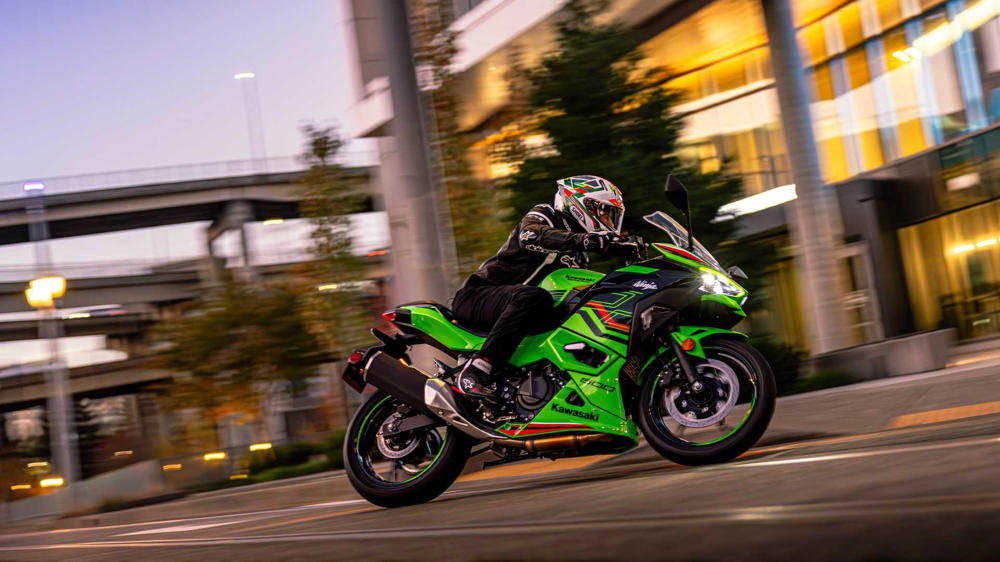
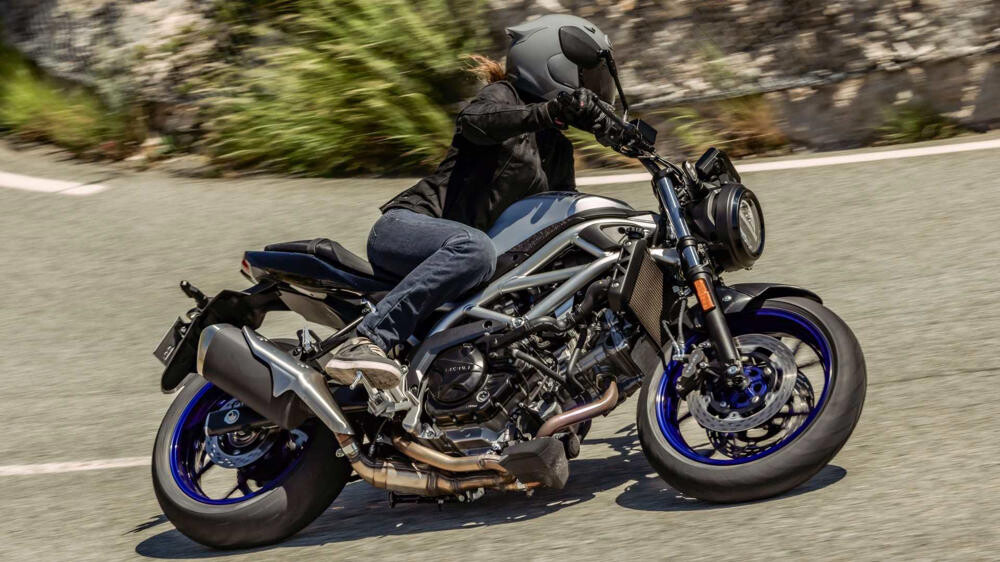
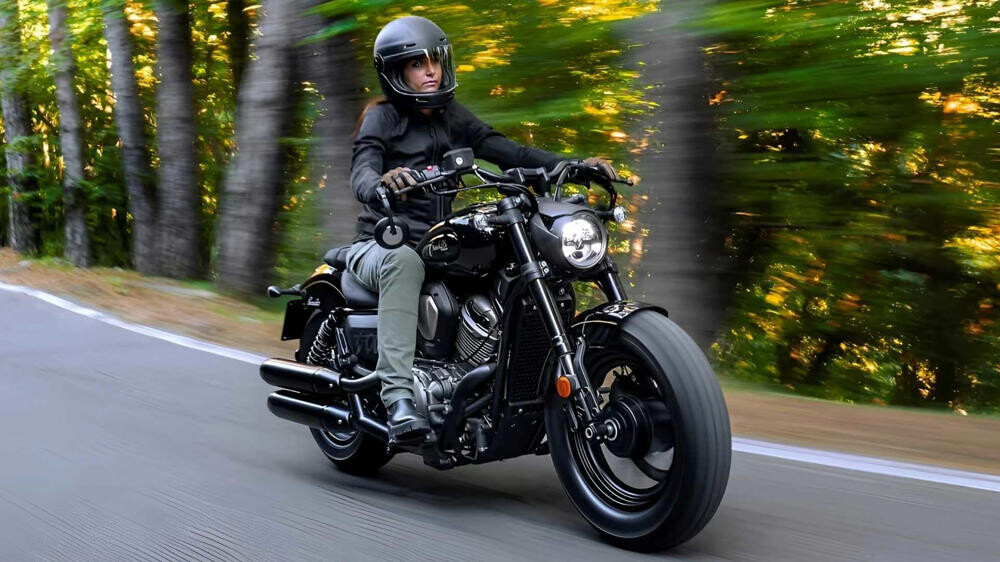
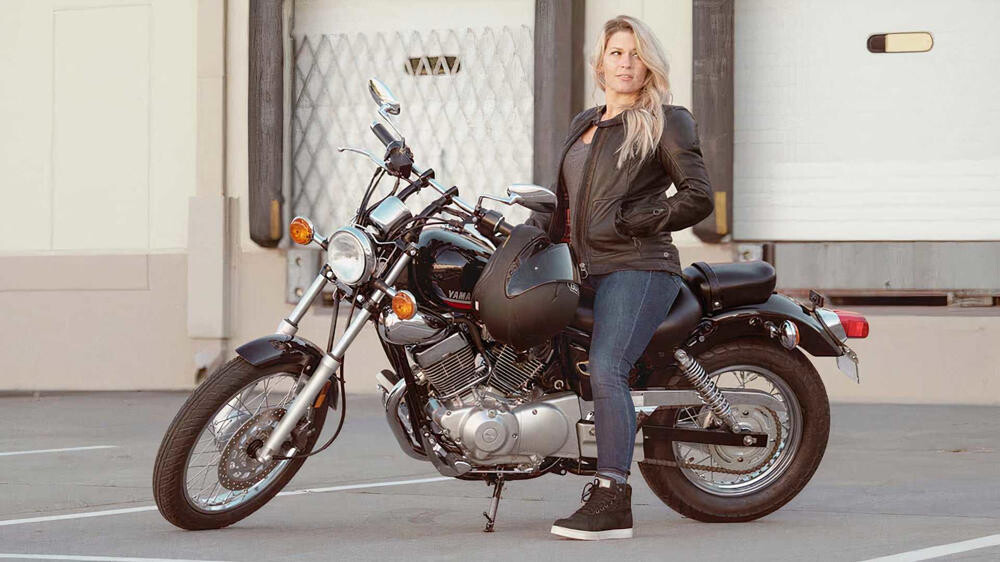
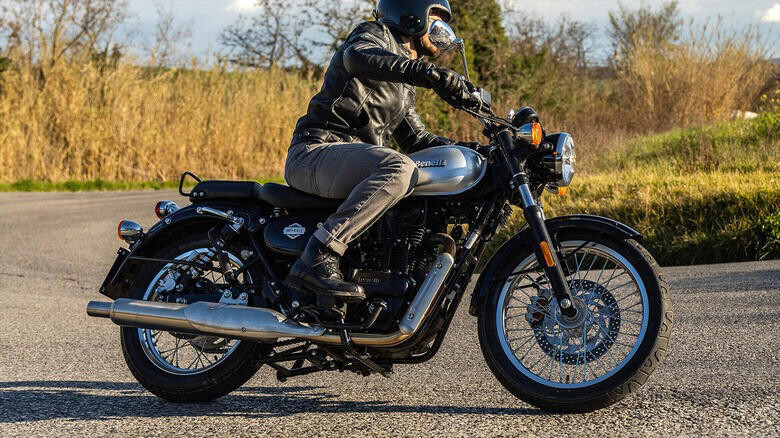
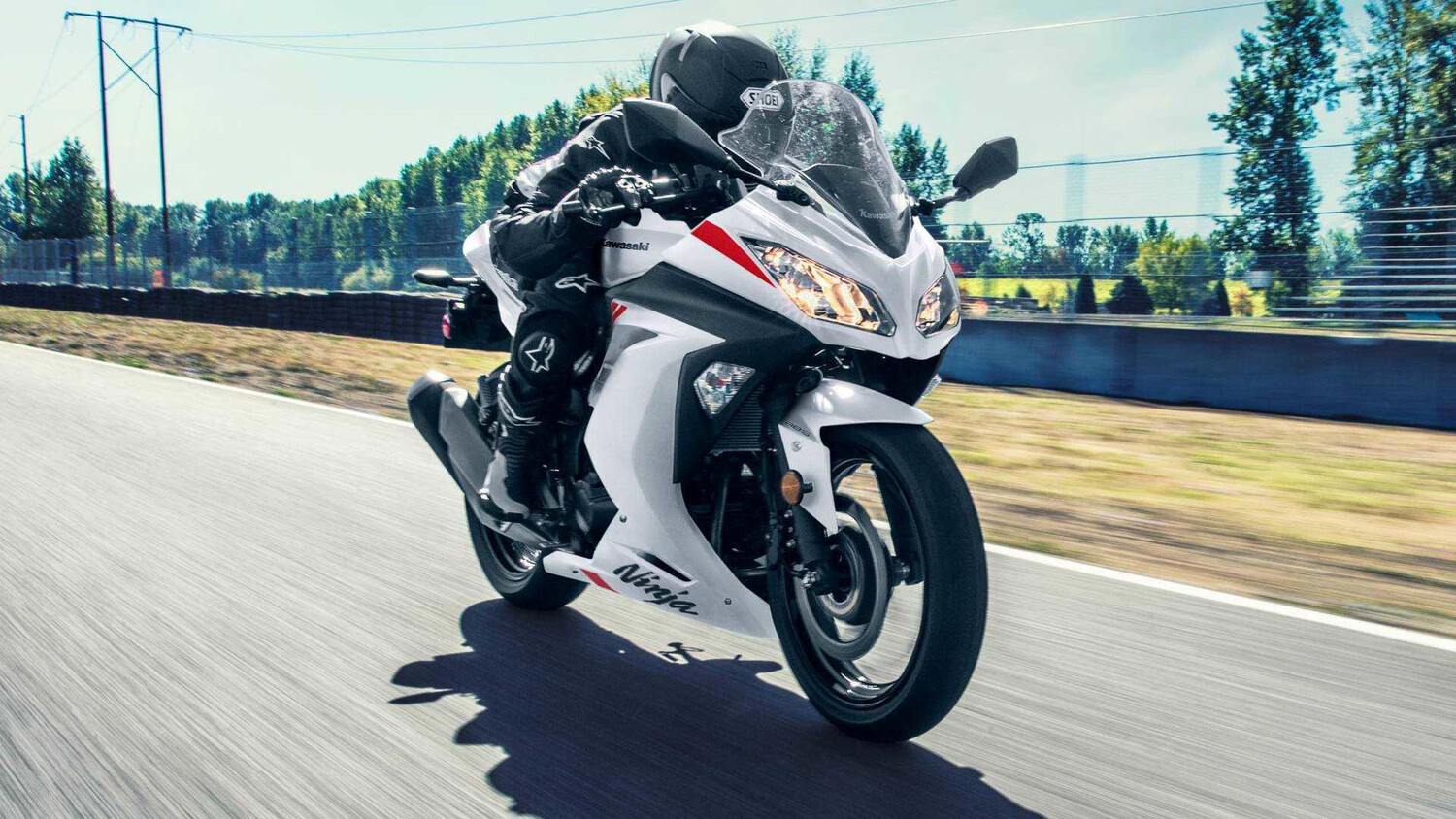
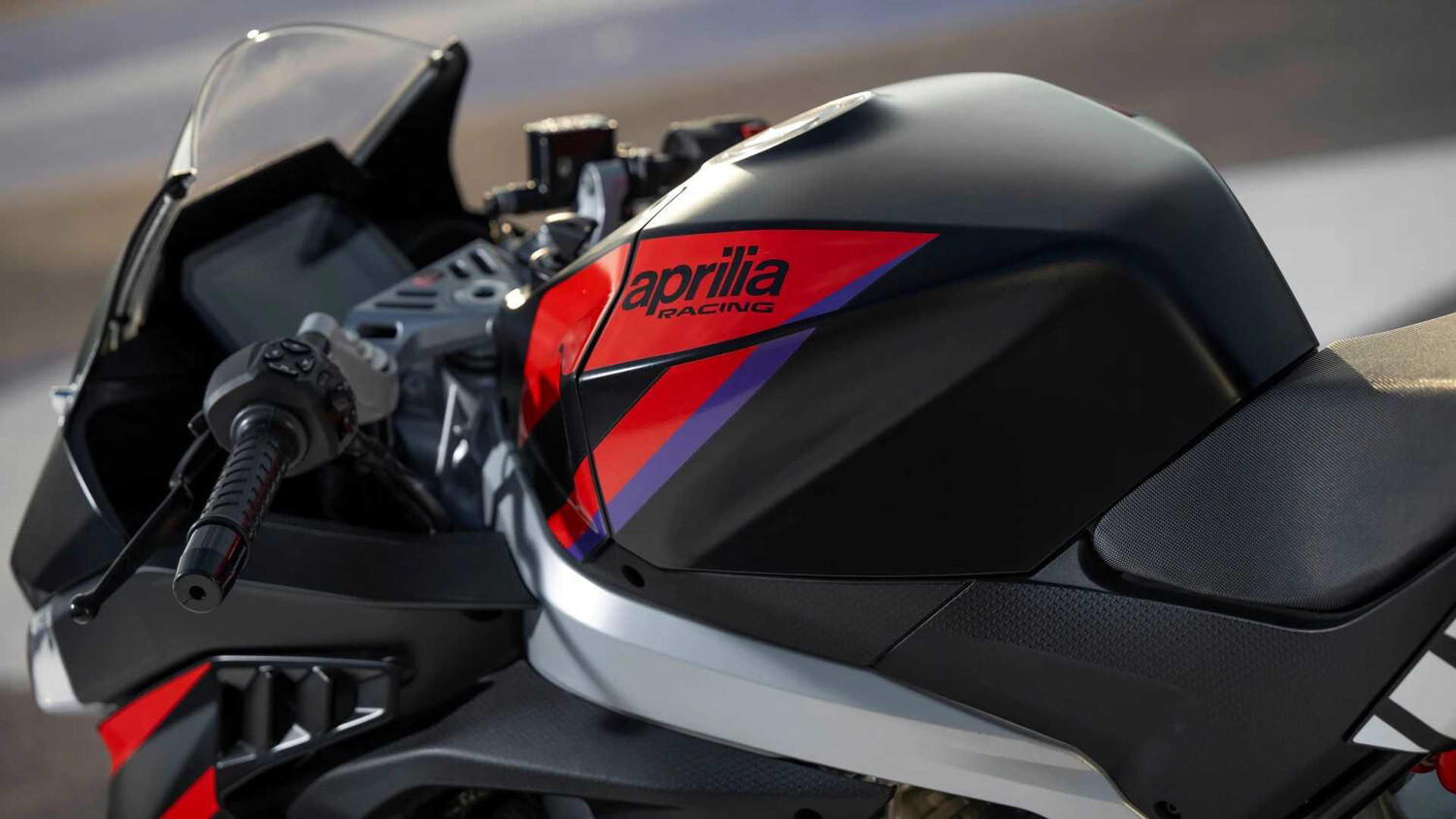
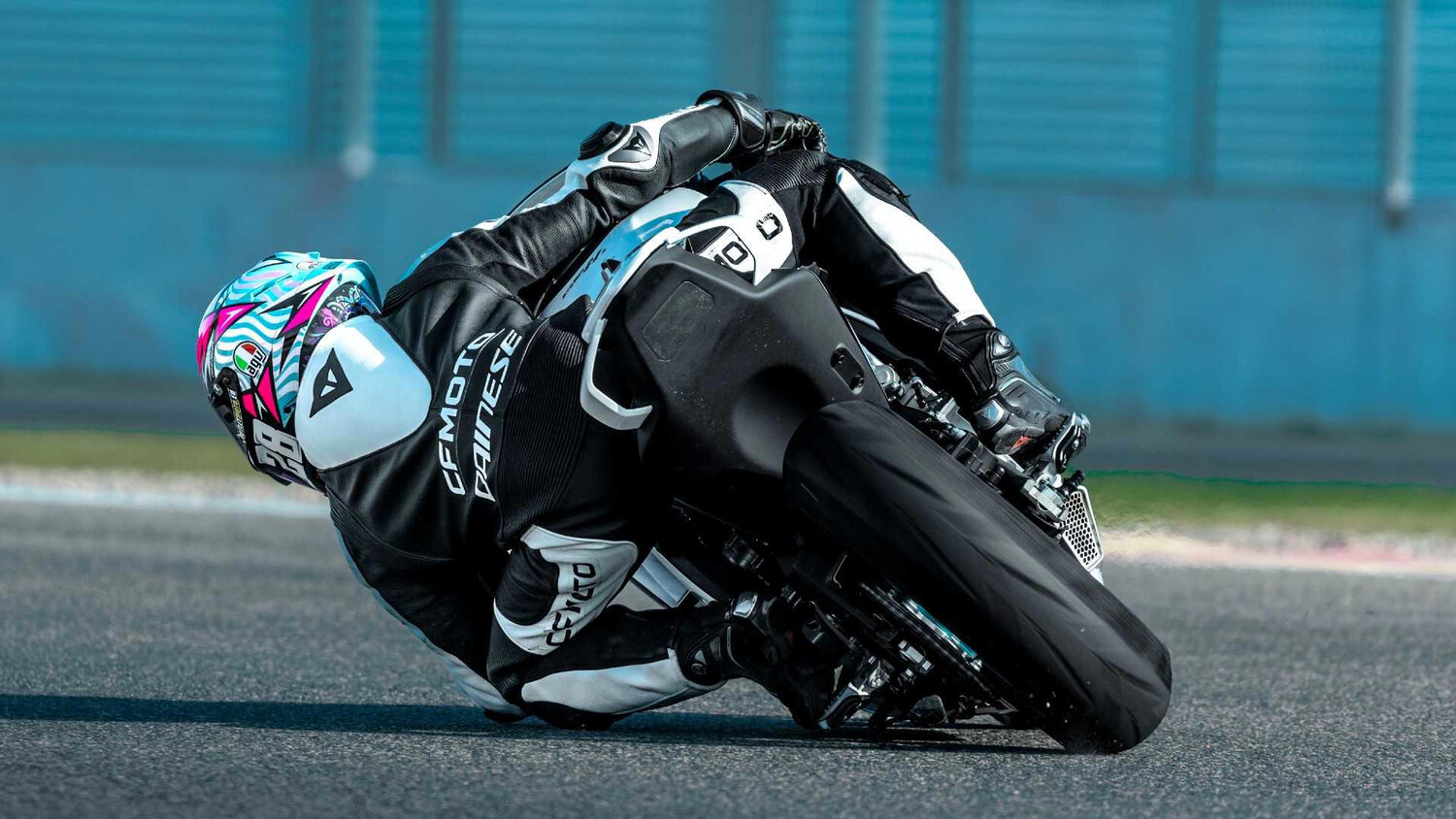
Nearly every rider can remember the motorcycle that made everything finally click. The clutch stopped feeling like a guessing game, corners stopped feeling like a gamble, and riding went from a nervous exercise to something genuinely enjoyable. For plenty of riders, that motorcycle was also one of the easiest to learn on. A common assumption is that such a motorcycle is only a stepping stone, something to be sold once confidence arrives. However, the best beginner-friendly motorcycles are often the ones riders keep the longest, because the qualities that make them approachable are the same qualities that keep them enjoyable years later. What Makes A Motorcycle Easy To Learn On In The First Place Being easy to learn on is rarely down to a single feature. It comes from a series of small decisions that remove stress from the early miles, allowing a new rider to concentrate on technique rather than simply getting through the ride. Manageable weight, a friendly seat height, and power that builds smoothly all play their part, and together they create a motorcycle that tolerates the mistakes every beginner makes. A Low Seat, A Light Clutch And A Throttle That Forgives Mistakes Seat height is usually the first thing a new rider notices. A motorcycle like the Honda Rebel 500, with a 27.2-inch seat, lets most people put both feet flat on the ground at a stop, which does wonders for confidence. The controls matter just as much. A light clutch pull with a wide, easy-to-find friction point keeps stalling to a minimum, while a progressive throttle means a nervous twist of the wrist does not result in a sudden lurch forward. Add predictable brakes and a modest weight, and the motorcycle starts to feel like a partner rather than a challenge. Ergonomics help too. A relaxed, upright riding position keeps the wrists and shoulders comfortable, and a weight in the 400 lb range means the motorcycle can be pushed around the garage without much stress. Getting Better Doesn't Mean Needing A Different Motorcycle Most riders improve quickly, often within the first year or two. That progress leads many to believe that outgrowing their first motorcycle is inevitable. In reality, a well-designed beginner-friendly motorcycle has far more depth than its reputation suggests. What changes is the way the rider uses it. Braking gets smoother and later, corners are taken with more speed and more lean, and short trips turn into all-day rides and highway runs. A motorcycle such as the Kawasaki Ninja 500, with its sporty looks and willing twin-cylinder engine, is a good example, since it feels like a gentle introduction on day one and a thoroughly engaging machine once the rider learns to use it properly. Confidence also opens up new uses. Many riders who start out commuting soon discover weekend canyon runs, long highway rides, or even their first light touring trip, and a comfortable, dependable motorcycle handles all of it without complaint. The same motorcycle that carried a nervous beginner to a parking lot now carries a confident rider across several states. Put differently, the motorcycle stays the same while the rider keeps improving, and that gap is where the enjoyment lives. Power That Stays Satisfying Long After The Nerves Fade Engines in the 450cc to 700cc range tend to be the sweet spot for this kind of riding. Parallel twins like the 471cc unit in the Rebel 500 and CB500 Hornet, or the 689cc engine in the Yamaha MT-07, deliver strong low-end and midrange torque without being intimidating. They pull cleanly out of corners and make passing on the highway feel effortless. The real advantage, however, is usability. On a motorcycle with this kind of power, a rider can use most of the available performance on public roads, which is far more enjoyable than using a small fraction of a much faster machine. Years down the line, that kind of engine never feels slow, because it was never built around numbers on a spec sheet in the first place. It also helps that the power is easy to manage when conditions are not ideal. Wet roads, gravel patches, and tight city streets are less stressful when the throttle response is smooth, which means the motorcycle stays enjoyable in situations where a more aggressive machine would demand constant caution. Balanced Handling That Still Feels Right At A Quicker Pace Low weight and neutral steering are two other traits that help beginners and keep experienced riders entertained. A motorcycle that turns in predictably and holds its line makes learning cornering technique far easier, and the same behavior becomes a reward once the rider starts pushing harder. Beginner-friendly motorcycles also tend to communicate well. Without excessive power or weight masking the feedback, a rider can feel what the tires and suspension are doing, which builds the kind of trust that faster riding depends on. The Suzuki SV650, a favorite of newcomers and seasoned riders for decades, shows that a balanced chassis never really goes out of style. And when the standard suspension eventually feels basic, a set of better tires or an aftermarket upgrade is usually all it takes to sharpen things further. Why Smart Riders Hold On To Their Easy First Motorcycle Ownership experience plays a big role too. Simple engines, proven designs, and a wide range of parts mean these motorcycles are usually straightforward to maintain and tend to hold their value well. Many riders eventually add a larger motorcycle to the garage, yet keep the easy one for commuting, quick errands, or lending to a friend who wants to try riding. Low Running Costs Keep The Fun Going Lower running costs may be the most underrated benefit. Insurance is generally cheaper, tires are less expensive and often last longer, and fuel economy is usually excellent for the class. A motorcycle that costs little to run is a motorcycle that actually gets ridden, and that matters more than any spec sheet. Easy to learn on has never meant easy to outgrow, and the riders who figure that out early tend to enjoy their motorcycle for many more years than they ever expected to. Source: Honda, Yamaha