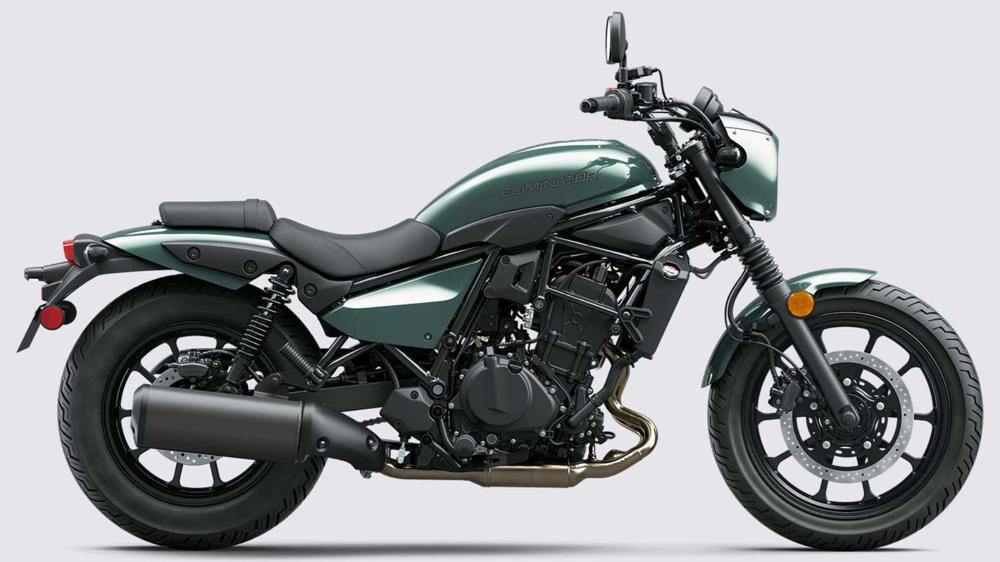
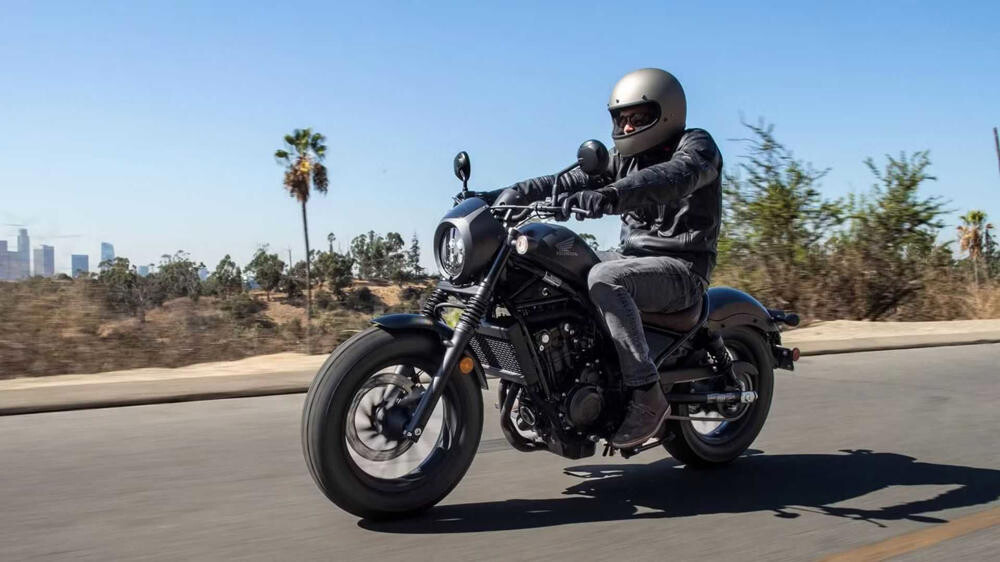
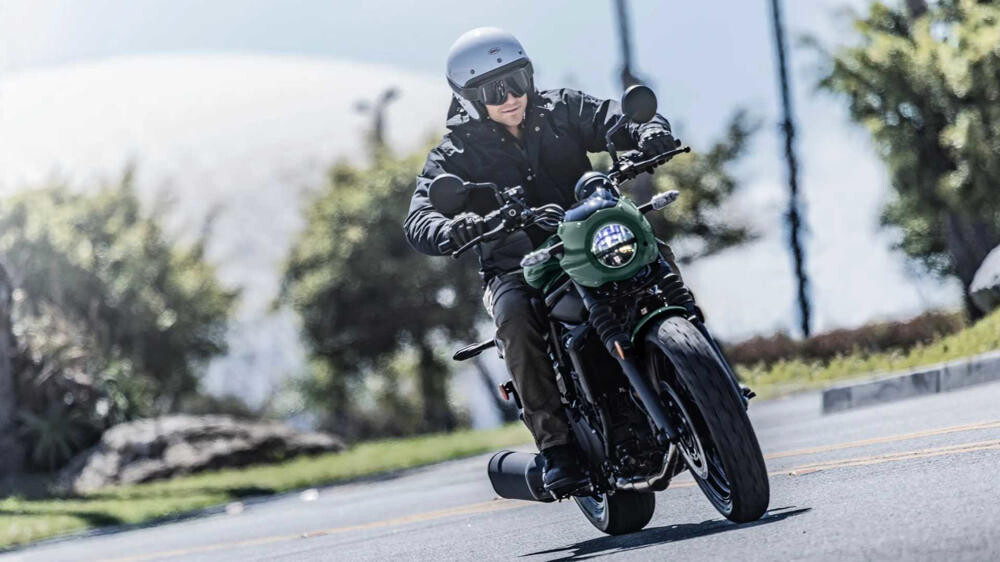
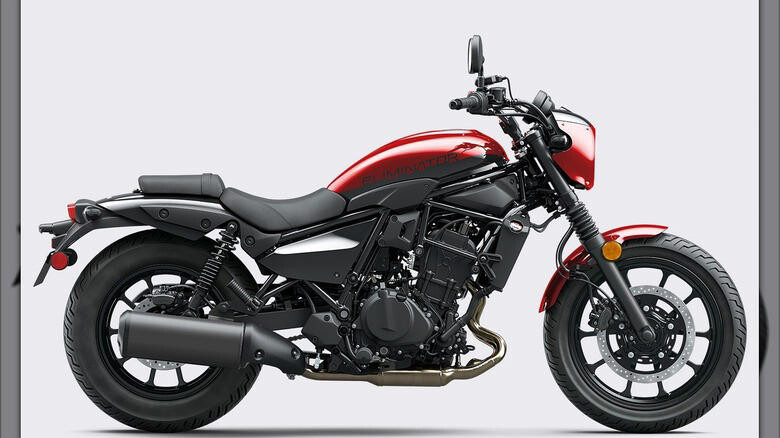
Cruisers are often the main preference of beginner riders who want an easy-going motorcycle while they learn the tricks of the trade. With a relaxed riding position and a low seat, they make the entire process of honing riding skills easier than, let's say, the more demanding sportbikes or adventure tourers. And when the topic of beginner-friendly cruisers comes up, the Honda Rebel 500 mostly steals a lot of limelight. While it is certainly an enticing proposition for many reasons, the presence of E-Clutch in some markets is one; there's another contender which commands an equal amount of attention and consideration. For riders who value lower kerb weight and lighter handling, the Kawasaki Eliminator 500 makes for a very strong case. While it misses out on a few conveniences of the Honda, it fights back strongly in aspects which truly matter in the real world, which can make it a smarter choice for some. The Weight Advantage Accessible seat height, laid-back riding position, long wheelbase, and low-slung stance - these are the ingredients that cruisers stand for and distinguish themselves from most other kinds of motorcycles. Both the protagonists of this story possess these qualities, perhaps to a varying degree. What clearly sets them apart, though, is the amount of mass their powerplants have to haul. Depending on the variant you choose, the Rebel 500's kerb weight goes up to 419 pounds (190 kg), while the heaviest SE variant of the Eliminator 500 tips the scale at 390 lb (177 kg). Now, that 29 lb difference may not look significant on paper, but it would certainly change the level of ease each one offers in some scenarios. In situations like maneuvering the bike at slow speeds in traffic, moving it in the parking lot, or perfecting clutch control, the lower weight comes in handy, especially for new riders. During the learning stage, when folks often drop their motorcycle, the lighter weight makes the package less intimidating. Ninja-Derived Chassis and Character The Kawasaki has another edge in terms of chassis and the kind of handling dynamics it enables. It uses a steel frame sporting a trellis design with the engine as the stressed member, which is derived from its sportier sibling, the Ninja 500. That lends the Eliminator the level of agility and nimbleness that is unusual for cruisers. The motorcycle has not only received praise for its handling in standalone reviews from road testers globally, but reports comparing it with the Rebel also affirm the Eliminator's better agility and composure. That's mainly down to the Rebel 500 using a more traditional diamond-type chassis. The engine performance numbers are nearly identical, as both bikes make close to 45 horsepower and 32 lb-ft. However, the Eliminator has a slightly sportier tune, as the peak power and torque come in around 500-1000 rpm later in the rev band. Now, when you bring the Eliminator's lower kerb mass into the equation, it gives the bike a slightly better power-to-weight ratio, which should make it sportier to ride. Seat Height And The Rebel’s Remaining Edge It's not all in the Eliminator 500's favour, as the Honda Rebel 500 fights back strongly in some areas. The latter, after all, is quite successful in the small-size cruiser segment in many markets globally, including in the US. One of the reasons for that is the accessibility it brings to the table with the lower seat height of 27.2 inches (690 mm), which is 1.7 inches lower than the Eliminator's saddle height of 28.9 inches (735 mm). While the Kawasaki is also on the lower side of the spectrum, the Honda offers an added advantage, especially for shorter riders who prioritize the confidence of being able to flat-foot. And that, undoubtedly, comes in handy in many low-speed situations. In some markets, the Rebel 500 is also offered with the option of E-Clutch, which isn't available on any of its contenders from Kawasaki, Royal Enfield, andHarley-Davidson. It is essentially the same setup seen on many other Honda motorcycles, such as the Rebel 300, CB750, and the CB650 twins. The system eliminates the need to use the clutch at any given moment while riding the motorcycle, even when starting off the line or coming to a halt. However, a clutch lever still exists, and the rider can bypass the E-Clutch whenever they want. These traits of the Rebel 500 make it tremendous value for new riders who keep low seat height and clutch-free riding on top of their priority list. Price, Value, and the Low-Risk Choice Choosing between the Kawasaki Eliminator 500 and Honda Rebel 500 might turn out to be a tough decision as their prices are almost identical. Both have a base MSRP starting from around $6,799, while the higher SE variants offer mere aesthetic distinctions like the addition of a headlamp cowl and special colours. Which one of the two makes more sense for a buyer depends on what they prioritize. With the weight savings and sharper handling courtesy of Ninja-derived underpinnings, the Kawasaki certainly delivers more capability per dollar, if you think logically and aren't biased towards any one particular brand. The Safer And The Bolder Choice The Honda Rebel 500 has become a safe choice for riders venturing into the small-size cruiser segment. For beginners who want unmatched accessibility, mainly in terms of saddle height, along with proven reliability, the Rebel seems like a no-brainer. However, the more ambitious riders who want a slightly sportier cruiser and intend to keep upping their skills with the revered Ninja-bred platform, the Eliminator 500 is certainly the more sensible pick. In the end, it is less about which one is better and more about an individual's requirements and liking.

 Liked by Mason Mitchell, Nathan Nelson
 Liked by Mason Mitchell, Nathan Nelson