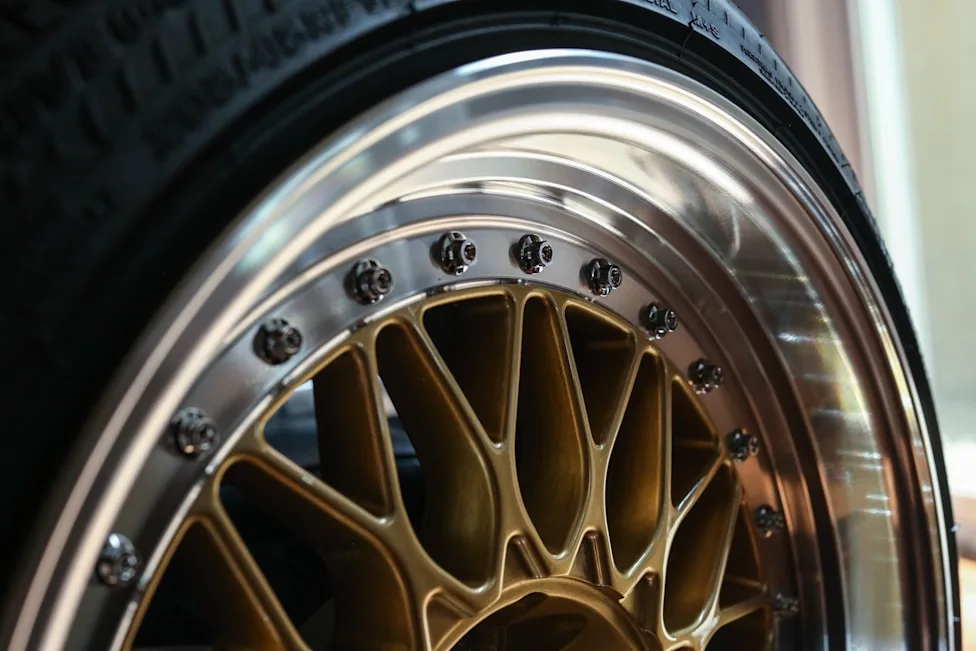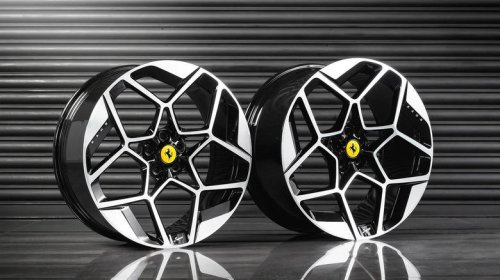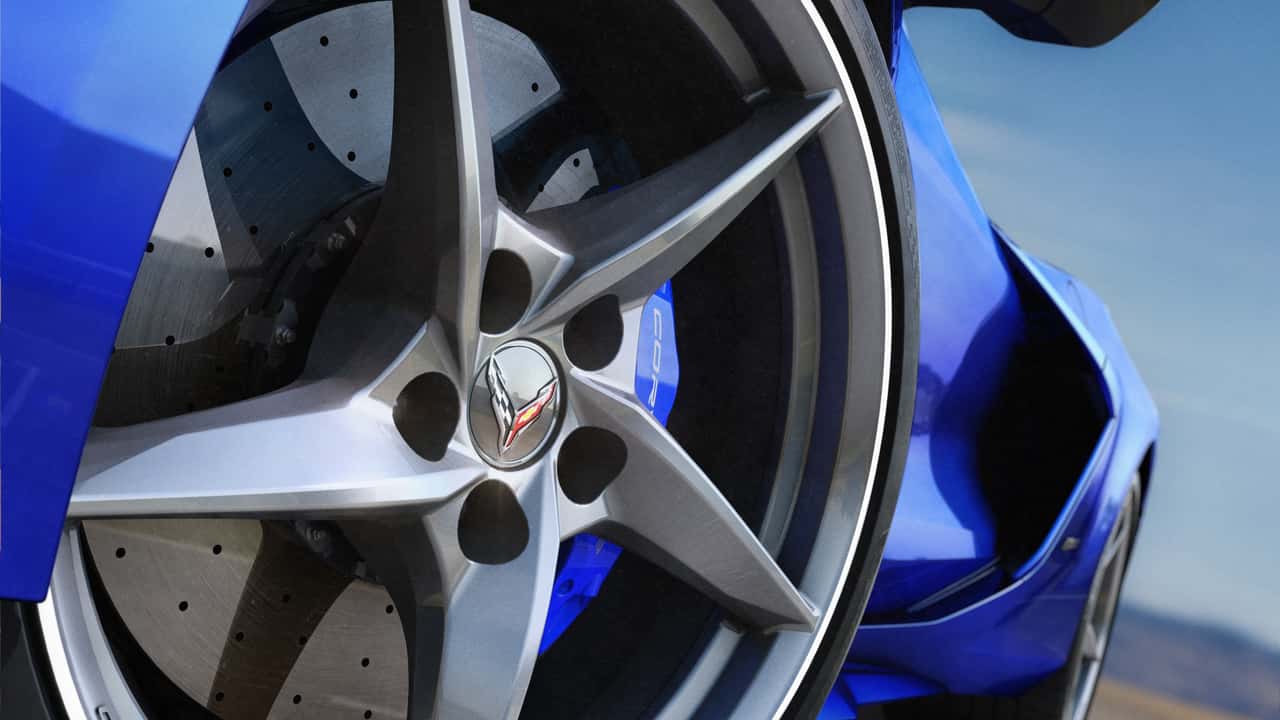
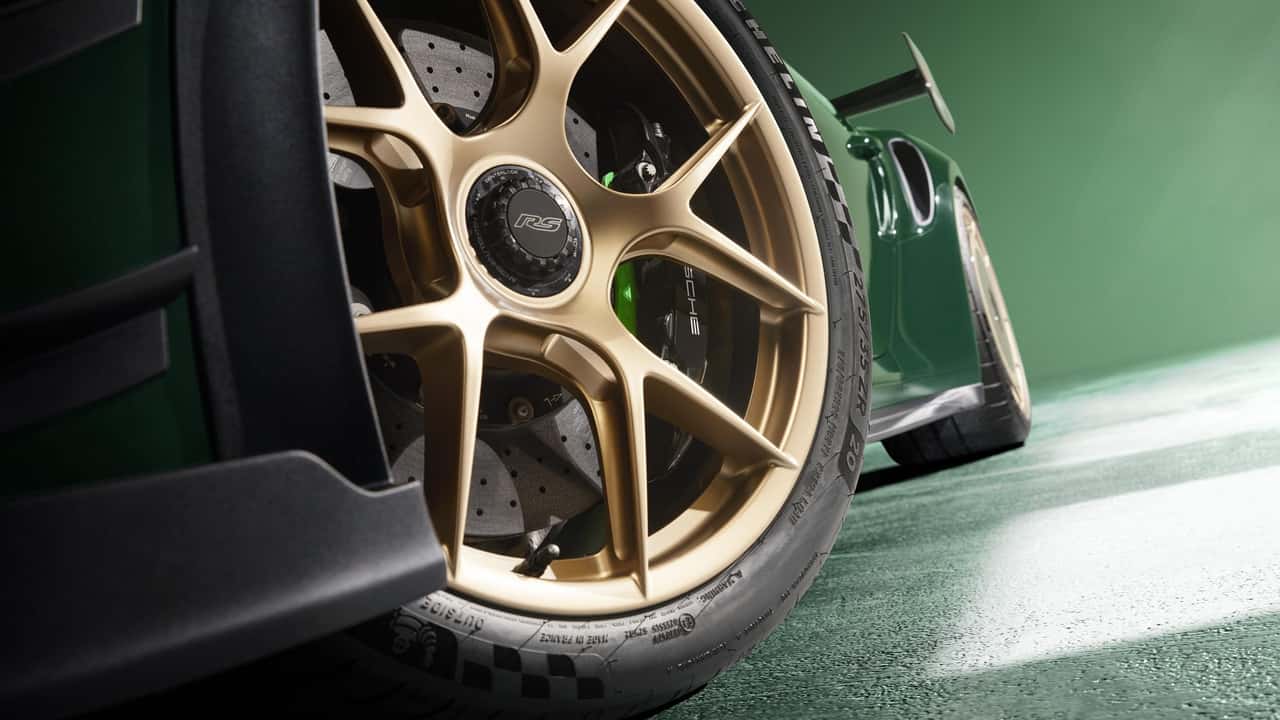
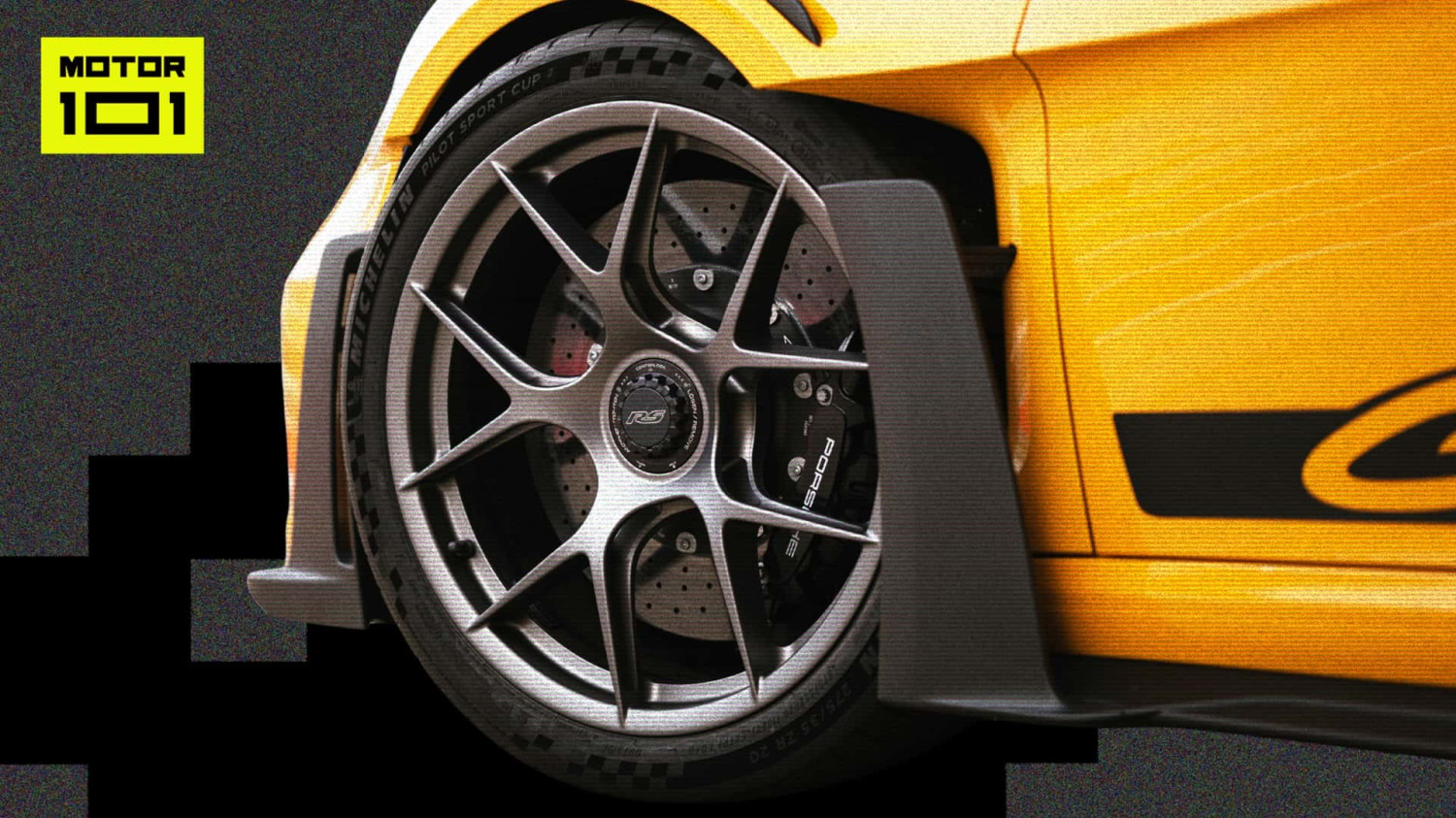



















If you’ve spent any time researching luxury high-performance cars or aftermarket wheels in general, you’ve probably heard of forged wheels. Even if you secretly have no idea what that actually means, you’ve probably already gathered from context (and the type of cars they usually come on) that forged is better than… not forged. But why? The quick, two-word answer, like it is with many other specialized performance car materials, is "they’re lighter." But how? What does "forged" actually refer to? What are the tradeoffs? What sorts of cars come with them? Motor101 is here to explain. Forged Vs Cast Vs Flow-Formed: How They're Made Chevrolet Corvette E-Ray Wheels When you think of the word "forged," you probably picture an old blacksmith making metal tools by heating them and beating them into shape with a hammer. Conceptually, the manufacturing process for forged wheels isn’t actually too far off from this, but obviously much more precise and automated. It all starts with a high-quality alloy—most often billet aluminum (typically 6061-T6, for the aluminum nerds out there), though magnesium makes an appearance when things get especially fancy. The material is heated just enough to become pliable, then placed into a forging press where immense force—sometimes up to 10,000 tons—compresses it into the rough shape of a wheel. That final step, of course, is where the "forged" name comes from. From there, the wheel is refined through CNC machining, where bolt holes are drilled, and intricate designs are carved out, before undergoing final cleaning and treatment to complete the process. Tell us what you think! View Comments It all starts with a high-quality alloy... the material is heated just enough to become pliable, then placed into a forging press where immense force—sometimes up to 10,000 tons—compresses it into the rough shape of a wheel. In contrast, most regular alloy wheels are cast, meaning the alloy is melted down into a liquid and simply poured or injected into a mold. It’s a much less complex and labor-intensive process, but it also means the metal’s internal grain structure is now random rather than aligned. There’s also the possibility of porosity, gas formations, unwanted shrinkage, and other imperfections that are far less likely to show up in a forged process. That said, well-made cast wheels still undergo proper quality control processes, so it’s not as if cast wheels are unsafe; they just aren’t quite as materially perfect as forged. Think of it this way: If a cast wheel is like a grocery store steak that you’ve cooked from frozen, a forged wheel is like a butcher shop cut cooked on the same day you buy it. You have to be at least a little discerning to tell the difference, but for those who can, the latter’s production purity is hard to replicate. There are also "flow-formed" or "roll-forged" wheels, which are a sort of halfway product that uses a blend of both casting and forging-like manufacturing methods. The wheel is first cast, albeit thinner than normal, and then it’s rapidly spun while subjected to heat (or “flow-formed”), causing it to widen into its final form. This offers an in-between compromise: fancier than cast, not as elite as forged, but that extends to the tradeoffs as well. What’s The Point Of Forged Wheels? What’s The Catch? Porsche 911 GT3 RS Wheels Like carbon ceramic brakes, the big selling point of forged wheels is that they’re lighter than their regular cast counterparts. The no-melt forging process means equal (or greater) levels of rigidity can be achieved with less material. And because these are wheels we’re talking about, the weight being cut is unsprung (that’s weight that isn’t supported by the car’s suspension), which results in sharper handling, better driving feel, and can even benefit fuel economy, albeit marginally. The superior strength of forged wheels also means they generally withstand impacts better, which is helpful in performance driving scenarios, like hitting rumblestrip-laden apexes repeatedly on the track. Sturdier material also means designs can afford to be more intricate, with designs like the BBS FI-R and HRE P101 rocking super thin spokes that may not be safely possible if they were cast. The specific weight and strength delta between a forged wheel and a comparable cast equivalent varies, but MotorTrend pegs it at a potential “three times stronger… yet weighing as much as 25 percent less.” The big selling point of forged wheels is that they’re lighter than their regular cast counterparts. Naturally, the big downside with forged wheels basically boils down to cost. Not only do the raw materials tend to be more expensive, but the manufacturing process is much more involved and requires more expensive equipment. Forged wheels are also a niche luxury product, meaning it doesn’t benefit from the same economies of scale as regular wheels—it also means they may not be as readily available either, due to both limited production and longer manufacturing lead times. As a result, forged wheels are usually found on expensive high-performance cars; think Porsche GTs and Ferraris. Although they’ll sometimes appear on less exotic stuff like the Nismo Z’s Rays or even as a factory upgrade part on the Hyundai Elantra N. Aftermarket forged wheels vary quite a bit in price, but expect even budget options to cost several thousand for a set of four, while brand names like BBS can easily charge five figures. Those fancy HRE HX1s you see on every Lambo ever posted to Instagram? Currently listed for $8,050 each. Are Forged Wheels Worth It? Like any niche luxury product, whether or not forged wheels are "worth it" is highly dependent on your individual budget, needs, wants, and use cases. As a fashion statement/car show flex, they sit at the top of wheel hierarchy, and if that’s the scene you’re looking to dominate, a nice set of forged wheels is almost a prerequisite. If your ultimate goal is more performance-based, the lightweight aspect will indeed change how your car feels to drive, but some enthusiasts understandably point out that taking a $10,000-plus set of wheels to the track every weekend (or simply driving them anywhere there are curbs) feels a bit like wearing a Rolex deep-sea diving. I mean, you could, and on some level that’s technically what they’re for… but c’mon. Like any niche luxury product, then, forged wheels very well could be "worth it" if the price is right and it fits your car’s goals. But make no mistake: spending used-track-Miata money for just wheels is very much a luxury play. FAQs What are forged wheels and how are they different from cast wheels? Forged wheels are made by compressing a solid piece of aluminum (or other metal) under extreme pressure, which aligns the grain structure and makes the wheel stronger and lighter. Cast wheels, on the other hand, are made by pouring molten metal into a mold. The result: forged wheels are typically stronger, lighter, and more durable—but also more expensive. Are forged wheels really worth the extra cost? It depends on your priorities. Forged wheels offer better strength-to-weight ratio, improved performance (especially in handling and acceleration), and higher resistance to cracking under stress. If you care about performance, track driving, or long-term durability, they can be worth it. For everyday commuting, cast wheels are usually sufficient. Do forged wheels improve performance? Yes—mainly because they’re lighter. Reducing unsprung weight (weight not supported by the suspension) improves handling, braking, and acceleration. The difference is more noticeable in performance or racing scenarios than in normal daily driving. Are forged wheels more durable or less likely to crack? Generally, yes. Forged wheels are more resistant to cracking under heavy loads or impacts. However, they can still be damaged—especially by severe potholes or accidents. When they do fail, they may bend instead of shatter, which can sometimes be safer. Can forged wheels be repaired if damaged? In many cases, yes. Minor bends or cosmetic damage can often be repaired by specialists. However, severe structural damage (like deep cracks) may make the wheel unsafe to fix. Because forged wheels are expensive, people are more likely to repair them compared to cheaper cast wheels. We want your opinion! What would you like to see on Motor1.com? Take our 3 minute survey. - The Motor1.com Team