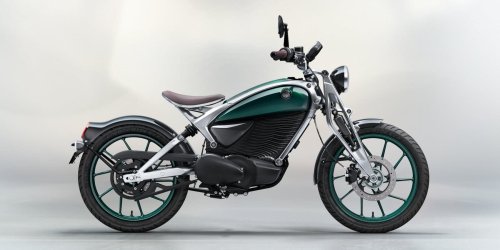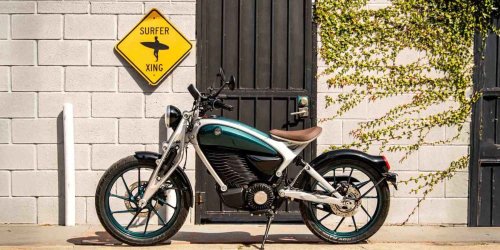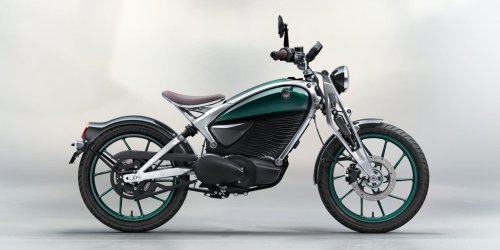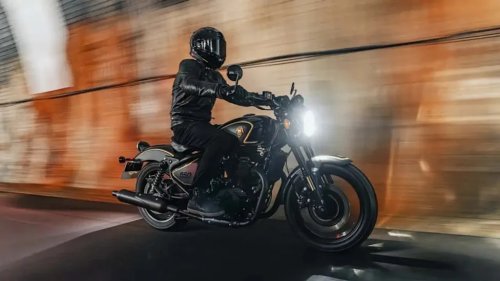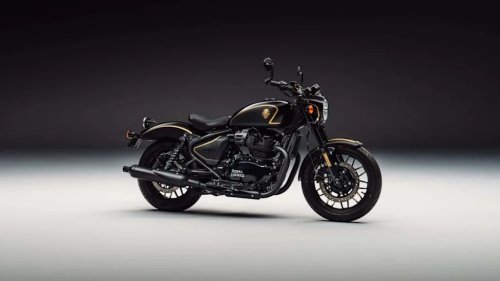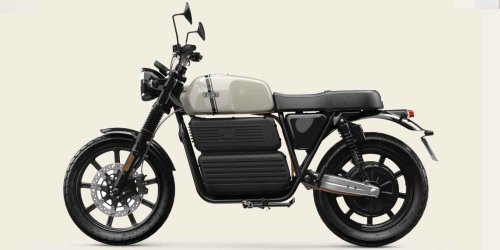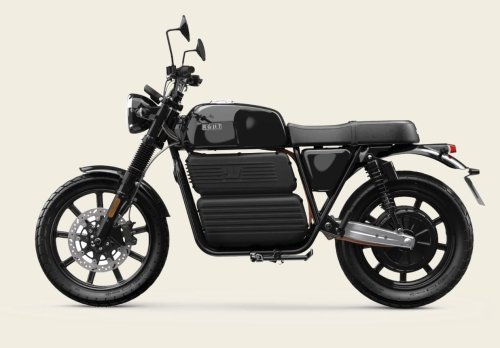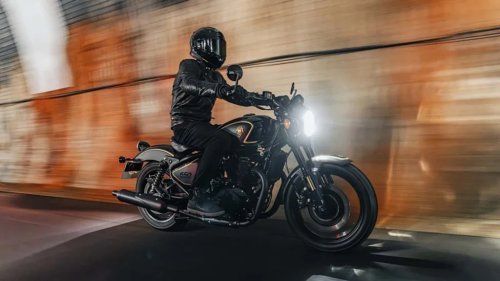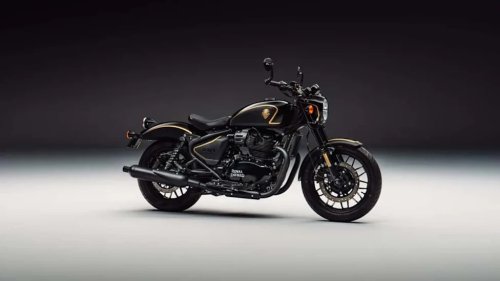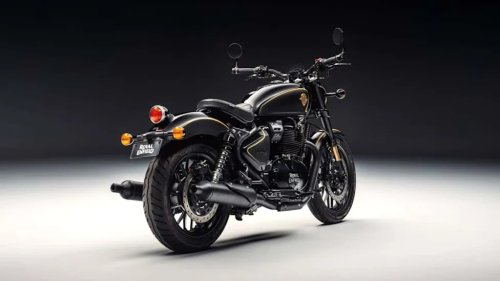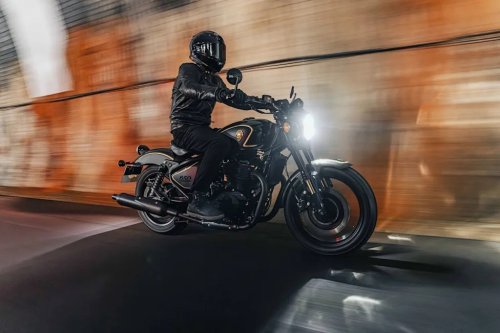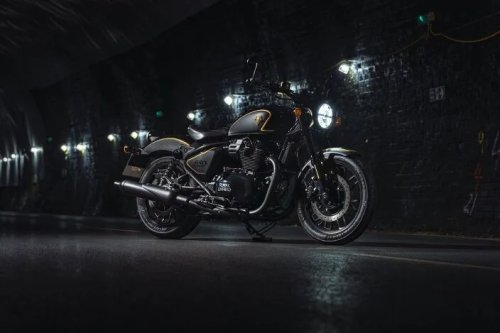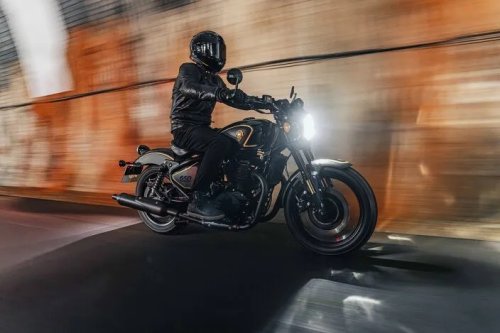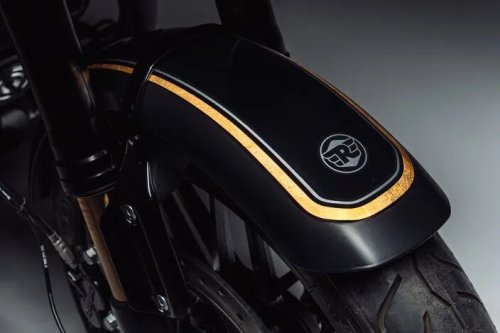
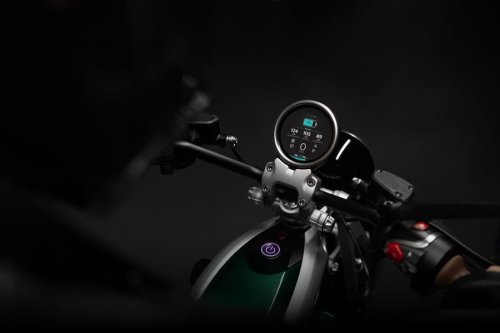
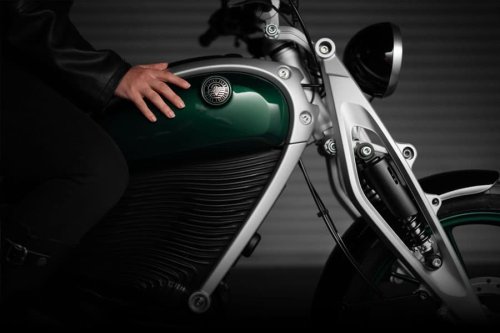
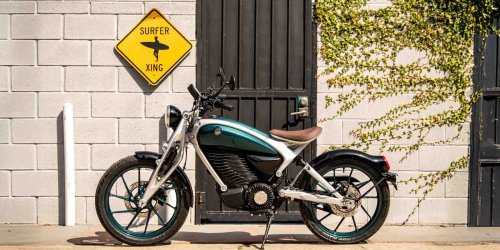
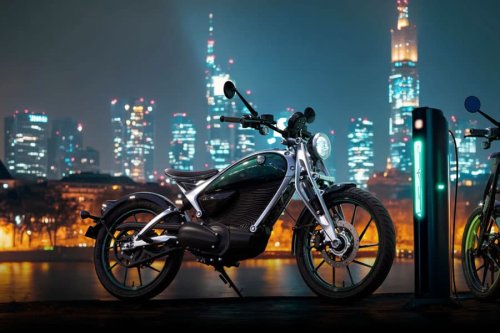



















There’s a strange pattern emerging in Western coverage of Royal Enfield’s upcoming electric motorcycle, the Flying Flea C6. And if you’ve been following the story closely, it’s getting harder to ignore. First, it was the range claims. When Royal Enfield finally dropped the full specs last week, I seemed to be one of the only voices raising an eyebrow at what looked like an extremely optimistic range figure for such a small, lightweight urban electric motorcycle. And I shouldn’t have been the only one, since it was simply a matter of basic math and a bare minimum of experience with similar bikes that could have told anyone that Royal Enfield’s range ratings were twice as high as they should have been for real-world operation. Yet much of the Western motorcycle media largely repeated the claims without much scrutiny. Now we’re seeing the same thing happen again, this time with the revealing of the bike’s sticker price and claims of ‘astonishing’ pricing. Advertisement - scroll for more content The bike launched last week in its domestic Indian market at 279,000 INR (approximately US $3,000), and Western outlets have praised the Flying Flea C6 for its low price. On the surface, sure – for a Western audience used to $10,000+ electric motorcycles, that sounds like a bargain. But that framing completely misses the context. In India, where Royal Enfield sells the bulk of its motorcycles, a typical 125cc commuter bike costs somewhere in the ballpark of US $1,000 to $1,500. These are the machines that define everyday transportation for millions of riders. Even stepping up into more premium 125cc models rarely pushes up to $2,000. So if the Flying Flea C6 lands around $3,000 in India, that doesn’t make it a budget bike. It makes it a premium one – easily two to three times the cost of the kind of budget motorcycles it most closely competes against in performance. That’s not necessarily an issue. We all know that electric vehicles are more expensive to start, especially ones as beautifully designed and feature-rich as the Flying Flea C6. So none of this is shocking, or at least it shouldn’t be, apparently unless you’re a Western motorcycle journalist. And that’s before we even talk about export markets. If and when the Flying Flea C6 arrives in Europe, it’s not going to magically cost $3,000. Import costs, homologation, taxes, and margin stacking will push that number significantly higher. If anything, it will likely slot in as a stylish, urban electric motorcycle with a price tag that reflects its design and branding – not as some ultra-affordable disruptor. There’s almost no way it doesn’t double in price for the European market, and we’ll have to hope it stays under 3x the domestic price. So why does Western motorcycle media keep getting this stuff wrong? Part of it seems to be a kind of basic currency illusion – converting rupees to dollars without considering purchasing power or local market norms. A $3,000 motorcycle feels cheap from a Western perspective, but in India it occupies a very different position. There’s also a broader tendency to take early claims at face value, especially when they fit a compelling narrative. “Affordable electric motorcycle” is a great headline. “Premium-priced urban EV in a cost-sensitive market” is less catchy, even if it’s more accurate. And then there’s the general lack of understanding of electric vehicles among so much of the legacy motorcycle media, even years after electric models have become commonplace on roads and trails. They get CC’s. They get liters or gallons of fuel. They get horsepower. The ones who can turn a wrench might even still be able to tune a carburetor. But for the most part, they couldn’t tell you the difference between a kilowatt and a kilowatt-hour to save their bike. And I’m not perfect either. I’ve certainly made mistakes in my own coverage before. But you better believe that if I don’t understand something, I’m going to research it before I just regurgitate it or paraphrase a press release. None of this is to say the Flying Flea C6 won’t be an interesting or even compelling bike. It’s beautifully designed and even it’s even decently spec’d for the urban role it was designed for. Royal Enfield has a strong track record of building characterful machines that resonate with riders. But if we’re going to evaluate it honestly, we need to stop projecting Western assumptions onto a very different market. Stay up to date with the latest content by subscribing to Electrek on Google News. You’re reading Electrek— experts who break news about Tesla, electric vehicles, and green energy, day after day. Be sure to check out our homepage for all the latest news, and follow Electrek on Twitter, Facebook, and LinkedIn to stay in the loop. Don’t know where to start? Check out our YouTube channel for the latest reviews.