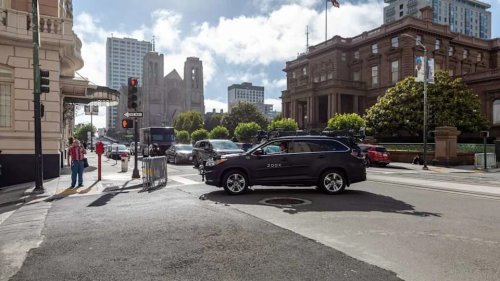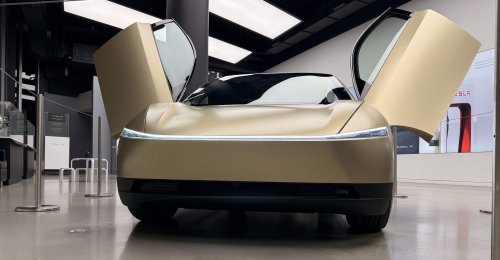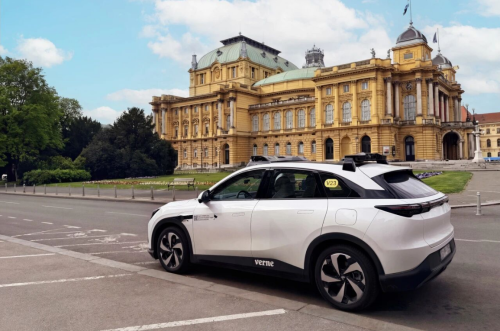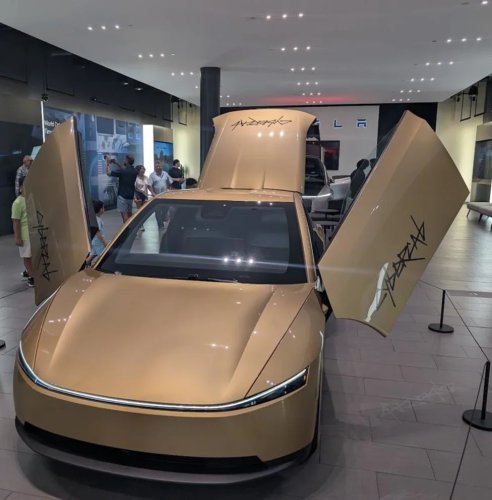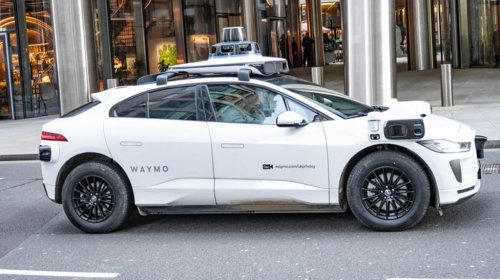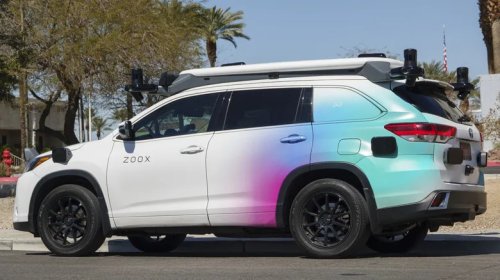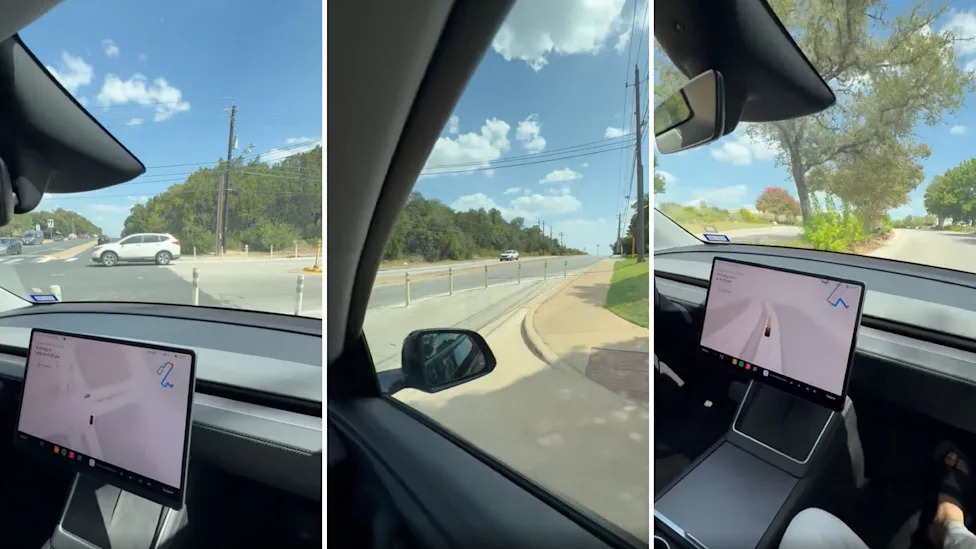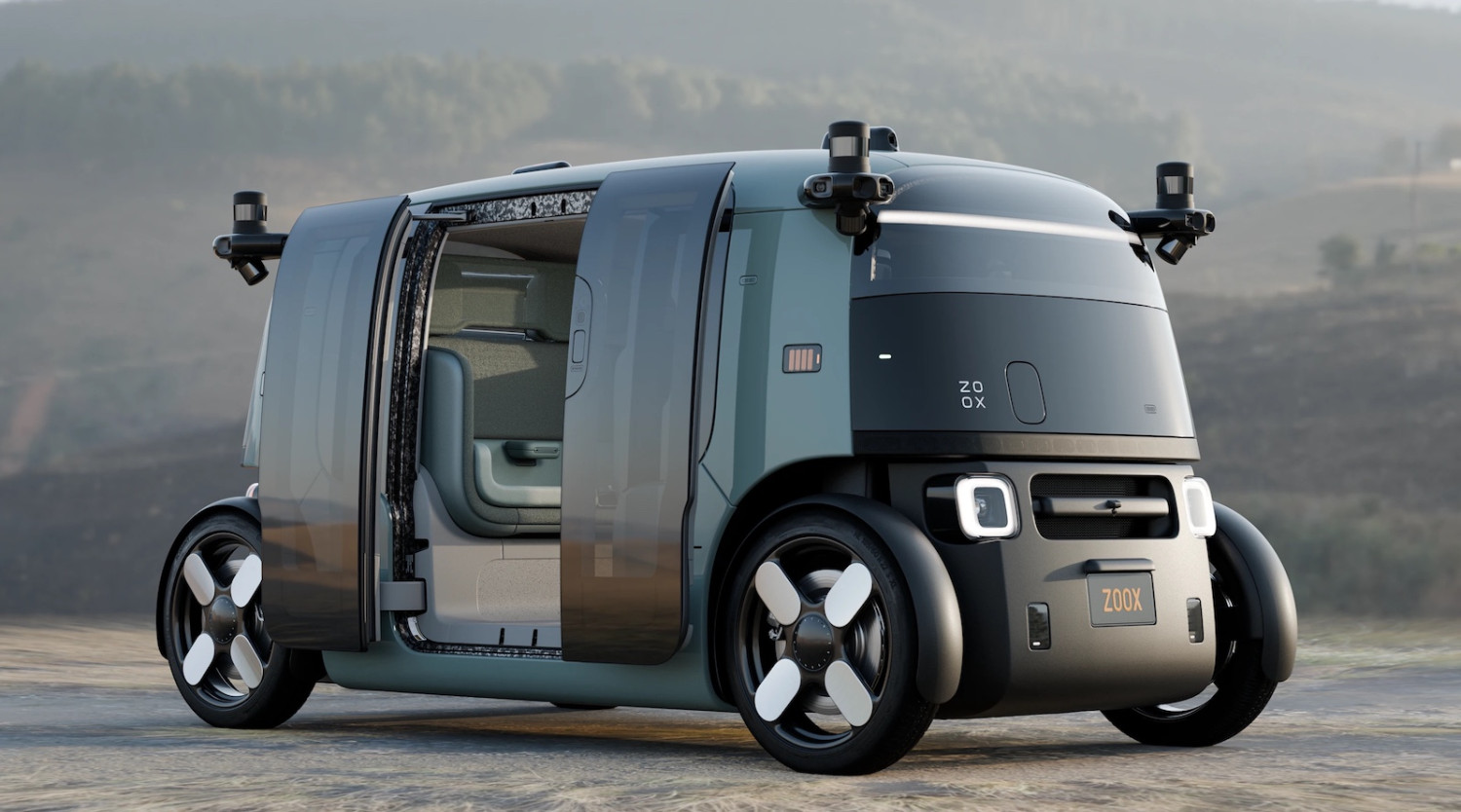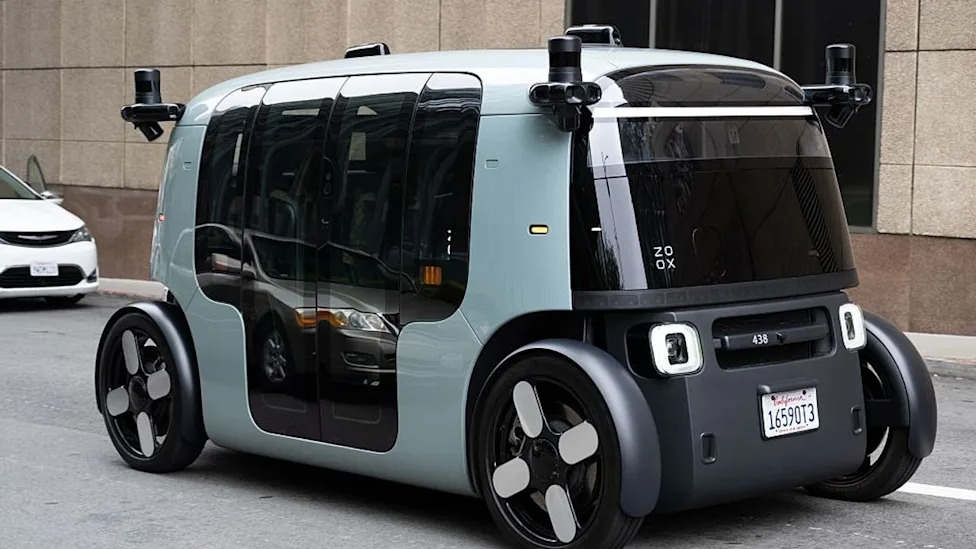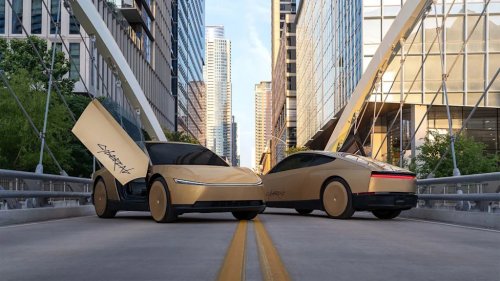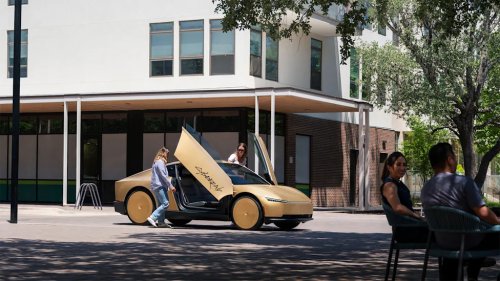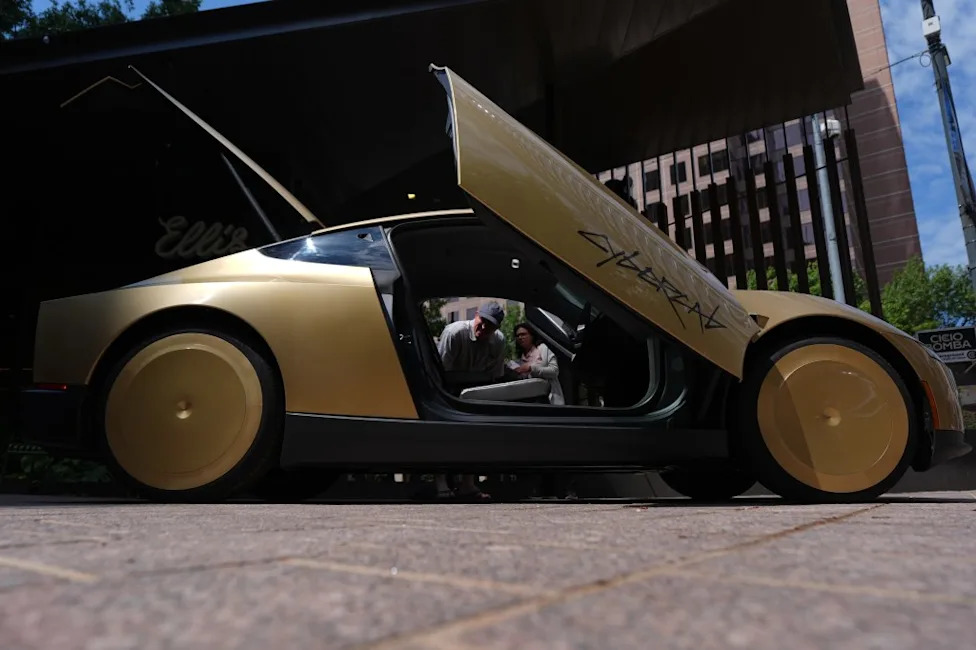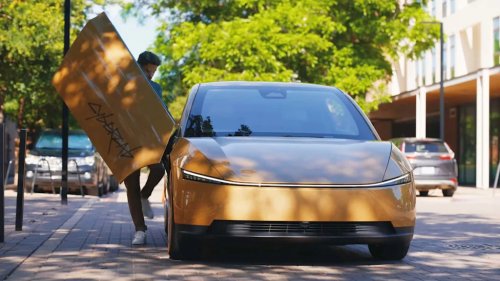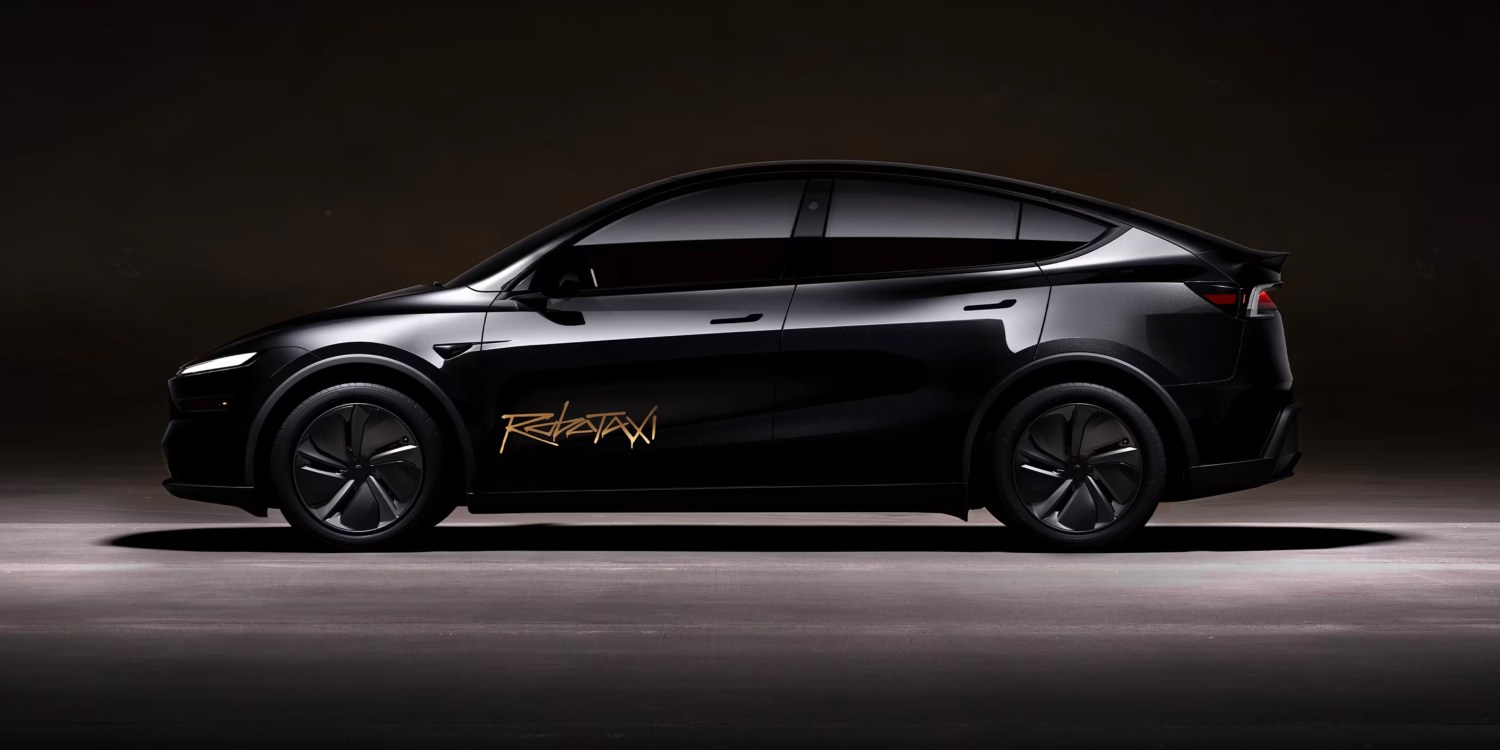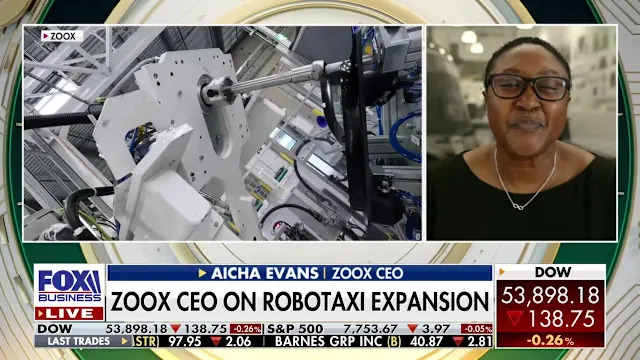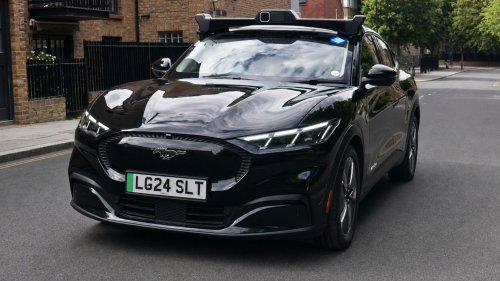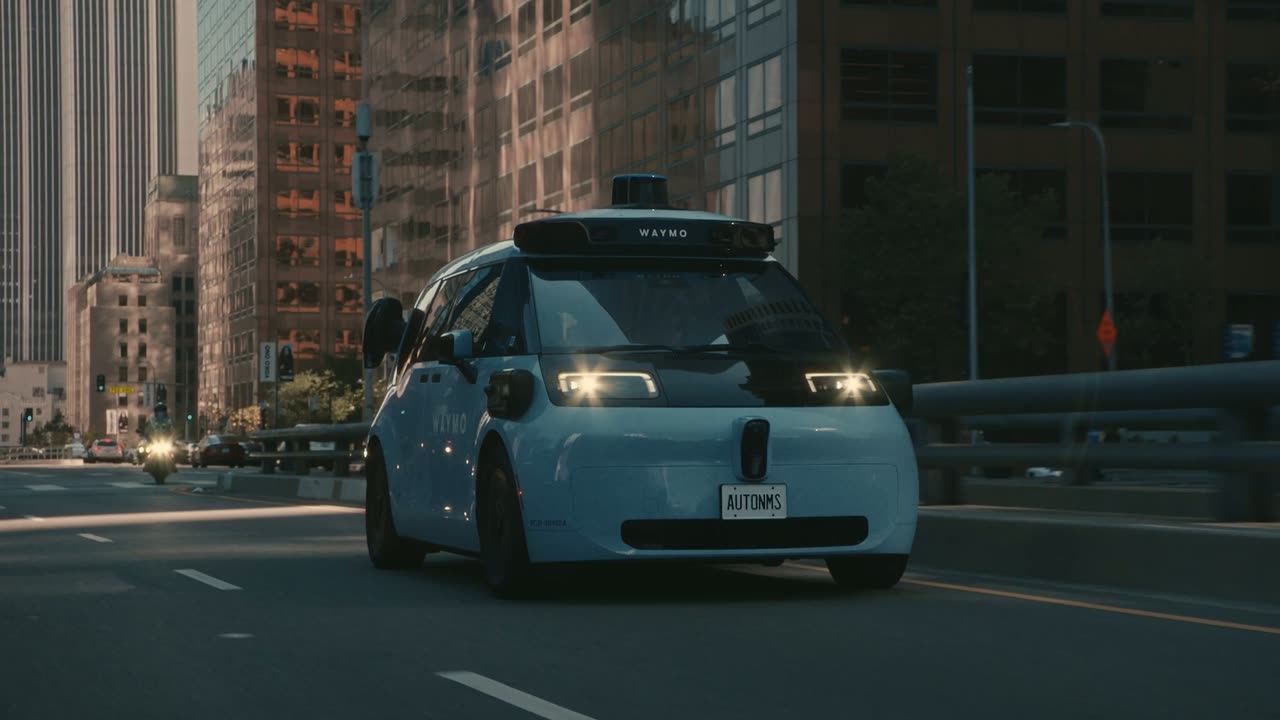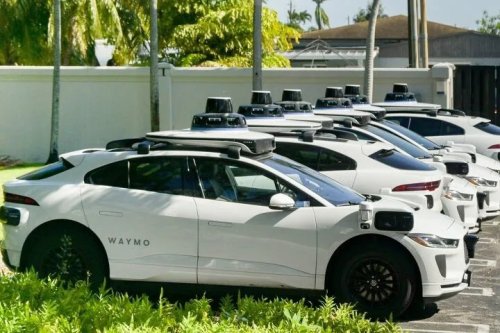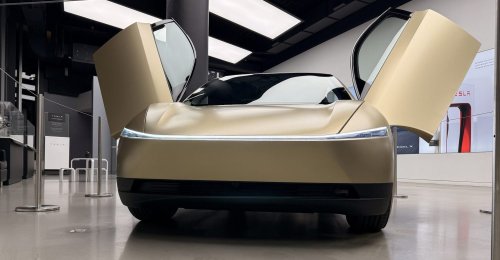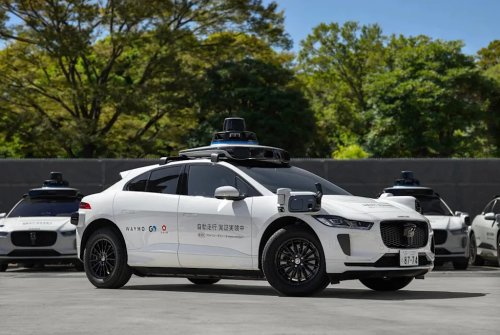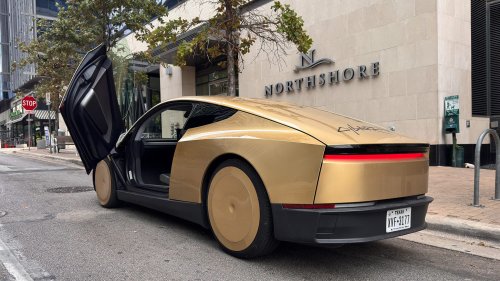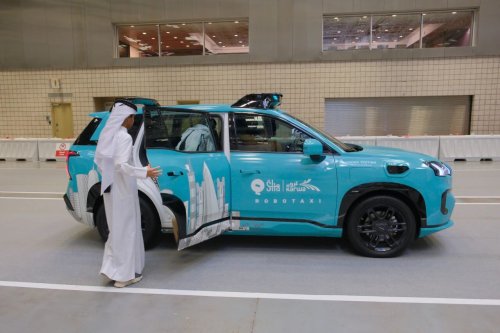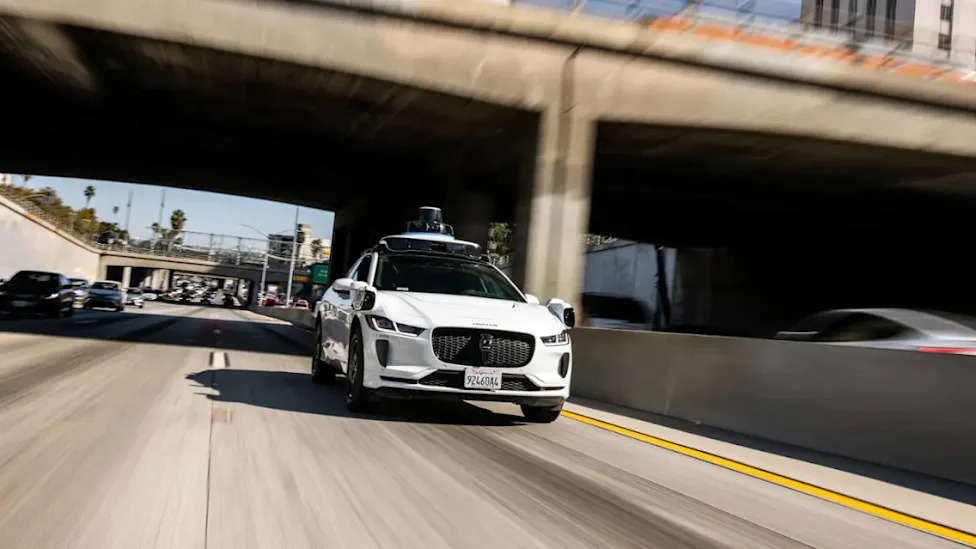
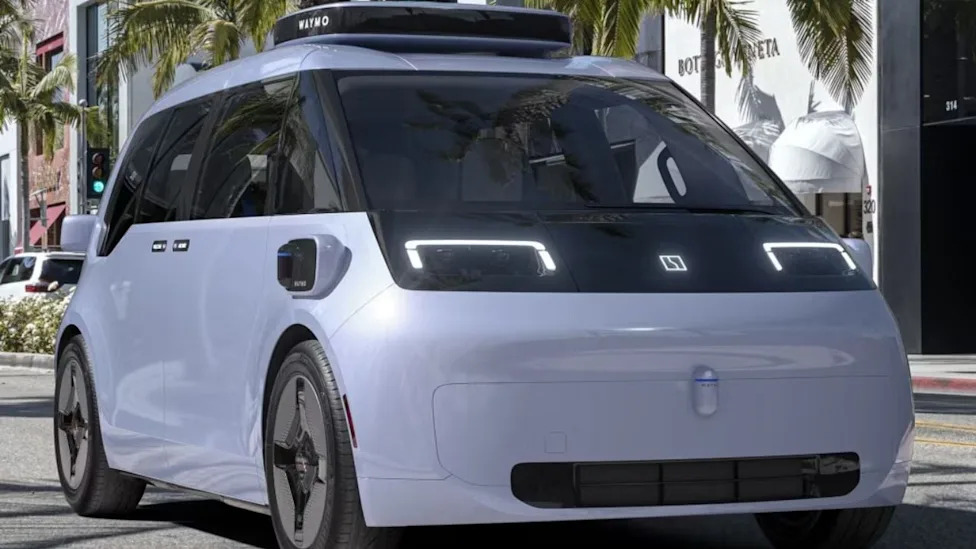


















Image Credit: Waymo.Waymo’s robotaxi expansion has hit a major speed bump after the company suspended freeway operations across the United States following a series of alarming incidents involving its autonomous vehicles. The move comes as Alphabet-owned Waymo pushes deeper into the competitive robotaxi race against rivals like Tesla and Amazon-backed Zoox.The suspension affects freeway rides in cities including San Francisco, Los Angeles, Phoenix, and Miami. Waymo also temporarily halted its Atlanta service after one of its driverless vehicles reportedly stopped in floodwater during heavy rain, raising questions about how autonomous systems handle unpredictable road conditions.The timing is awkward for Waymo because the company has spent years building a reputation as the safest and most advanced robotaxi operator in America. While its autonomous Jaguars have generally performed well on urban streets, freeway driving introduces higher speeds, more aggressive traffic patterns, and rapidly changing construction zones that appear to be exposing weaknesses in the software.AdvertisementAdvertisementAccording to Reuters, Waymo said it is updating its systems to improve how vehicles react around construction areas and flooded roads before resuming operations. The company described the pause as temporary and said normal city street service remains unaffected.Terrifying Experiences Spark ConcernThe Waymo blasted through cones, swerved huge trucks and sped away from the cops.Was kinda freaking out, had my girl in the seat next to me. You can get the sirens.Genuinely the freakiest experience I’ve ever had, felt utterly helpless.These are not ready for highways. pic.twitter.com/S1HNQx0VGh— QuietLight (@Elliot_slade) May 19, 2026Public scrutiny intensified after riders shared videos and stories online describing frightening experiences during freeway trips. One widely circulated post claimed a Waymo vehicle swerved unpredictably around large trucks, entered a closed roadway, and even appeared to drive away from police.Passengers described feeling helpless inside vehicles that lacked a human driver capable of immediately taking control. That sense of vulnerability is becoming one of the biggest psychological hurdles facing the robotaxi industry, especially as companies expand beyond controlled city environments into high-speed freeway traffic.Another reported incident involved a Waymo vehicle allegedly crossing multiple lanes of traffic and nearly causing a T-bone collision. While Waymo has not publicly confirmed every online claim, the growing number of concerning reports has clearly pushed the company into damage-control mode.AdvertisementAdvertisementThe company’s recent recall of approximately 3,800 robotaxis added further pressure. That recall focused on the risk of vehicles entering flooded roadways at higher speeds, which could potentially create dangerous situations for passengers and surrounding traffic.Freeways Are A Different ChallengeAutonomous vehicles may look impressive navigating urban streets, but freeway driving presents an entirely different level of complexity. Higher speeds drastically reduce reaction times, while lane merges, construction barriers, emergency vehicles, and unpredictable drivers create conditions that are difficult even for experienced humans.Construction zones appear to be a particularly difficult obstacle for Waymo’s software. Temporary lane markings, shifting barriers, and unusual traffic flows can confuse systems trained primarily on more predictable roadway layouts.Flooded roads create another major challenge because autonomous systems must accurately determine water depth and road conditions in real time. Human drivers often struggle with those judgments too, but robotaxis are held to a much higher standard because they are expected to eliminate human error altogether.AdvertisementAdvertisementWaymo acknowledged those concerns directly, saying it is now integrating “recent technical learnings” into its software before freeway operations resume. The company did not provide a timeline for when freeway rides will return.Competition In The Robotaxi Race Is Heating UpPhoto Courtesy: Autorepublika.The freeway pause arrives just as competition in the autonomous vehicle sector is accelerating. Tesla continues developing its Cybercab platform, while Zoox is expanding testing of its purpose-built autonomous shuttles.Unlike many rivals, Waymo has favored a slower and more cautious rollout strategy over the years. That conservative approach helped the company build trust with regulators and the public, but incidents like these show how difficult it remains to scale autonomous driving technology safely.Waymo’s current fleet still relies heavily on modified Jaguar I-Pace SUVs, though the company is also preparing to introduce autonomous Hyundai Ioniq 5 models and a new robotaxi van developed alongside Chinese automaker Zeekr. Expanding the fleet while maintaining reliability will be critical as competitors race toward commercial deployment.AdvertisementAdvertisementThe robotaxi industry still believes autonomous transportation could eventually reduce crashes caused by distracted, impaired, or fatigued drivers. Companies also see massive financial upside in replacing human-operated ride-hailing services with vehicles capable of running nearly nonstop.For now, though, Waymo’s freeway shutdown is a reminder that even the most advanced self-driving systems still have limits. City streets may be one thing, but high-speed freeways remain one of the toughest tests yet for autonomous driving technology.If you want more stories like this, follow Guessing Headlights on Yahoo so you don’t miss what’s coming next.