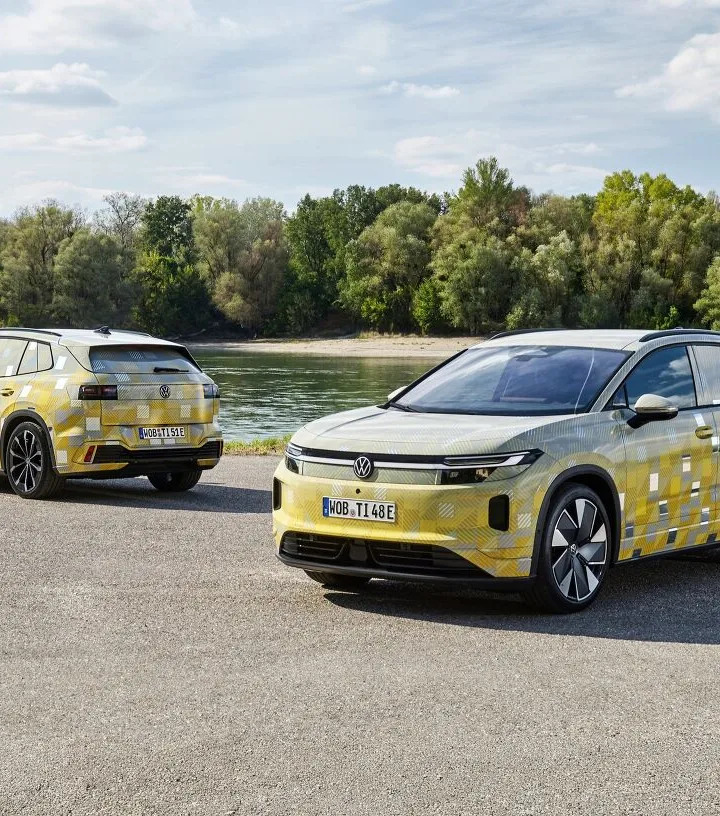
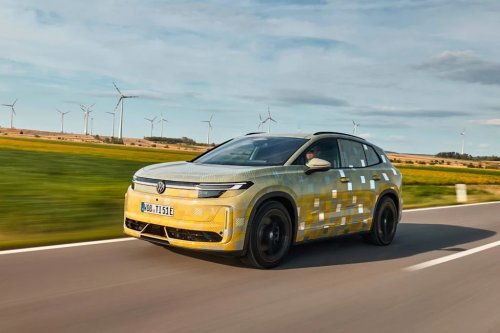
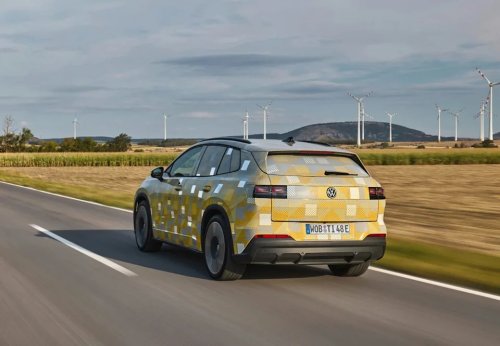
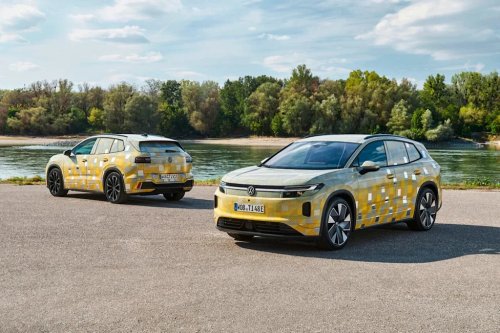
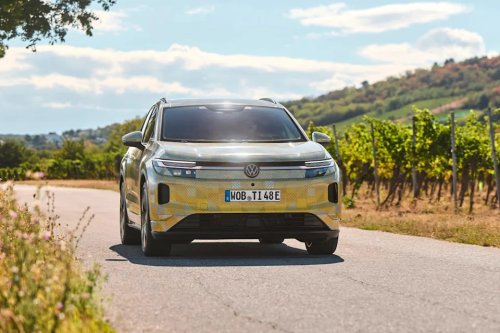
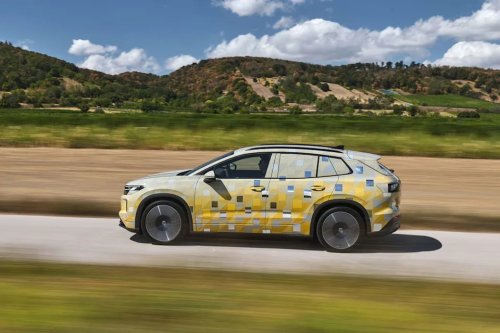
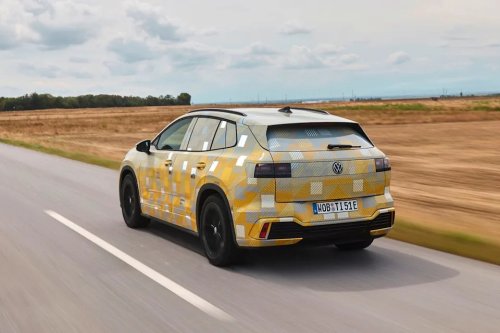
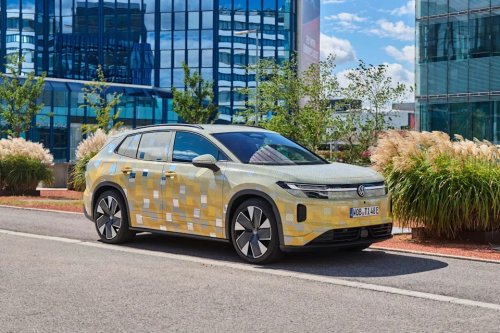
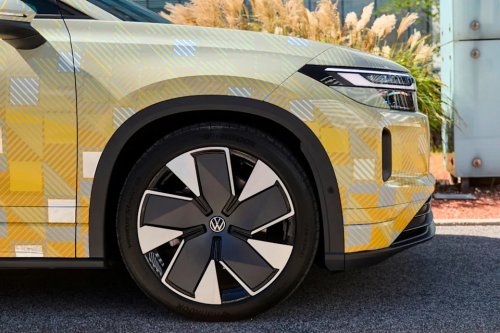
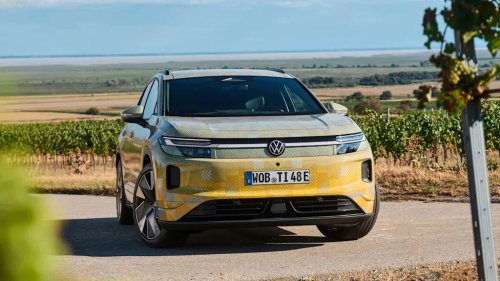
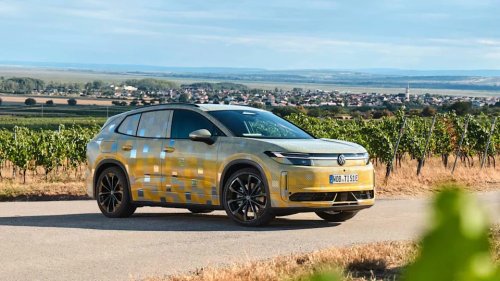
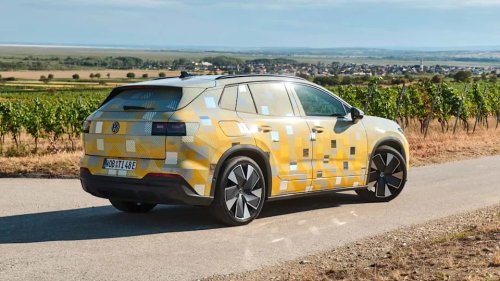
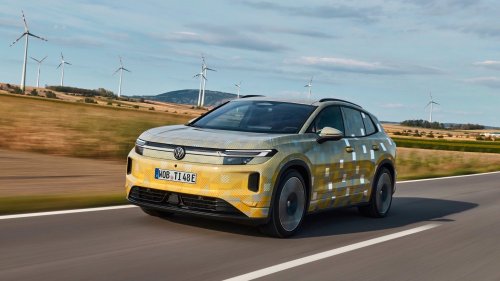
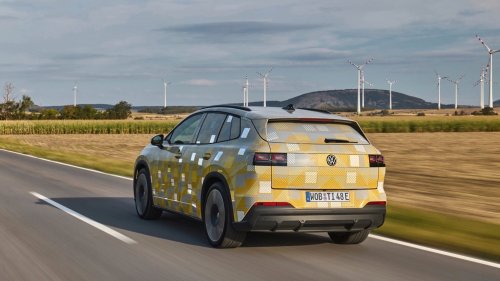
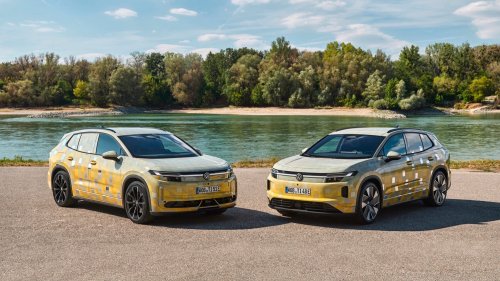
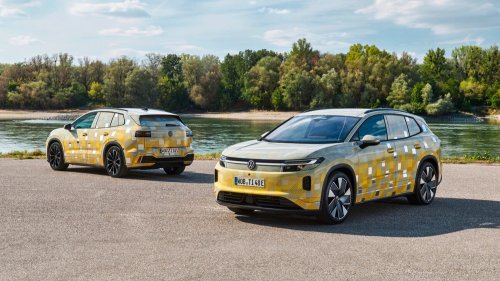
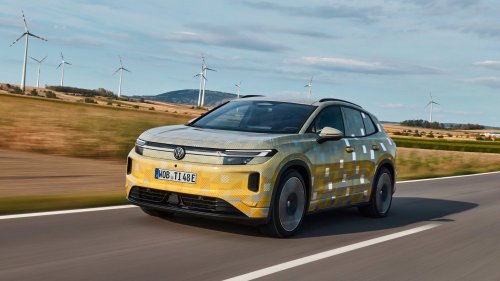
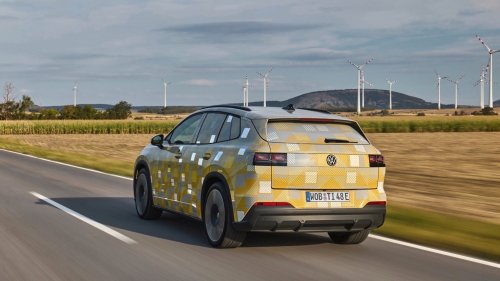
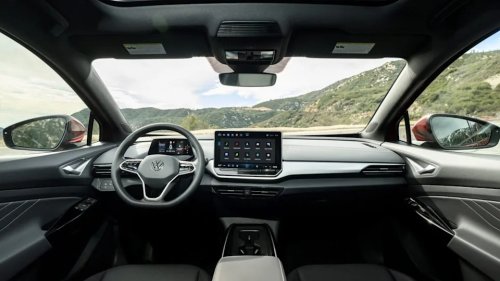
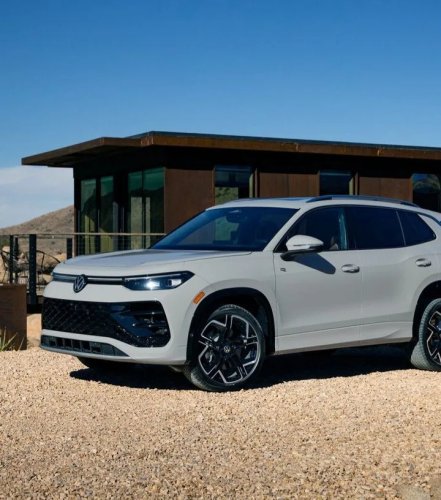
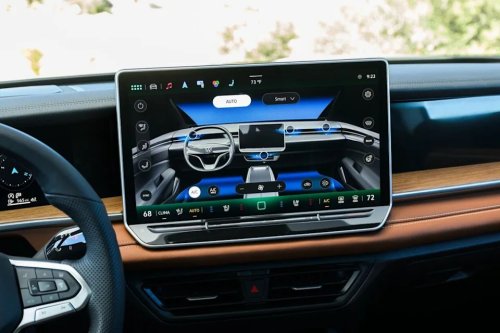
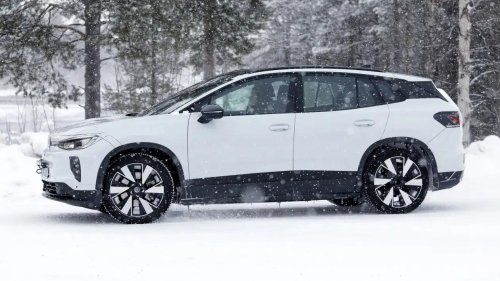
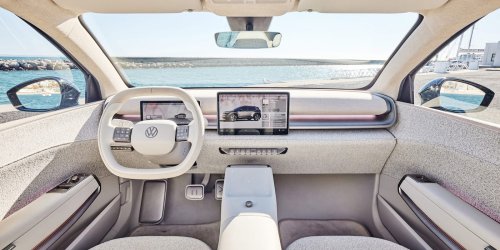
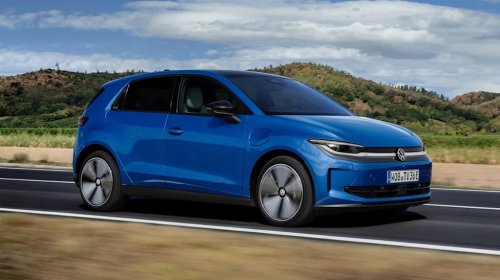
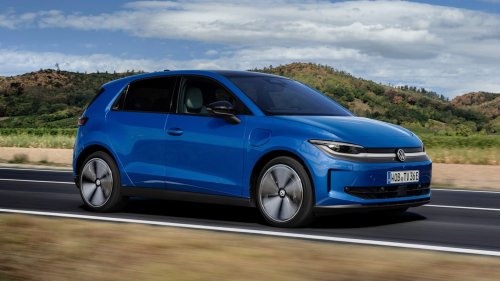
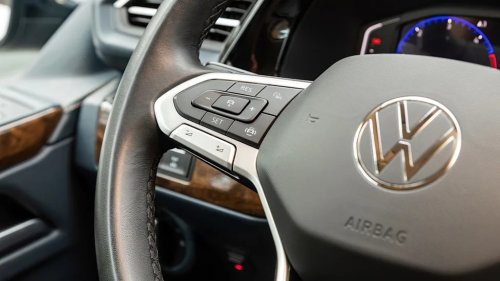
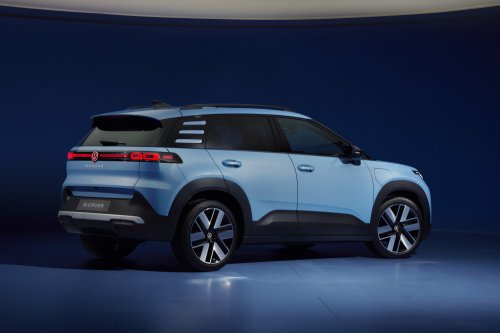
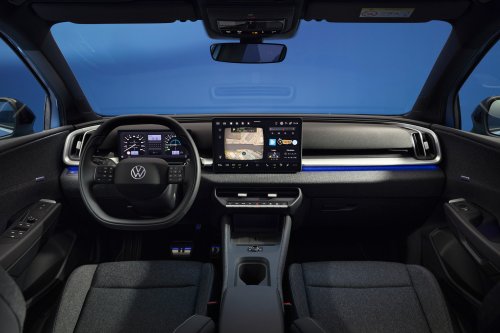
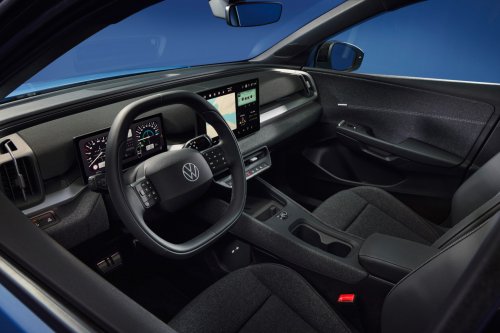
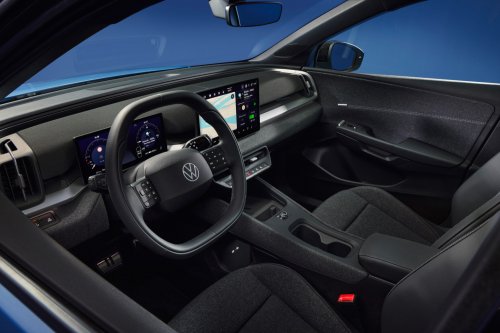
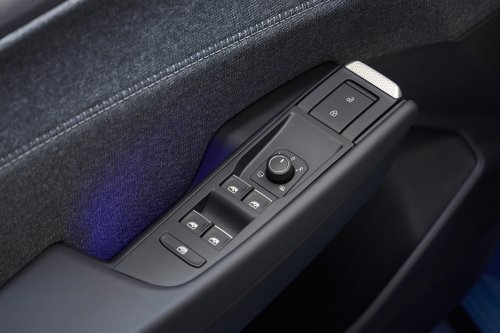
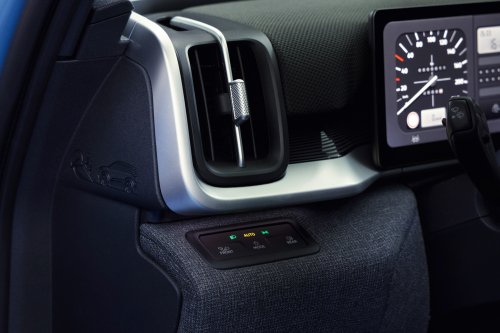
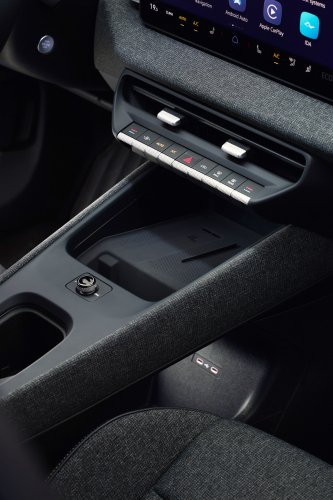
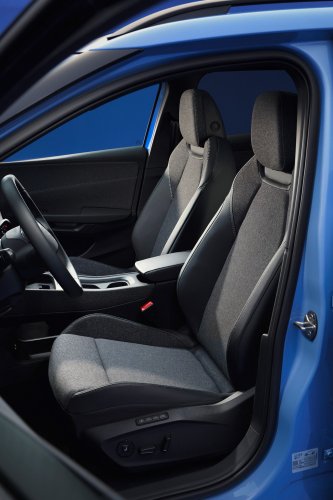
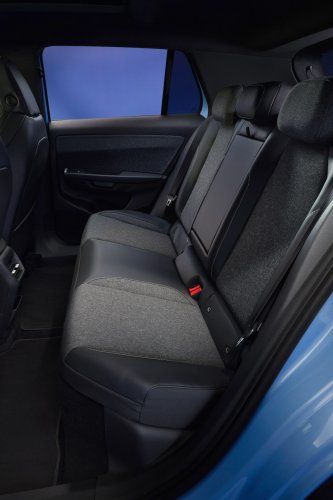
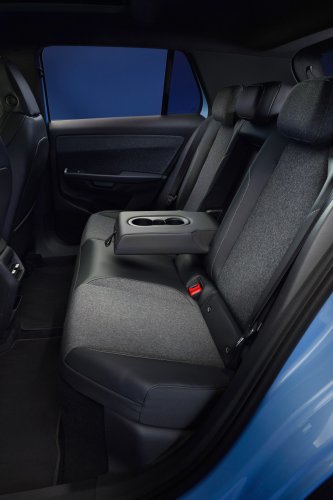
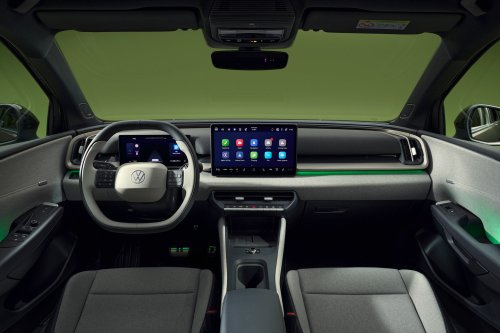
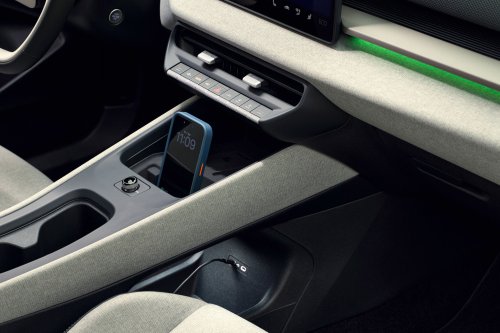
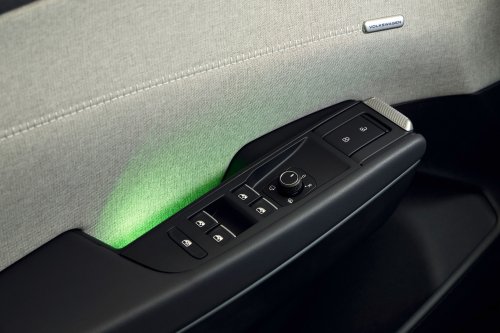
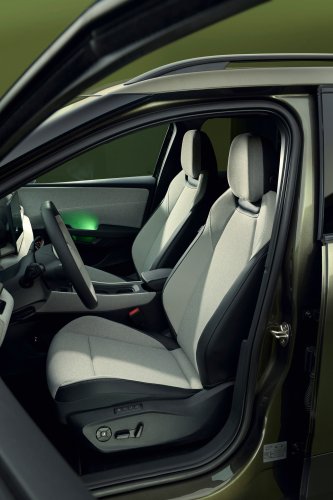
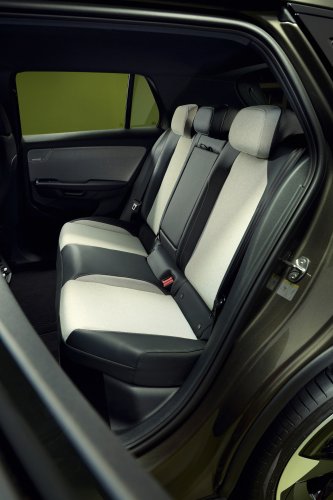
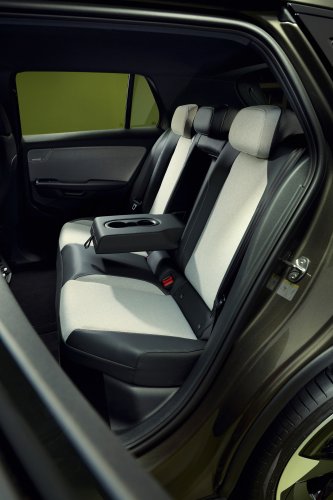
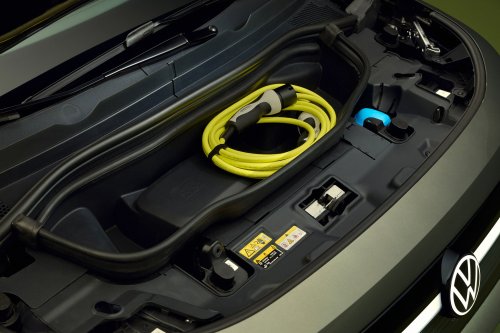
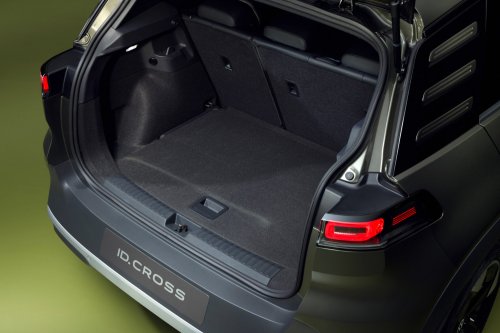
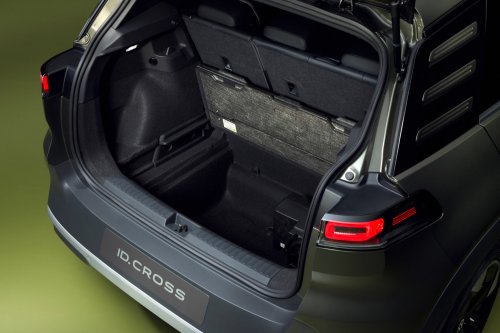
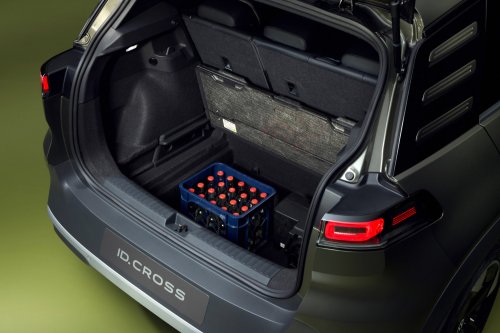
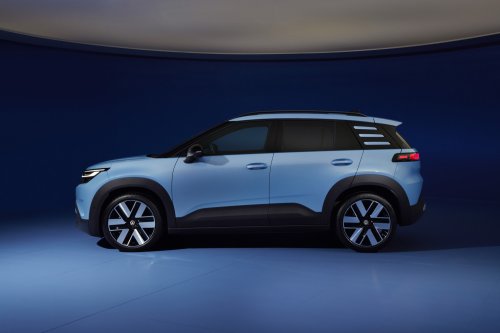
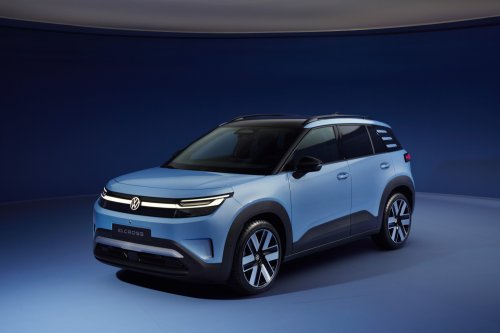
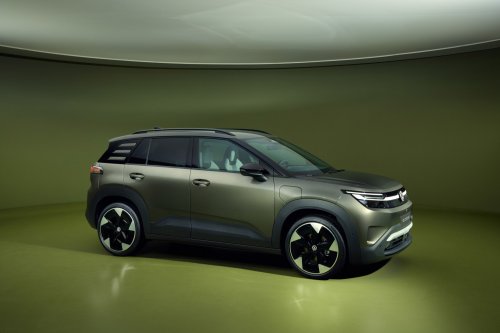
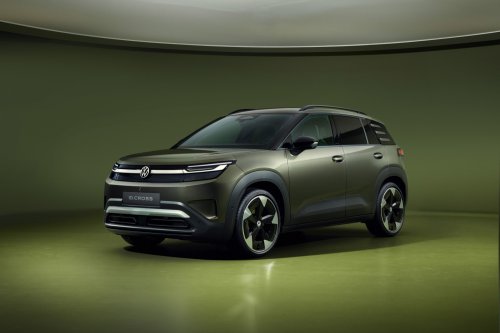
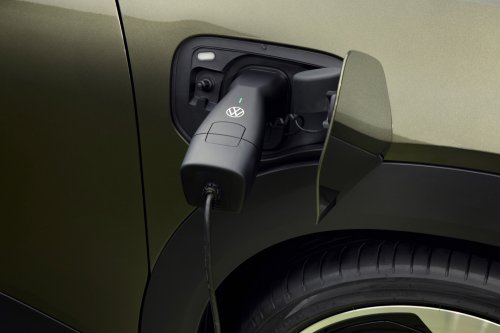
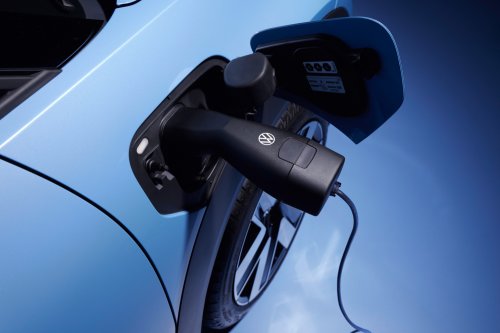
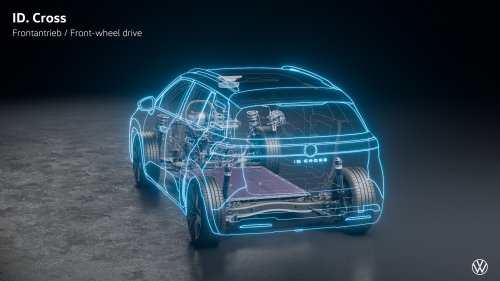
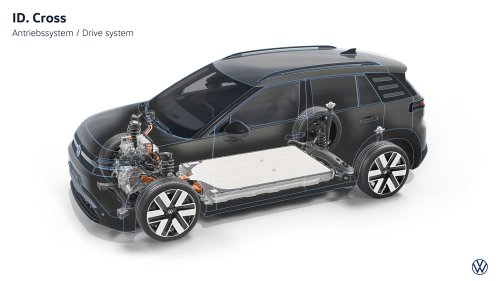
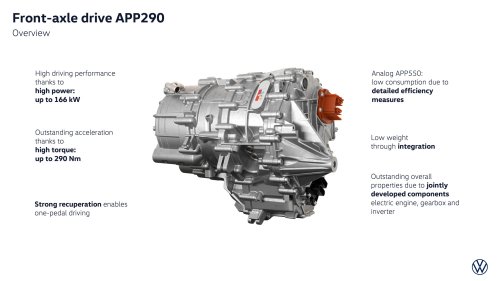
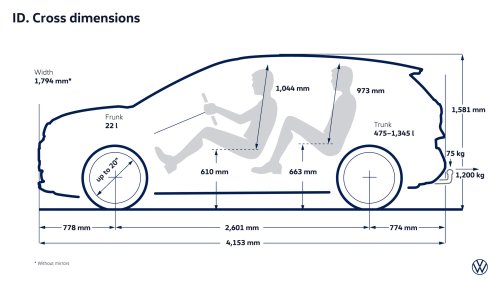
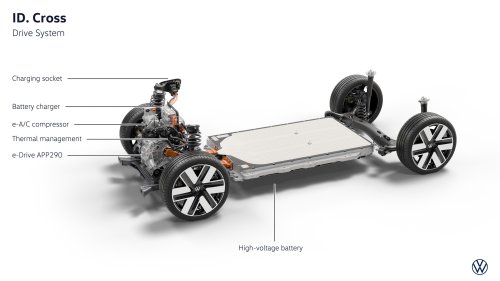
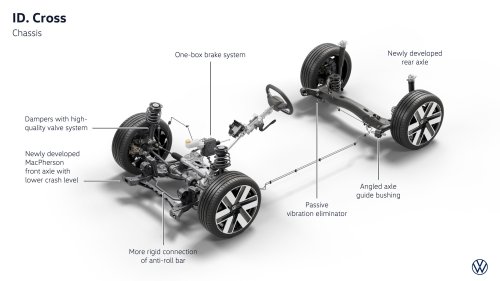
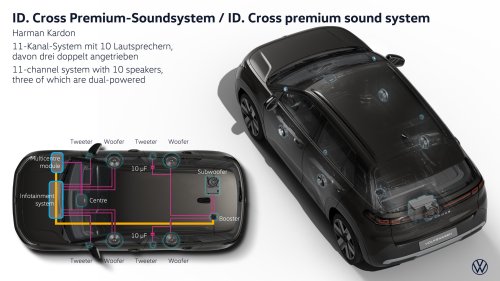
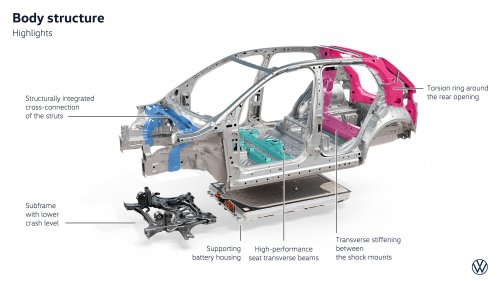
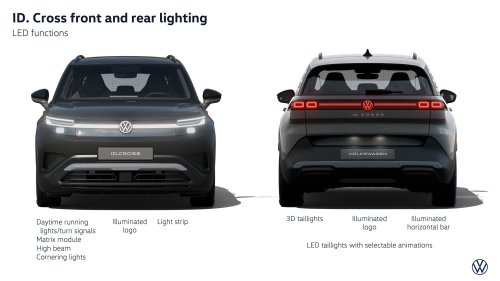
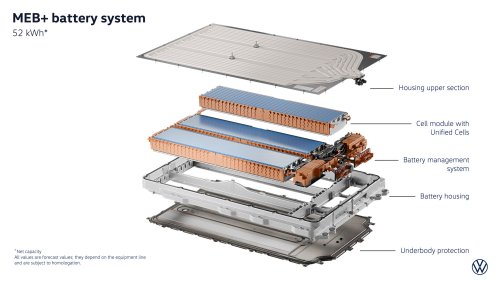
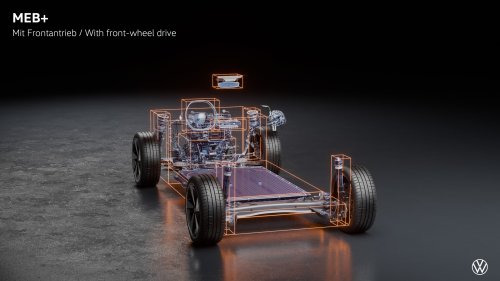
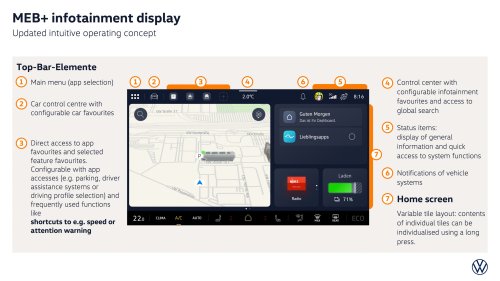
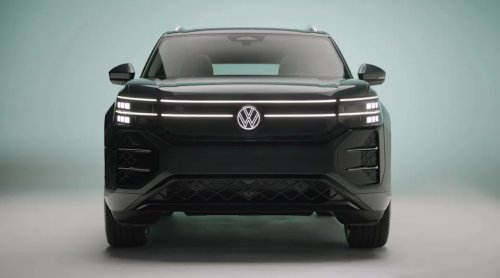
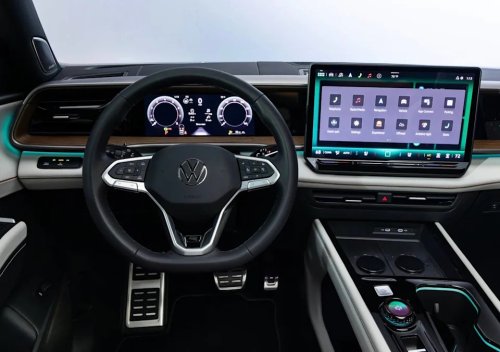
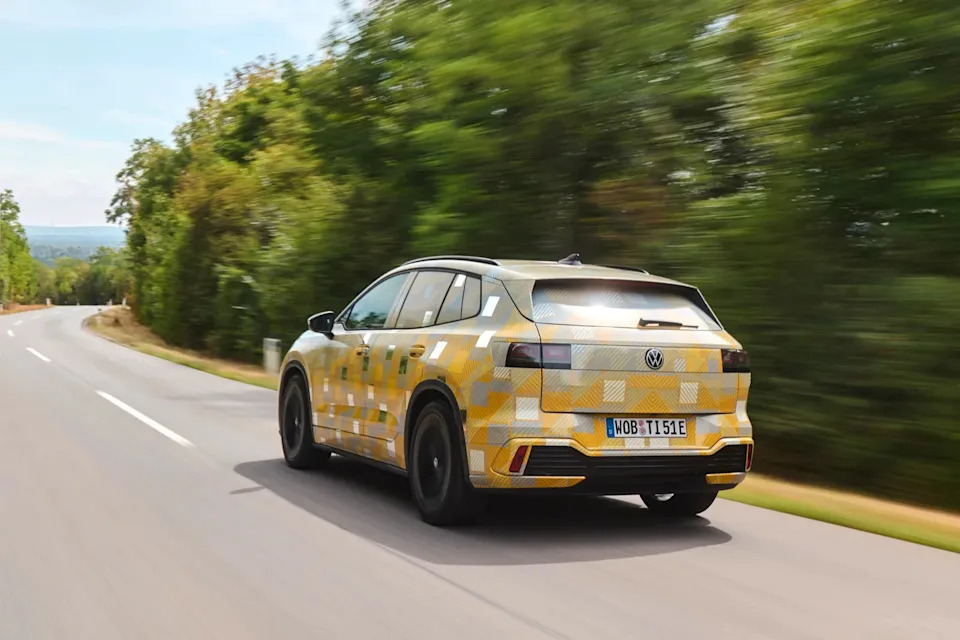
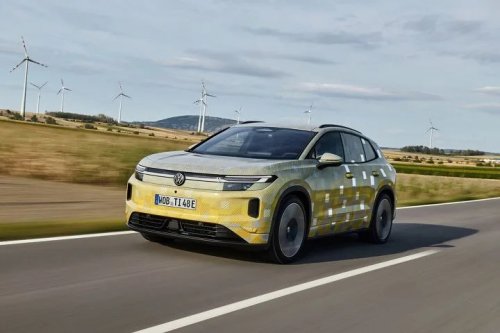
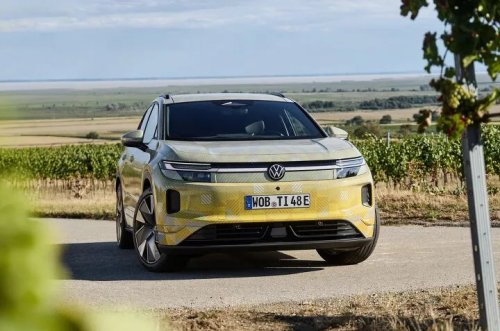
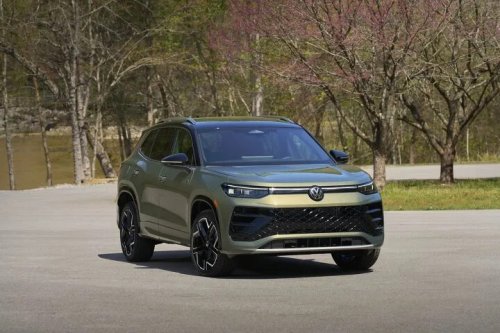
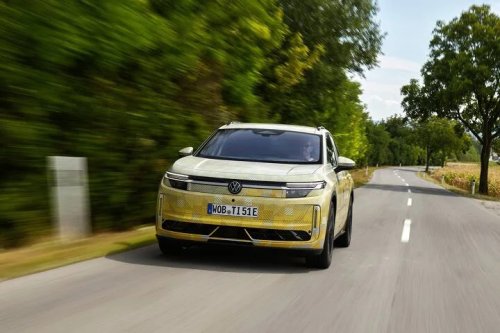
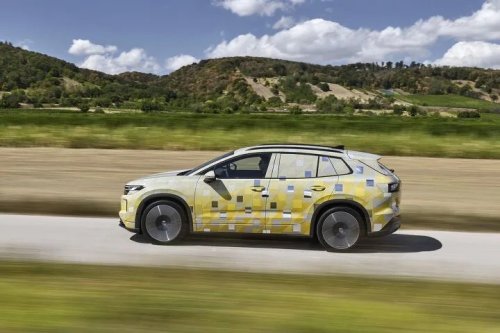
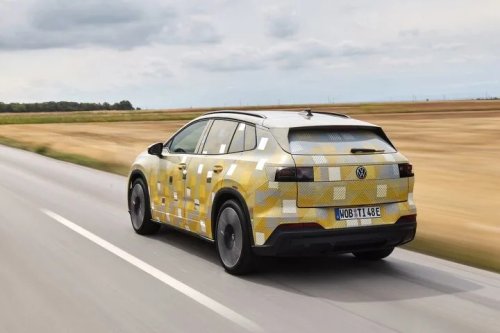
New ID. Cross is ID. Polo’s SUV brother and starts at €28,000 this fall. 37 kWh and 52 kWh batteries available, biggest gives 271-mile range. Single-motor outputs span 114-208 hp; cabin has plenty of real buttons. Affordable electric SUVs are arriving thick and fast, but the new VW ID. Cross thinks it has something many rivals don’t. The production version of last year’s almost identical ID. Cross Concept promises premium features and VW’s confident new design language, while keeping the starting price at a tempting €28,000 (£24k/$32k). More: VW Group Is Killing Half Its Cars By 2030, And Some Big Names Are At Risk The little five-seat SUV brother to the ID.Polo revealed earlier this year will arrive in Europe during autumn 2026. At just over 4,150 mm (163.4 mm) from nose to tail and riding on a 2,601 mm (102.4 inches) wheelbase, the ID. Cross is a rival for SUVs like the Kia EV2 and Renault 4. Given those dimensions and rivals you’d probably not expect tons of space, but VW claims smart packaging allows the ID. Cross to squeeze out more passenger room and cargo space than its competitors. There’s 475 liters (16.8 cu-ft) of cargo room behind the rear seats plus a handy 25-liter (0.9 cu-ft) frunk for charging cables, a combination which throws shade on the EV2, Renault 4 and even VW’s bigger, combustion T-Roc. Buyers can choose between two battery packs and three power outputs, all delivered from a single-motor setup driving the front wheels. The entry-level version pairs an 114 hp (116 PS / 85 kW) electric motor with a 37 kWh battery, while higher trims offer either a 133 hp (136 PS / 99 kW) motor using the same battery, or a 208 hp (211 PS / 155 kW) version coupled to a larger 52 kWh pack. From 196 To 271 Miles Of Range The flagship combination delivers a projected WLTP driving range of up to 436 km, or 271 miles, compared with 281 miles (452 km) for an EV2 and just 247 miles (398 km) for a Renault 4. Stick with the VW‘s base 37 kWh pack and the range drops to 196 miles (316 km), which again splits the difference between its rivals: Kia, 197 miles (317 km); Renault, 190 miles (306 km). That 196-mile figure is also predictably a little down on the 204 miles (328 km) the brand quotes for the lower and 27 kg (60 lbs) lighter ID. Polo with the same 37 kWh battery. As with the ID. Polo, charging figures are respectable rather than groundbreaking. The smaller battery supports DC charging at up to 90 kW, while the larger pack increases that to 105 kW. Either way, VW says a 10 to 80 percent recharge should take around 24 minutes under ideal conditions, meaning drivers will be unplugging a few minutes before the Renault 4 and Kia EV2s on the adjacent chargers. Vehicle-to-load functionality is also included, allowing owners to power external devices from the battery pack. Big Screen, But Plenty Of Real Buttons Also borrowed from the ID. Polo, which shares the same MEB+ platform, along with the Cupra Raval and Skoda Epiq, is a cabin that tries hard to undo some of the mistakes of VW’s recent past. Premium-looking cloth covers most of the dash surfaces, and there are genuine clickable physical buttons both on the steering wheel and lined up on the console below the 12.9-inch infotainment screen. And buyers can build on that premium feel with some fairly premium features including optional 12-way power-adjustable front seats with built-in massage programs. Depending on trim, buyers can also spec matrix LED headlights, a panoramic glass roof, adaptive cruise control, and a Harman Kardon audio system with 10 speakers. Looks Expensive, But Isn’t Sticking with the luxury theme, the designers clearly wanted the ID. Cross to look expensive, in the way the Mk4 Golf did almost 30 years ago. Slim lighting, clean body surfacing and a modern silhouette give it plenty of showroom appeal. It might not have the quirky character of a Renault 4, but the result is a handsome SUV that looks like it costs more than it really does. More: VW’s Sportiest Sedan Packs 496 HP And Makes The ID.7 Look Half-AsleepAt €28,000, the base 37 kWh, 114 hp ID. Cross matches the Renault 4 on price, but beats it on range and comes up only a few horsepower short. Likely to cause a bigger headache for VW is the Kia EV2, which starts at €26,600 in Europe, squeezes a few more miles from every top-up and comes with a 144 hp (147 PS / 108 kW) motor as standard. Which would you pick? VW



















 +78 others






![Volkswagen, Volkswagen ID.4, Volkswagen ID.5, Volkswagen's best-seller is going electric in 2027 to replace the ID.4 and ID.5 [Images]](https://cdn.topcarnews.net/thumb/id/aHR0cHM6Ly9pMC53cC5jb20vZWxlY3Ry-ZWsuY28vd3AtY29udGVudC91cGxvYWRz-L3NpdGVzLzMvMjAyNi8wOS9Wb2xrc3dh-Z2VuLUlELVRpZ3Vhbi1JRC00LmpwZWc_-dz0xNTAwJmFtcDtxdWFsaXR5PTgyJmFt-cDtzdHJpcD1hbGwmYW1wO3NzbD0x/aed2aa2870791850c8e69c5fc3a0ed85.jpeg?t=20261005&post_id=66267)
![Volkswagen, Volkswagen ID.4, Volkswagen ID.5, Volkswagen's best-seller is going electric in 2027 to replace the ID.4 and ID.5 [Images]](https://cdn.topcarnews.net/thumb/id/aHR0cHM6Ly9lbGVjdHJlay5jby93cC1j-b250ZW50L3VwbG9hZHMvc2l0ZXMvMy8y-MDI2LzA5L1ZvbGtzd2FnZW4tSUQtVGln-dWFuLUlELTQtZnJvbnQtcXVhcnRlci5q-cGc_c3RyaXA9aW5mbyZhbXA7dz0xMDI0/97fb00cd3919b8d0dc36440715039e6e.jpg?t=20261005&post_id=66267)
![Volkswagen, Volkswagen ID.4, Volkswagen ID.5, Volkswagen's best-seller is going electric in 2027 to replace the ID.4 and ID.5 [Images]](https://cdn.topcarnews.net/thumb/id/aHR0cHM6Ly9lbGVjdHJlay5jby93cC1j-b250ZW50L3VwbG9hZHMvc2l0ZXMvMy8y-MDI2LzA5L1ZvbGtzd2FnZW4tSUQtVGln-dWFuLUlELTQtc2lkZS5qcGc_c3RyaXA9-aW5mbyZhbXA7dz0xMDI0/ed240b20e8275f3af4b904f46ebb5fb3.jpg?t=20261005&post_id=66267)
![Volkswagen, Volkswagen ID.4, Volkswagen ID.5, Volkswagen's best-seller is going electric in 2027 to replace the ID.4 and ID.5 [Images]](https://cdn.topcarnews.net/thumb/id/aHR0cHM6Ly9lbGVjdHJlay5jby93cC1j-b250ZW50L3VwbG9hZHMvc2l0ZXMvMy8y-MDI2LzA5L1ZvbGtzd2FnZW4tSUQtVGln-dWFuLUlELTQtcmVhci1xdWFydGVyLmpw-Zz9zdHJpcD1pbmZvJmFtcDt3PTEwMjQ/436c7979cf5b947053f7f0bf39ff94bc.jpg?t=20261005&post_id=66267)
![Volkswagen, Volkswagen ID.4, Volkswagen ID.5, Volkswagen's best-seller is going electric in 2027 to replace the ID.4 and ID.5 [Images]](https://cdn.topcarnews.net/thumb/id/aHR0cHM6Ly9lbGVjdHJlay5jby93cC1j-b250ZW50L3VwbG9hZHMvc2l0ZXMvMy8y-MDI2LzA5L1ZvbGtzd2FnZW4tSUQtVGln-dWFuLUlELTQtZnJvbnQuanBnP3N0cmlw-PWluZm8mYW1wO3c9MTAyNA/ec2e4ca027ccbfb42942abe523f3acf7.jpg?t=20261005&post_id=66267)
![Volkswagen, Volkswagen ID.4, Volkswagen ID.5, Volkswagen's best-seller is going electric in 2027 to replace the ID.4 and ID.5 [Images]](https://cdn.topcarnews.net/thumb/id/aHR0cHM6Ly9lbGVjdHJlay5jby93cC1j-b250ZW50L3VwbG9hZHMvc2l0ZXMvMy8y-MDI2LzA5L1ZvbGtzd2FnZW4tSUQtVGln-dWFuLUlELTQtcmVhci5qcGc_c3RyaXA9-aW5mbyZhbXA7dz0xMDI0/668525889dc433b0fd0e166fd5bd8366.jpg?t=20261005&post_id=66267)