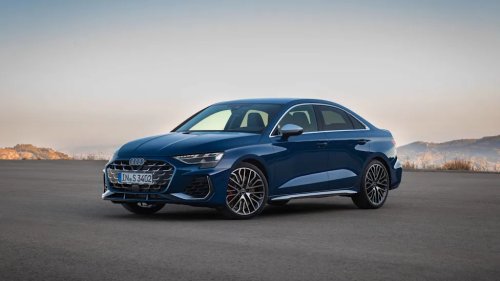
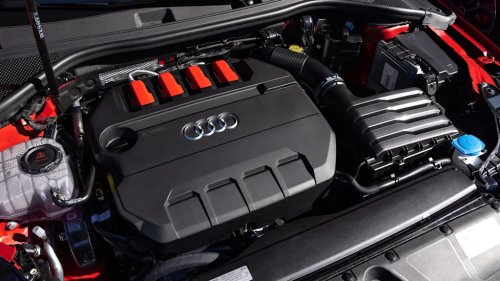
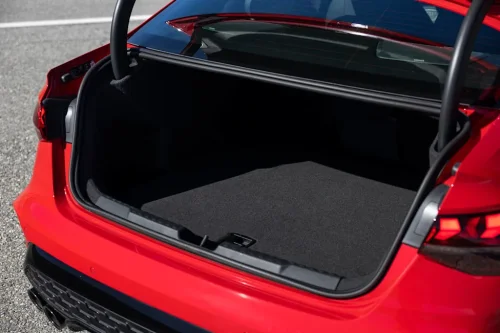
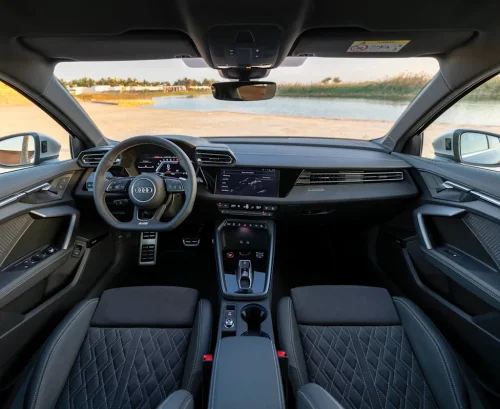
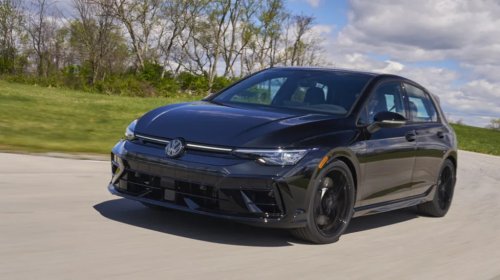
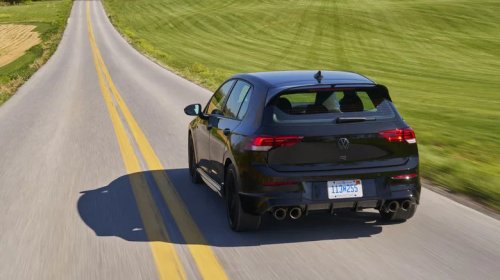
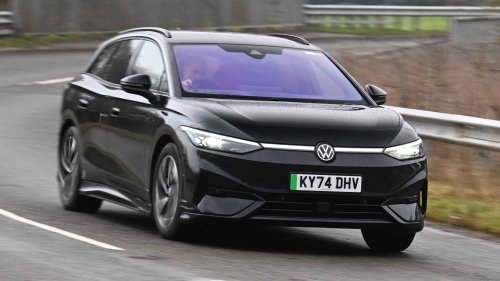
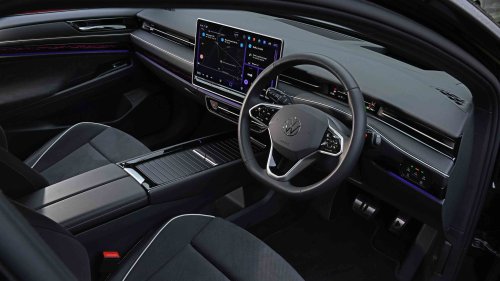
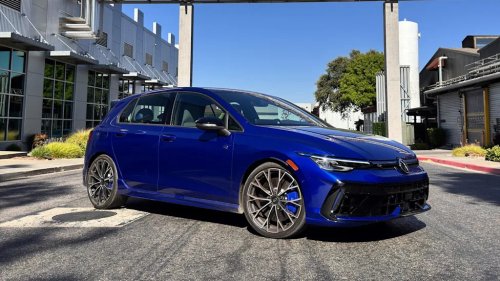
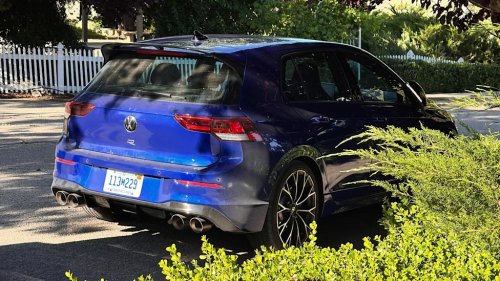
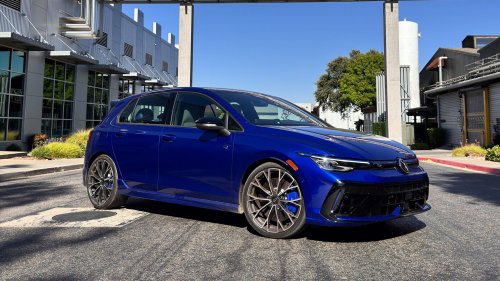
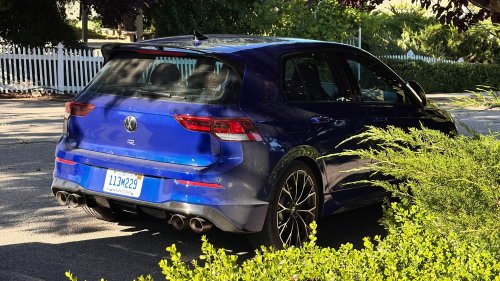
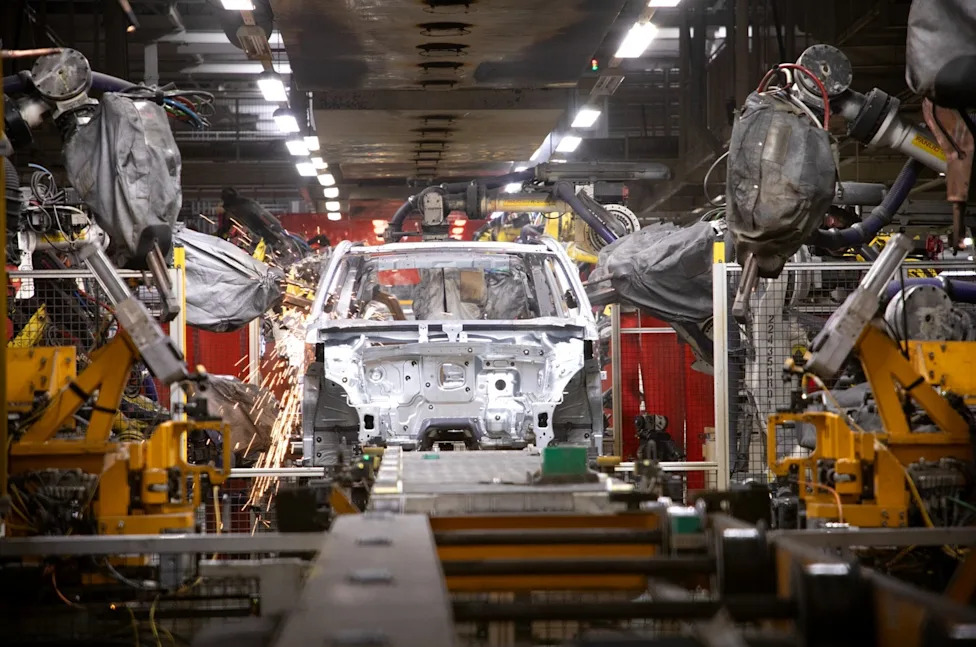
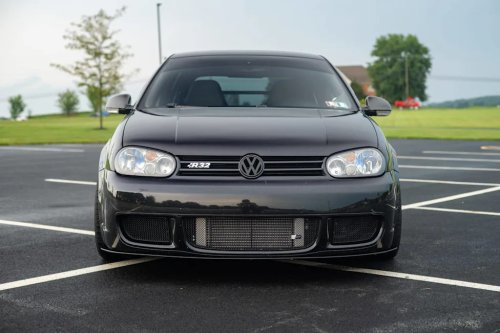
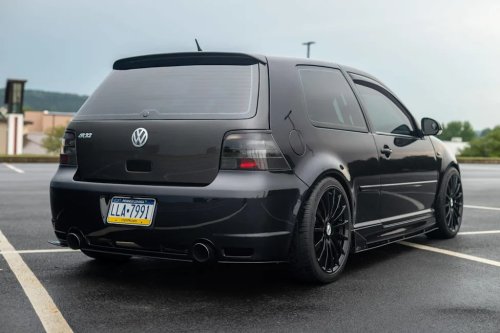
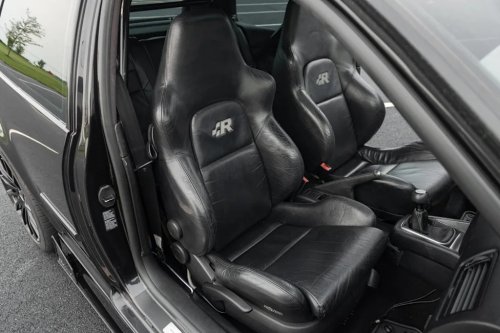
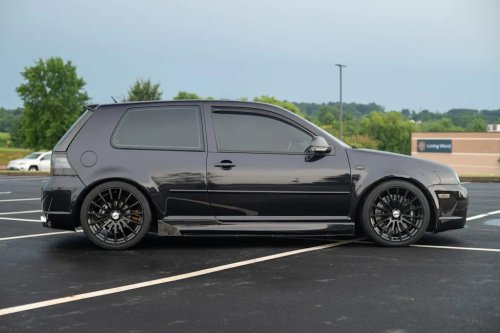
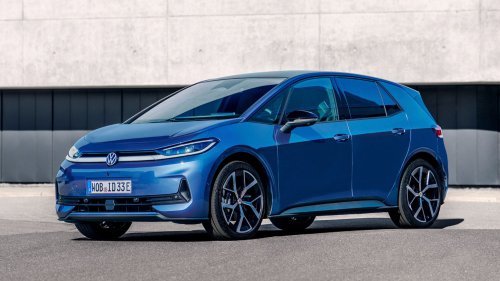
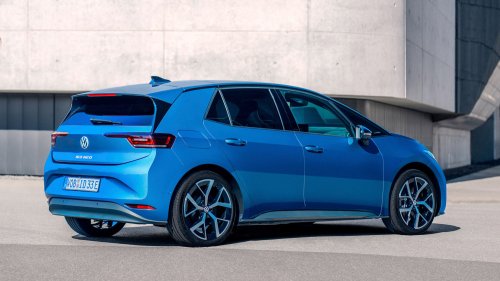
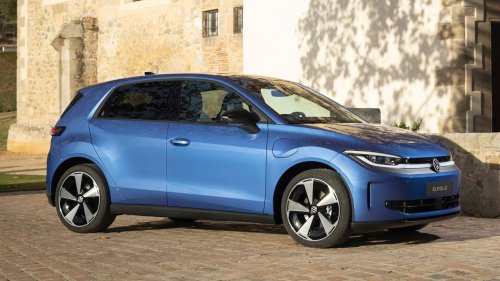
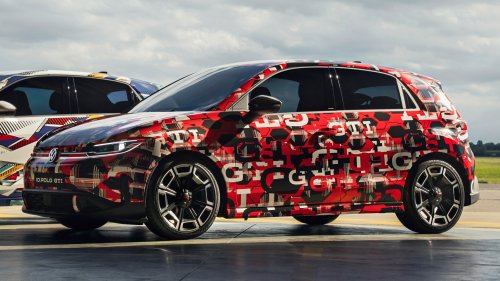
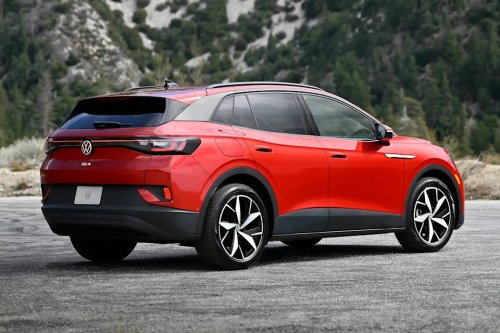
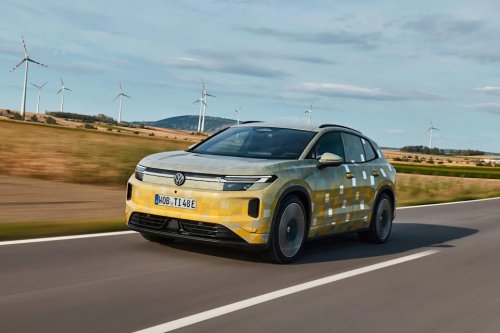
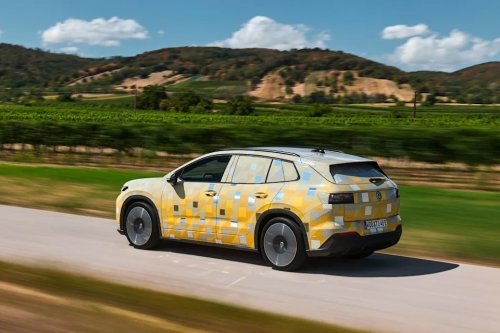
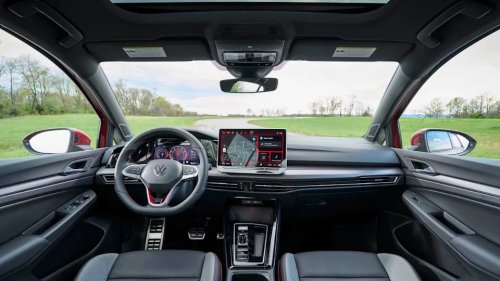
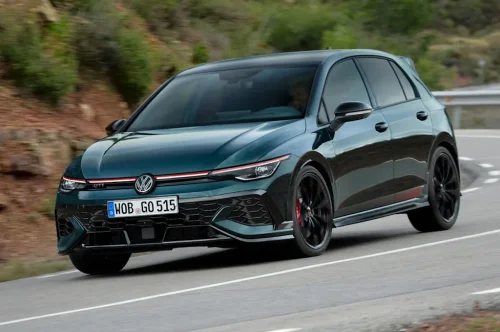
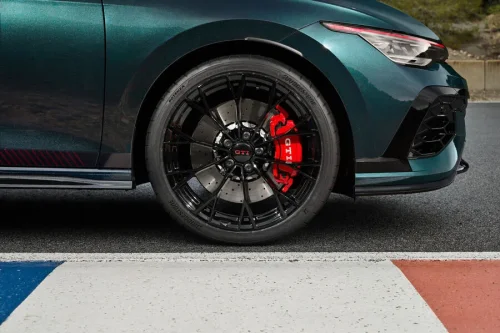
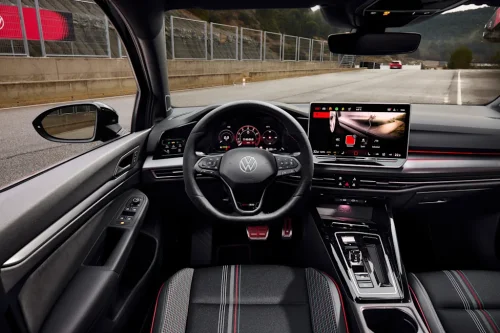
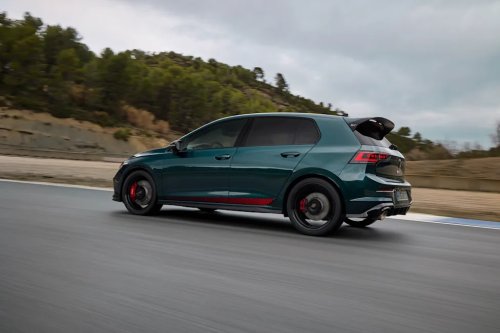
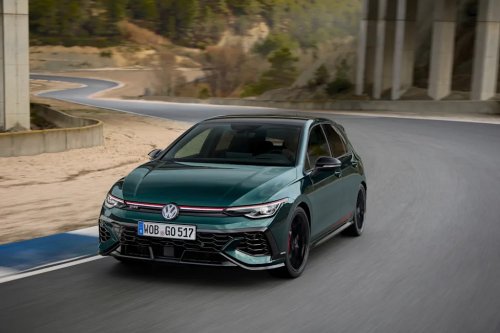
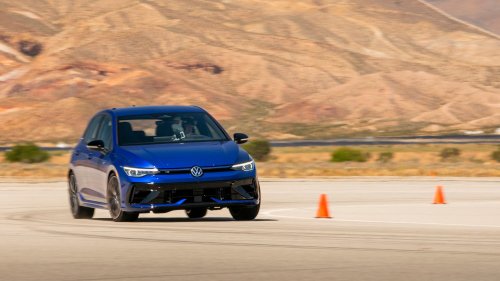
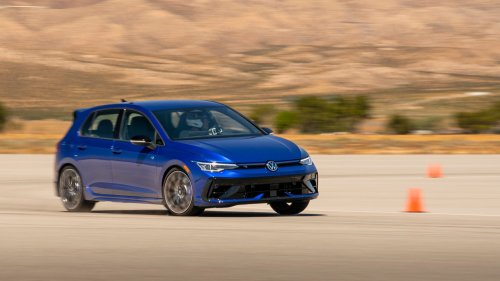
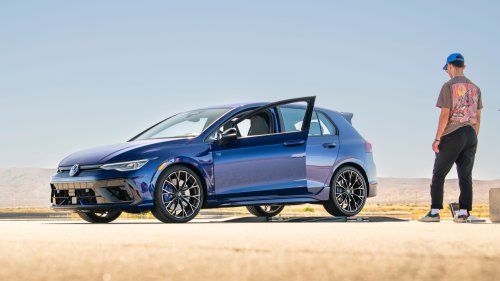
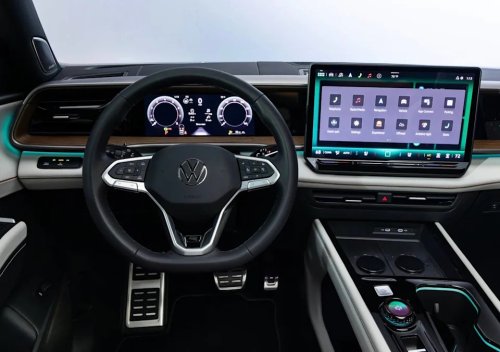
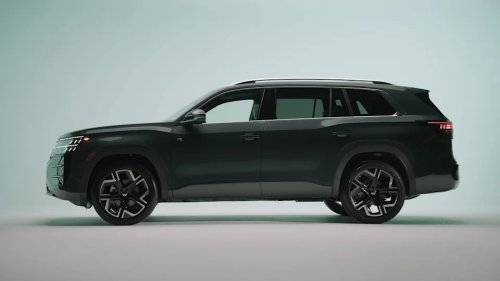
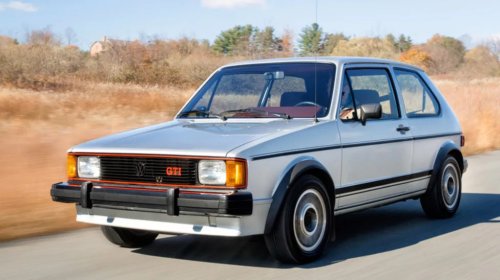
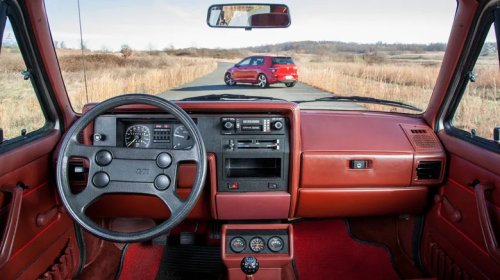
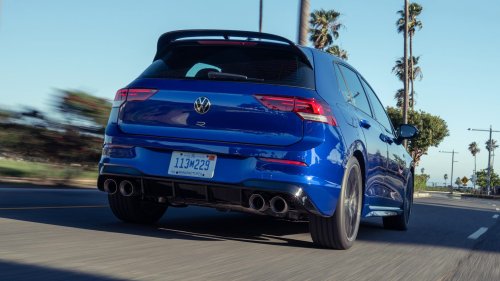
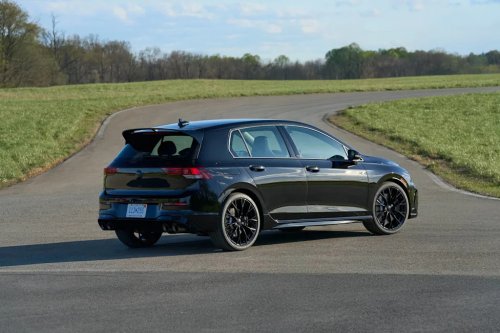
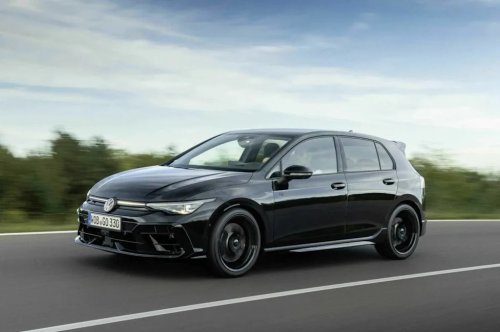
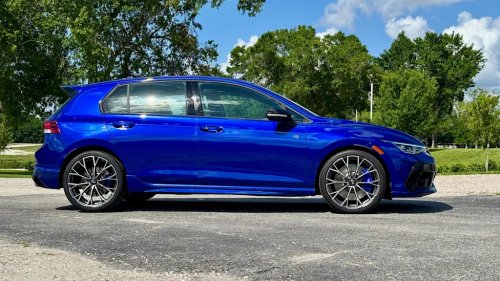
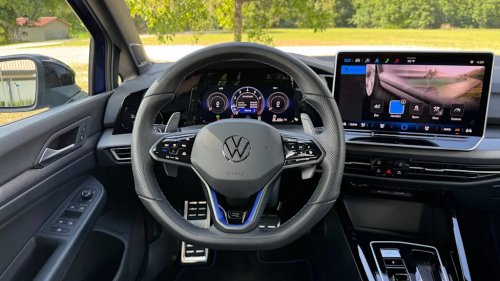
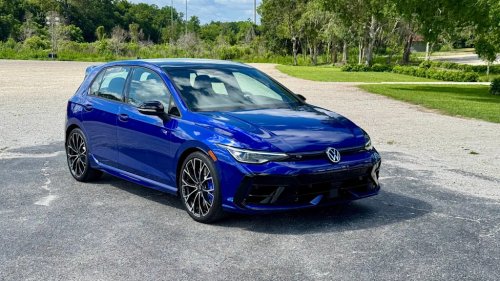
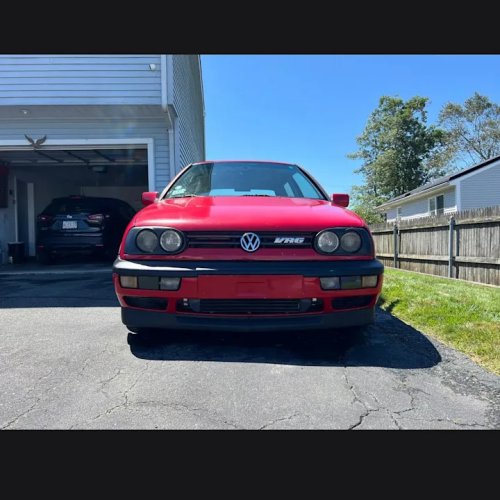
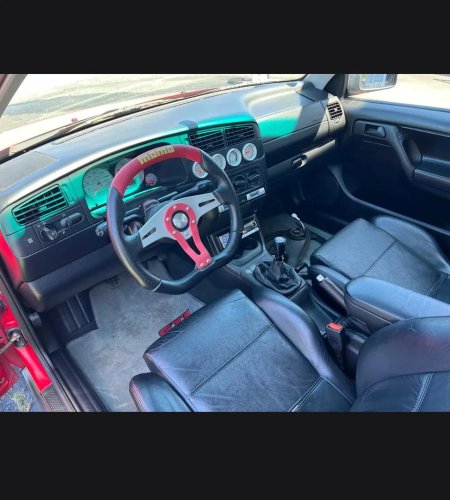
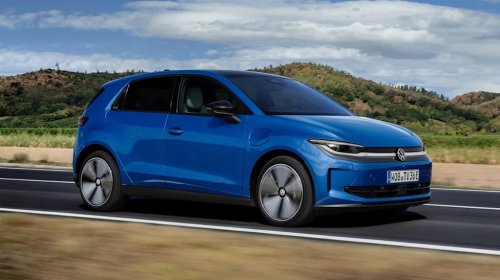
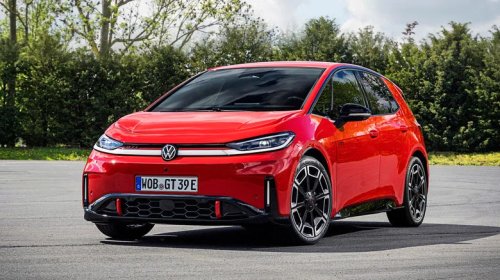
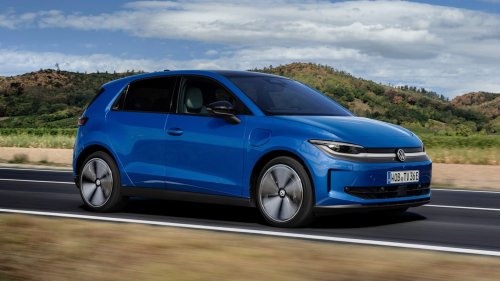
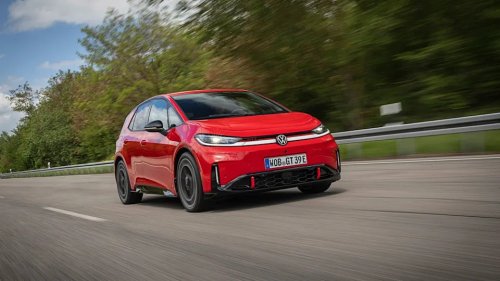
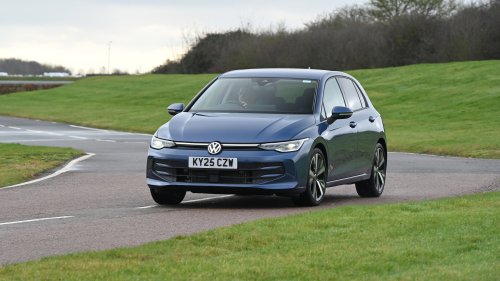
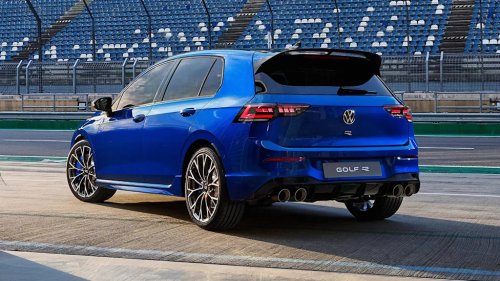
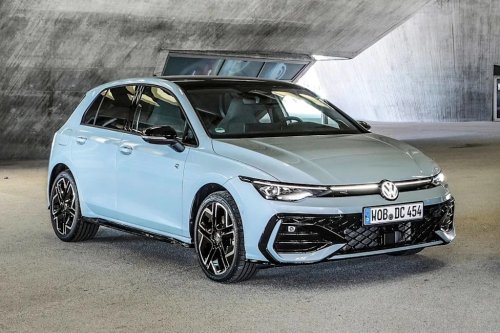
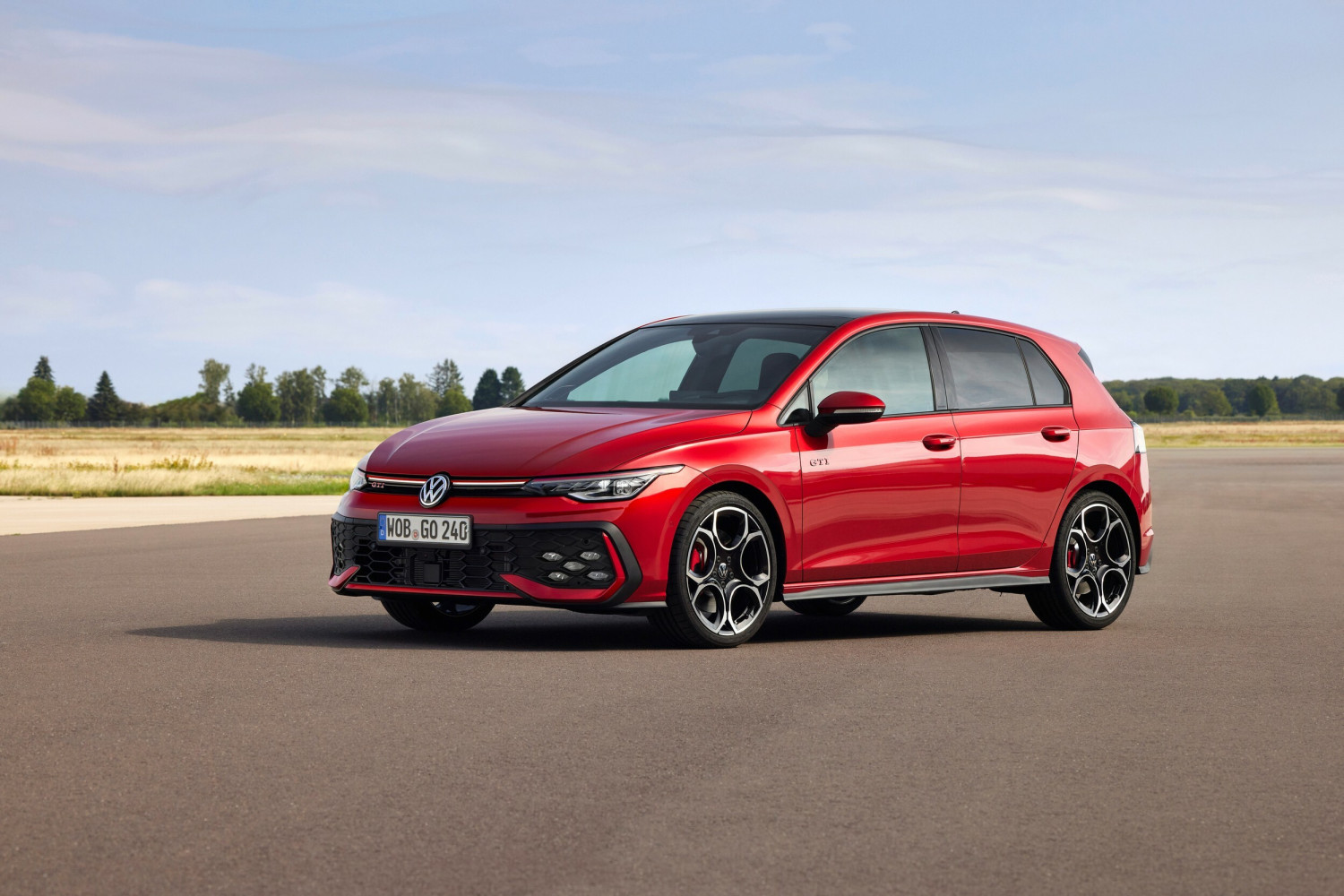
Volkswagen Golf production is moving to Mexico starting next year. Shift opens up the possibility that the base model could return to America. Executive suggested tariffs will ultimately determine what happens. Two years ago, Volkswagen confirmed production of the Golf and Golf Estate would move to Mexico in 2027. The automaker also announced plans to build an electric Golf, in Germany, towards the end of the decade. As those dates are approaching, we’re starting to learn more about the next-generation model and it sounds like good news for Americans. In particular, the move to Mexico could pave the way for the return of the base model. More: VW Confirms More Than 35,000 Job Cuts In Germany, Golf Production Moving To Mexico Speaking to Auto News, Volkswagen Group of America CEO Kjell Gruner said “Producing it in North America opens up opportunities for other Golf variants.” This would be a welcome change as the current model is offered exclusively in GTI and R guise in the United States. Both are pretty slick, but the GTI starts at $34,590 and the Golf R will set you back $49,455. For comparison, the Mazda3 Hatchback begins at $25,650, while the Honda Civic Hatchback costs $27,895. The publication noted the base Golf exited America after the 2021 model year, but its return isn’t guaranteed. As Gruner explained, it really comes down to politics as a “25% tariff for an entry version of the Golf would turn out to be difficult.” However, if the tariff was lowered to 15% – which would be similar to automotive tariffs applied to other countries – it would help Volkswagen and other automakers. That’s effectively putting the ball in Washington’s court, but automakers are undoubtedly awaiting the outcome of the United States-Mexico-Canada Agreement review. Early signs haven’t been good as reports have suggested the Trump administration wants to increase the required North American parts content from 75% to 82%, and ensure at least 50% of that value would come from the United States. That would effectively screw over Canada and drive up costs for both consumers and producers.



















 +36 others