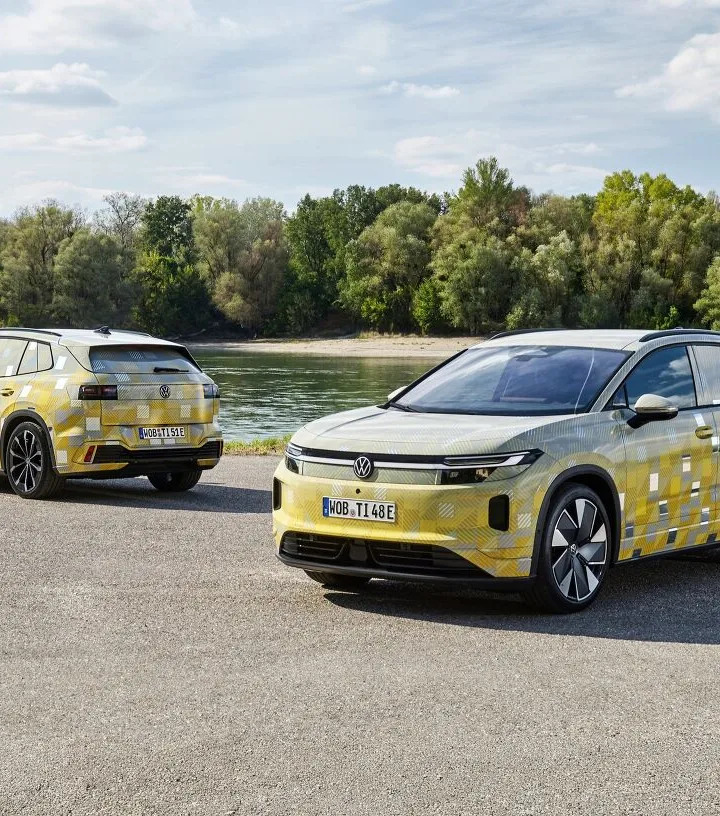
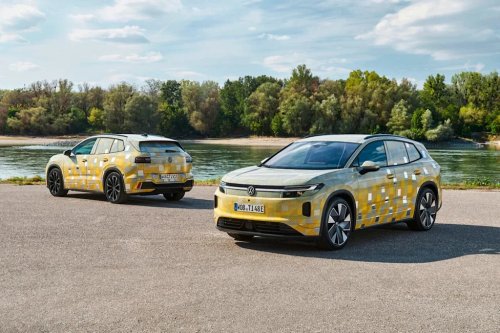
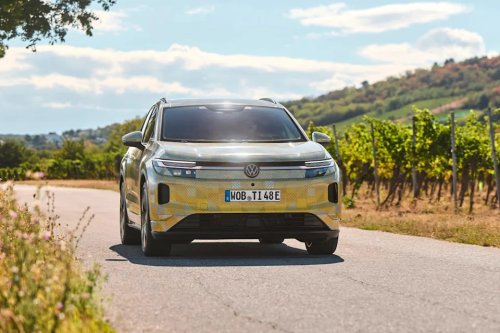
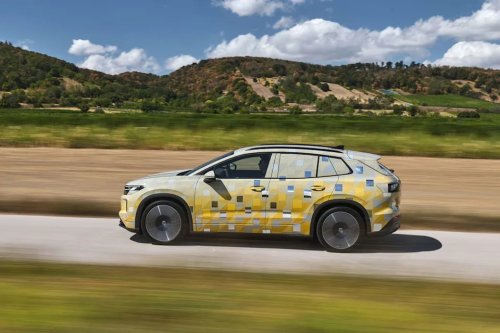
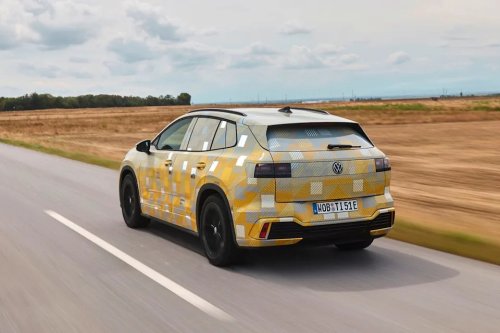
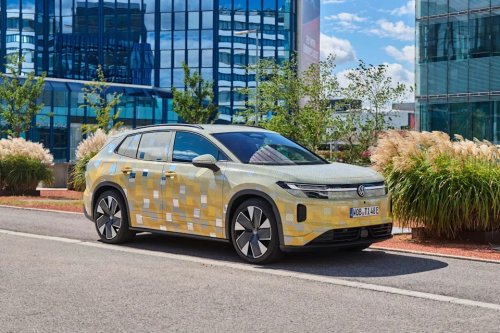
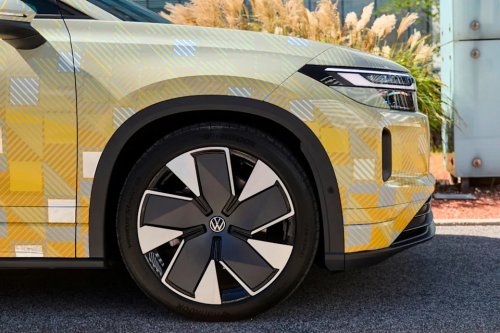
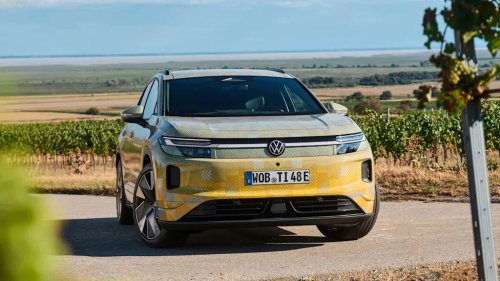
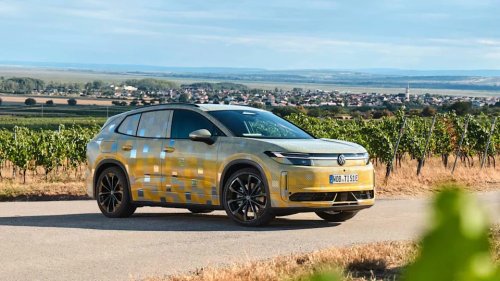
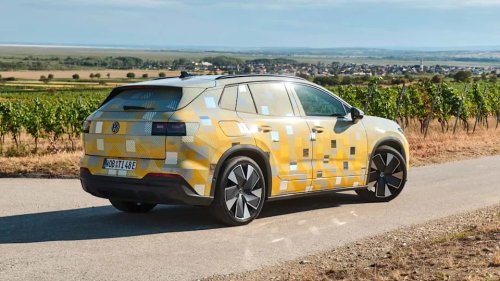
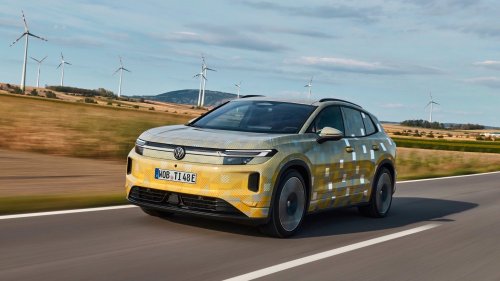
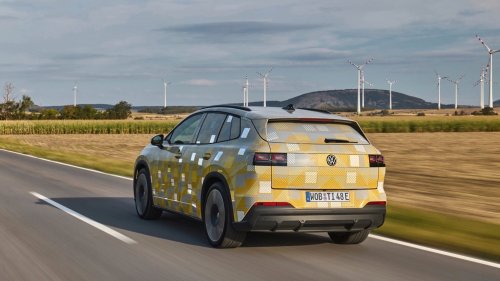
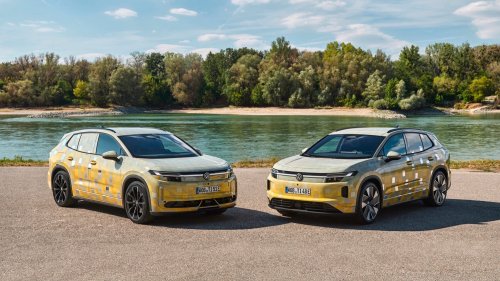
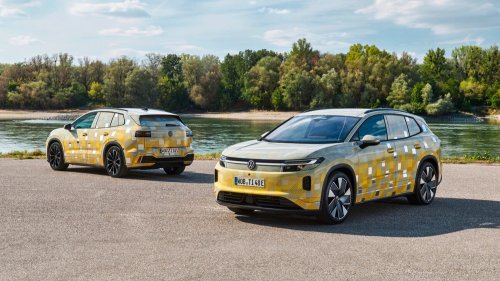
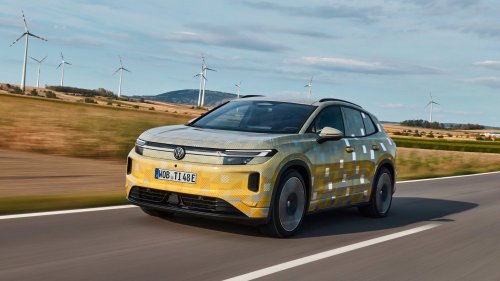
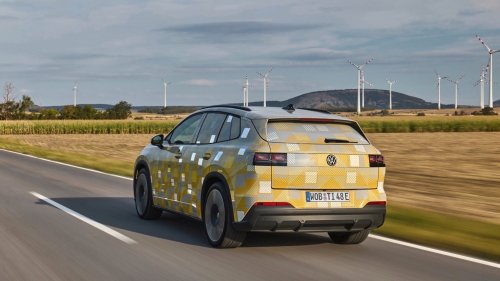
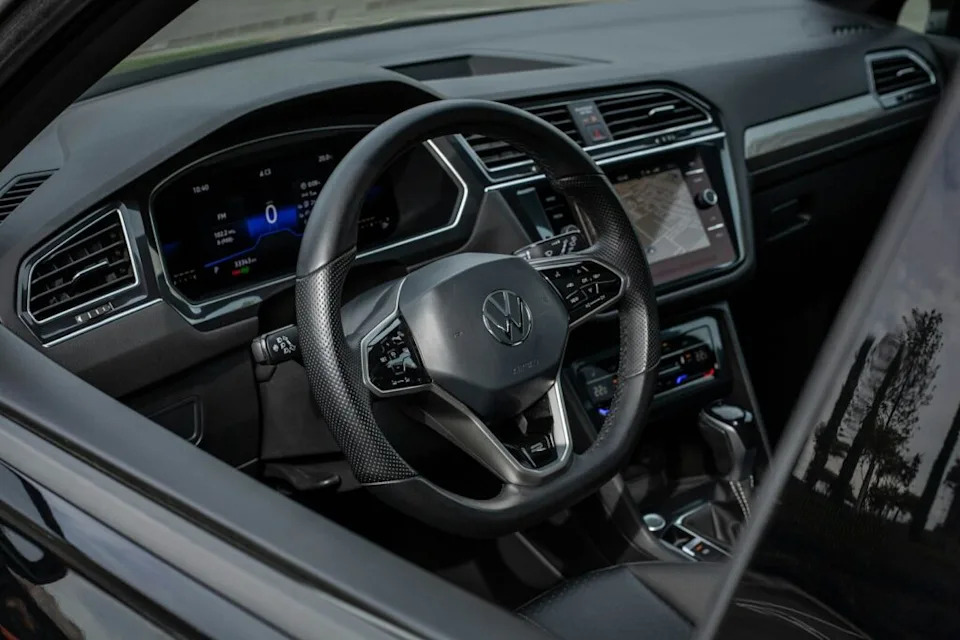
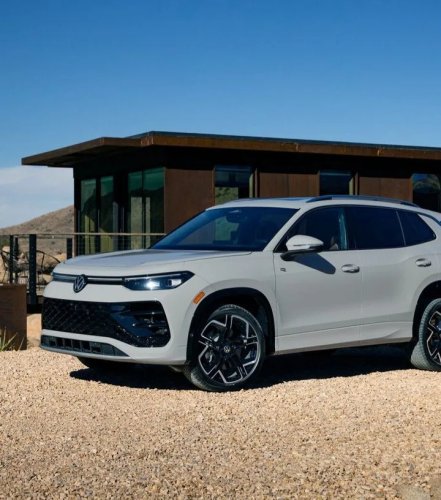
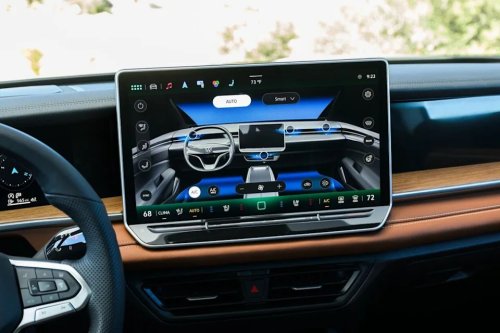
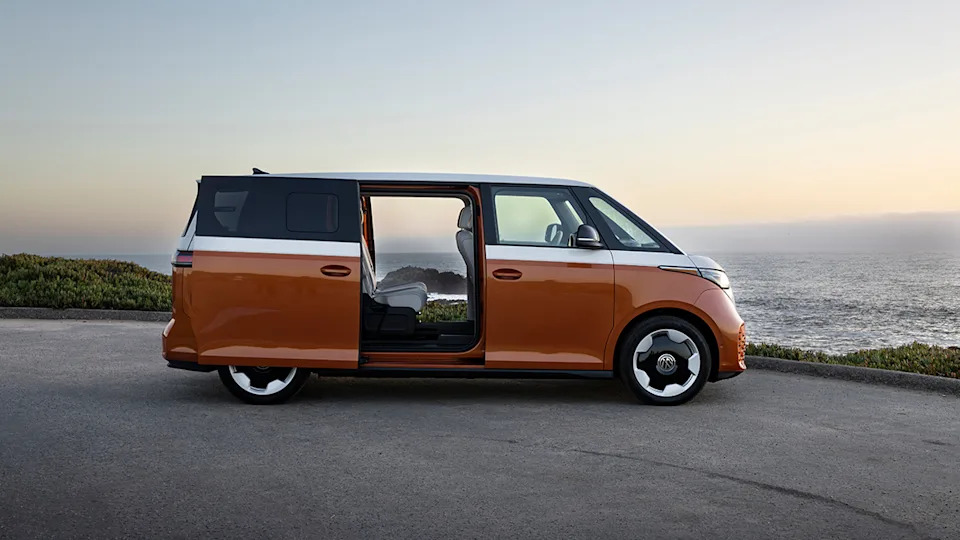
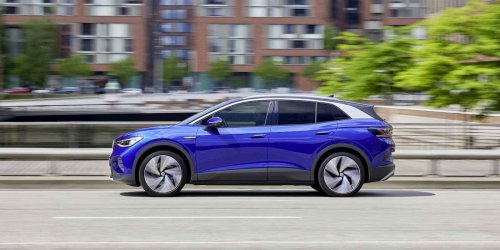
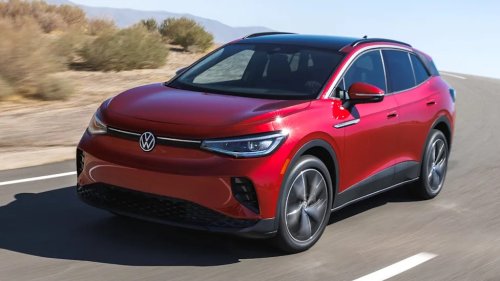
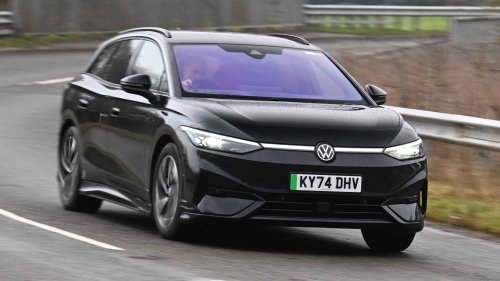
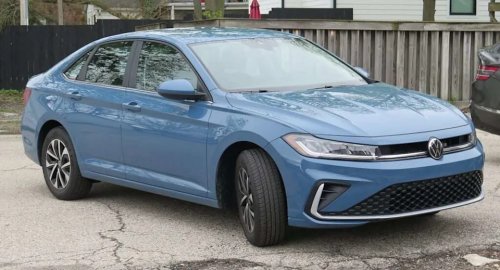
Symbolic imageImage: VolkswagenPut simply, an API (Application Programming Interface) acts as an “interpreter” between two software applications and enables them to exchange data. In Volkswagen’s case, this means that programmes such as charging management software or smart home systems can access vehicle data — for example the battery’s state of charge — without needing direct access to the vehicle’s full onboard computer system.The change to Volkswagen’s APIs for its ID. family of electric vehicles, announced in early April and implemented in calendar week 21 (18–24 May), has significant implications. The announcement stated that the existing “Brand App Interface” would be closed to external access from this point onward.As a result, users of the API across Volkswagen, Audi, Cupra and Škoda vehicles can no longer use it in their applications at short notice. While some users may tolerate losing access to battery state-of-charge data in third-party apps, the consequences are more serious for customers who relied on the API to manage surplus charging from home photovoltaic systems. This particularly affects users of EVCC (Electric Vehicle Charge Controller) smart charging software.It appears Volkswagen aims to restrict the unregulated use of its APIs with this move. The company also stated that ten charging data providers had already integrated the new interface by 2 April. This essentially means that Volkswagen will only grant access to such APIs to official partner companies in future, no longer supporting open-source solutions.The move mirrors a similar step taken by BMW last year. In September 2025, the German carmaker sharply restricted the use of unofficial interfaces created through reverse engineering. Citing data security and vehicle protection, BMW blocked automated integrations with third-party solutions such as the widely used Home Assistant integration.Since then, access to vehicle data has only been available through official commercial partnerships, including aggregators such as Volteras and specialised energy service providers like clever-PV, which focuses on surplus charging.Volkswagen is now taking the same step by introducing mandatory partnerships: the end of unofficial DIY solutions in favour of a controlled, exclusive data ecosystem. Two of the companies that have already announced partnerships with Volkswagen, as with BMW, are clever-PV and Volteras.drivesomethinggreater.com (VW announcement; in German), heise.de, volteras.com (BMW)
























![Volkswagen, Volkswagen ID.4, Volkswagen ID.5, Volkswagen's best-seller is going electric in 2027 to replace the ID.4 and ID.5 [Images]](https://cdn.topcarnews.net/thumb/id/aHR0cHM6Ly9pMC53cC5jb20vZWxlY3Ry-ZWsuY28vd3AtY29udGVudC91cGxvYWRz-L3NpdGVzLzMvMjAyNi8wOS9Wb2xrc3dh-Z2VuLUlELVRpZ3Vhbi1JRC00LmpwZWc_-dz0xNTAwJmFtcDtxdWFsaXR5PTgyJmFt-cDtzdHJpcD1hbGwmYW1wO3NzbD0x/aed2aa2870791850c8e69c5fc3a0ed85.jpeg?t=20261005&post_id=66267)
![Volkswagen, Volkswagen ID.4, Volkswagen ID.5, Volkswagen's best-seller is going electric in 2027 to replace the ID.4 and ID.5 [Images]](https://cdn.topcarnews.net/thumb/id/aHR0cHM6Ly9lbGVjdHJlay5jby93cC1j-b250ZW50L3VwbG9hZHMvc2l0ZXMvMy8y-MDI2LzA5L1ZvbGtzd2FnZW4tSUQtVGln-dWFuLUlELTQtZnJvbnQtcXVhcnRlci5q-cGc_c3RyaXA9aW5mbyZhbXA7dz0xMDI0/97fb00cd3919b8d0dc36440715039e6e.jpg?t=20261005&post_id=66267)
![Volkswagen, Volkswagen ID.4, Volkswagen ID.5, Volkswagen's best-seller is going electric in 2027 to replace the ID.4 and ID.5 [Images]](https://cdn.topcarnews.net/thumb/id/aHR0cHM6Ly9lbGVjdHJlay5jby93cC1j-b250ZW50L3VwbG9hZHMvc2l0ZXMvMy8y-MDI2LzA5L1ZvbGtzd2FnZW4tSUQtVGln-dWFuLUlELTQtc2lkZS5qcGc_c3RyaXA9-aW5mbyZhbXA7dz0xMDI0/ed240b20e8275f3af4b904f46ebb5fb3.jpg?t=20261005&post_id=66267)
![Volkswagen, Volkswagen ID.4, Volkswagen ID.5, Volkswagen's best-seller is going electric in 2027 to replace the ID.4 and ID.5 [Images]](https://cdn.topcarnews.net/thumb/id/aHR0cHM6Ly9lbGVjdHJlay5jby93cC1j-b250ZW50L3VwbG9hZHMvc2l0ZXMvMy8y-MDI2LzA5L1ZvbGtzd2FnZW4tSUQtVGln-dWFuLUlELTQtcmVhci1xdWFydGVyLmpw-Zz9zdHJpcD1pbmZvJmFtcDt3PTEwMjQ/436c7979cf5b947053f7f0bf39ff94bc.jpg?t=20261005&post_id=66267)
![Volkswagen, Volkswagen ID.4, Volkswagen ID.5, Volkswagen's best-seller is going electric in 2027 to replace the ID.4 and ID.5 [Images]](https://cdn.topcarnews.net/thumb/id/aHR0cHM6Ly9lbGVjdHJlay5jby93cC1j-b250ZW50L3VwbG9hZHMvc2l0ZXMvMy8y-MDI2LzA5L1ZvbGtzd2FnZW4tSUQtVGln-dWFuLUlELTQtZnJvbnQuanBnP3N0cmlw-PWluZm8mYW1wO3c9MTAyNA/ec2e4ca027ccbfb42942abe523f3acf7.jpg?t=20261005&post_id=66267)
![Volkswagen, Volkswagen ID.4, Volkswagen ID.5, Volkswagen's best-seller is going electric in 2027 to replace the ID.4 and ID.5 [Images]](https://cdn.topcarnews.net/thumb/id/aHR0cHM6Ly9lbGVjdHJlay5jby93cC1j-b250ZW50L3VwbG9hZHMvc2l0ZXMvMy8y-MDI2LzA5L1ZvbGtzd2FnZW4tSUQtVGln-dWFuLUlELTQtcmVhci5qcGc_c3RyaXA9-aW5mbyZhbXA7dz0xMDI0/668525889dc433b0fd0e166fd5bd8366.jpg?t=20261005&post_id=66267)