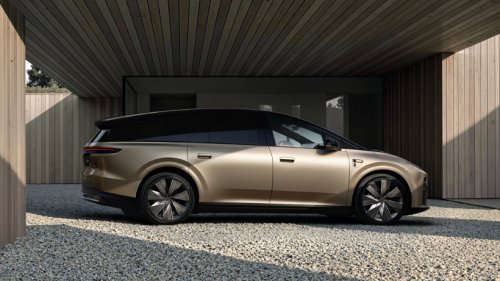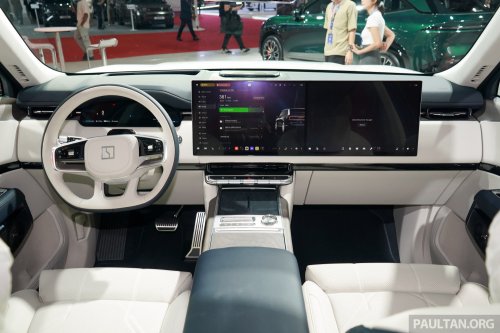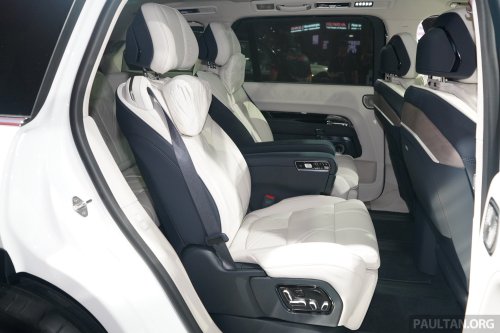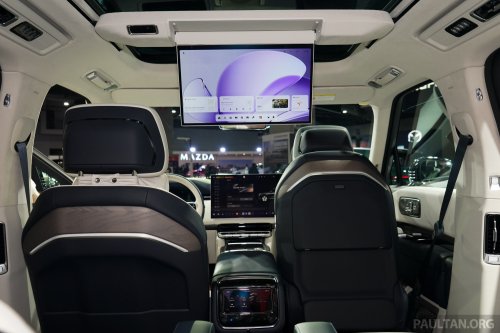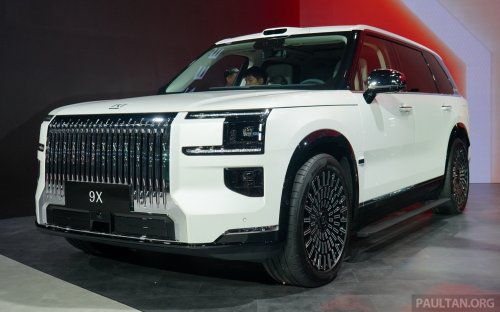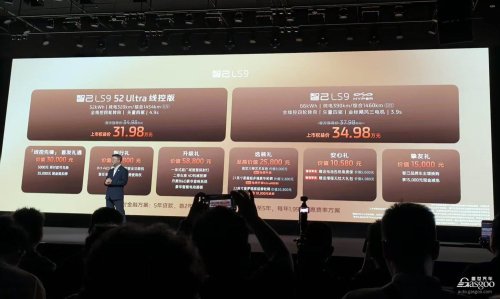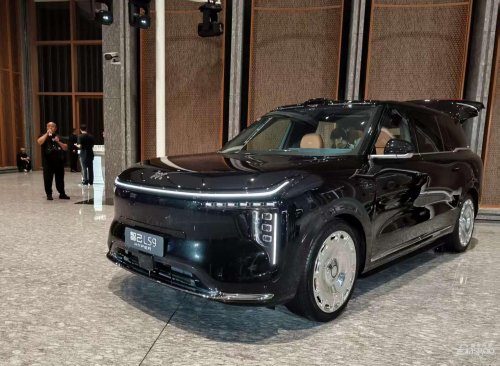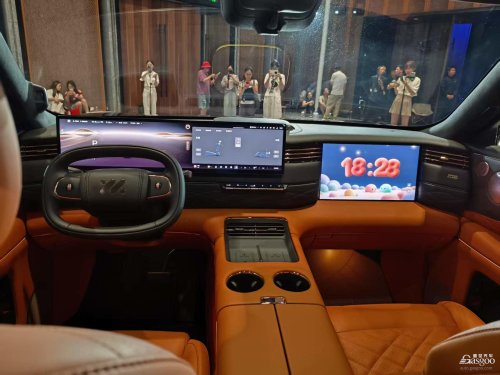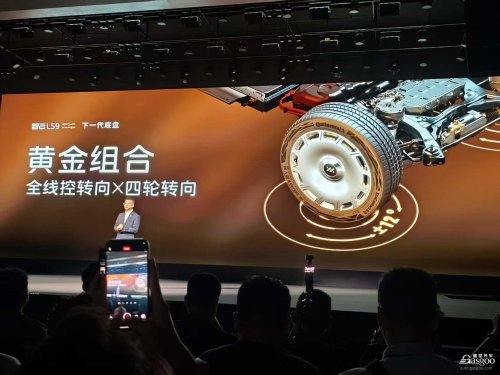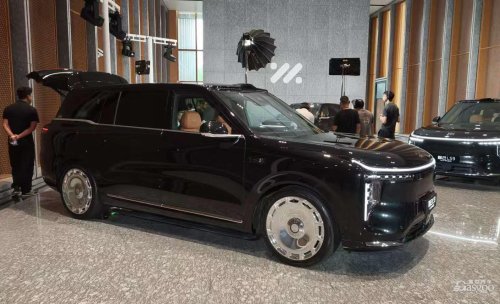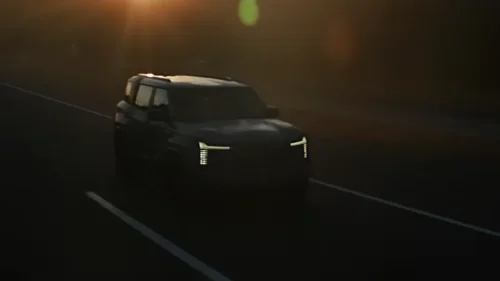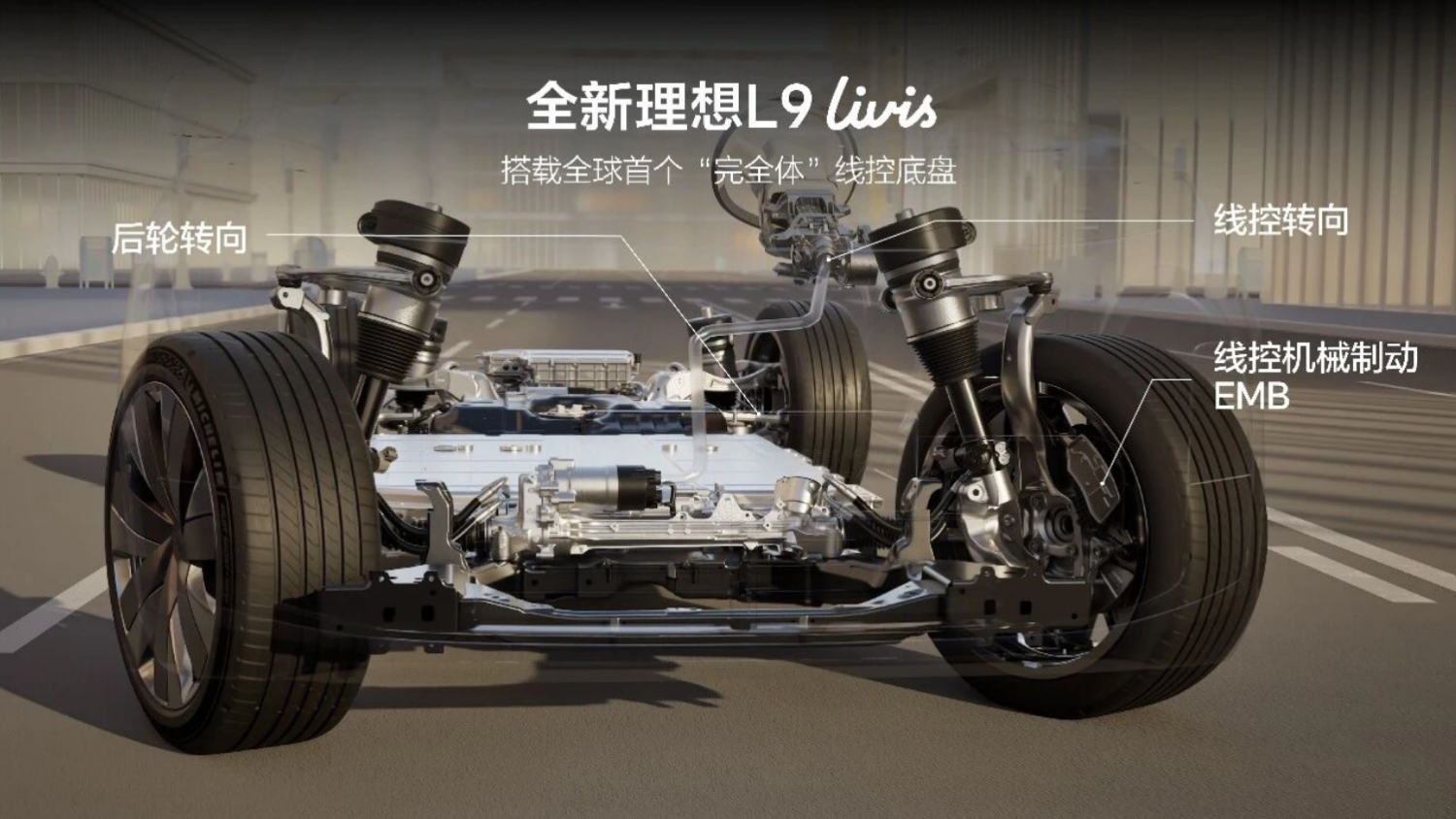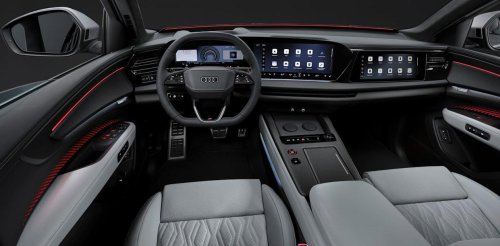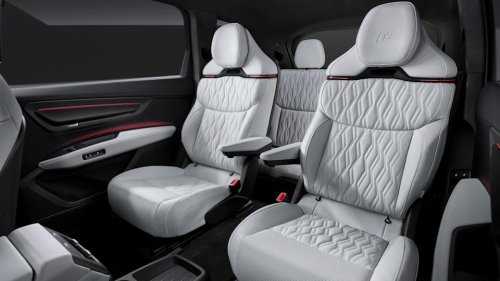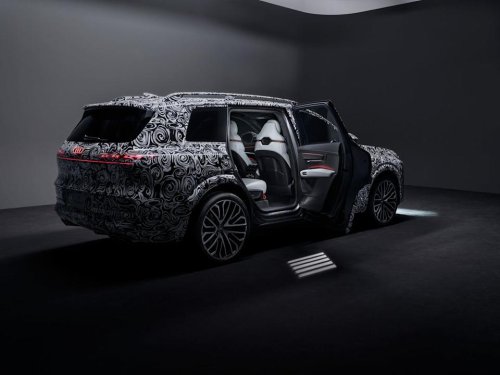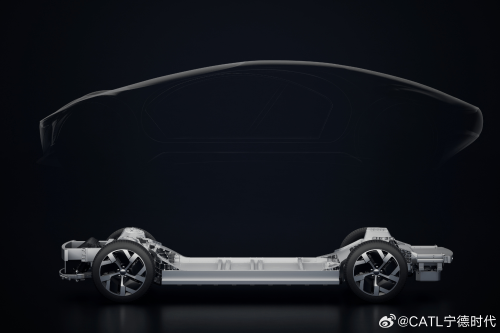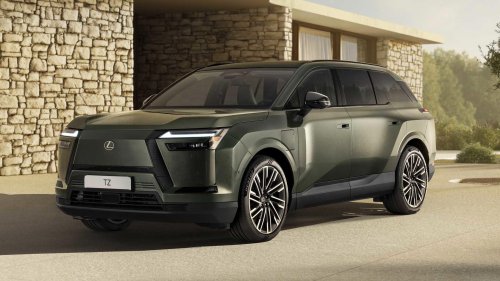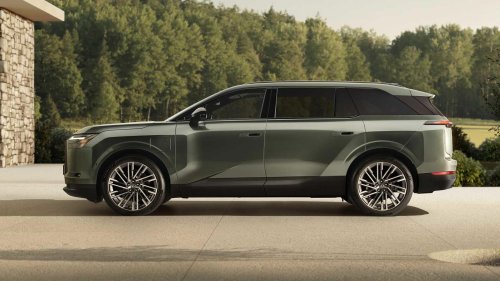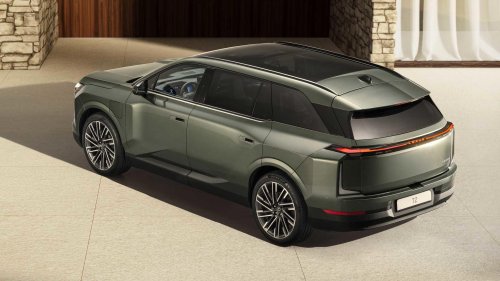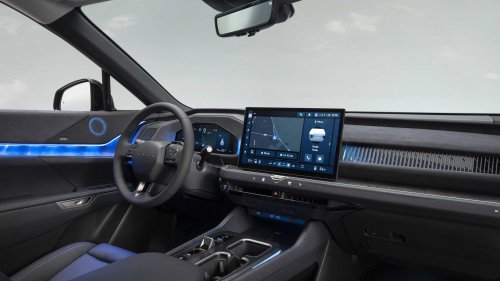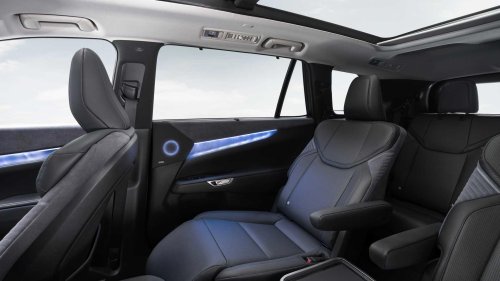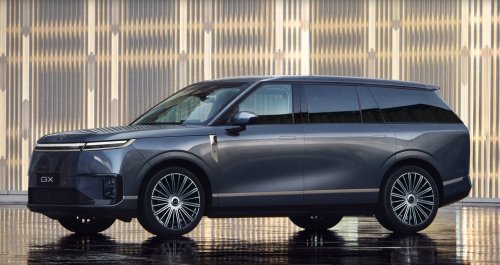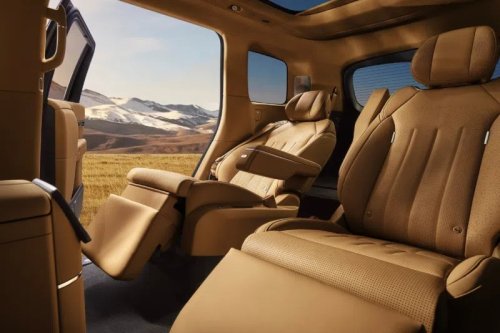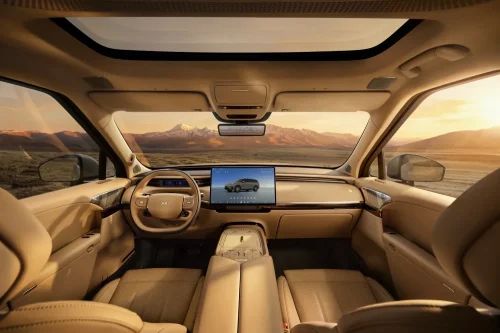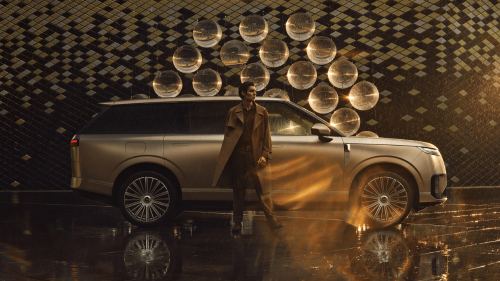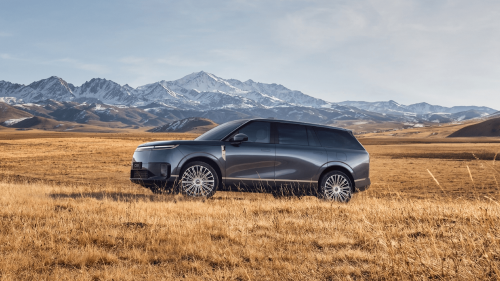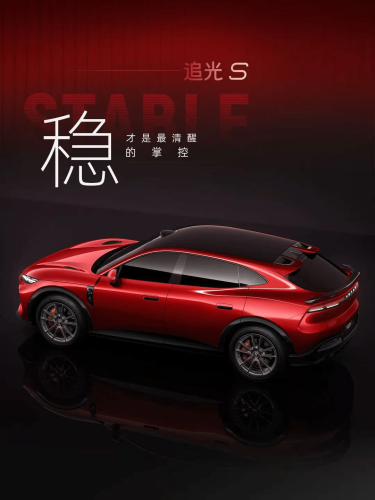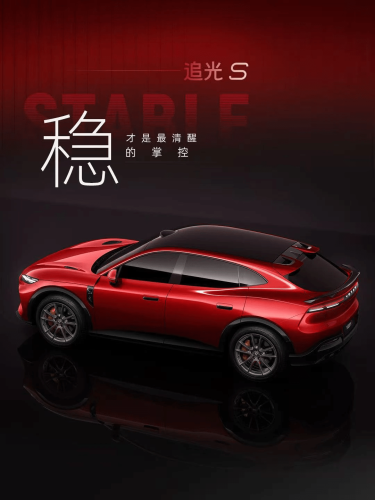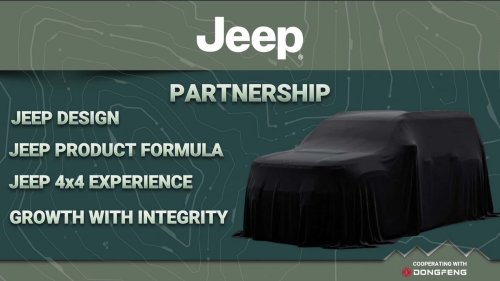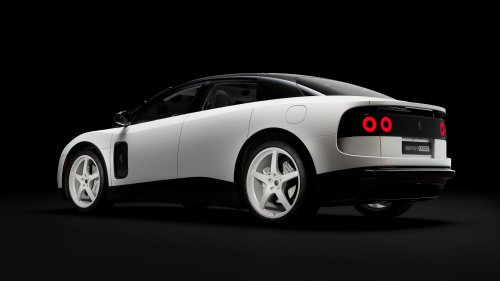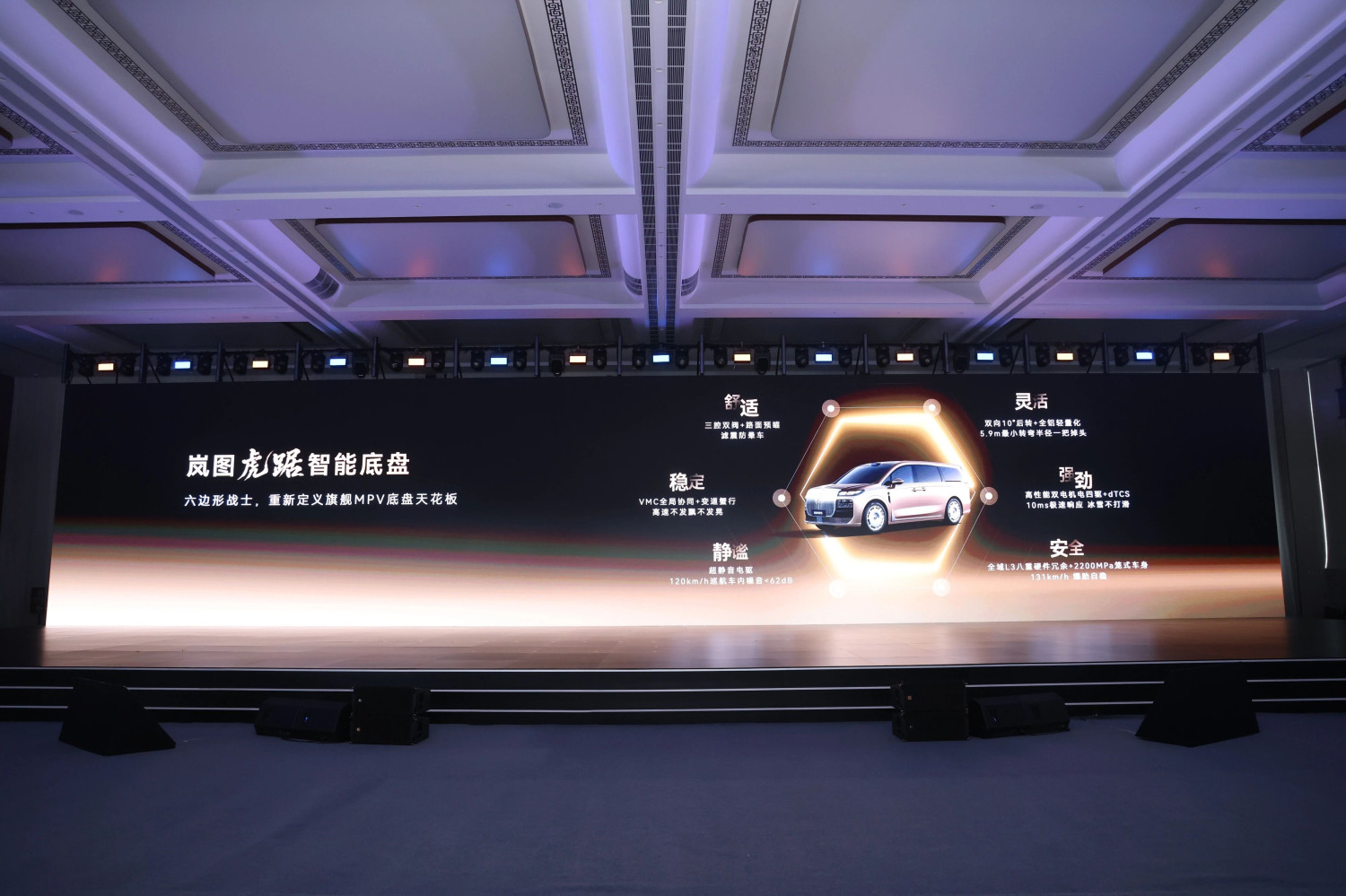
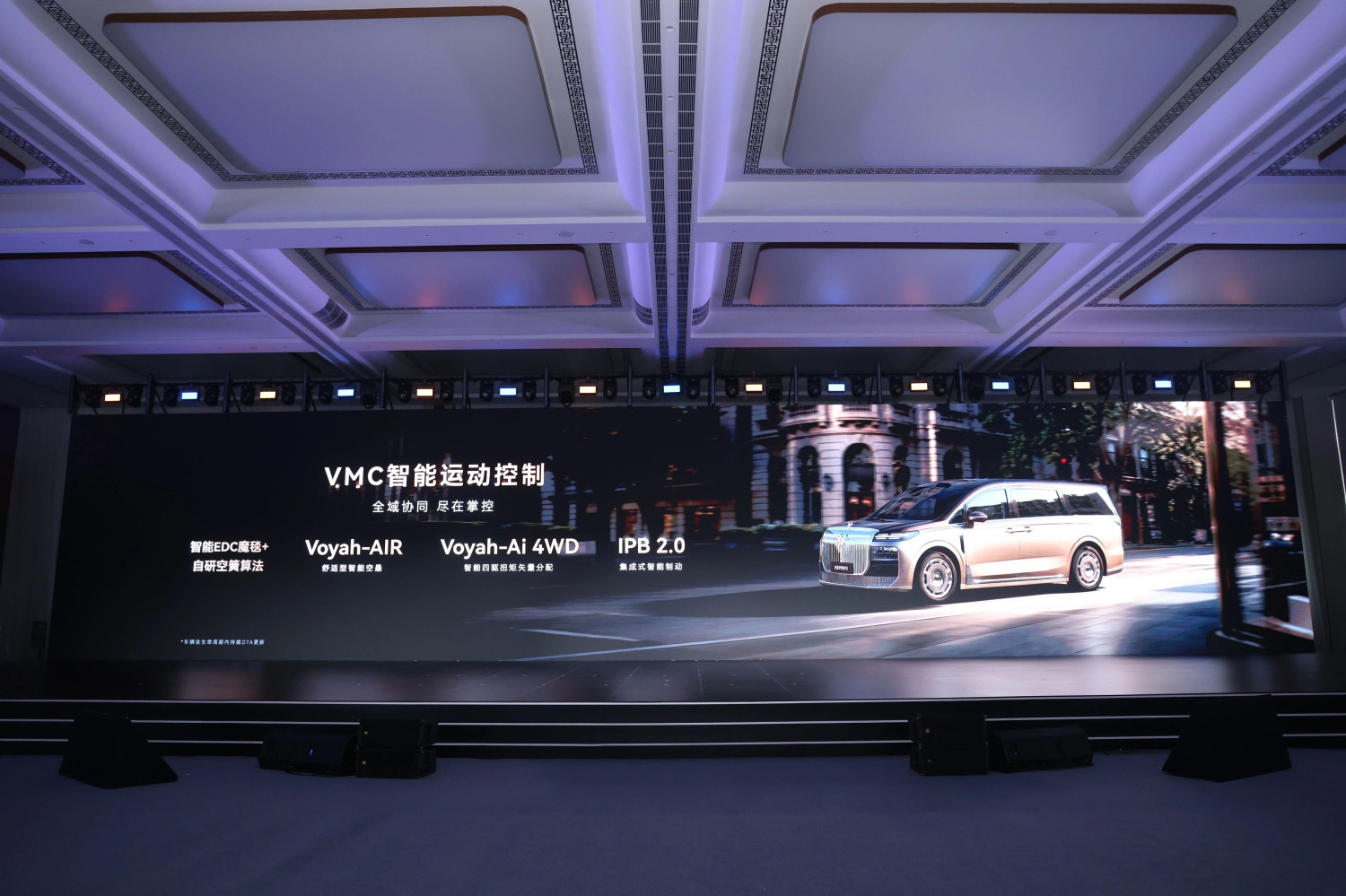
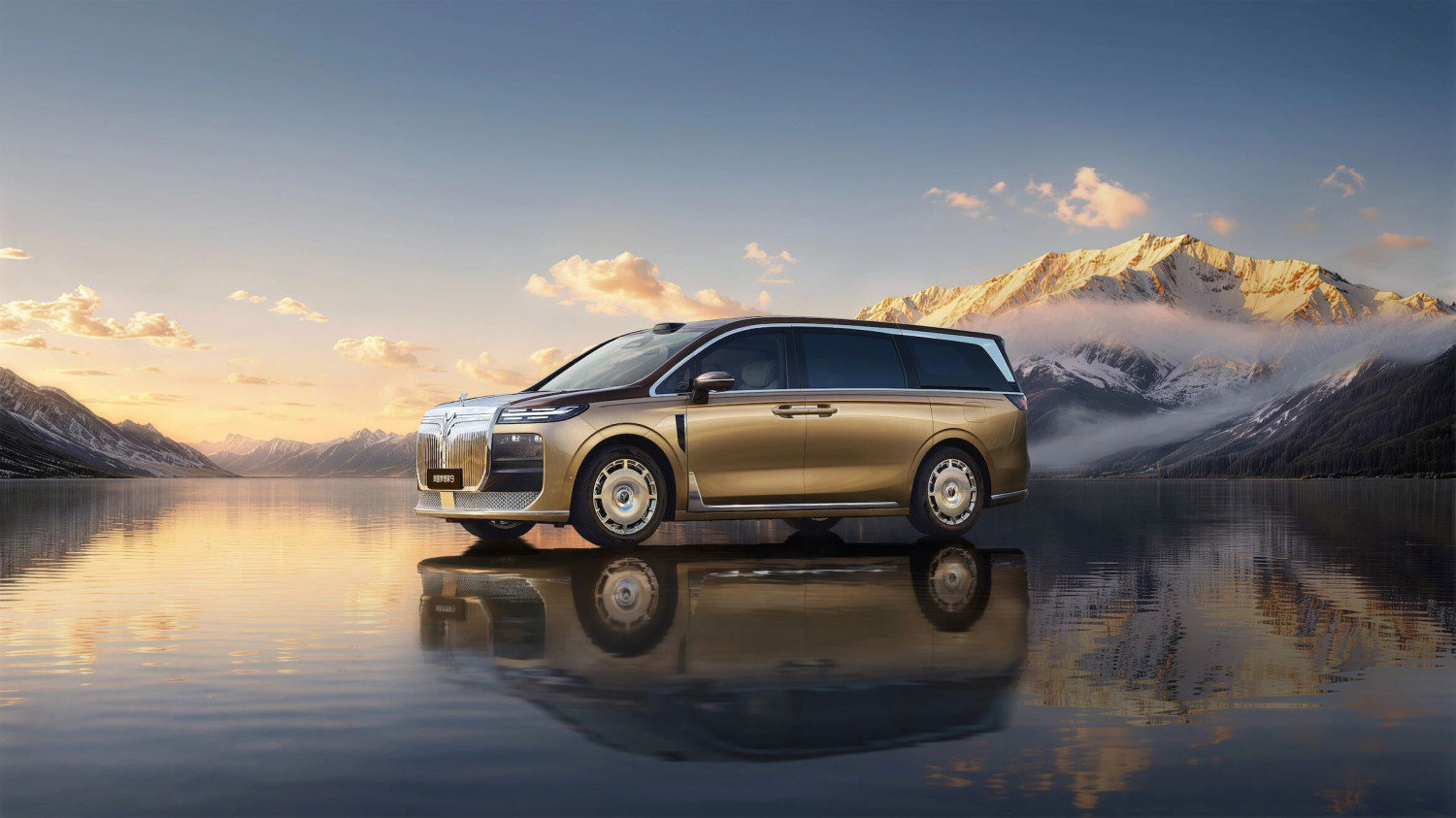

















Gasgoo Munich- VOYAH, a new energy vehicle brand under Dongfeng Motor, unveiled its Huju P (P stands for Premium), intelligent chassis system on September 15 during Dongfeng Motor Group Technology Week and a technical event dedicated to VOYAH's Huju chassis technology. The system will make its production debut on the new flagship VOYAH Dreamer 9 MPV, which is scheduled to hit the market on September 22.Image source: VOYAHThe Huju P is the flagship MPV-focused member of VOYAH's Huju intelligent chassis portfolio. The existing Huju A, or Allroad, and Huju D, or Dynamic, systems are used respectively on the VOYAH Taishan series and Passion S, with the former emphasizing all-terrain capability and the latter focusing on dynamic handling.According to VOYAH, the Huju P uses front double-wishbone and rear five-link independent suspension, together with three-chamber air springs and dual-valve electronically controlled dampers. Aluminum alloy accounts for more than 90% of the chassis's principal load-bearing components.The three-chamber air springs provide four physical stiffness settings across a 65% adjustment range, primarily to maintain the vehicle's body posture under heavy or full loads. The dual-valve EDC dampers independently manage compression and rebound damping, while the air springs handle load support and stiffness adjustment.VOYAH said the aluminum chassis structure can reduce unsprung mass by about 30%, although the company has not disclosed the specific benchmark used for that comparison.The Huju P features rear-wheel steering with up to 10 degrees of movement in either direction, as well as a dual-motor redundant electric power steering system. VOYAH said rear-wheel steering reduces the turning diameter by one meter and gives the vehicle a minimum turning radius of 5.9 meters, improving maneuverability on urban roads and in parking areas.The braking setup combines a second-generation IPB 2.0 integrated braking system with an independent RBU hydraulic circuit, front dual-piston calipers and large ventilated brake discs. VOYAH reported a stopping distance in the 36-meter range from 100 km/h. It also said IPB 2.0 reduces forward pitching under braking by 35%, without specifying the test conditions or comparison vehicle.The Huju P is based on an 800-volt electrical architecture and supports dual-motor powertrains. Depending on the application, combined output can reach 560 kW, while the battery-electric version delivers up to 475 kW. VOYAH said the system can maintain power delivery at 130 km/h and keep cabin noise below 62 dB when the vehicle is cruising at 120 km/h.The chassis also incorporates a forward road-preview function that scans and models the surface up to 15 meters ahead. It can adjust the suspension in advance of changing road conditions, with scanning and calculations performed 100 times per second.Image source: VOYAHA VMC intelligent chassis domain controller integrates the suspension, braking, steering and electric drive systems on a single control platform. It coordinates the vehicle's lateral, longitudinal and vertical dynamics.VOYAH said a test vehicle equipped with the Huju P completed a moose test conducted by the China Automotive Technology and Research Center at more than 80.5 km/h. In a separate test involving a single-tire blowout on an icy surface in extreme cold, the system reportedly helped stabilize the vehicle at 131 km/h. The complete test conditions have not been disclosed, meaning the results would need to be assessed alongside factors such as vehicle load, tire condition and test-site conditions.To support advanced driver assistance and conditionally automated driving, the Huju P includes interfaces for chassis-by-wire systems and redundancy across perception, computing, braking, steering, power supply, communications, human-machine interaction and positioning.The braking system uses separate IPB and RBU hydraulic circuits, while the electric power steering architecture incorporates two chips and two motors. If the primary system fails, the backup system can assume the corresponding functions. According to VOYAH, the Huju P underwent one million virtual simulations and vehicle validation across more than 20 road conditions during development. Image source: VOYAHAs large new energy MPVs increase in size, curb weight and driver-assistance capability, their chassis systems must balance load capacity, ride comfort, handling and functional safety. The Huju P's real-world performance will become clearer after the Dreamer 9 enters the market and reaches customers.