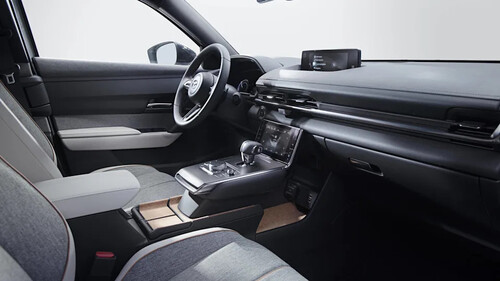
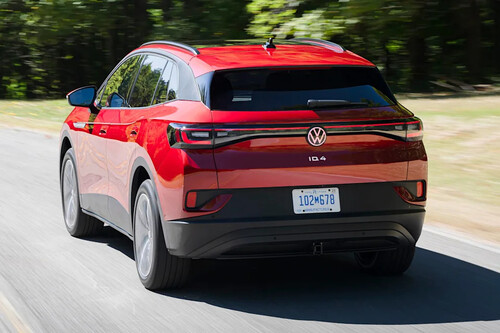
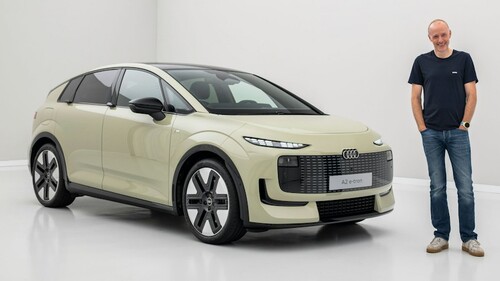
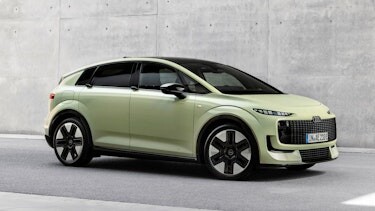
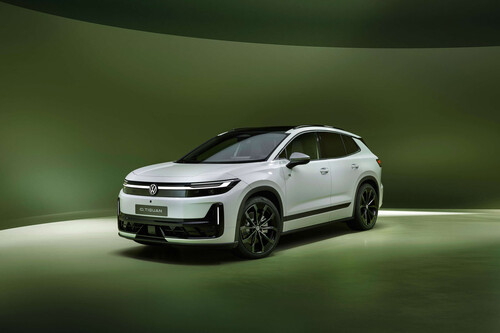
Photo Courtesy: Volkswagen.Volkswagen Group owners who rely on third-party apps to control and monitor their vehicles are suddenly facing a frustrating new reality. The automaker appears to have disabled access to its CarNet API, cutting off independent software that allowed deeper vehicle integration than Volkswagen's own official apps provide.The change affects users of Volkswagen Group brands including VW, Audi, Škoda, and Cupra. Owners using tools like Home Assistant and openWB began reporting connection failures on May 27, while official automaker apps continued working normally.For most drivers, this may sound like a niche software dispute. For tech-focused EV owners, however, the shutdown removes features they used daily to manage charging, automate cabin preconditioning, and integrate their vehicles into home-energy systems.AdvertisementAdvertisementThe main issue is control. As vehicles become increasingly software-defined, owners are asking whether the data generated by their own cars should remain accessible to them, or whether automakers can lock that information behind official apps and paid business agreements.What Owners LostImage Credit: Volkswagen.Through third-party integrations, owners could build advanced automations that Volkswagen's official apps generally do not support. EV drivers could set it up to charge only when rooftop solar panels produced surplus electricity or when dynamic energy pricing reached its cheapest point.Users could also create custom alerts for charging failures, monitor real-time charging power, adjust charging current, and trigger cabin heating or cooling based on weather, calendar events, or location.For smart-home enthusiasts, these integrations made the vehicle part of a larger connected ecosystem. A car arriving home could trigger garage, lighting, heating, or charging routines without relying on Volkswagen's limited app controls.AdvertisementAdvertisementThat functionality is especially valuable for EV owners trying to lower charging costs and make better use of home solar or battery storage. Losing it turns a highly customizable setup into something far more restricted.Volkswagen Has Not Fully Explained The MoveVolkswagen has not provided a detailed public explanation for the shutdown. The only notable response so far came from Škoda, which said Volkswagen Group now has a formal framework for third-party access to vehicle data.That wording suggests future access may require licensed business-to-business agreements rather than open consumer-facing integrations. Škoda later acknowledged backlash from owners and said it was exploring ways to preserve selected basic smart-home functions in a secure way.The phrase "selected basic" has done little to calm frustrated users. Many worry the final solution will restore only limited functions while keeping more useful vehicle data locked away.AdvertisementAdvertisementAutomakers often cite data protection, cybersecurity, and system stability when restricting access. Those concerns are real, but critics argue they can also become convenient justifications for limiting owner control and pushing users toward subscriptions.Why This Matters Beyond VolkswagenPhoto Courtesy: Autorepublika.The controversy highlights a growing tension across the auto industry. Modern vehicles generate enormous amounts of data, and manufacturers increasingly treat that data as a valuable business asset.For owners, the expectation is as simple as the fact that they bought the car, so they should be able to access information about its battery, charging status, location, mileage, and climate systems.This is especially important in Europe, where data-access rules are becoming stricter. Critics argue that blocking third-party clients may conflict with the spirit of regulations designed to let users share connected-product data with services of their choice.AdvertisementAdvertisementVolkswagen is not the first automaker to face this kind of criticism. Mazda previously drew backlash after taking action against an open-source Home Assistant integration, shortly before remote-start functionality became tied to subscription services in some markets. That pattern makes enthusiasts suspicious whenever an automaker shuts down unofficial access.A Risky Move For A Tech-Focused BrandVolkswagen has spent years trying to convince buyers that its future is digital, electric, and software-driven. Cutting off some of its most technically engaged customers is a risky way to build trust in that future.These are the owners who experiment early, build useful integrations, and promote the benefits of connected cars to others. Alienating them may not affect every buyer immediately, but it can damage Volkswagen's reputation among the exact audience most likely to champion advanced vehicle technology.The situation also raises a broader question every automaker will eventually face. As cars become rolling computers, will buyers truly own their vehicles, or merely operate hardware controlled by manufacturer-approved software?AdvertisementAdvertisementVolkswagen still has time to respond with a fairer solution. A secure, documented consumer API could protect user privacy while preserving owner control and allowing developers to build genuinely useful tools.For now, though, many owners are left with fewer features than they had a week ago. In the software-defined car era, taking functionality away after purchase may be one of the fastest ways for an automaker to lose goodwill.If you want more stories like this, follow Guessing Headlights on Yahoo so you don't miss what's coming next.