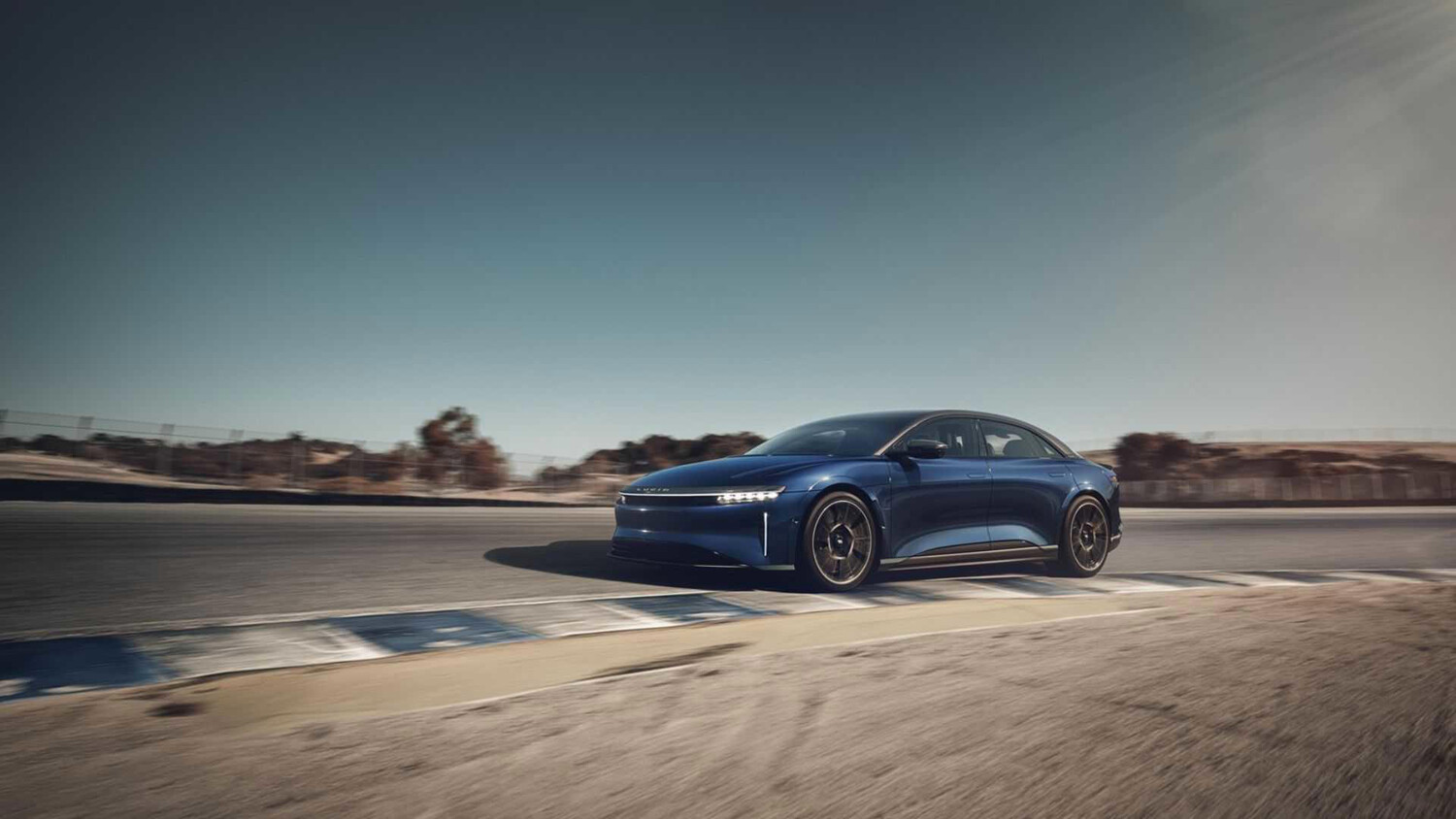
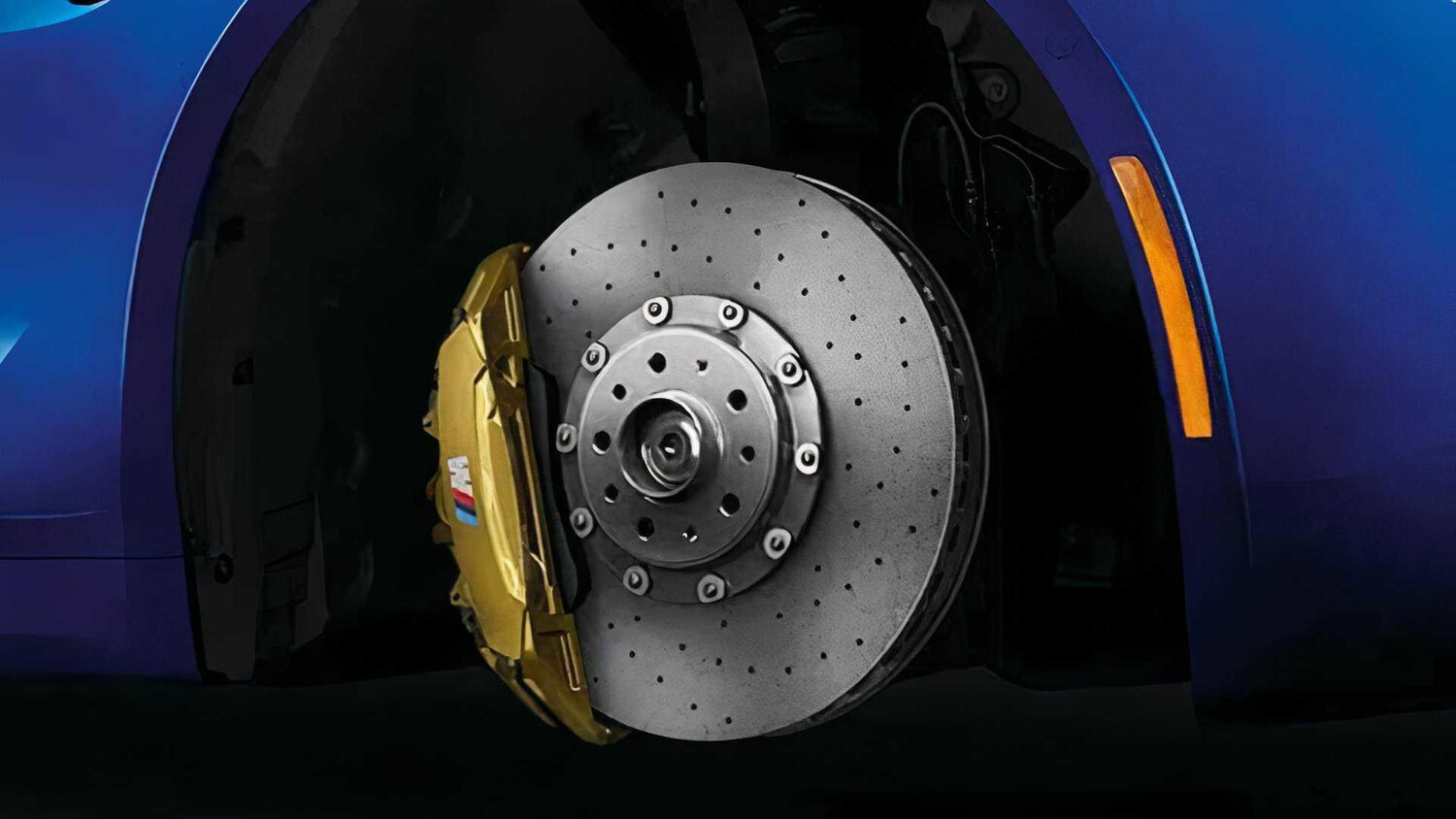
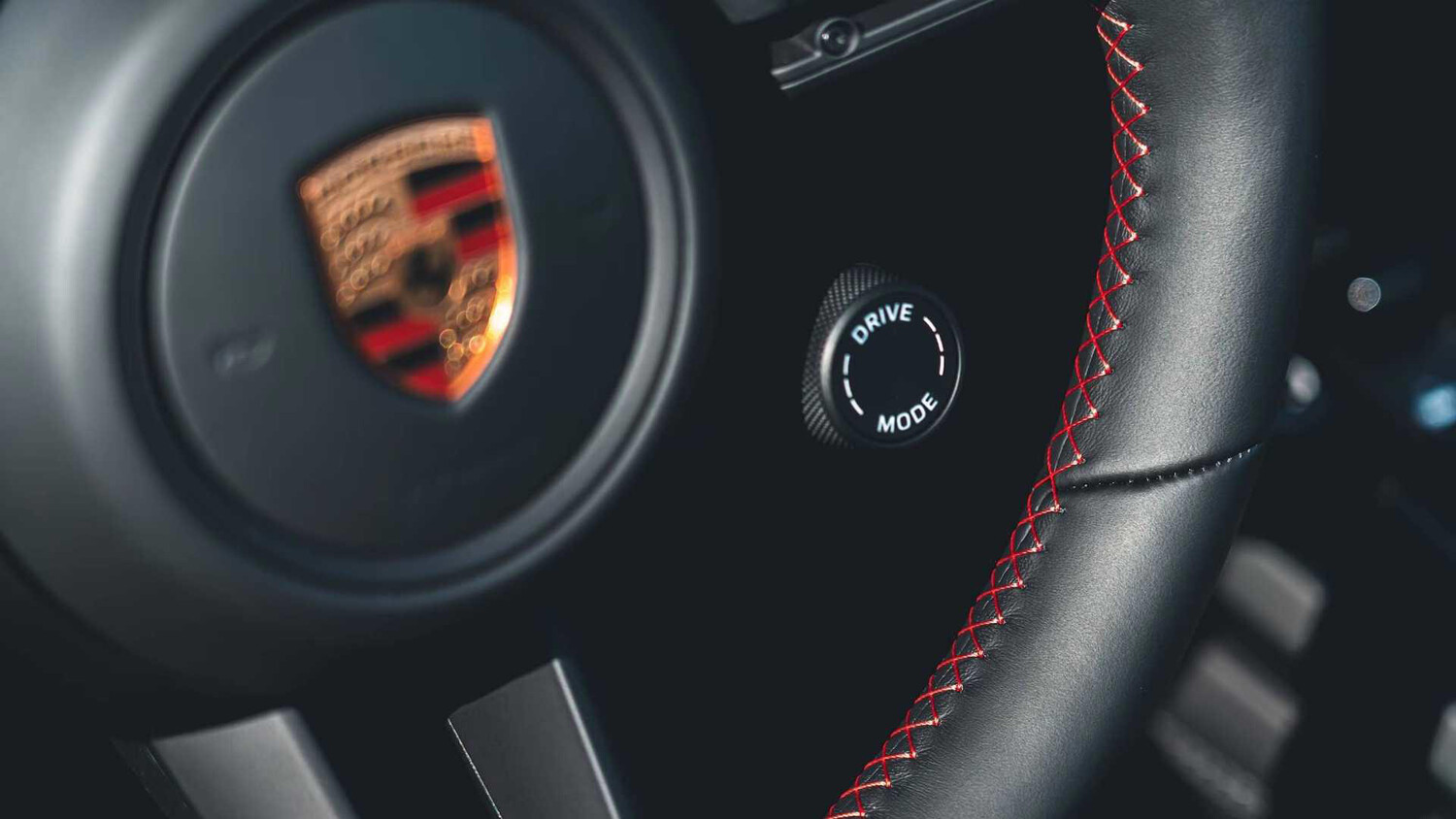
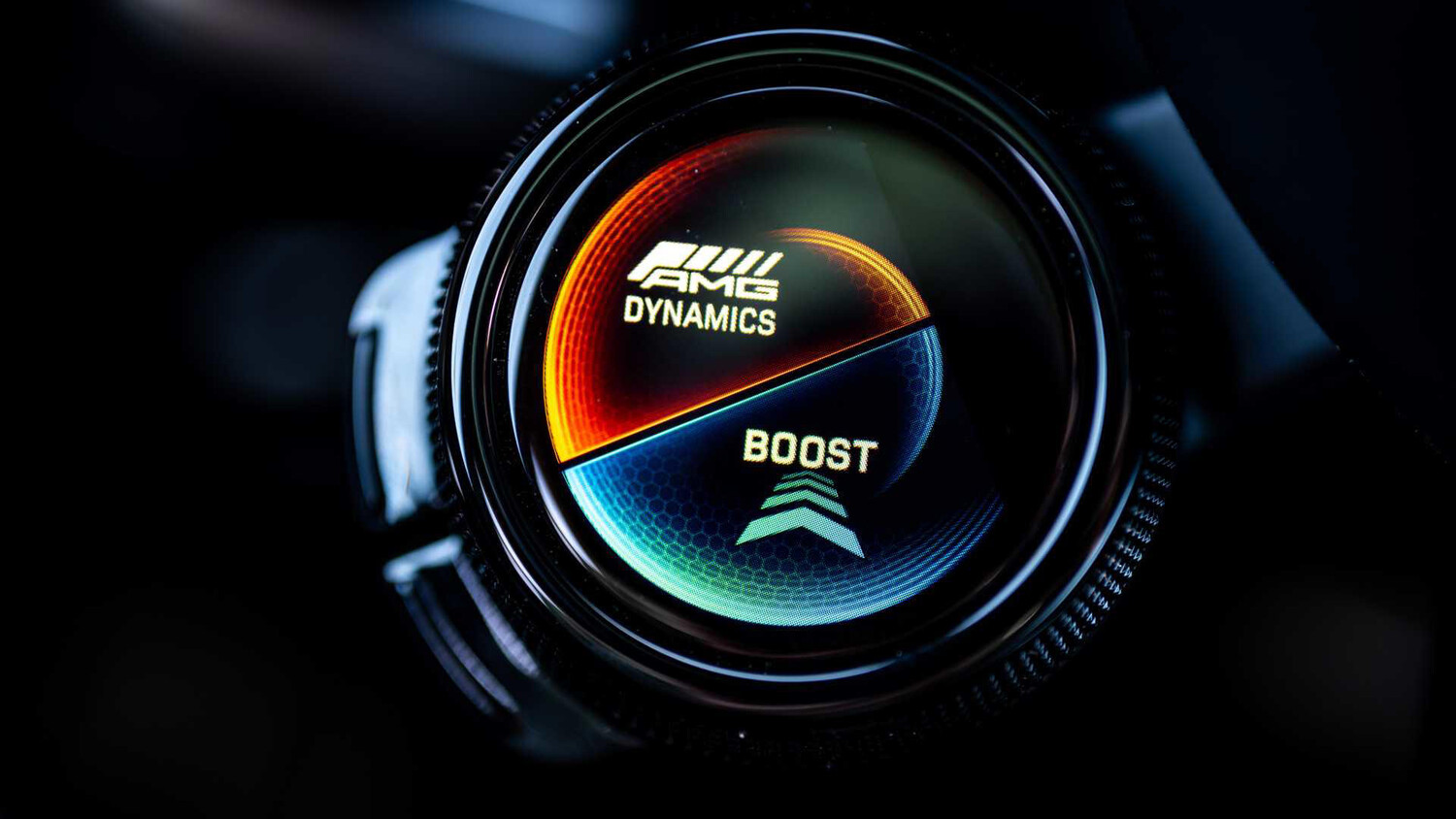
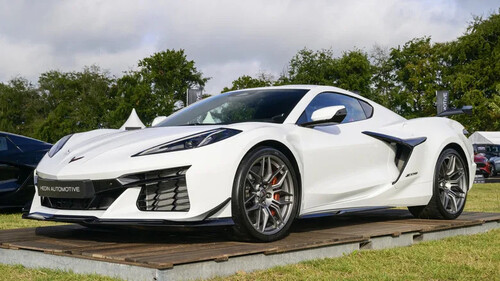
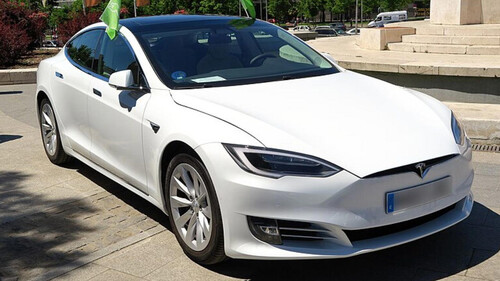
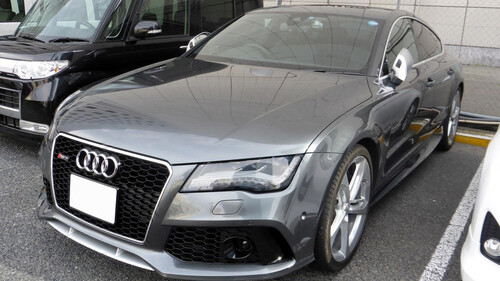
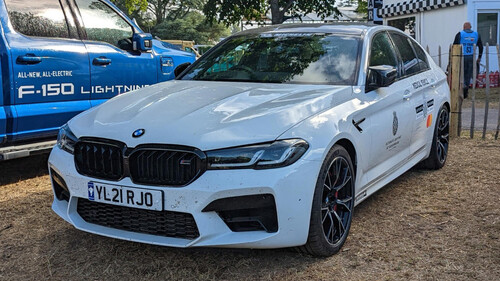
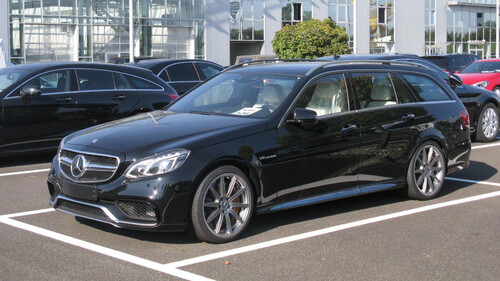
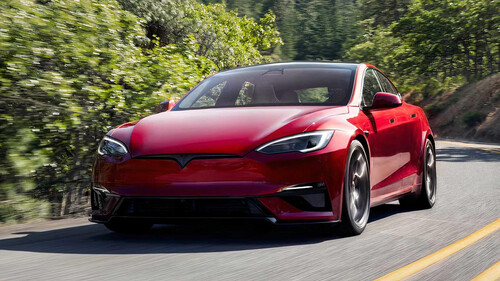
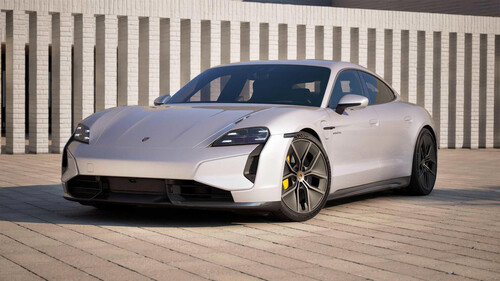
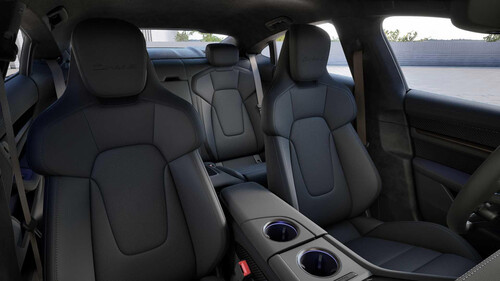
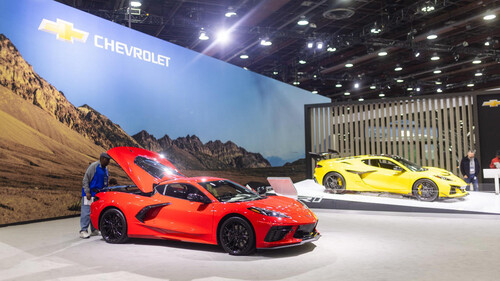
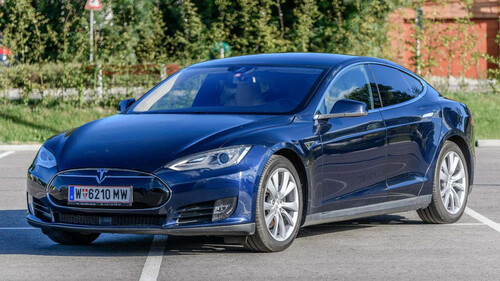
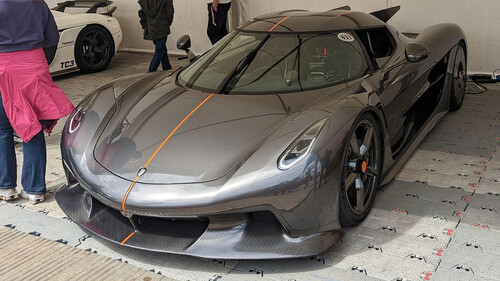
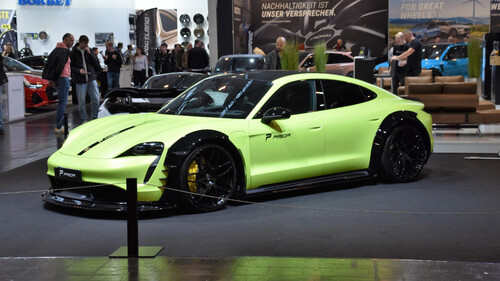
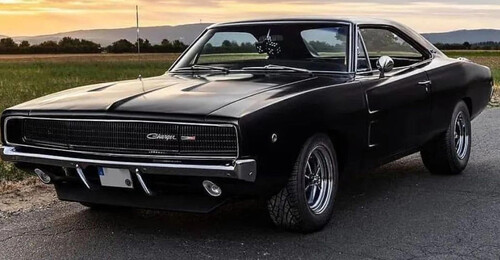
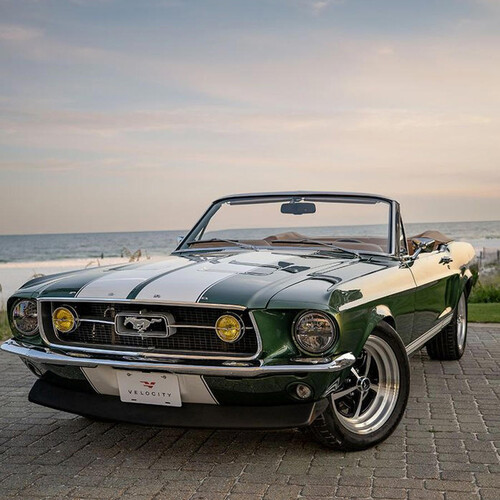
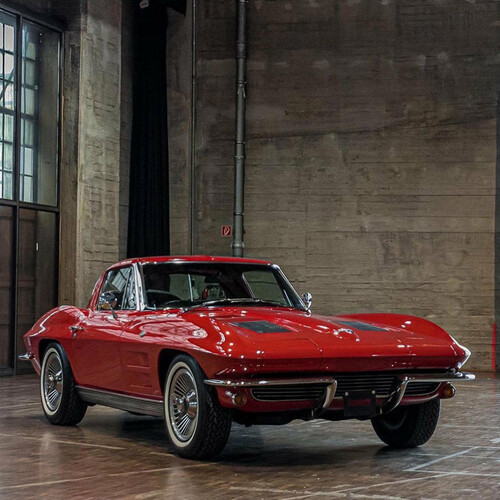
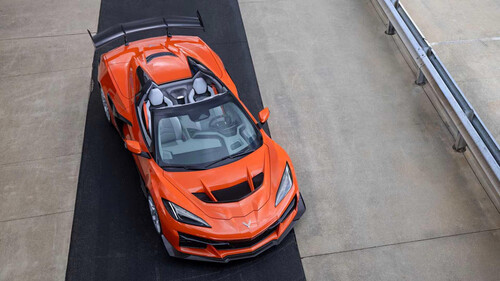
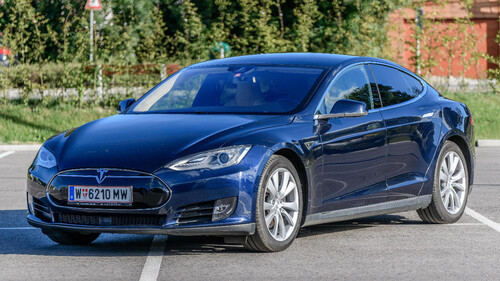
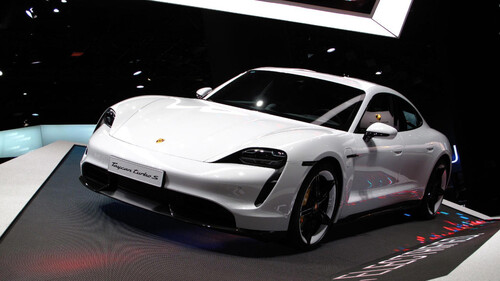
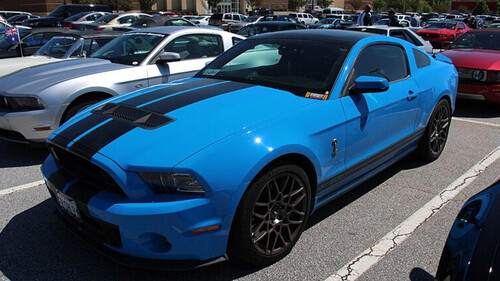
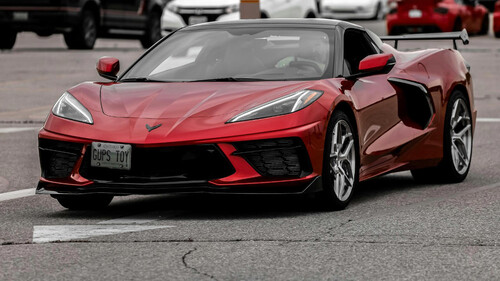
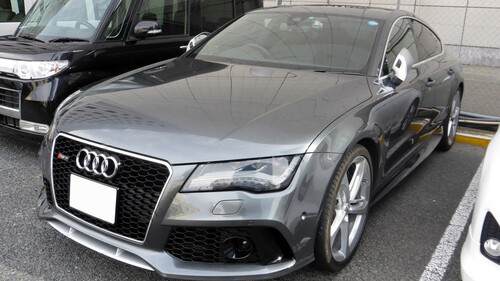
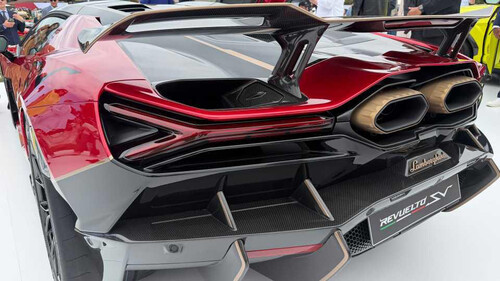
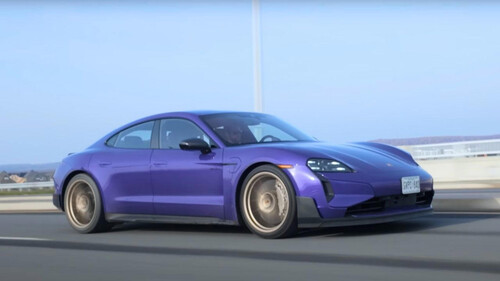
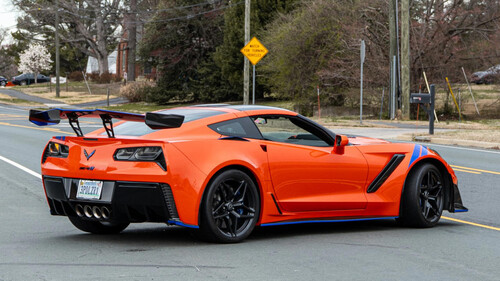
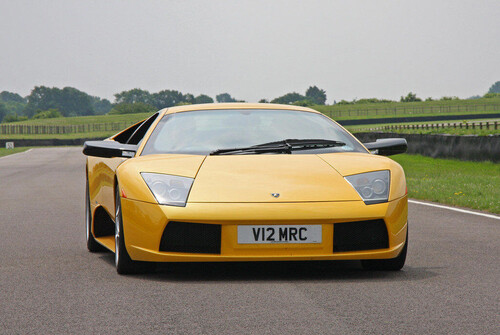
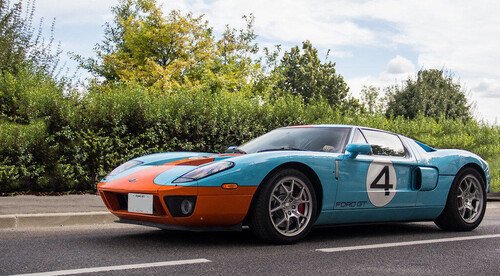
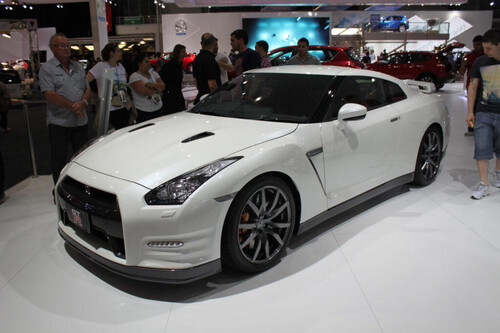
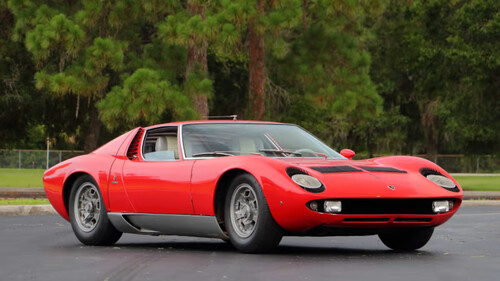
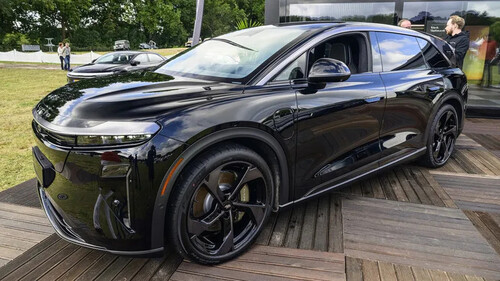
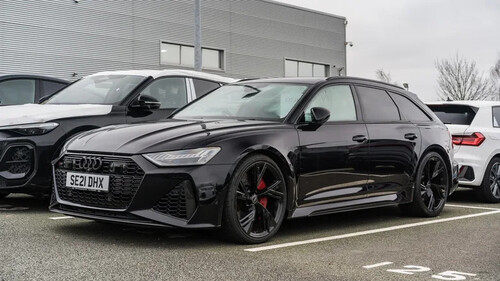
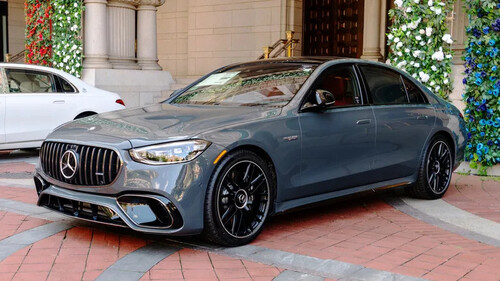
Early extreme-performance machines of the modern era were built like race cars with signal lights. Think nineties McLaren F1, Dodge Viper, or Ferrari F40: in this era, hitting the market with 400 or 500 horsepower got you a cover story in every car magazine on the rack at your local gas station. In these early examples and many like them, weight and electronics were the enemy. Comforts? Forget it. A back seat? Traction control? Sound deadening? Negative.Sure, many metrics can be used to define 'fast', be it quarter-mile trap speeds, 0-60 acceleration, top speed, or a Nurburgring lap time. However you define it, one virtually-universal constant has applied to the fastest machines on the road for much of modern history: the most impressive figures were typically delivered by the harshest, lightest, least-comfortable, and most intimidating cars on the road. Today, cars with 1,000 horsepower are becoming more and more common, and engineers are utilizing advancement after advancement to bring everyday friendliness to some of the most maniacally quick road-legal machines with four wheels and a factory warranty.Below, we'll dig into six important areas where engineers have been working overtime to deliver some of the most approachable performance experiences the auto industry has ever delivered. Tire Technology Is Unlocking Super Powers LucidIt's important to start by acknowledging the efforts of the modern tire engineer. The Corvette ZR1X has one of the most advanced traction management systems on the road, and a braking system designed to survive the heat of a LeMans race. The electric Lucid Air Sapphire weighs 5,335 pounds, has 1,234 horsepower, and can go from 0 to 60 in two seconds. The Rimac Nevera is an expert at handling extreme cornering forces to set lap records all around the globe. Despite the tremendous hardware and computing power at play above, each of the cars above uses just four small contact patches of rubber to adhere it to the road.As modern performance cars get smarter, heavier, faster, and more capable, tire technology has evolved to keep up with rigorous new demands. Advances in materials and experience derived from motorsports allow tire manufacturers to deliver tires with higher performance, durability, grip, efficiency, smoothness, and noise levels. The latest advances in tire tech are often driven by engineering support and collaboration between automaker and tire manufacturer, with automakers commonly calibrating and tuning their fastest cars around a specific OEM tire.Lucid The Porsche Taycan runs a dedicated Pirelli tire line selected after close collaboration between the two brands, ditto the 1,234-horsepower Lucid Air Sapphire, which also runs a bespoke Pirelli tire developed and sized specifically for that application. Remember the Porsche Carrera GT? When Michelin redeveloped its original PS2 tires fifteen years after the original, the updated construction, compounds, and carcass dramatically improved the driving experience of the original car, with experts noting shorter stopping distances, more predictability, better wet grip, and a more confidence-inspiring overall experience. Stopping Power That Outpaces Weight Gain Chevrolet The Corvette ZR1X offers the largest brake package ever fitted to a production Corvette, featuring 10-piston front calipers and six-piston units in the rear. In electrified applications, electric motors can pick up some of the workload of stopping the vehicle, reducing heat and stress on the conventional braking system, which can improve lap times further while regenerating electricity.Advances in materials and technology have helped engineers create modern braking systems capable of immense performance, even as the fastest cars on the road become dramatically heavier. Ceramic-based braking systems are increasingly standard on the world's fastest machines, selected for their ability to reduce weight while up-sizing rotor diameter and delivering incredible heat resistance. Brake-by-wire systems can further fine-tune racetrack readiness, automatically boosting brake pedal pressure when things get hot to ensure a consistent, confidence-inspiring pedal feel at all times.BMW Of course, stopping power isn't just a hardware game anymore. Modern supercars can monitor braking inputs to trigger adjustments to other vehicle systems, including the transmission and differential(s), incrementally improving performance. Some braking systems can even alter decision-making based on individual rotor temperatures calculated in real time by computational modeling without the use of weight-adding sensors. Track Stars Can Now Cruise Like A Dream Hagerty/YouTubeFor ages, covering the quarter mile in 10 seconds or less typically required the services of a heavily-built, parachute-equipped dragster that couldn't be driven on the street, and only went in a straight line. Similarly, setting a lap record on your favorite racetrack often required a purpose-built performance machine that wouldn't be much fun on a road-trip.Of all the areas where engineers have worked to quell the 'comfort versus performance' trade-off, one of the most consistently impressive remains ride quality. Even without the use of adaptive suspension technologies, modern structural improvements and high-performance dampers help cars handle better without degrading comfort. Adaptive suspension technologies take this a step further, adding special hardware that allows each damper to read and react to the road in real time.These systems can soften and stiffen the suspension on the fly, but their real asset lies in their ability to mitigate unwanted body motions. On the track, the suspension gives drivers more feedback, less travel, more precision, and a body that's tightly sprung against its wheels while being actively stabilized against unwanted roll and rebound. On the highway, a softer calibration can be engaged in milliseconds, providing more travel and less feedback while keeping the body (and occupants) more stable, more of the time. It's like switching out the race-spec suspension for a touring-spec setup at the touch of a button. Drive Modes Make The Experience More Approachable Porsche When the modern supercar first arrived, it ran a single, always-on configuration that was calibrated for maximum performance above all else. There was no such thing as 'SPORT' mode or 'TRACK' mode, since that was the baked-in default. Remember: these cars weren't intended to be comfortable, convenient, or peaceful.Fast-forward a few decades, and you're fully the boss of your modern supercar experience. Today, engineers have given drivers of the fastest cars on the road a full spectrum of custom control over the experience. At the touch of a button or two, drivers can set the stiffness, response, and ride height of their Porsche Taycan Turbo GT, or turn the 1,020-horsepower Tesla Model S Plaid from a noiseless dragster to a gentle luxury cruiser in 'Chill' mode. The Lamborghini Revuelto can switch from blasting ferocious V12 noises from its tailpipes to noiseless all-electric leisure-cruising at the flick of a switch.Mercedes With the ability to excite or relax the vehicle's engine, transmission, throttle, suspension, steering, soundtrack, braking system, and differentials with a button press, today's 1,000-plus horsepower rides allow their drivers to select the ideal balance of comfort and performance for any situation. Electric Motors Smooth The Spikes, Slash The Drinking, And Double The Traction Lamborghini Electric motors are commonly known for saving fuel and boosting performance, but combining an electric motor (or three) with a gasoline engine can result in some magical stuff. In fact, electric motors play a fairly major role in taming today's fastest cars (when they don't power them outright).Even very powerful gasoline engines take time to generate maximum output. Electric motors generate maximum output with no delay. Used in cahoots, an electric motor can fill in for the gas engine at low revs, improving throttle response, smoothness, refinement, and noise levels across the board, but in particular, in the sort of low-speed, low-rev driving where many supercars are particularly unpleasant to drive.Electric motors are also allowing engineers to bring AWD to exciting new gas hybrid applications like the Corvette E-Ray, where they improve traction, all-weather confidence, and overall performance, while helping tame your fuel bill in the process. Traction Management Has Entered The Space Age PorscheHaving a lightweight car that could do 0 to 60 in four seconds with limited electronics, no assists and primitive tires was one thing, but achieving it without roundhouse kicking a piece of nearby infrastructure was another. Remember the advances in tire technology and calibration we talked about earlier? Well, here's where the rubber really hits the road when it comes to taming the modern supercar's traction concerns for a more approachable experience.Early supercars could do 0 to 60 in, maybe, four seconds. Even in the hands of an expert driver, achieving that figure could be challenging, and might only be possible after averaging repeated attempts with sometimes-pricey wear involved. As cars approached and surpassed the 1,000-horsepower mark, the drive for higher-performing tires gave engineers a new foundation upon which to tune their latest traction control innovations, which now had access to better sensors, faster-acting hardware, and more computing power than ever. Now able to work increasingly within a realm where wheel slippage could be detected by the sensors, but not the driver, engineers could develop multi-mode traction control systems that let drivers switch between 'full assist' and 'no assist' across numerous increments to match their skill levels and current conditions.Tire-vaporizing fishtail launches are cool, but torque management, AWD, electric motors, and advanced traction management systems are making it easier for drivers to hit 60 in two seconds or less, with drama-free launches that are straight as an arrow.