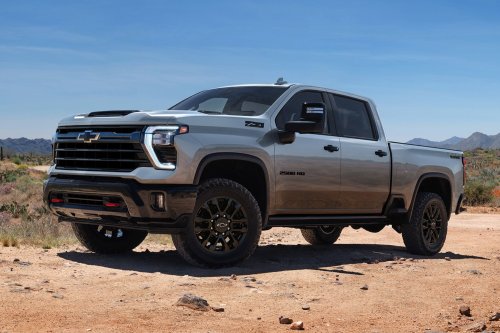
The White House denied a report that it was preparing a 90-day diesel export ban. Trump has backed the idea as diesel averages $6.52 a gallon nationwide. Energy Secretary Chris Wright says a ban could raise gasoline and jet fuel prices. Diesel prices are punishing truckers, farmers, and anyone who buys goods moved by either. That’s basically every single American. President Donald Trump says he likes the idea of keeping American diesel at home, and a report Wednesday suggested a 90-day export ban was in the works. Diesel futures fell hard on the report. Then the White House said the report was wrong. In the process, it left drivers wondering exactly what the plan was moving forward. According to Politico, the administration was preparing a 90-day ban on diesel exports, citing five people familiar with the discussions. Reuters said it could not independently verify that account. A White House official subsequently denied that the administration was considering a flat, temporary ban. Read: Diesel Tops $6 A Gallon As Fuel Prices Smash A New Record That distinction matters to anyone hoping for relief at the pump. According to AAA, the national average for diesel was $6.52 per gallon on September 23, up from $5.61 a month earlier and $3.69 a year ago. The cost lands directly on diesel owners, but it also affects the trucks and equipment, including trains, used to move food, build homes, and work farms. That infrastructure affects almost everyone across the nation. Trump openly backed the idea on Tuesday. “I’ve said let’s not send out the diesel,” he told reporters, adding that he had raised it with his administration. Treasury Secretary Scott Bessent said officials were examining whether a full or partial ban would be feasible. Those remarks made the subsequent report plausible, even though the White House now disputes its central claim. Credit: USGA Energy Secretary Chris Wright has a different view of the proposed fix. He said Wednesday that a blanket export ban would not work and could push gasoline and jet fuel prices higher. His concern is that restricting diesel exports could prompt refiners to process less crude oil. Since refineries produce several fuels from that crude, cutting output could squeeze the supply of other products, too. Wright said the administration is instead discussing voluntary cooperation with refiners to increase domestic diesel supplies. He offered no detailed plan and said no decision had been made. Markets reacted before that answer arrived. Reuters reported that October ultra-low-sulfur diesel futures were down about 4 percent Wednesday after falling more than 6 percent earlier. Futures prices are not pump prices, and Wednesday’s drop does not mean a trucker will see immediate relief at a filling station. For now, there is no announced export ban and no finished alternative. There is a president who favors the idea, an energy secretary warning it could make other fuels more expensive, and a White House denying that a 90-day ban is being prepared. Meanwhile, diesel owners, whether it’s a big rig, combine, or a heavy-duty pickup truck, are still paying more than $6.50 a gallon. Credit: Stellantis Lead: Ford




















 +80 others